BFJE Alumna Barbara Matejcic’s New Publication

New work by Fellow from 2009 looks at the challenging experiences of people rejected or ignored by wider society.

Six features by Barbara BFJE alumna Matejcic, covering the problems of rejection, handicap and the power of superstition – but also people’s strength of purpose – are being published in Croatia.

Kako ste?” [“How are you?”], published by Heinrich Boll, looks at the fate of so-called second-class citizens who are often invisible to most of society.

The features ask what it means to live with mental illness, what obstacles Roma children must overcome to be educated, what goes through the mind of a motionless person, how families with an undesirable national stigma survive in Croatia and what the fears of young women oppressed because of their sexual orientation are – among others.

A freelance journalist and editor from Zagreb in Croatia, Matejcic has long specialized in covering social issues.

She was recognized for the best written journalistic work in 2013 with the “Marija Juric Zagorka” award by the Croatian Journalists’ Association in 2014, and for the promotion of peace, nonviolence and human rights with the “Krunoslav Sukić” award (Center for Peace, 2013).

She received recognition for best monitoring of LGBT themes in Croatia from 2000 to 2010 from Zagreb Pride in 2011.

Matejcic was a BFJE fellow in 2009. Her story focused on the phenomenon of mixed marriages in cities that were once multi-ethnic communities in the former Yugoslavia, but which were destroyed by the war in the 1990s.

Thirrje për artikuj investigativë në fushën e Krimit të Organizuar

Thirrja organizohet nga Rrjeti Ballkanik për Gazetarinë Investigative në Shqipëri (BIRN Albania), me mbështetjen e Fondacionit Shoqëria e Hapur për Shipërinë, Balkan Trust for Democracy dhe National Endowment for Democracy.

Nëpërmjet këtij konkursi tre (3) gazetarë investigativë do të përzgjidhen për të prodhuar artikuj investigativë në fushën e krimit të organizuar, në bashkëpunim me shoqërinë civile. Fituesit do të përzgjidhen nga një juri e pavarur e përbërë nga gazetarë me eksperiencë dhe ekspertë në fushën e krimit të organizuar.

Aplikantët e përzgjedhur, të cilët do marrin një bursë prej 1,200 USD (minus taksën të ardhurave personale), do kenë në dispozicion një periudhë tre mujore për të përfunduar investigimin e tyre dhe përgatitjen e artikullit për publikim.

Kandidatët fitues pritet që të angazhohen dhe të përmbushin të gjitha detyrimet në lidhje me investigimin, siç janë: takimet e shpeshta me redaktorin, publikimin e tekstit në faqen e BIRN Albania www.Reporter.al dhe gjithashtu në www.BalkanInsight.com, si dhe respektimin e standardeve të gazetarisë investigative dhe etikës profesionale.

Kandidatët duhet të formulojnë një propozim të detajuar për konkursin. Propozimet duhet të kenë për qëllim ekspozimin e rasteve konkrete të pandëshkueshmërisë dhe mungesës së zbatimit të ligjit në sektorin e krimit të organizuar.

Prioritet në përzgjedhje do i kushtohet propozimeve të cilat përfshijnë një nga temat e mëposhtme, të sygjeruara si prioritare gjatë një tryeze të rrumbullakët midis gazetarëve dhe përfaqësuesve të shoqërisë civile të organizuar nga BIRN Albania:

–          Procesi i sekuestrimit të aseteve që burojnë nga aktiviteti kriminal dhe menaxhimi i tyre nga institucionet përgjegjëse;

–          Trafikimi i qenieve njerëzore dhe lëndëve narkotike;

–          Strukturat e krimit të organizuar dhe vrasjet me pagesë;

–          Shfrytëzimi i burimeve natyrore nga krimi i organizuar;

–          Pastrimi i parave;

–          Efikasiteti i hetimeve proaktive të policisë dhe prokurorisë;

–          Problematikat në zbardhjen ose gjykimin e ngjarjeve kriminale nga institucionet ligjzbatuese;

–          Lidhjet e krimit të organizuar me biznesin ose politikën.


Aplikantët mund të dërgojnë më shumë se një aplikim, por vetëm një propozim për kandidat do të përzgjidhet.

Të drejtën për të aplikuar e kanë të gjithë gazetarët në Shqipëri, të punësuar pranë mediave të tjera apo në profesion të lirë.

Kandidatëve u kërkohet të dërgojnë propozimet e tyre në formularin e aplikimeve (Kliko këtu për formularin), një CV dhe tre shembuj të punës së tyre me email në: [email protected] 

Afati i Aplikimit: 15 Mars, 2016

Kandidatët e përzgjedhur do të njoftohen deri më datë: 20 Mars, 2016

BIRN Albania Seeks Organized Crime Investigations

Grants offered for three journalists to cover organized crime stories as well as mentoring by experienced editors.

The Balkan Investigative Reporting Network in Albania launched a call for investigative stories on organized crime themes on February 29.

The call is part of the program “Exposing Corruption in Albania,” supported by the Open Society Foundation in Albania, the Balkan Trust for Democracy and the National Endowment for Democracy.

Three journalists will be awarded grants to cover their expenses while conducting investigations and writing their stories on organized crime.

The journalists will have some three months to dig deeper and research their ideas, and will also have the opportunity to work with experienced editors as mentors to guide them through the process of writing in accordance with BIRN standards.

The call only applies to journalists from Albania and closes on March 15

Click for more information about the application procedure, with details in Albanian.

Call for Expression of Interest

Exposing Illicit Wealth through Investigative Journalism


Tirana, March 9, 2016

Balkan Investigative Reporting Network, Albania (BIRN Albania), as part of the project ‘Exposing Illicit Wealth in the Albanian Justice System’ supported by the Democracy Commission Small Grants Programme of the US Embassy in Albania, will organize one training session in investigative journalism techniques in the field of assets declaration in the country.

BIRN Albania is seeking 10-12 mid-career journalists from all the regions of Albania to attend the investigative journalism training workshop on March 9th 2016, in Tirana.


Introduction to the training:

The training serves to provide a guide to the basic methods and techniques of investigative journalism as well as an overview of the asset declaration system and procedures in Albania. It aims to strengthen the skills and training of mid-career journalists to look closely at systemic issues of illicit wealth and conflict of interest, with a special focus on the red flags raised by the audit of asset disclosures by judges and officials of the justice system.


Who should attend:

The training targets mid-career journalists in Albania who are interested to deepen their knowledge of investigative journalism techniques and asset declaration procedures. Journalists from other regions outside Tirana are encouraged to apply. BIRN Albania will cover travel costs for journalists outside Tirana.


Training objectives:

The outcome for participants will be:

1. Improved understanding of Albania’s asset declaration system;

2. Improved applied methods and techniques of investigative journalism.


Application procedure:

Interested candidates must send a CV and letter of interest to [email protected]. Applications for this training close on Sunday, March 6. Successful candidates will be informed shortly thereafter.


Bursaries:

The journalists who take part in the training will participate in a competition from which BIRN Albania through an independent jury will select story ideas for five investigations and five in-depth analyses related to judges’ asset declarations that will be funded from the project and published with the help of BIRN editors via the online publications BalkanInsight.com and Reporter.al.

Thirrje për Shprehje Interesi

Zbardhja e Pasurisë së Paligjshme përmes Gazetarisë Investigative


Tiranë, 9 Mars, 2016

Rrjeti Ballkanik për Gazetarinë Investigative në Shqipëri (BIRN Albania), në kuadër të projektit ‘Zbardhja e Pasurisë së Paligjshme në Sistemin Gjyqësor Shqiptar’ me mbështetjen financiare të Programit të Granteve të Vogla të Komisionit për Demokraci të Ambasadës së SH.B.A.-së në Tiranë, do të organizojë një trajnim mbi teknikat e gazetarisë investigative në sistemin e deklarimit të pasurisë. 

Përmes kësaj thirrjeje për shprehje interesi, BIRN Albania kërkon të angazhojë 10-12 gazetarë nga të gjitha rajonet e vendit që të marrin pjesë në këtë trajnimin mbi gazetarinë investigative që do të zhvillohet më datën 9 Mars 2016 në Tiranë.


Prezantimi i trajnimit:

Ky trajnim ka për qëllim të ofrojë një guidë të metodave dhe teknikave bazë të gazetarisë investigative, si dhe njohuri më të thelluara mbi sistemin e deklarimit të pasurisë në Shqipëri. Ai synon të ngrejë njohuritë dhe aftësitë e gazetarëve për të ndjekur në mënyrë më sistemike çështjet e konfliktit të interesit dhe fshehjes së pasurisë, me focus të veçantë në profesionistët e sistemit gjyqësor në vend.


Kujt i drejtohet ky trajnim:

Trajnimi i drejtohet gazetarëve shqiptarë të cilët janë të interesuar për të thelluar njohuritë e tyre mbi teknikat e gazetarisë investigative dhe sistemin e deklarimit të pasurisë. Gazetarët që jashtë Tiranës janë të inkurajuar të aplikojnë. BIRN Albania do të mbulojë kostot e udhëtimit për të gjithë pjesëmarrësit nga rrethet.


Objektivat e trajnimit:

Objektivat e trajnimit janë që pjesëmarrësit:

1. Të thellojnë njohuritë mbi sistemin e deklarimit të pasurisë në Shqipëri;

2. Të përmirësojnë aplikimin e teknikave dhe metodave të gazetarisë investigative në këtë fushë.


Procedura e aplikimit:

Kandidatët e interesuar duhet të dërgojnë një CV dhe një letër shprehje interesi në adresën e e-mailit: [email protected]. Aplikimet për këtë trajnim përfundojnë të dielën, datë 6 Mars. Kandidatët e përzgjedhur do të njoftohen menjëherë pas kësaj date.


Mbështetja e pjesëmarrësve:

Gazetarët pjesëmarrës në këtë trajnim do të marrin pjesë në një konkurs, me anë të të cilit BIRN Albania përmes një jurie të pavarur do të përzgjedhë ide-propozime për 5 investigime dhe 5 analiza të thelluara në fushën e deklarimit të pasurisë në gjyqësor. Këto artikuj do të mbështeten financiarisht nga BIRN Albania dhe përmes mbështetjes teknike të stafit të saj do të botohen në dy mediat online: BalkanInsight.com dhe Reporter.al.


BIRN Albania Launches Call for Investigative Reports on Energy

The Balkan Investigative Reporting Network in Albania launched a call for investigative stories on energy themes on February 25.

The call is part of the programme on the transparency of the energy sector in Albania, supported by the Rockefeller Brothers Fund.

Five journalists will be awarded grants to cover their expenses while doing their investigations and writing their stories on corruption and wrongdoing in the energy sector, with a particular focus on the impact of energy projects on the environment.

The journalists will have about two months to dig deeper and research their ideas, and will also have the opportunity to work with experienced editors as their mentors to guide them through the process of writing to BIRN standards.

The call only applies to journalists from Albania. It closes on March 15.

Click for more information about the application procedure, with details in Albanian.

Thirrje për artikuj investigativë në sektorin e energjisë

Thirrja organizohet nga Rrjeti Ballkanik për Gazetarinë Investigative në Shqipëri (BIRN Albania), me mbështetjen e Rockefeller Brother Fund.

Nëpërmjet këtij konkursi pesë (5) gazetarë investigativë do të përzgjidhen për të prodhuar artikuj investigativë lidhur me sektorin e energjisë, në bashkpunim me shoqërinë civile. Fituesit do të përzgjidhen nga një juri e pavarur e përbërë nga gazetarë me eksperiencë dhe ekspertë në këtë fushë.

Aplikantët e përzgjedhur, të cilët do marrin një bursë prej 1,200 USD (minus taksën të ardhurave personale), do kenë në dispozicion një periudhë tre mujore për të përfunduar investigimin e tyre dhe përgatitjen e artikullit për publikim.

Kandidatët fitues pritet që të angazhohen dhe të përmbushin të gjitha detyrimet në lidhje me investigimin, siç janë: takimet e shpeshta me redaktorin, publikimin e tekstit në faqen e BIRN Albania www.Reporter.al dhe gjithashtu në www.BalkanInsight.com, si dhe respektimin e standardeve të gazetarisë investigative dhe etikës profesionale.

Kandidatët duhet të formulojnë një propozim të detajuar për konkursin. Propozimet duhet të kenë për qëllim ekspozimin e korrupsionit, abuzimin me pushtetin, pandëshkueshmërinë dhe mungesën e zbatimit të ligjit dhe të eficencës në sektorin e energjisë.

Prioritet në përzgjedhje do i kushtohet propozimeve të cilat përfshijnë një nga temat e mëposhtme, të sygjeruara si prioritare gjatë një tryeze të rrumbullakët midis gazetarëve dhe përfaqësuesve të shoqërisë civile që mbulojnë sektorin e energjisë të organizuar nga BIRN Albania më date 22 Shkurt 2016:

–        Mungesa e një strategjie kmbëtare për dhënien e koncesioneve në sektorin hidroenergjetik;   

–        Impakti mjedisor i HEC-ve në zonat e mbrojtura;

–        Mungesa e konsultimit publik për projektet energjetike;

–        Dhënia e paligjshme e bonuseve për propozimet e pakërkuara për konçesione për ndërtimin e HEC-eve;

–        Problematikat dhe mungesa e transparences në dhënien e lejeve minerare dhe impakti I tyre;

–        Mungesa e transparencës në draftimin e ligjeve dhe politikave në fushën energjetike;

–        Problematikat në menaxhim dhe borxhet e kompanive energjetike si OSHEE, KESH dhe Albpertol;

–        Shitja/tregtimi në mënyrë të paligjshme në tregun shqiptar të karburanteve ndotëse, në mënyrë të veçantë e naftës D1, e cila përmban nivele të larta plumbi;

–        Ricklimi i papërshtatshëm i vajrave dhe mbetjeve industrial;

–        Mungesa e monitorimit të brigjeve shqiptare për shkarkimin e vajrave ose naftës nga anijet që lundrojnë në ujërat territorial;

–        Roli i institucioneve ndërkombëtare në financimin e projekteve energjetike; dështime dhe suksese.

Të drejtën për të aplikuar e kanë të gjithë gazetarët në Shqipëri, të punësuar pranë një media apo në profesion të lirë.

Kandidatëve u kërkohet të dërgojnë propozimet e tyre në formularin e aplikimeve (Kliko këtu për formularin), një CV dhe tre shembuj të punës së tyre me email në: [email protected]

Afati i Aplikimit: 15 Mars, 2016

Kandidatët e përzgjedhur do të njoftohen deri më datë: 20 Mars, 2016

BIRN Macedonia Launches Tenth Call for Investigative Reports

BIRN Macedonia, together with the Centre for Civil Communications, launched the tenth call for investigative stories on February 29th.

The call is part of the ‘Project for Investigative Journalism and Cooperation Between Media and Civil Society’, and is part of a USAID programme for strengthening independent media in Macedonia.

Selected journalists will be awarded a grant covering their expenses during the investigation and writing phases of their stories. This call ends on October 28th.

Journalists will have approximately three months to dig deeper and research investigative story ideas. Grantees will be mentored by experienced editors who will guide them through the process of writing investigative stories according to BIRN standards.

Topics for investigations include: health; cultural policy; education and youth; human rights; EU integration; good governance; inter-ethnic relations; environment issues; marginalised groups; quality of life.

The call only applies to journalists from Macedonia.

The final call for investigative reports within this project will be launched at the end of 2016.

Click for more information about the application procedure, with details in Macedonian. 

BIRN Albania Holds Roundtable on Organized Crime

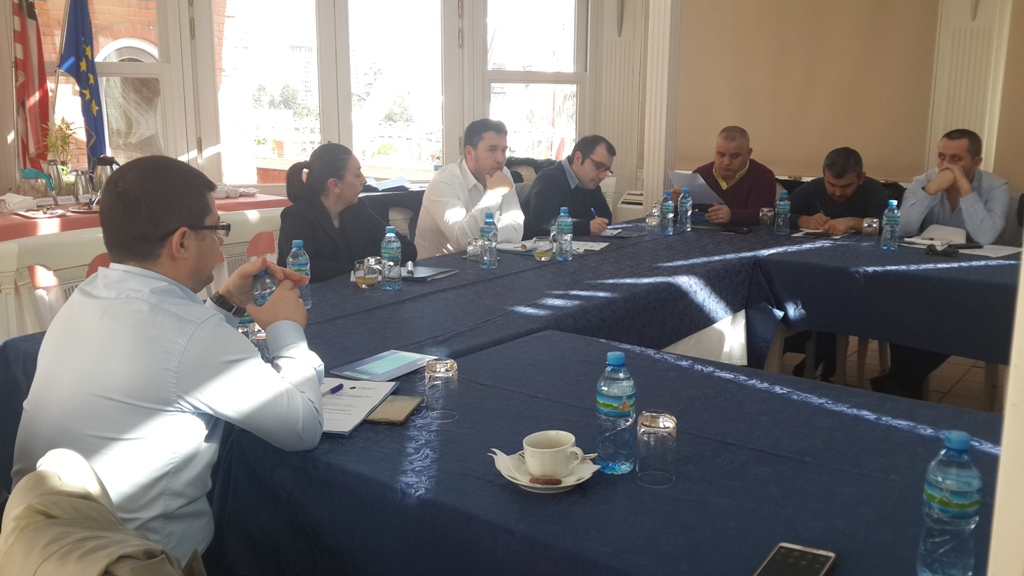
The Balkan Investigative Reporting Network in Albania held on February 25th a roundtable on organized crime in Tirana, bringing together representatives of civil society, experts and journalists. 

It was the sixth in a series of seven roundtables, part of a programme called ‘Exposing Corruption in Albania’, which is financed by the Open Society Foundation in Albania (OSFA), the Swedish International Development Cooperation Agency (SIDA), National Endowment for Democracy (NED) and the Balkan Trust for Democracy (BTD).

The project aims to expose corruption cases in seven different sectors: the environment, education, the judiciary, healthcare, public administration, local government and organized crime, by bridging the gap between journalists and CSOs, and by providing a solid basis for collaboration in exposing abuses of power.

About 19 representatives of non-governmental organizations and journalists discussed on the nature of organized crime in Albania and its links to the political and economic elite.

The participants to the roundtable listed a number of topics of concern, ranging from the infiltration of law enforcement agencies by organized crime, racketeering, drug trafficking and human trafficking. 

The topics highlighted by the NGOs will be listed in BIRN Albania’s upcoming call for investigative stories in the field of organized crime.


‘Soft Censorship’ Rife in Serbian Media, BIRN Report

Government pressure, state funding for favoured outlets and self-censorship have all contributed to a worsening in Serbia’s media landscape, a BIRN media report says.

State funding for favoured media outlets, a generally poor economic situation and self-censorship among journalists pose a real threat to objective public information and make the outlook for the Serbian media worse year by year, a BIRN Serbia report entitled “Soft censorship, Changes in media sector – from bad to worst”, issued on Thursday, writes.

Tanja Maksic, BIRN Serbia’s main researcher in the project, defines “soft censorship” as “hidden control”, and says it arises mainly from non-transparent and selective state funding of certain media accompanied by punishment of those that defy government control.

“The authorities use official state funding to reward obedient media and punish those that are critical,” Maksic said, adding that the phenomenon feeds “clientelistic relationships” in which the media become addicted to and dependent on state-sourced finance.

According to the report, “soft censorship” runs from misuse of public funds to abuse of regulatory and inspection powers and various tax incentives granted arbitrarily by the state.

The long-awaited privatization of the media in Serbia has not brought freedom to the press, since only 34 of an initial 70 state-owned media outlets found new owners, the report says.

“Out of that [34], almost half are in direct or indirect connection to the ruling parties,” the report says.

The government’s separate treatment of “suitable” and unsuitable media and journalists, plus precarious working conditions and low pay all contribute to the phenomenon of self-censorship.

The BIRN report refers to a recent survey of the sociologist Srecko Mihailovic “From Journalists to Labourers, Precarious Work and Life”, in which 70 per cent of questioned journalists said self-censorship among journalists was widespread. Only 5 per cent disagreed.

The BIRN Serbia press conference for the report was attended by colleagues and partners from the region, including Aleksandar Trifunovic, editor of BUKA magazine from Bosnia and Herzegovina, Daliborka Uljarevic from the Montenegrin Civil Education Center and Sasa Lekovic, president of Croatian Journalists Association.

Comparing the “soft censorship” experiences of the four countries, they agreed that political influence on the media remained strong and that self-censorship was a serious problem.

Lekovic said the media in Croatia had much the same problems as in Serbia, stressing that there is no real difference between “soft” censorship and censorship.

“It is all censorship. You cannot be half-dead,” Lekovic said, adding that despite EU membership, media freedom in the country had not truly progressed.

“The EU deals with media freedoms only declaratively. Everything is down to the national government,” Lekovic said, adding that Croatia’s new government appeared hostile toward media freedoms.

All the panelists agreed that the media in Serbia are facing the strongest pressure of all four countries.

“Only Macedonia is in a worse situation in the region,” Slobodan Georgiev, BIRN Serbia journalist, added.

This debate has been organized with the financial assistance of the project South East European Media Observatory, supported by the European Union. The contents of this event are the sole responsibility of BIRN and can in no way be taken to reflect the views of the European Union.