BIRN’s ‘Digging Deeper’ Published in Macedonian

BIRN’s investigative journalism guide “Digging Deeper”, written by Sheila Coronel, director of the Stabile Center for Investigative Journalism and professor at Columbia University, New York, has been published in Macedonian.


The guide for the investigative journalists in Macedonian, entitled “Pod povrshinata”, will be distributed to universities and libraries across Macedonia but also to journalists involved in different projects implemented by BIRN Macedonia. The handbook’s translation and print was funded by the Foundation Open Society Institute Macedonia.

Digging Deeper” is a product of BIRN’s Investigative Reporting Initiative, an educational programme that includes cooperation with international universities and local partners with the aim of putting the guide into commercial use as a curriculum for investigative reporting.

In the guide, journalists’ articles, coupled with interesting advice, skills, investigative stories, databases, case studies, exercises and tips and techniques inspire readers to take up the challenge of a career in investigative journalism.

BIRN’s “Digging Deeper” is part of the curriculum of the BIRN Summer School of Investigative Reporting LINK. BIRN has published two editions of the book in English, which has been translated into Serbian and Albanian as well as Macedonian.

All who are interested in obtaining free copy of this valuable guide for investigative journalists should contact BIRN Macedonia office at this email address: [email protected].

See the full text in Macedonian here.

Thousands Sign Bosnia Petition to Stop Censorship

Close to 3,000 people have signed a petition against the court of Bosnia and Herzegovina’s practice of withholding information from war crime trials.

BIRN BiH launched the petition three weeks ago as a part of its ‘Stop Censorship Over War Crimes’ Campaign. Over the course of six days, people in Sarajevo had the chance to better inform themselves about the issue of the anonymisation of court documents.

“As of last year, we have verdicts for war crimes that literally state ‘F.K. together with S.F. committed a crime in town B., Municipality Z.’, which means that you as a citizen have no idea where this crime happened or who committed it,” said Selma Ucanbarlic, BIRN’s court monitor and Justice Report journalist.

Apart from initials replacing names in verdicts and indictments, the court of BiH releases only 10 minutes of audio-video material from trials, preventing the public from hearing victims’ full testimonies.

“How else as ordinary citizens living here can we know whether someone who killed, robbed, and committed other atrocious crimes is walking among us?” said one Sarajevan after signing the petition.

BIRN’s petition is just one of the activities organised to help raise public awareness about censorship. In the coming weeks, the campaign will continue in other towns, after which the signatures will be submitted to the authorities.

BIRN Macedonia Project Has Visible Results

BIRN Macedonia has recorded visible successes and made an evident impact with its Project for Investigative Journalism and Cooperation between Media and Civil Society.

The project, forms part of the USAID Programme for Strengthening the Independent Media in Macedonia.

The first visible results are the outcomes of a series of debates organized over the past three months aimed at strengthening cooperation between journalists and civil society.

Ten common issues were detected at a debate in mid-April where about 90 NGO representatives and journalists debated for almost three hours, suggesting different topics of common interest.

Each debate was based on a specific topic on which journalists and NGO representatives with expertise in the selected topic were invited to share experience and knowledge, discuss obstacles and positive aspects from their cooperation, and share ideas for further, more intense collaboration.     

Ana Colovic Lesoska, from Ekosvest, an organization involved in several of the debates, says the meetings were more than necessary.

“I can only share positive impressions from these debates. I was surprised by the number of journalists attending them, especially the debate on the environment, having in mind the complexity of this topic,” she said.

“Being aware that the aim of these events was to stimulate investigative journalism and reinforce cooperation between journalists and civil society, I believe the linkage established between those two parties will serve as a base for successful future cooperation between them,” Lesoska added.

The events provided an opportunity for many organizations working on a local, regional and national level in Macedonia to meet the journalists covering these topics, and so improve communications while boosting their own public profile.

Irena Cvetkovic, from the Sexual and Health Rights of Marginalized Communities organization noted real improvements in the reporting on marginalized groups following the debate on marginalized communities in Macedonia.

“After a long period there was an article on drug users that did not stigmatize this marginalized group and brought in opinions from various experts in this field,” she noted.

“This article resulted from a conversation I had with a journalist from Dnevnik (a Macedonian daily) at one debate, which was followed by my recommendations for relevant sources and experts. The article was rapidly shared on social networks, and recognized as a rare example of correct media coverage on the topic of the war against drugs,” she added.

“This might look like a small step, but I believe it is a big step forward for journalism in Macedonia,” Cvetkovic concluded.

The debates provided many opportunities for journalists as well. Kristina Ozimec, a young journalist who attended most of the debates, said: “It was an advantage to sit at the same table with activists and people from NGOs and openly discuss all issues, from human rights and education to inter-ethnic relations and European integration,” she said.

“For me, as a journalist, it was helpful to get tips and leads into many of the problems mentioned in the debates, because most of them can be developed into good stories,” she added.

“Hopefully, this cooperation over time will intensify and be more noticeable through higher-quality journalism and the visibility of some significant NGO projects that are important to citizens.”

Ozimec said she had written several articles based on information shared in the debates she attended, such as one on higher education in Macedonia, entitled “More faculties, less knowledge.” 

Veteran journalists were also actively involved in the debates. Mence Toci, a journalist with more than 20 years’ experience, awarded at the first call for investigative stories from this same project, used the opportunity to film short interview  with Andrej Senih from HERA on the treatment that patients with HIV and AIDS are having in the hospitals in Macedonia and the risks from the lack of medicine that they are facing. The interview was filmed during the debate dedicated on health.

“These debates were an appropriate place for journalists to address their need of fresh information, studies, analysis and statements that can be used as sources, coming from the NGOS,” she said.

“Journalists these days are in a very tough position, facing a lack of information, especially when it comes to politicians, who usually cooperate only with a few media,” Toci noted.

The Project for Investigative Journalism and Cooperation between Media and Civil Society was lunched in February 2013 and it will end in July 2015.

In the first phase of the project implementation, 11 debates were organized. The first, on April 17, focused on detecting common issues, while the last was on June 20, where the main topic was Macedonia’s EU Integration process.

All debates reached high visibility and outreach by involving more than 200 NGO representatives and journalists as visitors and active participants.

As result of their involvement dozen of articles were published in the media, such as an analysis on internal migration from smaller cities in Macedonia to Skopje, which was published as a result of the debate on the quality of life, and the columns of Koco Andonovski, an LGBT activist working for the Helsinki Committee from Macedonia as well as the column of Magdalena Manevska from the youth organization Center for Intercultural Dialogue from Kumanovo on youth and tolerance.

Asked to sum up the experience of the debates, Cvetkovic said: “These meetings and debates were excellent opportunity for both journalists and civil society representatives to understand and reinforce cooperation.”

Photo gallery from all events is available at the BIRN Macedonia Fan page.

See the full text in Macedonian here.

Проектот на БИРН Македонија има видливи резултати

Проектот наменет за зајакнување на соработката помеѓу новинарите и невладини организации во Македонија постигна видлив успех.

БИРН Македонија забележа видлив успех и евидентно влијание со својот Проект за истражувачко новинарство и соработка помеѓу медиумите и граѓанскиот сектор.

Проектот е дел од програмата на УСАИД за зајакнување на независните медиумите во Македонија.

Првите видливи резултати произлегоа од серијата дебати кои беа организирани во текот на изминатите три месеци, чија цел беше зајакнување на соработката помеѓу медиумите и граѓанскиот сектор.

Десет теми од заеднички интерес беа утврдени на дебата во средината на април каде што околу 90 претставници од невладиниот сектор и новинари дебатираа речиси три часа, предлагајќи различни теми од заеднички интерес.

Секоја дебата беше базирана на одредена тема за која новинарите и претставниците на граѓанските организации кои работат во конкретната област беа поканети да споделат искуства и знаења, да дискутираат за пречките и позитивните страни на нивната соработка и да разменат идеи за понатамошна, поинтензивна соработка.

Ана Чоловиќ Лешоска, од ЕкоСвест, организација која присуствуваше на повеќе дебати, вели дека средбите беа повеќе од неопходни.

„Моето искуство од дебатите е позитивно- прво бидејќи бев изненадена од бројот на новинари кои дојдоа на дебатата за животна средина. Животна средина е многу комплексна тема, со многу различни под-теми кои треба да си најдат место во медиумите.“

„Бидејќи целта беше стимулирање на истражувачко новинарство, контактите кои беа воспоставени помеѓу организациите и новинарите ќе бидат користени и во иднина со цел подобра соработка меѓу овие два сектори,“ додаде Лешоска.

Настаните овозможија многу организации кои работат на локално, регионално или национално ниво во Македонија да се сретнат со новинарите кои ги покриваат овие теми, и да ја подобрат заемната комуникација со што би се профилирале себеси подобро во јавноста.

Ирена Цветковиќ од Коалицијата за сексуални и здравствени права на маргинализирани заедници забележа вистински напредок во известувањето за маргинализираните групи по дебатата за маргинализирани заедници во Македонија.

„По подолго време во нашите медиуми се појави позитивен и нестигматизирачки прилог за корисниците на дроги, кој ја опфати проблематиката на т.н. војна против дрогите консултирајќи експерти, но и светски искуства кои говорат за погрешните стратегии на војната против дрогите,“ забележува таа.

„Прилогот беше директен производ на разговорите меѓу новинарот од Дневник и мене на една од дебатите, а продолжи преку посочување на релевантни извори и заедничко договарање на соговорници. Прилогот беше споделуван на социјалните мрежи и оценет од лицата кои користат дроги како редок пример на коректна медиумска обработка на темата војна против дрогите,“ додава таа.

„Ова е можеби мал чекор, но секако е чекор напред кој долго го чекавме,“ заклучи Цветковиќ.

Дебатите претставуваа огромна можност и за новинарите исто така. Кристина Озимец, млада новинарка која присуствуваше на неколку од дебати, рече:

„Беше многу позитивно да се седне на иста маса со активисти и луѓе од НВО секторот и отворено да се разговара на секакви теми, од човекови права и образование до меѓуетнични односи и европски интеграции,“ вели таа.

„За мене, како новинар, беше корисно да добијам совети и насоки во многу од проблемите споменати на дебатите, бидејќи многу од нив може да се развијат во добри текстови,“ вели таа.

„Се надеваме дека со текот на времето оваа соработка ќе стане поинтензивна и дека ќе биде позабележлива преку високо квалитетно новинарство и преку значајни НВО проекти кои им се важни на граѓаните“, заклучува Озимец.

Озимец вели  оти напишала неколку текстови базирани на информации кои ги добила на дебатите на кои присуствувала, меѓу кои и текстот за високото образование во Македонија, насловен „Сѐ повеќе факултети, сѐ помалку знаење.“

Поискусни новинари беа исто така активно вклучени во дебатите. Менче Точи, новинарка со повеќе од 20 години искуство, наградена на првиот повик за истражувачки стории  од овој проект, ја искористи можноста за известување за новитетите кои претставниците од невладините организации ги претставија на дебатата посветена на здравството.

„Дебатите им помогнаа и на новинарите и на невладините организации да го осознаат клучниот момент кој би им помогнал меѓусебно да соработуваат и како заеднички да функционираат,“ вели таа.

„Новинарите се наоѓаат во многу незавидна положба бидејќи недостасуваат информации  особено кога политичките субјекти или не даваат изјави или тие се насочени само кон одредени медиуми,“ забележува Точи.

Проектот за истражувачко новинарство и соработка помеѓу медиумите и граѓанскиот сектор започна во февруари 2013 година и ќе трае до јули 2015 година.

Во првата фаза од имплементацијата на проектот, организирани беа 11 дебати. Првата, одржана на 17 април, беше фокусирана на утврдување на теми од заеднички интерес, додека последната беше на 20 јуни, и се дискутираше процесот за евро-интеграција на Македонија.

Сите дебати имаа висока посетеност, благодарение на вклучувањето на преку 200 претставници  на невладини организации и новинари како посетители и активни учесници. 

Резултат од дебатите беа неколку текстови објавени во медиумите, како анализа за внатрешната миграција од помалите градови во Македонија кон Скопје, која беше објавена како резултат на дебата за квалитет на живот, и колумните на Кочо Андоновски, ЛГБТ активист кој работи во Хелсиншки комитет Македонија, како и колумната за младост и толеранција на Магдалена Маневска од младинската организација Центар за Интеркултурен Дијалог од Куманово.

Како сумирање на искуството од дебатите, Цветковиќ рече: „Дебатите лично ги доживеав како отворен канал за комуникација меѓу новинарите и претставниците на здруженијата на граѓани кој очигледно недостасувал подолго време.”

Фото галерии од сите настани се достапни на  страната за поддршка на БИРН Македонија.

Annual meeting of BIRN Assembly and Steering Board

BIRN brought together its Steering Board and Assembly members for their annual meeting in Belgrade from July 9-12.

The meeting takes place each year in the Serbian capital to enable Board and Assembly members to discuss BIRN’s ongoing activities and its plans for strategy development.

During the three-day meeting, a new BIRN statute that was presented last year at the Board meeting and an audit of BIRN HUB was endorsed.

Ana Petruseva, one of the founders of the BIRN regional network and BIRN Macedonia, said: “This helps us get clear picture how to proceed with new and ongoing BIRN activities.”

Local BIRN directors presented also all their country activities and strategic and operational issues to the members of the Assembly.

The possibility of opening a BIRN office in Albania was also discussed.

BIRN BiH Releases ‘Stop Censorship’ Campaign Video

As part of the ‘Stop Censorship About War Crimes’ campaign, BIRN BiH this week released a 30-second video starring ten celebrities stating the importance of getting proper information about war crimes trials and the need for the names of those convicted to be made public.

The video features NBA Brooklyn Nets basketball player Mirza Teletovic, Academy Award-winning director Danis Tanovic, ‘Go West’ film director Ahmet Imamovic, war crimes attorneys Vasvija Vidovic and Radivoje Lazarevic, actors Aleksandar Seksan and Jasmin Mekic, rapper Adnan Hamidovic ‘Frenkie’, BiH national handball team player Enid Tahirovic, and photographer Dejan Vekic.

“This is just one of the actions undertaken in order to prevent further anonymisation of the court’s documents, including final verdicts and audio-video material from war crimes trials, but also organised crime and corruption [cases],” said Erna Mackic, editor-in-chief of BIRN’s Justice Report.

The video is being distributed to the country’s major TV outlets and is also available on the You Tube channel as well as on the Campaign’s Facebook page.

In March 2012, the court of BiH adopted a rulebook stating that initials will replace the full names of those convicted of war crimes and that only recordings of the first 10 minutes of a trial will be available to the public.

BIRN Editor Discusses Srebrenica on State TV

The editor-in-chief of BIRN’s Justice Report, Erna Mackic, was a guest on a BHT 1 television programme dedicated to the 18th anniversary of the Srebrenica genocide on Thursday.

Mackic spoke about possibilities of coexistence in Srebrenica as well as other towns in BiH that were devastated by the war. She also touched upon the processing of war crime cases at courts in BiH and The Hague.

Mackic said that politicians, researchers, NGOs as well as ordinary citizens should respect the courts’ final verdicts.

Ignoring verdicts is yet another way of dismissing war crimes and the genocide committed in Srebrenica, Mackic stated.

Alongside Mackic, the other guests included Nina Seremet from the Youth Initiative for Human Rights in BiH and Cedomir Glavas from Bratunac-based NGO Odisej.

All the speakers agreed that Srebrenica genocide should not only be remembered on the annual commemoration day on July 11, but at other times during the year too.

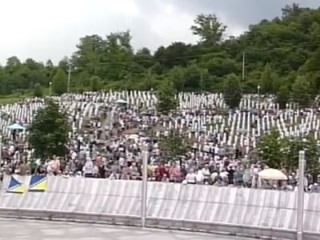
On July 11, BHT 1 broadcast special programming throughout the day dedicated to the burial of 409 Srebrenica victims in Potocari.

BIRN Steering Board and Assembly Meets in Belgrade

BIRN is holding its annual Steering Board and Assembly meeting from July 9-12 in Belgrade.

The meeting is organised to discuss strategic and operational issues facing BIRN, ongoing programmes and plans for the future. 

The Steering Board is composed of BIRN country directors. Each board member will make a presentation about country specifics and fundraising activities.

The Assembly brings together Tim Judah, author and Balkans correspondent for The Economist, Wolfgang Petritsch, Austria’s permanent representative to the OECD, Steve Crawshaw, international advocacy director at Amnesty International, Stefan Lehne, former Austrian diplomat and visiting scholar at Carnegie Europe in Brussels, and Per Bymon, secretary-general of Swedish Radio and Television’s humanitarian foundation, Radiohjälpen.

‘Stop Censorship About War Crimes’ Campaign Launched

The ‘Stop Censorship About War Crimes’ campaign, launched on Wednesday at a conference organised by BIRN in Sarajevo, is calling for the names of war crimes defendants not to be kept anonymous and for full audio and video recordings of all hearings to be made public.

The campaign aims to amend current rulebooks which are denying journalists and ordinary citizens full access to judicial institutions in the country.

BIRN Bosnia editor Erna Mackic said that the state court uses initials instead of full names in war crimes verdicts and that it has stopped issuing full video and audio recordings from hearings.

Mackic added that the state prosecution has also stopped publishing indictments, which and prevents journalists from objectively reporting on trials.

“We want to show that war crimes are always a matter of public interest,” Mackic said.

“We should stop the selective approach of judicial institutions, so that sometimes you have direct feeds of verdicts, and other times you get a ten-minute recording. This is wrong, since crimes are crimes and all crimes are important,” she said.

Mia Karamehic from the Human Rights Centre at the University of Sarajevo said that the practices are absurd because according to the law, hearings are public.

“According to the law, media can attend hearings and report on anything. However, if they are unable and want to get a document from the court, or a verdict, they cannot, which is absurd. This renders war crime trials, for instance, meaningless,” said Karamehic.

She said that judicial institutions are refusing to accept that Bosnian law accepts the primacy of public interest over individuals’ rights to privacy.

Bakira Hasecic, president of the association Women – Victims of War, said that it is vital for victims, and the entire community, to have full access to information about such crimes. It is especially important for future generations, she added.

“We must speak openly about war crimes. If a victim wants to testify publicly, why should a court limit that right? We must end the cycle of silence,” said Hasecic.

Her view was shared by a representative of the International Commission on Missing Persons, Klaudia Kuljuh, who said that the practice breached the right to truth for all war victims and citizens.

“According to the law on missing persons in Bosnia, all victims have the right to know the truth,” said Kuljuh.

“Victims come to ask and ask about their lost loved ones. It is natural that they want to know how they died and who is responsible. That information is hidden in verdicts and this is why we want to see all institutions publish all data,” she said.

To take part in the campaign, see www.justice-report.com and www.depo.ba or call the toll-free number: +387 33 911 555. More information about the campaign and related events is also available at the Facebook page: STOP cenzuri o ratnim zlocinima.

BIRN Holds Sarajevo Debate on Post-War Memorialisation

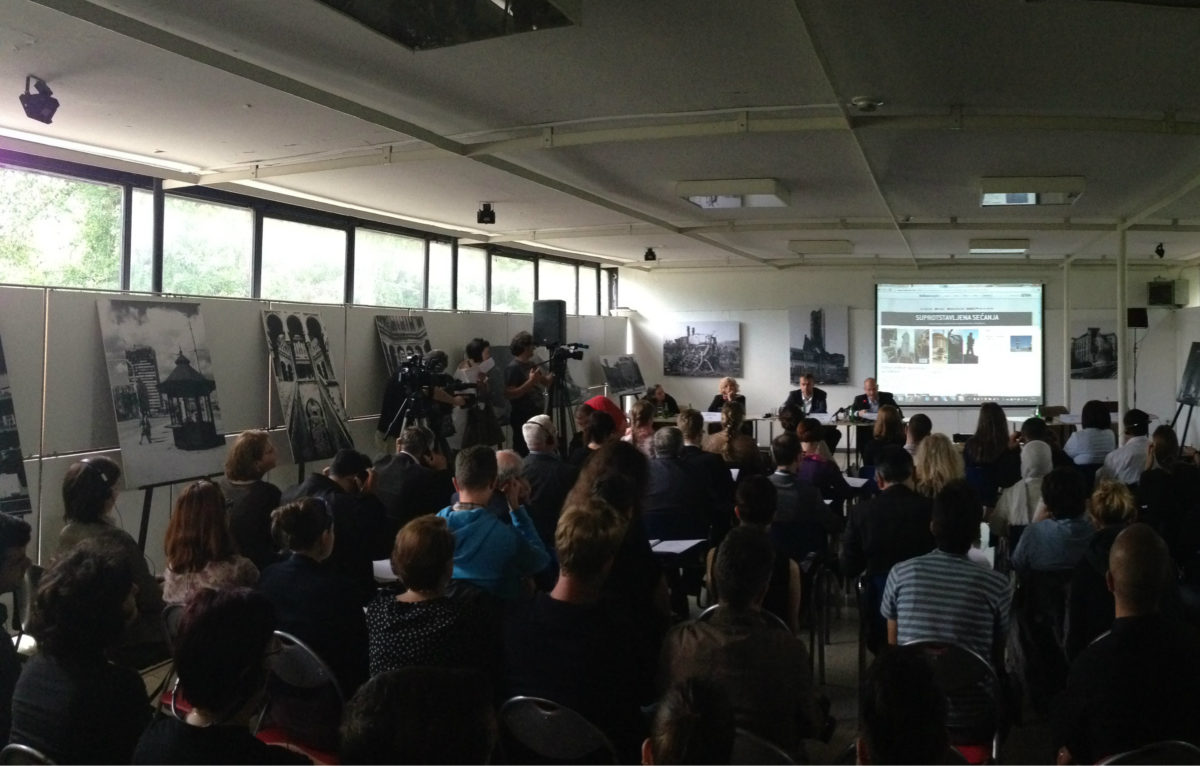
BIRN presented the results of its investigation into memorialisation in the Balkans at a round-table debate in Sarajevo on Thursday, where participants discussed the problems caused by the post-war monument-building boom in the former Yugoslav region.

The in-depth investigation examines how different states and ethnic groups use monuments to promote their own versions of past events, how governments use them to manipulate history for political advantage, and how they are used as a tool for nation-building in the region.

It was put together by reporters from BIRN’s Balkan Transitional Justice project in seven countries across the region.

The debate was led and moderated by Sarajevo-based researcher and memorialisation expert Nicolas Moll.

Participants included by Amra Custo from the Institute for Protection of Cultural, Historical and Natural Heritage of the Sarajevo canton, Petar Todorov from the National Institute of History from Skopje, Ljubinka Petrovic Ziemer from forumZFD, Almina Jerkovic from the Ministry for Human Rights and Refugees of Bosnia and Herzegovina, as well as representatives from an organisation called Four Faces of Omarska.

For more information, see the Conflicting Memories focus page: http://www.balkaninsight.com/en/page/balkan-transitional-justice-memorialisation-conflicting-memories