BIRN Contributor Barbara Matejcic awarded Croatia’s ‘Jasna Babic’ Investigative Award

Prestigious award for best journalistic works of 2025 goes to Matejcic for her forensic investigation of photographs of execution taken in Bosnia in May 1992.

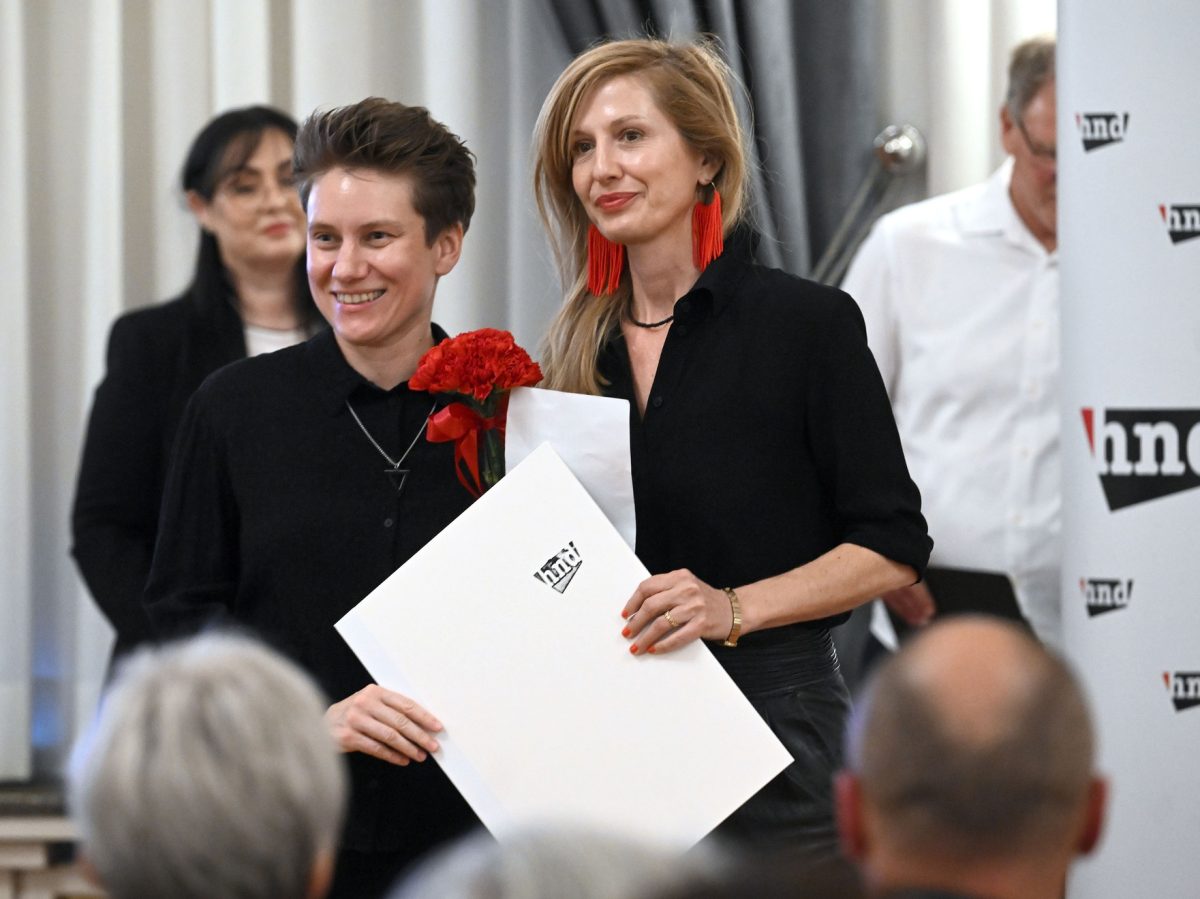
The Croatian Journalists’ Association on May 3 awarded the “Jasna Babic” Award for investigative journalism to freelancer and BIRN contributor Barbara Matejcic for articles published in the weekly Novosti in Croatia and in BIRN Serbia.

Her awarded work examined the circumstances under which photographs from the war in the former Yugoslavia were taken in Brcko in Bosnia in May 1992, documenting acts of execution at close range.

Matejcic’s investigation raises critical questions regarding the circumstances that enabled the creation of these photographs, the roles of their authors, and the factors that made such documentation possible.

“It takes an exceptionally precise eye and a strong journalistic instinct to recognise a deeper, even more horrific story in the photographs that so many people have seen before her,” the jury noted.

“This was achieved by Barbara Matejcic, who first suspected the circumstances of their creation and then investigated how the only professional photographs from the war in the former Yugoslavia that show the act of execution up close were taken in Brcko in May 1992,” they added.

“She also consulted court and media archives, including transcripts from the trial of war criminal Goran Jelisic in The Hague, in which the photographs were used as evidence. As an independent reporter, she conducted work of a scope and depth that would typically require an entire journalistic team at major media outlets.

“In doing so, she addressed the shortcomings of international agencies that published and awarded the photographs without sufficient verification of the circumstances surrounding their creation,” the jury continued.

“Since I am not part of a newsroom, but a freelancer for a long time – and through joint work in the media, you get a reflection of your work – the award comes to me as a substitute for that, as if I get feedback from my colleagues for a while, and I miss that,” Matejcic said.

“In addition, I see the HND Award for Investigative Journalism as a reminder of the importance of defending the right to long-term, complex journalistic work. Because investigative journalism, at its core, is a slow, complex, and uncertain process, it is becoming increasingly difficult to handle,” she said.

“Today, journalism is overworked and underpaid. Journalists in newsrooms don’t have time, I didn’t have it either, and I invested a lot of so-called free and unpaid time on this topic, and investigative journalism requires time, and it is not a luxury, but a necessity, just as investigative journalism is not a luxury, but the foundation of any society that wants to be called democratic,” she continued.

Jasna Babic was an award-winning Croatian journalist who, along with colleagues, established the media outlet Globus in 1990, where she worked as a war reporter.

She devoted much of her career to uncovering scandals, exposing criminals, and reporting on the mafia, murders, war crimes, and political maneuvering within leading political parties.

BIRN Albania Publishes Monitoring Reports on the Implementation of the National Strategy Against Foreign Interference and Disinformation

BIRN Albania has published two monitoring reports assessing the initial implementation of the National Strategy against Foreign Interference and Disinformation 2025–2030, offering a structured overview of how Albanian institutions are responding to risks related to disinformation, foreign interference and hybrid threats.

Covering the period from July 2025 to early January 2026, the reports examine developments across key areas of the Strategy, including electoral integrity and political finance transparency, media resilience and public awareness, national security and cybersecurity, as well as the protection of the economy and strategic sectors from external influence.

The monitoring was undertaken to provide an evidence-based baseline on the first six months of implementation of the Strategy, at a time when Albania is developing its institutional and regulatory response to increasingly complex forms of foreign interference. By assessing both institutional preparedness and initial actions, the reports aim to identify gaps, clarify priorities and support a more coordinated and effective implementation process in the coming years.

The findings show that implementation remains at an early stage, with most measures still in initial phases of planning or not yet initiated. Progress to date has been mainly linked to preparatory steps, institutional coordination efforts and activities building on existing frameworks, rather than the full operationalisation of the measures foreseen in the Strategy.

A key issue identified in the monitoring is the absence of core implementation mechanisms. The Action Plan for the Strategy has not yet been adopted, and the dedicated coordinating structure foreseen to lead institutional responses has not been established. These gaps have contributed to delays, fragmented approaches across institutions and differing interpretations regarding institutional roles and responsibilities.

The reports also highlight that a significant number of measures require the development of new legal and regulatory frameworks, as well as stronger interinstitutional coordination. This is particularly relevant in areas such as transparency of political financing, regulation of online political advertising, protection of critical infrastructure, and oversight of foreign investments in strategic sectors.

At the same time, initial steps have been observed in areas such as cybersecurity, international cooperation and public awareness initiatives, including media literacy. However, these efforts remain fragmented and require further consolidation within a coherent institutional framework.

The reports are intended to support public institutions, policymakers, civil society organisations, media actors and international partners engaged in governance, security and democratic resilience, by providing a clear and structured assessment of current progress and outstanding challenges. They also aim to contribute to ongoing policy discussions on strengthening Albania’s capacity to prevent and respond to foreign interference and disinformation.

The reports have been prepared with the support of the FCDO through the British Embassy in Tirana, as part of the project “Strengthening Albania’s Information Environment: Countering Disinformation and Enhancing Institutional Resilience”.

Both reports are available in Albanian and English:

Monitoring Report on Electoral Integrity, Media Resilience and Public Awareness: English and Albanian

Monitoring Report on National Security, Economy and Strategic Sectors: English and Albanian

BIRN Kosovo Holds Training on Countering Extremism and Terrorism

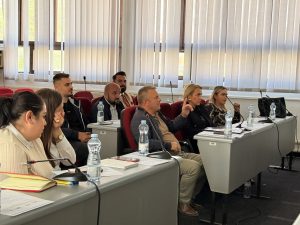
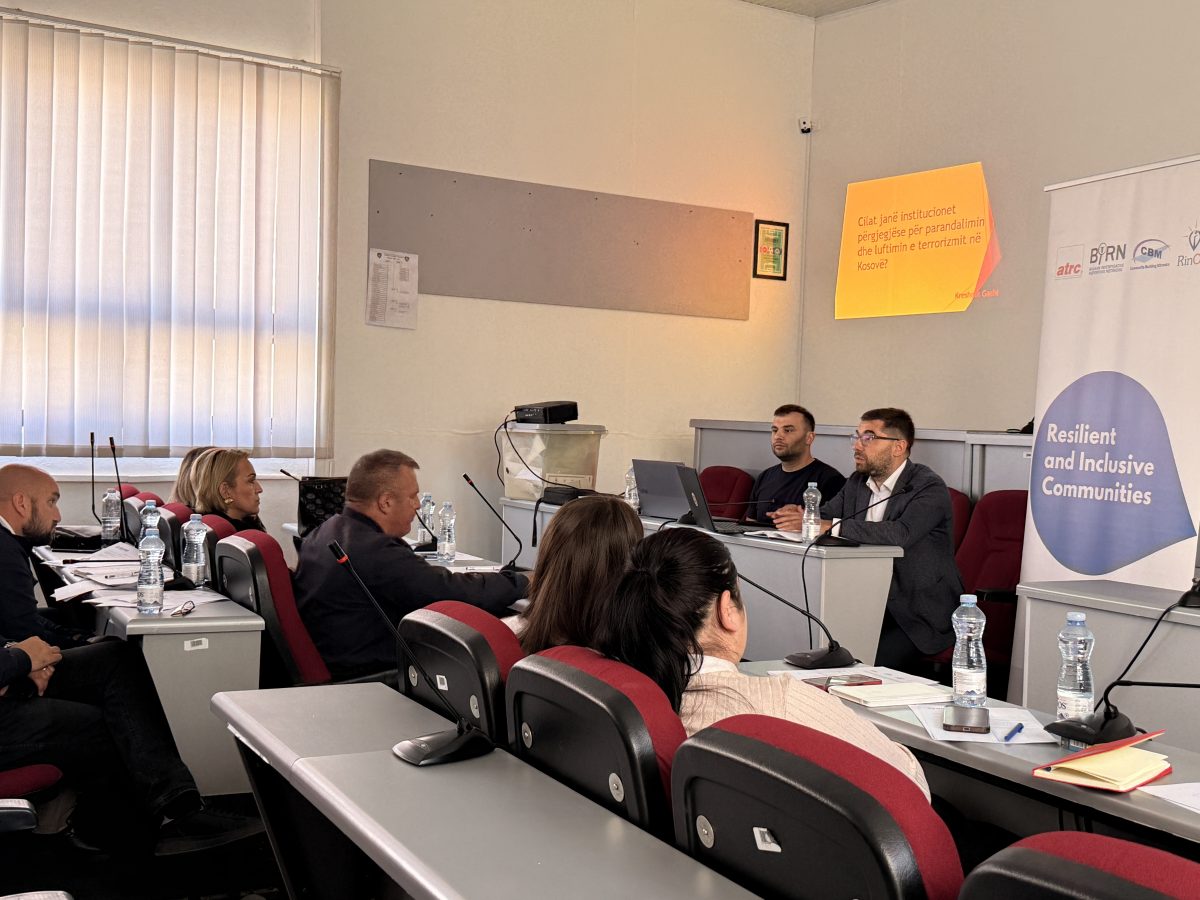
On April 29, BIRN Kosovo organized a one-day training session on strategic communication regarding the National Strategy for Preventing and Countering Terrorism, at the local level for the Municipality of Suhareka. The event brought together officials from various municipal departments.

This training was focused more on presenting and discussing the current situation with the implementation of the state strategy for preventing and countering terrorism, as well as on strengthening local capacities to address issues and concerns in this field. The session was delivered by Labinot Leposhtica, Legal Officer and Monitoring Coordinator at BIRN Kosovo, and a member of the Working Group for the National Strategy for Preventing and Countering Terrorism, together with Milot Sfishta, Senior Officer for Prevention and Reintegration of Radicalized Persons at the Ministry of Internal Affairs.

Leposhtica presented the main pillars of the Strategy and emphasized the crucial role of local communities in early risk identification and grassroots initiatives. Milot Sfishta informed participants about recent developments and central-level institutional efforts to address various forms of extremism.

Participants used the training to get equiped with appropriate information about the Strategy and highlighted the urgency for both levels to do more, especially regarding youth involvement and the influence of the online world, including online gaming and online radicalization. They shared personal experiences with well-known cases in Kosovo and demanded that, besides serving the prison time, repatriated terrorist fighters must be included in programs of rehabilitation and thus be under the scope of the state when it comes to their day-to-day activities, and see if state efforts are being effective and serving the reintegration phase, meaning disengagement from radical ideologies.

This training was attended by 10 municipal officials, of whom six were women.

The training was part of the Resilient and Inclusive Community Program funded by Global Community Engagement and Resilience Fund (GCERF), through Advocacy Training and Resource Center (ATRC), and implemented by BIRN Kosovo.

BIRN Kosovo’s Reporting House Joins the Network of European Museum Organisations, Strengthening Kosovo’s Cultural Presence

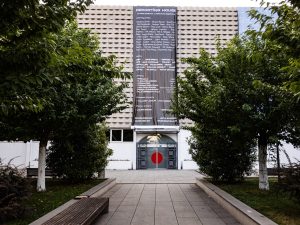
BIRN Kosovo’s Reporting House museum in Prishtina has officially become a member of the Network of European Museum Organisations (NEMO), a development marking increased international recognition for its approach to documenting Kosovo’s recent history through journalism and contemporary art.

This membership of Reporting House in NEMO places the museum within a wider European network, strengthening its role as both a site of remembrance and a contributor to ongoing discussions on history, memory and journalism. Established in 1992, NEMO brings together national museum organisations representing more than 30,000 museums in over 40 countries.

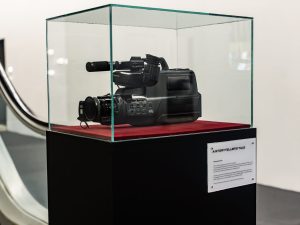
In its announcement, NEMO welcomed Reporting House as a new member, noting the museum’s focus on the 1998–99 war period and its continued relevance 25 years after the end of the conflict. The museum, developed by BIRN Kosovo and the Prishtina Biennale, combines journalism, photography and media artefacts from the 1990s with contemporary artworks addressing the war’s long-term impact.

Gazmend Ejupi, curator of Reporting House, said for Prishtina Insight, the development reflects both recognition of the museum’s work and a new level of responsibility. He added that joining NEMO places Kosovo’s recent history within a broader European context, enabling comparisons with other museum practices and approaches to memory and the past.

In addition to its exhibition programme, Reporting House is also developing as a platform for research and collaboration with students, scholars and doctoral researchers from Kosovo and abroad. Its archives, documentary materials and artistic programming provide a basis for work on topics related to memory, war, resistance and journalism.

Jeta Xharra, executive director of BIRN Kosovo, notes that the NEMO membership creates opportunities to exchange expertise on museum management and audience engagement. She also highlighted practical needs, calling on members of the NEMO network to support the museum with equipment donations, such as video projectors that may no longer be in use in other European institutions but remain functional and useful in Kosovo.

Since its opening in June 2024, the Reporting House has received more than 20,000 visitors, with a significant share made up of young people attending in school groups despite the museum not being part of the formal curriculum.

The development also underscores the importance of continued support from its donors in sustaining and expanding Reporting House’s work, particularly as it strengthens its international collaborations and long-term educational and cultural programming.

Detektor Journalist Wins International Fetisov Journalism Award

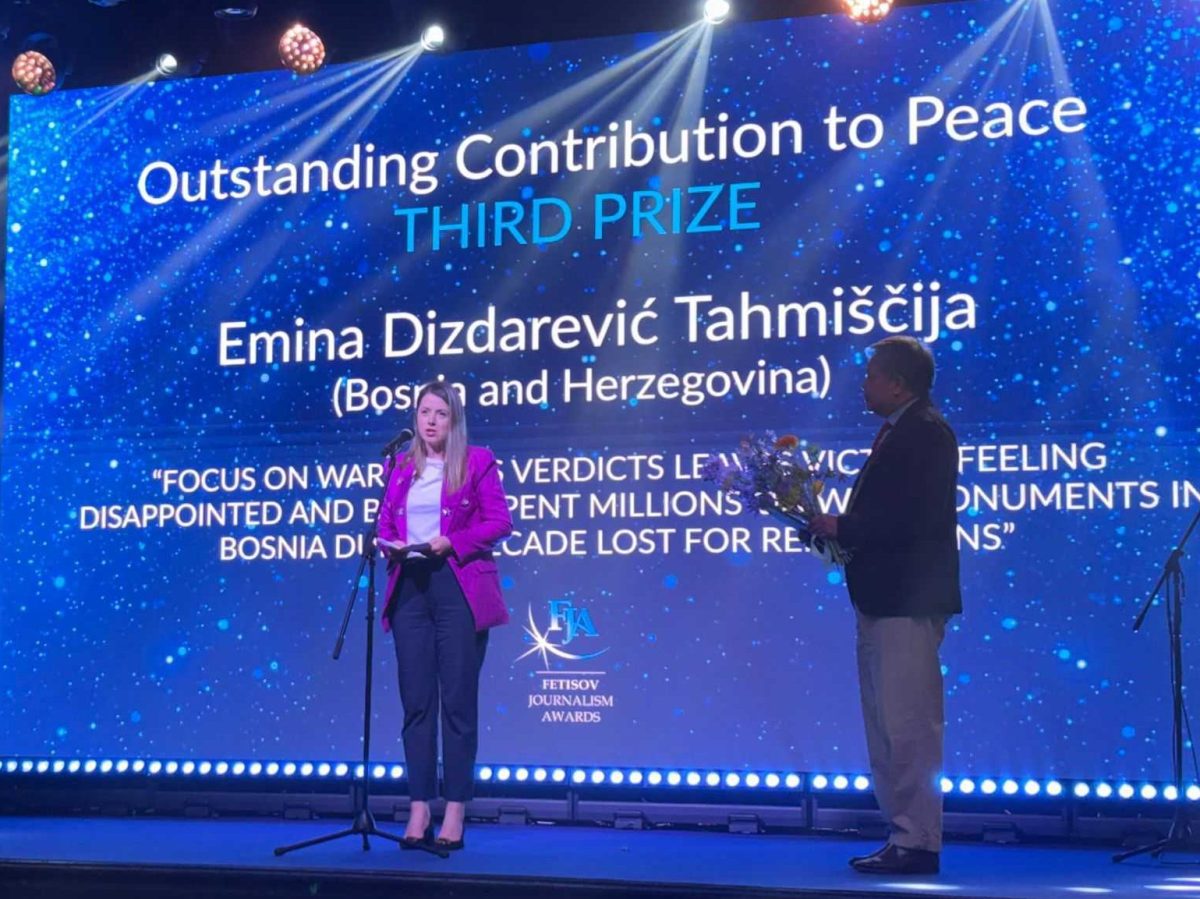
Detektor journalist Emina Dizdarevic Tahmiscija has received a 2025 international Fetisov Journalism Award for a series of articles on transitional justice in Bosnia and Herzegovina.

At the ceremony in Limassol, Cyprus, Tahmiscija received third prize in the category Outstanding Contribution to Peace for the articles Focus on War Crimes Verdicts Leaves Victims Feeling Disappointed and More Than Ten Million for Monuments in the Decade Lost to Memorialisation and Reparations. 

Accepting the award, Tahmiscija said that as the only journalist from Bosnia and Herzegovina — or the Balkans more widely — it was a great honour to attend the event along with finalists from all over the world, and it was a particular honour to win third place.

“This recognition and award are not just personal; they represent the courage of people whose stories we tell and the responsibility we carry as journalists,” she said. “I am grateful to everyone who has supported my work, and I believe this is additional encouragement to continue reporting on topics that contribute to peace and unity.” 

Tahmiscija also pointed out that journalism has the power to build understanding, keep the truth at the centre and give a voice to those who need it most, with the hope that such topics will have more and more space in the media.

In her award-winning journalism, Tahmiscija reported that more than 1,100 people have been convicted of war crimes since the end of the war in Bosnia and Herzegovina but that victims and families have ultimately ended up disappointed. This is due to prosecutors refusing to file charges against higher-ranking perpetrators, the fragmentation of complex investigations, slow trials, a lack of strategy in their approach, politicisation and a lack of support for witnesses.

In her second award-winning text, Tahmiscija reveals how more than 5.5 million Bosnian marks have been allocated from local budgets in recent years for the construction and maintenance of monuments to civilian and military war victims, bringing the total amount spent on memorialisation to more than 10 million Bosnian marks in the past decade. She questioned how much this and other public spending has truly helped to create a systematic approach to transitional justice processes and to ensure an approach that remains focused on victims and their families.

Both stories are part of Detektor’s series or articles dedicated to transitional justice issues. 

The Fetisov Journalism Awards also have categories for Contributions to Civil Rights, Outstanding Investigative Journalism and Excellence in Reporting on Environmental Protection Issues.

This year’s jury consisted of Ricardo Gutierrez, Julianne Schultz, Kaarle Nordenstreng, Milica Pesic, Pravit Rojanaphruk, Tony Sadownichik, Torry Pedersen, Zaffar Abbas and Eva Merkacheva. 

The awards promote universal human values such as honour, justice, courage and nobility through examples of outstanding journalists around the world, noting that “their service and dedication contribute to changing the world for the better”.

The category for Outstanding Contribution to Peace rewards a series of texts with anti-war themes that have made an important contribution to peacebuilding and promoting the idea that human life is of the greatest value. According to the Fetisov website, the nominated stories focused on issues of international disarmament, reduction or ending of national or international conflicts, and support for national and international communities that maintain peace.

Tahmiscija has been a journalist at Detektor since 2014. In 2019 she was shortlisted for the Fetisov Journalism Awards for a series of articles on transitional justice processes and the rights of victims of war crimes, as well as their families in Bosnia and Herzegovina. 

She received the Srdjan Aleksic Award in 2020 in the Nominees Chosen by Journalists category for articles about the challenges facing marginalised groups in Bosnian society. In 2022, she received special recognition from UNICEF for her contribution to the promotion and protection of children’s rights in Bosnia and Herzegovina.

As part of the Detektor team, she also received the European Press Prize Special Award for 2020 for “efforts and success in securing justice for war crimes victims”, for long-term professional and continuous reporting on the most sensitive topics. 

In 2022, Detektor journalist Haris Rovcanin received second place in the Fetisov Journalism Awards in the category for Outstanding Contribution to Peace. That was for a series of four articles, two of which were co-authored by Albina Sorguc, who was part of the BIRN Bosnia and Herzegovina team at the time.

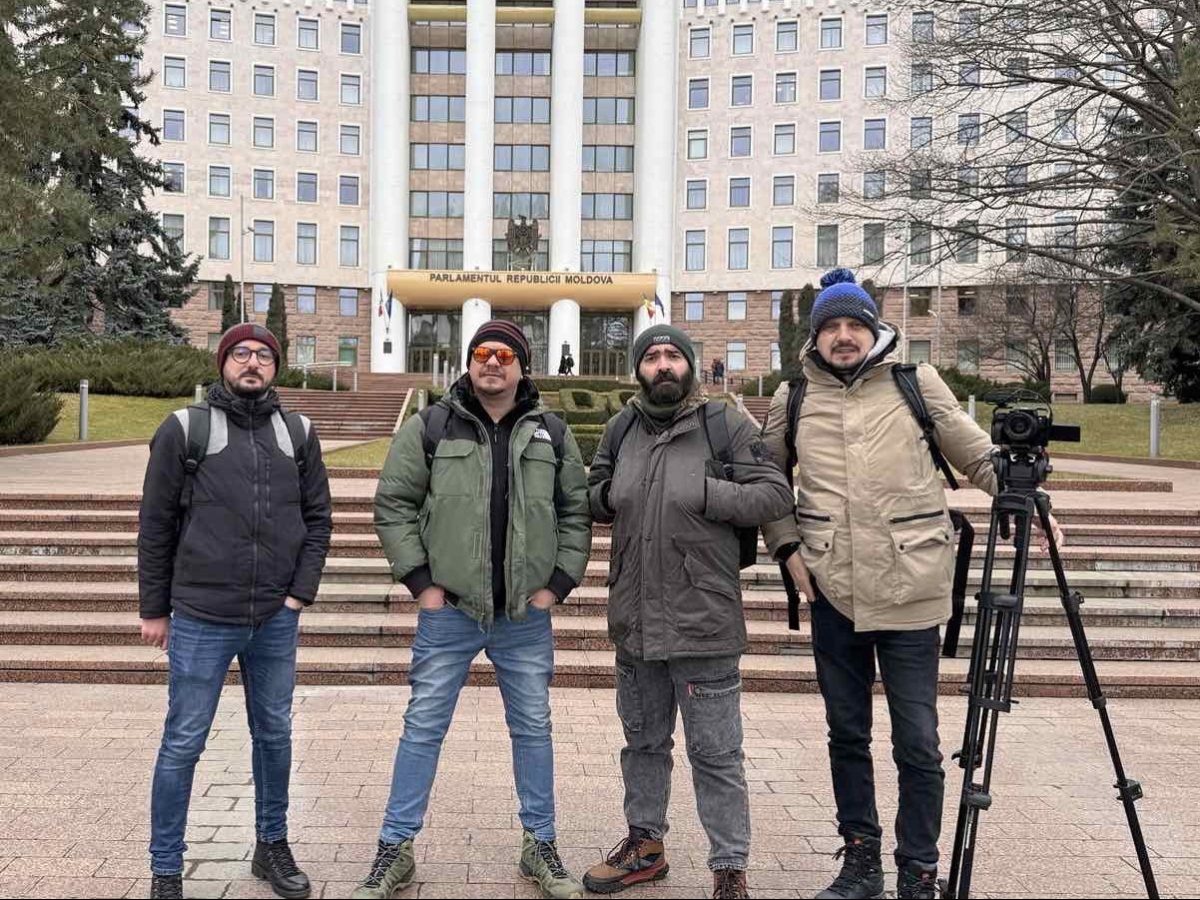
Detektor Journalists and Moldovan Colleagues Nominated for Journalism Award for Investigating Russian Camps

Detektor journalists Irvin Pekmez, Enes Hodzic, and Nino Bilajac, alongside co-authors from Moldovan outlet CU SENS, have been nominated for a journalism award in Romania in the categories of investigative journalism and TV and video journalism.

Detektor journalists Nino Bilajac, Enes Hodzic, and Irvin Pekmez are co-authors of a broadcast episode with CU SENS, a Moldovan media organisation, about Russian camps in Bosnia and Herzegovina and Serbia. Together with two other episodes from CU SENS, they’ve been nominated by the Friends for Friends Foundation – a Romanian non-profit organisation focused on media work, social impact, education, and creativity – for an award in the categories of investigative and TV journalism.

The journalists’ video investigation is being considered as one of the best pieces of media content published in the Republic of Moldova during 2025.

Pekmez explained that cooperation with the Moldovan media organisation CU SENS and the journalist Malvina Cojocari resulted in the publication of two joint investigations accompanied by TV shows in summer 2025. One was published on Detektor.ba, the other was published simultaneously on the CU SENS website. 

“We feel particular satisfaction that the Moldovan version of the investigation, supported by the information obtained by Detektor journalists during several months of work on the topic primarily carried out in Bosnia and Herzegovina and Serbia, has been recognised as an important journalistic work that contributes to an objective understanding of the problem of the harmful influence of the Kremlin on the two countries,” Pekmez said.

The nominated investigation reveals that between July and September 2024, at least eight Moldovan citizens were trained in Russian camps in Bosnia and Herzegovina on how to use weapons and drones with explosive devices. The plan was to incite unrest in Moldova as part of mass riots organised by unknown structures under Kremlin control.

Among the recruiters were individuals involved in vandalising buildings in Paris in 2023. Some of the instructors and coordinators are connected with the Russian Wagner paramilitary group.

The winners will be announced in Bucharest at the Superscrieri awards ceremony in May, along with other honorary and special awards.

As announced by the Friends for Friends Foundation, out of more than 300 applications, 53 works published during 2025 have been selected by a jury composed of 22 media experts across nine competition categories: journalism debut, local media, TV and video journalism, investigative journalism, feature writing, thematic journalism, innovation, interview, and civic influencers.

New Exhibition in Sarajevo Examines Media’s Role in Yugoslavia’s Violent Collapse

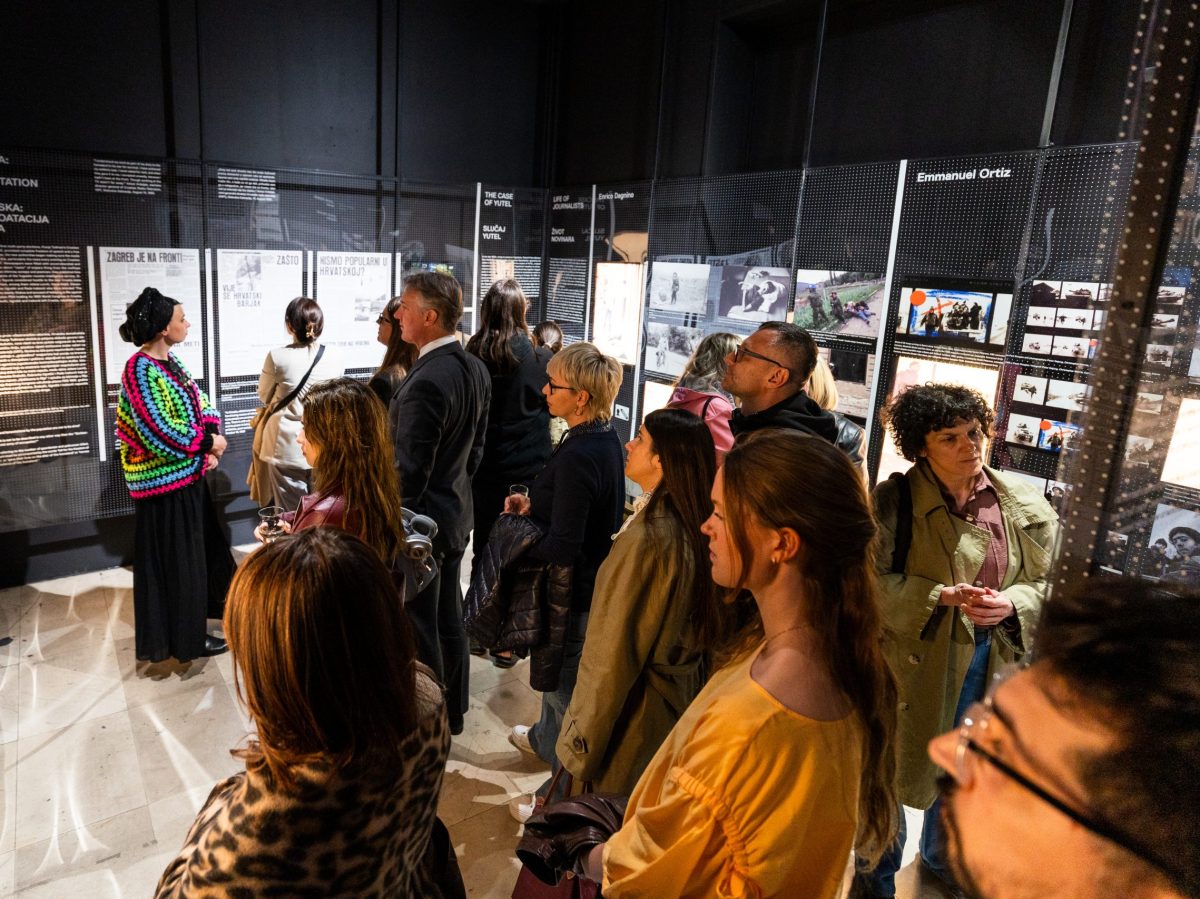
‘Reporting War’, which opened on Wednesday, spotlights how some media in former Yugoslavia actively paved the way for conflict by fuelling fear and deepening divisions in society.

A BIRN exhibition examining the role of media in the violent breakup of Yugoslavia opened on Wednesday at the History Museum of Bosnia and Herzegovina in Sarajevo, drawing a diverse audience of members of the public, civil society organisations, diplomats, academics, and journalists.

Reporting War: The Role of the Media in the Collapse of Yugoslavia explores how segments of the media in the former Yugoslavia moved beyond reporting events to actively shaping the conditions for conflict.

Through curated materials, the exhibition highlights how narratives rooted in historical grievances were amplified to fuel fear, deepen divisions and normalise violence.

Rather than portraying journalists as neutral observers, the exhibition presents a more complex and at times troubling picture, one in which media outlets contributed to the polarisation of society and the erosion of multiethnic coexistence. It frames propaganda not as a byproduct of war, but as a precursor that helped make violence appear both justified and inevitable.

Alongside this, the exhibition offers a contrasting perspective through the work of foreign correspondents who reported from the region during the 1990s. Using contact sheets and field notes, it captures fragments of their daily lives and professional routines, reflecting a generation of reporters some of whom described the Yugoslav wars as “our Vietnam”.

Set against today’s global media environment, marked by algorithm-driven information flows, declining trust in traditional outlets, and increasing hostility toward perceived “outsiders”, the exhibition raises questions about the power of media narratives and their capacity to shape political realities.

The exhibition is open to the public every day from 9 a.m. to 7 p.m. at the History Museum in Sarajevo, Bosnia and Herzegovina.

*The exhibition is implemented as part of the project Reporting Culture: Connecting Communities for Change, supported by the Regional Office of the Italian Agency for Development Cooperation in Tirana. It is carried out by BIRN Hub under the “Culture and Creativity for the Western Balkans” (CC4WBs) grant scheme, a European Union-funded initiative aimed at fostering dialogue and strengthening the cultural and creative sectors across the region.

BIRN Montenegro Forum Calls for Real Reforms as Accession Talks Enter Final Phase

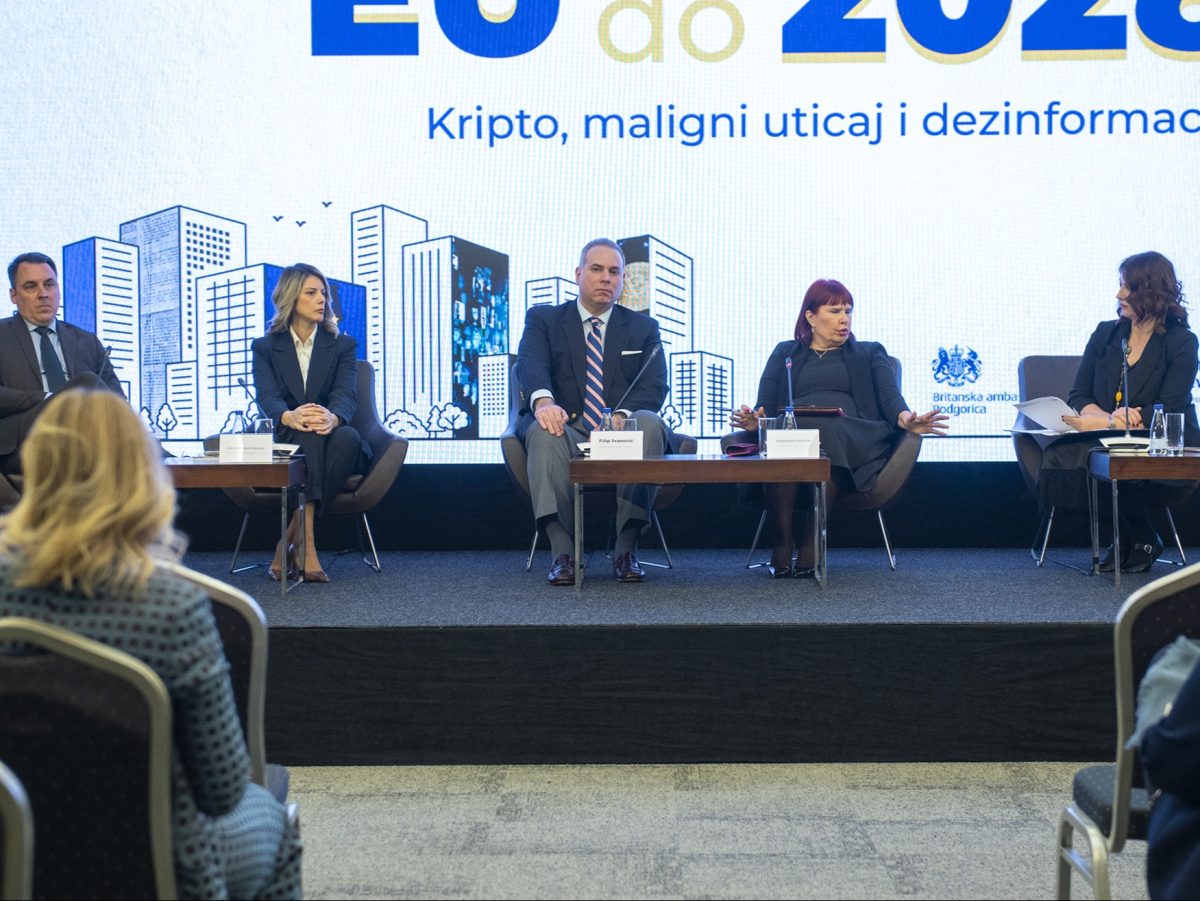
On March 30, the fourth Anti-Corruption Forum, “EU by 2028? Crypto, Malign Influence and Disinformation,” organised by BIRN Montenegro, called on the authorities to focus on substantive reforms, strength independent institutions and combat corruption and hybrid threats in the final phase of the country’s European integration.

Montenegrin President Jakov Milatovic said the country must develop mechanisms to identify hybrid activities and malign influence, warning that disinformation should not be spread by decision-makers.

“Never lose sight of the fact that the ultimate goal of hybrid activity is for citizens to lose trust in institutions. Consequently, this undermines the strategic vision of becoming a full member of the EU,” Milatovic said.

“We should work on strengthening independent institutions and establishing stronger oversight of the crypto market. It is becoming increasingly difficult to track suspicious financial flows in the world of virtual assets, offshore arrangements and complex ownership structures that obscure the identification of beneficial owners,” he added.

BIRN Montenegro Director Vuk Maras said that EU membership represents a historic opportunity for Montenegro, while stressing that the process requires broad cooperation.

“EU accession should not be just a box-ticking exercise but a genuine step towards improving quality of life and the rule of law,” Maras said.

Deputy Prime Minister Filip Ivanovic said the biggest challenge in accession negotiations is securing final court verdicts in organised crime and high-level corruption cases. Supreme Court President Valentina Pavlicic warned that a lack of judicial staff represents a serious obstacle to concluding those cases.

During the forum discussions, civic activists and government and state institutions representatives called for the regulation of cryptocurrencies, warning that legal gaps could be misused in money-laundering schemes.

They also urged strengthening independent regulators in the fight against disinformation and ensuring a systemic and active response to malign influence.

BIRN and Internews Kosova Launch Reports on Disinformation and Legal Gaps in Kosovo

BIRN Kosovo and Internews Kosova have launched two publications shedding light on disinformation trends and the legal gaps that enable their spread in Kosovo.

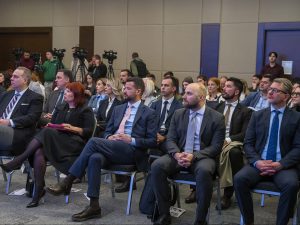
Presented on March 27 in Pristina under the Media Integrity and Disinformation Watch project, supported by the British Embassy in Kosovo, the conference brought together policymakers, media professionals and researchers to confront the scale and complexity of the issue.

At the centre of the event were two reports: Mapping Disinformation: Russian and Serbian Narratives in the Media and Social Networks in Kosovo and The Unstandardized Fight Against Disinformation: A Needs Analysis for Legal and Strategic Changes. Together, their key findings show that disinformation targeting Kosovo is not random, but structured, persistent, and strategically driven.

The Mapping Disinformation report finds that misleading narratives, largely originating from Russian and Serbian sources, are designed to exploit interethnic tensions, fuel insecurity and gradually undermine social cohesion. These narratives circulate across television, online media and platforms like Telegram, increasingly powered by artificial intelligence to scale their reach and adapt across languages. Global crises are routinely repurposed to reinforce false claims, while parts of the local media amplify the problem by republishing questionable sources. The influence landscape is also widening, with actors like China stepping in through Albanian-language content. All of this is compounded by structural weaknesses, limited transparency in media funding, weak editorial controls, and low institutional capacity, creating fertile ground for disinformation to spread.

The legal analysis shows that while Kosovo’s legislation was once aligned with EU standards, it has since fallen behind, particularly in regulating digital platforms and ensuring media accountability. The absence of a national strategy, combined with poor institutional coordination, has resulted in a reactive rather than preventive approach. Public officials and media professionals often lack the tools and clarity needed to respond effectively, while opaque media ownership and weak cooperation with global platforms further delay action against harmful content.

The reports were presented by Kreshnik Gashi, editor-in-chief at Kallxo.com and Visar Prebeza, editor at Krypomerti who emphasized the cyclical nature of disinformation. Gashi noted that much of the content reaching Kosovo audiences originates from Russian state-linked media, only to be republished or adapted locally. Prebeza added that the Kremlin maintains a steady interest in daily developments in Kosovo, consistently reframing them through a disinformation lens.

Labinot Leposhtica, Head of the Legal Office and Court Monitoring Coordinator at BIRN Kosovo, stressed that transparency in media ownership, financing, and advertising is critical to safeguarding the integrity of public information, warning that without it, accountability remains largely superficial.

Addressing the conference, British Ambassador Jonathan Hargreaves highlighted how disinformation is becoming increasingly difficult to detect, particularly with the rise of AI-generated content. He warned that such narratives deliberately target social cohesion, interethnic relations, trust in elections and the credibility of Kosovo’s still-consolidating institutions, slowly eroding stability through continuous and subtle pressure.

Albulena Haxhiu, Speaker of the Kosovo Parliament, said that in today’s fragmented and often unregulated media environment, disinformation is no longer accidental but carefully planned and strategically distributed across multiple channels, frequently without clear authorship or accountability. In such conditions, she noted, institutional responses remain scattered, uncoordinated, and ultimately insufficient.

This conference gathered representatives from Kosovo’s parliament, legal officers, representatives from security and justice institutions, media and civil society. In total, there were 54 participants, 27 women and 27 men.

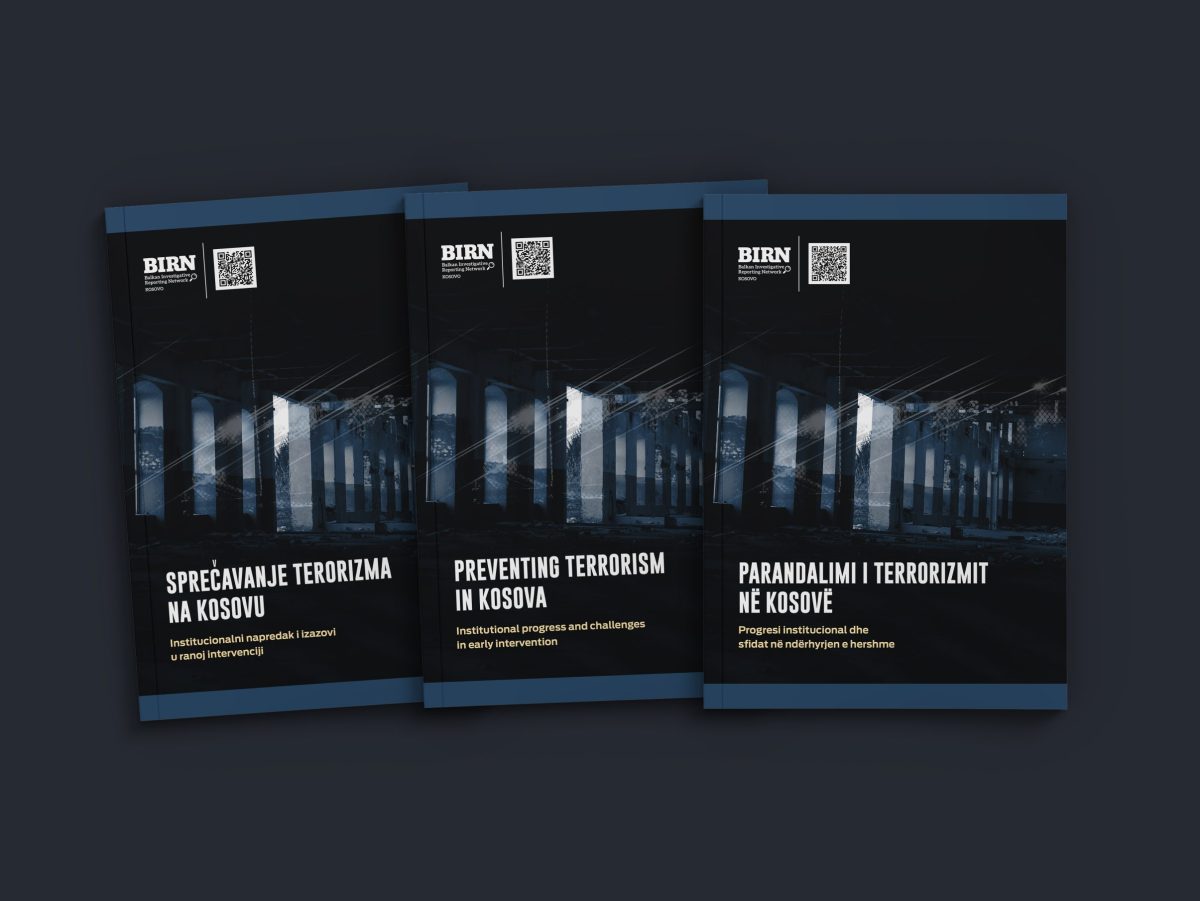
BIRN Kosovo Publishes Report on Preventing Terrorism in Kosovo

The BIRN report examines how Kosovo implemented early intervention measures under its National Strategy for the Prevention and Combating of Terrorism (2023–2028) between November 2024 and November 2025, and finds a clear gap between national policy and local practice. While the strategy emphasizes prevention, its execution at the municipal level remains slow, fragmented, and largely formal rather than operational.

Based on interviews, surveys, and institutional data, the report identifies key structural weaknesses: poor communication between central and local authorities, lack of standardized reporting and unified guidelines, delays in establishing functional referral mechanisms, and a serious shortage of psycho-social professionals in schools. Critically, there is also an absence of empirical risk assessments, meaning institutions lack evidence on which communities or groups are most vulnerable to radicalization.

A central finding is that Kosovo’s approach is still largely reactive: focused on arrests, rather than preventive. Municipalities, which should serve as the first line of defense, are often not properly informed or equipped to implement the strategy. The referral mechanism, a key tool for identifying and supporting at-risk individuals, is barely operational, and the education system lacks the capacity to detect early warning signs due to understaffing.

The report also highlights a significant geographical and ethnic divide, noting that Serb-majority municipalities, especially in the north, are largely excluded from national prevention efforts.

Overall, the report concludes that without stronger coordination, better data, increased mental health capacities, and full integration of municipalities into implementation, Kosovo’s shift toward proactive prevention of violent extremism will remain incomplete

The report is accessible online in three languages:
The report in Albanian:https://kallxo.com/wp-content/uploads/2026/03/parandalimi-i-terrorizmit-ne-kosove.pdf

The report in Serbian:  https://kallxo.com/wp-content/uploads/2026/03/sprecavanje-terorizma-na-kosovu.pdf

The report in English: https://kallxo.com/wp-content/uploads/2026/03/preventing-terrorism-in-kosova.pdf

This report was published as part of the ‘’Resilient and Inclusive Program’’, funded by GCERF, through ATRC, implemented by BIRN Kosovo.