BIRN Kosovo Holds Training on Violent Extremism, Radicalism and Terrorism with Judges and Prosecutors

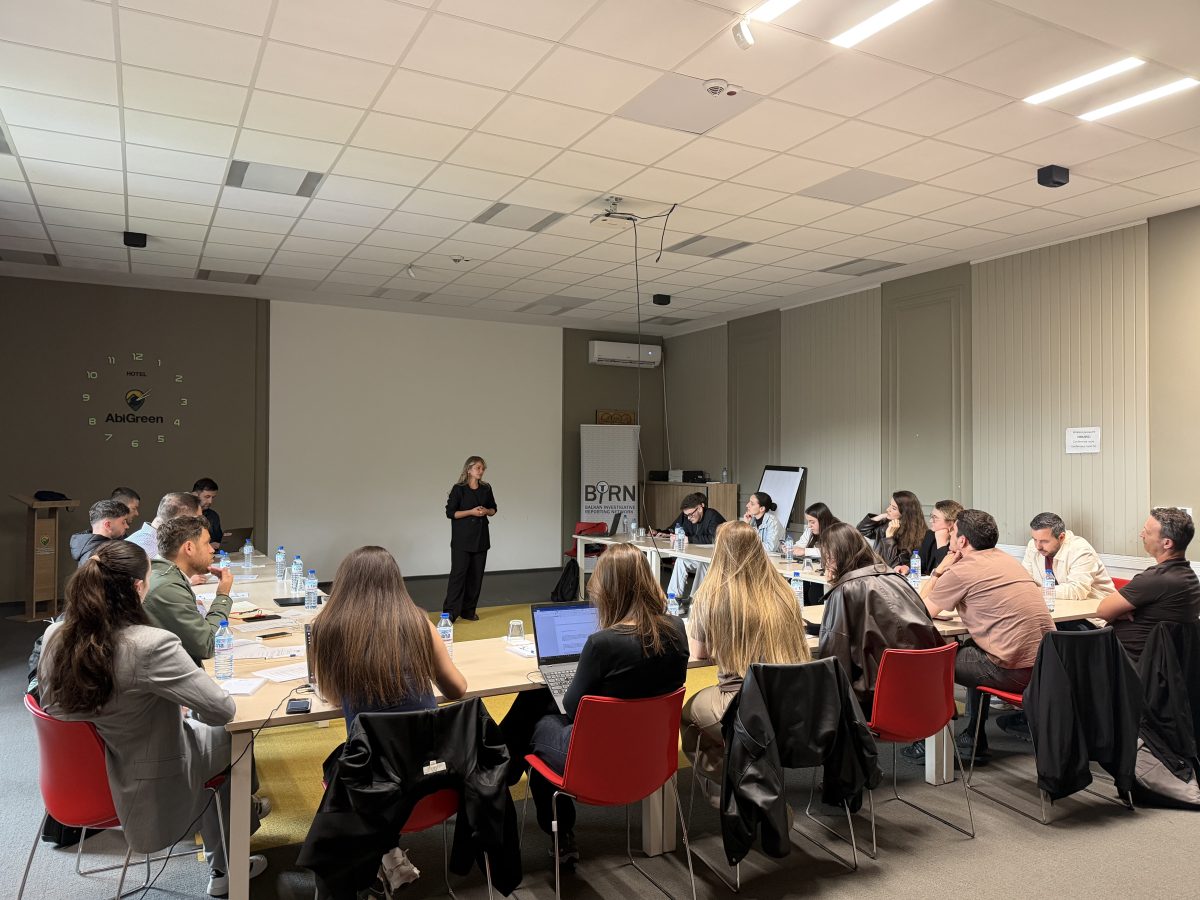
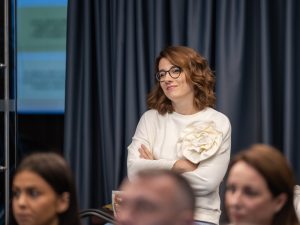
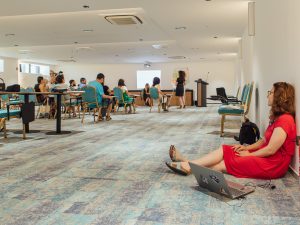
BIRN Kosovo completed a four-day training on extremism, radicalism, and terrorism with judges and prosecutors in Durrës, Albania on March 25.

The tailored, intensive training was structured to serve justice professionals in their daily work, including cases related to terrorism, extremism, and radicalism. On the first day of training, the participants were presented with the agenda, trainers, and details of the training.

During the second day, the training followed by a technical deep dive into Kosovo’s national counter-terrorism strategies and legal frameworks, achievements, challenges, and current affairs. The afternoon session shifted toward the rising threat of right-wing extremism, where participants analyzed the development of these ideologies and engaged in a hands-on simulation of a strategic investigation based on a staged terrorist incident. The sessions were led by Luan Keka, Director of the Kosovo Police Unit on Anti-terrorism, and Nexdet Haxhaj, a Kosovo Police Investigator with the Unit on Anti-terrorism.

On the third day, participants focused on research and the technical definitions of terror-related crimes. Burim Ademi, a Supreme Court Judge,  led a session defining terrorism as a criminal offense, specifically examining the roles of terrorist groups and individuals in executing these acts. On the second part of the day, the focus shifted toward the global and regional landscape of violent extremism with Luan Keka detailing the development of religious extremism, while Special Prosecutor Naim Abazi discussed the critical legal hurdles regarding the admissibility of evidence in urgent cases and the importance of sentencing hearings. The afternoon was dedicated to practical application which included group work on investigating international religious extremism cases moderated by Kreshnik Gashi and Nexhdet Haxhaj.

On the final day of the training, the lectures were focused on the logistical, financial, and communicative aspects of countering terrorism. The morning session began with a presentation on research results, specifically examining how pre-sentencing report mechanisms are utilized in terrorism-related convictions. Following this, the sessions delved into the technical and strategic side of enforcement:Financial and Criminal Intersections with Supreme Court Judge Burim Ademi who led a session detailing the various methods used to finance terrorism and the ways these activities intersect with organized criminal groups. Preventative Programs: Besim Hasani from the Intelligence Unit discussed the development of the “Chanel” program in Kosovo, highlighting the challenges and opportunities faced by multidisciplinary teams at the local level.

This training was attended by 31 participants, including  16 prosecutors and judges. The participants have actively engaged in this training by sharing experiences and posing questions on how to effectively deal with terrorism and violent extremism.The training was part of the ‘Resilient and Inclusive Communities Program”  funded by GCERF.

BIRN Wins Second Prize in North Macedonia for ‘Religious Properties’ Database

Seven journalists and investigative teams shared the three prizes for best investigative stories at the jubilee 25th edition of the investigative journalism awards, organised by the Macedonian Institute for Media, MIM.

The report ‘Campaign Financing for the 2025 Parliamentary Elections in Albania: Sources, Expenditures and Reporting Transparency’ analyses official financial reports submitted to the Central Electoral Commission (CEC), combining structured datasets with comparative financial analysis to identify key trends in campaign expenditures, sources of funding and reporting inconsistencies that influence the transparency of electoral competition.

First prize went to stories investigating the causes of the fire at the nightclub in Kocani. The Investigative Reporting Lab, IRL, was awarded for the story “Kochani – Our Moral Compromise”. The team behind the programme “KOD”, broadcast on Telma TV, was recognised for its series of investigations on the same topic, while Fokus journalist Irena Mulachka was awarded for an article that revealed the secret owner of the agency Rubikon.

Second prize was awarded to the team of Prizma/BIRN Macedonia for the database “Religious Properties Uncovered” and the investigations stemming from it, and to the journalists Aleksandar Metodijev and Suzana Mitseva for the series “Coal at the Crossroads”.

Third prize was shared by journalist Fisnik Djelili for a story on the misuse of funds for the treatment of stray dogs in Tetovo, published by the portal Portalb, and Aleksandar Dimitrievski for the story “Police Special Forces to Be Dressed by a Women’s Fashion Studio and a Company Registered Before the Tender”, published in the TV magazine 360 Degrees.

Certificates of recognition were awarded to Miroslava Simonovska and Frosina Fakova Serafinovic from Sloboden Pechat, to Bjanka Stankovic for a story published in the magazine Lice v Lice, and to Slavica Filipovska Ivanova and Mihail Miloshevski from 360 Degrees.

The awards recognise exceptional professional dedication, investigative persistence and a strong commitment to the public interest.

The Macedonian Institute for Media has been presenting best investigative story awards since 2001. Marking the 25th anniversary, a panel discussion was also organised on the challenges and future of investigative journalism in North Macedonia, featuring representatives of the five investigative newsrooms that have won the most awards so far.

BIRN Albania Publishes Report on Campaign Financing for the 2025 Parliamentary Elections

BIRN Albania has published a new analytical report examining the financial statements submitted by political parties and electoral subjects for the 11 May 2025 parliamentary elections in Albania, providing a detailed assessment of campaign financing patterns, spending priorities and transparency challenges affecting public oversight of political finance.

The report ‘Campaign Financing for the 2025 Parliamentary Elections in Albania: Sources, Expenditures and Reporting Transparency’ analyses official financial reports submitted to the Central Electoral Commission (CEC), combining structured datasets with comparative financial analysis to identify key trends in campaign expenditures, sources of funding and reporting inconsistencies that influence the transparency of electoral competition.

According to the report, electoral subjects declared approximately 485 million ALL (around €4.9 million) in campaign expenditures. Financial resources were strongly concentrated among the two largest political blocs, which together accounted for more than 88% of total campaign spending, confirming a pronounced structural imbalance in campaign financing between major political actors and smaller electoral subjects.

The analysis shows that campaign spending was primarily directed toward a limited number of strategic categories related to political communication and campaign management, including consultancy services, media advertising, social media promotion and campaign rallies. Consultancy services and media represented the largest spending categories, much of it concentrated among a limited number of providers.

At the same time, the report finds that campaign financing in Albania continues to rely primarily on internal party resources and public funding allocations, while contributions from individual donors represent a comparatively smaller share of reported income. Approximately two-thirds of declared campaign income falls within the category of internally generated party funds, a classification that often includes transfers from party structures and previously accumulated financial reserves. However, the report highlights that this category remains one of the least transparent components of campaign financing, as detailed source breakdowns are frequently not provided in financial statements.

While political parties formally complied with reporting obligations established under Albania’s electoral framework, the report identifies several structural limitations affecting the accessibility, comparability and completeness of campaign finance information, including limited standardisation of expenditure descriptions, insufficient detail regarding certain categories such as consultancy and social media services, and restricted availability of machine-readable datasets for independent analysis by civil society and researchers.

The findings provide an evidence-based contribution to ongoing discussions on political finance transparency and electoral integrity safeguards in Albania, particularly in light of recent legislative amendments affecting campaign expenditure ceilings and reporting obligations. By systematising financial data submitted to the Central Electoral Commission, the report supports efforts by institutions, civil society organisations and international partners to strengthen oversight mechanisms and improve the transparency of campaign financing practices.

This report was prepared by BIRN Albania with the support of the Westminster Foundation for Democracy (WFD), within the framework of the project “Western Balkans Framework: Investing in Democratic Resilience”, funded by the FCDO through the British Embassy in Tirana.

For an English copy of the report click here.

For an Albanian copy of the report click here.

Workshop on Transitional Justice and Archiving Equips Regional Youth to Document Atrocities

Workshop in Sarajevo focused on challenges in reliably collecting, verifying and preserving evidence in increasingly digital and high-risk environments.

A three-day regional workshop on documenting and archiving human rights violations and international crimes concluded in Sarajevo this week, bringing together around 20 participants from across the Western Balkans to strengthen skills in open-source investigation and transitional justice practices.

Organised by BIRN Hub in collaboration with Mnemonic, the workshop combined legal, archival and digital investigation methodologies to address one of the most pressing challenges in contemporary accountability efforts – how to reliably collect, verify, and preserve evidence in increasingly digital and high-risk environments.

The first day was dedicated to transitional justice mechanisms, with an emphasis on the role of archiving and documentation. BIRN Senior Project Manager Nejra Mulaomerovic introduced participants to the core pillars of transitional justice, alongside an exploration of the critical role archives play in advancing justice and accountability.

The critical role of archives in supporting justice processes was highlighted. Researcher and consultant Lily Radwan explored how documentation contributes to truth-telling, memorialisation and survivor recognition with a Syria case study; criminal law expert Professor Goran Simic examined the use of archival material as evidence in war-crimes trials, underscoring its importance for strengthening the rule of law.

Practical exercises aimed to translate complex transitional justice concepts into accessible public narratives, developing scripts and communication approaches tailored for wider audiences.

As a result of the workshop, BIRN produced a series of short video reels explaining the main pillars of transitional justice, aimed at making these concepts more accessible to a wider public audience.

The second day shifted to the technical and methodological foundations of open-source investigations, OSINT, led by Mnemonic director Hadi al Khatib. Through a structured workflow grounded in international standards, such as the Berkeley Protocol and the Murad Code, participants were introduced to principles of reliability, provenance and reproducibility in digital investigations.

Sessions guided participants through source mapping in high-risk environments, digital archiving techniques and the development of metadata schemas to ensure the integrity and usability of collected materials.

Emphasis was placed on documenting not only content but also context and decision-making processes – key components for ensuring evidentiary value. Participants applied these methods in practical verification exercises, analysing digital content through source assessment, corroboration and geo-temporal indicators.

The workshop concluded with sessions on ethical and legal considerations, focusing on “do no harm” principles, data protection and the responsible handling of sensitive material. A forward-looking discussion on the use of Artificial Intelligence in open-source investigations addressed both its potential and its risks, particularly around bias and misinformation.

The workshop aimed not only to build technical capacity but also to foster a regional network of practitioners equipped to document violations in a way that supports accountability, safeguards affected communities and preserves historical record.

Workshop Overview and Participant Breakdown

Dates and place: 11-13 March 2026, Sarajevo

Number of participants per country:

Kosovo 5

Montenegro 2

Serbia 5

BiH 12

Germany 1

Total number of participants: 25

The full findings and activities are available in the EDS Report, which can be accessed here.

Judicially Established Facts about War Included in Sarajevo Canton Curriculum

Bosnian canton signs memorandum with groups including BIRN BiH to improve quality of school teaching about war in Bosnia and 1995 genocide.

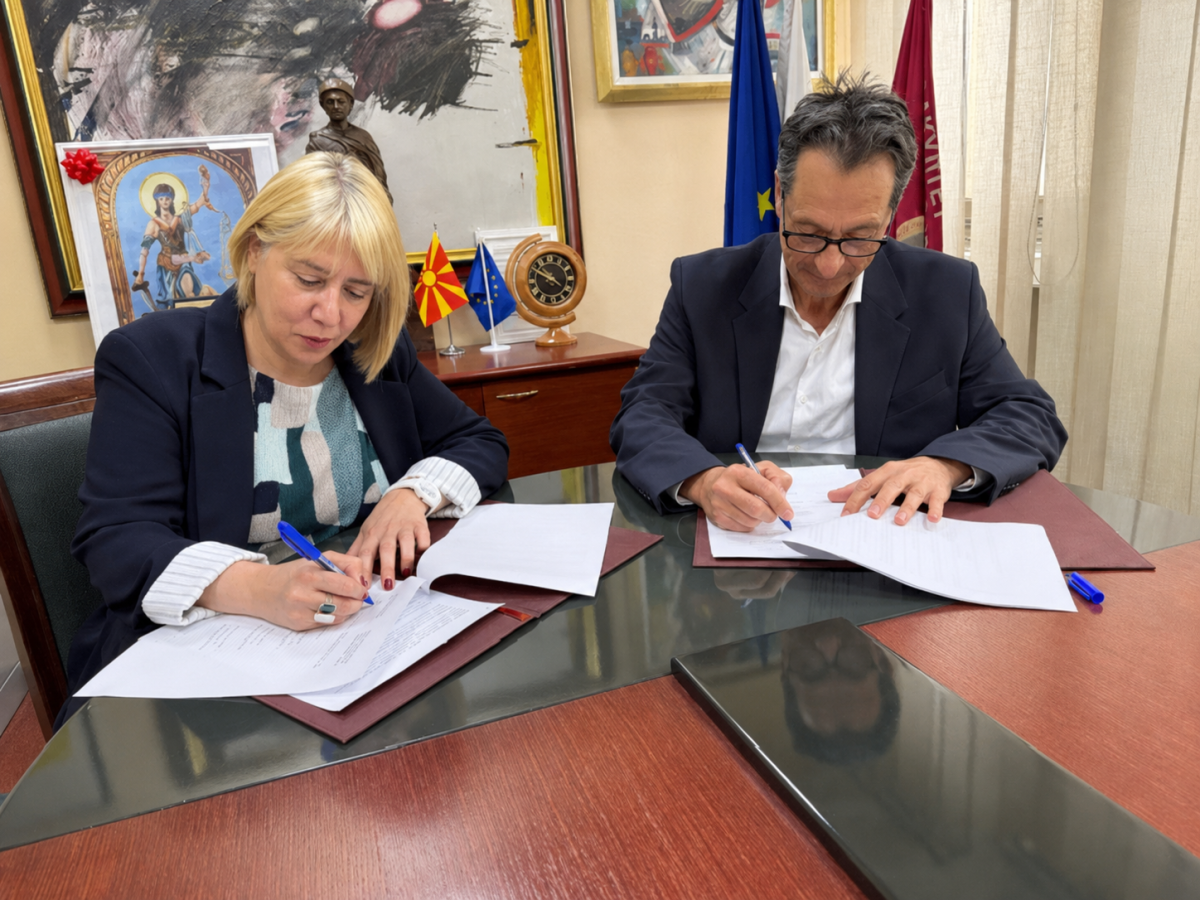
On March 13, the Balkan Investigative Reporting Network in Bosnia and Herzegovina, BIRN BiH, the Srebrenica-Potocari Memorial Centre, the Institute for the Development of Pre-University Education, and the Ministry of Education of the Sarajevo Canton concluded a Memorandum of Cooperation on strengthening the quality of teaching about the wartime past and developing a responsible approach to teaching about sensitive historical topics.

The cooperation is focused on improving the methodological approach to history teaching about the war in Bosnia and Herzegovina from 1992 to 1995 through the use of judicially established facts and relevant sources.

“It is important that students learn about the genocide and war crimes based on judicially established facts and credible sources. Such cooperation further strengthens professional support for teachers and contributes to the development of a responsible approach to teaching about these topics as an important part of building a culture of remembrance in the upbringing and educational system,” said Sarajevo Canton’s education minister, Naida Hota-Muminovic.

Teachers and schools in the canton will have access to professional resources and educational material based on verdicts of international and domestic courts, including the Database of Judicially Established Facts about the War in Bosnia and Herzegovina developed by BIRN BiH, as well as manuals and educational content developed in collaboration with the Srebrenica Memorial Centre.

With the support of the UN Secretary-General’s Peacebuilding Fund, BIRN BiH, together with the Srebrenica Memorial Centre and the Association of Forgotten Children of War, is implementing the project “Building Long-Term Peace in Bosnia and Herzegovina: Investing in the Future”, which aims to transform the way young people learn about the war in Bosnia through facts, empathy, understanding and a multimedia approach.

As part of the project, the database was created, based on which the manual on “How to Learn and Teach about the War in Bosnia and Herzegovina” was developed.

“By signing the Memorandum of Cooperation, we have institutionalized support for history teachers at the level of the Sarajevo Canton, and put the materials developed by BIRN BiH at disposal. In this way, we support the improvement of education in the field of studying war history in a factual, objective, multimedia, and multi-perspective manner,” said BIRN BiH’s Executive Director, Denis Dzidic. “This form of cooperation is also an important step in the process of exchanging experiences and good practices and building long-term peace,” he added.

The Director of the Srebrenica Memorial Centre, Emir Suljagic, said the Memorandum represents an important institutional step in improving education about the genocide and the culture of remembrance in Bosnia and Herzegovina.

“Education about the genocide and war crimes must be a systematic part of the educational process through the development of educational programmes and teaching content that allow young generations to understand historical facts,” Suljagic said.

The Memorandum foresees the organisation of professional training for teachers and professional associates, the exchange of teaching materials and professional consultations, as well as support for teachers in the preparation and implementation of lessons about the war in Bosnia and the 1995 genocide in Srebrenica.

“The Institute for the Development of Pre-University Education of the Sarajevo Canton will provide professional and methodological support to teachers so that the teaching process is based on verified, judicially established facts, and contemporary didactic approaches,” said the Institute Director, Senada Salihovic.

To create the Database, several hundred final court judgements were analyzed, including decisions of the Hague war-crimes tribunal, ICTY, the Bosnian state court, and other courts from Bosnia as well as the region relating to war crimes committed in the 1992-1995 period.

Last year, the Sarajevo Canton education ministry presented a revised and extended edition of teaching materials on the history of the war in Bosnia, the siege of Sarajevo and the Srebrenica genocide, which have been integrated into primary and secondary school curricula in the canton.

Kosovo Regional Community Centre for Public Safety Opens in Mitrovica

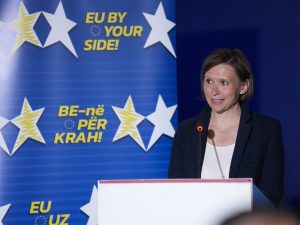
BIRN Kosovo’s director, Jeta Xharra, hails ‘rare project in Balkans’ in which multi-ethnic teams will monitor and report on police activities in the northern Mitrovica region.

On Tuesday, the Regional Community Centre for Public Safety opened in Mitrovica, marking the launch of operations under the broader project “Strengthening Accountability and Dialogue: Police Monitoring, Fact-Checking, and Transitional Justice in Kosovo”.

The initiative is being implemented by BIRN Kosovo and Internews Kosova in collaboration with the North Mitrovica-based NGO the Advocacy Centre for Democratic Culture, ACDC.

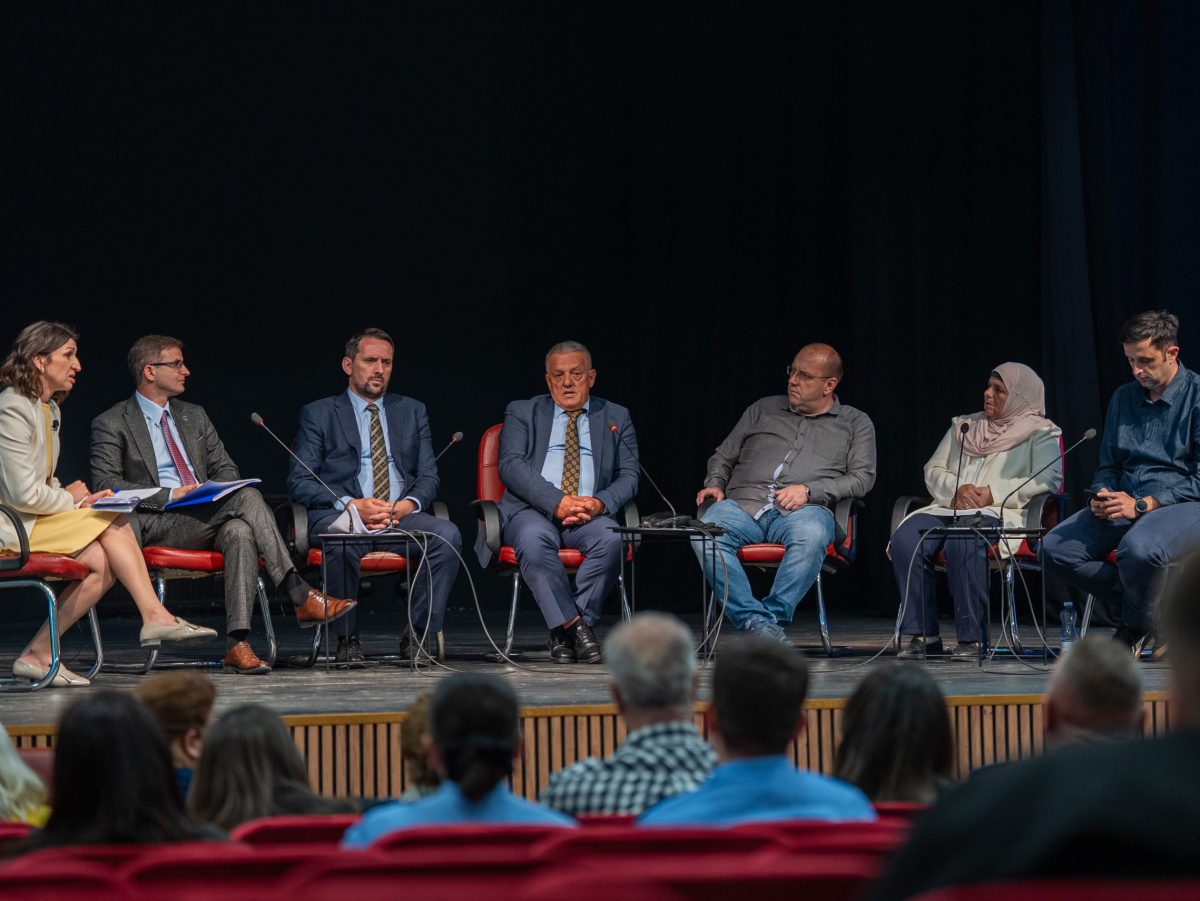
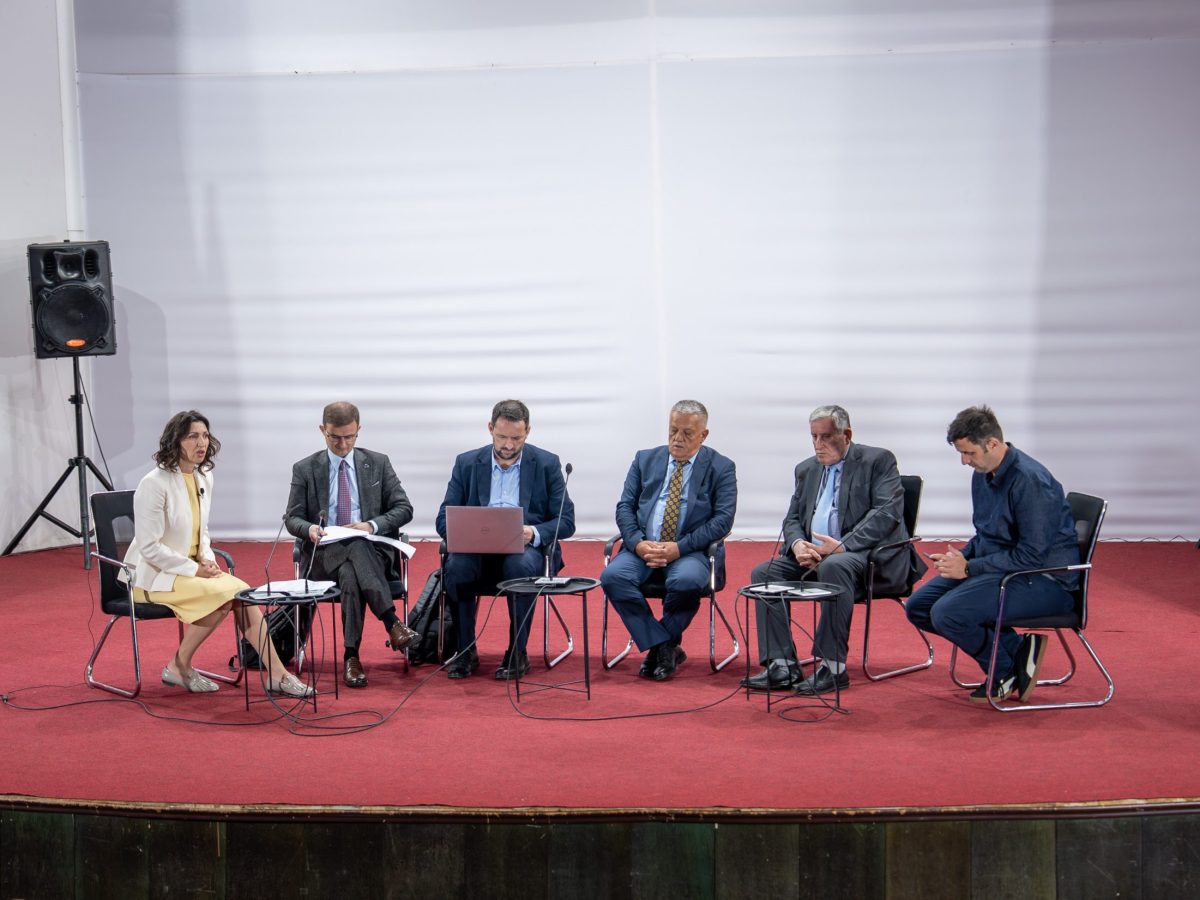
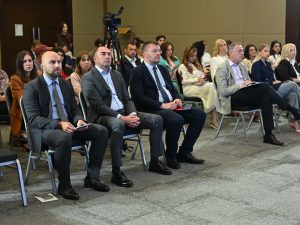
The opening gathered representatives of civil society, institutions and diplomatic missions to reflect on the importance of police oversight and community dialogue in the region.

Representatives from international missions working in institutional support and police monitoring were also present, including the EU mission, EULEX, UNMIK, OSCE, Council of Europe and KFOR.

The Centre will serve as a hub for monitoring security institutions in seven municipalities in the Mitrovica region through the programme “Accountability in Action”.

Civil society organisations involved will observe police work, provide recommendations to police management and inform the public through regular reports. The monitoring teams will be multi-ethnic and connected with educational campaigns, including real-time fact-checking components.

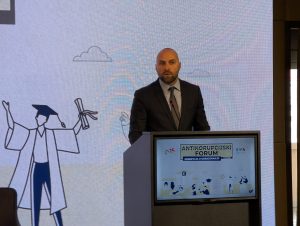
Opening the event, Aleksandar Rapajic, project manager at ACDC, emphasized the initiative’s significance following the withdrawal of Serb representatives from the police and judiciary in 2020.

“The withdrawal of Serb representatives from the police and judiciary led to a period of deterioration followed by gradual improvement in the security situation. From the beginning, we decided it is not our role to choose who will be in institutions, but it is our obligation to cooperate. Even after these changes, we have had cooperation with the police, relatively speaking, in most cases good cooperation,” Rapajic said.

Jeta Xharra, Executive Director of BIRN Kosovo, highlighted the uniqueness of the initiative in the Balkan region, where police allow multi-ethnic civil society teams to monitor their operations through the new Centre.

“This is a rare project in the Balkans. Nowhere in the Balkans, no matter how bad the situation gets, has a multi-ethnic civil society team been allowed to go with police and monitor.

“Kosovo has this opportunity because the Kosovo Police apply Western-style community policing rather than the model inherited from the former Yugoslavia, where police were seen primarily as an arm of the state rather than a service for the community,” Xharra said.

She added that one component of the project is monitoring police actions through the Centre, while another is addressing interethnic barriers that still exist. Through the initiative, journalists from Albanian and Serbian media outlets will exchange experiences by spending time working in each other’s newsrooms in northern Kosovo and in Prishtina.

Jurg Sprecher, the Swiss Ambassador to Kosovo, said public trust is crucial for building lasting peace and strong institutions.

“Peacebuilding in a post-conflict environment depends not only on institutional stability but also on public trust,” Sprecher said.

“Trust between citizens and law enforcement institutions is fundamental for democratic governance and the rule of law. When communities feel heard, respected and represented, institutions become stronger and societies more resilient,” he added.

Ronald Goldberg, Deputy Head of Mission at the The Netherlands’ embassy in Kosovo, also emphasised the importance of transparency, noting that his embassy proudly supports the project.

“When institutions open their work to dialogue and public observation, they demonstrate confidence in their professionalism and commitment to democratic values,” Goldberg said.

Veton Elshani, Deputy Director of the North Mitrovica Directorate of the Kosovo Police, welcomed the involvement of civil society organisations and the establishment of the Centre.

“The media have been our window to citizens. We have faced many challenges, and the inclusion of NGOs and the media as partners is an added value for our work. You are our partners, and we are your partners. Through you, citizens will also understand that the work of the police is not easy,” Elshani said.

Kreshnik Gashi, editor-in-chief at Kallxo.com a co-publication of BIRN Kosovo and Internews Kosova, noted that monitors have been trained by Kosovo Police for the initiative.

“We would like our project to cover all of Kosovo. Due to a lack of funds, the project is currently focused on the Mitrovica region. The teams will be multi-ethnic and connected with educational campaigns. We will also have real-time fact-checking, and the doors of this Centre will be open to any complaints from citizens,” Gashi added.

The Centre is part of broader efforts by BIRN Kosovo, ACDC and Internews Kosova to promote democratic governance and institutional transparency through investigative reporting, fact-checking, and systematic documentation under the project “Strengthening Accountability and Dialogue: Police Monitoring, Fact-Checking, and Transitional Justice in Kosovo.”

In total, there were 43 participants at the opening event, 30 men and 13 women. The event was also followed by four media outlets.

BIRN and SCiDEV Publish Annual Report on Media Freedom and Safety in Albania

BIRN Albania and SCiDEV have published a new report providing a detailed overview of developments affecting media freedom, pluralism and the safety of journalists in Albania during 2025.

“Annual Report 2025: Tracking Albania’s Progress on Media Freedom and Journalistic Safety in Line with European Union Standards,” assesses institutional reforms, legal developments and the working conditions of journalists in the context of Albania’s EU accession process.

It finds that while some procedural steps were taken to strengthen safeguards for media freedom and freedom of expression, many structural challenges affecting the media environment remain.

According to the report, journalists in Albania continue to face pressure, intimidation and limited access to information. Survey findings included in the study show that a significant number of journalists reported experiencing threats or intimidation related to their work. Many said they did not feel fully free to report without fear of consequences or political pressure.

The report also highlights the challenges faced by journalists during the 2025 parliamentary elections, which served as a practical test of media independence. Many journalists covering the campaign reported difficulties in accessing information and described increased political pressure during the electoral period, raising concerns about the impact of election dynamics on editorial independence.

The report also draws attention to persistent issues affecting women journalists, including gender-based harassment and professional pressures that may influence editorial decision-making.

While acknowledging several regulatory developments – including steps towards improving transparency in media ownership and discussions on aligning national legislation with EU frameworks such as the European Media Freedom Act – the report concludes that stronger implementation and institutional accountability are needed to ensure effective protection of journalists and a more independent media environment.

The report forms part of broader efforts to monitor Albania’s progress on media freedom and journalists’ safety and to support reforms aligned with European standards.

It was produced within the framework of the project “Strengthening Media Freedom, Professionalism, and Journalists’ Safety in Albania,” implemented by BIRN Albania in partnership with SCiDEV and Qendra Faktoje, with financial support from the European Union.

For an English copy of the report click here.

For an Albanian copy of the report click here.

BIRN Albania Wins Landmark Constitutional Court Case

Albania’s Constitutional Court ruled on Tuesday that a government decision to block the social media platform TikTok violated freedom of expression and press freedom, upholding a complaint filed by BIRN Albania and the Albanian Association of Journalists.

The case challenged a March 2025 decision of the Council of Ministers ordering temporary measures to prevent the “negative effects” of the online platform.

Albania’s Constitutional Court ruled on Tuesday that a government decision to block the social media platform TikTok violated freedom of expression and press freedom, partially upholding a complaint filed by journalist organisations.

The case was brought by the Association of Journalists of Albania and the Balkan Investigative Reporting Network, BIRN Albania, which challenged a March 2025 decision of the Council of Ministers ordering temporary measures to prevent the “negative effects” of the online platform.

In its decision dated March 11, the court concluded that the government’s move to interrupt access to TikTok constituted a restriction on freedom of expression and media freedom protected by the Albanian constitution.

The judges found that although the government’s stated aim of protecting children and young people from harmful online content constituted a legitimate public interest, the measure failed to meet key constitutional criteria.

Specifically, the court determined that the government lacked a clear legal basis to impose a nationwide suspension of access to an online platform and that the measure was disproportionate.

“The interruption of access to the TikTok platform constitutes a restriction on freedom of expression and freedom of the press,” the court stated, adding that the restriction did not satisfy constitutional requirements that limitations on rights must be prescribed by law and proportionate.

Although the contested decision was later repealed by the government and is no longer part of the legal framework, the court said it continued examining the case because it raised issues of public interest and required clarification for future actions by public authorities.

The court therefore partially accepted the complaint and formally recognised that the implementation of the government decision had violated freedom of expression and press freedom.

In Memoriam – Mila Moralic

Croatian journalist Mila Moralic has passed away at the age of 45. She will be remembered as an outstanding colleague whose dedication to strengthening her profession will be deeply missed.

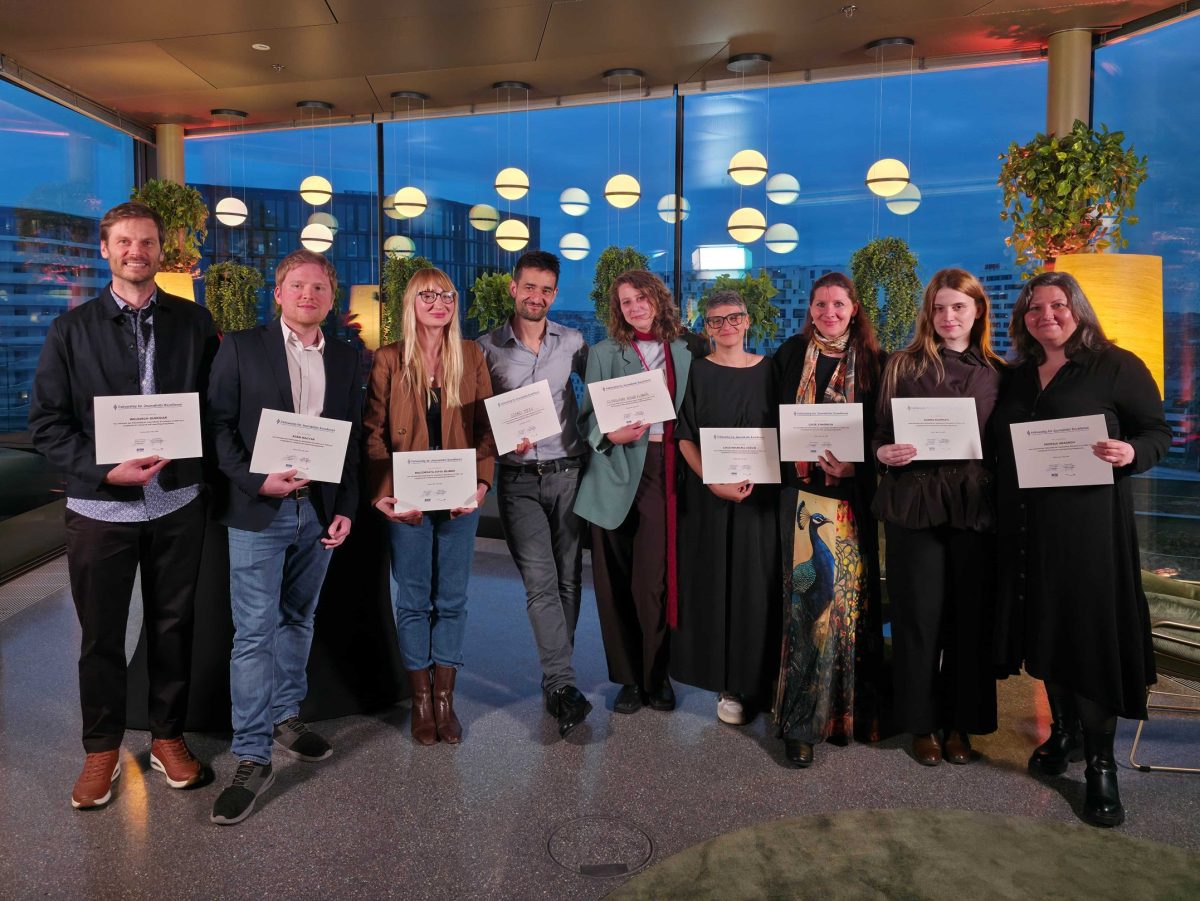
Among her many achievements, Mila was also a fellow of BIRN’s Fellowship for Journalistic Excellence for 2025–2026, a prestigious programme awarded to professional journalists from 14 countries across Central and Eastern Europe.

Mila was born on July 24, 1981, in Split. She held a degree in political science with a master’s degree in Comparative Politics, and for more than 20 years she covered both domestic and international politics. She was particularly recognized for her work as the editor of the weekly programme Točka na tjedan (TNT) on N1 television.

In 2025, she received the Marija Juric Zagorka award from the Croatian Journalists’ Association for television journalism. The award was granted for her 2024 interview with European Chief Prosecutor Laura Kovesi, a key figure in the fight against political corruption. In that interview, Kovesi revealed how elements within the Croatian judiciary and political establishment had tried to curtail her office’s remit in investigations involving powerful figures within the executive.

Mila’s investigation for the Fellowship for Journalistic Excellence focused precisely on this issue. Her editor on the programme, Neil Arun, said: “Mila had been with the Fellowship for just under a year. We had enormous hopes for the investigation that she was about to complete. She was astute, meticulous and fearless in her work. A true professional, her death is a tragic loss to her loved ones, and to our industry.”

Mila was also a recipient of the prestigious Fulbright scholarship through the Hubert H. Humphrey Fellowship Programme at the Walter Cronkite School of Journalism in the United States.

She also led the Zagorka Connects project, organised by the Croatian Journalists’ Union. The initiative established a mentoring network between experienced women journalists and younger colleagues at the beginning of their careers, with the goal of empowering women in journalism.

Her colleagues from the Croatian Journalists’ Association paid tribute to her. “Without exaggeration, Mila’s passing is a blow to a democratic society in which the media serves as a foundation, and where committed and honest individuals can make a difference. Mila – a mother, journalist, and colleague – you will be deeply missed. We will continue to pursue the goals and mission to which you were so devoted,” they wrote.

On behalf of journalists from across the region, as well as her fellow colleagues and alumni of the Fellowship for Journalistic Excellence, we extend our deepest condolences to Mila’s family, her husband Ismar, their children, and to her colleagues.

BIRN Journalist Radmilo Markovic Receives Anti-Corruption Award

Radmilo Marković has received the Svetionicari [Beacon] award for outstanding contribution in the fight against corruption in Serbia.

The National Coalition for Decentralisation has awarded Radmilo Markovic the Svetionicari award for exceptional contributions to combating corruption in Serbia in the journalism category.

The jury stated that Markovic’s work focuses on uncovering corruption, criminal networks, and institutional irresponsibility – “precisely where the consequences are not abstract but directly affect citizens’ safety, the rule of law, and trust in institutions.

“His journalism is not based on speed, but on thoroughness. On patiently reading court files. On analysing police documents. On verifying data from multiple sources. On persistently asking questions. It does not accept the silence of institutions, selective application of the law, or keeping cases ‘in a drawer’ as acceptable,” the jury wrote.

The jury members were journalist Vuk Cvijic, Miroslav Mijatovic, from the Podrinje Anti-Corruption Team, Zlatko Minic, from Transparency Serbia, Pavle Dimitrijevic, from CRTA, and Zoran Gavrilovic, from BIRODI.

They described Markovic as “an example of professional integrity and personal courage,” noting that he has brought facts to the public that were often uncomfortable – but necessary.

“His articles expose concrete mechanisms of abuse of power, institutional cover-ups, and the lack of accountability. His investigations have helped raise awareness that corruption in the security and judicial sectors is not only a matter of financial abuse, but also a matter of citizens’ safety and equality before the law. At a time when facts are relativised and the media face pressure, his journalism remains firmly rooted in verifiable data and the ethical standards of the profession,” the jury concluded.

The Svetionicari Award is presented in three categories: activists, journalists and civil society organisations.

In the civil society organisation category, the award was given to the investigative portal KRIK and the Becej Youth Association (BUM).

The winner in the activist category is geological engineer Zoran Djajic, who spoke about irregularities in the work of Chinese and Serbian companies engaged in the reconstruction of the railway station in Novi Sad. After the collapse of the station’s canopy in November 2024, 16 people were killed.

The Svetionicari Award is presented by the National Coalition for Decentralization with the support of Sweden as part of the Belgrade Open School programme, “Civil Society for Advancing Serbia’s EU Accession – Europe ASAP.