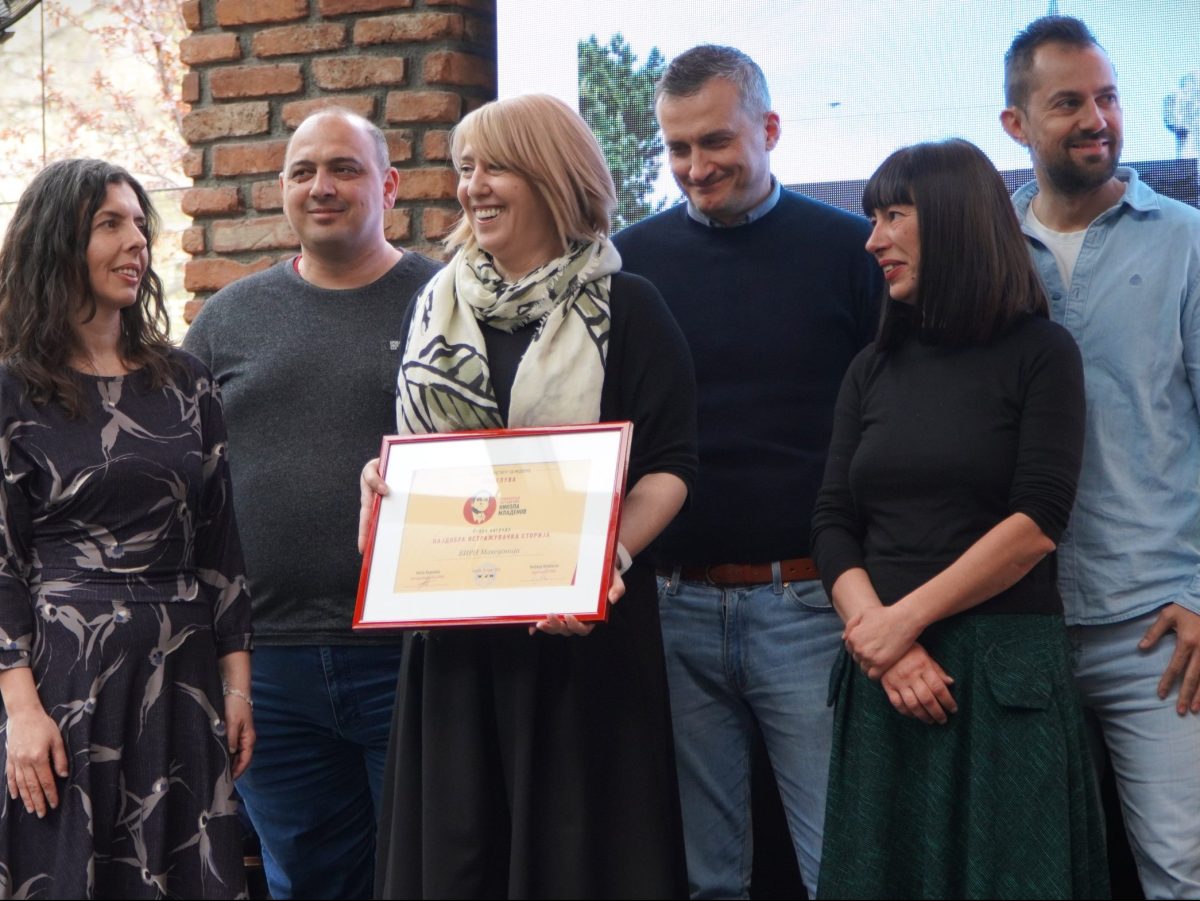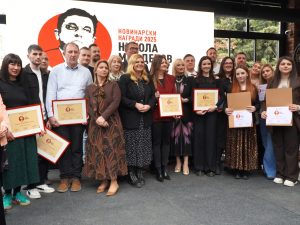
The National Coalition for Decentralisation has awarded Radmilo Markovic the Svetionicari award for exceptional contributions to combating corruption in Serbia in the journalism category.
The jury stated that Markovic’s work focuses on uncovering corruption, criminal networks, and institutional irresponsibility – “precisely where the consequences are not abstract but directly affect citizens’ safety, the rule of law, and trust in institutions.
“His journalism is not based on speed, but on thoroughness. On patiently reading court files. On analysing police documents. On verifying data from multiple sources. On persistently asking questions. It does not accept the silence of institutions, selective application of the law, or keeping cases ‘in a drawer’ as acceptable,” the jury wrote.
The jury members were journalist Vuk Cvijic, Miroslav Mijatovic, from the Podrinje Anti-Corruption Team, Zlatko Minic, from Transparency Serbia, Pavle Dimitrijevic, from CRTA, and Zoran Gavrilovic, from BIRODI.
They described Markovic as “an example of professional integrity and personal courage,” noting that he has brought facts to the public that were often uncomfortable – but necessary.
“His articles expose concrete mechanisms of abuse of power, institutional cover-ups, and the lack of accountability. His investigations have helped raise awareness that corruption in the security and judicial sectors is not only a matter of financial abuse, but also a matter of citizens’ safety and equality before the law. At a time when facts are relativised and the media face pressure, his journalism remains firmly rooted in verifiable data and the ethical standards of the profession,” the jury concluded.
The Svetionicari Award is presented in three categories: activists, journalists and civil society organisations.
In the civil society organisation category, the award was given to the investigative portal KRIK and the Becej Youth Association (BUM).
The winner in the activist category is geological engineer Zoran Djajic, who spoke about irregularities in the work of Chinese and Serbian companies engaged in the reconstruction of the railway station in Novi Sad. After the collapse of the station’s canopy in November 2024, 16 people were killed.
The Svetionicari Award is presented by the National Coalition for Decentralization with the support of Sweden as part of the Belgrade Open School programme, “Civil Society for Advancing Serbia’s EU Accession – Europe ASAP.
BIRN Albania has published a new research report examining the dynamics of identity-based disinformation and its impact on democratic discourse, vulnerable communities and the broader information environment.
The report ‘Narratives of Division: Mapping Identity-Based Disinformation in Albania – Monitoring of Albania’s Information Ecosystem (2022–2025)’ analyses how narratives targeting identity, including gender, ethnicity or sexual orientation, are increasingly used in disinformation campaigns to deepen polarisation and undermine trust in institutions.
The research is based on the monitoring of Albania’s information ecosystem between 2022 and 2025, examining online media content, social media discourse and coordinated narratives that target identity-related issues. The analysis aims to identify key actors, recurring narratives and patterns of amplification within the country’s information environment.
The study highlights how identity-based disinformation operates as a powerful tool within contemporary information manipulation strategies. Rather than relying solely on factual falsehoods, such narratives often exploit existing social prejudices and stereotypes in order to mobilise emotions, reinforce group divisions and influence political debates. Research shows that these narratives can have broader consequences for democratic participation, social cohesion and the safety of targeted communities.
According to the report, identity-based disinformation campaigns frequently weaponise issues related to gender, ethnicity, religion or sexual orientation in order to provoke hostility against specific groups while simultaneously undermining democratic institutions. By amplifying polarising narratives and framing social issues as existential threats, such campaigns contribute to the erosion of trust in democratic processes and public debate.
The report also emphasises that identity-focused narratives are commonly used within broader information manipulation strategies, including foreign information manipulation and interference (FIMI). These operations often combine misleading narratives with coordinated tactics such as impersonation of media outlets, fabricated documents and coordinated amplification across social media platforms in order to increase their reach and credibility.
Through its analysis, the report aims to contribute to a better understanding of how identity-based narratives are used in disinformation campaigns and to support efforts by civil society, journalists and institutions to strengthen resilience against such threats.
The publication forms part of BIRN Albania’s broader work on monitoring disinformation, analysing information manipulation trends and supporting evidence-based responses to emerging challenges in the information environment. The research was supported by the European Union Delegation to Albania.
Journalist Bojan Blazevski’s investigation into the phosphogypsum landfill in North Macedonia won second place in the 2025 competition for the best journalistic story on tackling the consequences of air pollution in the country awarded by the Macedonian Journalists’ Association and UNDP.
“Authorities Guilty of Complacency Over North Macedonia’s Phosphogypsum Dump”, published on Balkan Insight in August 2025, revealed how millions of tonnes of waste, including radioactive elements, have for decades remained in an unprotected landfill in the village of Zgropolci, near Veles, without institutional oversight, despite the risk to public health and the environment.
At the awards ceremony on March 2, Blazevski, an alumnus of BIRN’s Fellowship for Journalistic Excellence Programme, called on institutions to introduce systematic monitoring of this environmental hotspot, which, he reminded the audience, “is not the only one in our country causing environmental problems.”
First prize went to journalist Mihail Miloshevski from the newsroom “360 Degrees” for the story “Five More Cities Discovered What Is Polluting Their Air – What Will the Mayors Do”, which identified specific sources of pollution in Kumanovo, Kavadarci, Gostivar, Strumica and Struga.
Third prize went to Vladimir Kalinski of Radio Free Europe for the story “Every Breath Hurts: Testimony of a Cancer Patient on Life in Polluted Skopje”, which conveys the personal struggle of a Skopje resident battling the disease.
A special recognition was awarded to journalist Orce Kostov from “Fokus” for the story “No Measure Is Delivering Results: Skopje Breathes the Most Toxic Air in Europe Despite an Invention to Disperse Fog and Pollutants.”
The awards were presented by the Association of Journalists of Macedonia in cooperation with the United Nations Development Programme, UNDP, and the Embassy of Sweden. The prizes have been awarded for several years to encourage the production of higher-quality investigative journalism on this issue and to put pressure on institutions to address air pollution, which claims several thousand lives in the country each year.
Maida Selmanovic is the Financial Director in BIRN Hub’s office in Sarajevo. She studied at the University of Economic Tourism and has been working with BIRN since 2008.
When Maida first learned about BIRN, she was immediately drawn to its mission: building serious, independent investigative journalism in a region that needed it.
“Even in its early stages, the organisation already had a strong sense of purpose and ambition. It was clear that this was not just another NGO but a place with a long-term vision. It felt like the beginning of something that wanted to last and make an impact,” Maida recalls.
Before joining BIRN, she worked in the private sector for over 15 years, combining finance, procurement and brand management. That experience helped her to develop skills in strategic planning, project management and efficient resource management, which she later applied at BIRN.
“I started as a Financial Officer, expecting to manage finances in a relatively small organisation. Very quickly, I realised I had joined something much more dynamic.
“As the organisation grew, so did my responsibilities. In 2014, I became Financial Director. Over the years, I was not only managing numbers but I was also building financial systems that could support continuous growth,” she explains.
Looking back, her expectations in 2008 when it comes to BIRN were not only met but evolved alongside the organization; the change in it since her joining has been profound.
“In 2008, we had five donors and projects. By 2010, that number more than doubled. By 2014, we managed 18 projects, and later, more than 35 projects annually. Growth was not only numerical, it was institutional,” Maida recalls.
While she believed in BIRN’s potential, she could not have imagined the scale of regional recognition and influence it would achieve.
10 years of BIRN, Kopaonik
“That growth was not accidental,” she says. “BIRN is built on vision, passion, discipline, dedication and long-term thinking. Every aspect contributing to its success has been carefully considered: from journalist training, preparing manuals and books such as ‘Digging Deeper’, a book for journalists on investigative reporting published by BIRN in cooperation with Sheila S Coronel, an expert in investigative journalism and professor at Columbia University.
“It is a practical guide with techniques, advice, story examples and tools that help journalists to develop in-depth investigative skills – which is why many in the region refer to it as a ‘primer’ for journalists,” Maida adds.
Special attention has been given to financial transparency and accountability, building strong teams, professionalizing processes, careful risk management and fostering regional cooperation.
Every detail matters to ensure the organisation reaches its full potential, builds donor trust and has a lasting impact on the region. However, there were some big changes over all this time.
“The biggest changes that I have noticed are the scale and complexity of projects, the number of employees and regional cooperation, as well as the professionalization of systems and procedures and stronger internal controls and financial governance. We’ve evolved from a small operational structure into a mature organisation managing multi-donor, multi-country portfolios with high accountability standards,” she explains.
This growth has required an exceptional level of dedication and effort from the team. “During key development phases, we worked for months under intense workloads and extended hours to build systems, meet donor requirements, and ensure the organisation’s stability and credibility. The progress BIRN has made – from five projects up to 35 – is the result of that sustained commitment and hard work,” Maida notes.
And considering all the tasks she is responsible for, when it comes to her everyday business routine, there is rarely a “typical” day.
“My work includes review of all payments made through electronic banking, compliance with legal regulations, reviewing accounting entries, monitoring budgets, overseeing compliance, preparing all financial data for donor reports, and ensuring the accuracy of our internal financial database. Every transaction matters. Financial discipline is not just technical; it is the foundation of donor trust and long-term sustainability,” she adds.
Explaining what she likes most about her work, she says she loves numbers because “they never lie.
“They cannot be altered to fit wishful thinking and they cannot become what they are not. They reflect reality – unchanging, impartial, and clear. If we listen to them, we understand the true story of our work, our challenges, and our achievements,” Maida says.
Maida with Slobodan Georgiev, former editor of BIRN Serbia
What she appreciates most is knowing that strong and accurate financial management creates space for the leadership to focus on key priorities, such as fundraising and strategic development, while journalists can concentrate on producing impactful investigations.
“I have always believed that when finances are stable and transparent, the organisation can operate with confidence and independence. But, if I could change something, I would simplify administrative burdens and reporting complexity, allowing even more focus on strategic growth and long-term development,” she says.
The role of Financial Director, especially managing a large number of projects, is demanding, stressful, and carries significant responsibility. It requires multiple layers of document control and compliance, meeting the requirements of staff, project managers, and audits conducted by authorized firms.
“The work is complex, with many tasks happening simultaneously, and it demands constant attention to detail and coordination. Without a strong and dedicated finance team supporting me – financial officer and administrative officer – managing this complexity and ensuring accuracy and transparency would not be possible,” Maida explains.
In her opinion, one of BIRN’s greatest strengths has always been its leadership and talented people with vision.
“The vision of Gordana Igric, the founder of BIRN Hub, was decisive. Her clarity of purpose, strategic thinking, and extraordinary dedication set the direction for the entire organisation. She worked tirelessly, often beyond limits and her standards shaped our institutional culture.
“Two lessons she shared with me in 2008 have stayed with me ever since: “Never do anything that is not in accordance with the law, and always manage donor funds responsibly and transparently.” I follow these principles every day in my work,” Maida stresses.
BIRN at the Sarajevo Film Festival, 2015
From her perspective, the success of any organisation depends significantly on the strength and vision of its leadership. In BIRN’s case, that leadership created a foundation of ambition, resilience and integrity that still defines BIRN today. Other key strengths are highly committed and long-term donor trust.
After a day filled with numbers, reports, and strategic decisions, Maida values moments of calm and balance; she spends her spare time doing what benefits her physical and mental health.
“Spending time with my family helps me to recharge and maintain perspective. I also practice yoga and Qi Gong, which help me stay grounded and focused. These practices bring both physical and mental balance, especially after intensive working days,” Maida says.
She also loves to spend time outdoors. “Whenever I can, I spend weekends hiking in nature. Being outdoors, walking in the mountains, and disconnecting from daily responsibilities gives me new energy and clarity,” she concludes.
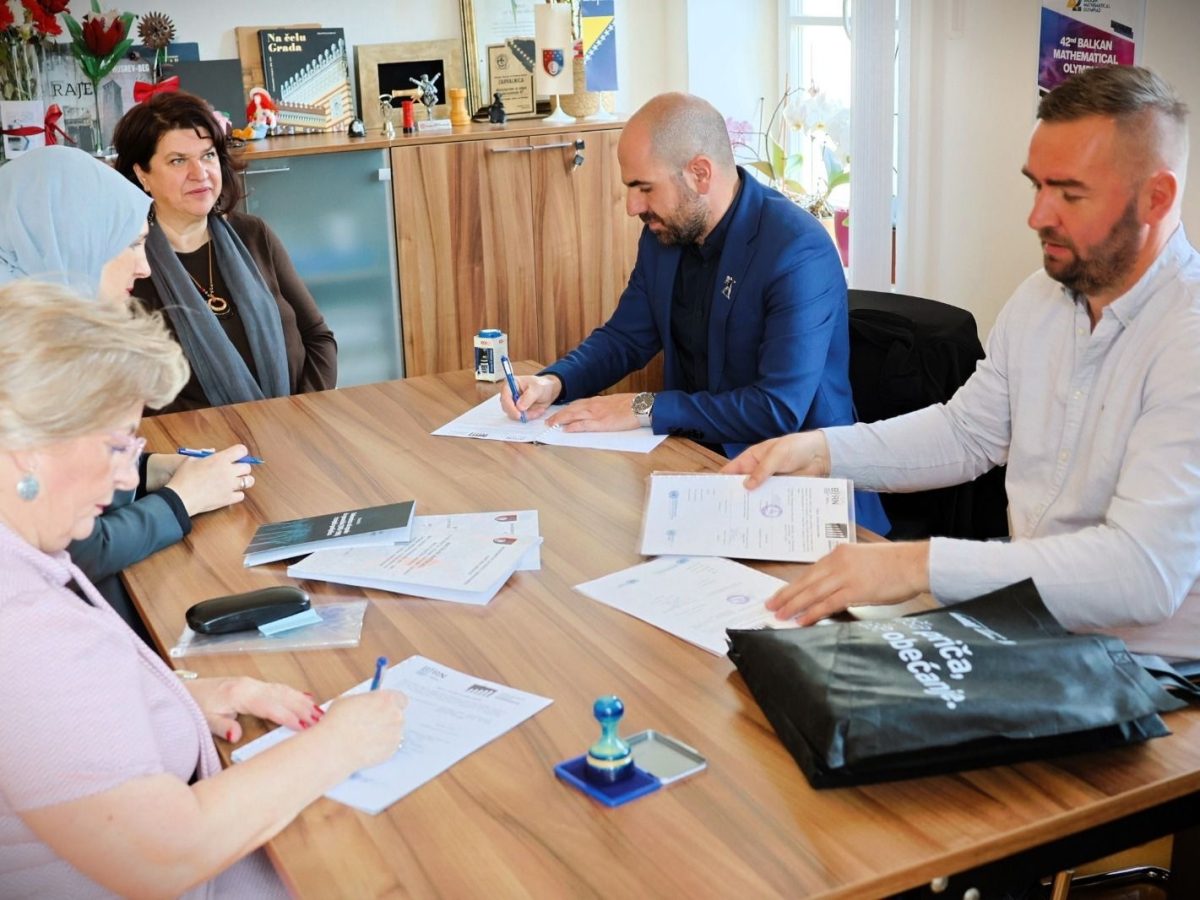
On February 27 in Gorazde, the Balkan Investigative Reporting Network of Bosnia and Herzegovina, BIRN BiH, the Srebrenica Memorial Centre, and the Ministry of Education, Culture and Sports of the Bosnian-Podrinje Canton, BPK, signed a memorandum of cooperation according to which the Database of Judicially Established Facts about the War in Bosnia and Herzegovina will be used in teaching in this canton.
In the Memorandum, the emphasis is put on the methodology for studying the war in Bosnia, which primarily relies on judgments of international and domestic courts as well as contemporary pedagogical principles, and such an approach allows teachers to present educational content based on factual and judicially established facts.
The Minister of Education, Culture and Sports of BPK, Adisa Alikadic-Heric, stated that history in Gorazde was not an abstract term from textbooks but part of family stories, personal memories, and collective experience, and that it was the responsibility of the education system to enable younger generations to learn about the past based on judicially established facts, professional standards and pedagogical sensitivity.
“Education must be a space of truth but also a space of empathy. Talking about the war in Bosnia and Herzegovina means talking about suffering, loss, and injustice, but also about human strength, solidarity and dignity,” he said.
“Teachers participating in this programme today bear a great responsibility to teach young people to understand the past without hatred, but also without crime relativization. Our goal is not to burden future generations with the burden of the past, but to empower them with knowledge,” Alikadic-Heric added.
With the support of the United Nations Secretary-General’s Peacebuilding Fund, BIRN BiH together with the Srebrenica Memorial Centre and the Forgotten Children of War Association, is implementing the project “Building Long-Term Peace in Bosnia and Herzegovina: Investing in the Future”.
This aims to transform the way young people learn about the war in Bosnia, using facts, empathy, understanding and a multimedia approach. As part of the project, a database was created that served as the basis for a manual on “How to Learn and Teach about the War in Bosnia and Herzegovina”.
Denis Dzidic, Executive Director of BIRN BiH, recalled that the Database of Judicially Established Facts, which was already used by some cantonal ministries, had been supplemented with domestic and regional judgements in addition to Hague judgments.
“This is a unique platform that enables us to teach history according to a unique methodology for any of the municipalities in Bosnia and Herzegovina. And it really gives us a certain platform to try to devise a way in which we can work in an equal manner,” Dzidic said, adding that the Memorandum marks the opening of a partnership process to enable the teaching of history in a structured way.
“This is the most important part of our work. The future of this country is built on sound education,” Emir Suljagic, Director of the Srebrenica Memorial Centre, said.
For the purpose of creating the Database, several hundred final court judgments were analyzed, including decisions of the Hague war-crimes tribunal, ICTY, the Bosnian state court and other courts from Bosnia as well as in the region relating to war crimes committed in the period 1992–1995.
BIRN Montenegro urged the government to introduce criminal liability for unregistered crypto-asset service providers, adopt a dedicated law on digital assets aligned with European rules, and strengthen the supervisory capacities of the Financial Intelligence Unit, FOJ, and the Capital Market Commission.
The analysis also recommends developing crypto-specific guidelines and typologies, as well as introducing blockchain analytics tools.
BIRN Montenegro Executive Director Vuk Maras said that in 2024 the Financial Intelligence Unit handled only five cases related to crypto assets, while BIRN Montenegro’s research indicated the existence of large unregistered and uncontrolled money flows through the crypto market.
“This is a parallel economic flow about which our state knows nothing. Research has shown that cryptocurrency dealers no longer want to work with small amounts but with tens of thousands of euros. This black market is huge and needs to be brought into legal channels,” Maras said.
The analysis noted that Taiwan has introduced serious criminal sanctions for unregistered digital-asset operations, which has led to a doubling in the number of suspicious transactions reported by the crypto sector.
Maras added that after tightening the rules, two-thirds of existing virtual asset service providers, VASPs, in Taiwan lost the right to operate because they failed to meet the new standards.
The analysis was made with the support of the Taipei Representative Office in Hungary.
On 24 February, marking the fourth anniversary of Russia’s full-scale invasion of Ukraine, BIRN Kosovo and Internews Kosovo premiered the fifth and final documentary in their investigative series about disinformation and foreign malign influence.
The screening took place in Pristina at Reporting House, gathering journalists, civil society representatives, and members of the public to reflect on the evolving information landscape shaped by the war in Ukraine.
The film, Russian Disinformation after the Invasion of Ukraine, presents evidence of how manipulated narratives targeting Albanian-speaking audiences have been disseminated through translated and republished content originating from Serbian and Russian media outlets.
Focusing on coverage of the war in Ukraine, the documentary shows patterns of foreign information manipulation and influence in Kosovo’s media environment. It shows how foreign interference seeks to shape opinions within different communities in Kosovo, including efforts to influence the public discourse in the Serbian community. The findings highlight how disinformation campaigns adapt across languages and borders, reinforcing political narratives aligned with Kremlin interests.
Opening the event, Jeta Xharra, Executive Director of BIRN Kosovo, emphasized the symbolic importance of the anniversary and the war’s relationship to Kosovo’s own history of war.
“It is not just one or two years of solidarity. We continue to think about Ukraine and what is happening there. It reminds us of the hundreds of thousands of refugees and the people who were killed in Kosovo, who were forced to flee this country. We remember them, just as we remember the victims of the Kremlin,” Xharra said.
Speaking at the premiere, Ukrainian journalist Iryna Synelnyk, who has been based in Kosovo, reflected on her personal experience of disinformation.
“When I arrived in Pristina in July 2022, I did not know much about Kosovo. Now I understand that some of the information I had previously read was Russian and Serbian propaganda. That is why it is so important to talk about this, and to fight it,” she said.
The documentary is part of the Media Integrity and Disinformation Watch project, supported by the British embassy in Kosovo, an initiative aimed at countering disinformation through investigative reporting and systematic documentation.
Over the course of the project, five documentaries were produced, tracing the development and impact of disinformation related to economy, religion, ethnicity and elections as well as foreign malign influence coming from Russia.
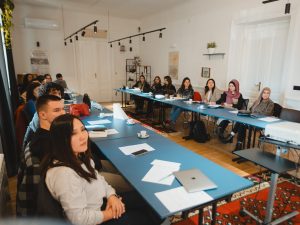
Of the 49 participants, 18 were men and 31 were women.
The event served as both a moment of remembrance and a call to sustained vigilance in confronting disinformation in Kosovo and beyond.
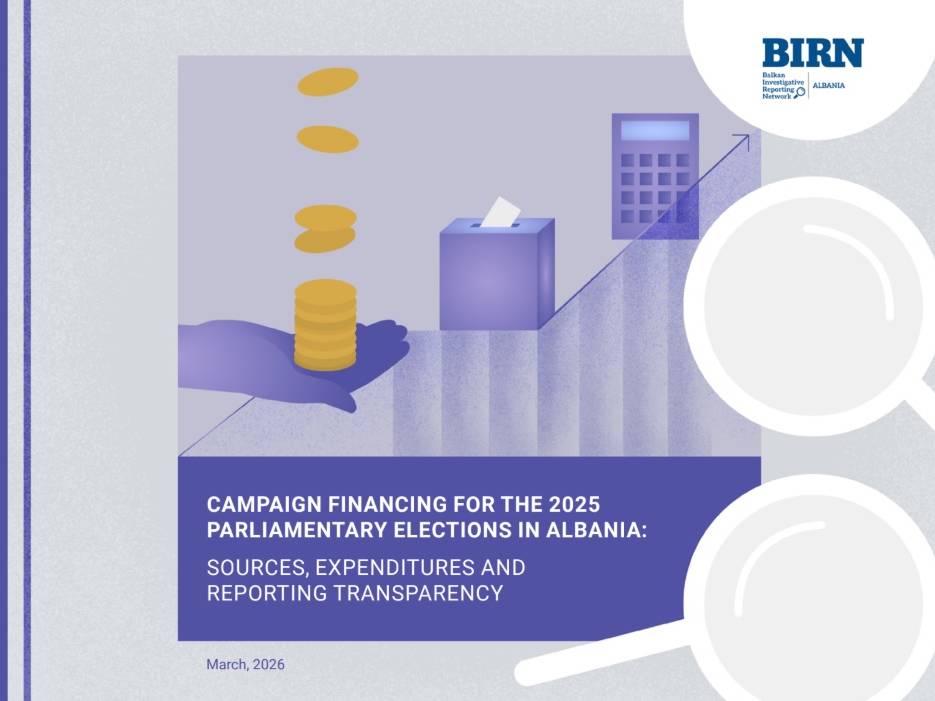
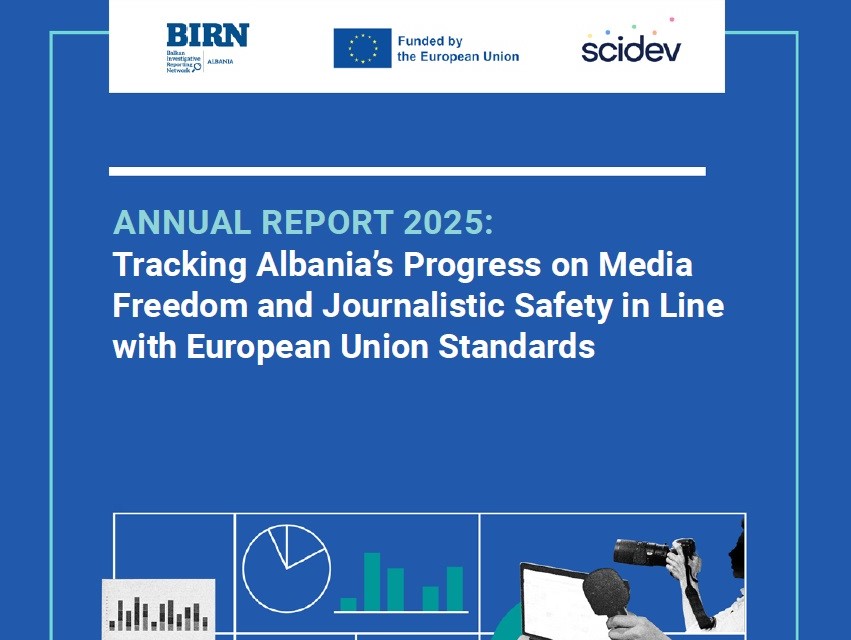
BIRN Albania has published a new analytical report analysing how Foreign Information Manipulation and Interference (FIMI) intersected with the dynamics of Albania’s 2025 parliamentary elections.
The research examines the 2025 electoral cycle as a stress moment for Albania’s information environment, assessing how political polarization, institutional trust, media structures and digital platforms shaped exposure to manipulation before, during and after election day.
Drawing on systematic monitoring and qualitative analysis conducted throughout the electoral period, the report explores:
how narratives questioning electoral fairness and institutional credibility circulated during the campaign;
how polarized political discourse created fertile ground for delegitimizing claims;
how online amplification and engagement-driven dynamics increased the visibility of divisive or misleading content;
how foreign-linked or externally sourced narratives were republished and recycled within the domestic media ecosystem;
how gendered and identity-based attacks affected the tone and inclusiveness of electoral debate.
Rather than treating disinformation as isolated falsehoods, the reports assess structural vulnerabilities revealed during the 2025 elections—highlighting where institutional safeguards functioned, where regulatory or oversight gaps emerged, and where digital incentives amplified risk.
By grounding the analysis in concrete developments during Albania’s 2025 parliamentary elections, the publications underline that election-related FIMI is not only a geopolitical concern but a governance and resilience challenge. The findings are intended to inform policymakers, oversight institutions, media actors and civil society on how to strengthen safeguards ahead of future electoral cycles.
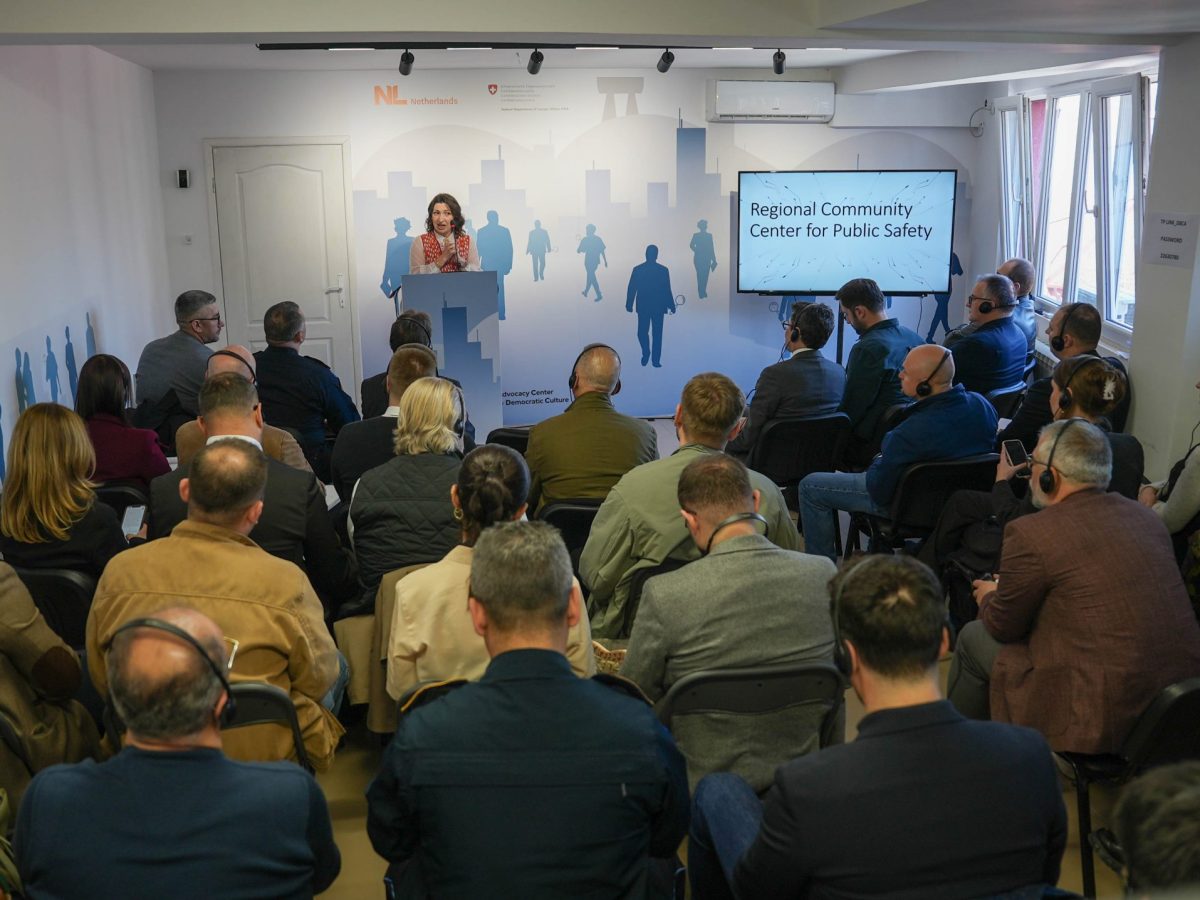
On February 20, BIRN Montenegro concluded a three-day workshop, “Identification and Assessment of Risks in the Field of Crypto Assets and Illicit Financial Flows Through Sophisticated Digital Forms”, for journalists and state institutions representatives.
BIRN Montenegro Executive Director Vuk Maras warned that the cryptocurrency sector in Montenegro is still not legally regulated.
“There was a political and economic idea for Montenegro to become an attractive destination for digital investments. However, the development of the regulatory framework did not keep pace with the speed of market changes,” Maras said.
During the workshop, key risks related to cryptocurrencies were discussed and the need to strengthen oversight of advertising and fraudulent platforms was highlighted.
It was noted that work should be done on developing an automated system for monitoring online fraud and establishing an operational model for the seizure and management of crypto assets.
The workshop was attended by journalists from Montenegrin media, as well as representatives of the Ministry of Justice, Ministry of Economic Development, the Special State Prosecution, the Capital Market Commission, the Tax Administration and the Association of Managers of Montenegro.
The workshop was co-funded by the National Endowment for Democracy, NED, and the European Union through the project “Disinfo Watch: Fact-Checking for Resilient Communities.”
On February 20 in Pristina, BIRN Kosovo and Internews Kosova have launched the documentary “Smuggling without borders” which examines illegal networks involved in migrant smuggling through irregular routes in Kosovo, including the misuse of work visa applications.
The event was attended by many institutional, international, and civil society representatives, including law enforcement agencies, with keynote speeches from the UK Ambassador to Kosovo, Jonathan Hargreaves, the Chief Prosecutor of the Special Prosecution Office, Blerim Isufaj, and Lieutenant Blerim Rama from the Kosovo Police.
In her opening speech, BIRN Kosovo Director Jeta Xharra highlighted the historical experience of migration in Kosovo and explained how the documentary exposes the functioning and influence of smuggling networks that use Kosovo as a transit or destination country. While Chief Prosecutor Isufaj stressed that irregular migration requires coordinated institutional and international action, noting intensified investigations and cooperation with the United Kingdom, including the 2025 case of Laboratori, in which suspects were sanctioned by UK authorities.
UK Ambassador in Kosovo, Jonathan Hargreaves, emphasized the UK’s focus on tackling illegal migration and criminal groups exploiting migrants, underlining strong cooperation with Kosovo institutions to combat organized crime. In addition, according to Kosovo Police representative, Blerim Rama, main irregular entry points include Han i Elezit and Vërmica, while exits toward Serbia often occur through Jarinje. He noted effective cooperation with Albania and North Macedonia, but a lack of cooperation from Serbia.
After the speeches were concluded, the documentary was premiered for the participants. The BIRN event was livestreamed on YouTube . Through this documentary, the project partners aim to raise awareness of migrant smuggling networks and to promote coordinated action by relevant institutions to address irregular migration. 44 participants gathered at the launch event, of whom 10 were women.
This activity was funded by the British Embassy in Kosovo, implemented by BIRN Kosovo and Internews Kosova (I/KS).