BIRN Kosovo Holds Training on Safe Reporting on Energy Issues

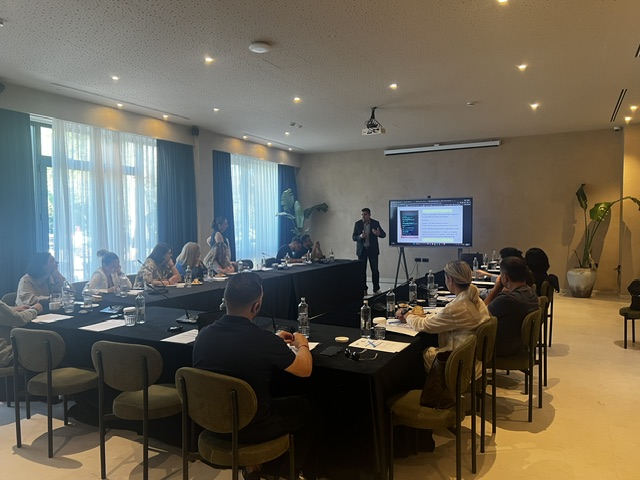
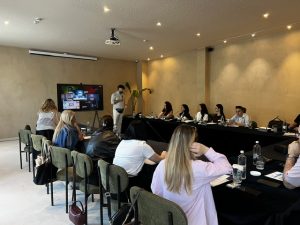
On May 15–16, BIRN Kosovo organised a two-day training titled “Safe and Professional Reporting in the Energy Sector” in Prevalla, in the Municipality of Prizren, bringing together journalists and media professionals from Kosovo.

The training, moderated by Kreshnik Gashi, aimed to contribute to improving the quality of journalism and public-interest reporting on energy-related issues in Kosovo.

Sessions focused on strengthening journalists’ capacities for professional, fact-based and safe reporting on the energy sector through discussions on the functioning of Kosovo’s energy system, key sector challenges, reporting on electricity theft, whistleblower protection and identifying disinformation campaigns related to energy issues.

The sessions were delivered by experts and professionals from the energy and media sectors. They included Avni Alidemaj, Chief Operations Officer at the Kosovo electricity distribution company, KEDS, Margarita Rashiti, spokesperson of KESCO, Naim Krasniqi, editor at KALLXO.com, Alush Mexhuani, Director of the Operational System at KEDS; Visar Prebreza, Managing Editor at BIRN Kosovo and Drenusha Gashi, SCADA Manager at KEDS.

Participants also discussed journalists’ safety while reporting in the field, electricity tariff regulation processes and the modernization of the energy network through SCADA technologies.

The training gathered a total of 20 participants, of whom 11 were women.

Winners of the Fellowship for Journalistic Excellence Announced in Vienna

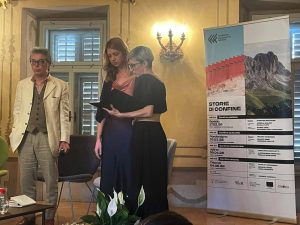
The winners of the Fellowship for Journalistic Excellence were announced at a ceremony in Vienna on 14 May, honouring the fellows who completed the programme.

At the annual event held in Vienna on 14 May, three stories received the Fellowship for Journalistic Excellence award for their reporting on organised crime and its social impact; displacement and identity; and on structural inequalities linked to access to natural resources.

This year’s first prize was awarded to Margo Rejmer for her story examining how cocaine use became normalised in Albania and how traffickers came to be mythologised in a poor and corrupt society.

Presenting the award, Florian Hassel, Central and Eastern Europe correspondent for the German daily Süddeutsche Zeitung, said: “Margo Rejmer’s article Pizza Pasta Kokaina, about how cocaine changed Albania, uncovers a subject widely unknown to a wider European audience. It is a perfect example of investigative and explanatory reporting, undertaken with considerable personal risk, by somebody who knows the country well.” The story will be published on the Fellowship in the coming weeks.

Photo: eSeL.at / Joanna Pianka

The second prize went to Georgi Totev for his story, “Island of Castaways: Traumatic Histories Wash Ashore on Gokceada”, which explores an Aegean island through the experiences of people marked by exile, displacement, trauma and longing. Adelheid Wölfl, a correspondent for the Austrian daily Der Standard, presented the award, saying;

“Georgi Totev has written a story that weaves together the lives of migrants from different historical periods in expressive and colorful language. An island is portrayed as a place of destiny for minorities and displaced persons. The text indirectly becomes a plea for diversity and human rights and fosters an understanding of traumatic events whose effects are still felt today. Georgi Totev takes us to the Aegean Sea, he takes us to the 20th century, and with loving detail and linguistic skill, he traces the thoughts, feelings, and desires of people who were caught in the maelstrom of political decisions that shattered their identities.”

Third prize was awarded to Adina Florea for her story on water shortages in drought-stricken north-east Romania, where unequal access to running water has deepened social divisions between rich and poor, young and old, and urban and rural communities.

Presenting the award, Elena Panagiotidis, editor at the Swiss daily Neue Zürcher Zeitung, said:

“Adina has produced a piece worth reading, combining strong field reporting, an excellent use of data and clear systemic analysis. The hidden water crisis of Romania definitely is of public interest beyond Romania.”

Photo: eSeL.at / Joanna Pianka

In addition to Adelheid Wölfl, Elena Panagiotidis, and Florian Hassel, this year’s jury panel included Gyula Csák, editor at Bellingcat; Milorad Ivanović, representing the FJE alumni network; Remzi Lani, Director of the Albanian Media Institute; and Kristof Bender, deputy chairman of the European Stability Initiative.

The awards ceremony brought together journalists, editors and media professionals from across Europe to celebrate reporting that sheds light on underreported issues and gives voice to communities often overlooked in mainstream coverage.

With this year’s programme concluding, nine fellows join the FJE alumni network, which now brings together more than 150 journalists from 14 Central and Eastern European countries committed to upholding the highest standards of professional journalism.

Photo: eSeL.at / Joanna Pianka

Launched in 2007, the Fellowship for Journalistic Excellence is now in its nineteenth year. The programme supports professional development, cross-border collaboration, and in-depth reporting on key issues across Central, Eastern and South-Eastern Europe. Each year, selected fellows receive financial and editorial support to produce long-form stories on complex regional and European topics.

The Fellowship is implemented by the Balkan Investigative Reporting Network and supported by the ERSTE Foundation.

Job Vacancy: Serbia Correspondent (Full Time)

The Balkan Investigative Regional Reporting Network (BIRN Hub), is seeking to recruit:
● 1 (one) Correspondent from Serbia (5+ years of relevant experience)

BIRN Hub, based in Sarajevo, Bosnia and Herzegovina, is looking for a correspondent from Serbia for BIRN’s English-language website Balkan Insight.

We are offering the chance to work in a highly interactive and dynamic environment at one of the biggest media networks in the region.

Position Details

Contract Type: Full-time

Working Language: English

Experience Level: More than 5 years of relevant experience

Start Date: As soon as possible

Location: Office-based or remote (Serbia-based candidates only)

Application Deadline: 12 June 2026

Main Duties and Responsibilities
  • Reporting on daily events and producing analysis, interviews, features and photo or video stories on the main events in the country, including politics, security, the economy, human rights, the environment, rule of law, transitional justice, digital rights, gender issues
  • Producing country-based and cross-border investigative articles
  • Developing new ideas and topics for Balkan Insight
  • Contributing to regional thematic stories
  • Mentoring journalists and contributing to collaborations with other news organisations as part of BIRN projects
Other Duties and Responsibilities
  • Maintaining appropriate contacts with BIRN country offices and/or personnel, to ensure the proper execution of the above-mentioned duties.
  • Working closely with other departments such to ensure alignment and integration of strategies with overall organisational goals
  • Carrying out any other duties that may reasonably or exceptionally be required to ensure the smooth operation of Balkan Insight’s work, such as substituting for absent colleagues, etc
  • Performing other duties as assigned
Key Requirements
  • Minimum 5+ years of experience as a journalist, correspondent, online reporter or TV/radio reporter
  • Excellent command of the English language (writing, reading, understanding and speaking)
  • Strong writing, reporting and storytelling skills with excellent attention to detail and accuracy
  • Knowledge and understanding of the Balkan region and regional political/social developments and readiness to work in the context of international media standards
  • Familiarity with online reporting, interest in web and mobile journalism; knowledge of promotion methods via social networks; online journalism skills, including working with OSINT and visuals-making platforms
  • Excellent communication and interpersonal skills, with the ability to work independently and meet tight deadlines
  • Experience working with content management systems (CMS), including uploading and sourcing images and video for one’s own and others’ stories
  • Ability to collaborate effectively with cross-border teams in multicultural environments
Application Procedure

Interested candidates should submit the following through the application form available at the link below:

  • CV detailing relevant experience
  • Covering letter (maximum 1 page)
  • Three best stories
  • Contact details for two professional references
Application form

Application deadline: 12 June 2026

Only shortlisted candidates will be contacted.

BIRN values diversity and inclusion and is an equal opportunity employer. We welcome applications from candidates of all backgrounds, including minority and underrepresented groups and persons with disabilities.

About BIRN

BIRN Hub is a nongovernmental organisation and part of the regional BIRN Network, working to promote independent journalism, freedom of expression, human rights and democratic values in Southern, Eastern and Central Europe.

BIRN has country organisations in Albania, Bosnia and Herzegovina, Kosovo, North Macedonia, Montenegro, Romania and Serbia, while the Network is also present editorially in Greece, Bulgaria, Croatia, Montenegro, the Czech Republic, Poland, Slovakia and Hungary.

More information at birn.eu.com.

BIRN Kosovo Debate Discusses Missing Persons Plight in Mitrovica Region

Documentary and discussion in South Mitrovica explore challenges to search for the missing from the Kosovo war and the role of justice in the process.

As part of a broader series of public discussions on transitional justice and missing persons in Kosovo, BIRN Kosovo organised a documentary screening and a town hall debate on May 12 in the Municipality of South Mitrovica.

This debate brought together institutional representatives, journalists, family members and citizens to discuss ongoing challenges to the search for missing persons and the role of transitional justice within the region of South Mitrovica and North Mitrovica.

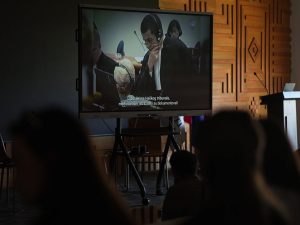
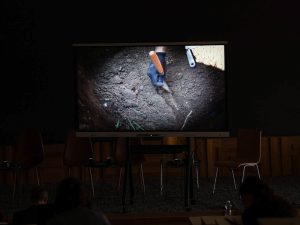
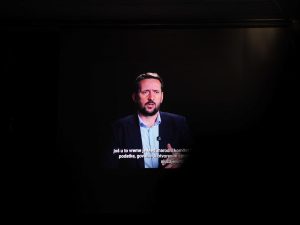
The debate was preceded by the screening of a documentary produced by BIRN Kosovo that addresses the stories of persons who disappeared during the Kosovo war through testimonies from family members still searching for answers about the fate of their loved ones from both Albanian and Serbian communities.

Produced as part of the EU-funded project “Unveiling the Truth: Combating Monoethnic Journalism and Advocating for Missing Persons in Kosovo,” the documentary highlighted the lasting impact of war crimes on families and communities across Kosovo.

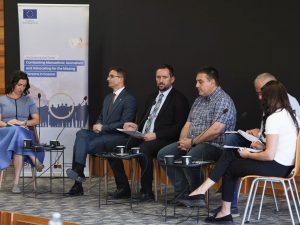
The discussion that followed was moderated by BIRN Kosovo Executive Director and journalist Jeta Xharra and included representatives from Kosovo institutions and civil society organisations involved in the process.

Panelists included Ilir Morina, from the Special Prosecution, Kushtrim Gara, from the Government Commission on Missing Persons, Gjyla Haziri, from the Association “Voice of the Parents”, Dushan Radaković, from the Advocacy Centre for Democratic Culture (ACDC), Arsim Gerxhaliu, from the Institute of Forensic Medicine, and Kreshnik Gashi, from KALLXO.com.

The search for missing persons from the Kosovo war remains an ongoing and deeply emotional process, particularly in the Mitrovica region, which institutions continue to treat as a priority area.

Prosecutor Ilir Morina revealed that 32 excavations were carried out during the past year alone, including six in the Mitrovica area, based on information received from the Kosovo Police, stressing that every piece of information shared by citizens could help uncover the fate of the missing. Around 100 persons from Mitrovica are still listed as missing.

Family advocate Gjyla Haziri underlined that relatives continue to live in constant uncertainty and waiting, while Dushan Radaković criticized the politicization of the issue, arguing that the pain of families is too often overlooked.

There were 54 participants attending the event, including 29 women. Among them were representatives of local authorities, municipal assembly members, civil society activists, media professionals, family members of missing persons in Mitrovica, citizens and students.

This event was organised in the framework of the “Unveiling the Truth: Combating Monoethnic Journalism and Advocating for Missing Persons in Kosovo” project, funded by the European Union.
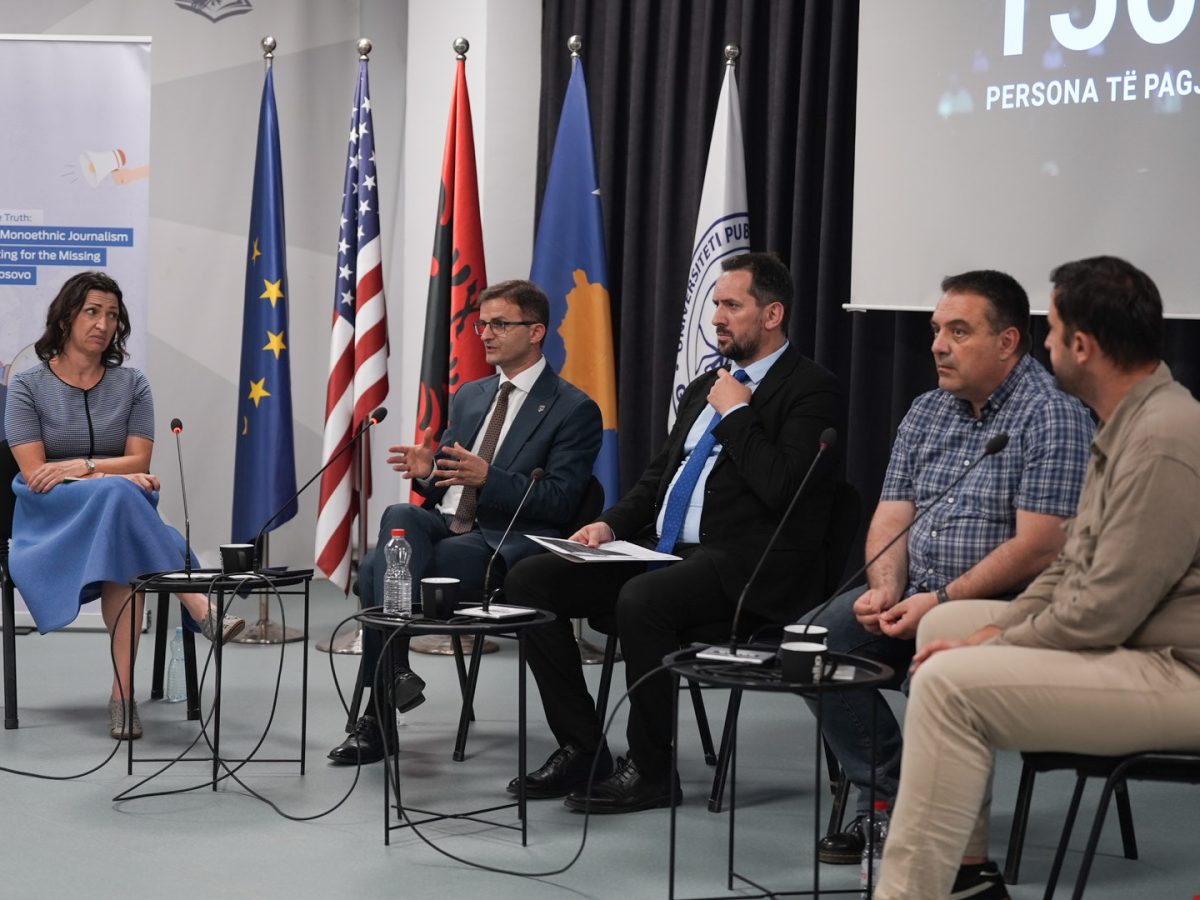

BIRN Kosovo Debate Discusses Missing Persons Plight in Drenas Region

Panel discussion and preceding film highlight address challenges in search for missing persons from the Kosovo war from both communities.

At a public debate on missing persons in Kosovo on May 12 held in the municipality of Drenas, institutional representatives, journalists, family members and citizens discussed the challenges in the search for missing persons and the role of transitional justice within the regions of Drenas, Skenderaj, and Vushtrri.

This event was organised as part of a broader series of public discussions on transitional justice and missing persons in Kosovo.

The debate was preceded by the screening of a documentary produced by BIRN Kosovo, which addresses the stories of persons who disappeared during the Kosovo war through testimonies from family members still searching for their loved ones from both Albanian and Serbian communities.

Produced as part of the EU-funded project “Unveiling the Truth: Combating Monoethnic Journalism and Advocating for Missing Persons in Kosovo,” the documentary highlighted the lasting impact of war crimes on families and communities across Kosovo.

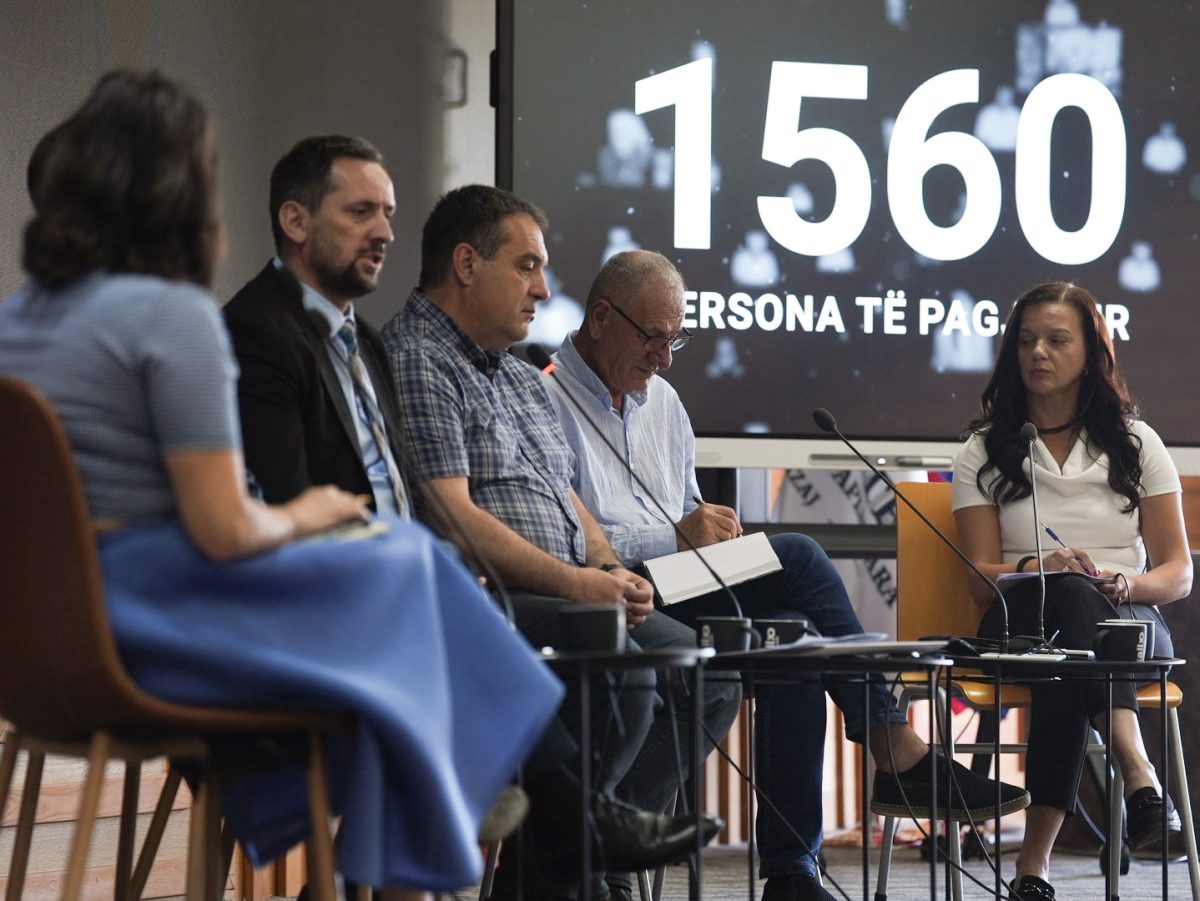
According to the data presented, 1,560 persons remain missing in Kosovo, while 145 people from the Drenas, Skenderaj and Vushtrri region are still unaccounted for.

The discussion that followed the film was moderated by BIRN Kosovo Executive Director and journalist Jeta Xharra and included representatives from Kosovo institutions and civil society organisations involved in the process.

Panelists included Ilir Morina, from the Special Prosecution, Kushtrim Gara, from the Government Commission on Missing Persons, Ahmet Grajqevci, from the Association of Families of Missing Persons, Arsim Gerxhaliu, from the Institute of Forensic Medicine, and Kreshnik Gashi, from KALLXO.com.

They emphasized the importance of keeping public attention on the issue and strengthening accountability and cooperation as part of Kosovo’s broader transitional justice process.

Participants discussed institutional challenges in locating and identifying missing persons, the importance of interinstitutional cooperation and the need for continued support for families still seeking information about their relatives.

The event was attended by 53 participants, of whom 16 were women. Participants included representatives from local authorities in the Municipality of Drenas, civil society organisations, students, media representatives and family members of persons missing from the war.

This event was organised in the framework of “Unveiling the Truth: Combating Monoethnic Journalism and Advocating for Missing Persons in Kosovo” project, funded by the European Union.
BIRN Montenegro Urges Authorities to Tackle Corruption in Education

Forum organised by BIRN Montenegro and Civic Alliances says illegal purchase of diplomas and political influence in schools are undermining trust in society.

On May 11, the Anti-Corruption Forum “Corruption in Education” organised by BIRN Montenegro and the Civic Alliance, called on authorities to focus on issues such as the purchase of illegal diplomas and political influence within the school system.

Deputy Prime Minister Momo Koprivica said corruption in education is not only a matter of legality but also of trust in a society of equal opportunities.

“The purchase of diplomas and exams is the most common form of corruption and the one most discussed, but the forms of corruption in education are significantly broader and more versatile,” Koprivica said.

“Young people must see that institutions operate according to the law, that knowledge is valued, and that dishonest actions are sanctioned,” he added.

BIRN Montenegro Executive Director Vuk Maras said corruption in education had undermined trust in institutions. He called on state institutions to demonstrate transparency regarding verification of their own diplomas.

“Purchased diplomas are being equated with those earned through hard work and study. This leads to a brain drain and the departure of the best and brightest from the country,” Maras said.

“I call on institutions, decision makers and the academic community to work on creating a system where knowledge and work will be more important than connections and money,” he added.

During the Forum discussions, civic activists, MPs and university representatives warned of insufficient transparency and political influence in the process of selecting school directors. They also urged authorities to fight against corruption in the school and university system.

BIRN Awards Grants to Media Outlets Through Media Innovation Europe Project

Through the second edition of the Media Innovation Europe (MIE) project, BIRN has supported 15 media outlets in producing audience-engaged journalism stories across Europe, tackling underreported issues and strengthening cross-border collaboration.

BIRN awarded grants to 15 media outlets from the Western Balkans and Visegrad region as part of its Audience-Engaged Journalism Grants, supporting the production of innovative, audience-engaged journalism across the region.

Over the course of the project, grantees produced stories using BIRN’s audience-engaged tool, which enables journalists to gather anonymous input from citizens and incorporate audience perspectives into reporting. The supported projects addressed a range of topics, from gender-based violence and social protection to healthcare, migration and environmental degradation.

Across two grant cycles, BIRN supported both individual, country-based reporting and cross-border collaborations, encouraging partnerships between media outlets covering shared regional issues.

Each selected media outlet received financial support to produce audience-engaged stories, with grants of up to €4,000 for individual projects and up to €8,000 for cross-border collaborations.

Beyond financial support, BIRN provided continuous mentoring and editorial guidance, helping grantees to develop their stories and strengthen audience engagement practices. Some of the selected stories were adapted and republished on Balkan Insight, expanding their reach to wider regional and international audiences.

Throughout the Audience-Engaged Journalism Grants, participating media outlets engaged hundreds of citizens through surveys, testimonies and direct contributions, enabling more inclusive and evidence-based reporting. The approach proved particularly effective in covering sensitive and underreported topics, while ensuring the anonymity and safety of contributors.

First Cycle of Grants

Individual media outlet grants:

Cross-border collaborations:

Second Cycle of Grants

Individual media outlet grants:

Cross-border collaboration:

Strengthening Innovation and Collaboration

Media Innovation Europe is an initiative designed to support independent media across the continent through funding, mentoring, and capacity-building, with a strong emphasis on innovation, sustainability, and audience-centred journalism. Across its two editions, the programme helps media organisations adapt to a rapidly changing digital environment while encouraging collaboration and experimentation in storytelling. MIE is managed by a consortium led by the International Press Institute (IPI) with The Fix Foundation, Thomson Media and BIRN. Since launching in 2022, MIE has supported over 100 European newsrooms and media practitioners.

As the second edition of the Media Innovation Europe project comes to a close, the supported stories demonstrate the value of audience engagement and cross-border collaboration in producing impactful journalism.

BIRN Kosovo Marks Europe Day With Film on EU’s Impact on Kosovo

Documentary showcase tangible effects of European Union support for Kosovo’s democratic development, public institutions and society, telling a ‘story of resilience, determination and progress’.

As part of activities marking May 9, Europe Day, BIRN Kosovo premiered a documentary “Kosovo’s Path Towards Integration – A Journey Supported by the European Union,” on May 8, highlighting the impact of European Union investments in and support for Kosovo over the years.

The documentary contains testimonies from institutional representatives, civil society actors, media professionals, students and business owners, reflecting on the EU’s contribution to Kosovo’s development. The film focuses on the bloc’s role in infrastructure development and capacity-building across various sectors. It showcases the tangible effects of European Union support for Kosovo’s democratic development, public institutions and broader society.

Around 60 participants attended the documentary launch, including representatives of various institutions, civil society organisations and the media and business community.

The Acting Head of the EU Office in Kosovo, Eva Palatova, described the documentary as a story of resilience and progress.

“This documentary tells a story of resilience, determination and progress. It shows how the European Union has supported Kosovo’s institutions and contributed to improving everyday life. The European Union has been and continues to be Kosovo’s strongest partner and largest provider of assistance,” Palatova said.

She noted that, since 1999, more than 3.7 billion euros have been invested in various sectors in Kosovo, while EU support continues through assistance to the country’s European integration process. According to Palatova, this support extends beyond financial assistance and includes backing for democratic development, independent media, environmental protection and equal opportunities.

Speaking on behalf of the government of Kosovo, Jeton Zulfaj, Kosovo’s Chief Negotiator with the EU, underlined the importance of European values for Kosovo’s future and development.

“Europe Day reminds us of the importance of peace as a precondition for socio-economic prosperity, as well as the importance of shared institutions, cooperation, and solidarity that bring well-being and development,” Zulfaj said during the launch of the documentary.

One of the sectors that has received significant EU investment in Kosovo is the judiciary. Arjeta Sadiku, Deputy Chair of the Kosovo Judicial Council, praised the EU’s contribution to strengthening Kosovo’s judicial system.

“The EU’s contribution has been concrete and multidimensional. One of the most important developments has been the support for the establishment of the Central Criminal Records system,” Sadiku said.

This activity is supported by the EU-funded project “Strengthen the Role and Capacities of Investigative Journalism in Kosovo”, implemented by BIRN Kosovo, the Press Council of Kosovo, and TV Mreza.

BIRN Macedonia Signs Memorandum of Cooperation with Faculty of Law

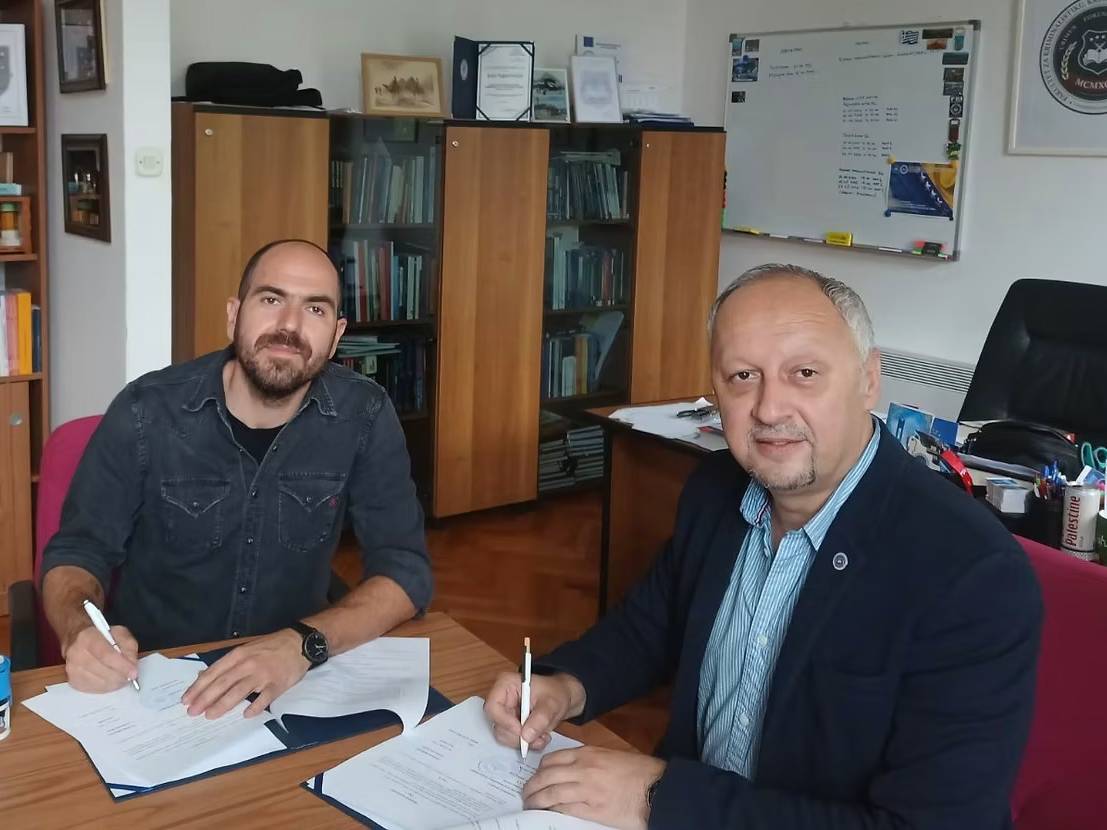
BIRN Macedonia director Ana Petrusheva and Dean of the “Iustinianus Primus” Law Faculty at Ss Cyril and Methodius University Professor Sasho Georgievski signed a Memorandum of Cooperation on May 7 in Skopje.

The Memorandum establishes cooperation between BIRN Macedonia and the Faculty of Law, within which the Journalism Studies programme operates, with the aim of connecting theoretical knowledge with practical experience in the field of media and investigative journalism.

The two institutions will collaborate on activities focused on extracurricular education in journalism studies with a particular focus on investigative journalism.

Capacity building, knowledge and resource sharing, and the promotion of investigative journalism remain among BIRN Macedonia’s strategic objectives, particularly in supporting young journalists and strengthening professional journalism standards in North Macedonia.

Meet the People Behind BIRN: Ivana Drakic Brkan

BIRN Hub’s Senior Project Manager has been working with BIRN for five years and has witnessed the changes in our organisation during this period.

Before Ivana started work, she graduated from the University of Montenegro in Podgorica and became a political scientist. She also spent one year studying in the US on a USAID/World Learning exchange programme. As she says, it’s hard to recall from this distance how she imagined her career back then.

“But, as a true millennial, I believe I spent more time thinking about summer music festivals I could attend than about my future career.

“Joking aside, I was always passionate about injustice and wrongdoings happening in my home country, Montenegro, and always eager to join any initiatives confronting such things or trying to bring positive change to society, which is why I could easily imagine myself having a career that is interconnected with politics, society and change,” Ivana explains.

She worked for more than 10 years in the NGO sector in Bosnia and Herzegovina and Montenegro before joining BIRN.

“Before joining BIRN, I worked in several NGOs in both countries on similar positions, but on different topics, not media-related. However, I knew about BIRN as one of the most impactful media organisations when it comes to investigative journalism and I often admired the bravery of those journalists who tackle high-risk topics like corruption, business wrongdoing in the region or assets of people in power,” she recalls.

She was excited to contribute to BIRN’s mission in the region, which, over the years, has expanded from investigative journalism to include a significant role in capacity development for other media outlets.

“The most challenging part was understanding BIRN itself, how it functions, bearing in mind the regional office BIRN Hub and the local offices in the region,” Ivana says.

Many things have changed since she started working in BIRN Hub, she explains.

“But I would say most of the changes were positive. One of the most important changes for my work is better communication and understanding between editorial and programme people in the organization,” Ivana says.

Now senior project manager, usually she manages projects that support media development in the region, through tailored training, mentoring, and grants.

“Through the projects I currently manage, we offer support to individual journalists for investigative stories and to media outlets,” she says.

“I was lucky enough to start working at BIRN five years ago, when we developed the Engaged Citizens Reporting tool (ECR tool), which allowed BIRN and other media outlets in the region to become familiar with audience-engaged reporting for the first time.

“This approach brings mutual benefits to both newsrooms and citizens who are involved in or affected by the impact of the stories. After five years, we have almost 90 media outlets across the Western Balkans and the Visegrad region that have access to the tool and involve citizens regularly in their reporting,” Ivana notes.

As for the favourite part of her job, there are several things.

“I find it really enjoyable to have colleagues from all over the region, and so if I need to organise something in Kosovo, I immediately have someone who can help with contacts and local information. I also especially appreciate the possibility to meet, support and work with local media outlets in the region that are struggling to work independently and endure due to the current financial restraints in the sector.

“Finally, I like it when I have the opportunity to organise an event offline; although the preparation can be stressful, it’s also rewarding to see people that you work with or support sharing ideas and connecting in real life, not only on Slack/Zoom/Google Meet,” Ivana explains.

Outside BIRN, Ivana loves music and dancing.

“Before I became a mother of two, theatre was my second home. I finished elementary ballet school as a kid and continued dancing actively for many years in the contemporary dance company in Montenegro called ‘Ballo’.

“Dance is still one of my biggest passions, but I pursue it a bit differently; I play music and dance with kids around the house. I am also very keen to get back in shape when it comes to reading books, and attending summer music festivals whenever it’s possible,” Ivana concludes.