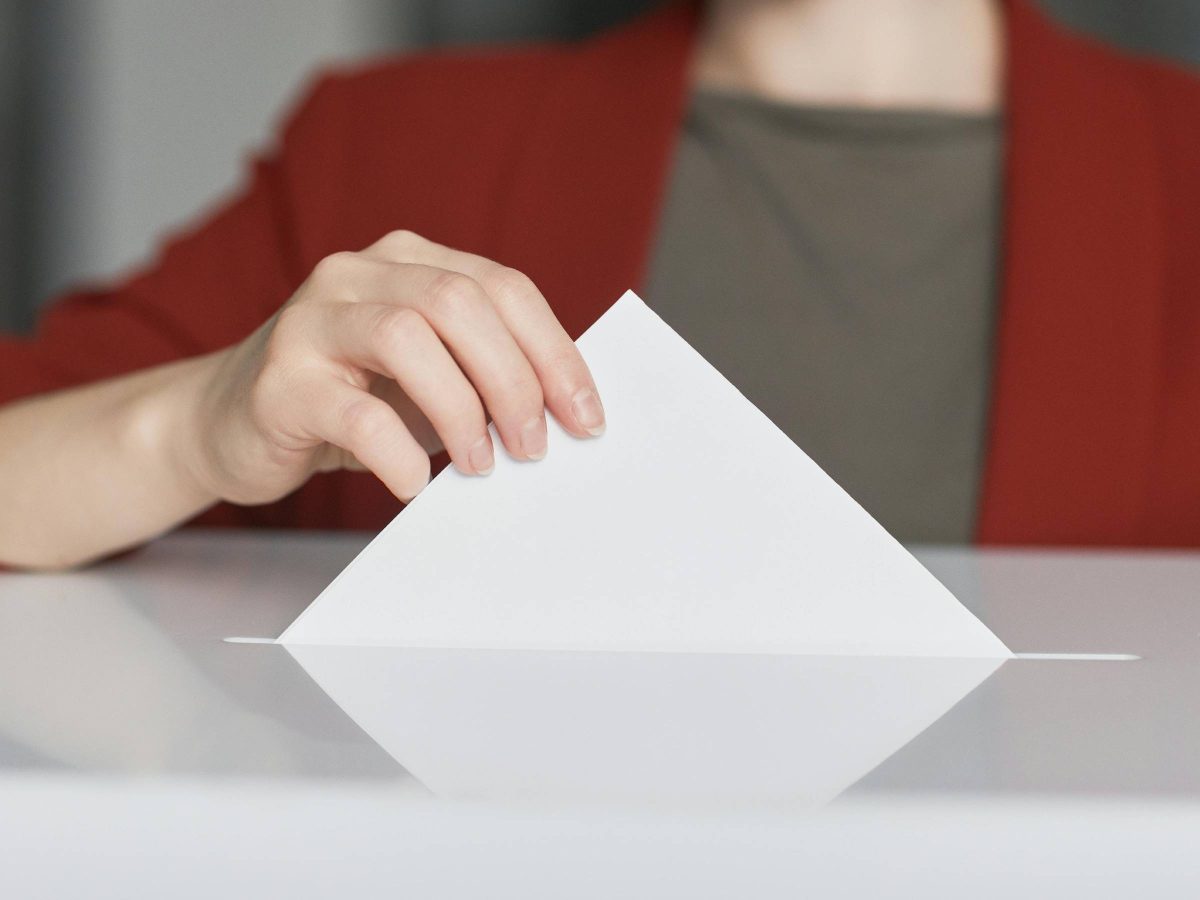
The research examines the 2025 electoral cycle as a stress moment for Albania’s information environment, assessing how political polarization, institutional trust, media structures and digital platforms shaped exposure to manipulation before, during and after election day.
Drawing on systematic monitoring and qualitative analysis conducted throughout the electoral period, the report explores:
- how narratives questioning electoral fairness and institutional credibility circulated during the campaign;
- how polarized political discourse created fertile ground for delegitimizing claims;
- how online amplification and engagement-driven dynamics increased the visibility of divisive or misleading content;
- how foreign-linked or externally sourced narratives were republished and recycled within the domestic media ecosystem;
- how gendered and identity-based attacks affected the tone and inclusiveness of electoral debate.
Rather than treating disinformation as isolated falsehoods, the reports assess structural vulnerabilities revealed during the 2025 elections—highlighting where institutional safeguards functioned, where regulatory or oversight gaps emerged, and where digital incentives amplified risk.
By grounding the analysis in concrete developments during Albania’s 2025 parliamentary elections, the publications underline that election-related FIMI is not only a geopolitical concern but a governance and resilience challenge. The findings are intended to inform policymakers, oversight institutions, media actors and civil society on how to strengthen safeguards ahead of future electoral cycles.
For an English copy of the report click here.
For an Albanian copy of the report click here.