BIRN Trains Montenegrin Journalists in Digital Rights Reporting

BIRN trained ten Montenegrin journalists in digital rights reporting in Podgorica for three days from May 16 to 18.

Journalists participated in eleven sessions coverimg a wide range of topics related to digital rights reporting.

The participants came from various Montenegrin media outlets and civil society organisations including Vijesti, RTCG, RTV Teuta, Civic Alliance, Zumiraj, Kombinat.

The training topics ranged from digital rights and their impact on journalism, multimedia storytelling using contemporary tools, and harnessing the power of open-source intelligence (OSINT) in journalism to techniques and best practices in data journalism, data analysis and data visualisation.

The participants singled out a session on identifying and collecting digital rights violations in Montenegro and fact-checking and verification techniques for digital rights reporting as particularly useful in their future work.

“During the session investigating the violations of digital rights in Montenegro, I learned how to recognise a story in the things we encounter every day, for example – what is the extent of the abuse of our personal data, which we are not even aware of,” said one of the trainees.

BIRN’s training course enabled the participants to comprehensively understand the relevant issues around digital rights violations. It gave them practical tools to identify and report on them more effectively.

Journalists play a key role in raising public awareness and driving change and the course was intended to provide skills and knowledge to enable them to produce impactful stories that can contribute to a more informed public debate and ultimately lead to policy changes that protect and promote digital rights in the Balkans.

Numerous reports from international rights groups, media, civil society and international organisations, as well as BIRN’s annual digital rights violations reports, have indicated a worrying situation for digital rights in the Balkans.

Such reports have emphasised the need for continuous efforts to improve the protection and promotion of these rights by improving journalists’ abilities to produce quality reporting on these issues.

Journalists are often the target of online attacks but many of them have yet to fully understand the extent of digital rights violations or the underlying legal and technological aspects that lead to such violations.

BIRN’s training in digital rights reporting addressed these issues and provided the most up-to-date tools and techniques on journalistic protection in the online sphere as well as various resources reporters can use on the job.

“I look forward to any future collaboration with BIRN because all the recent collaborations and training courses are proving to be very useful in my everyday work,” said one of the journalists who attended the course in Montenegro.

Calls for applications for BIRN’s digital rights training for journalists from Kosovo and North Macedonia are still open: find more information here and here.


Challenges to the Reintegration and Resocialization Process in Kosovo – II

Within the framework of the project ‘Resilient Community Program’, BIRN Kosovo published its second report, developed to support and monitor implementation of the National P/CVE Strategy and Action.

This report presents data collected from interviews with officials of the Ministry of the Interior, leaders of the Division for Integration and Socialization, managers of the Correctional Service, the Probation Service, the Ministry of Education, the Ministry of Labour and Social Welfare, representatives of the Police, the Foreign Ministry and the Ministry of Culture, Youth and Sports.

Data was requested from local institutions in all the municipalities of Kosovo, and the data provided by the municipalities that responded positively to this request are reflected in this report.

The report also presents fact-checking data from the local level, including conversations with mayors and other officials.

The report’s findings were presented at a conference on May 10, which brought together 31 people, of whom 11 were women. The participants represented local and national level institutions, the prosecution, civil society organisations, the media and the international community in Kosovo.

The monitoring and drafting of the analysis were carried out under the Resilient Community program, which is run by a consortium consisting of BIRN, PEN and PIPS and led by ATRC. The program is supported by USAID and the embassy of the Netherlands through the GCERF program.

The program aims to strengthen local and national methods and mechanisms for resocialization and reintegration programs as well as the prevention and fight against violent extremism, by strengthening the coordination mechanisms used by government and non-government actors working on resocialization, reintegration and the prevention of violent extremism in Kosovo.

It aims also to empower government actors, practitioners and non-government actors working in these fields.

Part of this program also includes monitoring the relevant institutions’ activities in the field of P/CVE and R&R, as well as the implementation of the direct activities with the said institutions.


Digital Rights Training for Macedonian Journalists: Applications Open

What are digital rights, who is violating them and how, and why is it important to monitor and report on them? How can journalists recognise problems in this area, prepare stories and get mentoring and financial support for their development and publication?

BIRN is organising a three-day training course for journalists, designed to respond to growing concerns about the violation of digital rights in the Balkans. The training, which will be held in Mavrovo from June 8-10, 2023, will provide participants with a comprehensive understanding of digital rights, focusing on reporting violations, content blocking, manipulation and propaganda in the digital realm.

With technology evolving rapidly, it’s essential for journalists to stay up-to-date on the latest methods and strategies to uncover and appropriately report on digital rights violations. Numerous reports from international human rights organisations, media organisations, civil society organisations and international institutions indicate a worrying situation regarding digital rights in the Balkans, emphasising the need for continuous efforts to improve the protection and promotion of these rights, but also to improve journalists’ abilities to produce good reporting on these issues. Although many countries in the region have regulatory frameworks that formally address these issues, challenges remain, such as online surveillance, censorship and data privacy issues.

Frequent cyber-attacks and online harassment also threaten the safety of many people, including journalists, who are often the target of online attacks. However, many journalists from the region may not be fully aware of the extent of digital rights violations or the underlying legal and technological aspects that lead to such violations.

BIRN’s training course will enable ten selected journalists from North Macedonia to gain a comprehensive understanding of the relevant issues, helping them to identify and report on digital rights violations more effectively. Journalists play a key role in raising public awareness and driving change. This course will give journalists the necessary skills and knowledge and enable them to produce impactful stories that can contribute to a more informed public debate and ultimately lead to policy changes that protect and promote digital rights in the Balkans.

Who can apply?

Any journalist from North Macedonia who is interested in digital rights and has previous journalistic experience. A selection committee will evaluate the applications and select ten (10) journalists who will participate in the training.

How to apply?

Submit the following application form and your CV to [email protected] no later than May 25, 2023 at 5pm CET with the subject line: Digital Rights Reporting Training for Journalists North Macedonia.

Place and date:

The training course will take place in Mavrovo, North Macedonia, from June 8 to June 10, 2023. The organisers will fully cover the costs of accommodation, food and transport for all participants. The working language of the training is Macedonian and Serbian.

What to expect from the training?

The training will provide the selected journalists with basic skills and knowledge to effectively investigate and report on digital rights violations in a time of dynamic technological advances. The training will cover various aspects of digital rights reporting, including identifying and collecting digital rights violations, categorising these violations and reporting on individual cases and broader trends.

The training will offer valuable educational insights and provide an opportunity to connect with fellow journalists and experts working in the field of digital rights.

A unique opportunity after training

After completing the training, journalists will have the opportunity to pitch their story ideas to BIRN. Selected journalists will receive on-the-job mentoring and financial support to research and apply their newly-acquired skills to implement their ideas on cases that involve infringements, content blocking, filtering, manipulation or propaganda in the digital environment.


Отворен повик: БИРН обука за дигитални права за новинари

Што се дигитални права, кој и како ги прекршува, и зошто е важно да се следи и да се известува за нивната примена? Како да ги препознаете проблемите во оваа област, да подготвите стории и да добиете менторска и финансиска поддршка за нивната изработка и објавување?

БИРН организира тридневна обука наменета за новинари, a дизајнирана да одговори на зголемената загриженост за кршењето на дигиталните права на Балканот, Обуката, која ќе се одржи во Маврово од 08-10 Јуни 2023 година, ќе им овозможи на учесниците сеопфатно разбирање на дигиталните права, фокусирајќи се на пријавување прекршувања, блокирање содржини, манипулации и пропаганда во дигиталната област.

Поради брзиот развој на технологијата од суштинско значење е новинарите да останат во тек со најновите методи и стратегии за откривање и соодветно известување за кршењето на дигиталните права. Бројни извештаи од меѓународни организации за човекови права, медиумски организации, граѓански организации и меѓународни институции укажуваат на загрижувачка ситуација во однос на дигиталните права на Балканот, нагласувајќи ја потребата од континуирани напори за подобрување на заштитата и промоцијата на овие права, но и за подобрување на новинарските способности за креирање на адекватен извештај за овие прашања. И покрај тоа што многу земји од регионот имаат регулаторни рамки кои формално ги решаваат овие прашања, предизвиците и понатаму постојат, како што се онлајн надзорот, цензурата и прашањата за приватноста на податоците.

Честите сајбер напади и онлајн вознемирување, исто така, ја загрозуваат безбедноста и на многумина вклучувајќи ги и новинарите, кои често се мета на онлајн напади. Сепак, многу новинари од регионот можеби не се целосно свесни за степенот на прекршување на дигиталните права или за основните правни и технолошки аспекти кои водат до вакви прекршувања.

Обуката на БИРН ќе им овозможи на десет избрани новинари од Северна Македонија сеопфатно да ги разберат релевантните прашања, помагајќи им да ги идентификуваат и поефикасно да известуваат за кршењето на дигиталните права. Новинарите играат клучна улога во подигање на јавната свест и поттикнување на промени. Со оваа обука тие ќе стекнат потребни вештини и знаења и ќе им се овозможи да продуцираат влијателни стории кои можат да придонесат за поинформирана јавна дебата и на крајот да доведат до промени на политиките кои ги штитат и промовираат дигиталните права на Балканот.

Кој може да аплицира?

Сите новинари од Северна Македонија кои покажуваат интерес во областа на дигиталните права и поседуваат претходно новинарско искуство. Комисијата ќе ги оцени апликациите и ќе избере десет (10) новинари кои ќе учествуваат на обуката

Како да аплицирате?

За да аплицирате, доставете го следниот формулар за апликација заедно со вашето CV најдоцна до 25 Мај 2023 со наслов: Обука за известување за дигитални права за новинари на [email protected] .

Место и датум:                                                                 

Обуката ќе се одржи во Маврово 08-10 Јуни 2023 година. Организаторите целосно ќе ги покријат трошоците за сместување, храна и превоз за сите учесници. Работен јазик на обуката е македонски и српски.

Што да очекувате од обуката?

Обуката ќе им обезбеди на избраните новинари основни вештини и знаења за ефективно да истражуваат и известуваат за кршење на дигиталните права во сферата на динамичното напредување на технологијата. Обуката ќе опфати различни аспекти на известувањето за дигиталните права, вклучително и идентификување и собирање прекршувања на дигиталните права, категоризирање на овие повреди и известување за поединечни случаи и пошироки трендови.

Обуката ќе понуди вредни едукативни сознанија и ќе обезбеди можност за поврзување со колеги новинари и експерти кои работат во областа на дигиталните права.

Уникатна можност по обуката

По завршувањето на обуката, новинарите ќе имаат можност да ги пренесат своите идеи за стории до БИРН. Избраните новинари ќе добијат менторство на работното место и финансиска поддршка за истражување и примена на нивните новостекнати вештини за спроведување на нивните идеи за случаи кои вклучуваат прекршување, блокирање содржина, филтрирање, манипулации и пропаганда во дигиталната средина.


War Crimes Prosecutions Still Hampered by Lack of Regional Cooperation

Limited resources, victims’ mistrust of courts and the problem of bringing fugitives to justice are the most pressing issues that war crimes prosecutors in the former Yugoslavia are facing, a BIRN conference was told.

Prosecutors from Bosnia and Herzegovina, Kosovo and Montenegro and representatives of international missions told a conference organised by the Balkan Investigative Reporting Network in Pristina on Friday that there is a need for the new and improved collaboration protocols between former Yugoslav countries to improve the exchange of evidence and extradition of war crimes indictees.

Ivan Matesic, the Deputy Chief Prosecutor – Head of the Department for War Crimes, told the conference entitled ‘Archives and Conflict Prevention: Lessons from the Past, Visions for the Future’ that his country currently has 260 pending war crimes cases that need to be investigated, and in half of them the suspects are fugitives abroad and can’t be brought to court.

Most of the people under investigation for war crimes in Bosnia and Herzegovina are either in Serbia or Croatia, which both refuse to extradite their citizens to Sarajevo.

But other issues are also hampering regional cooperation, such unwillingness to prosecute senior officials responsible for war crimes and a lack of trust among victims, according to Matesic.

“Victims don’t trust judicial institutions from other countries in the region. And for a case to be transferred to the Serbian or Croatian prosecution offices, victims need to give consent and that often takes a lot of time and effort from the Bosnian prosecution to convince them,” Matesic said.

War victims from Bosnia and Herzegovina have expressed discontent about decisions by the Croatian and Serbian judiciaries, which have often classified crimes differently than their counterparts in Sarajevo. Cases related to Srebrenica are prosecuted in Serbia as war crimes rather than genocide, while Croatian courts often give lower sentences to Croat defendants.

Cooperation in war crimes prosecutions is particularly difficult for Kosovo because it is not recognised by its neighbours Serbia and Bosnia and Herzegovina.

Kosovo war crimes prosecutor Drita Hajdari said that it is also a challenge to get evidence from the successor of the International Criminal Tribunal for the Former Yugoslavia, ICTY, a United Nations institution. Kosovo is not a member of the UN as it is not recognised by the majority of member states.

“Our requests to states rarely get positive answers. And in the case of the ICTY, as it is a UN institution, we can’t cooperate with it directly, so our requests need to go through the justice ministry and EU office, which we are often reluctant to do as the information is very sensitive,” Hajdar said.

“We have sensitive cases, and often there is a privacy concern as the information may be leaked,” she explained.

Civil society organisations also criticised the growing number of trials in absentia in the region.

Sofija Todorovic, director of the Youth Initiative for Human Rights in Serbia, in absentia trials are often used for political purposes and undermine the right to a fair trial.

Kosovo, Serbia and Croatia have all amended their legislation to allow absentia trials to take place. When Serbia launched a war crimes case against Croatian officers last year it caused a political row between the two countries.

The conference also heard civil society activists and members of cultural and memorial institutions discussing the role of archives in fighting the growing problem of revisionism in the region, as well as preventing the recurrence of crimes.

Velma Saric, director of Post Conflict Research Centre, said this is particularly relevant in countries like Bosnia and Herzegovina where young people are still going to segregated schools and learning different versions of the history of the 1990s wars.

“For us, young people are the key audience and key partner. We used the archives of courts and other civil society groups to create educational programmes and materials. We want to show and teach young people the war through court-determined facts,” Saric said.

Nikola Mokrovic, an archivist from Documenta in Croatia, explained how the rapid pace of technological advancements poses a significant challenge, as archives must constantly adapt to new formats, storage systems and digital preservation methods.

Azir Osmanovic from the Srebrenica Memorial Center emphasised the importance of cooperation and partnership with organisations such as BIRN in order to preserve memories and create educational projects together with war survivors.

The conference also heard a presentation about BIRN’s updated Bitter Land database about mass graves from the wars in the former Yugoslavia and about Reporting House, BIRN’s museum focusing on the role of media in the 1990s wars, which is set to open later this year in Sarajevo.


BIRN Serbia Holds Training on Monitoring Local Govts’ Tender Spendings

BIRN Serbia held a training on monitoring local government spending through public tenders for 13 local journalists and civil society representatives from Nis, Leskovac, and Vranje.

The workshop, entitled “Monitoring local public tenders”, was held in Nis and organised by BIRN Serbia, Civic Initiatives and the Committee for Human Rights Nis on May 12.

The training provided practical advice on data collection and processing techniques, publicly available resources that can help the media and civil society monitor how local governments allocate public funds through tenders, as well as information on risk points and possible abuses.

New data published in BIRN’s database show that during 2022, the Serbian state distributed 6.8 billion dinars, or about 58 million euros, through public tenders.

However, this money was often wasted and regularly used to finance GONGO organisations and tabloids.

During the workshop, BIRN, together with its partners, shared tools and knowledge with journalists and activists so they could report on public spendings through project financing, monitor money flows and analyse public finances, and thus contribute to greater transparency on budget spending and authorities’ accountability. The workshop program focused on previously identified problematic points:

  • stages of the competition at which abuses may occur – and how to report on this
  • the silence of institutions – how to use requests for access to information of public importance to obtain data
  • GONGOs – how to recognize them

“Our goal is to strengthen the local media and provide them with the methodology and knowledge we used in our research and database creation, so that they have the tools to follow and report on this topic,” said Tanja Maksić, BIRN Serbia program manager and the author of the methodology based on which BIRN’s database on public tenders was collected and presented.

“The more eyes that are focused on the spending of the state budget, the less room there will be for abuses. Empowered journalists are indispensable partners in this process,” she added.

The workshop was organised as part of the project “Publicly about public tenders”, which also created the largest database of open data on public tenders.

Meet the People Behind BIRN: Vuk Maras

Each month, BIRN introduces you to a different member of its team. For April, meet Vuk Maras, BIRN Montenegro Executive Director.

Vuk Maras, 37, is Executive Director of BIRN network’s new member, BIRN Montenegro, set up in 2023.

Vuk is based in Podgorica; he studied economics and has worked in the non-profit sector since he was 18 years old, “constantly fighting against corruption and organised crime and advocating for the better rule of law and human rights”, as he told BIRN.

For over three years, he worked as a consultant for BIRN Hub on various projects. He sees his job in BIRN Montenegro more as a duty than as work. In the upcoming months, BIRN Montenegro will produce programmes and investigative stories to inform Montenegrin citizens and other stakeholders, and hold the government and public officials accountable.

Let’s meet him!

  1. BIRN Montenegro is the newest BIRN Network member, set up in 2023. Would you like to tell us more about it?

Montenegro is the only Western Balkan country where BIRN did not have a local office, so this was a logical step for the network. In a situation where the quality of journalism is constantly in decline, where investigative journalism is an exception rather than a common practice, it was necessary to bring something new to the citizens of Montenegro. Moreover, with recent changes to the regime that was ruling Montenegro for over three decades, it is of the utmost importance to ensure that the old corrupt practices do not continue and that Montenegro is able to build institutions that will secure its Euro-Atlantic integration, but also bring a better appreciation of human rights to all its citizens. BIRN Montenegro will investigate cases and bring high-quality news to the public discourse in order to inform Montenegrin citizens and other stakeholders, and to hold the government and public officials accountable.

  1. What drove you to work for BIRN Montenegro, specifically for a media non-profit? What do you like most in your new job, and what is the most challenging thing?

Short answer – lack of justice. I have been an active part of the Montenegrin non-profit sector since I was 18, constantly fighting against corruption and organised crime and advocating for better rule of law and human rights. With such a personal background, BIRN Montenegro, but also the entire BIRN family, is a logical continuation of something I believe is my cause, rather than work.

3. How was the process of forming a media non-profit in Montenegro from scratch? Did you confront difficulties? How did you overcome them?

At this point, we are still finalizing the paperwork and expect our portal to be fully operational in a few months’ time. But through this process, we were able to see how the bureaucracy, inherited even from communist times, can sometimes make life impossible for those fighting for changes and reforms.

4. What shall we expect from BIRN Montenegro in the coming months?

Many interesting investigative stories, hopefully a lot of truthful and professional news pieces, and a lot of activities in the field, improving the overall media scene in Montenegro.

5. What advice would you give to people currently trying to form a media non-profit in the region?

I would say, no matter how hard it sometimes looks, it pays off, as media and NGOs are the key pillars in each country in the region that are protecting democracy and human rights.


BIRN launches call for applications for a three-day training course on legally safe and crisis reporting

BIRN Kosovo has opened a new call for applications for its first three-day training course on legally safe reporting and crisis reporting, as part of the EU-funded project “Strengthening Quality News and Independent Journalism in the Western Balkans and Turkey II”.

Considering the fragile state of democracy in the Western Balkans, skills in crisis reporting such as covering riots and protests but also elections are essential for maintaining high professional standards, as well as for maintaining the personal safety of journalists.

Journalists are often targeted by smear campaigns in the tabloid press and social media for doing their work professionally. They also face difficulties in preserving their digital security and keeping their work and sources safe.

This regional training is designed to answer these challenges by using a multi-sector approach, involving experts in different related fields to share their knowledge and skills. Practical simulations will take place in order to demonstrate adequate techniques for responding to attacks, as well as how to act pre-emptively.

The aim of the regional training camp is to provide journalists with specialized knowledge that helps them protect themselves and their newsrooms from different kinds of attacks, including physical attacks, legal actions such as Strategic Litigation Against Public Participation – SLAPP lawsuits, as well as to preserve their digital security.

A wide range of trainers and guest speakers will administer the sessions including BIRN managing editors and other external guest speakers.

Who can apply?

Final-year journalism students, recent graduates and young and professional journalists from the region, including Albania, Bosnia and Herzegovina, Kosovo, Montenegro, North Macedonia, Turkey and Serbia, may apply for the course.

Candidates from across the region are encouraged to apply.

How to apply?

All applications should be submitted in Albanian, Serbian or English by May 31, 2023, at midnight Central European Time to [email protected] along with the following documents:

  • Applicant’s CV
  • Work Sample
  • Motivation Letter

Applicants who do not have any published work can submit their student assignments from practical courses in journalism.

The motivation letter should provide information about the applicant’s opinion and knowledge of the topic and should not exceed 400 words.

Language:

The training will be held in English. Translation into Albanian and Serbian will be provided.

Location:

The training will take place in Durres, Albania. Details about the agenda and accommodation will be provided to the selected participants.

Deadline for applications: 12:00, Central European Time, May 31, 2023

Date of the training course: June 16 – 18, 2023

Remarks:

Travel costs and accommodation will be covered by BIRN.


BIRN hap thirrjen për aplikime për trajnimin treditor për raportimin e sigurt ligjor dhe raportimin në kohë krizash

BIRN Kosovë ka hapur një thirrje të re për aplikime për trajnimin e parë treditor për raportimin e sigurt ligjor dhe raportimin në kriza, si pjesë e projektit të financuar nga BE-ja “Forcimi i lajmeve cilësore dhe gazetarisë së pavarur në Ballkanin Perëndimor dhe Turqi II”.

Duke marrë parasysh gjendjen e brishtë të demokracisë në Ballkanin Perëndimor, shkathtësitë e raportimit në kriza, siç janë mbulimi i trazirave, protestave, por edhe zgjedhjeve, janë thelbësore për të mbajtur një standard të lartë profesional, si dhe për të ruajtur sigurinë personale të gazetarëve.

Për më tepër, gazetarët shpeshherë janë shënjestër e fushatave të shpifjes në tabloide dhe media sociale, për shkak të punës së tyre me profesionalizëm.  Gjithashtu, ata përballen me vështirësi në sigurinë e tyre digjitale dhe sigurisë së mjedisit të punës dhe burimeve të tyre.

Ky trajnim rajonal është përgatitur ashtu që të ofrojë përgjigje për këto sfida duke aplikuar një qasje ndërsektoriale, me ekspertë të fushave të ndryshme të cilët do t’i ndajnë njohuritë dhe shkathtësitë e tyre. Për më tepër, do të aplikohen simulime praktike për t’i demonstruar teknikat adekuate për të reaguar në sulme, si dhe si të veprohet në mënyrë parandaluese.

Qëllimi i këtij trajnimi rajonal është që gazetarëve t’u ofrohen njohuri të specializuara që u ndihmojnë të mbrojnë veten dhe redaksitë e tyre nga lloje të ndryshme sulmesh, duke përfshirë sulmet fizike, mjetet juridike, si janë paditë strategjike kundër pjesëmarrjes publike – paditë SLAPP, si dhe të ruajnë sigurinë e tyre digjitale.

Seancat do të administrohen nga një numër trajnerësh dhe folësish të ftuar, duke përfshirë redaktorët menaxhues të BIRN dhe folës të tjerë të jashtëm.

Kush mund të aplikojë?

Në këtë trajnim mund të aplikojnë studentët e vitit të fundit të gazetarisë, të sapodiplomuarit dhe gazetarët e rinj dhe profesionistë nga rajoni, duke përfshirë Shqipërinë, Bosnjë dhe Hercegovinën, Kosovën, Malin e Zi, Maqedoninë e Veriut, Turqinë dhe Serbinë.

Inkurajohen të aplikojnë kandidatët nga i gjithë rajoni.

Si të aplikoni?

Të gjitha aplikacionet duhet të dorëzohen në shqip, serbisht apo anglisht para datës 31 maj 2023, në mesnatë me kohë të Evropës Qendrore me postë elektronike, në adresën [email protected] së bashku me dokumentet e mëposhtme:

  • CV e aplikantit
  • Mostër e punës
  • Letër motivimi

Aplikantët që nuk kanë punime të botuara mund t’i dorëzojnë punimet e tyre studentore nga kurset praktike në gazetari.

Letra e motivimit duhet të përfshijë informata në lidhje me opinionin dhe njohuritë e aplikantëve lidhur me temën dhe nuk duhet të ketë më shumë 400 fjalë.

Gjuha:

Trajnimi do të mbahet në anglisht. Megjithatë, do të sigurohet përkthimi në shqip dhe serbisht.

Lokacioni:

Trajnimi do të mbahet në Durrës, Shqipëri. Detajet lidhur me agjendën dhe akomodimin do t’u dërgohen vetëm pjesëmarrësve të përzgjedhur.

Afati për aplikim: Ora 12:00, me kohë të Evropës Qendrore, më 31 maj 2023

Data e trajnimit: 16 – 18 qershor 2023

 Shënim:

Kostot e udhëtimit dhe akomodimit do të mbulohen nga BIRN.


BIRN objavljuje poziv za prijavu za trodnevnu obuku o pravno bezbednom i kriznom izveštavanju

BIRN Kosovo je objavio novi poziv za prijavu za prvu trodnevnu obuku o pravno bezbednom izveštavanju i kriznom izveštavanju, kao deo projekta koji finansira EZ “Osnaživanje kvalitetnih vesti i nezavisnog novinarstva u Zapadnom Balkanu i Turskoj II”.

S obzirom na krhko stanje demokratije u Zapadnom Balkanu, veštine u kriznom izveštavanju kao što je izveštavanje o nemirima, protestima kao i o izborima su osnovne za održavanje visokih profesionalnih standarda, kao i za održavanje lične bezbednosti novinara.

Štaviše, novinari su često na meti klevetničke kampanje od strane tabloidne štampe i društvenih mreža zbog toga što svoj posao rade na profesionalni način. Oni se takođe suočavaju sa poteškoćama u očuvanju svoje digitalne bezbednosti i bezbednosti svog rada i izvora.

Ova regionalna obuka je osmišljena da odgovori na sve izazove koristeći višesektorski pristup, uključivanjem stručnjaka iz različitih relevantnih oblasti kako bi podelili svoje znanje i veštine. Dodatno će se održavati praktične simulacije kako bi se demonstrirale adekvatne tehnike za reagovanje na napade i preventivno delovanje.

Cilj ovog regionalnog kampa za obuku je da novinarima pruži specijalizovano znanje koje će im pomoći da zaštite sebe i svoje redakcije od različitih vrsta napada, uključujući fizičke napade, pravne radnje, kao i Strateške sporove protiv učešća javnosti- SSPUJ tužbe, kao i da očuvaju svoju digitalnu bezbednost.

Širok spektar trenera i gostujućih govornika će održavati sesije, uključujući BORN-ove glavne urednike i spoljašnje gostujuće govornike.

Ko se može prijaviti?

Studenti novinarstva na poslednjoj godini studija, nedavno diplomirani studenti i mladi i profesionalni novinari iz regije uključujući Albaniju, Bosnu i Hercegovinu, Kosovo, Crnu Goru, Severnu Makedoniju, Tursku i Srbiju, se mogu prijaviti za učestvovanje na obuci.

Ohrabrujemo kandidate iz cele regije da se prijave.

Kako se prijaviti?

Sve prijave treba dostaviti na Albanskom, Srpskom ili Engleskom jeziku do 31. maja 2023. godine u ponoć po srednjeevropskom vremenu na email [email protected] zajedno sa sledećim dokumentima:

  • CV kandidata
  • Uzorak radova
  • Motivaciono pismo

Kandidati koji nisu objavili neki rad mogu dostaviti svoje studentske radove iz praktičnih kurseva novinarstva.

Motivaciono pismo treba pružati informacije u vezi mišljenja i znanja kandidata u vezi navedene teme i ne treba biti duže od 400 reči.

Jezik:

Obuka će biti održana na engleskom jeziku. Međutim, prevod na albanskom i srpskom jeziku će biti dostupan.

Mesto:

Obuka će se održati u Draču, Albanija. Detalji vezani za dnevni red i smeštaj će biti pruženi samo odabranim kandidatima.

Rok za prijavu: 12:00, centralno-evropsko vreme, 31. maj 2023. godine

 Datum obuke: Jun 16 – 18, 2023. godine

 Beleška:

Putni troškovi i smeštaj pokriva BIRN.


Kosovo Civil Society, Media, Form Coalition Against Disinformation

BIRN Kosovo director hails formation of new coalition as a kind of vaccine against “the virus of disinformation” eroding Kosovo society.

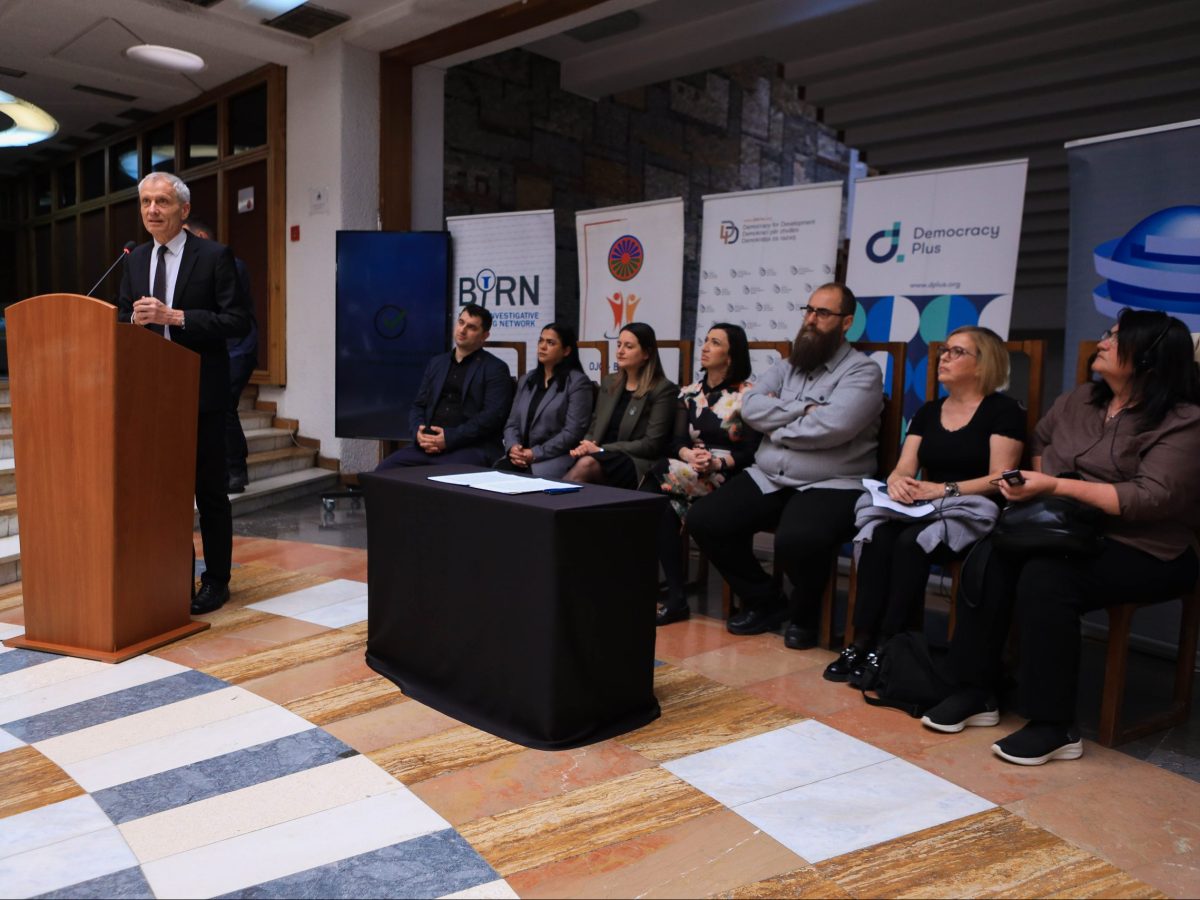
BIRN Kosovo and six other Kosovo-based NGOs and media organisations have formed the Kosovo Coalition Against Disinformation.

“The coalition aims to advocate for and support awareness raising and capacity building in Kosovo society in order to face the challenges of disinformation and build a society in which accurate, full, and timely information is the foundation of information,” their joint statement read.

The organisations participating in the coalition alongside BIRN are the NGOs Democracy Plus, Democracy for Development and Roma in Action, the media outlet Internews Kosova and the Serbian-language media outlets KoSSev and Gracanica Online.

BIRN Kosovo director Jeta Xharra said the coalition’s goal is to “function as a vaccine against the disinformation virus and the untrue propaganda that is shared very quickly in many information channels that exist today, including social media networks”.

Xharra added: “We decided to become strategic and create alliances with other civil society and media organisations which have worked in this field. We are started today with seven members but we aim to include new members in future.”

She explained that the members have worked together to create the coalition’s principles in the war against disinformation in order to “to make this alliance functional in all the territory of Kosovo including the many languages of Kosovo, not only the language of the majority”.

The ambassador of Switzerland to Kosovo, Thomas Kolly, said the media have an obligation to offer the truth to news consumers.

“Everyone has the right to be told the truth, the media has an obligation to tell us this. We as consumers are on the other side. This coalition is a wonderful concept,” he said.

Alongside the two main ethnic communities of Albanians and Serbs, Kosovo’s constitution recognises Romani, Egyptian, Ashkali, and Turkish communities. Serbian and Albanian are official languages, but in certain towns Romani and Turkish are also widely spoken.

“If those who distribute disinformation are organised, we, on the other hand, must become organised and strategic to stop disinformation, and this is not done alone but together around good information,” Xharra said.

Tatjana Lazarevic, from the KoSSev portal, said she expected the coalition to aid justice, impartiality and accuracy.

“My expectation is to share together the values of the Declaration; they are words for me, which means, words with meaning; I expect us to practice our profession, not to serve politics. I expect us to spread justice, impartiality, accuracy; to increase the potential of our professional community and media literacy, but also the expectations and power of our public,” she said.

The Kosovo Coalition on Disinformation intends to become a platform of civil society and media organizations “that defend freedom of expression, pluralism of thought and free flow of information”, fighting disinformation not only via reporting but also in the field of education and science.

During the announcement ceremony, the coalition brought together various representatives from embassies, prominent media institutions, journalists and NGOs.

The project is supported by the Swiss embassy.


BIRN Publishes Oral History Videos of War Survivors’ Stories

BIRN has published 20 videos of interviews with war survivors from Bosnia, Croatia, Kosovo, Montenegro and Serbia, filmed by young journalists, students and activists as part of a transitional justice storytelling project.

Twenty videos showing people from Bosnia and Herzegovina, Croatia, Kosovo, Montenegro and Serbia speaking about their experiences of the wars of the 1990s have been published on BIRN’s YouTube channel.

Some of the survivors talk about their childhood memories of fleeing their homes and being forcibly displaced from their hometowns, while others share emotional stories of losing loved ones. Some also speak about their involvement in psychotherapy for survivors and transitional justice activism.

The videos are the result of a training workshop for 11 young journalists, students, activists and other interested people held in the Bosnian capital, Sarajevo, in October 2022.

The Visual Storytelling Using War Crime Archives workshop organised by BIRN’s Transitional Justice Programme was aimed at educating participants in how to contribute to reconciliation and memorialisation processes by exploring archives and using them for independent video storytelling.

Participants learned how to create a safe, non-partisan and compassionate space for survivors to tell their stories and how to produce stories in a short video format that do not trivialise war crimes and war victims’ experiences.

“Youth involvement in transitional justice efforts is essential to promote intergenerational dialogue, foster social cohesion and strengthen the sustainability of peacebuilding,” said Nejra Mulaomerovic, the coordinator of BIRN’s Transitional Justice Programme.

“Young people, particularly those who have been affected by conflict, have a unique perspective on the impact of violence and injustice on their lives and communities. Their engagement in the transitional justice process can help to ensure that the next generation is invested in promoting accountability, reconciliation and peace,” she added.

Mulaomerovic said that storytelling is crucial to the process of transitional justice because it has the power to highlight atrocities and hidden personal memories that can be used to encourage the further sharing of similar experiences.

“Storytelling also has the power to change the narrative surrounding personal experiences of war trauma. The dominant narrative around war often centres on the nationalistic perspective, which can overshadow the human cost of war, including the experiences of civilians,” she said.

“Through storytelling, victims and survivors can challenge this dominant narrative and humanise the experiences of those affected by war,” she added.

BIRN published another series of videos of survivors’ stories after a previous workshop in 2021 about storytelling and transitional justice reporting.

The videos produced by the participants were posted on BIRN’s social media channels, where they were viewed by more than 115,000 people on various platforms.

See all the videos on BIRN’s YouTube channel here.


Calls Opens for EU Investigative Journalism Award 2023

Journalists from the Western Balkans and Türkiye are invited to enter their investigative stories for a series of prestigious national and regional prizes.

The EU Award for Investigative Journalism 2023 is now accepting submissions. Once again, the prestigious award celebrates the best investigative stories published in the previous calendar year and open to journalists from the Western Balkans and Türkiye.

This year, as well as national awards, the EU Award is introducing a regional award for the best stories from the entire region based on clearly defined criteria. This new category is an exciting development that will encourage journalists to think beyond national borders and tackle issues that affect the entire region.

The annual award fund for each of the countries is 10,000 euros and the prize fund for regional awards is also 10,000 euros. The three best stories of the year are awarded, and the amount for national and regional prizes is 5,000 euros (first place), 3,000 (second), and 2,000 (third).

Stories that can be nominated should contribute to freedom of expression, the rule of law and transparency. They should cover a variety of topics affecting national and regional economies, challenges to countries’ EU integration processes and issues such as organised crime, corruption, the rise of extremism, various forms of foreign influence, human rights violations, including those in the digital sphere, as well as other topics with which the public would not otherwise be familiar.

Entries can be nominated for the national or regional award, or for both, and this possibility is offered through the application form itself. Additionally, one candidate may apply to the competition with several stories.

The winners from the national awards in the Western Balkan region and Türkiye automatically become candidates for the regional EU award for investigative journalism, if their application form so states. The jury for both the national and the regional awards consists of local and international media experts, editors, members of academia and journalists with merits.

The organiser of the award is Thomson Media, an organisation with decades of experience in media development and the promotion of media freedom on a global level.

The EU Award for Investigative Journalism 2023 is part of the project Strengthening Quality Journalism in Western Balkans and Türkiye II. It aims to recognise and promote outstanding achievements in investigative journalism as well as improve the visibility of quality journalism in the Western Balkans and Türkiye.

The project is funded by the European Union, and is being implemented by a consortium composed of Balkan Investigative Reporting Network – BIRN Hub, Central European University (CEU) – Hungary, Association of Journalists (AJ) – Türkiye, Thomson Media (TM) – Germany, University Goce Delcev Stip (UGD) – North Macedonia, The Independent Union of Journalists and Media Workers (SSNM) – North Macedonia, Media Association of South-East Europe (MASE) – Montenegro and Balkan Investigative Reporting Network Kosovo (BIRN Kosovo).

The deadline for submissions is June 20, 2023, by midnight CET.

For more details, contact [email protected].

To download all necessary documents for English click here

To download all necessary documents for Serbia click here

To download all necessary documents for Kosovo click here

To download all necessary documents for Bosnia and Herzegovina click here

To download all necessary documents for Montenegro click here

To download all necessary documents for North Macedonia click here

To download all necessary documents for Albania click here

To download all necessary documents for Turkey click here