Meet the People Behind BIRN: Vuk Maras

Each month, BIRN introduces you to a different member of its team. For April, meet Vuk Maras, BIRN Montenegro Executive Director.

Vuk Maras, 37, is Executive Director of BIRN network’s new member, BIRN Montenegro, set up in 2023.

Vuk is based in Podgorica; he studied economics and has worked in the non-profit sector since he was 18 years old, “constantly fighting against corruption and organised crime and advocating for the better rule of law and human rights”, as he told BIRN.

For over three years, he worked as a consultant for BIRN Hub on various projects. He sees his job in BIRN Montenegro more as a duty than as work. In the upcoming months, BIRN Montenegro will produce programmes and investigative stories to inform Montenegrin citizens and other stakeholders, and hold the government and public officials accountable.

Let’s meet him!

  1. BIRN Montenegro is the newest BIRN Network member, set up in 2023. Would you like to tell us more about it?

Montenegro is the only Western Balkan country where BIRN did not have a local office, so this was a logical step for the network. In a situation where the quality of journalism is constantly in decline, where investigative journalism is an exception rather than a common practice, it was necessary to bring something new to the citizens of Montenegro. Moreover, with recent changes to the regime that was ruling Montenegro for over three decades, it is of the utmost importance to ensure that the old corrupt practices do not continue and that Montenegro is able to build institutions that will secure its Euro-Atlantic integration, but also bring a better appreciation of human rights to all its citizens. BIRN Montenegro will investigate cases and bring high-quality news to the public discourse in order to inform Montenegrin citizens and other stakeholders, and to hold the government and public officials accountable.

  1. What drove you to work for BIRN Montenegro, specifically for a media non-profit? What do you like most in your new job, and what is the most challenging thing?

Short answer – lack of justice. I have been an active part of the Montenegrin non-profit sector since I was 18, constantly fighting against corruption and organised crime and advocating for better rule of law and human rights. With such a personal background, BIRN Montenegro, but also the entire BIRN family, is a logical continuation of something I believe is my cause, rather than work.

3. How was the process of forming a media non-profit in Montenegro from scratch? Did you confront difficulties? How did you overcome them?

At this point, we are still finalizing the paperwork and expect our portal to be fully operational in a few months’ time. But through this process, we were able to see how the bureaucracy, inherited even from communist times, can sometimes make life impossible for those fighting for changes and reforms.

4. What shall we expect from BIRN Montenegro in the coming months?

Many interesting investigative stories, hopefully a lot of truthful and professional news pieces, and a lot of activities in the field, improving the overall media scene in Montenegro.

5. What advice would you give to people currently trying to form a media non-profit in the region?

I would say, no matter how hard it sometimes looks, it pays off, as media and NGOs are the key pillars in each country in the region that are protecting democracy and human rights.


BIRN launches call for applications for a three-day training course on legally safe and crisis reporting

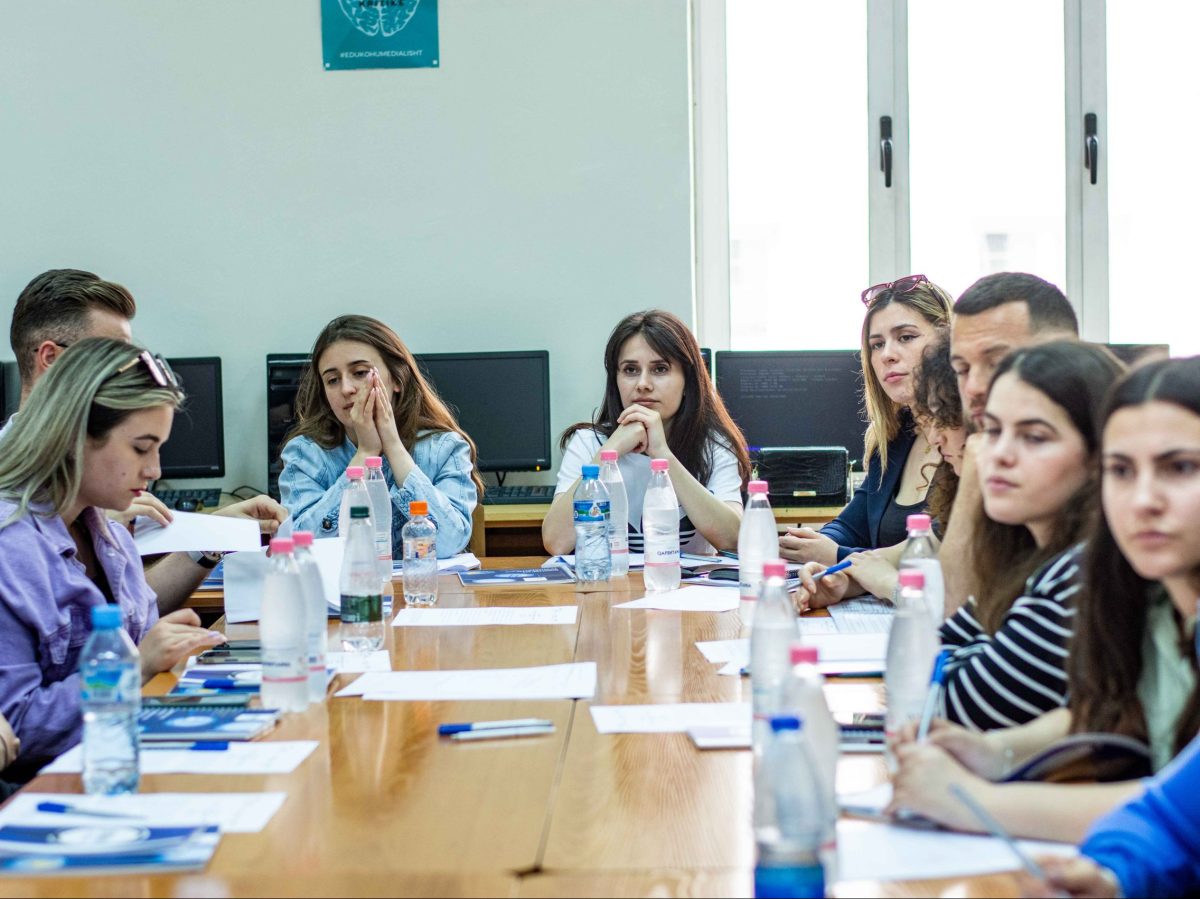
BIRN Kosovo has opened a new call for applications for its first three-day training course on legally safe reporting and crisis reporting, as part of the EU-funded project “Strengthening Quality News and Independent Journalism in the Western Balkans and Turkey II”.

Considering the fragile state of democracy in the Western Balkans, skills in crisis reporting such as covering riots and protests but also elections are essential for maintaining high professional standards, as well as for maintaining the personal safety of journalists.

Journalists are often targeted by smear campaigns in the tabloid press and social media for doing their work professionally. They also face difficulties in preserving their digital security and keeping their work and sources safe.

This regional training is designed to answer these challenges by using a multi-sector approach, involving experts in different related fields to share their knowledge and skills. Practical simulations will take place in order to demonstrate adequate techniques for responding to attacks, as well as how to act pre-emptively.

The aim of the regional training camp is to provide journalists with specialized knowledge that helps them protect themselves and their newsrooms from different kinds of attacks, including physical attacks, legal actions such as Strategic Litigation Against Public Participation – SLAPP lawsuits, as well as to preserve their digital security.

A wide range of trainers and guest speakers will administer the sessions including BIRN managing editors and other external guest speakers.

Who can apply?

Final-year journalism students, recent graduates and young and professional journalists from the region, including Albania, Bosnia and Herzegovina, Kosovo, Montenegro, North Macedonia, Turkey and Serbia, may apply for the course.

Candidates from across the region are encouraged to apply.

How to apply?

All applications should be submitted in Albanian, Serbian or English by May 31, 2023, at midnight Central European Time to [email protected] along with the following documents:

  • Applicant’s CV
  • Work Sample
  • Motivation Letter

Applicants who do not have any published work can submit their student assignments from practical courses in journalism.

The motivation letter should provide information about the applicant’s opinion and knowledge of the topic and should not exceed 400 words.

Language:

The training will be held in English. Translation into Albanian and Serbian will be provided.

Location:

The training will take place in Durres, Albania. Details about the agenda and accommodation will be provided to the selected participants.

Deadline for applications: 12:00, Central European Time, May 31, 2023

Date of the training course: June 16 – 18, 2023

Remarks:

Travel costs and accommodation will be covered by BIRN.


BIRN hap thirrjen për aplikime për trajnimin treditor për raportimin e sigurt ligjor dhe raportimin në kohë krizash

BIRN Kosovë ka hapur një thirrje të re për aplikime për trajnimin e parë treditor për raportimin e sigurt ligjor dhe raportimin në kriza, si pjesë e projektit të financuar nga BE-ja “Forcimi i lajmeve cilësore dhe gazetarisë së pavarur në Ballkanin Perëndimor dhe Turqi II”.

Duke marrë parasysh gjendjen e brishtë të demokracisë në Ballkanin Perëndimor, shkathtësitë e raportimit në kriza, siç janë mbulimi i trazirave, protestave, por edhe zgjedhjeve, janë thelbësore për të mbajtur një standard të lartë profesional, si dhe për të ruajtur sigurinë personale të gazetarëve.

Për më tepër, gazetarët shpeshherë janë shënjestër e fushatave të shpifjes në tabloide dhe media sociale, për shkak të punës së tyre me profesionalizëm.  Gjithashtu, ata përballen me vështirësi në sigurinë e tyre digjitale dhe sigurisë së mjedisit të punës dhe burimeve të tyre.

Ky trajnim rajonal është përgatitur ashtu që të ofrojë përgjigje për këto sfida duke aplikuar një qasje ndërsektoriale, me ekspertë të fushave të ndryshme të cilët do t’i ndajnë njohuritë dhe shkathtësitë e tyre. Për më tepër, do të aplikohen simulime praktike për t’i demonstruar teknikat adekuate për të reaguar në sulme, si dhe si të veprohet në mënyrë parandaluese.

Qëllimi i këtij trajnimi rajonal është që gazetarëve t’u ofrohen njohuri të specializuara që u ndihmojnë të mbrojnë veten dhe redaksitë e tyre nga lloje të ndryshme sulmesh, duke përfshirë sulmet fizike, mjetet juridike, si janë paditë strategjike kundër pjesëmarrjes publike – paditë SLAPP, si dhe të ruajnë sigurinë e tyre digjitale.

Seancat do të administrohen nga një numër trajnerësh dhe folësish të ftuar, duke përfshirë redaktorët menaxhues të BIRN dhe folës të tjerë të jashtëm.

Kush mund të aplikojë?

Në këtë trajnim mund të aplikojnë studentët e vitit të fundit të gazetarisë, të sapodiplomuarit dhe gazetarët e rinj dhe profesionistë nga rajoni, duke përfshirë Shqipërinë, Bosnjë dhe Hercegovinën, Kosovën, Malin e Zi, Maqedoninë e Veriut, Turqinë dhe Serbinë.

Inkurajohen të aplikojnë kandidatët nga i gjithë rajoni.

Si të aplikoni?

Të gjitha aplikacionet duhet të dorëzohen në shqip, serbisht apo anglisht para datës 31 maj 2023, në mesnatë me kohë të Evropës Qendrore me postë elektronike, në adresën [email protected] së bashku me dokumentet e mëposhtme:

  • CV e aplikantit
  • Mostër e punës
  • Letër motivimi

Aplikantët që nuk kanë punime të botuara mund t’i dorëzojnë punimet e tyre studentore nga kurset praktike në gazetari.

Letra e motivimit duhet të përfshijë informata në lidhje me opinionin dhe njohuritë e aplikantëve lidhur me temën dhe nuk duhet të ketë më shumë 400 fjalë.

Gjuha:

Trajnimi do të mbahet në anglisht. Megjithatë, do të sigurohet përkthimi në shqip dhe serbisht.

Lokacioni:

Trajnimi do të mbahet në Durrës, Shqipëri. Detajet lidhur me agjendën dhe akomodimin do t’u dërgohen vetëm pjesëmarrësve të përzgjedhur.

Afati për aplikim: Ora 12:00, me kohë të Evropës Qendrore, më 31 maj 2023

Data e trajnimit: 16 – 18 qershor 2023

 Shënim:

Kostot e udhëtimit dhe akomodimit do të mbulohen nga BIRN.


BIRN objavljuje poziv za prijavu za trodnevnu obuku o pravno bezbednom i kriznom izveštavanju

BIRN Kosovo je objavio novi poziv za prijavu za prvu trodnevnu obuku o pravno bezbednom izveštavanju i kriznom izveštavanju, kao deo projekta koji finansira EZ “Osnaživanje kvalitetnih vesti i nezavisnog novinarstva u Zapadnom Balkanu i Turskoj II”.

S obzirom na krhko stanje demokratije u Zapadnom Balkanu, veštine u kriznom izveštavanju kao što je izveštavanje o nemirima, protestima kao i o izborima su osnovne za održavanje visokih profesionalnih standarda, kao i za održavanje lične bezbednosti novinara.

Štaviše, novinari su često na meti klevetničke kampanje od strane tabloidne štampe i društvenih mreža zbog toga što svoj posao rade na profesionalni način. Oni se takođe suočavaju sa poteškoćama u očuvanju svoje digitalne bezbednosti i bezbednosti svog rada i izvora.

Ova regionalna obuka je osmišljena da odgovori na sve izazove koristeći višesektorski pristup, uključivanjem stručnjaka iz različitih relevantnih oblasti kako bi podelili svoje znanje i veštine. Dodatno će se održavati praktične simulacije kako bi se demonstrirale adekvatne tehnike za reagovanje na napade i preventivno delovanje.

Cilj ovog regionalnog kampa za obuku je da novinarima pruži specijalizovano znanje koje će im pomoći da zaštite sebe i svoje redakcije od različitih vrsta napada, uključujući fizičke napade, pravne radnje, kao i Strateške sporove protiv učešća javnosti- SSPUJ tužbe, kao i da očuvaju svoju digitalnu bezbednost.

Širok spektar trenera i gostujućih govornika će održavati sesije, uključujući BORN-ove glavne urednike i spoljašnje gostujuće govornike.

Ko se može prijaviti?

Studenti novinarstva na poslednjoj godini studija, nedavno diplomirani studenti i mladi i profesionalni novinari iz regije uključujući Albaniju, Bosnu i Hercegovinu, Kosovo, Crnu Goru, Severnu Makedoniju, Tursku i Srbiju, se mogu prijaviti za učestvovanje na obuci.

Ohrabrujemo kandidate iz cele regije da se prijave.

Kako se prijaviti?

Sve prijave treba dostaviti na Albanskom, Srpskom ili Engleskom jeziku do 31. maja 2023. godine u ponoć po srednjeevropskom vremenu na email [email protected] zajedno sa sledećim dokumentima:

  • CV kandidata
  • Uzorak radova
  • Motivaciono pismo

Kandidati koji nisu objavili neki rad mogu dostaviti svoje studentske radove iz praktičnih kurseva novinarstva.

Motivaciono pismo treba pružati informacije u vezi mišljenja i znanja kandidata u vezi navedene teme i ne treba biti duže od 400 reči.

Jezik:

Obuka će biti održana na engleskom jeziku. Međutim, prevod na albanskom i srpskom jeziku će biti dostupan.

Mesto:

Obuka će se održati u Draču, Albanija. Detalji vezani za dnevni red i smeštaj će biti pruženi samo odabranim kandidatima.

Rok za prijavu: 12:00, centralno-evropsko vreme, 31. maj 2023. godine

 Datum obuke: Jun 16 – 18, 2023. godine

 Beleška:

Putni troškovi i smeštaj pokriva BIRN.


Kosovo Civil Society, Media, Form Coalition Against Disinformation

BIRN Kosovo director hails formation of new coalition as a kind of vaccine against “the virus of disinformation” eroding Kosovo society.

BIRN Kosovo and six other Kosovo-based NGOs and media organisations have formed the Kosovo Coalition Against Disinformation.

“The coalition aims to advocate for and support awareness raising and capacity building in Kosovo society in order to face the challenges of disinformation and build a society in which accurate, full, and timely information is the foundation of information,” their joint statement read.

The organisations participating in the coalition alongside BIRN are the NGOs Democracy Plus, Democracy for Development and Roma in Action, the media outlet Internews Kosova and the Serbian-language media outlets KoSSev and Gracanica Online.

BIRN Kosovo director Jeta Xharra said the coalition’s goal is to “function as a vaccine against the disinformation virus and the untrue propaganda that is shared very quickly in many information channels that exist today, including social media networks”.

Xharra added: “We decided to become strategic and create alliances with other civil society and media organisations which have worked in this field. We are started today with seven members but we aim to include new members in future.”

She explained that the members have worked together to create the coalition’s principles in the war against disinformation in order to “to make this alliance functional in all the territory of Kosovo including the many languages of Kosovo, not only the language of the majority”.

The ambassador of Switzerland to Kosovo, Thomas Kolly, said the media have an obligation to offer the truth to news consumers.

“Everyone has the right to be told the truth, the media has an obligation to tell us this. We as consumers are on the other side. This coalition is a wonderful concept,” he said.

Alongside the two main ethnic communities of Albanians and Serbs, Kosovo’s constitution recognises Romani, Egyptian, Ashkali, and Turkish communities. Serbian and Albanian are official languages, but in certain towns Romani and Turkish are also widely spoken.

“If those who distribute disinformation are organised, we, on the other hand, must become organised and strategic to stop disinformation, and this is not done alone but together around good information,” Xharra said.

Tatjana Lazarevic, from the KoSSev portal, said she expected the coalition to aid justice, impartiality and accuracy.

“My expectation is to share together the values of the Declaration; they are words for me, which means, words with meaning; I expect us to practice our profession, not to serve politics. I expect us to spread justice, impartiality, accuracy; to increase the potential of our professional community and media literacy, but also the expectations and power of our public,” she said.

The Kosovo Coalition on Disinformation intends to become a platform of civil society and media organizations “that defend freedom of expression, pluralism of thought and free flow of information”, fighting disinformation not only via reporting but also in the field of education and science.

During the announcement ceremony, the coalition brought together various representatives from embassies, prominent media institutions, journalists and NGOs.

The project is supported by the Swiss embassy.


BIRN Publishes Oral History Videos of War Survivors’ Stories

BIRN has published 20 videos of interviews with war survivors from Bosnia, Croatia, Kosovo, Montenegro and Serbia, filmed by young journalists, students and activists as part of a transitional justice storytelling project.

Twenty videos showing people from Bosnia and Herzegovina, Croatia, Kosovo, Montenegro and Serbia speaking about their experiences of the wars of the 1990s have been published on BIRN’s YouTube channel.

Some of the survivors talk about their childhood memories of fleeing their homes and being forcibly displaced from their hometowns, while others share emotional stories of losing loved ones. Some also speak about their involvement in psychotherapy for survivors and transitional justice activism.

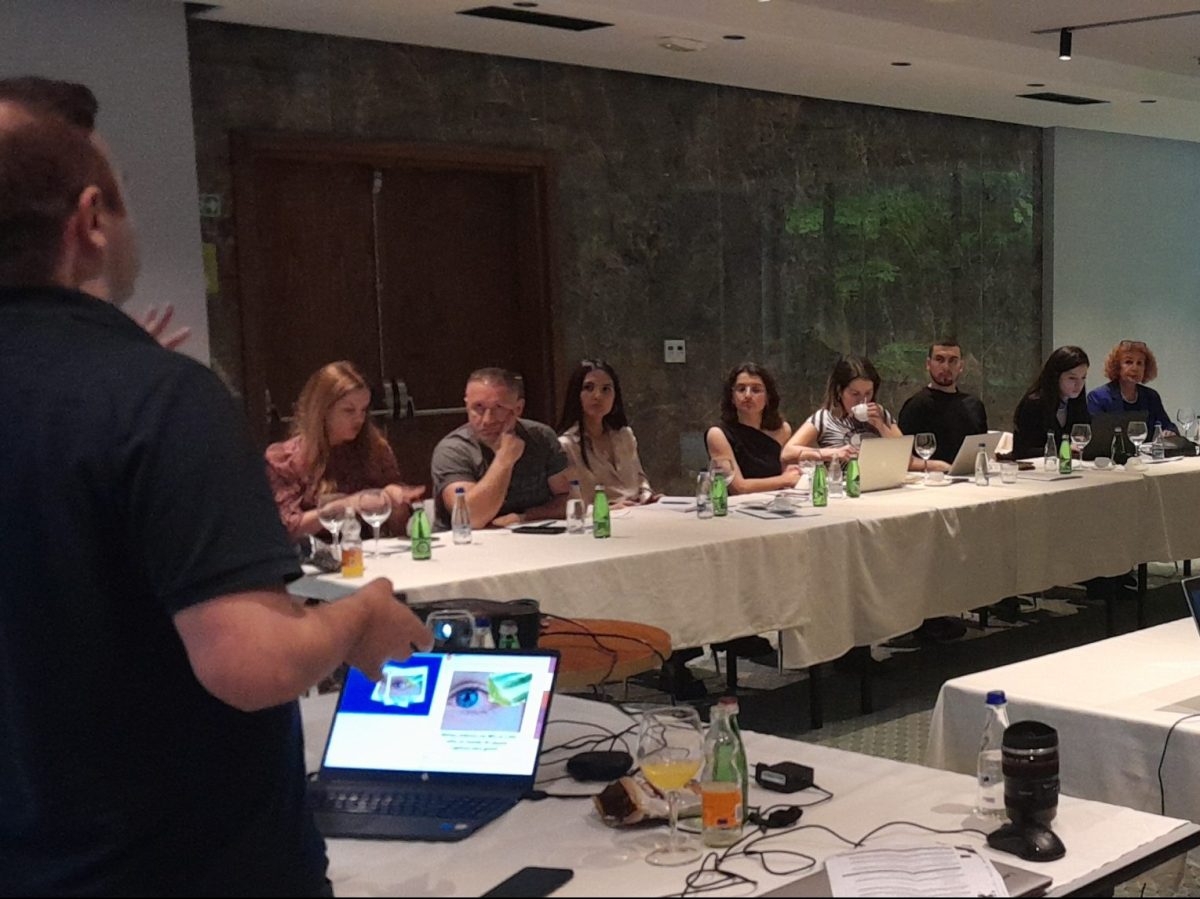
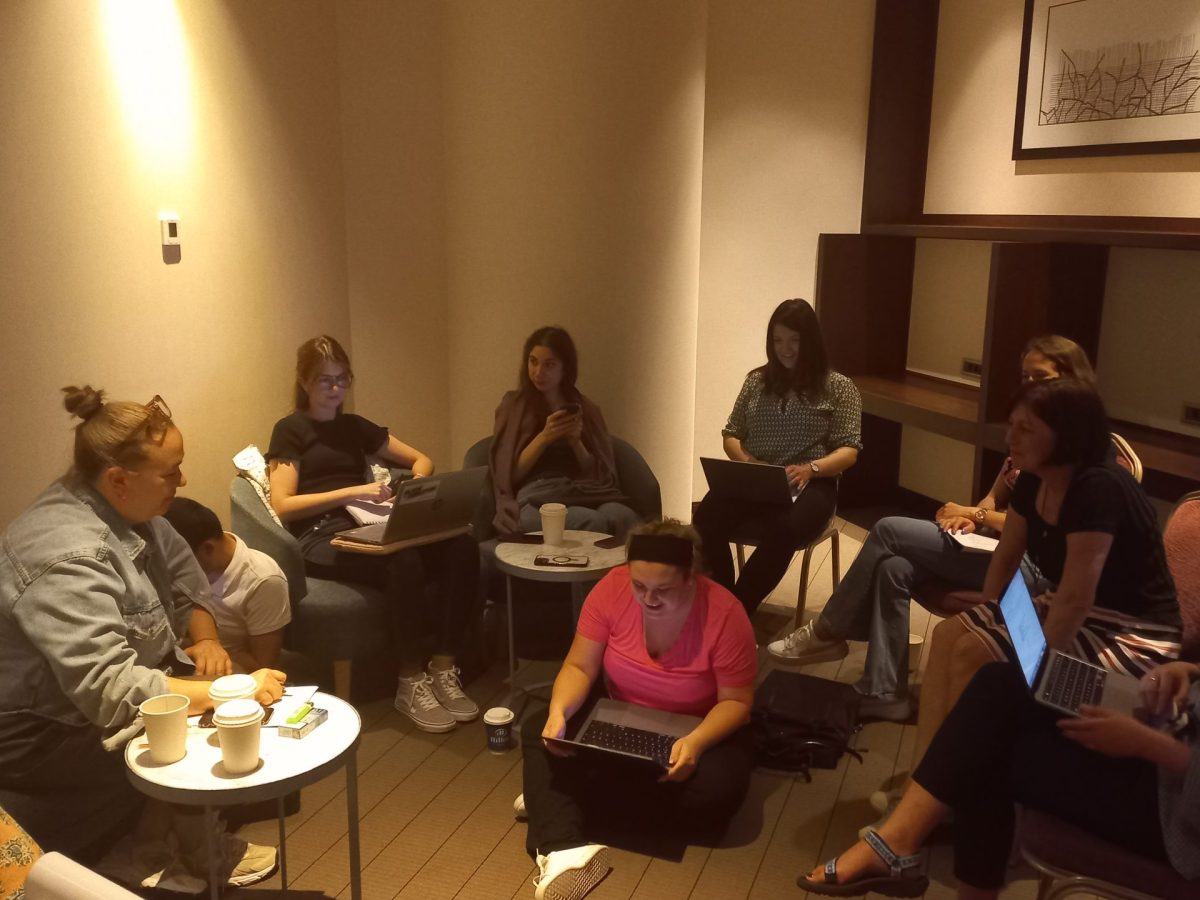
The videos are the result of a training workshop for 11 young journalists, students, activists and other interested people held in the Bosnian capital, Sarajevo, in October 2022.

The Visual Storytelling Using War Crime Archives workshop organised by BIRN’s Transitional Justice Programme was aimed at educating participants in how to contribute to reconciliation and memorialisation processes by exploring archives and using them for independent video storytelling.

Participants learned how to create a safe, non-partisan and compassionate space for survivors to tell their stories and how to produce stories in a short video format that do not trivialise war crimes and war victims’ experiences.

“Youth involvement in transitional justice efforts is essential to promote intergenerational dialogue, foster social cohesion and strengthen the sustainability of peacebuilding,” said Nejra Mulaomerovic, the coordinator of BIRN’s Transitional Justice Programme.

“Young people, particularly those who have been affected by conflict, have a unique perspective on the impact of violence and injustice on their lives and communities. Their engagement in the transitional justice process can help to ensure that the next generation is invested in promoting accountability, reconciliation and peace,” she added.

Mulaomerovic said that storytelling is crucial to the process of transitional justice because it has the power to highlight atrocities and hidden personal memories that can be used to encourage the further sharing of similar experiences.

“Storytelling also has the power to change the narrative surrounding personal experiences of war trauma. The dominant narrative around war often centres on the nationalistic perspective, which can overshadow the human cost of war, including the experiences of civilians,” she said.

“Through storytelling, victims and survivors can challenge this dominant narrative and humanise the experiences of those affected by war,” she added.

BIRN published another series of videos of survivors’ stories after a previous workshop in 2021 about storytelling and transitional justice reporting.

The videos produced by the participants were posted on BIRN’s social media channels, where they were viewed by more than 115,000 people on various platforms.

See all the videos on BIRN’s YouTube channel here.


Calls Opens for EU Investigative Journalism Award 2023

Journalists from the Western Balkans and Türkiye are invited to enter their investigative stories for a series of prestigious national and regional prizes.

The EU Award for Investigative Journalism 2023 is now accepting submissions. Once again, the prestigious award celebrates the best investigative stories published in the previous calendar year and open to journalists from the Western Balkans and Türkiye.

This year, as well as national awards, the EU Award is introducing a regional award for the best stories from the entire region based on clearly defined criteria. This new category is an exciting development that will encourage journalists to think beyond national borders and tackle issues that affect the entire region.

The annual award fund for each of the countries is 10,000 euros and the prize fund for regional awards is also 10,000 euros. The three best stories of the year are awarded, and the amount for national and regional prizes is 5,000 euros (first place), 3,000 (second), and 2,000 (third).

Stories that can be nominated should contribute to freedom of expression, the rule of law and transparency. They should cover a variety of topics affecting national and regional economies, challenges to countries’ EU integration processes and issues such as organised crime, corruption, the rise of extremism, various forms of foreign influence, human rights violations, including those in the digital sphere, as well as other topics with which the public would not otherwise be familiar.

Entries can be nominated for the national or regional award, or for both, and this possibility is offered through the application form itself. Additionally, one candidate may apply to the competition with several stories.

The winners from the national awards in the Western Balkan region and Türkiye automatically become candidates for the regional EU award for investigative journalism, if their application form so states. The jury for both the national and the regional awards consists of local and international media experts, editors, members of academia and journalists with merits.

The organiser of the award is Thomson Media, an organisation with decades of experience in media development and the promotion of media freedom on a global level.

The EU Award for Investigative Journalism 2023 is part of the project Strengthening Quality Journalism in Western Balkans and Türkiye II. It aims to recognise and promote outstanding achievements in investigative journalism as well as improve the visibility of quality journalism in the Western Balkans and Türkiye.

The project is funded by the European Union, and is being implemented by a consortium composed of Balkan Investigative Reporting Network – BIRN Hub, Central European University (CEU) – Hungary, Association of Journalists (AJ) – Türkiye, Thomson Media (TM) – Germany, University Goce Delcev Stip (UGD) – North Macedonia, The Independent Union of Journalists and Media Workers (SSNM) – North Macedonia, Media Association of South-East Europe (MASE) – Montenegro and Balkan Investigative Reporting Network Kosovo (BIRN Kosovo).

The deadline for submissions is June 20, 2023, by midnight CET.

For more details, contact [email protected].

To download all necessary documents for English click here

To download all necessary documents for Serbia click here

To download all necessary documents for Kosovo click here

To download all necessary documents for Bosnia and Herzegovina click here

To download all necessary documents for Montenegro click here

To download all necessary documents for North Macedonia click here

To download all necessary documents for Albania click here

To download all necessary documents for Turkey click here


Federation CEST and BIRN BiH Sign Memorandum to Boost Education on Genocide Denial

The Balkan Investigative Reporting Network of Bosnia and Herzegovina and the Judicial and Prosecutorial Training Center of Bosnia’s Federation entity signed a Memorandum of Cooperation on developing an educational programme on genocide denial and hate narratives.

By Emina Dizdarevic

The aim of the Memorandum of Cooperation is to exchange information on improving the education system in the prosecution of hate crimes, improve the transparency of the judiciary, as well as advocate the efficiency and increased integrity of judicial institutions holders.

“The Memorandum of Cooperation is important for preventing genocide denial and hate narratives in the public space, which is unfortunately a growing phenomenon. There is a need to improve the prosecution of such crimes as well as a need for trainings and education,” said director of BIRN BiH, Denis Dzidic.

Mutual cooperation between BIRN BiH and the Judicial and Prosecutorial Training Center of the Federation of Bosnia and Herzegovina, CEST FBiH, will be based on transparency, cooperation and joint actions, as well as on independence and autonomy.

“The Center will help with creating educational programmes and will lend support in research into hate crimes. It is necessary to provide education and have regular communication with agencies, as well as to grant greater rights to injured parties. Those crimes must be given priority in prosecution,” said Federation CEST director Arben Murtezic.

The signed Memorandum resulted from a panel on prosecution of hate crimes, held in February, which concluded that there was a need for a continuous education of police, judges and prosecutors for a more efficient prosecution of those crimes.

At the time, during the course of a project titled “Mapping of Hate”, two policy papers were presented, “Hate Crimes: Much Damage, Little Punishment”, by Murtezic, and “In a Vicious Circle: Hate Speech, Extremism and Extent of Responsibility of the Judiciary”, by criminologist Mirza Buljubasic.

Presenting “Hate Crimes: Much Damage, Little Punishment”, Murtezic pointed to dangers of those crimes to individuals and society, offering a series of recommendations for improvements.

Those included regular communication between law enforcement and other state institutions with concerned organisations in the community, nongovernmental organisations and religious institutions with regard to those crimes.

The Memorandum of Cooperation arose from activities carried out within the project “Mapping of Hate”, which CEST FBiH recognized.


BIRN Albania Opens Call for Investigations on Public Administration and its Finances

The Balkan Investigative Reporting Network in Albania launched a call for investigative stories on May 4, offering grants for four journalists to produce articles on topics related to public administration and finances.

The call is part of the project “Using Big Data and Multimedia to Boost Quality and Independent Journalism in Albania” supported by the European Union.

The goal of this project is to create an enabling environment for Albanian journalists to produce independent content through training, mentoring, technical and financial support, and close cooperation with civil society, so improving freedom of expression and strengthening media pluralism in Albania.

The call is based on topics suggested by civil society activists and journalists during a joint workshop held on April 26 in Tirana.  The workshop was attended by two dozen civil society activists and journalists, who debated important topics that should be investigated in the field of public administration and public finances.

The journalists awarded through this call will have around three months to dig deeper and research their ideas, and will also have the opportunity to work with experienced editors as mentors to guide them through the process of writing in accordance with BIRN standards.

The call only applies to journalists from Albania and closes on May 25.

Click here for more information (in Albanian) about the application procedure.

Click here to download the application form (in Albanian).


Calling Balkan and Visegrad Newsrooms: Apply Now for Audience-Engaged Journalism Grants

BIRN is calling on Balkan and Visegrad newsrooms to apply for Audience-Engaged Journalism Grants to receive funding, training, mentoring and access to an innovative digital tool to engage with audiences.

The Balkan Investigative Reporting Network, BIRN is seeking applications from Visegrad and Balkan newsrooms for Audience-Engaged Journalism Grants, a programme designed to support journalists in ten European countries who want to create next-level investigative reports by engaging with their audiences through an innovative digital tool.

Audience-Engaged Journalism Grants offer funding, training and mentoring for ten (10) media outlets in: Albania, Bosnia and Herzegovina, the Czech Republic, Hungary, Kosovo, Montenegro, North Macedonia, Poland, Serbia and Slovakia.

Audience-Engaged Journalism Grants are part of the Media Innovation Europe project led by the Vienna-based International Press Institute (IPI), along with Thomson Media (TM) in Berlin, the  Media Development Foundation (MDF) in Kyiv, and the Balkan Investigative Reporting Network (BIRN) in Sarajevo.

With this programme, BIRN aims to support media outlets in producing impactful, audience-engaged stories that address pressing issues facing their communities. Successful applicants will be provided with the necessary resources to create individual or cross-border audience-engaged stories.

Grants offered?

BIRN will award €4,000 to two (2) successful applicants interested in producing individual audience-engaged investigative stories.

BIRN will grant €5,000 to eight (8) successful applicants interested in producing a cross-border audience-engaged story. In situations in which a media outlet already has a media partner for a cross-border story, they may apply together for a grant of €10,000 to cover expenses for both parties.

BIRN encourages participants to collaborate and share knowledge to create compelling stories that are relevant and impactful for their audiences. The Audience-Engaged Journalism Grants foster a collaborative environment in which media outlets can come together to share their proficiency and expertise. By working together, media outlets not only enhance their reporting capabilities but also increase their reach and impact.

Who will be supported?

Audience-Engaged Journalism Grants support media outlets that want to engage their audiences in reporting by providing them with training and mentorship in engagement journalism and usage of the Audience-Engaged Tool developed by BIRN.

The Audience-Engaged Tool is an innovative platform which harnesses the power of crowdsourcing to uncover crucial information and untold stories. The online tool enables the direct engagement of many citizens interested in sharing information and evidence related to issues they are facing.

In a four-day online training course, the participating media outlets will learn how to use the tool to produce engaging and investigative reports, how to select engaging topics, how to develop a callout, how to analyse crowdsourced data, how to incorporate data into stories and how to shape their story proposal according to audience-engaged journalism.

All participants will gain access to the tool and have a mentor assigned to lead them through the project.

How to apply?

Send us a story proposal in application form before June 30, 2023, following this link.

Before submitting an application, don’t forget to read important information in the Call for Application.

If you have any questions, feel free to register and join one of our info sessions:

  • Information session 15 May 2023 at 15:00 (CET), register HERE.
  • Information session 13 June 2023 at 10:00 (CET), register HERE.

More questions?

Read the FAQ.

Write to the project coordinator at [email protected].

Follow BIRN on Facebook and Twitter.

Co-funded by the European Union. Views and opinions expressed are however those of the author(s) only and do not necessarily reflect those of the European Union or European Commision. Neither the European Union nor the granting authority can be held responsible for them.

Digital Rights Training for Kosovo Journalists: Applications Open

BIRN invites Kosovo journalists to apply for a three-day training program designed to address rising concerns over digital rights and freedoms violations in the Balkans. The event, to be held in Brezovica, Kosovo, from May 26 to May 28, 2023, will provide participants with a comprehensive understanding of digital rights, focusing on reporting breaches, content blocking, manipulations, and propaganda in the digital realm.

With technology evolving rapidly, it’s essential for journalists to stay up-to-date on the latest methods and strategies to uncover and appropriately report on digital rights violations. To tackle these challenges, BIRN is organizing a three-day training that will focus on the theoretical and practical framework necessary to understand digital rights and how to report on breaches, blocking and filtering content, manipulations, and propaganda in the digital environment.

Numerous reports from international human rights organisations, media organisations, CSOs and international institutions indicate a concerning situation regarding digital rights in the Balkans, highlighting the need for continued efforts to improve the protection and promotion of these rights, but also to enhance journalists’ ability to adequately report on these issues. Although many of the countries from the region have regulatory frameworks that formally address these issues, challenges persist, such as online surveillance, censorship and data privacy issues.

Frequent cyberattacks and online harassment also threaten the safety and security of many, including journalists, who are often targets of online attacks. Still, many journalists from the region may not be fully aware of the extent of digital rights violations or the underlying legal and technological aspects that lead to these kinds of violations.

BIRN’s training will provide ten selected journalists from Kosovo with a comprehensive understanding of the issues at stake, helping them to identify and report on digital rights violations more effectively. Journalists play a crucial role in raising public awareness and driving change, and by equipping them with the necessary skills and knowledge, this training will enable them to produce impactful stories that can contribute to a more informed public debate and eventually lead to policy changes that protect and promote digital rights in the Balkans.

Who can apply?

The Balkan Investigative Reporting Network (BIRN) invites journalists from Kosovo to apply for a three-day training on reporting digital rights violations.

How to apply?

To apply, interested journalists should demonstrate an interest in digital rights, possess previous journalism experience and show active engagement in the field of digital rights. A selection committee will evaluate the applications and select ten journalists to participate in the training.

To apply, submit the following application form along with your CV and a motivational letter to [email protected] no later than May 19, 2023, by 5 pm CET, with the subject line: Digital Rights Reporting Training for Journalists KOSOVO.

Where?

The training will take place in Brezovica, Kosovo, from May 26 to May 28, 2023. The organizers will fully cover travel and accommodation costs for selected participants. The working language of the training is Albanian and English.

What to expect?

The training will provide selected journalists with essential skills and knowledge to effectively investigate and report on digital rights violations in an ever-changing technological landscape. The training will cover various aspects of digital rights reporting, including identifying and collecting digital rights violations, categorizing these violations, and reporting on individual cases and broader trends.

The program will also focus on multimedia, contemporary tools, and modern journalistic approaches, such as open-source investigations, data journalism, fact-checking, and cross-border collaborations. The training in Brezovica will offer valuable educational insights and provide the opportunity to connect with fellow journalists and experts working in the digital rights field.

Unique opportunity after the training

Upon completion of the training, journalists will have the opportunity to pitch their story ideas to BIRN. Selected journalists will receive on-the-job mentoring and financial support to research and apply their newly acquired skills to implement their ideas on cases involving breaches, content blocking, filtering, manipulations, and propaganda in the digital environment.

Long story short

DEADLINE: Submit the application form along with your CV and a motivational letter to [email protected]  no later than May 19, 2023, at 5 pm CET with the subject line: Digital Rights Reporting Training for Journalists KOSOVO.

DATES OF TRAINING: May 26, May 27, and May 28, 2023

LOCATION: Brezovica, Kosovo


Trajnim për të Drejtat Digjitale për Gazetarët e Kosovës: Ftesë për aplikim

BIRN fton gazetarët e Kosovës që të aplikojnë për një program tre-ditor trajnimi i cili ka për qëllim të trajtojë çështjet gjithnjë e më shqetësuese lidhur me shkeljet e të drejtave dhe lirive digjitale në Ballkan. Ky trajnim, i cili do të mbahet në Brezovicë të Kosovës, nga data 26 maj deri më 28 maj 2023, do t’u ofrojë pjesëmarrësve një pasqyrë të plotë të kuptimit të të drejtave digjitale, duke u fokusuar në raportimin e shkeljeve, bllokimet e postimeve, manipulimet, dhe propagandën në sferën digjitale.

Marrë parasysh sa shpejtë po ndryshon teknologjia, është me rëndësi thelbësore që gazetarët të jenë në hap me metodat dhe strategjitë e fundit se si zbulohen dhe si raportohen në mënyrë të duhur shkeljet e të drejtave digjitale. Për të trajtuar këto sfida, BIRN është duke organizuar trajnim tre-ditor i cili do të fokusohet në kornizën teorike dhe praktike të domosdoshme për të kuptuar të drejtat digjitale dhe mënyrën e raportimit të shkeljeve, bllokimeve dhe filtrimit të postimeve, manipulimet dhe propagandën në mjedisin digjital.

Një numër i madh raportesh nga organizata ndërkombëtare të të drejtave të njeriut, organizata mediatike, organizata të shoqërisë civile dhe institucione ndërkombëtare tregojnë se situata lidhur me të drejtat digjitale në Ballkan është shqetësuese, dhe raportet theksojnë se ka nevojë për përpjekje të vazhdueshme për të përmirësuar mbrojtjen dhe promovimin e këtyre të drejtave, por edhe për të përmirësuar aftësitë e gazetarëve për të raportuar si duhet këto çështje. Pavarësisht asaj se shumë vende të rajonit kanë korniza rregullative të cilat trajtojnë zyrtarisht këto çështje, sfidat vazhdojnë, sfidat me çështje si mbikëqyrja në internet, censura dhe privatësia e të dhënave.

Sulmet e shpeshta kibernetike dhe ngacmimet në internet janë gjëra që po ashtu rrezikojnë sigurinë dhe mbrojtjen e shumë njerëzve, duke përfshirë ato të gazetarëve, të cilët shpesh janë caqe të sulmeve në internet.

Prapëseprapë, shumë gazetarë të rajonit mund të mos jenë plotësisht në dijeni për nivelin e shkeljeve të të drejtave digjitale apo për aspektet themelore ligjore e teknologjike që çojnë tek këto lloj shkeljesh.

Trajnimi i BIRN-it do t’u ofrojë dhjetë gazetarëve të përzgjedhur nga Kosova një pasqyrë të plotë të kuptimit të këtyre çështjeve, dhe do t’i ndihmojë ata të identifikojnë dhe raportojnë në mënyrë më efektive shkeljet e të drejtave digjitale. Gazetarët luajnë rol vendimtar në rritjen e ndërgjegjësimit publik dhe në shtyrjen përpara të ndryshimeve, andaj, duke i pajisur ata me aftësitë dhe njohuritë e duhura, ky trajnim do t’u mundësojë atyre të përgatisin storie të cilat do të kenë efekt dhe të cilat mund t’i kontribuojnë një debati publik më të informuar dhe përfundimisht mund të çojnë tek ndryshime të politikave të cilat mbrojnë dhe promovojnë të drejtat digjitale në Ballkan.

Kush mund të aplikojë?

Rrjeti Ballkanik i Gazetarisë Hulumtuese (BIRN) fton gazetarët nga Kosova të aplikojnë për pjesëmarrje në trajnimin tre-ditor për raportimin e shkeljeve të të drejtave digjitale.

Si të aplikoni?

Për të aplikuar për këtë mundësi, gazetarët e interesuar duhet të dëshmojnë se kanë interesim në të drejtat digjitale, përvojë të mëparshme gazetareske, dhe të tregojnë angazhim aktiv në fushën e të drejtave digjitale. Një komision vlerësues do të vlerësojë aplikacionet dhe do të përzgjedhë dhjetë gazetarë për të marrë pjesë në trajnim.

Për të aplikuar, dorëzoni këtë formular aplikimi bashkë me CV-në tuaj dhe një letër motivuese tek [email protected]  më së largu më datë 19 maj 2023, ora 17:00 duke shkruar tek subjekti i emailit: Digital Rights Reporting Training for Journalists KOSOVO.

Ku?

Trajnimi do të mbahet në Brezovicë të Kosovës, nga data 26 maj deri më 28 maj 2023. Organizatorët do të mbulojnë plotësisht shpenzimet e udhëtimit dhe qëndrimit për pjesëmarrësit e përzgjedhur. Gjuha e punës në trajnim është shqip dhe anglisht.

Çfarë ju pret?

Gazetarëve të përzgjedhur trajnimi do t’u ofrojë aftësi dhe njohuri thelbësore të hetimit/hulumtimit dhe raportimit efektiv të shkeljeve të të drejtave digjitale në sferën teknologjike e cila gjithnjë është duke ndryshuar. Trajnimi do të shikojë aspektet e ndryshme të raportimit të të drejtave digjitale, duke përfshirë identifikimin dhe grumbullimin e shkeljeve të të drejtave digjitale, kategorizimin shkeljeve, dhe raportimin e rasteve individuale dhe tendencave më të gjera.

Programi i trajnimit do të fokusohet edhe në multimedia, mjetet bashkëkohore, qasjet moderne gazetareske siç janë hetimet/hulumtimet me mjete teknologjike me burim të hapur, gazetarinë e cila bazohet në analizim të të dhënave, kontrollimin e fakteve dhe bashkëpunimet ndërkufitare. Trajnimi në Brezovicë do të ofrojë njohuri të vlefshme edukative dhe do të ofrojë mundësi për t’u njohur me kolegë gazetarë dhe ekspertë të cilët punojnë në fushën e të drejtave digjitale.

Mundësi unike pas trajnimit

Pas përfundimit të trajnimit, gazetarët do të kenë mundësinë që t’i paraqesin BIRN-it idetë e tyre për storie. Gazetarët e përzgjedhur do të përfitojnë mentorim dhe mbështetje financiare për të bërë hulumtim dhe për të zbatuar aftësitë e posa-fituara të tyre për të realizuar idetë që kanë për storie lidhur me shkelje, bllokime të postimeve, filtrimeve, manipulimeve dhe propagandave në mjedisin digjital.

Pra, si përmbledhje

AFATI I FUNDIT: Dërgoni këtë formular aplikimi bashkë me CV-në tuaj dhe një letër motivuese tek [email protected]  më së largu deri më datë 19 maj 2023, ora 17:00 duke shkruar tek subjekti i emailit: Digital Rights Reporting Training for Journalists KOSOVO.

DATAT E TRAJNIMIT: 26 maj, 27 maj dhe 28 maj 2023

LOKACIONI: Brezovicë, Kosovë


Obuka o digitalnim pravima za novinare na Kosovu: Otvoren je rok za prijavu

BIRN poziva kosovske novinare da se prijave na trodnevni program obuke koji je osmišljen da odgovori na rastuću zabrinutost o kršenjima digitalnih prava i sloboda na Balkanu. Ovaj događaj, koji će se održati u Brezovici, na Kosovu, od 26 do 28 maja 2023. godine, će pružiti učesnicima sveobuhvatno razumevanje o digitalnim pravima, sa fokusom na kršenja u toku izveštavanja, blokiranje sadržaja, manipulacije i propagandu u digitalnom svetu.

Uz tehnologiju koja se brzo razvija, za novinare je od suštinskog značaja da budu u koraku sa poslednjim metodama i strategijama za otkrivanje i pravilno izveštavanje o kršenju digitalnih prava. Da bi se uhvatio u koštac sa ovim izazovima, BIRN organizuje trodnevnu obuku koja će se fokusirati na teoretski i praktički okvir neophodan za razumevanje digitalnih prava i kako izveštavati o prekršajima, blokiranju i filtriranju sadržaja, manipulacijama i propagandi u digitalnom okruženju.

Brojni izveštaji od međunarodnih ogranizacija za ljudska prava, medijskih organizacija, organizacija civilnog društva i međunarodnih institucija ukazuju na zabrinjavajuću situaciju u vezi digitalnih prava na Balkanu, naglašavajući potrebu za neprekidnim naporima da se poboljša zaštita i promocija ovih prava, ali i da se unaprede veštine novinara da adekvatno izveštavaju o ovim pitanjima. Iako većina zemalja u regiji poseduje regulatorni okvir koji se zvanično bavi ovim pitanjima, izazov i dalje postoji u sledećim pitanjima: online nadzor, cenzura i pitanja o privatnosti podataka.

Česti sajber napadi i onlajn uznemiravanje takođe prete sigurnosti i bezbednosti mnogih ljudi, ukjučujući novinare koji se često nalaze na meti ovih onlajn napada. Međutim, mnogi novinari iz regije možda nisu svesni razmera kršenja diitalnih prava ili pravnih i tehnoloških aspekata koji vode do ovih vrsta prekršaja.

BIRN-ova obuka će deset odabranim novinarima sa Kosova sa sveobuhvatnim razumevanjem pitanja o kojima je reč, pomoći da identifikuju i izveštavaju o kršenjima digitalnih prava na efikasniji način. Novinari igraju važnu ulogu u podizanju svesti javnosti i pokretanju promena, kao i u naoružavanju javnosti sa potrebnim veštinama i znanjem, otuda će im ova obuka omogućiti da proizvode uticajne priče koje mogu doprineti informisanijim javnim raspravama i na kraju dovesti do promena politika koje štite i promovišu digitalna prava na Balkanu.

Ko se može prijaviti?

Balkanska mreža za istražno novinarstvo (engleski BIRN) poziva novinare sa Kosova da se prijave na trodnevnu obuku o izveštavanju o kršenjima digitalnih prava.

Kako se možete prijaviti?

Da bi se prijavili, zainteresovani novinari treba da pokažu interesovanje za digitalna prava, imaju prethodno novinarsko iskustvo i da pokažu aktivan angažman u oblasti digitalnih prava. Komisija za procenu će ocenjivati prijave i odabrati deset novinara koji će učestvovati na obuci.

Za prijavu, pošaljite sledeći obrazac za prijavu zajedno sa Vašim CV-om i motivacionim pismom na email adresu [email protected]  najdalje do 19. maja 2023. godine u 17:00h po centralno-evropskom vremenu, sa naslovom: Obuka za izveštavanje o digitalnim pravima KOSOVO.

Gde?

Obuka će se održati u Brezovici, Kosovo, od 26-28 maja, 2023. godine. Organizatori će u potpunosti pokriti putne troškove i troškove smeštaja za odabrane učesnike. Radni jezici obuke će biti albanski i engleski.

Šta očekivati?

Obuka će odabranim novinarima pružiti osnovne veštine i znanje da efikasno istražuju i izveštavaju o kršenjima digitalnih prava u tehnološkom okruženju koje se stalno menja. Obuka će se baviti različitim aspektima izveštavanja o digitalnim pravima, uključujući i identifikovanje i prikupljanje primera kršenja digitalnih prava, kategorizaciju prekršaja i izveštavanje o individualnim slučajevima i rasprostranjenijim trendovima.

Program obuke će biti fokusiran na multimedije, savremene alate i moderne novinarske pristupe kao što je istraživanje otvorenog izvora, data novinarstvo, provera činjenica i prekogranične saradnje. Obuka u Brezovici će pružiti vredne obrazovne uvide i mogućnost povezivanja sa kolegama novinarima i stručnjacima koji rade u oblasti digitalnih prava.

Jedinstvena mogućnost nakon obuke

Po završetku obuke, novinari će imati mogućnost da predstave svoju priču BIRN-u. Odabrani novinari će dobiti mentorstvo na poslu i finansijsku podršku za istraživanje i primenu svojih novostečenih veština kako bi implementirali svoje ideje u slučajevima koji uključuju kršenja, blokiranje sadržaja, filtriranje, manipulacije i propagandu u digitalnom okruženju.

Ukratko

ROK ZA APLICIRANJE: Pošaljite obrazac za prijavu zajedno sa Vašim CV-om i motivacionim pismom na email adresu [email protected]  najkasnije do 19. maja 2023. godine, u 17:00h po srednje-evropskom vremenu sa naslovom: Obuka za novinare za izveštavanje o digitalnim pravima KOSOVO.

DATUMI OBUKE: maj 26, maj 27, i maj 28, 2023. godine.

MESTO: Brezovica, Kosovo


BIRN Invites Journalists to join IPI World Congress and Media Innovation Festival in Vienna

Explore ‘New frontiers: Press freedom and media innovation in the age of AI’ at a two-day event in Vienna

The International Press Institute will host the 2023 IPI World Congress and Media Innovation Festival, gathering well known media innovators, founders, editors, and big thinkers from all over the world for May 25-26 in Vienna.

The event will explore the rapidly changing global and technological landscape of independent journalism under the theme, “New frontiers: Press freedom and media innovation in the age of AI.” The goal is to build a solid foundation for the future of news media by reflecting on the past.

Balkan Investigative Reporting network, BIRN, will partner with IPI at this two-day event, taking place at Vienna’s Museums Quartier, supporting its aims to lead the discussion about the impact on press freedom and media innovation.

The Media Innovation Festival, IPI’s innovation program‘s new flagship, will debut during this event. The festival will explore how journalists are using new approaches and tools, including the power of AI, to promote innovation in journalism. It will become an annual event, bringing together media innovators, founders, editors, and big thinkers in line with IPI’s belief that collaboration is the best way to stay ahead of the curve in media transition by driving and sharing new ideas and experiences.

The IPI World Congress, taking place alongside the Media Innovation Festival, will explore pressing issues facing press freedom and independent journalism in light of the rise of authoritarianism and rampant disinformation, with a particular emphasis on the impact of emerging technologies such as AI.

Attendees will have the opportunity to discuss digital censorship, surveillance, media capture, and safety concerns when reporting on conflicts and protests, and to share their insights and solutions with fellow participants, in keeping with the collaborative ethos of the IPI global network.

The 2023 IPI-IMS World Press Freedom Hero and Free Media Pioneer award ceremony will conclude the Congress and Innovation Festival on the evening of Friday May 26, at Vienna’s city hall. This will kick off a night of celebrating journalism at the Vienna press freedom ball, which Congress participants will have the rare opportunity to attend. The press freedom ball is one of the highlights of Vienna’s ball season, hosted by the oldest press club in the world, PresseClub Concordia.

This is a moment of change that presents both challenges and opportunities which is why we invite you to join the Vienna festival.

Registration for the 2023 IPI World Congress and Media Innovation Festival is now open, via the following link.

For more information about the programme visit the event page.

Media Innovation Europe (MIE) is a two-year program, funded by the European Union and led by the International Press Institute (IPI), along with Thomson Media (TM) in Berlin, the Media Development Foundation (MDF) in Kyiv, and BIRN in Sarajevo. The primary objective of MIE is to provide European newsrooms with the necessary resources, time, space, and expertise to navigate the challenges they face, reach new audiences, and secure financial sustainability.

 As part of this program, BIRN has taken the lead in managing the Audience-Engaged Journalism Grants, which are aimed at empowering media outlets to engage their audiences in investigative reporting.