Seven Serbian Local Authorities to Continue Budget Project

Seven of the ten municipalities that took part in the project designed to draw citizens into decision-making on local budgets in 2015 and 2016 are carrying on with the project in 2017.

Following the successful completion of the Participatory Budgeting Project, which was jointly implemented by BIRN Serbia and NALED (National Alliance for Local Economical Development), funded by the European Union, seven local governments in Serbia are to continue with the project in 2017.

During 2015 and 2016, ten municipalities completed all activities with the aim of introducing the practice of public participation in the decision-making process on local budgets.

Seven of them have since made a further commitment to continue the Participatory Budgeting Project in 2017.

In line with this decision, a working meeting with representatives of local communities was held in September 2016 to exchange previous experiences, define possible obstacles and plan implementation of a new project cycle in 2017.

Municipalities that have started activities on the project are Pirot, Ruma, Sabac, Knjazevac, Sremska Mitrovica, Sombor and Pancevo.

The process of collecting proposals from citizens in these communities is already complete and the next steps are public surveys, public hearings on the budget and approval of budgets for next year.

From December 2014 to June 2016, about 16,000 people participated in the Participatory Budgeting Project. Municipalities taking part in the project assigned nearly 800,000 euros of their 2016 budgets for financing 53 projects that were chosen as the best among 2,400 proposed. Citizen Budget Guides for 10 municipalities have been drawn up, aiming to simplify and make the way budgets are created and how public money is spent easier to understand.


BIRN Albania Journalist Wins CEI SEEMO Award

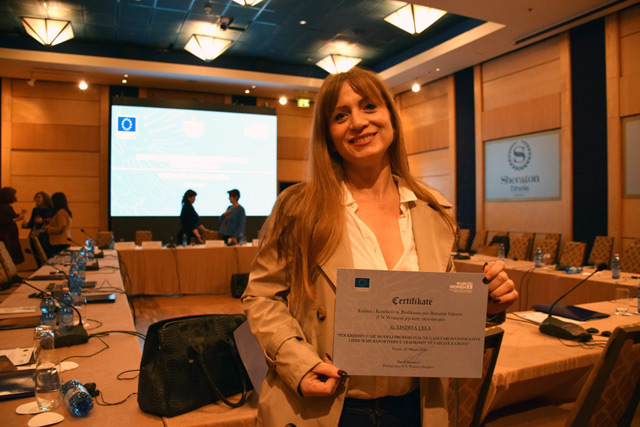
Lindita Cela wins prestigious prize for ‘hard-hitting investigations’ into organised crime and corruption in Albania.

The Central European Initiative and the South East Europe Media Organisation, in special partnership with the Media Program South East Europe of the Konrad Adenauer Stiftung, on Wednesday announced that BIRN Albania journalist Lindita Cela is the winner of the CEI SEEMO Award for Outstanding Merits in Investigative Journalism 2016 in the category of “Professional Journalists”.

For over more than 15 years as a reporter she has been covering complex stories with a major impact in Albanian society, showing impressive courage and determination. 

“Cela was awarded for her overall professional achievements and hard-hitting investigations exposing corruption scandals in the highest levels of power as well as revelations on Albania’s organised crime networks, stretching from the Accursed Mountains to the streets of Brussels,” the Central European Initiative said.

This year’s CEI-SEEMO prize in the category of “Young Professional Journalists” went to Artsiom Harbatsevich, from Minsk, Belarus. He has worked at Intex-press and Nasha Niva and was awarded for his investigative reporting that had significant impact on and repercussions for his country.

A Special Mention was assigned to Iurie Sănduță, director of RISE Moldova and member of the Organized Crime and Corruption Reporting Project, OCCRP.

Çela and Harbatsevich will receive the awards offered by the CEI  -4,000 and 1,000 euros respectively at the South East Europe Media Forum in Belgrade, Serbia, on 21-22 November 2016.

Young Danish Journalists Visit BIRN BiH

Journalists and students who work with Danish daily newspaper Politiken visited BIRN BiH in Sarajevo. 

BIRN BiH editor Denis Dzidic met 18 students and journalists from Denmark on November 12 and gave them a two-hour presentation on the organisation and the everyday work of its journalists.

Dzidic spoke about the experience and knowledge that BIRN BiH has gained so far, its transitional justice archive, and the challenges facing investigative reporting in general. 

The journalists expressed particular interest in finding out about criminal cases in the fields of corruption, terrorism and organized crime, as well as the challenges associated with this type of investigative journalism in Bosnian society.  

Dzidic also told the young journalists how local and regional media republish with BIRN BiH’s articles on a daily basis, pointing out that independent, professional and unbiased journalism is the only way to get such a good response and to gain the trust of counterparts at other publications.

BIRN BiH will continue to organize international training sessions for young journalists.

On November 17, it will present its work to participants in a study tour organized by the European Commission. 

Al Jazeera Interviews BIRN on ‘Censorship in Serbia’

BIRN was featured in Al Jazeera English’s weekly ‘Listening Post’ media programme as part of a report on alleged censorship in Serbia.

BIRN Serbia’s award-winning journalist Aleksandar Djordjevic was one of the interviewees in Al Jazeera English’s weekly ‘Listening Post’ media programme on November 6.

The report deal with alleged media censorship and government control of the press in Serbia, as well as the financial and professional challenges that newsrooms and journalists in the country face.

Djordjevic spoke about an exhibition that the ruling Progressive Party organised last summer to promote its case that there is no censorship in Serbia because critical media a free to ‘lie’.

“The problem with the current ruling party and its allies is that they do not understand a basic premise – not all negative reports or criticism about those in power should be considered a lie,” Djordevic told Al Jazeera.

“The name of the exhibition, ‘Uncensored Lies’, shows how those in power do not understand the clear difference between lies and criticism,” he added.

Among the news reports on display at the ‘Uncensored Lies’ exhibition was an investigative story written by Djordjevic.

“The story revealed irregularities in the awarding of a state tender which possibly cost taxpayers 120 million euros. The EU deemed the story to be award-winning investigative journalism. Serbia’s Interior Minister put it another way: He said that he could not believe that the EU would fund news outlet that lies,” Al Jazeera reported.

However, EU foreign affairs spokeswoman Maja Kocijancic told the programme that the Brussels has no political agenda when awarding grants to media.

“The rules under which we support the independent media are extremely clear – we do not intervene into editorial policy in any way which in turn means that the views presented by those that win the grants are theirs only,” Kocijancic said.

Read more about the campaign against BIRN led by the Serbian government and pro-government media on our page BIRN under Fire.

Thirrje për artikuj investigativë në fushën e Drejtësisë

Thirrja organizohet nga Rrjeti Ballkanik për Gazetarinë Investigative në Shqipëri (BIRN Albania).

Nëpërmjet këtij konkursi tre (3) gazetarë investigativë do të përzgjidhen për të prodhuar artikuj investigativë në fushën e sistemit të drejtësisë. Fituesit do të përzgjidhen nga një juri e pavarur e përbërë nga gazetarë me eksperiencë dhe ekspertë në fushën e drejtësisë.

Aplikantët e përzgjedhur, të cilët do marrin një bursë prej 1,200 USD (minus taksën të ardhurave personale), do kenë në dispozicion një periudhë tre mujore për të përfunduar investigimin e tyre dhe përgatitjen e artikullit për publikim.

Kandidatët fitues pritet që të angazhohen dhe të përmbushin të gjitha detyrimet në lidhje me investigimin, siç janë: takimet e shpeshta me redaktorin, publikimin e tekstit në faqen e BIRN Albania www.Reporter.al dhe gjithashtu në www.BalkanInsight.com, si dhe respektimin e standardeve të gazetarisë investigative dhe etikës profesionale.

Kandidatët duhet të formulojnë një propozim të detajuar për konkursin. Propozimet duhet të kenë për qëllim ekspozimin e rasteve konkrete të pandëshkueshmërisë dhe korrupsionit në sistemin e drejtësisë.

Prioritet në përzgjedhje do i kushtohet propozimeve të cilat përfshijnë një nga temat e mëposhtme, të sygjeruara si prioritare:
– Raste të pasurimit të pajustifikuar ose fshehje të pasurisë nga ana e gjyqtarëve ose prokurorëve;
– Raste korrupsioni dhe konflikti të interesit në organet hetimore ose gjyqësor;
– Rastet e mosfillimit, apo të pushimit të procedimit penal nga prokurorët, në rastet kur kallëzimi është bërë nga institucionet publike (ILDKPKI, KLD, KLSH);
– Risitë e hetimit pasuror të gjyqtarëve dhe prokurorëve sipas legjislacionit të ri të reformës në drejtësi dhe sfidat e procesit të vetingut;
– Rastet e vonesës se paarsyeshme të shqyrtimit te çështjeve te rëndësishme nga gjykatat;
– Promovimi i gjyqtarëve ose rastet e karrierës se anëtareve te KLD-se, gjatë kohës që ata janë në këtë detyrë;
– Shkaqet e ndryshimit të rezultateve të ndryshme nga inspektimet e njëkohshme të Inspektoratit te KLD-se dhe Inspektoratet e Ministrisë së Drejtësisë, dhe problemet e shkaktuara nga këto mospërputhje të inspektimeve të dyfishta;
– Si përfshihen në garë kandidatët për Gjykatën e Larte, apo Gjykatën Kushtetuese, etj.
– Arsyet e mosfllimit të procedimeve të pushuara për shkak të imunitetit parlamentar, tashmë që ky imunitet është shfuqizuar me ndryshimet kushtetuese të vitit 2012.

Aplikantët mund të dërgojnë më shumë se një aplikim, por vetëm një propozim për kandidat do të përzgjidhet.
Të drejtën për të aplikuar e kanë të gjithë gazetarët në Shqipëri, të punësuar pranë mediave të tjera apo në profesion të lirë.

Kandidatëve u kërkohet të dërgojnë propozimet e tyre në formularin e aplikimeve (Kliko këtu për formularin), një CV dhe tre shembuj të punës së tyre me email në: [email protected].

Afati i Aplikimit: 25 Nëntor, 2016
Kandidatët e përzgjedhur do të njoftohen deri më datë: 5 Dhjetor, 2016


BIRN Albania Launches Call for Investigative Reports on Justice System

The Balkan Investigative Reporting Network in Albania launched a call for investigative stories on justice system on November 3.

The call is part of the project ‘Exposing the integrity gap in the justice system through investigative journalism’.

Three journalists will be awarded grants to cover their expenses while doing their investigations and writing their stories on justice system.

The journalists will have three months to dig deeper and research their ideas, and will also have the opportunity to work with experienced editors as their mentors to guide them through the process of writing to BIRN standards.

The call only applies to journalists from Albania. It closes on November 25.

Click for more information about the application procedure, with details in Albanian.

BIRN Albania Holds Multimedia Training for Journalists

The Balkan Investigative Reporting Network in Albania held a workshop on multimedia techniques for 20 local journalists in the city of Durres.

The workshop in Durres from November 4-6 focused on multimedia techniques which can be used by journalists in telling stories about people making change in their communities as well as the transparency of local governance.

The training was part of BIRN Albania’s project, Strengthening the Local Partnership between Media and Civil Society.

The project, funded by Leviz Albania and the Rockefeller Brothers Fund, aims to strengthen the mechanisms available to the public to influence local government institutions and increase transparency by increasing cooperation between journalists, civil society groups and grassroots organisations.

During the first day of the workshop, BIRN Albania editor Besar Likmeta presented the key findings of the report Local Government Under the Lens of Freedom of Information, in which the journalists present at the workshop had participated as monitors.

New opportunities to contribute video-based stories to BIRN Albania’s publication Reporter.al were also discussed with local reporters.

On the second day of the workshop, documentary film-maker Elton Baxhaku held three training sessions on video reportage, the techniques of shooting and editing a mini video documentary.

On the third day of the workshop, well-known Albanian photojournalist Armando Babani held a workshop on the importance of photography to illustrate feature stories.    

The goal of the three-day workshop was to raise BIRN contributors’ capacities to produce multimedia-rich stories which increase their audience reach.

Serbia Tabloid Targets BIRN, Other Media, as ‘Mercenaries’

The Serbian pro-government Informer newspaper on Monday accused several investigative media outlets, including BIRN, of working as foreign mercenaries for the CIA and others.

Serbia’s notorious pro-government tabloid, Informer, on Monday – under the front-page headline reading, “America and the EU paying liars and racketeers” – accused the investigative media organizations KRIK, CINS and BIRN, as well as the daily Kurir, of being financed by Western countries to destabilise the country.

It quoted an analyst called Dragomir Andjelkovic as saying that Serbia should follow Russia’s example and adopt a special law curbing NGOs in Serbia.

Russian law allows prosecutors to declare foreign and international organizations undesirable and shut them down.

Slobodan Georgijev, an editor with BIRN whose photograph was published on Informer’s front page, said the article marked “another step towards the criminalization of journalists.

“We’re talking about criminalization by the people who are in power. They are creating an atmosphere to label us as foreign mercenaries in order to force us to make excuses for doing our job,” he said.

Branko Cecen, head of CINS, said labelling journalists as spies was becoming a common way to frustrate their work in Serbia, but added CINS was going to continue with its work, despite the growing pressure.

“Russian law on NGOs has practically stopped the NGO sector in that country, so what Andjelkovic says might be a verbalization of the wishes of some in the Serbian executive,” Cecen told BIRN.

Since President Vladimir Putin took power in Moscow, 120 journalists have been killed in Russia, he noted.

Stevan Dojcinovic, head of KRIK, called the latest Informer article just “an update” on its prevous efforts in this field.

“We have two new donors this year, the Rockefeller Brothers Fund and Civil Rights Defenders, and it’s all public, we’re not hiding this. It just happens that they [Informer] call us once a month without reason,” Dojcinovic said.

“This has been going on for so long that you simply need to get used to it, although I am far from underestimating it,” he added, referring to the tabloid.

On November 4, Informer wrote that the Serbian Security Service, BIA, had received information from Russian colleagues that the Americans intended to push Serbia into crisis.

Informer claimed the CIA was either planning to assassinate Prime Minister Aleksandar Vucic and present this as a mafia war, or to kill the loudest critics of the government and blame the murders on the government.

The article caused fury on social media, with some voicing the fears that Informer might be preparing the ground for attacks on government critics and on the independent media.

Tamara Skrozza, a member of the Appeal Commission of Serbia’s Press Council and a journalist for the weekly magazine Vreme, said the latest Informer report added to the feeling of insecurity among many journalists.

“I’m worried about the possible results of this campaign. In my opinion, the security of the mentioned journalists is under serious threat, so if the Prime Minister supports the rule of law, he should be the one to react to this,” Skrozza told BIRN.

She said that tensions in Serbia had risen to unprecedented proportions, creating an even more dangerous environment for critical thinkers.

On October 25, Montenegrin Prime Minister Milo Djukanovic said the authorities in Podgorica would investigate the extent of Russian and Serbian involvement in a alleged coup attempt there.

Twenty people, including the former commander of the Serbian Gendarmerie Bratislav Dikic, were arrested in Montenegro on October 16 on suspicion of planning to overthrow Djukanovic.

On October 24, Prime Minister Vucic said the Serbian authorities had arrested several people who were allegedly following Djukanovic and planning illegal acts in Montenegro. However, he also insisted they had no connection to the Serbian state, but had connections to a unnamed third country.

The Serbian Prime Minister also claimed the number of members of “powerful foreign intelligence agencies”, from both East and West, was increasing in Serbia. He added that a senior police officer had also been arrested for “disclosing confidential information” to a foreign intelligence service.

Amid the turmoil cased by the Montenegrin claims, stashes of arms were found near Vucic’s home in Jajince.

Concerns were raised that the weapons were intended for use against Vucic or his brother, especially after Interior Minster Nebojsa Stefanovic on Tuesday said the Prime Minister had expressed fears for his brother’s safety.

Informer has a history of accusing independent journalistic organisations of working against Serbia – as do some politicans.

Last week, BIRN’s Georgijev was labelled a state enemy who “wanted to see something happened to the Prime Minister in terms of an assassination” by the Minister of Social Affairs Aleksandar Vulin during a debate on state television, RTS.

BIRN Romania Launches Black Sea Area Journalism Training

BIRN Romania is calling on journalists from three countries in the Black Sea region – Bulgaria, Moldova and Romania – to apply to attend a training seminar from December 12-14 in Bucharest.

Up to eight journalists will be selected to take part.

The seminar, entitled “Reporting Security in the Black Sea Area”, aims to raise awareness of regional security issues, by promoting best practices in terms of reporting on issues such as energy, military, migration, reconciliation.

The journalists will be trained with the aim of creating an informal, professional network of journalists interested in covering security issues. Following the training, the participants will be expected to produce in-depth news analysis pieces related to regional security issues. A special media package containing all the analyses will be published by BIRN (www.balkaninsight.com).

The project is being funded by the Black Sea Trust for Regional Cooperation. Meetings and lectures will be held in English.
The organisers will cover travel and accommodation costs.

For more information, please write to Marian Chiriac (BIRN Romania) at [email protected]

BIRN Albania Presents Judges’ Asset Declaration Database

The Balkan Investigative Reporting Network in Albania held a workshop on November 2 in Tirana, where its database with the asset declarations of appeals court judges was presented to journalists.

The database contains the data from the asset declaration disclosures of 81 appeals court judges made from 2004 until 2014, and was introduced as a resource for journalists looking into stories on the hidden assets of justice officials.

About 20 mid-career journalists from local and national media participated in the workshop, which provided a guide to the data collected in the database, as well as the methods and techniques of investigative journalism used by BIRN Albania to investigate the hidden assets of Albania’s justice officials.

During the workshop BIRN Albania also presented a report entitled The Integrity of Career Judges in the Republic of Albania, which analyzes the data of the asset declaration of appeals judges, highlighting suspicious transactions based on internationally-recognized red flags.

The workshop was aimed at strengthening the skills of journalists to look closely at systemic issues of illicit wealth, with a special focus on the red flags raised by the analysis of asset disclosures by appeals court judges conducted by BIRN Albania.   

The training is part of a project called ‘Exposing Illicit Wealth in the Albanian Justice System’, supported by the Democracy Commission Small Grants Programme of the US Embassy in Albania.

The workshop will be followed by an open call for three investigative grants for stories on the illicit wealth of judges and prosecutors.