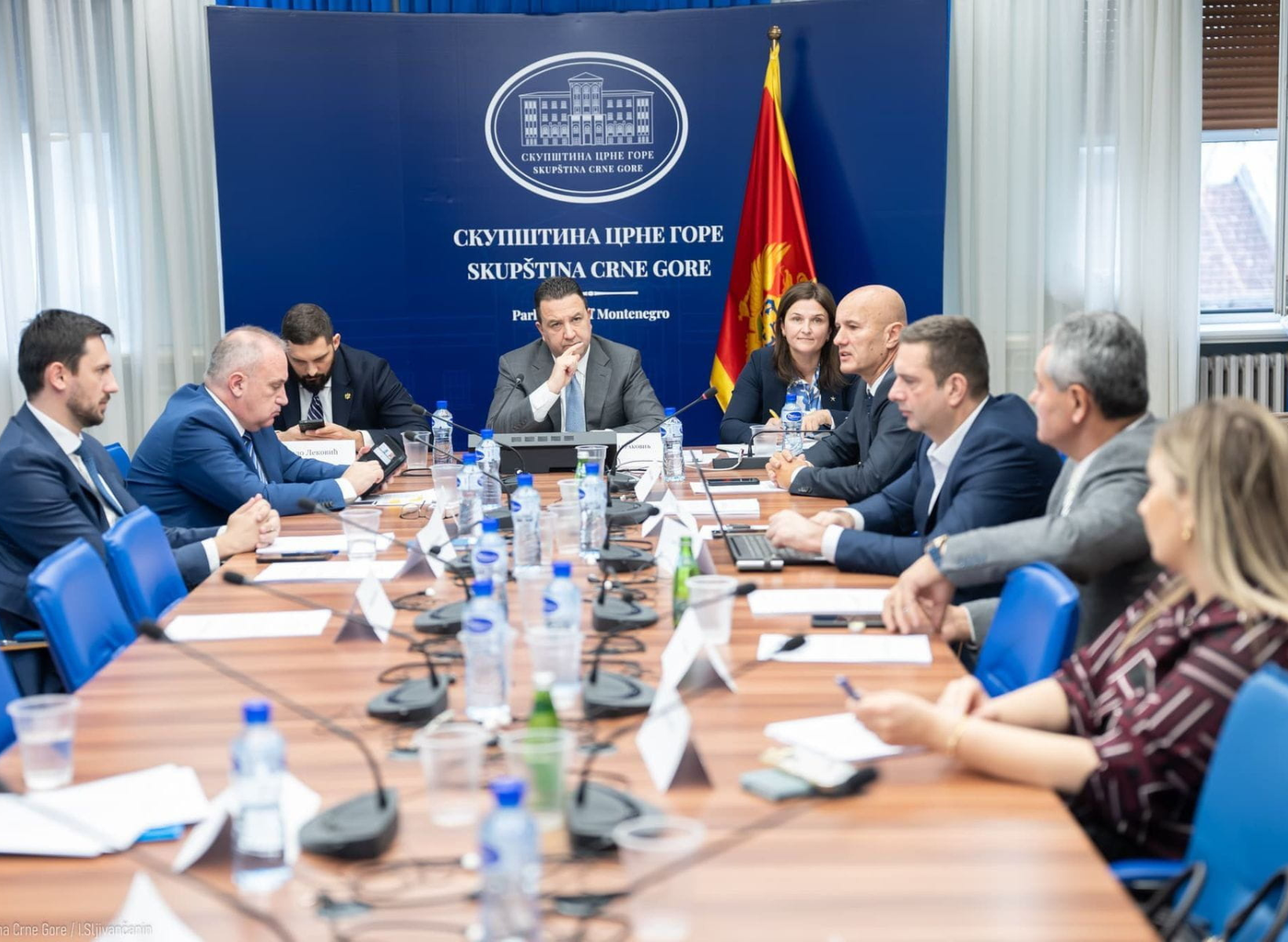
The Committee called for greater transparency in the operations of state-owned transport companies and regulatory agencies to reduce corruption risks.
BIRN Montenegro programme manager Jelena Mitrovic said the reports showed that most state-owned companies and agencies lack transparency when it comes to the use of public funds.
“Some institutions found it more convenient not to reply to our FOI requests than to provide documentation about their operations. Some formally accepted our requests but never delivered the information, instead referring us to public registries,” Mitrovic said.
Mitrovic noted that the reports revealed abuses in the payment of severance packages and housing loans to managements, adding that such practices should be regulated through amendments to the law. She called for clear rules on the amounts state-owned companies and agencies may allocate for sponsorships and donations.
Minister of Transport Maja Vukicevic said state-owned transport companies are changing their approach to donations.
“Leaders of state-owned companies must act responsibly, and it is not logical for companies operating in the red to distribute donations. Yet we have seen such practices in the past,” Vukicevic said.
During a four-month monitoring period, BIRN Montenegro tracked the spending of seven regulatory agencies: the Agency for Electronic Communications and Postal Services (EKIP), the Energy and Regulated Utilities Agency (REGAGEN), the Insurance Supervision Agency, the Civil Aviation Agency, the Capital Market Commission, the Institute for Medicines and Medical Devices (CINMED), and the Development Bank of Montenegro.
Over eight months, BIRN Montenegro reviewed the spending practices of eight state-owned transport companies: Airports of Montenegro, national airline ToMontenegro, Monteput, Montecargo, the Port of Bar, the Port of Kotor, Crnogorska Plovidba, and Barska Plovidba.