Srebrenica Anniversary Exhibitions Return to New York

Two exhibitions on the 1995 genocide first presented in 2025 will reopen together this July at UN headquarters.

The exhibitions of the Srebrenica Memorial Center and the Balkan Investigative Reporting Network of Bosnia and Herzegovina (BIRN BiH) – “From Words to Violence: Lives Behind the Fields of Death” and “Legacy of Hope After the Srebrenica Genocide 1995: The Journey of a New Generation,” originally presented in 2025 to mark the 30th anniversary of the genocide, will reopen at the United Nations’ headquarters in New York.

Prepared last year for the 30th anniversary commemorations, these exhibitions will for the first time be presented together this July in the exhibition space at UN headquarters.

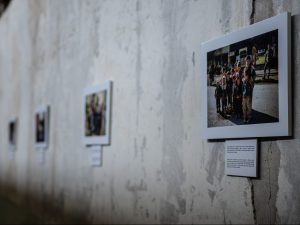
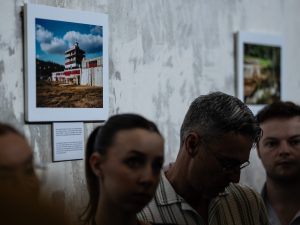
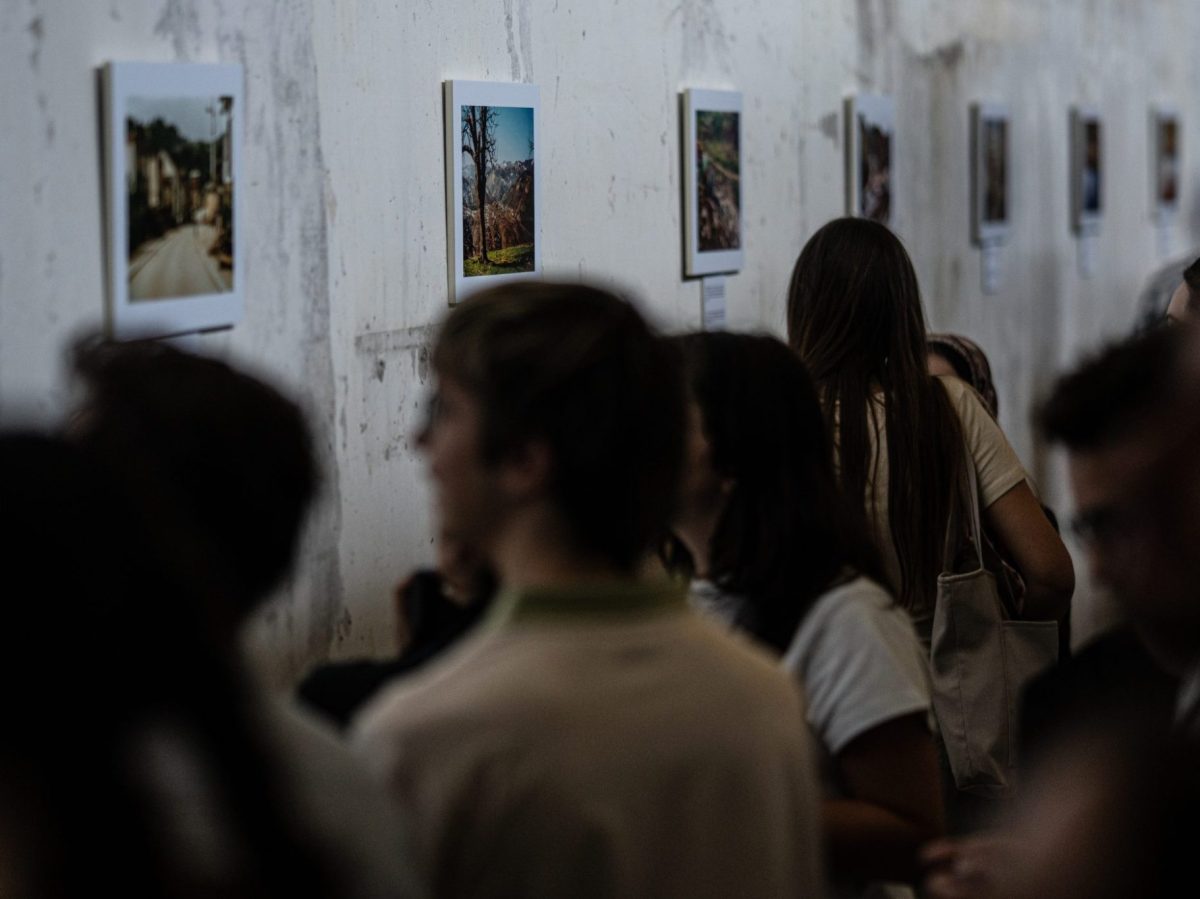
The first part of the exhibition offers insight into the genocide against Bosniaks committed in Srebrenica in July 1995 through photographs of everyday objects that testify to lives violently interrupted, families permanently separated, and the consequences of hate speech and indifference in the face of hatred.

The second part presents the stories of eight young people who were children in 1995 or who were born after the genocide. Their stories and photographs bear witness to human resilience and the transformative power of love despite unimaginable loss. They highlight a new generation that preserves memory and fosters a culture of empathy and peace.

Chaloka Beyani, UN Assistant Secretary-General and Special Adviser on the Prevention of Genocide, told Detektor that it is crucial to continue telling the story of Srebrenica to preserve the memory of the victims, support survivors’ testimonies, and contribute through storytelling to the prevention of future crimes.

“That is precisely why it is important for these two deeply moving and personal exhibitions to be presented again, this time together, at the United Nations’ headquarters, offering visitors and delegations a comprehensive account of the 1995 Srebrenica genocide – so that they may know, learn, and remember,” he said.

In his view, artistic reflection “provides us with space to confront painful memories, transform them into something that connects us as human beings, and use them for education and prevention.

“I am aware that these exhibitions touch on painful and traumatic experiences. However, they serve a higher purpose – to spare future generations from the same pain and trauma. We are united in achieving that goal,” Beyani added.

Hasan Hasanovic, head of the Oral History team at the Srebrenica Memorial Center, said it is extremely important that these exhibitions are presented again this year for the education of visitors interested in the Srebrenica genocide.

“The Memorial Center and its partners, including BIRN, demonstrate the capacity to produce such important content at a high level on the most significant platform in the world,” he said.

Denis Dzidic, Executive Director of BIRN BiH, noted that the fact these two exhibitions are being presented again at UN headquarters, this time as a unified whole, shows how important it is to continue conveying the story of Srebrenica through human experiences and testimonies.

“We owe the greatest gratitude to the survivors and the families of victims who entrusted us with their stories, personal belongings, and memories. Their willingness to speak has ensured that the lives of their loved ones are not reduced to mere numbers and statistics, but are remembered as the stories of real people—their families, dreams, and everyday lives,” Dzidic said.

The exhibitions, he added, remind us that prevention begins with understanding, listening and a willingness to confront the consequences of hatred and dehumanization.

“Our task is not only to preserve the memory of the past but to ensure that survivors’ experiences become part of the education of future generations. Only in this way can the testimonies we have collected continue to serve as both a warning and a call to responsibility,” he said.

Last year, the exhibitions were opened at UN headquarters, as previously reported by Detektor.

The project “Lives Behind the Fields of Death” began in October 2020, when 100 testimonies of genocide survivors were recorded. These are now part of the permanent exhibition, along with objects donated by survivors for permanent preservation in a memorial room opened at the Memorial Center in February 2022. Following positive reactions, the project continued with the recording of another 100 oral histories.

The combined exhibition will be open from July 17 to August 28 in the exhibition space at UN headquarters, which is free and open to the public.
Serbia Urged to End Entry Bars on Montenegrin Journalists

Media organisations urged the Serbian authorities to lift the entry restrictions imposed on BIRN Montenegro’s Vuk Maras and TV journalist Petar Komnenic in retaliation for Montenegro barring a Serbian pro-government editor from entering the country.

by Samir Kajosevic

The Association of Independent Electronic Media (ANEM), the SafeJournalists Network and the International Press Institute (IPI) have called on the authorities in Belgrade to revoke the decisions barring BIRN Montenegro’s executive director Vuk Maras and TV Vijesti programme host Petar Komnenic from entering Serbia.

The media organisations described the entry bars on professional journalists as unacceptable and contrary to principles of media freedom.

“The Association of Independent Electronic Media (ANEM) condemns any restrictions on the freedom of movement of journalists and citizens in any country, unless based on a final court decision made in accordance with the law and international human rights standards,” ANEM said in a statement [when].

“We call on the European Commission to protect journalists whose freedom of movement is unjustly restricted, preventing them from performing their professional journalistic work, as well as to mediate in establishing conditions that will allow for the unhindered and professional work of journalists in the region,” it added.

The SafeJournalists Network called on the Serbian authorities to “clarify whether similar measures have been imposed on any other journalists or media workers from Montenegro”.

BIRN said that the Serbian authorities’ decision was unacceptable and “represents a blow to media freedom”.

The president of the Media Union of Montenegro, Radomir Krackovic, said that media workers must not be used as “bargaining chips in relations between two states”.

“If the authorities of one country believe that another state has acted improperly towards one of its citizens, the response cannot be to identify a journalist or media worker against whom retaliatory measures will be applied,” Krackovic said.

Maras and Komnenic were barred from entering Serbia as part of Belgrade’s response to the decision of the Montenegrin authorities to bar the owner and editor-in-chief of Serbia’s pro-government Informer TV, Dragan J. Vucicevic, from entering Montenegro.

Vucicevic was barred from entering Montenegro on June 26 after referring to Montenegrin institutions as “anti-Serb” and “Ustasha” (Croatian World War II-era fascists) on Informer TV, accusing them of directly endangering the life of Serbian President Aleksandar Vucic.

Vucic said on July 4 that the Serbian authorities would respond “reciprocally” to the bar on Vucicevic “in accordance with the fact that the state has to react to hostile acts towards its citizens”.

After Komnenic was banned from entering Serbia, Montenegrin Prime Minister Milojko Spajic argued that the measure was not reciprocal because Vucicevic “continually insults Montenegro, its citizens and state officials in his public appearances and with the content he publishes”.

Maras, who was barred from entering Serbia and then deported on Monday, has announced that he will launch a legal challenge.

Exhibition Offers Insight into Everyday Life Inside Besieged Srebrenica

Marking the annual genocide commemoration, the Srebrenica Memorial Centre opened an exhibition entitled ‘Facing Srebrenica: Views from the Besieged City’, featuring photographs that show how people lived inside the besieged enclave during wartime.

by Dzana Brkanic

‘Facing Srebrenica: Views from the Besieged City’ opened at the Srebrenica Memorial Centre on Tuesday, presenting photographs from Dutch UN peacekeeping troops that depict everyday life in the wartime enclave – as well as numerous people whose lives violently ended during the July 1995 genocide of Bosniaks by Bosnian Serb forces.

The exhibition, which opened ahead of the annual genocide commemoration on July 11, is the first outcome of a joint project between the University of Amsterdam, the Netherlands Institute for Military History, BIRN Bosnia and Herzegovina and the Srebrenica Memorial Centre.

The project has so far collected 12,000 private photographs taken by members of the UN Dutch Battalion who were stationed in Srebrenica between February 1994 and July 1995, offering a rare visual insight into everyday life in the besieged town.

The photographs show a place where movement was restricted and everyday supplies scarce, but also where life didn’t just stop.

“They depict Srebrenica’s life and culture in the toughest days – sport, art, resistance, but unfortunately also hunger,” BIRN Bosnia and Herzegovina’s director Denis Dzidic said at the opening of the exhibition.

The director of the Srebrenica Memorial Centre, Emir Suljagic, said that the photographs complement the permanent collection at the centre, which aims to inform and educate the public about the genocide in which more than 7,000 men and boys were killed.

“We only have photographs of about half of the victims of the genocide, and it is our great hope that this way, through these photographs, we will find a greater number of others,” Suljagic said.

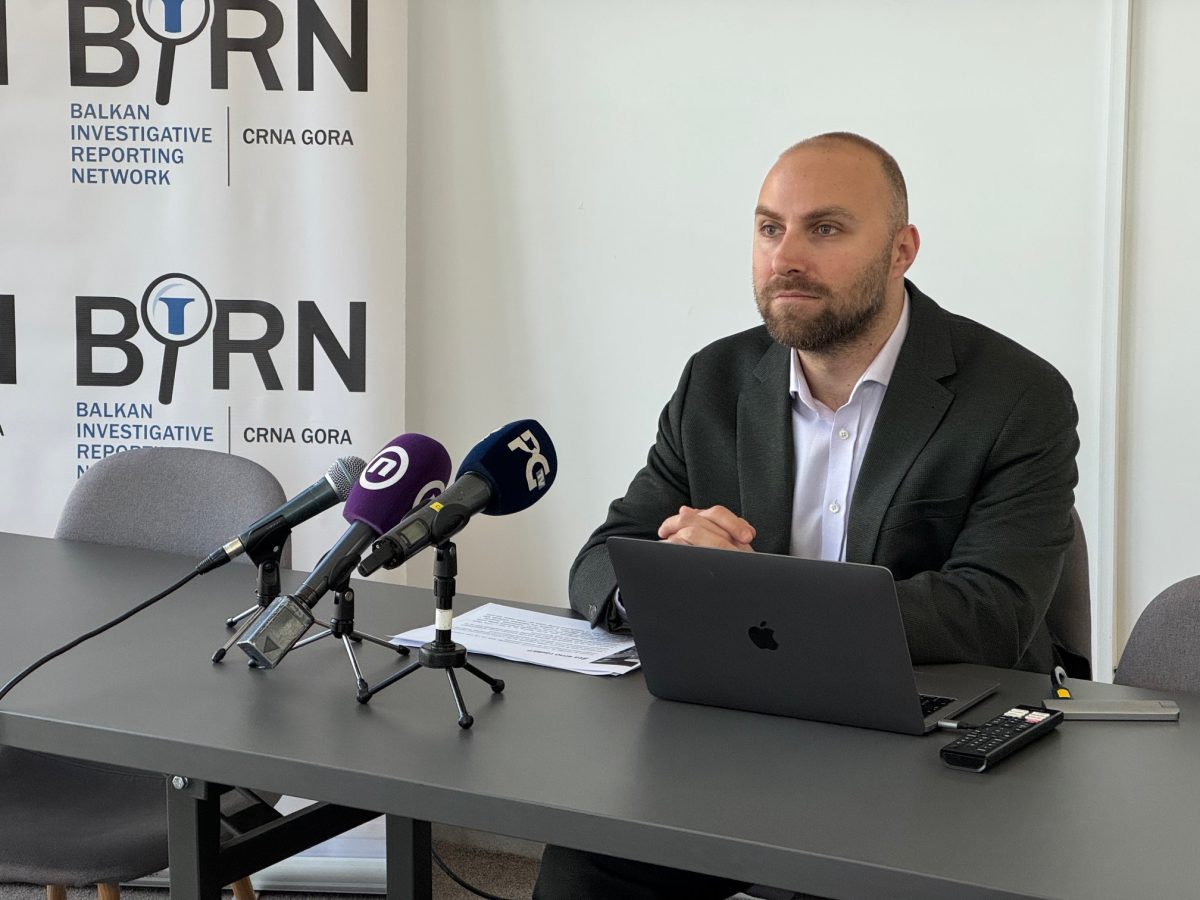
BIRN Montenegro Executive Director Barred from Entering Serbia

BIRN Montenegro’s executive director Vuk Maras said he was denied entry to Serbia as a reciprocal measure after Montenegro barred the owner of a Serbian pro-government media outlet.

by Samir Kajosevic

Vuk Maras, executive director of BIRN’s Montenegro country organisation, was barred from entering Serbia at Belgrade’s Nikola Tesla Airport on Monday.

Maras said that the written decision explained that he was being refused entry in a “protective removal measure, a security measure for expelling a foreigner”.

He said the decision is probably a counter-measure after the Montenegrin authorities’ barred the owner and editor-in-chief of Serbian pro-government Informer television, Dragan J. Vucicevic, from entering Montenegro.

“I believe that this is a continuation of Belgrade’s ‘reciprocal measures’ towards people from the media community in Montenegro, and that I ‘earned’ this ban because of the criticisms about media freedom in Serbia that I made publicly in the media in Montenegro. Of course, I stand behind them 100 per cent,” Maras said.

“The decision of the regime in Serbia to retaliate against those who objectively, professionally and impartially do their job causes even more damage, because it is evident that there is great panic when it comes to anyone who thinks freely,” he added.

BIRN strongly criticised the refusal to grant Maras entry.

“This decision by the Serbian authorities to prevent Vuk Maras from entering the country is unacceptable and represents a blow to media freedom,” BIRN said in a statement.

Maras said was travelling to Rome but decided to enter Serbia in order to visit central Belgrade as he had a long gap between flights. He described his treatment by border police at the airport as “kind and professional”.

He was due to be deported to Montenegro later on Monday. He has announced that he will appeal against the decision in court.

Montenegrin journalist Petar Komnenic, creator of the show ‘Nacisto’ on TV Vijesti, was also barred from entering Serbia last week.

Informer’s editor Dragan J. Vucicevic was barred from entering Montenegro on June 26 after he called Montenegrin state institutions “anti-Serb” and likened them to Croatian World War II-era fascists on Informer TV, accusing them of directly endangering the life of Serbia’s President Aleksandar Vucic.

On June 26, Vucic announced what he described as reciprocal measures against people “who engaged in hybrid warfare against Serbia”.

After Komnenic was banned from entering Serbia, Montenegrin Prime Minister Milojko Spajic said that the journalistic approaches of Komnenic and Vucicevic cannot be compared to each other.

Spajic argued that Vucicevic “continually insults Montenegro, its citizens and state officials in his public appearances and with the content he publishes”.

BIRN Albania Publishes Report on Media Coverage of Municipal Councils

BIRN Albania has published a new report, ‘Municipal Councils in Silence: Media Coverage and the Engagement of Municipal Councils in Albania’, which examines how Albanian media cover municipal councils and how council members themselves engage with the media.

Covering the full calendar year 2025, the study draws on three complementary methods: media monitoring of more than 1,600 coded articles across 41 outlets, including online media, print newspapers, and the web editions of television stations; requests for information sent to all 61 municipal councils on the internal rules they have adopted for communicating with the public and the media; and semi-structured interviews with council members from municipalities of different sizes, political affiliations, and regions. Together, these methods make it possible to examine not only how much coverage councils receive, but also which councils and topics become visible, whose voices define that coverage, and how council members experience their own relationship with the media.

The findings show that media coverage of municipal councils is limited, episodic, and concentrated in a handful of councils and a narrow set of topics, with attention driven almost entirely by national political drama, judicial proceedings, and electoral processes. The substantive work of local governance — budgets, public consultations, and service delivery — receives very little attention, while mayors dominate as the primary voice and council members, residents, and civil society appear far less often. Women councillors, in particular, are markedly underrepresented, despite holding a significant share of council seats.

The interviews reinforce this picture, with council members describing the media as largely indifferent to their work and pointing to political and economic pressures, a lack of incentives to speak out, and the absence of training and support as barriers to engagement. At the institutional level, the formal rules meant to govern councils’ communication with the public often exist largely on paper, and the supporting documentation is frequently incomplete or impossible to verify.

Beyond mapping these patterns, the report offers evidence-based insights for journalists, civil society organisations, local officials, and researchers, providing concrete data on how local governance is represented — and overlooked — in Albanian media, as well as on the structural factors that keep municipal councils at the margins of public debate. These findings can inform local reporting, media monitoring, and advocacy on transparency, citizen participation, and gender equality.

This report was published as part of the project “Evidence-Based Monitoring of Local Public Spending during Electoral Processes”, funded by the European Union and implemented by Qëndresa Qytetare in partnership with BIRN Albania.

For an English copy of the report click here.

For an Albanian copy of the report click here.

BIRN Kosovo Publishes Fourth Report on Workers’ Rights

Study focuses on gaps and omissions that too often leave occupational safety concerns in Kosovo unaddressed.

On July 3, BIRN Kosovo published its fourth study on workers’ rights, titled “Systematic challenges of addressing occupational safety and health crimes”,  aimed at identifying the key challenges related to the accountability of businesses and individuals who violate occupational safety and health regulations.

Through various research methods and stakeholder involvement, such as data analysis, case study examinations and interviews, the report highlights the lack of institutional coordination, weakness in the legal framework and other challenges within the justice system that have created an environment in which violations of occupational safety and health regulations too often are inadequately addressed and are not subject to effective accountability.

The findings call for more comprehensive institutional, legal and procedural reforms to ensure stronger protection for workers and more effective enforcement of the law.

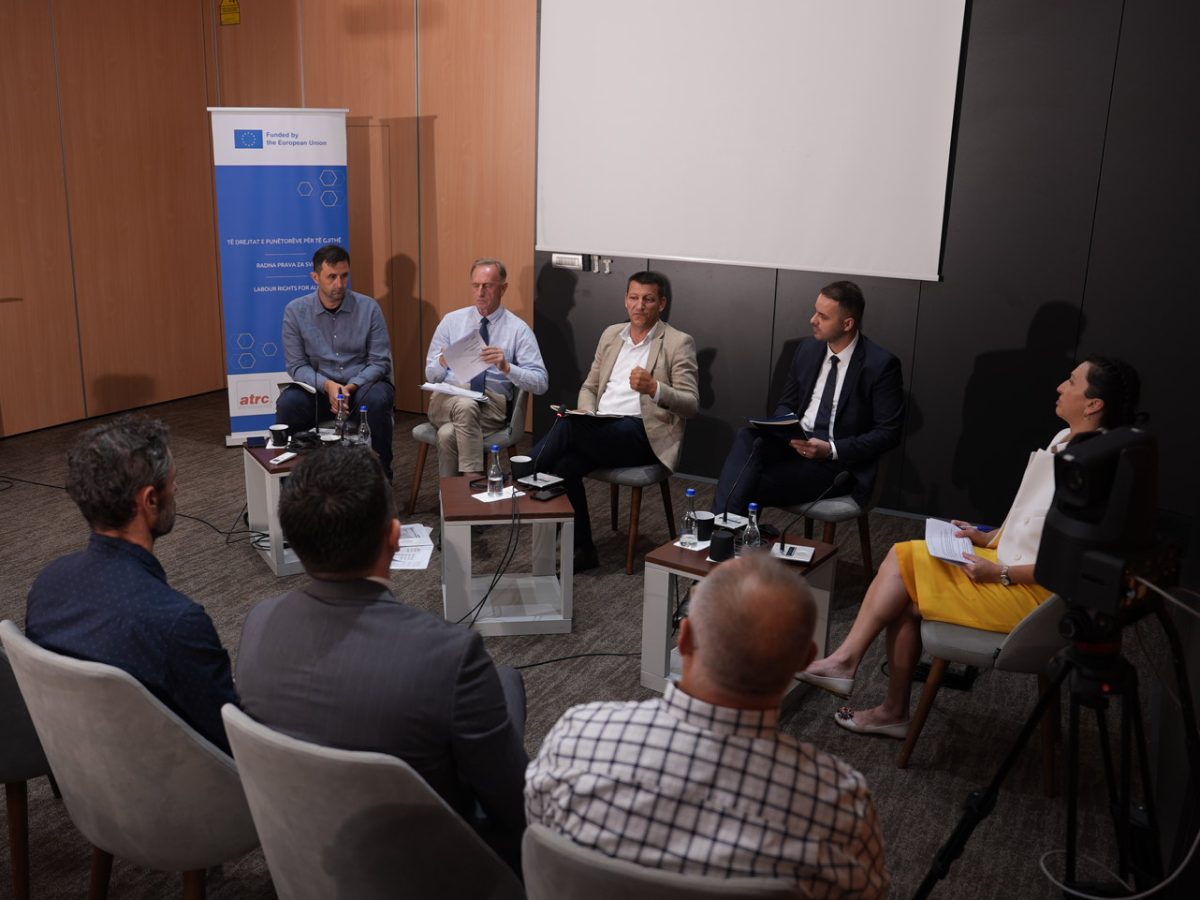
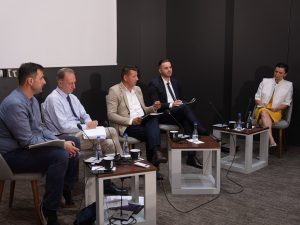
At the conference to mark the report launch, BIRN Kosovo brought together consortium partners, representatives of the relevant ministry, the legal system, civil society and activists.

During the conference, Jeta Xharra, Executive Director of BIRN Kosovo, Agon Dobruna, Deputy Minister of Labour, Family and War Values, and authors Kreshnik Gashi, editor-in-chief of KALLXO.com, and Laurant Berisha, BIRN legal team, emphasized the need for institutional steps to improve the overall situation on occupational safety and health regulations.

Xharra stated that the three organisations’ initiative (BIRN Kosovo, ATRC, Jahjaga Foundation) focuses on workers’ rights in Kosovo, where implementation of both the Labour Law and the Law on Safety and Health at Work remains a major challenge, also highlighting the severity of this issue: about 40 workplace fatalities were recorded over the three years of the project’s monitoring.

Agon Dobruna said the launch of this report was a key opportunity to strengthen a joint commitment toward creating safe and dignified workplaces.

The ministry is dedicated to protecting and advancing workers’ rights, firmly believing that a functional labour market is measured not just by the number of jobs but by the quality of jobs, health, and safety standards, Dobruna said.

To build a more efficient system aligned with European standards and real market needs, the ministry is drafting amendments to legislation on workplace safety and health, modernizing the draft Labour Law and advancing a new law for the Central Labour Inspectorate.

The authors of the report, Gashi and Berisha, presented the findings of the research and investigative work, recalling that the project team analyzed 37 completed court cases, tracking and reviewing the entire process from the initial work done by the inspectorate, police and prosecution up to the final decisions issued by the Basic Court or Court of Appeals.

This process included a review of nine Court of Appeals decisions and 25 administrative files from the Labour Inspectorate.

Following this, the analyzed judgments concerning criminal offences under Article 358, which addresses the destruction, damage, or removal of protective equipment. While employers are legally obligated to implement all necessary safety measures before commencing work, they often fail to do so, endangering workers’ lives and, in certain cases, causing fatalities, lifelong severe physical injuries, or minor injuries.

The event was followed by a panel discussion, moderated by Xharra, which included a representative from the Supreme Court of Kosovo, Judge Burim Ademi, and from the State Prosecution, Prosecutor Egzon Jakupaj, Jusuf Azemi, from the Independent Union of Private Sector Workers and Kreshnik Gashi, managing editor at Kallxo.com.

They discussed the report’s findings and upcoming steps needed to be taken to ease the situation with frequent deaths of workers in the workplace, case handling, better communication and proper amendments to update laws on workers’ rights in Kosovo.

There were 29 participants at the conference of whom 13 were women.

The report will be available in three languages soon.

 This activity was part of the “Labour Rights for All” supported by the European Union and implemented by BIRN Kosovo.

‘Virtual Memories’: New Memorialization App Unveiled in Bosnia and Herzegovina

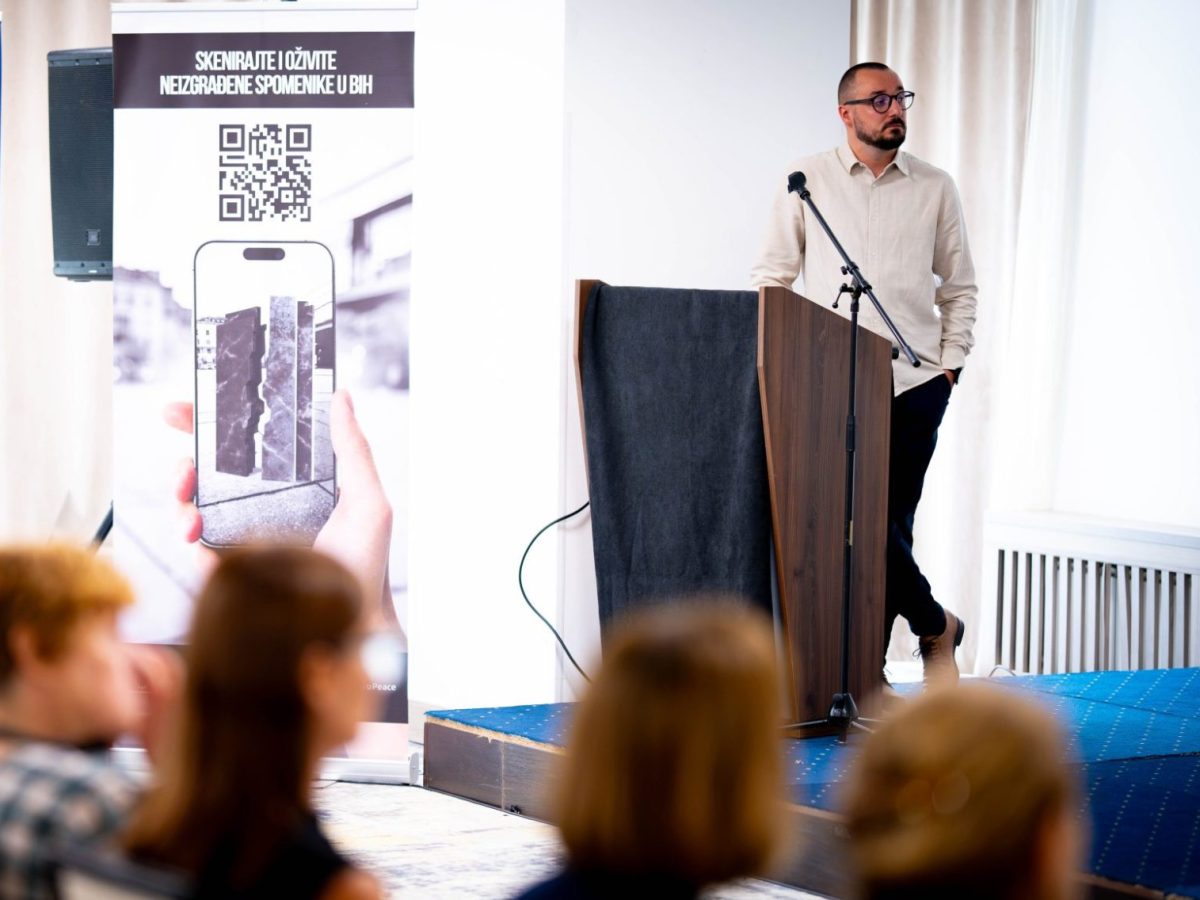
On July 1, Balkan Investigative Reporting Network of Bosnia and Herzegovina, in partnership with ProPeace Bosnia and Herzegovina, officially presented the “Virtual Memories” application in Sarajevo.

The design and development of this innovative digital tool, through the technology of augmented reality (AR), enables the marking and documentation of places of suffering in the war in Bosnia and Herzegovina. It was fully financed by the European Union with 290,000 KM.

At the launch, the director of BIRN Bosnia, Denis Džidić, emphasized the importance of using modern technologies in memorialization efforts, especially in order to make memorialization more approachable to younger generations.

“Through an innovative approach, we wanted to move the story forward, to younger generations, to show them how the memorials should look like in reality. In this app, the content is also composed of court-established facts and virtual elements, but also witness testimonies from all locations,” Džidić explained.

The opening address also highlighted the importance of creating an inclusive and fact-based approach to memorialization. Karel Lizerot, Head of Good Governance at the Delegation of the European Union to Bosnia and Herzegovina, told the participants that he was both personally and professionally proud of this project, adding that there is still room to work further on transitional justice in Bosnia and Herzegovina.

“In Bosnia and Herzegovina, we support the memory culture and enable the victims, their families, individuals to go back to facts, locations and events that are court-established, so this application is important not only for Bosnia and Herzegovina but also to its path towards the European Union. Transitional justice is one of the key areas that Bosnia and Herzegovina needs to deal with on this path,” Lizerot said.

The application enables users to access virtual monuments at more than 50 unmarked sites of war crimes throughout Bosnia and Herzegovina via augmented reality, thereby symbolically marking and occupying in the digital space locations that have not received official markings.

In addition to AR content, the application contains narratives about each location based on court-established facts, video testimonies of survivors and family members of the victims, photographic and archival materials, as well as an interactive map that connects the places of suffering into a unique digital space of memory.

In this way, users may gain a new understanding of the events of the war in Bosnia and Herzegovina through a combination of facts, personal stories and multimedia content.

The findings of two strategic documents dealing with memorialization in Bosnia and Herzegovina were also presented at the conference. Lejla Gačanica presented an analysis of the legal framework for memorialization, while Eldin Hadžović spoke about existing initiatives and good practices for marking places of remembrance throughout the country.

Gačanica outlined that memorialization is starting to be seen as the fifth pillar of transitional justice indicating why and how we should preserve the memory of events from the past. That is, how do we memorialize what happened and how past events affect reparations and speaking the truth, guaranteeing the prevention of such crimes from being committed again.

“Memorialization must not be a unified narrative that suppresses everything else, but a space where different perspectives are acknowledged. Everyone has their own perspective on what happened, but with full respect for the facts without any relativization and, of course, with full respect for the war victims,” ​​Hadžović said.

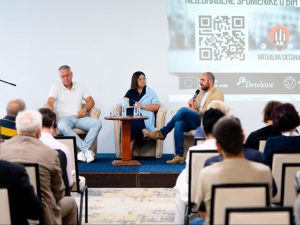
A special focus of the event was the panel discussion, “Memorialization through the process of accession to the European Union”, where participants discussed the role of the culture of memory, transitional justice and dealing with the past in the context of the European integration of Bosnia and Herzegovina. Panelists stressed the importance of developing memorialization policies that contribute to social dialogue, reconciliation and the protection of human rights.

Amer Đulić, a camp survivor and president of the Association of Detainees from Stolac, recalled that, back in 2017, they had submitted a request to Bosnia’s Council of Ministers to allocate space for a memorial room to murdered wartime camp inmates – but had never received a response.

He stated that, a year ago, they also initiated the memorialization process through the detainees’ association and non-governmental organisations in order to have a memorial centre, not to tell the story of one group of people but of all groups and their suffering in the war.

He called the new memorialization application “a story that touched me so much and that is so good”.

Many of his fellow former camp inmates from Stolac have now left the country, he said, but now “they will have the opportunity to get some information, because our younger generations no longer read the books we write and they don’t watch TV. What they want are cell phones, what they’re looking for, they’ll be looking for inside their phones,” Đulić said.

The presentation of the application is part of a wider effort to improve the availability of information about the places of suffering and preserve the memory of the victims through innovative and accessible digital formats.

For more information about the application and the project, visit the website www.virtualnasjecanja.detektor.ba.

The Virtual Memories project was implemented with the financial support of the European Union in Bosnia and Herzegovina.

BIRN Report: Freedom of Information in Balkans Still Hampered by Delays and Weak Enforcement

New report says legal guarantees on access to information across region are strong on paper, but journalists still face administrative silence, delays, weak enforcement and inconsistent institutional practice.

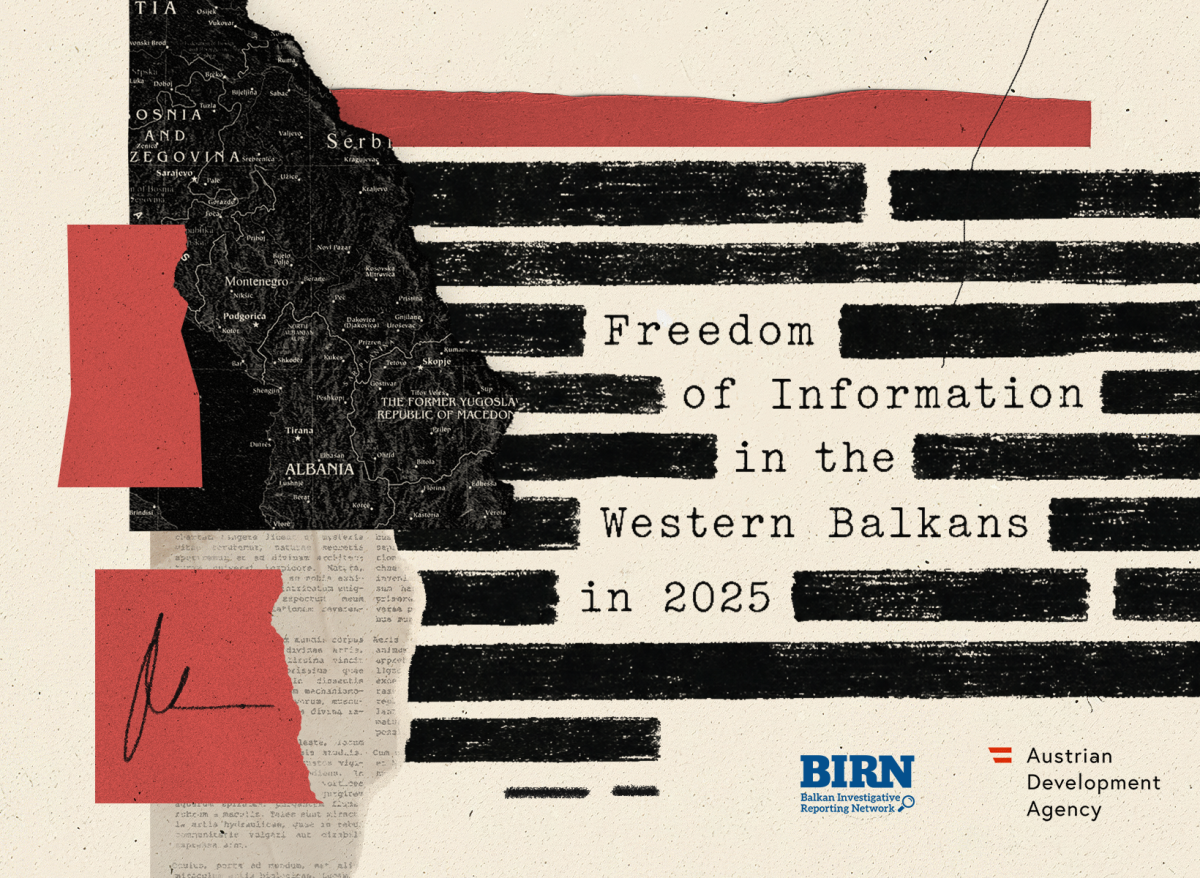
Launched on Tuesday, the report, Freedom of Information in the Western Balkans: 2025 Annual Report, is based on BIRN journalists’ work during 2025 and provides a regional analysis of FOI practices across Albania, Bosnia and Herzegovina, Kosovo, Montenegro, North Macedonia and Serbia.

The report is BIRN’s seventh annual assessment of access to information practices in the region. It examines the regulatory environment, legislative developments and the practical implementation of FOI laws, drawing on 1,740 freedom of information requests submitted by BIRN journalists in 2025.

While the report notes that the right to information remains constitutionally and legally guaranteed across the region, it warns that legal standards are still not consistently translated into practice.

BIRN’s data shows that 58.22 per cent of FOI requests received full approval in 2025, marking an improvement compared to previous years. However, 28.16 per cent of requests received no response at all, showing that administrative silence remains one of the most persistent barriers to transparency.

The report also identifies a continued enforcement gap. BIRN filed 201 complaints to FOI oversight bodies in 2025, but 58.21 per cent of them remained unresolved by the end of the year. Even where oversight bodies ruled in favour of disclosure, institutions failed to provide the requested information in 76.62 per cent of cases.

Judicial remedies also remained limited and slow. Only 3.2 per cent of FOI cases resulted in court proceedings, while very few were finalised during the year, reducing the value of information that often loses relevance when it arrives too late.

The report highlights that access to information remains essential for investigative journalism, particularly in areas of high public interest such as public procurement, public spending, environmental risks, surveillance technologies, strategic investments and institutional accountability.

However, BIRN journalists across the region reported that they continue to face delays, broad use of exemptions, procedural obstacles and inconsistent institutional responses. In some cases, public institutions relied on administrative silence, personal data protection, confidentiality, commercial secrecy or ongoing proceedings to withhold information.

The findings show that access to information often depends less on legal guarantees and more on persistence, legal knowledge, institutional willingness and newsroom capacity.

Recommendations

The report called on governments and public institutions to improve transparency by:

  • Applying sanctions against institutions that systematically delay or obstruct access;
  • Shorter deadlines for information that already exists in documented form;
  • Greater proactive transparency, including publication of budgets, contracts, procurement data;
  • Improved digitalisation and electronic access systems;
  • Stronger independence and capacity for FOI oversight bodies;
  • Clearer limits on legal exemptions to FOI (e.g. personal data protection, commercial secrecy etc.) and clearer proportionality tests to ensure the public interest prevails.

Independent FOI oversight bodies were urged to strengthen enforcement, prioritise cases of public interest, improve monitoring of institutional compliance and make better use of sanctioning mechanisms.

The report also recommended that journalists and media organisations continue documenting obstruction, use appeal mechanisms strategically and invest in legal knowledge and newsroom capacity to defend the right to access public information.

The findings were presented during the online launch event “Transparency in Focus: Freedom of Information in the Western Balkans 2025”, which gathered journalists, institutional representatives and FoI experts from across the region. The event opened with introductory remarks by Gentiana Murati, followed by a presentation of key findings by Megi Reçi, Research Lead and Author at BIRN Hub.

The launch featured two panel discussions:

– A discussion on the gap between law and practice, with journalists and institutional representatives from Albania, Kosovo and Montenegro;
– A discussion on appeals, enforcement and the public interest, focusing on cases where information arrives too late to be useful.

Panelists included BIRN journalists Arbrita Uka, Jovana Damjanović, Vladimir Karaj, Goce Trpkovski and Nermina Kuloglija, as well as institutional representatives Biljana Božić, Krenare Sogojeva Dërmaku, Slavoljupka Pavlović and Petar Gajdov. The panels were moderated by Xhorxhina Bami and Gordana Andric.

Despite some improvements, the report concludes that sustained pressure from journalists, civil society and independent institutions remains crucial to ensure that freedom of information becomes an effective right in practice, rather than only a formal legal guarantee.

The event was organised as part of the Austrian Development Agency-funded project “Paper Trail to Better Governance IV.”

You can read the full report here.

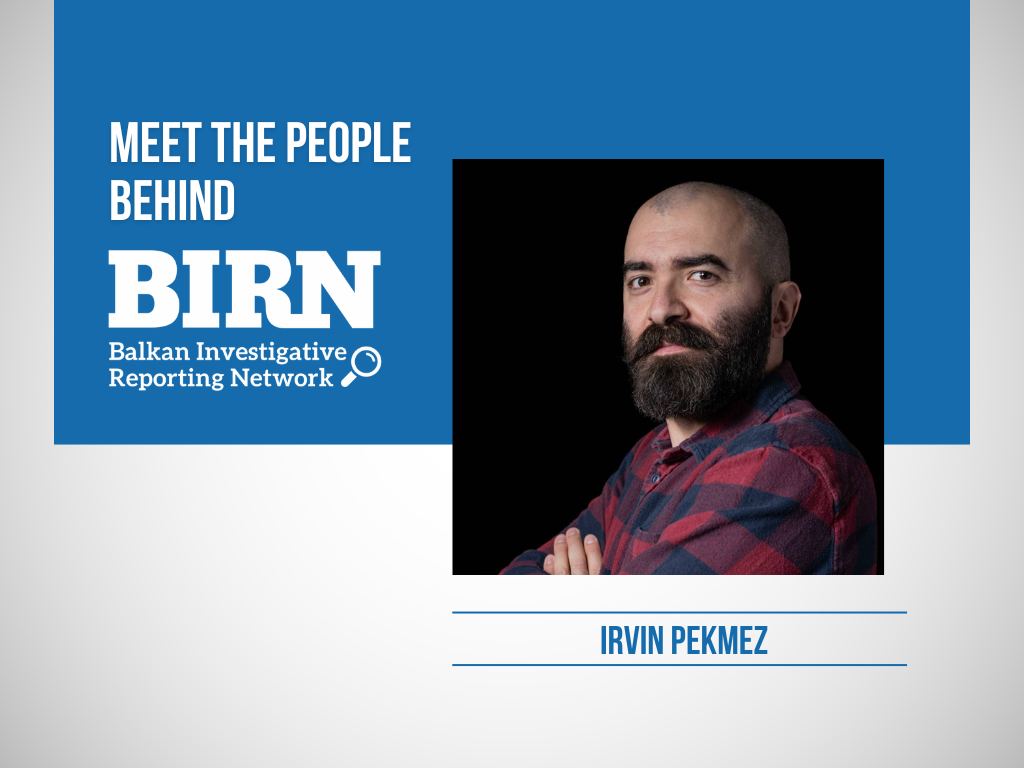
Meet the People Behind BIRN: Irvin Pekmez

Irvin Pekmez joined BIRN BiH (Detektor.ba) in 2020. Almost six years later, he says, BIRN is ’bigger – and expectations of the editorial team and of me have naturally evolved’.

Irvin Pekmez studied journalism at the University of Sarajevo. During that time, he had his journalistic heroes and other role models from the culture of public debate and “wanted to be like them when I grew up”.

“I don’t know how far I got with that,” he jokes modestly, although he has, in fact, been awarded for his work.

He first heard about BIRN in his previous work for other media outlets.

“We relied on the work of the [BIRN] Sarajevo office for specific topics, especially those related to war crimes and trials. Of course, I later learned that BIRN is much more than that,” he explains.

His main focus now at BIRN, in addition to social problems, is foreign influence in Bosnia and Herzegovina. “The relentless abuse of the BiH system and all the systemic loopholes, along with unfulfilled agendas from the 1990s, require tireless observation and reporting to the public about the fact that the fight for this society is not over.” Irvin says.

There are several obstacles to investigative journalists’ work in Bosnia and Herzegovina, he notes.

“One of the biggest burdens is the lack of interest among young journalists to engage in this type of journalism. Pressure on a bad system requires, among other things, people who will apply that pressure. If there were more of us, it would be easier,” he says.

Of all his investigations, he is most proud of some. One is “Black-Clad ‘Humanitarians’ Promote Pro-Russian Agenda in Bosnia”, which was his first significant story published in BIRN.

The Hostomel Filmmaker: Hunt for war criminals with the help of surveillance cameras” was one of many stories he got from a Kyiv visit in 2023. “A profound and deep human experience that I will never forget and that impacted me for life,” Irvin recalls.

Speaking of Ukraine, Pekmez worked on another investigation, which he came across totally unintentionally.

From Bosnia to Ukraine: How a Serb Sportsman Became a Russian Fighter” is an example of “how a significant and influential story can be born from a random scroll through clips from Ukraine”, he adds.

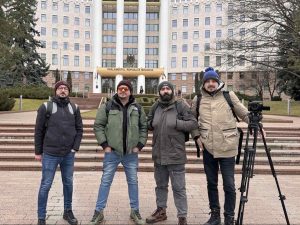
“I don’t think there will be a repeat of the story about which I did two investigations with my colleagues,” he recalls, of “Disruptors: Inside Russia’s Balkan Training Camps for Moldovan ‘Destabilisation’”, and “Military Drones, Incendiary Devices: How Russian Trainers Taught Subversion at Balkan Camps” and other significant analyses and news, which eventually received a journalistic award.

“Because the authorities in Republika Srpska, despite all Detektor‘s evidence, continue to deny everything – there is a strange satisfaction in that,” Pekmez stresses.

Recently, with Detektor colleagues Enes Hodzic and Nino Bilajac, and the media outlet CU SENS, he won second place at the Superscrieri journalism awards in Romania in the TV and Video Journalism category.

Together with the organisation FactCheck from Bulgaria, they showed how people from Moldova were being trained in Russia, Serbia, and Bosnia and Herzegovina to use weapons and drones carrying explosive devices for use in potential mass unrest in Moldova. This is a story that had been going on for two years. Irvin is glad they did not give up.

“It took a lot of time, building a network of trust with important people and a network of cooperation with journalists from Serbia and Moldova,” he recalls.

“The security aspect of this story is what, among other problems, moves the journalistic interest the most: the possibility that someone close to you is being trained for violent illegal tasks, and that the police who are in charge of your security belong to a system that denies all of this.

“The essence of danger and proof of how a state can, in peacetime, support a foreign paramilitary factor without having to explain itself,” Irvin explains.

Outside BIRN, Irvin likes to run in his spare time.

For young people who want to work as investigative journalists in the region, he has an encouraging message – it’s more fun than you think.

“Do you want to use your skills and curiosity to fight the system that is rigged against you? Then join us, we are fun and have snacks,” he concludes.

BIRN Kosovo Launches Report on Countering Extremism and Terrorism in Kosovo

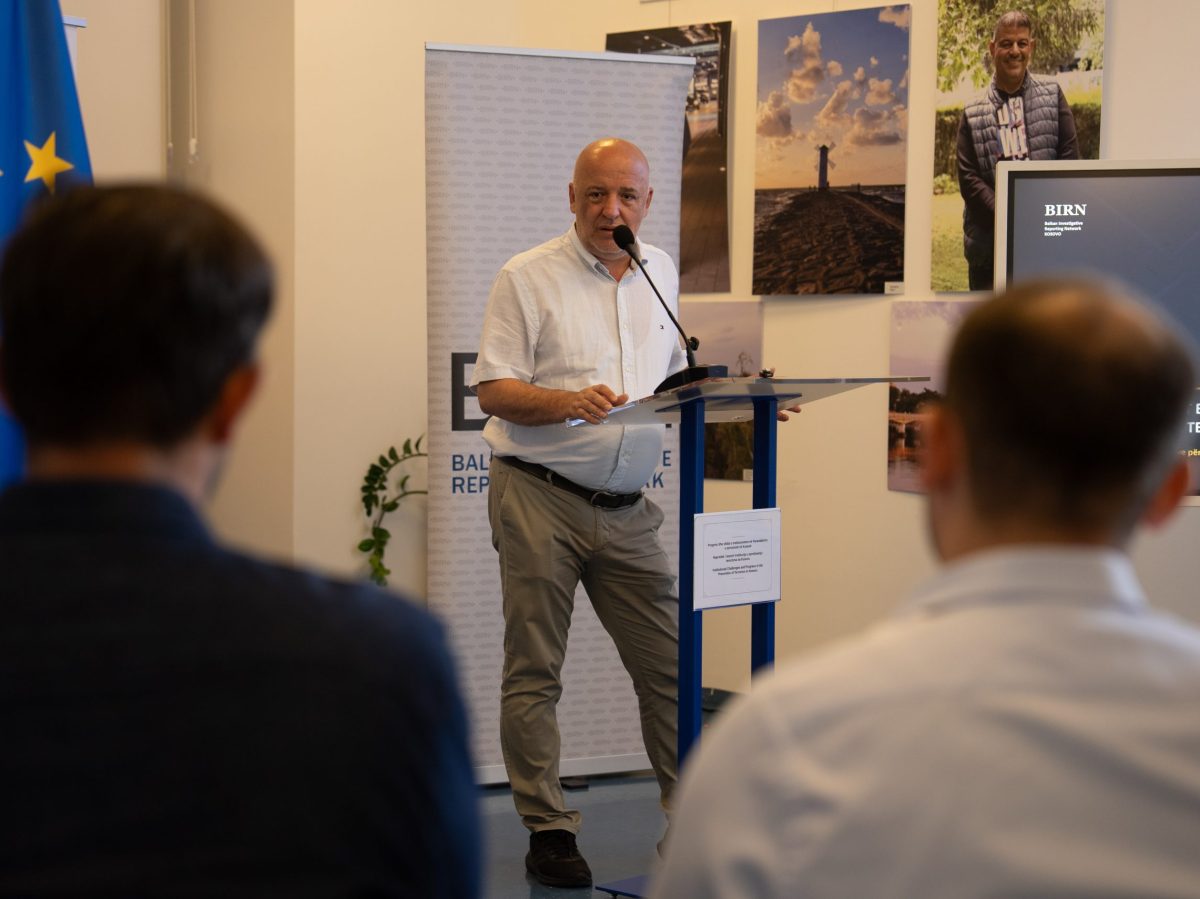
On June 30, 2026, BIRN Kosovo launched its fifth and concluding monitoring report on the National Strategy for the Prevention and Combating of Terrorism (2023–2028) titled Institutional Challenges and Progress in Prevention of Terrorism in Kosovo.

The report identifies a growing gap between central strategic planning and practical implementation at the local level. Additionally, the report highlights the lack of local empirical research on radicalization, institutional failure in formalizing Multidisciplinary Referral Mechanisms across municipalities, a critical shortage of school psychologists due to municipal recruitment delays, and the formal functioning of Municipal Community Safety Councils (MSCS), especially in northern municipalities where such mechanisms are non-functional and no concrete steps have been taken to address ethno-nationalism and other forms of extremism highlighted in the four previous reports.

To mark the report launch, BIRN Kosovo organized a conference to present its main findings and bring together partners, representatives of relevant institutions, and civil society. During the conference, Mensur Hoti, director of the Department for Public Security at the Ministry of Interior, Kreshnik Gashi, editor-in-chief of KALLXO.com, and Labinot Leposhtica, team leader of the monitoring team, emphasized the importance of concrete steps and measures to address the current situation with extremism and terrorism in Kosovo.

More concretely, Mensur Hoti highlighted the importance of the National Strategy and the cooperation with various civil society organizations during the implementation phase of the GCERF-funded projects in Kosovo. This cooperation was aimed at since the initial phases of drafting the strategy to ensure, among other things, an independent evaluation by civil society of the institutional work and results achieved. Regarding BIRN’s published reports, Hoti stated that the findings and recommendations offer a crucial mechanism for long-term institutional improvement and future policy steps in Kosovo. By establishing a vital, independent external evaluation, the report ultimately counters institutional subjectivity and self-complacency, ensuring that performance is no longer judged solely by the institutions themselves.

The authors of the report, Kreshnik Gashi and Labinot Leposhtica, presented the report’s findings, conclusions, and recommendations, highlighted the importance of involving civil society organizations in countering various forms of extremism, and argued for the need for Kosovo institutions. Moreover, this is the fifth report published on the implementation of the “Prevention” objective for the period July 2023 – May 2026, comparing the strategic obligations with the actual actions taken by the relevant institutions.

Additionally, as a contribution to the field in Kosovo, BIRN Kosovo has launched an educational platform designed primarily for journalists, offering accessible training at no cost. This platform includes three training modules specifically tailored to equip journalists with the knowledge and skills necessary to navigate complex issues related to extremism and terrorism. By enhancing their understanding of these critical themes, journalists will be better prepared to report responsibly and effectively on these sensitive topics, ultimately contributing to more informed public discourse and awareness.

Present at the launch conference were 23 participants, of whom 12 were women.

The report is accessible in three languages:

The report in Albanian, click here.

The report in Serbian, click here.

The report in English, click here.

The educational platform is accessible here.

This activity falls under the ‘Resilient and Inclusive Community Program’ project, funded by GCERF and implemented by the organizations ATRC, BIRN, CBM, and Rin’on.