Bosnian Canton Incorporates Judicially Established Facts into Teaching

Bosnian Podrinje canton signs memorandum on using BIRN’s Database of Judicially Established Facts about the War in Bosnia in schools.

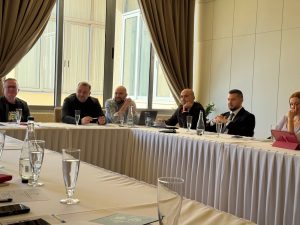
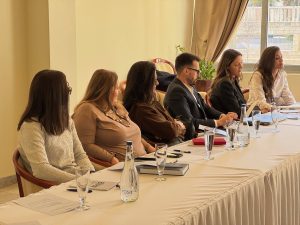
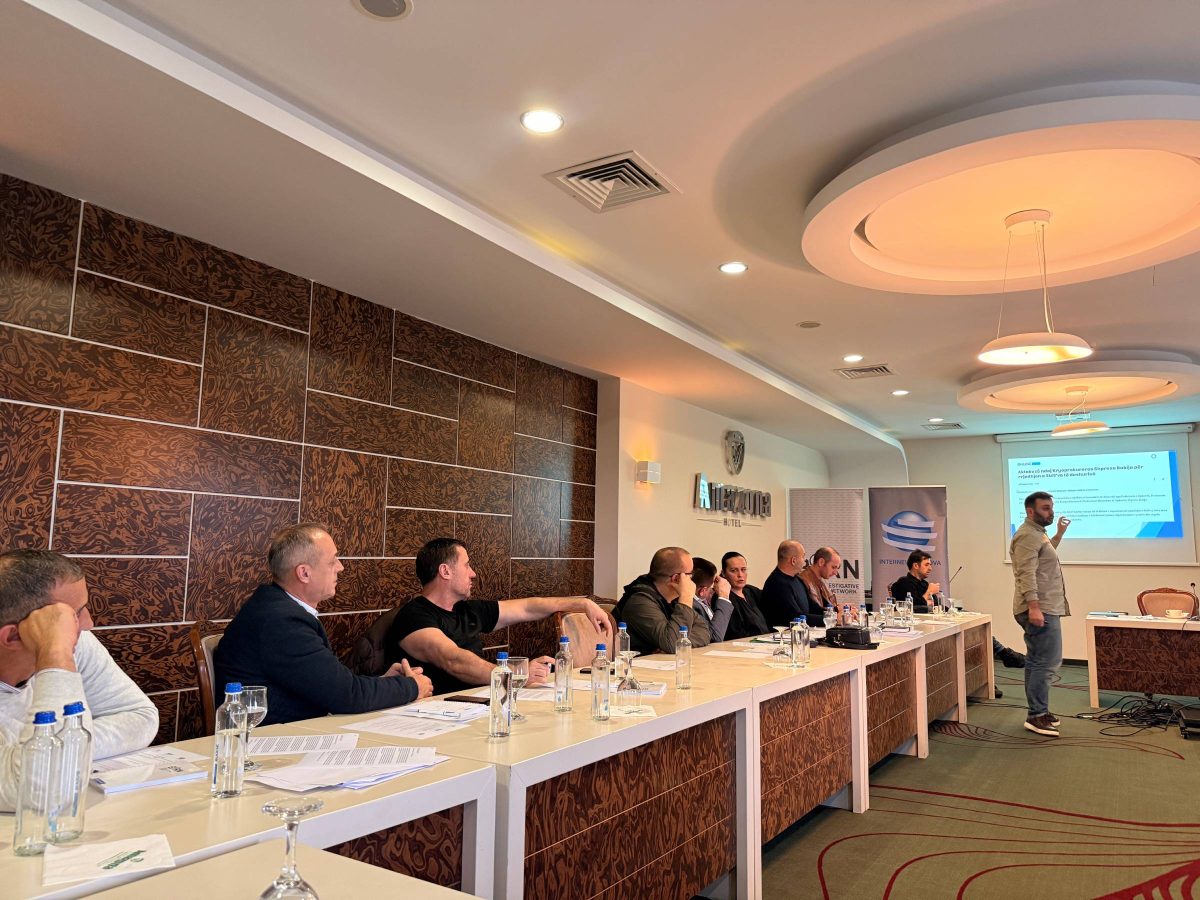
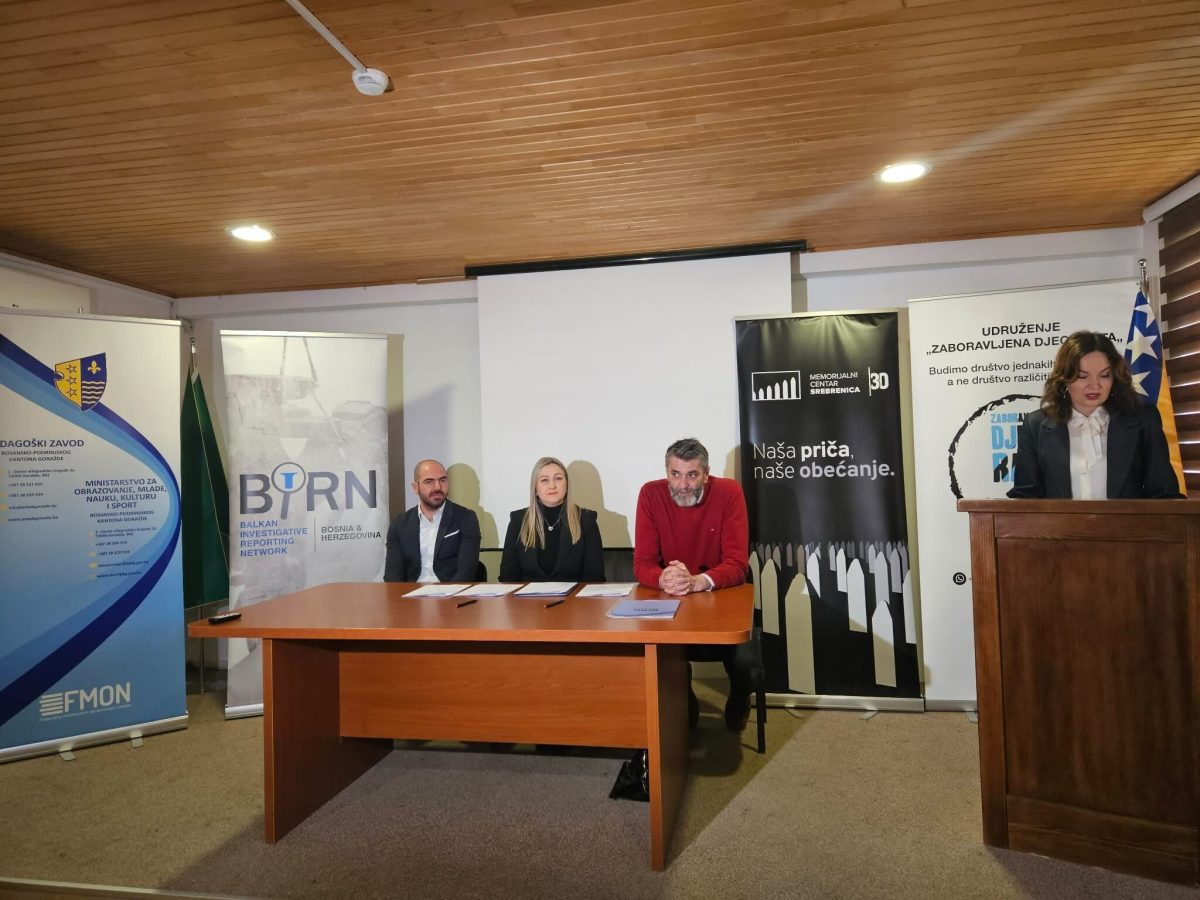
On February 27 in Gorazde, the Balkan Investigative Reporting Network of Bosnia and Herzegovina, BIRN BiH, the Srebrenica Memorial Centre, and the Ministry of Education, Culture and Sports of the Bosnian-Podrinje Canton, BPK, signed a memorandum of cooperation according to which the Database of Judicially Established Facts about the War in Bosnia and Herzegovina will be used in teaching in this canton.

In the Memorandum, the emphasis is put on the methodology for studying the war in Bosnia, which primarily relies on judgments of international and domestic courts as well as contemporary pedagogical principles, and such an approach allows teachers to present educational content based on factual and judicially established facts.

The Minister of Education, Culture and Sports of BPK, Adisa Alikadic-Heric, stated that history in Gorazde was not an abstract term from textbooks but part of family stories, personal memories, and collective experience, and that it was the responsibility of the education system to enable younger generations to learn about the past based on judicially established facts, professional standards and pedagogical sensitivity.

“Education must be a space of truth but also a space of empathy. Talking about the war in Bosnia and Herzegovina means talking about suffering, loss, and injustice, but also about human strength, solidarity and dignity,” he said.

“Teachers participating in this programme today bear a great responsibility to teach young people to understand the past without hatred, but also without crime relativization. Our goal is not to burden future generations with the burden of the past, but to empower them with knowledge,” Alikadic-Heric added.

With the support of the United Nations Secretary-General’s Peacebuilding Fund, BIRN BiH together with the Srebrenica Memorial Centre and the Forgotten Children of War Association, is implementing the project “Building Long-Term Peace in Bosnia and Herzegovina: Investing in the Future”.

This aims to transform the way young people learn about the war in Bosnia, using facts, empathy, understanding and a multimedia approach. As part of the project, a database was created that served as the basis for a manual on “How to Learn and Teach about the War in Bosnia and Herzegovina”.

Denis Dzidic, Executive Director of BIRN BiH, recalled that the Database of Judicially Established Facts, which was already used by some cantonal ministries, had been supplemented with domestic and regional judgements in addition to Hague judgments.

“This is a unique platform that enables us to teach history according to a unique methodology for any of the municipalities in Bosnia and Herzegovina. And it really gives us a certain platform to try to devise a way in which we can work in an equal manner,” Dzidic said, adding that the Memorandum marks the opening of a partnership process to enable the teaching of history in a structured way.

“This is the most important part of our work. The future of this country is built on sound education,” Emir Suljagic, Director of the Srebrenica Memorial Centre, said.

For the purpose of creating the Database, several hundred final court judgments were analyzed, including decisions of the Hague war-crimes tribunal, ICTY, the Bosnian state court and other courts from Bosnia as well as in the region relating to war crimes committed in the period 1992–1995.
BIRN Montenegro Analysis Calls for Stronger Crypto Sector Regulation

Analysis reveals existence of large unregistered and uncontrolled money flows through the crypto market ‘about which our state knows nothing’.

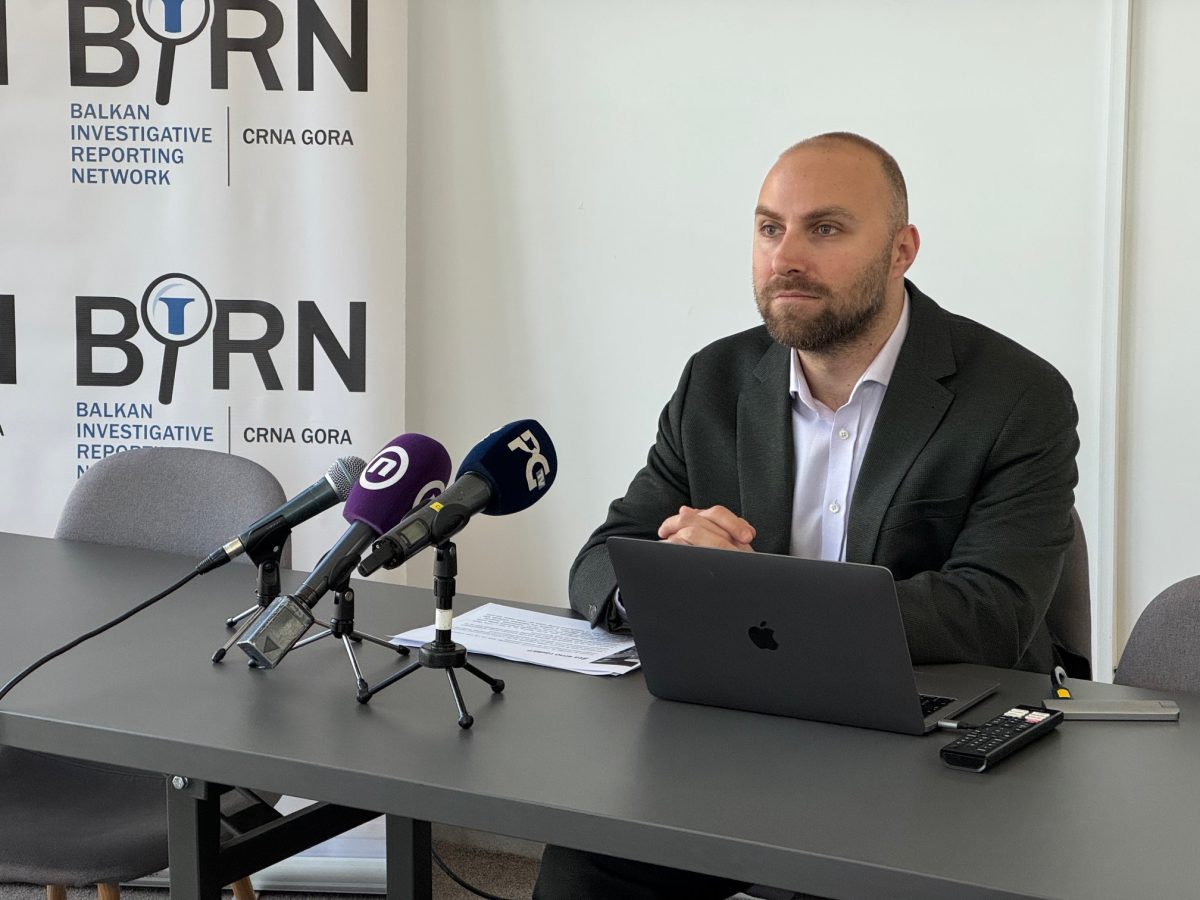
On February 27, BIRN Montenegro presented an analysis of the legal regulation of crypto assets in both Montenegro and Taiwan calling on the Montenegrin government to bring the crypto sector into legal channels and prevent money-laundering risks.

BIRN Montenegro urged the government to introduce criminal liability for unregistered crypto-asset service providers, adopt a dedicated law on digital assets aligned with European rules, and strengthen the supervisory capacities of the Financial Intelligence Unit, FOJ, and the Capital Market Commission.

The analysis also recommends developing crypto-specific guidelines and typologies, as well as introducing blockchain analytics tools.

BIRN Montenegro Executive Director Vuk Maras said that in 2024 the Financial Intelligence Unit handled only five cases related to crypto assets, while BIRN Montenegro’s research indicated the existence of large unregistered and uncontrolled money flows through the crypto market.

“This is a parallel economic flow about which our state knows nothing. Research has shown that cryptocurrency dealers no longer want to work with small amounts but with tens of thousands of euros. This black market is huge and needs to be brought into legal channels,” Maras said.

The analysis noted that Taiwan has introduced serious criminal sanctions for unregistered digital-asset operations, which has led to a doubling in the number of suspicious transactions reported by the crypto sector.

Maras added that after tightening the rules, two-thirds of existing virtual asset service providers, VASPs, in Taiwan lost the right to operate because they failed to meet the new standards.

The analysis was made with the support of the Taipei Representative Office in Hungary.

BIRN Kosovo Marks Anniversary of Ukraine Invasion with Fifth Doc on Russian Disinformation

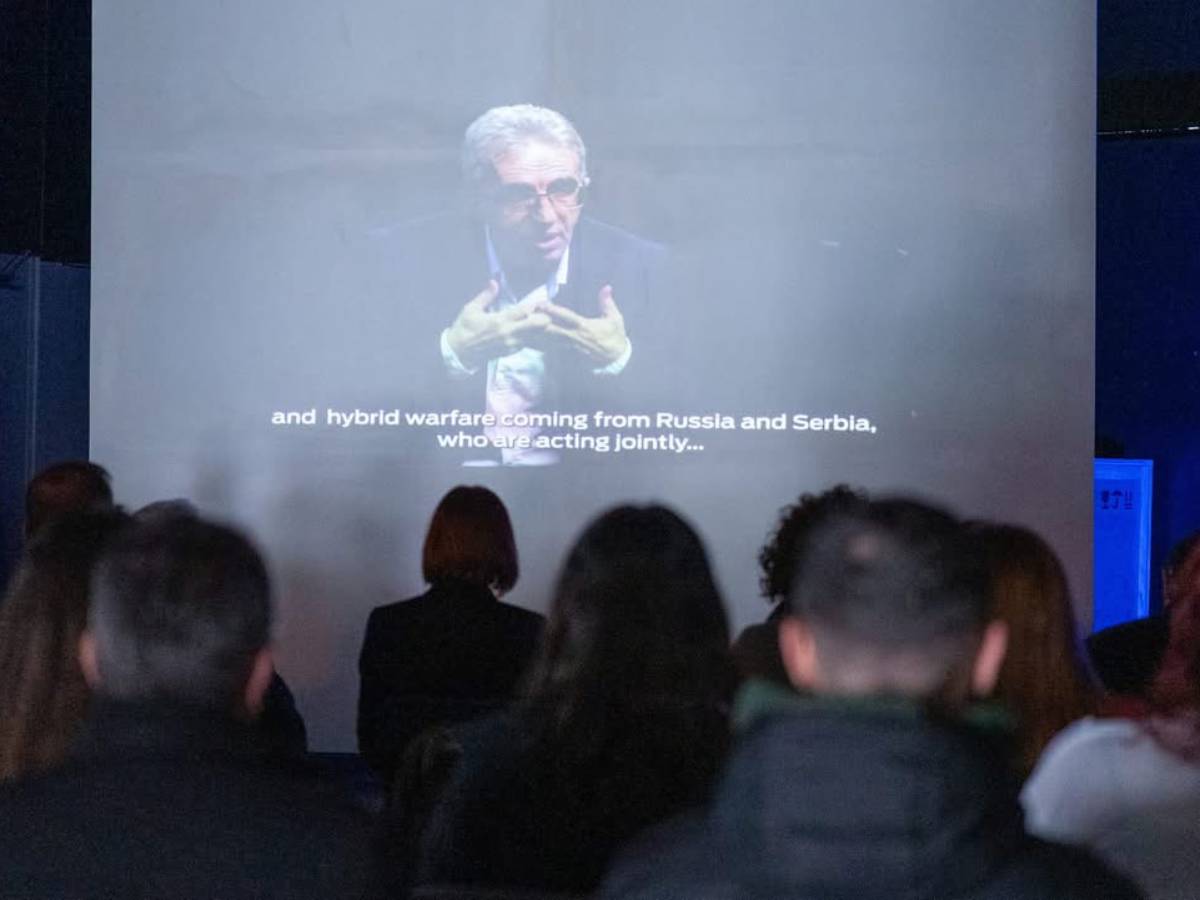
On 24 February, marking the fourth anniversary of Russia’s full-scale invasion of Ukraine, BIRN Kosovo and Internews Kosovo premiered the fifth and final documentary in their investigative series about disinformation and foreign malign influence.

The screening took place in Pristina at Reporting House, gathering journalists, civil society representatives, and members of the public to reflect on the evolving information landscape shaped by the war in Ukraine.

The film, Russian Disinformation after the Invasion of Ukraine, presents evidence of how manipulated narratives targeting Albanian-speaking audiences have been disseminated through translated and republished content originating from Serbian and Russian media outlets.

Focusing on coverage of the war in Ukraine, the documentary shows patterns of foreign information manipulation and influence in Kosovo’s media environment. It shows how foreign interference seeks to shape opinions within different communities in Kosovo, including efforts to influence the public discourse in the Serbian community. The findings highlight how disinformation campaigns adapt across languages and borders, reinforcing political narratives aligned with Kremlin interests.

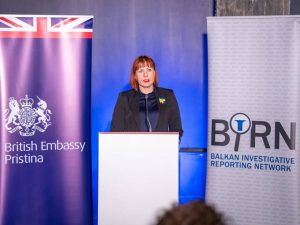
Opening the event, Jeta Xharra, Executive Director of BIRN Kosovo, emphasized the symbolic importance of the anniversary and the war’s relationship to Kosovo’s own history of war.

“It is not just one or two years of solidarity. We continue to think about Ukraine and what is happening there. It reminds us of the hundreds of thousands of refugees and the people who were killed in Kosovo, who were forced to flee this country. We remember them, just as we remember the victims of the Kremlin,” Xharra said.

Speaking at the premiere, Ukrainian journalist Iryna Synelnyk, who has been based in Kosovo, reflected on her personal experience of disinformation.

“When I arrived in Pristina in July 2022, I did not know much about Kosovo. Now I understand that some of the information I had previously read was Russian and Serbian propaganda. That is why it is so important to talk about this, and to fight it,” she said.

The documentary is part of the Media Integrity and Disinformation Watch project, supported by the British embassy in Kosovo, an initiative aimed at countering disinformation through investigative reporting and systematic documentation.

Over the course of the project, five documentaries were produced, tracing the development and impact of disinformation related to economy, religion, ethnicity and elections as well as foreign malign influence coming from Russia.

Of the 49 participants, 18 were men and 31 were women.

The event served as both a moment of remembrance and a call to sustained vigilance in confronting disinformation in Kosovo and beyond.

BIRN Albania Publishes a New Report on Election-Related FIMI

BIRN Albania has published a new analytical report analysing how Foreign Information Manipulation and Interference (FIMI) intersected with the dynamics of Albania’s 2025 parliamentary elections.

The research examines the 2025 electoral cycle as a stress moment for Albania’s information environment, assessing how political polarization, institutional trust, media structures and digital platforms shaped exposure to manipulation before, during and after election day.

Drawing on systematic monitoring and qualitative analysis conducted throughout the electoral period, the report explores:

  • how narratives questioning electoral fairness and institutional credibility circulated during the campaign;
  • how polarized political discourse created fertile ground for delegitimizing claims;
  • how online amplification and engagement-driven dynamics increased the visibility of divisive or misleading content;
  • how foreign-linked or externally sourced narratives were republished and recycled within the domestic media ecosystem;
  • how gendered and identity-based attacks affected the tone and inclusiveness of electoral debate.

Rather than treating disinformation as isolated falsehoods, the reports assess structural vulnerabilities revealed during the 2025 elections—highlighting where institutional safeguards functioned, where regulatory or oversight gaps emerged, and where digital incentives amplified risk.

By grounding the analysis in concrete developments during Albania’s 2025 parliamentary elections, the publications underline that election-related FIMI is not only a geopolitical concern but a governance and resilience challenge. The findings are intended to inform policymakers, oversight institutions, media actors and civil society on how to strengthen safeguards ahead of future electoral cycles.

For an English copy of the report click here.

For an Albanian copy of the report click here.

BIRN Montenegro Holds Workshop on Crypto Risks and Illicit Financial Flows

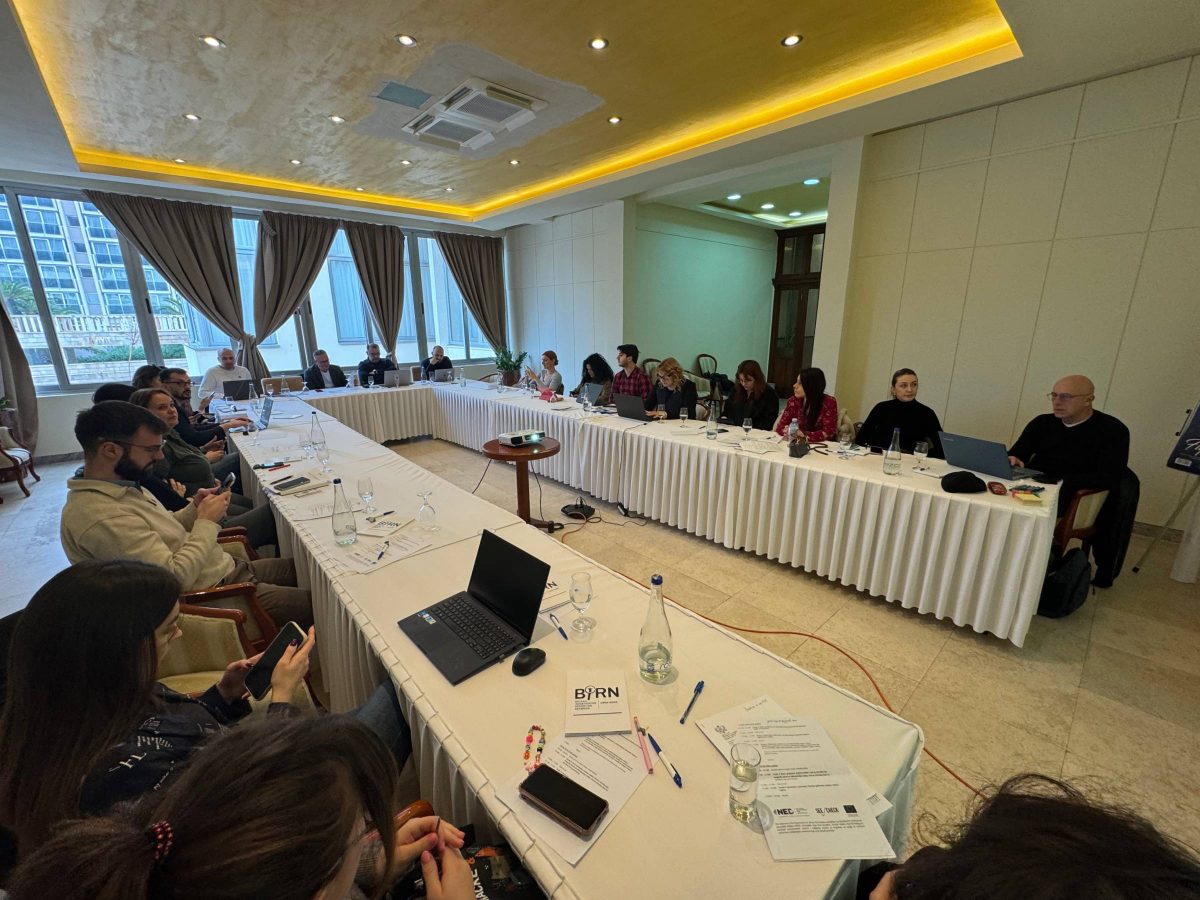
On February 20, BIRN Montenegro concluded a three-day workshop, “Identification and Assessment of Risks in the Field of Crypto Assets and Illicit Financial Flows Through Sophisticated Digital Forms”, for journalists and state institutions representatives.

BIRN Montenegro Executive Director Vuk Maras warned that the cryptocurrency sector in Montenegro is still not legally regulated.

“There was a political and economic idea for Montenegro to become an attractive destination for digital investments. However, the development of the regulatory framework did not keep pace with the speed of market changes,” Maras said.

During the workshop, key risks related to cryptocurrencies were discussed and the need to strengthen oversight of advertising and fraudulent platforms was highlighted.

It was noted that work should be done on developing an automated system for monitoring online fraud and establishing an operational model for the seizure and management of crypto assets.

The workshop was attended by journalists from Montenegrin media, as well as representatives of the Ministry of Justice, Ministry of Economic Development, the Special State Prosecution, the Capital Market Commission, the Tax Administration and the Association of Managers of Montenegro.

The workshop was co-funded by the National Endowment for Democracy, NED, and the European Union through the project “Disinfo Watch: Fact-Checking for Resilient Communities.”

BIRN Kosovo and Internews Kosova Launch the Documentary “Smuggling Without Borders”

On February 20 in Pristina, BIRN Kosovo and Internews Kosova have launched the documentary “Smuggling without borders” which examines illegal networks involved in migrant smuggling through irregular routes in Kosovo, including the misuse of work visa applications.

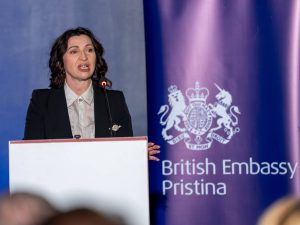
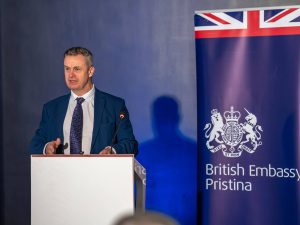
The event was attended by many institutional, international, and civil society representatives, including law enforcement agencies, with keynote speeches from the UK Ambassador to Kosovo, Jonathan Hargreaves, the Chief Prosecutor of the Special Prosecution Office, Blerim Isufaj, and Lieutenant Blerim Rama from the Kosovo Police.

In her opening speech, BIRN Kosovo Director Jeta Xharra highlighted the historical experience of migration in Kosovo and explained how the documentary exposes the functioning and influence of smuggling networks that use Kosovo as a transit or destination country. While Chief Prosecutor Isufaj stressed that irregular migration requires coordinated institutional and international action, noting intensified investigations and cooperation with the United Kingdom, including the 2025 case of Laboratori,  in which suspects were sanctioned by UK authorities.

UK Ambassador in Kosovo, Jonathan Hargreaves, emphasized the UK’s focus on tackling illegal migration and criminal groups exploiting migrants, underlining strong cooperation with Kosovo institutions to combat organized crime.  In addition, according to Kosovo Police representative, Blerim Rama, main irregular entry points include Han i Elezit and Vërmica, while exits toward Serbia often occur through Jarinje. He noted effective cooperation with Albania and North Macedonia, but a lack of cooperation from Serbia.

After the speeches were concluded, the documentary was premiered for the participants. The BIRN event was livestreamed on YouTube . Through this documentary, the project partners aim to raise awareness of migrant smuggling networks and to promote coordinated action by relevant institutions to address irregular migration. 44 participants gathered at the launch event, of whom 10 were women.

This activity was funded by the British Embassy in Kosovo, implemented by BIRN Kosovo and Internews Kosova (I/KS).

BIRN Macedonia’s Contribution to Professional Investigations Recognised

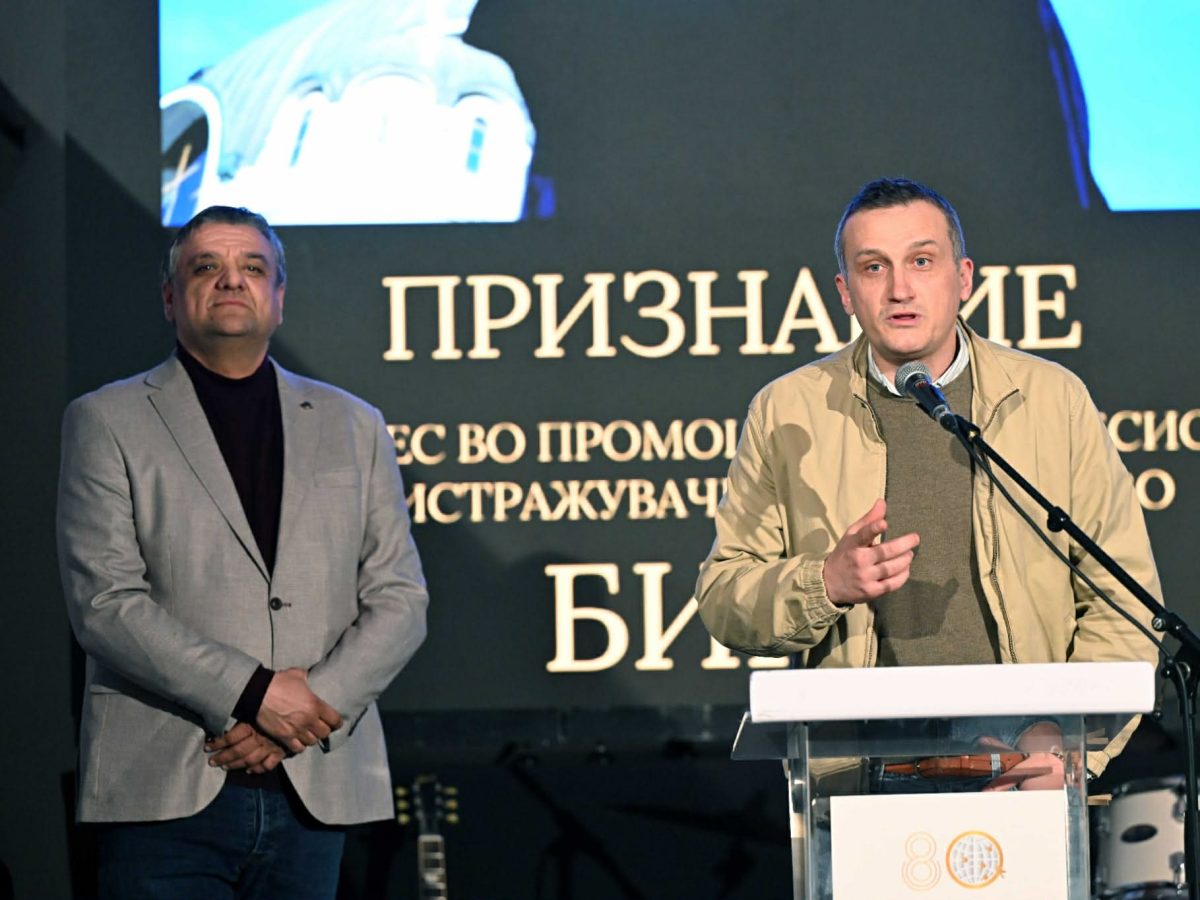
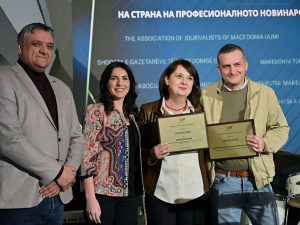
On February 17 in Skopje, at an event marking the 80th anniversary of the Association of Journalists of Macedonia, the Association recognised BIRN Macedonia for its contribution to professional investigative journalism.

The Association specifically highlights the investigation “A System Outside the System: The State Blind to the Money of the Macedonian Orthodox Church – Ohrid Archbishopric and the Islamic Religious Community” and the interactive database “Religious Properties Uncovered.”

In its explanation, the Association emphasized that through analysis of financial operations and mapping of religious property, the investigation raised questions about transparency, institutional oversight, and the management of public interest in this sensitive area, noting that these stories represent an example of thorough, data-based investigative journalism.

At the event, several newsrooms and journalists were recognised for their contributions to investigative journalism and public interest reporting.

The “Jashar Erebara” Award for Best Investigative Story in 2025 was jointly awarded to IRL, KOD, and Irena Mulachka from Fokus for their investigations into the deadly fire at the Pulse nightclub in Kochani.

The journalist Aneta Blazhevska also received recognition for promoting topics of local and regional significance.

The lifetime achievement award “Krste Petkov Misirkov” was presented to journalist Risto Tasev from Strumica and photojournalist Robert Atanasovski, while the award for reporting on topics of local and regional importance was granted to Ardit Ramadani.

Open Call for Investigative Journalism and Research on Media Freedom and Journalists’ Safety in Albania

The Balkan Investigative Reporting Network Albania (BIRN Albania), in partnership with the Science for Innovation Development Centre (SCiDEV) and Qendra Faktoje, announces a new round of grants for journalists and researchers to produce evidence-based investigations, analytical reports, and in-depth research addressing media freedom and journalists’ safety in Albania.

This call supports three journalistic or research projects that examine structural, legal, technological, or social factors shaping the environment for independent journalism. Selected applicants will receive financial support to cover research and reporting costs, as well as editorial mentoring by experienced BIRN editors.

The call is implemented within the framework of the EU-funded project “Strengthening Media Freedom, Professionalism and Journalists’ Safety in Albania”, implemented by BIRN Albania together with SCiDEV and Qendra Faktoje.

The project seeks to strengthen monitoring and public accountability around freedom of expression and journalists’ safety by equipping local journalists and researchers with the skills, resources, and editorial support needed to document violations, risks, and systemic challenges.

The grants to local journalists and researchers to produce research papers or media analyses should prioritize one of the following topics:

  • Impact of media concentration and political interference in the editorial independence;
  • Impact of social media and technology on professional journalism;
  • Threats and online harassment of journalists;
  • Protection mechanisms / impunity for attacks on journalists;
  • Challenges in reporting from local and rural areas;
  • Barriers to female journalists’ safety and advancement;
  • Ethical reporting on gender, minorities or marginalized communities;
  • Working conditions and labour rights of journalists and media workers in Albania;
  • Role of disinformation, propaganda or foreign information manipulations and interference (FIMI) in the information ecosystem.

The awarded journalists and researchers will receive a scholarship of 1,500 euros gross (minus personal income tax). They will have three months to dig deeper and research their ideas. They will also have the opportunity to work with experienced editors as mentors to guide them through the process of writing in accordance with ethical standards.

We encourage the submission of proposals for the production of relevant content by individuals or teams. We support various forms, including investigations, data-rich stories and research papers. The call only applies to journalists and researchers from Albania with previous experience on this topic.

All applicants must be independent and free from conflicts of interest in the responsibilities they undertake. Applicants may submit more than one application, but only one proposal per candidate may be awarded.

Interested candidates should send their proposals in Albanian language by email to: [email protected], including: completed application form (Click here to download the form); a CV and two examples of their previous work.

Application Deadline: March 16, 2026.

Call for Applications: Fellowship for Journalistic Excellence 2026

We are offering 8 to 10 fellowships to journalists from Central and South Eastern Europe with compelling story ideas that require on-the-ground reporting, in-depth research, dedicated editorial support, and funding.

Applications are invited under the theme of Environment. An independent selection committee will choose the successful applicants to participate in our annual professional development programme, which provides training, mentorship, and editorial support to produce a long-form investigative or analytical story for publication by BIRN, its media partners, and regional outlets.

Our published work includes features, analyses, and investigative reports presented in depth for a global audience. We focus on strong storytelling and rigorous reporting, core elements of high-quality journalism.

Who Can Apply?

Journalists with professional experience from the following countries are eligible:

Albania, Bosnia-Herzegovina, Bulgaria, Croatia, Czech Republic, Greece, Hungary, Kosovo, North Macedonia, Montenegro, Poland, Romania, Serbia, and Slovakia. Applicants must hold citizenship or permanent residence in one of these countries.

What the Fellowship Offers?

Selected fellows will receive:

  • A bursary of €3,000 to support reporting
  • Training and mentorship from experienced editors
  • Ongoing editorial guidance and networking opportunities within BIRN’s regional journalistic network
  • An introductory seminar in Vienna (11–15 May) focusing on advanced reporting and storytelling
  • Additional awards of €1,000–€3,000 for the top three stories
  • Publication of stories in English and local languages through BIRN’s network
  • Membership in the Fellowship alumni network, connecting journalists across the region

How to Apply?

The application deadline is March 10. To apply, submit your proposal using the official application form.

To increase your chances of selection, we encourage you to explore more details about the programme, including expert tips from our editors.

Here’s what our editor, Neil Arun, has to say about this year’s theme:

At first glance, this year’s topic might give the impression that we want your pitch to focus on a narrow range of themes – climate change, solar farms, pollution and wildlife conservation. Not so. By “environment”, we mean context and setting. This year, we want you to consider the broader structures – social, political, cultural, technological, historical – that lie beneath the story that you want to report. Can you identify the over-arching context that has created the conditions for the story that you want to tell? If the environment has shaped your story, what are the forces that have shaped that environment?

As always, we are looking for pitches that will evolve into compelling, original stories. We want to see evidence that you have done some basic research to test the viability of your pitch. We also want to see that you have the capacity to do an excellent job. The annual theme is here to help you along, not to constrain you. And if you always wanted to report on endangered animals or solar farms, we will still welcome the pitch, as a long as it’s a good story.

About the Fellowship for Journalistic Excellence

Since 2007, the Fellowship has supported journalists with funding, mentorship, and editorial guidance to produce in-depth, investigative stories. The programme aims to strengthen independent journalism in the region while advancing the careers of its fellows.

Originally focused on South Eastern Europe, the fellowship expanded in 2020 to include the Czech Republic, Hungary, Poland, and Slovakia. Past fellows’ stories are published by BIRN and partner outlets, covering topics of regional and global relevance.

To read past Fellowship stories and learn more about the programme, visit the official Fellowship page.

BIRN Kosovo Concludes Training for Law Enforcement Officials on Communication

BIRN Kosovo and Internews Kosova concluded a four-day training for the Joint Investigation Teams of the Special Prosecution of Kosovo, bringing together participants from various investigative teams.

On the fourth and final day, on February 6, the training programme was attended by 20 participants from the Special Prosecution Office, the Investigation Department of the Tax Administration of Kosovo, the Investigation Department of the Kosovo Police, the Police Inspectorate, and investigators from Kosovo Customs.

During the training, Kreshnik Gashi, Managing Editor of Kallxo.com, Alan Edwards, a JTI mentor from the British Embassy, and Labinot Leposhtica shared their professional perspectives and firsthand experiences on public appearances and public speaking. More specifically, the morning session focused on sharing the extensive experience of expert Edwards in local and international cases. He presented in detail the steps to be followed by joint investigation teams, from UK cases to his work in Kosovo with EULEX.

In the afternoon session, Kreshnik Gashi discussed institutional coordination in communication and its planning in the field of communication, to then continue with a very important part of the training that dealt with public appearances according to the standards of preserving the privacy of the parties, in relation to the European Union’s online communications regulation.

The training aimed at sharing experiences from the experts of the Joint Investigation Teams and the steps to be followed, but also to specify the EU rules on online communication. A total of 17 participants took part in the training, five of whom were women.

This activity is funded by the British Embassy in Kosovo, implemented by BIRN Kosovo and Intenews Kosova.