Detektor Journalist Wins International Fetisov Journalism Award

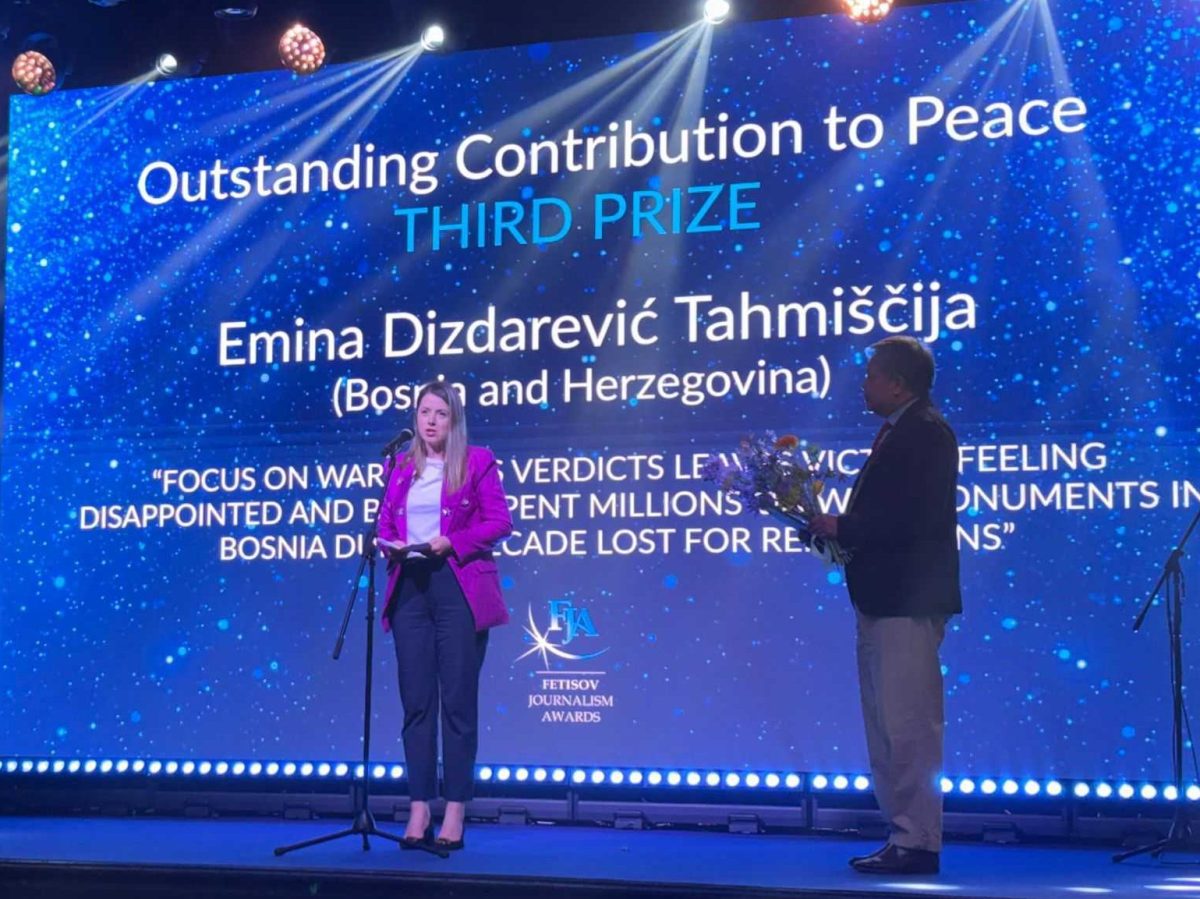
Detektor journalist Emina Dizdarevic Tahmiscija has received a 2025 international Fetisov Journalism Award for a series of articles on transitional justice in Bosnia and Herzegovina.

At the ceremony in Limassol, Cyprus, Tahmiscija received third prize in the category Outstanding Contribution to Peace for the articles Focus on War Crimes Verdicts Leaves Victims Feeling Disappointed and More Than Ten Million for Monuments in the Decade Lost to Memorialisation and Reparations. 

Accepting the award, Tahmiscija said that as the only journalist from Bosnia and Herzegovina — or the Balkans more widely — it was a great honour to attend the event along with finalists from all over the world, and it was a particular honour to win third place.

“This recognition and award are not just personal; they represent the courage of people whose stories we tell and the responsibility we carry as journalists,” she said. “I am grateful to everyone who has supported my work, and I believe this is additional encouragement to continue reporting on topics that contribute to peace and unity.” 

Tahmiscija also pointed out that journalism has the power to build understanding, keep the truth at the centre and give a voice to those who need it most, with the hope that such topics will have more and more space in the media.

In her award-winning journalism, Tahmiscija reported that more than 1,100 people have been convicted of war crimes since the end of the war in Bosnia and Herzegovina but that victims and families have ultimately ended up disappointed. This is due to prosecutors refusing to file charges against higher-ranking perpetrators, the fragmentation of complex investigations, slow trials, a lack of strategy in their approach, politicisation and a lack of support for witnesses.

In her second award-winning text, Tahmiscija reveals how more than 5.5 million Bosnian marks have been allocated from local budgets in recent years for the construction and maintenance of monuments to civilian and military war victims, bringing the total amount spent on memorialisation to more than 10 million Bosnian marks in the past decade. She questioned how much this and other public spending has truly helped to create a systematic approach to transitional justice processes and to ensure an approach that remains focused on victims and their families.

Both stories are part of Detektor’s series or articles dedicated to transitional justice issues. 

The Fetisov Journalism Awards also have categories for Contributions to Civil Rights, Outstanding Investigative Journalism and Excellence in Reporting on Environmental Protection Issues.

This year’s jury consisted of Ricardo Gutierrez, Julianne Schultz, Kaarle Nordenstreng, Milica Pesic, Pravit Rojanaphruk, Tony Sadownichik, Torry Pedersen, Zaffar Abbas and Eva Merkacheva. 

The awards promote universal human values such as honour, justice, courage and nobility through examples of outstanding journalists around the world, noting that “their service and dedication contribute to changing the world for the better”.

The category for Outstanding Contribution to Peace rewards a series of texts with anti-war themes that have made an important contribution to peacebuilding and promoting the idea that human life is of the greatest value. According to the Fetisov website, the nominated stories focused on issues of international disarmament, reduction or ending of national or international conflicts, and support for national and international communities that maintain peace.

Tahmiscija has been a journalist at Detektor since 2014. In 2019 she was shortlisted for the Fetisov Journalism Awards for a series of articles on transitional justice processes and the rights of victims of war crimes, as well as their families in Bosnia and Herzegovina. 

She received the Srdjan Aleksic Award in 2020 in the Nominees Chosen by Journalists category for articles about the challenges facing marginalised groups in Bosnian society. In 2022, she received special recognition from UNICEF for her contribution to the promotion and protection of children’s rights in Bosnia and Herzegovina.

As part of the Detektor team, she also received the European Press Prize Special Award for 2020 for “efforts and success in securing justice for war crimes victims”, for long-term professional and continuous reporting on the most sensitive topics. 

In 2022, Detektor journalist Haris Rovcanin received second place in the Fetisov Journalism Awards in the category for Outstanding Contribution to Peace. That was for a series of four articles, two of which were co-authored by Albina Sorguc, who was part of the BIRN Bosnia and Herzegovina team at the time.

Detektor Journalists and Moldovan Colleagues Nominated for Journalism Award for Investigating Russian Camps

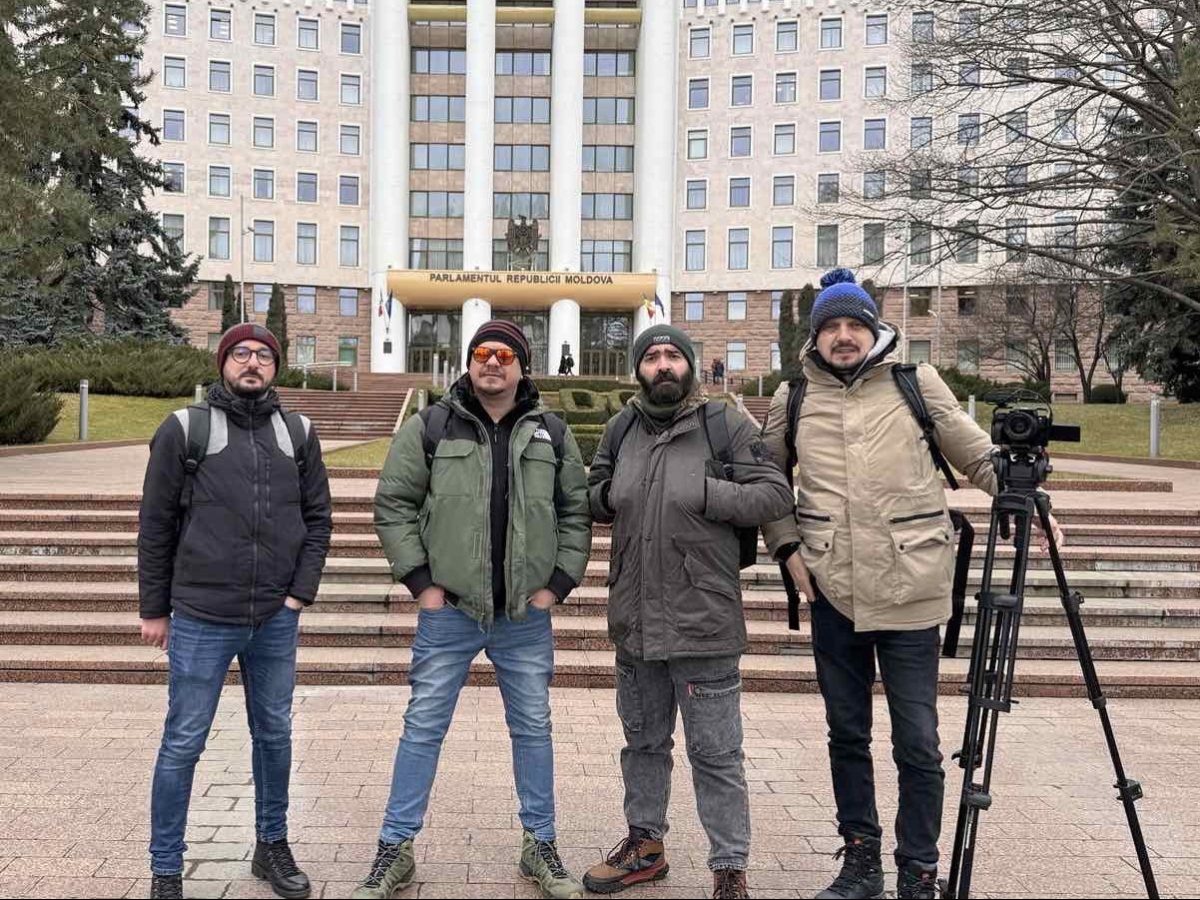
Detektor journalists Irvin Pekmez, Enes Hodzic, and Nino Bilajac, alongside co-authors from Moldovan outlet CU SENS, have been nominated for a journalism award in Romania in the categories of investigative journalism and TV and video journalism.

Detektor journalists Nino Bilajac, Enes Hodzic, and Irvin Pekmez are co-authors of a broadcast episode with CU SENS, a Moldovan media organisation, about Russian camps in Bosnia and Herzegovina and Serbia. Together with two other episodes from CU SENS, they’ve been nominated by the Friends for Friends Foundation – a Romanian non-profit organisation focused on media work, social impact, education, and creativity – for an award in the categories of investigative and TV journalism.

The journalists’ video investigation is being considered as one of the best pieces of media content published in the Republic of Moldova during 2025.

Pekmez explained that cooperation with the Moldovan media organisation CU SENS and the journalist Malvina Cojocari resulted in the publication of two joint investigations accompanied by TV shows in summer 2025. One was published on Detektor.ba, the other was published simultaneously on the CU SENS website. 

“We feel particular satisfaction that the Moldovan version of the investigation, supported by the information obtained by Detektor journalists during several months of work on the topic primarily carried out in Bosnia and Herzegovina and Serbia, has been recognised as an important journalistic work that contributes to an objective understanding of the problem of the harmful influence of the Kremlin on the two countries,” Pekmez said.

The nominated investigation reveals that between July and September 2024, at least eight Moldovan citizens were trained in Russian camps in Bosnia and Herzegovina on how to use weapons and drones with explosive devices. The plan was to incite unrest in Moldova as part of mass riots organised by unknown structures under Kremlin control.

Among the recruiters were individuals involved in vandalising buildings in Paris in 2023. Some of the instructors and coordinators are connected with the Russian Wagner paramilitary group.

The winners will be announced in Bucharest at the Superscrieri awards ceremony in May, along with other honorary and special awards.

As announced by the Friends for Friends Foundation, out of more than 300 applications, 53 works published during 2025 have been selected by a jury composed of 22 media experts across nine competition categories: journalism debut, local media, TV and video journalism, investigative journalism, feature writing, thematic journalism, innovation, interview, and civic influencers.

New Exhibition in Sarajevo Examines Media’s Role in Yugoslavia’s Violent Collapse

‘Reporting War’, which opened on Wednesday, spotlights how some media in former Yugoslavia actively paved the way for conflict by fuelling fear and deepening divisions in society.

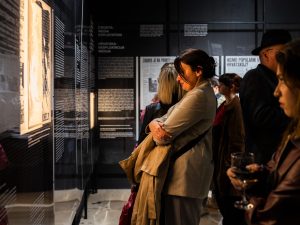
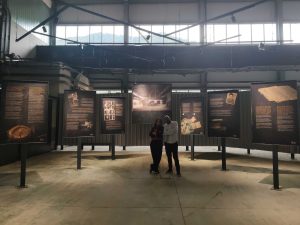
A BIRN exhibition examining the role of media in the violent breakup of Yugoslavia opened on Wednesday at the History Museum of Bosnia and Herzegovina in Sarajevo, drawing a diverse audience of members of the public, civil society organisations, diplomats, academics, and journalists.

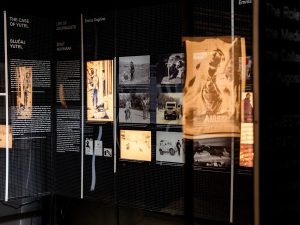
Reporting War: The Role of the Media in the Collapse of Yugoslavia explores how segments of the media in the former Yugoslavia moved beyond reporting events to actively shaping the conditions for conflict.

Through curated materials, the exhibition highlights how narratives rooted in historical grievances were amplified to fuel fear, deepen divisions and normalise violence.

Rather than portraying journalists as neutral observers, the exhibition presents a more complex and at times troubling picture, one in which media outlets contributed to the polarisation of society and the erosion of multiethnic coexistence. It frames propaganda not as a byproduct of war, but as a precursor that helped make violence appear both justified and inevitable.

Alongside this, the exhibition offers a contrasting perspective through the work of foreign correspondents who reported from the region during the 1990s. Using contact sheets and field notes, it captures fragments of their daily lives and professional routines, reflecting a generation of reporters some of whom described the Yugoslav wars as “our Vietnam”.

Set against today’s global media environment, marked by algorithm-driven information flows, declining trust in traditional outlets, and increasing hostility toward perceived “outsiders”, the exhibition raises questions about the power of media narratives and their capacity to shape political realities.

The exhibition is open to the public every day from 9 a.m. to 7 p.m. at the History Museum in Sarajevo, Bosnia and Herzegovina.

*The exhibition is implemented as part of the project Reporting Culture: Connecting Communities for Change, supported by the Regional Office of the Italian Agency for Development Cooperation in Tirana. It is carried out by BIRN Hub under the “Culture and Creativity for the Western Balkans” (CC4WBs) grant scheme, a European Union-funded initiative aimed at fostering dialogue and strengthening the cultural and creative sectors across the region.

BIRN Montenegro Forum Calls for Real Reforms as Accession Talks Enter Final Phase

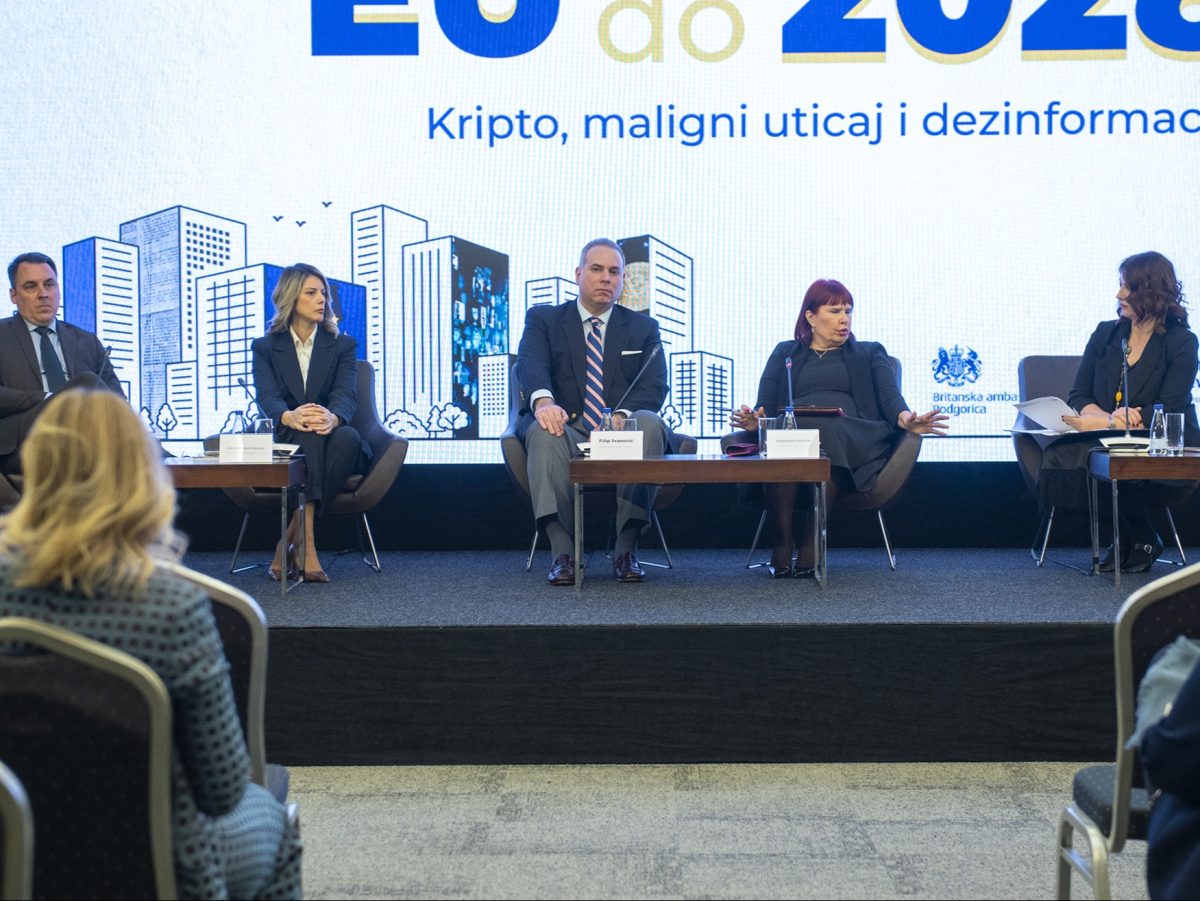
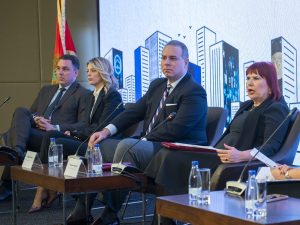
On March 30, the fourth Anti-Corruption Forum, “EU by 2028? Crypto, Malign Influence and Disinformation,” organised by BIRN Montenegro, called on the authorities to focus on substantive reforms, strength independent institutions and combat corruption and hybrid threats in the final phase of the country’s European integration.

Montenegrin President Jakov Milatovic said the country must develop mechanisms to identify hybrid activities and malign influence, warning that disinformation should not be spread by decision-makers.

“Never lose sight of the fact that the ultimate goal of hybrid activity is for citizens to lose trust in institutions. Consequently, this undermines the strategic vision of becoming a full member of the EU,” Milatovic said.

“We should work on strengthening independent institutions and establishing stronger oversight of the crypto market. It is becoming increasingly difficult to track suspicious financial flows in the world of virtual assets, offshore arrangements and complex ownership structures that obscure the identification of beneficial owners,” he added.

BIRN Montenegro Director Vuk Maras said that EU membership represents a historic opportunity for Montenegro, while stressing that the process requires broad cooperation.

“EU accession should not be just a box-ticking exercise but a genuine step towards improving quality of life and the rule of law,” Maras said.

Deputy Prime Minister Filip Ivanovic said the biggest challenge in accession negotiations is securing final court verdicts in organised crime and high-level corruption cases. Supreme Court President Valentina Pavlicic warned that a lack of judicial staff represents a serious obstacle to concluding those cases.

During the forum discussions, civic activists and government and state institutions representatives called for the regulation of cryptocurrencies, warning that legal gaps could be misused in money-laundering schemes.

They also urged strengthening independent regulators in the fight against disinformation and ensuring a systemic and active response to malign influence.

BIRN and Internews Kosova Launch Reports on Disinformation and Legal Gaps in Kosovo

BIRN Kosovo and Internews Kosova have launched two publications shedding light on disinformation trends and the legal gaps that enable their spread in Kosovo.

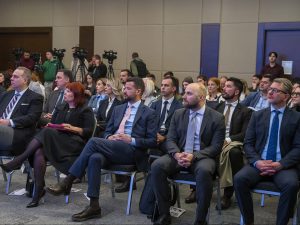
Presented on March 27 in Pristina under the Media Integrity and Disinformation Watch project, supported by the British Embassy in Kosovo, the conference brought together policymakers, media professionals and researchers to confront the scale and complexity of the issue.

At the centre of the event were two reports: Mapping Disinformation: Russian and Serbian Narratives in the Media and Social Networks in Kosovo and The Unstandardized Fight Against Disinformation: A Needs Analysis for Legal and Strategic Changes. Together, their key findings show that disinformation targeting Kosovo is not random, but structured, persistent, and strategically driven.

The Mapping Disinformation report finds that misleading narratives, largely originating from Russian and Serbian sources, are designed to exploit interethnic tensions, fuel insecurity and gradually undermine social cohesion. These narratives circulate across television, online media and platforms like Telegram, increasingly powered by artificial intelligence to scale their reach and adapt across languages. Global crises are routinely repurposed to reinforce false claims, while parts of the local media amplify the problem by republishing questionable sources. The influence landscape is also widening, with actors like China stepping in through Albanian-language content. All of this is compounded by structural weaknesses, limited transparency in media funding, weak editorial controls, and low institutional capacity, creating fertile ground for disinformation to spread.

The legal analysis shows that while Kosovo’s legislation was once aligned with EU standards, it has since fallen behind, particularly in regulating digital platforms and ensuring media accountability. The absence of a national strategy, combined with poor institutional coordination, has resulted in a reactive rather than preventive approach. Public officials and media professionals often lack the tools and clarity needed to respond effectively, while opaque media ownership and weak cooperation with global platforms further delay action against harmful content.

The reports were presented by Kreshnik Gashi, editor-in-chief at Kallxo.com and Visar Prebeza, editor at Krypomerti who emphasized the cyclical nature of disinformation. Gashi noted that much of the content reaching Kosovo audiences originates from Russian state-linked media, only to be republished or adapted locally. Prebeza added that the Kremlin maintains a steady interest in daily developments in Kosovo, consistently reframing them through a disinformation lens.

Labinot Leposhtica, Head of the Legal Office and Court Monitoring Coordinator at BIRN Kosovo, stressed that transparency in media ownership, financing, and advertising is critical to safeguarding the integrity of public information, warning that without it, accountability remains largely superficial.

Addressing the conference, British Ambassador Jonathan Hargreaves highlighted how disinformation is becoming increasingly difficult to detect, particularly with the rise of AI-generated content. He warned that such narratives deliberately target social cohesion, interethnic relations, trust in elections and the credibility of Kosovo’s still-consolidating institutions, slowly eroding stability through continuous and subtle pressure.

Albulena Haxhiu, Speaker of the Kosovo Parliament, said that in today’s fragmented and often unregulated media environment, disinformation is no longer accidental but carefully planned and strategically distributed across multiple channels, frequently without clear authorship or accountability. In such conditions, she noted, institutional responses remain scattered, uncoordinated, and ultimately insufficient.

This conference gathered representatives from Kosovo’s parliament, legal officers, representatives from security and justice institutions, media and civil society. In total, there were 54 participants, 27 women and 27 men.

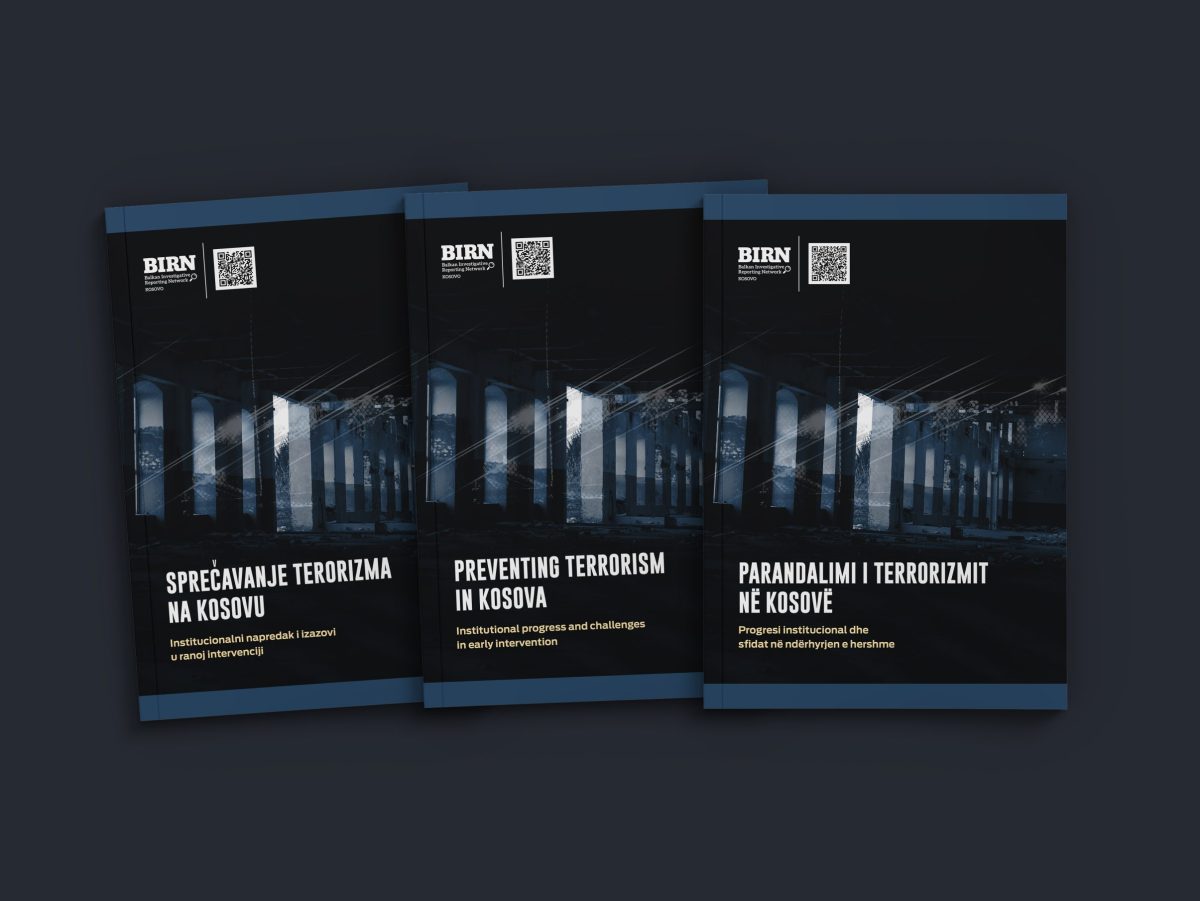
BIRN Kosovo Publishes Report on Preventing Terrorism in Kosovo

The BIRN report examines how Kosovo implemented early intervention measures under its National Strategy for the Prevention and Combating of Terrorism (2023–2028) between November 2024 and November 2025, and finds a clear gap between national policy and local practice. While the strategy emphasizes prevention, its execution at the municipal level remains slow, fragmented, and largely formal rather than operational.

Based on interviews, surveys, and institutional data, the report identifies key structural weaknesses: poor communication between central and local authorities, lack of standardized reporting and unified guidelines, delays in establishing functional referral mechanisms, and a serious shortage of psycho-social professionals in schools. Critically, there is also an absence of empirical risk assessments, meaning institutions lack evidence on which communities or groups are most vulnerable to radicalization.

A central finding is that Kosovo’s approach is still largely reactive: focused on arrests, rather than preventive. Municipalities, which should serve as the first line of defense, are often not properly informed or equipped to implement the strategy. The referral mechanism, a key tool for identifying and supporting at-risk individuals, is barely operational, and the education system lacks the capacity to detect early warning signs due to understaffing.

The report also highlights a significant geographical and ethnic divide, noting that Serb-majority municipalities, especially in the north, are largely excluded from national prevention efforts.

Overall, the report concludes that without stronger coordination, better data, increased mental health capacities, and full integration of municipalities into implementation, Kosovo’s shift toward proactive prevention of violent extremism will remain incomplete

The report is accessible online in three languages:
The report in Albanian:https://kallxo.com/wp-content/uploads/2026/03/parandalimi-i-terrorizmit-ne-kosove.pdf

The report in Serbian:  https://kallxo.com/wp-content/uploads/2026/03/sprecavanje-terorizma-na-kosovu.pdf

The report in English: https://kallxo.com/wp-content/uploads/2026/03/preventing-terrorism-in-kosova.pdf

This report was published as part of the ‘’Resilient and Inclusive Program’’, funded by GCERF, through ATRC, implemented by BIRN Kosovo.

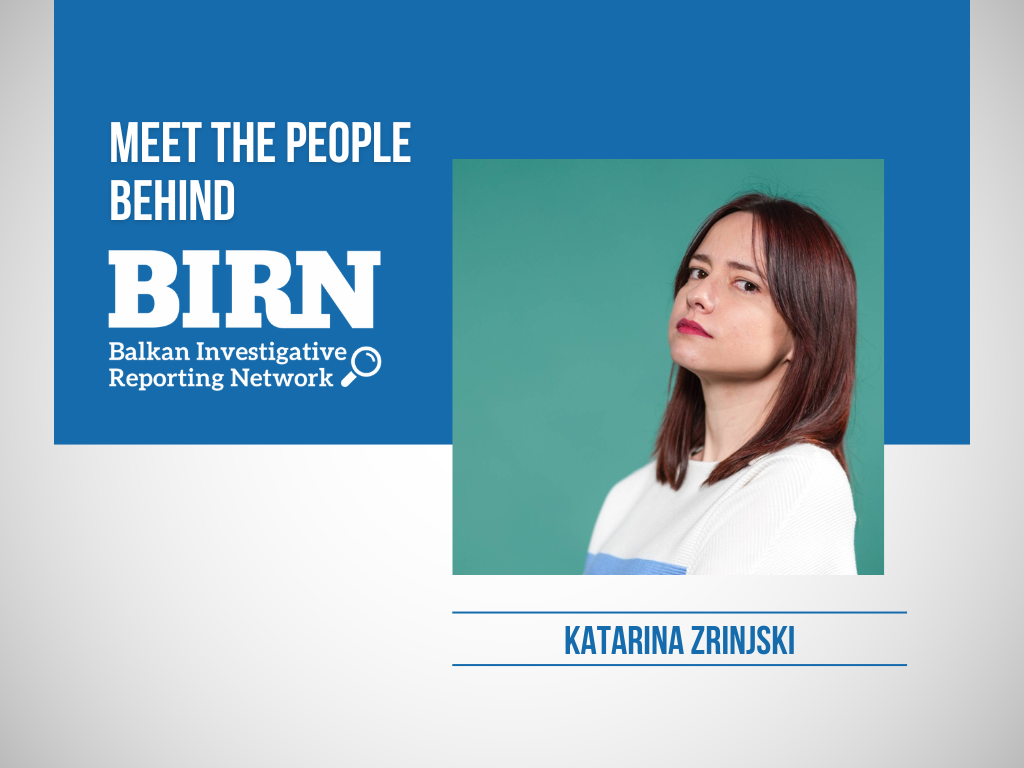
Meet the People Behind BIRN: Katarina Zrinjski

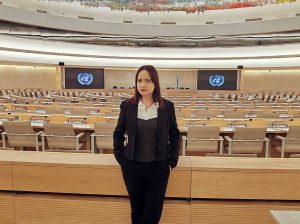
From studying international politics to joining BIRN Bosnia and Herzegovina (BIRN BiH) in 2014 and her current position of Head of Programmes – and playing basketball to relax – these are some of the moments from Katarina Zrinjski’s everyday life. Let’s meet her!

One reason why Katarina enrolled at the Faculty of Political Sciences at the University of Belgrade was because she didn’t know then what she wanted to do for a living.

“I studied international politics, which gave me a broad education in several fields related to social sciences. That suited me perfectly while I was figuring out what I wanted to become,” she says.

“Just before joining the MA program in Peace Studies, I realised that transitional justice was the field I wanted to explore further. Peace Studies definitely showed me the direction I wanted my career to take,” Katarina adds.

After completing her studies, she worked at the Humanitarian Law Center (HLC) in Belgrade for almost three years before joining BIRN BiH.

“My position was in outreach for HLC, as well as coordinating the REKOM process. That was actually my first contact with BIRN BiH, as we were receiving press clippings related to transitional justice topics from the former Yugoslavia — and the majority of articles from BiH were BIRN BiH court reports,” she recalls.

“Just a few months after I left HLC, I got a call from the former BIRN BiH director asking if I would be interested in joining the team. Within two weeks, I moved to Sarajevo.”

But when she started to work at BIRN as a Project Officer in 2014, she didn’t know what to expect. Her relocation to a new country, city and job happened in less than two week – a challenge in every sense.

“I was excited about everything: exploring a new environment and taking on new tasks one by one. Very quickly, my role became more like that of a project manager than a project officer, as I was responsible for the whole project portfolios,” she recalls.

“When I joined BIRN BiH, transitional justice was the main and only field we worked on. Within the next year-and-a-half, we were already covering topics such as corruption, terrorism and the rule of law. It felt like BIRN BiH’s growth was mirroring my own, and I loved that process. It set standards from the very beginning – that we, as an organisation and I as an individual, must always strive for more. That’s still the case today,” Katarina explains.

Her professional path led her to the Head of Programmes position. Since this is a new role, which no one held before, Katarina created the Terms of Reference for the position herself.

“The idea was to have one person responsible for planning and overseeing all projects, ensuring they align with the organisation’s strategic goals. Personally, I want to make things a bit easier for the editorial, finance, and executive leadership teams by assisting them however I can. We’ll see how this role develops, but I know I’m 100-per-cent ready for new challenges, and I’m truly grateful for this opportunity,” she says.

BIRN BiH has three main programmes that have evolved over the years: transitional justice, rule of law and foreign influence. Transitional justice, Katarina’s favourite, has remained BIRN BiH’s core focus.

“We are still the only organisation reporting on every war-crime trial related to BiH, which makes our archive invaluable,” she notes.

“In recent years, we’ve developed several databases and documentary films that have taken on lives of their own, such as The Lives Behind the Fields of Death and Samir Mehic Bowie – Letters from Srebrenica, which has been screened across Europe.

“At the end of last year, we updated our database of court-established facts about the war as well as a guideline document for history teachers, which is being integrated into school curricula in several cantons, which is one of the most important things BIRN BiH ever achieved,” she adds.

The second programme, which is becoming increasingly relevant, is on foreign malign influence in BiH. “We’ve produced several investigations that have had a major public impact and prompted reactions from institutions,” she says.

“For example, our journalists uncovered ways of recruitment in the Russian army and revealed that two Russian diplomats, expelled from European countries after the invasion of Ukraine, were accredited in Russia’s diplomatic mission in BiH — a story that drew international attention,” Zrinjski notes.

When it comes to the rule of law, BIRN BiH’s reports have prompted dozens of investigations by prosecutors’ offices and even verdicts in serious crime cases.

“We’re also the only organisation reporting on disciplinary proceedings against members of the judiciary. Recently, after a tragic tram accident in Sarajevo that claimed one life, we discovered that the tender documentation for tram maintenance didn’t require relevant experience – an example of how our journalists uncover systemic issues,” she says.

“I can confidently say BIRN BiH has become a respected organisation, both domestically and internationally, and is now a key player in monitoring and reporting on Bosnia’s most important social and political issues,” Katarina adds.

If she had to explain what BIRN BiH represents to someone unfamiliar with it, she would summarize it in its mission statement: “In our relentless pursuit of truth and justice, we stand as guardians of democracy, ensuring that the voices of the voiceless are heard and that the lessons of history are never forgotten.”

Katarina and Denis Dzidic, a BIRN BiH Director

“This reflects the core drive behind our work. Although it’s often emotionally challenging and demanding, the satisfaction we feel when we see the impact of our work is priceless,” she says.

“Our greatest strength, besides the amazing professionals at BIRN BiH, is the trust we’ve earned from many different groups – from victims and their families to partner NGOs, fellow journalists, the international community, and even public institutions that see us as a trustworthy partner in our shared mission to improve life in BiH,” Katarina thinks.

However, she believes that there is still room for improvement.

“My mantra is that we can always do better. No matter how good we are, if we relax, we create space for mistakes. That’s why we constantly work to improve, to grow, and to find new ways to present our work. It’s a joint effort by many people at BIRN BiH, and I do my best to make these processes as smooth as possible,” Katarina says.

Some things make her most proud, such as how BIRN BiH continues to touch people with their stories, by motivating them to speak up, share, and trying to make a difference.

“I’m also incredibly proud of how important BIRN BiH has become. I truly believe that if we stopped working tomorrow, the impact on Bosnian society would be profound. It might not be visible immediately, but in the long run, our critical and constructive presence would be deeply missed,” Katarina reflects.

For all young people who would like to work at BIRN, she has one piece of advice: “Be prepared to work hard.”

In her personal life, she thinks she’s the same person privately as she is at work – with the same ambition and dedication to the people and things she loves.

“Nothing compares to spending time with my family; that’s when I’m most relaxed and happy. When I need to clear my head, I grab a basketball and shoot hoops at a nearby court,” she concludes.

BIRN Kosovo Holds Training on Violent Extremism, Radicalism and Terrorism with Judges and Prosecutors

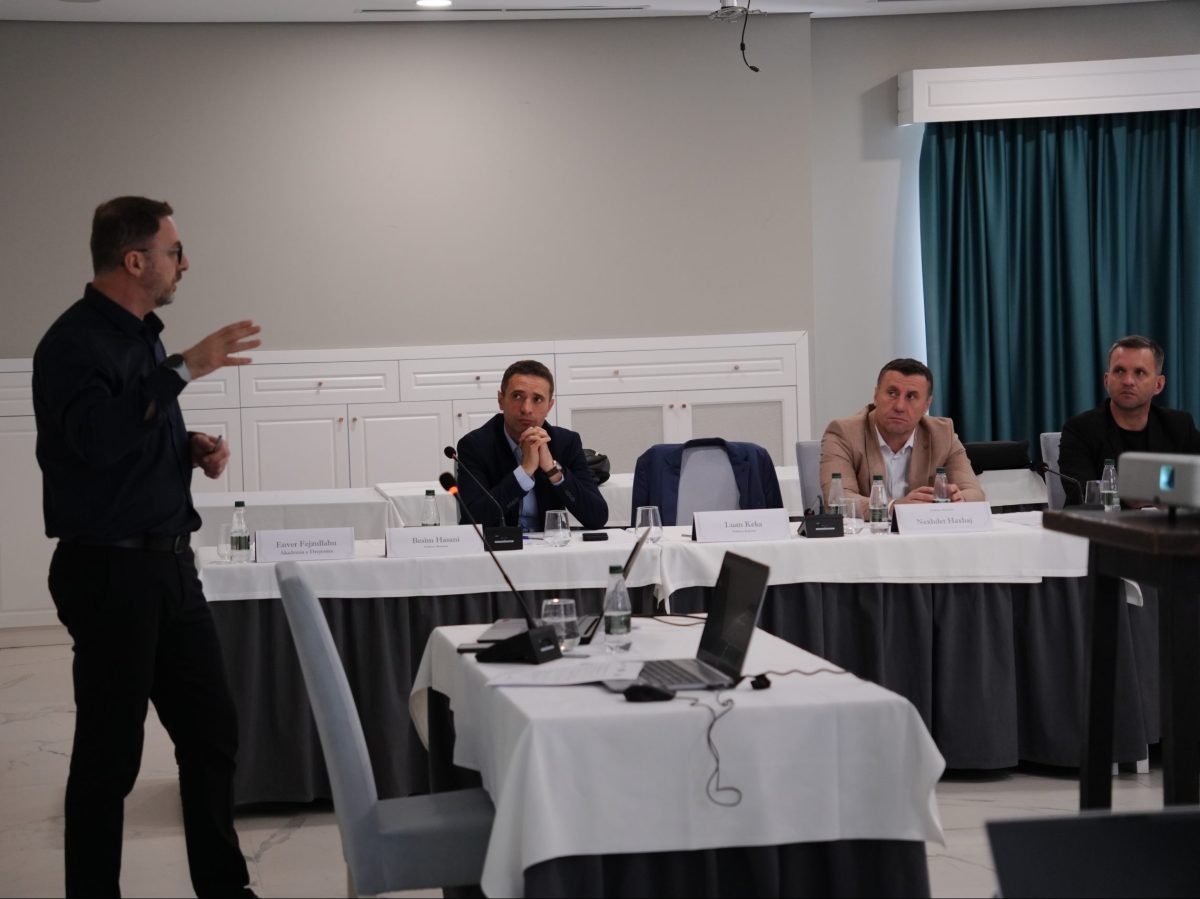
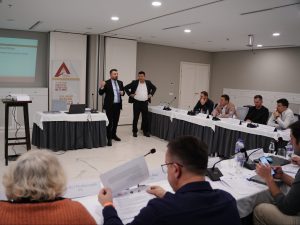
BIRN Kosovo completed a four-day training on extremism, radicalism, and terrorism with judges and prosecutors in Durrës, Albania on March 25.

The tailored, intensive training was structured to serve justice professionals in their daily work, including cases related to terrorism, extremism, and radicalism. On the first day of training, the participants were presented with the agenda, trainers, and details of the training.

During the second day, the training followed by a technical deep dive into Kosovo’s national counter-terrorism strategies and legal frameworks, achievements, challenges, and current affairs. The afternoon session shifted toward the rising threat of right-wing extremism, where participants analyzed the development of these ideologies and engaged in a hands-on simulation of a strategic investigation based on a staged terrorist incident. The sessions were led by Luan Keka, Director of the Kosovo Police Unit on Anti-terrorism, and Nexdet Haxhaj, a Kosovo Police Investigator with the Unit on Anti-terrorism.

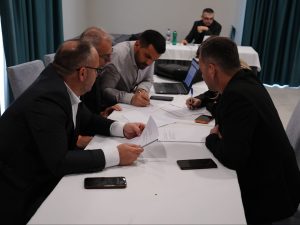
On the third day, participants focused on research and the technical definitions of terror-related crimes. Burim Ademi, a Supreme Court Judge,  led a session defining terrorism as a criminal offense, specifically examining the roles of terrorist groups and individuals in executing these acts. On the second part of the day, the focus shifted toward the global and regional landscape of violent extremism with Luan Keka detailing the development of religious extremism, while Special Prosecutor Naim Abazi discussed the critical legal hurdles regarding the admissibility of evidence in urgent cases and the importance of sentencing hearings. The afternoon was dedicated to practical application which included group work on investigating international religious extremism cases moderated by Kreshnik Gashi and Nexhdet Haxhaj.

On the final day of the training, the lectures were focused on the logistical, financial, and communicative aspects of countering terrorism. The morning session began with a presentation on research results, specifically examining how pre-sentencing report mechanisms are utilized in terrorism-related convictions. Following this, the sessions delved into the technical and strategic side of enforcement:Financial and Criminal Intersections with Supreme Court Judge Burim Ademi who led a session detailing the various methods used to finance terrorism and the ways these activities intersect with organized criminal groups. Preventative Programs: Besim Hasani from the Intelligence Unit discussed the development of the “Chanel” program in Kosovo, highlighting the challenges and opportunities faced by multidisciplinary teams at the local level.

This training was attended by 31 participants, including  16 prosecutors and judges. The participants have actively engaged in this training by sharing experiences and posing questions on how to effectively deal with terrorism and violent extremism.The training was part of the ‘Resilient and Inclusive Communities Program”  funded by GCERF.

BIRN Wins Second Prize in North Macedonia for ‘Religious Properties’ Database

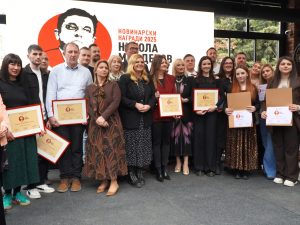
Seven journalists and investigative teams shared the three prizes for best investigative stories at the jubilee 25th edition of the investigative journalism awards, organised by the Macedonian Institute for Media, MIM.

The report ‘Campaign Financing for the 2025 Parliamentary Elections in Albania: Sources, Expenditures and Reporting Transparency’ analyses official financial reports submitted to the Central Electoral Commission (CEC), combining structured datasets with comparative financial analysis to identify key trends in campaign expenditures, sources of funding and reporting inconsistencies that influence the transparency of electoral competition.

First prize went to stories investigating the causes of the fire at the nightclub in Kocani. The Investigative Reporting Lab, IRL, was awarded for the story “Kochani – Our Moral Compromise”. The team behind the programme “KOD”, broadcast on Telma TV, was recognised for its series of investigations on the same topic, while Fokus journalist Irena Mulachka was awarded for an article that revealed the secret owner of the agency Rubikon.

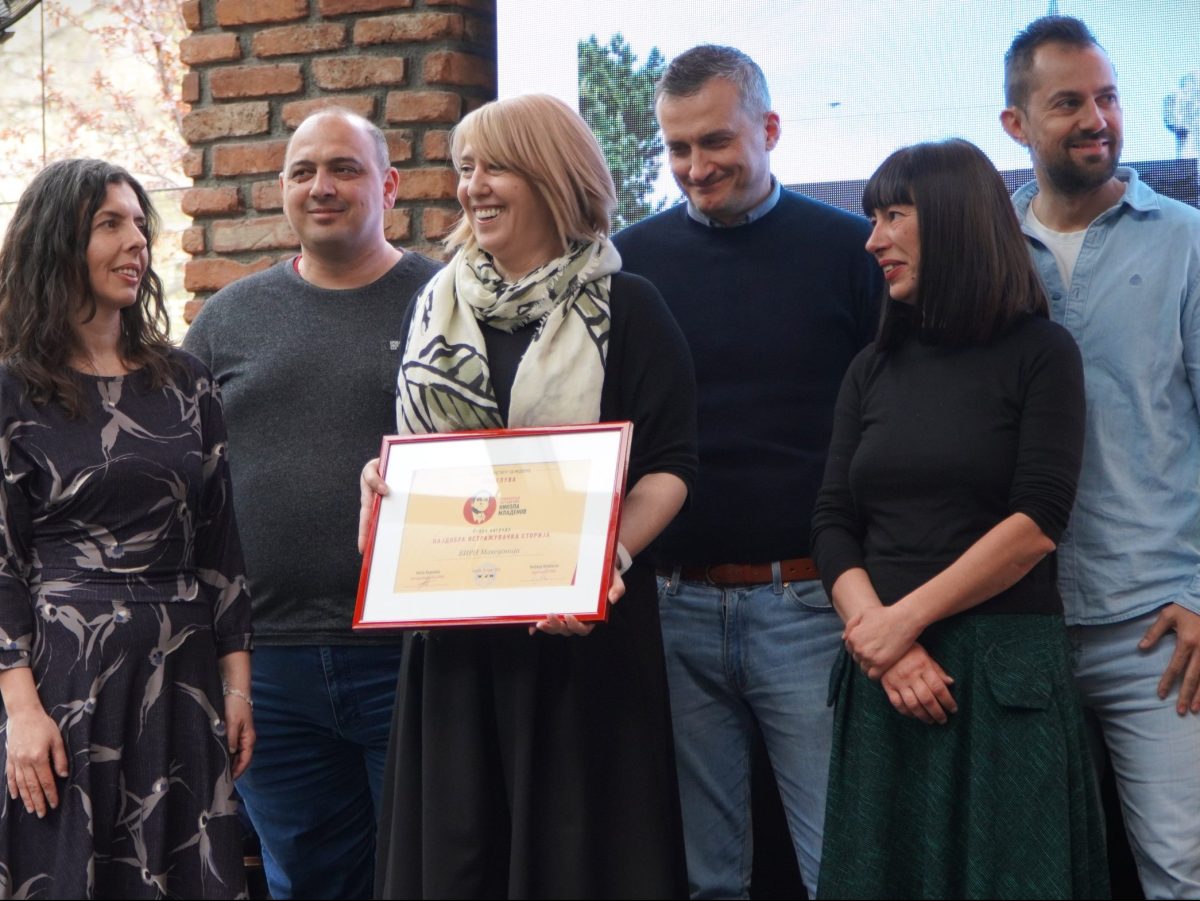
Second prize was awarded to the team of Prizma/BIRN Macedonia for the database “Religious Properties Uncovered” and the investigations stemming from it, and to the journalists Aleksandar Metodijev and Suzana Mitseva for the series “Coal at the Crossroads”.

Third prize was shared by journalist Fisnik Djelili for a story on the misuse of funds for the treatment of stray dogs in Tetovo, published by the portal Portalb, and Aleksandar Dimitrievski for the story “Police Special Forces to Be Dressed by a Women’s Fashion Studio and a Company Registered Before the Tender”, published in the TV magazine 360 Degrees.

Certificates of recognition were awarded to Miroslava Simonovska and Frosina Fakova Serafinovic from Sloboden Pechat, to Bjanka Stankovic for a story published in the magazine Lice v Lice, and to Slavica Filipovska Ivanova and Mihail Miloshevski from 360 Degrees.

The awards recognise exceptional professional dedication, investigative persistence and a strong commitment to the public interest.

The Macedonian Institute for Media has been presenting best investigative story awards since 2001. Marking the 25th anniversary, a panel discussion was also organised on the challenges and future of investigative journalism in North Macedonia, featuring representatives of the five investigative newsrooms that have won the most awards so far.

BIRN Albania Publishes Report on Campaign Financing for the 2025 Parliamentary Elections

BIRN Albania has published a new analytical report examining the financial statements submitted by political parties and electoral subjects for the 11 May 2025 parliamentary elections in Albania, providing a detailed assessment of campaign financing patterns, spending priorities and transparency challenges affecting public oversight of political finance.

The report ‘Campaign Financing for the 2025 Parliamentary Elections in Albania: Sources, Expenditures and Reporting Transparency’ analyses official financial reports submitted to the Central Electoral Commission (CEC), combining structured datasets with comparative financial analysis to identify key trends in campaign expenditures, sources of funding and reporting inconsistencies that influence the transparency of electoral competition.

According to the report, electoral subjects declared approximately 485 million ALL (around €4.9 million) in campaign expenditures. Financial resources were strongly concentrated among the two largest political blocs, which together accounted for more than 88% of total campaign spending, confirming a pronounced structural imbalance in campaign financing between major political actors and smaller electoral subjects.

The analysis shows that campaign spending was primarily directed toward a limited number of strategic categories related to political communication and campaign management, including consultancy services, media advertising, social media promotion and campaign rallies. Consultancy services and media represented the largest spending categories, much of it concentrated among a limited number of providers.

At the same time, the report finds that campaign financing in Albania continues to rely primarily on internal party resources and public funding allocations, while contributions from individual donors represent a comparatively smaller share of reported income. Approximately two-thirds of declared campaign income falls within the category of internally generated party funds, a classification that often includes transfers from party structures and previously accumulated financial reserves. However, the report highlights that this category remains one of the least transparent components of campaign financing, as detailed source breakdowns are frequently not provided in financial statements.

While political parties formally complied with reporting obligations established under Albania’s electoral framework, the report identifies several structural limitations affecting the accessibility, comparability and completeness of campaign finance information, including limited standardisation of expenditure descriptions, insufficient detail regarding certain categories such as consultancy and social media services, and restricted availability of machine-readable datasets for independent analysis by civil society and researchers.

The findings provide an evidence-based contribution to ongoing discussions on political finance transparency and electoral integrity safeguards in Albania, particularly in light of recent legislative amendments affecting campaign expenditure ceilings and reporting obligations. By systematising financial data submitted to the Central Electoral Commission, the report supports efforts by institutions, civil society organisations and international partners to strengthen oversight mechanisms and improve the transparency of campaign financing practices.

This report was prepared by BIRN Albania with the support of the Westminster Foundation for Democracy (WFD), within the framework of the project “Western Balkans Framework: Investing in Democratic Resilience”, funded by the FCDO through the British Embassy in Tirana.

For an English copy of the report click here.

For an Albanian copy of the report click here.