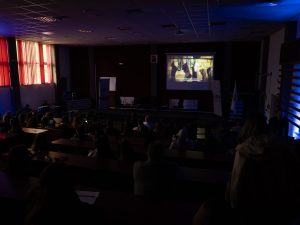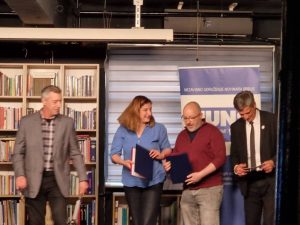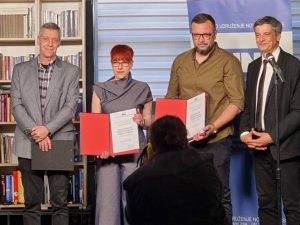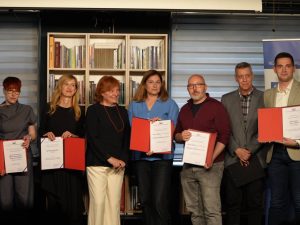
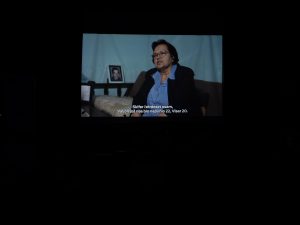
Produced as part of the EU-funded project “Unveiling the Truth: Combating Monoethnic Journalism and Advocating for Missing Persons in Kosovo,” the documentary highlighted the lasting impact of war crimes on families and communities across Kosovo and included stories and testimonies coming from the families of missing people from the Municipalities of Gjakova, Rahovec and Malisheva, from activists and representatives of institutions that deal with the grievances of the past in Kosovo.
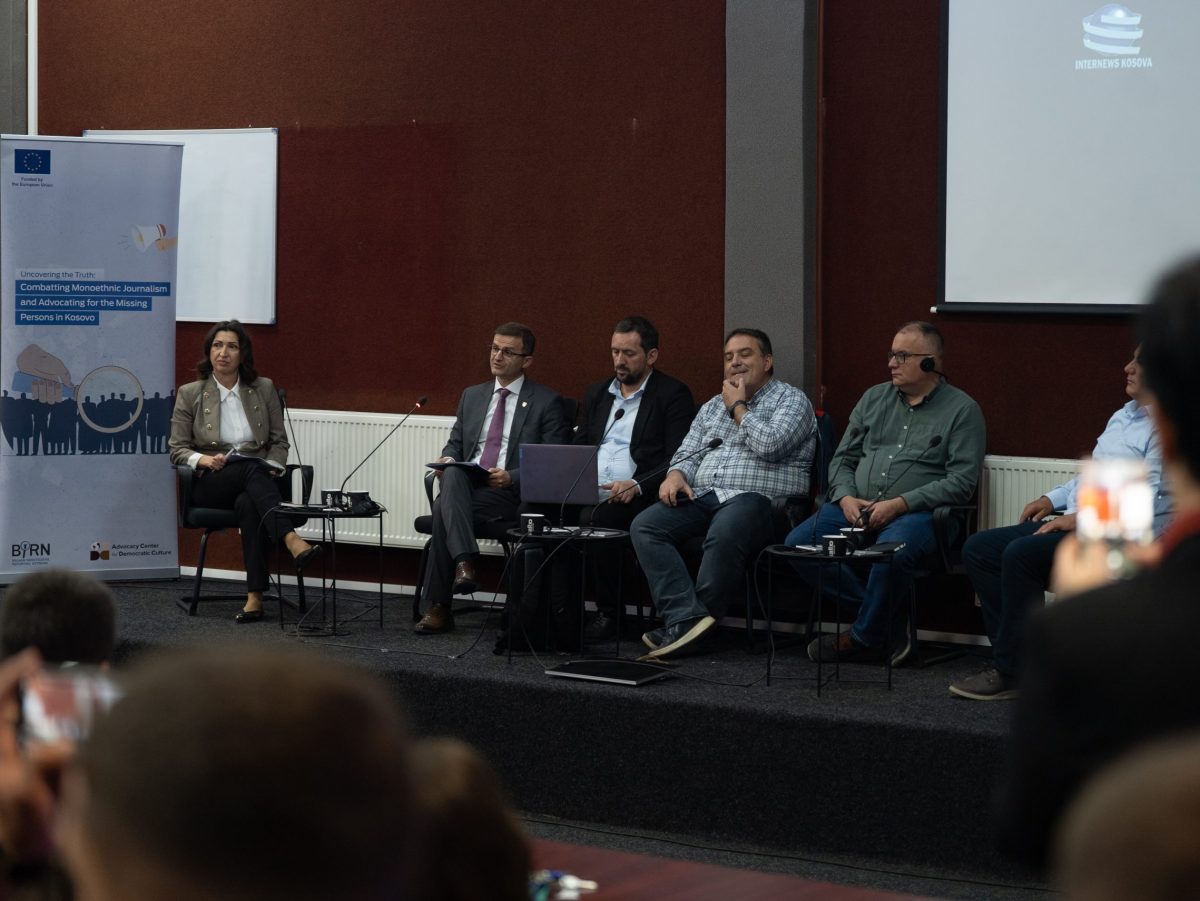
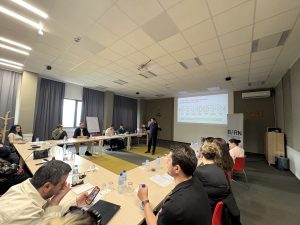
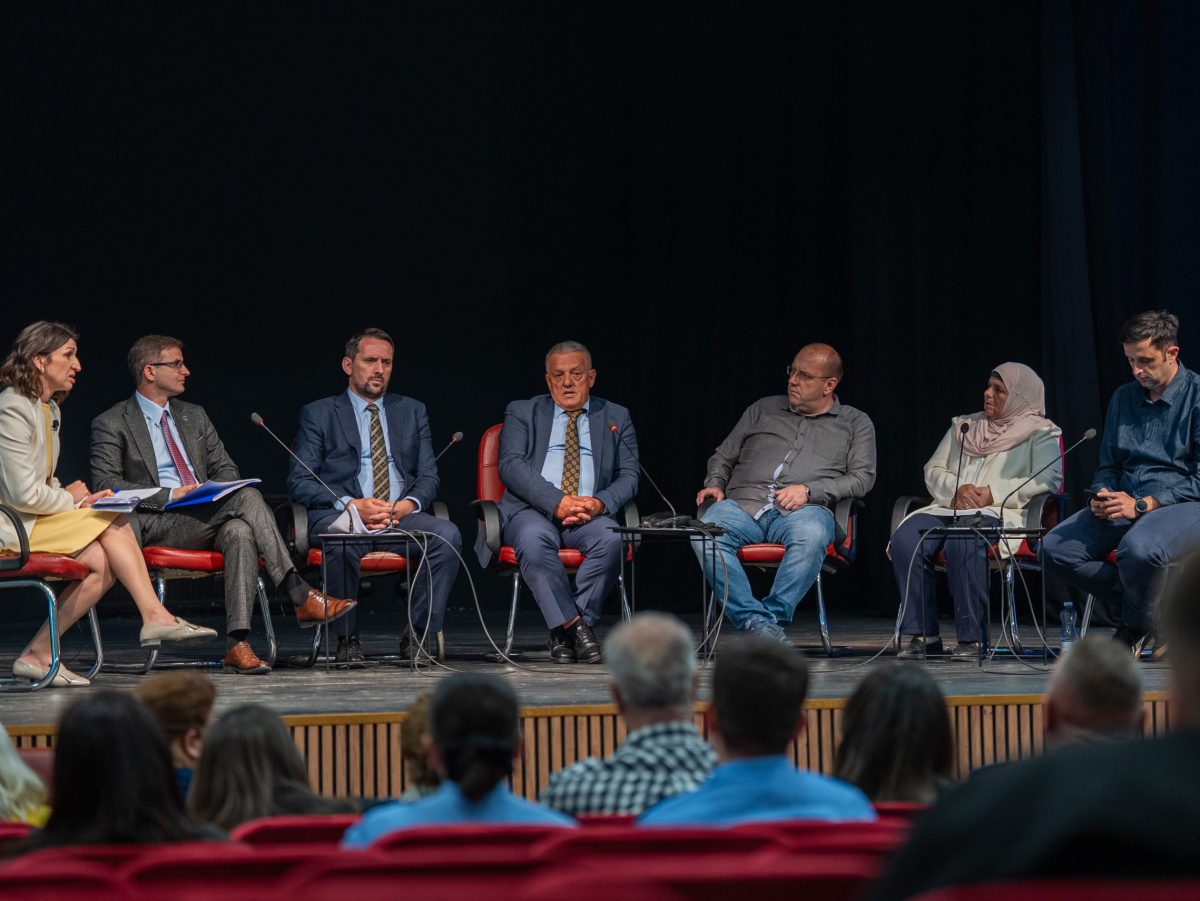
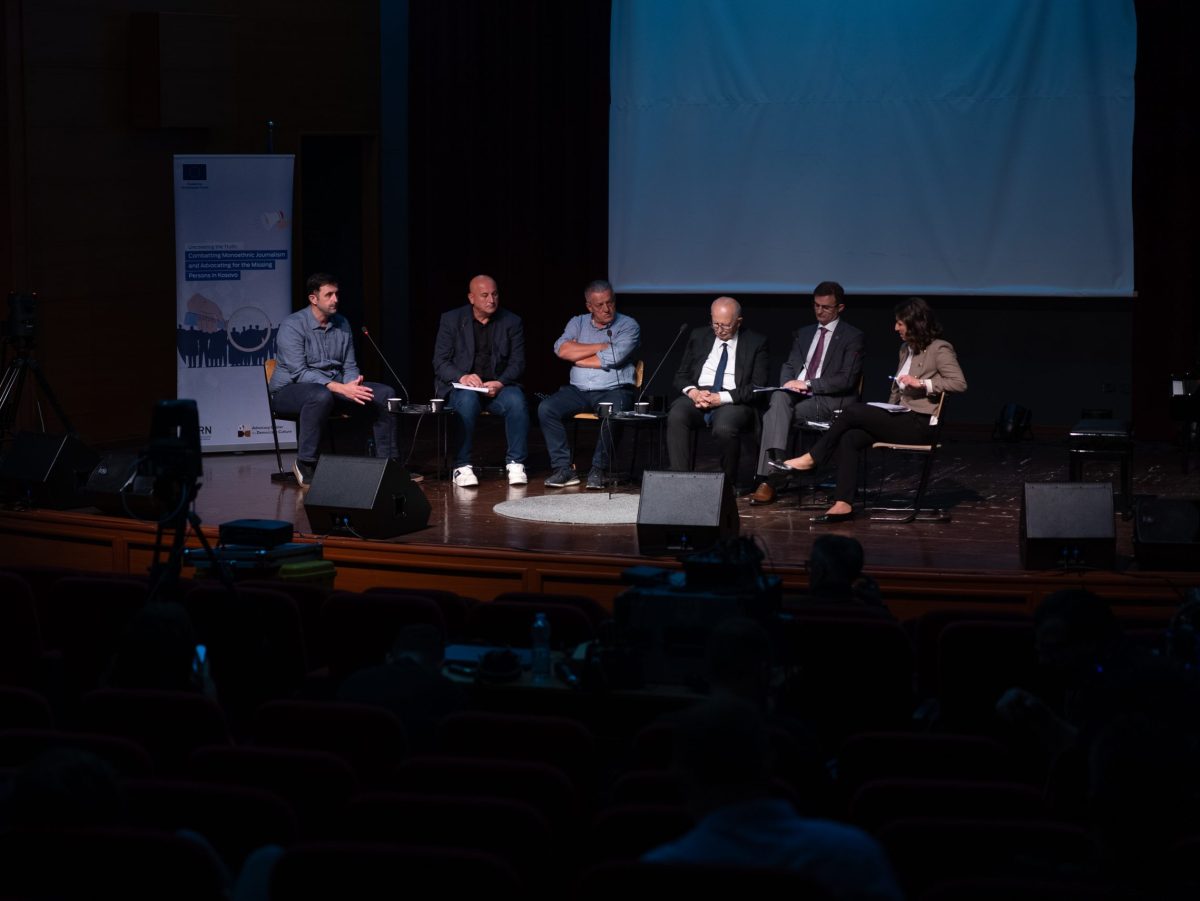
A public discussion followed the documentary screening, making this event part of a broader series of public discussions on transitional justice and missing persons in Kosovo. According to the data and testimonies presented, this region was one of the most badly destroyed regions in the country, with the highest number of victims, property damage and other losses. This discussion was moderated by BIRN Kosovo Executive Director and journalist Jeta Xharra.
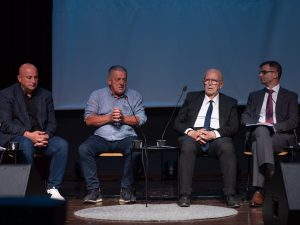
Panelists included Ilir Morina, from the Special Prosecution, Arsim Gerxhaliu, from the Institute of Forensic Medicine, Teki Bokshi, a lawyer, Selami Hoti, an activist, and Kreshnik Gashi, from KALLXO.com.
Ilir Morina informed the audience that the State Prosecution has conducted dozens of investigative activities in the region and an indictment is currently taking place. Arsim Gerxhaliu raised a concern that during his long career in this field he has encountered many family members who had paid a lot to supposedly receive information about the fate of their missing, which turned out only to be schemes for profit coming from individuals and small interest groups unrelated to the matter, using the pain of family members for their own profit. Lawyer Teki Bokshi said the actual number of missing people in Kosovo (1,560) serves as proof that state institutions failed to resolve this matter, 27 years after the war ended in Kosovo.
Selami Hoti, a lifelong activist from the Krusha region, called for more institutional support for the families of missing people. Kreshnik Gashi from KALLXO.COM emphasized the crucial importance of information sharing in this process. All the panelists and participants urged the political level to do more.
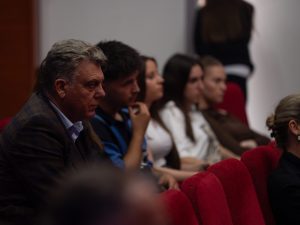
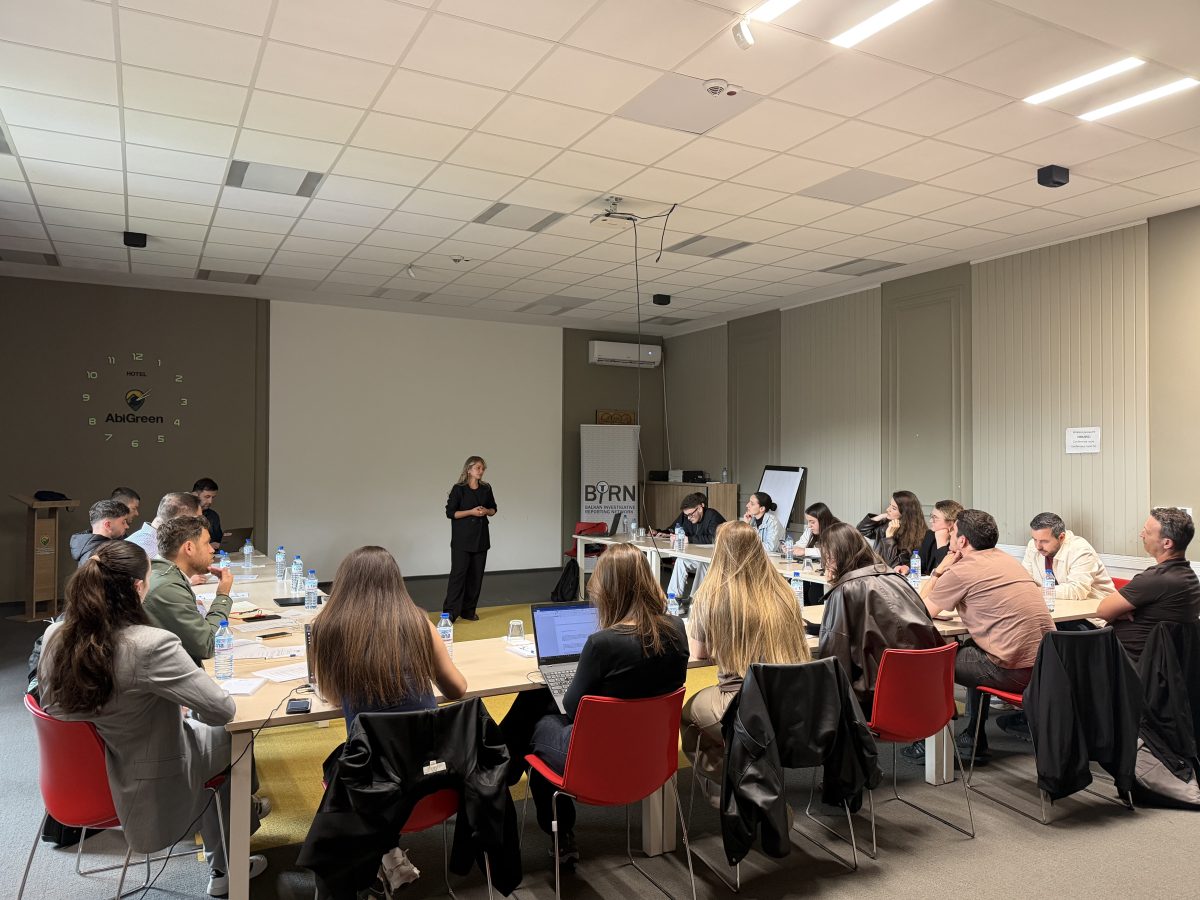
The event was attended by 63 participants, 41 of whom were women. Participants included representatives from local authorities in the Municipality of Gjakova, civil society activists, victims’ associations and students
This event was organised in the framework of “Unveiling the Truth: Combating Monoethnic Journalism and Advocating for Missing Persons in Kosovo”, a project funded by the European Union.