BIRN Kosovo Trains Journalists, Civil Society and Researchers on Transitional Justice

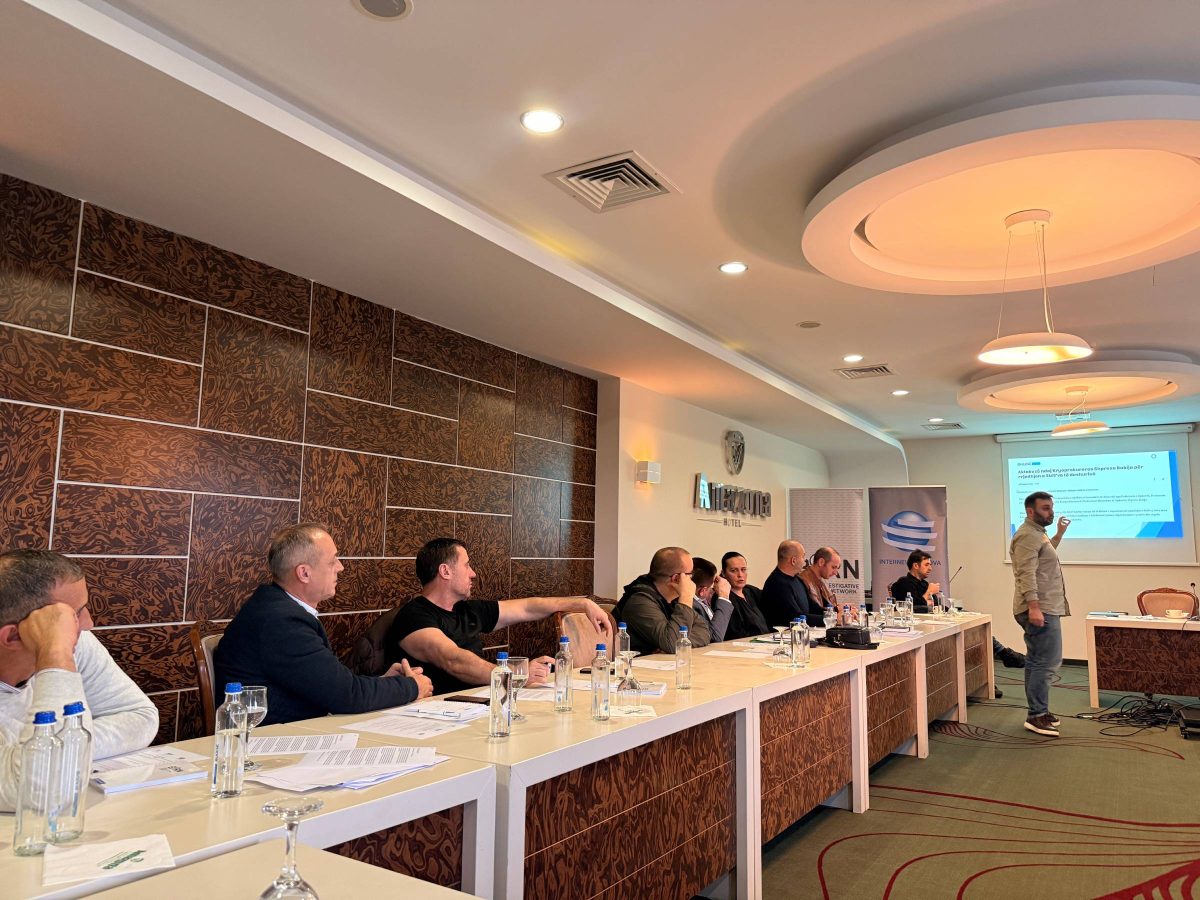
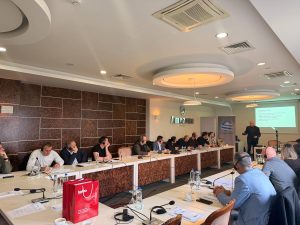
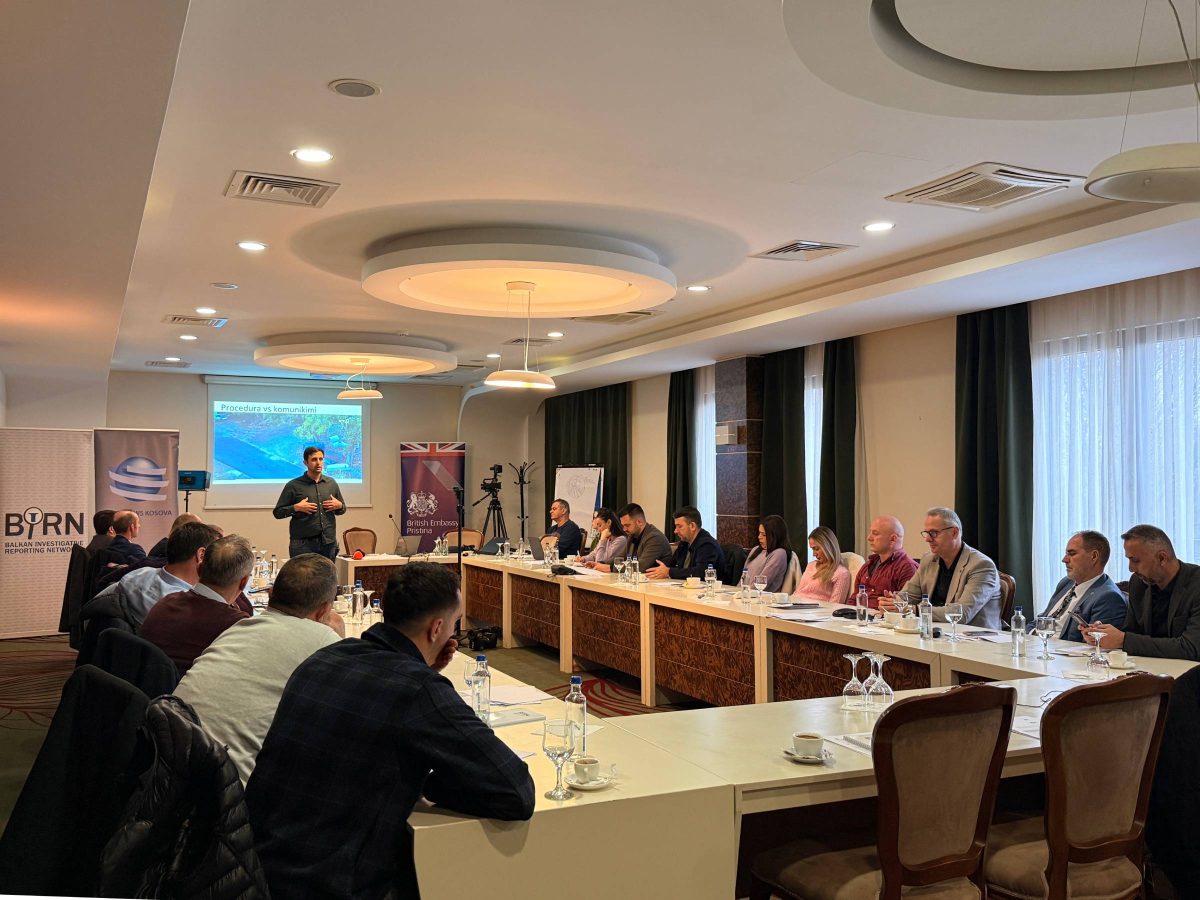
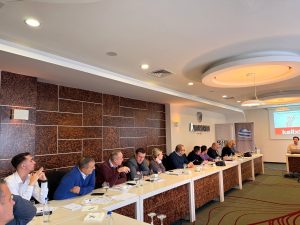
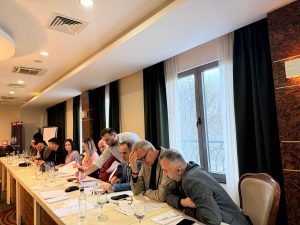
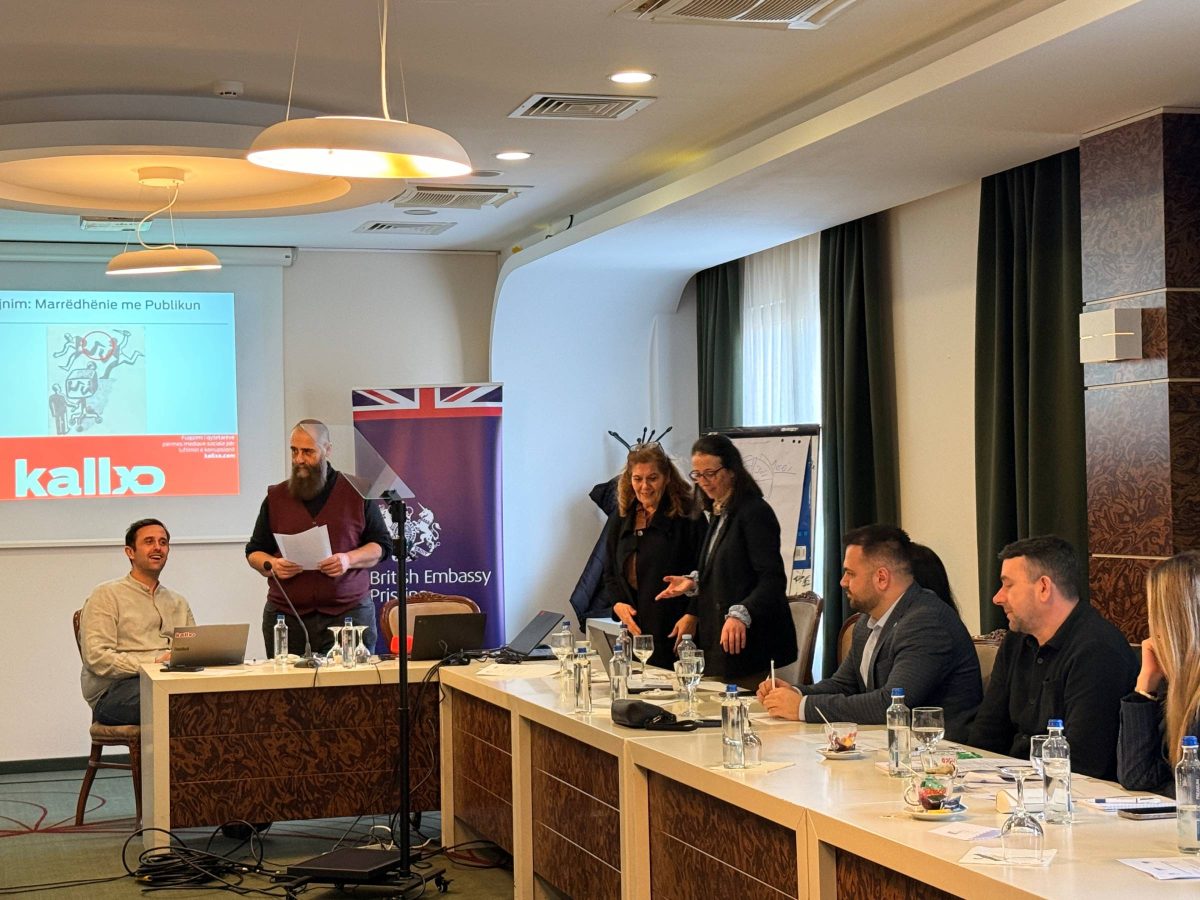
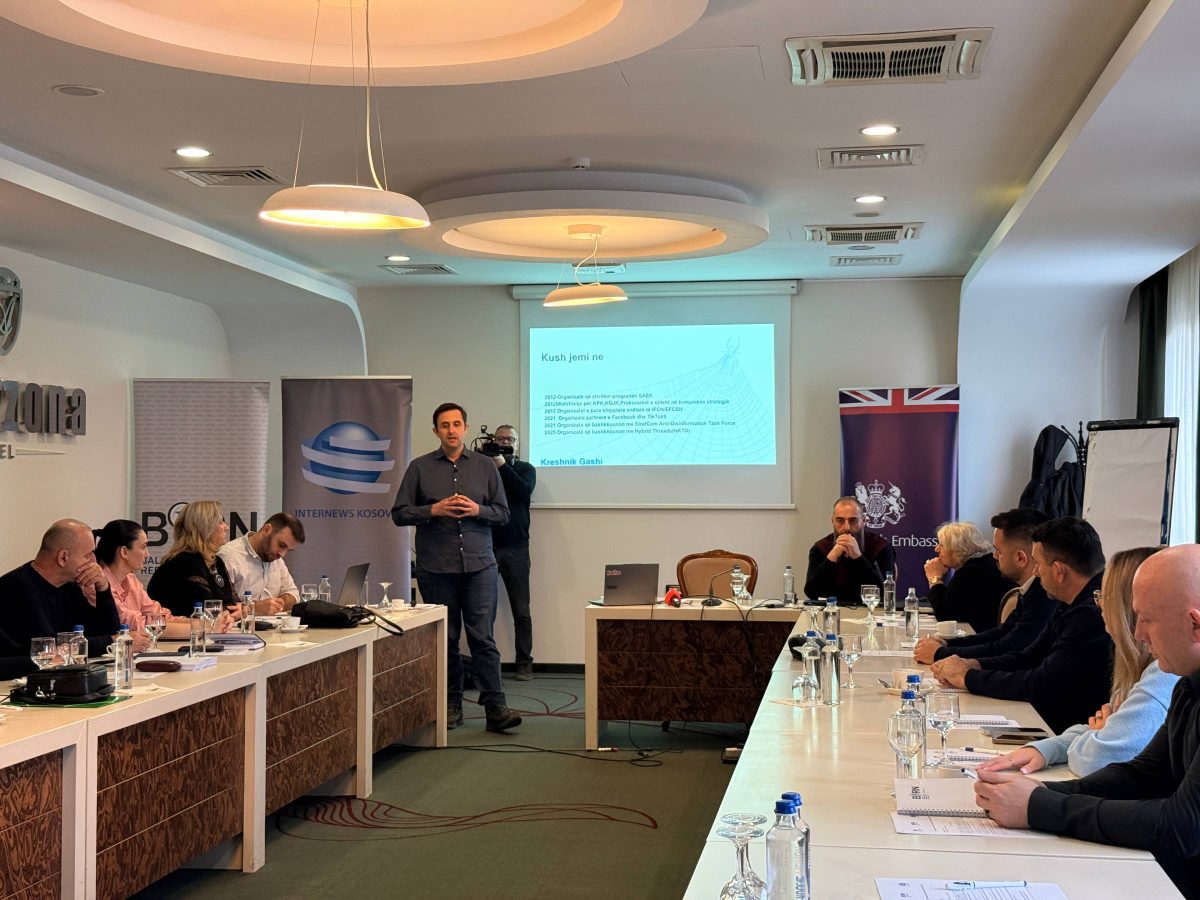
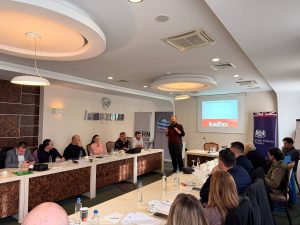
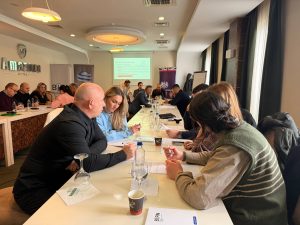
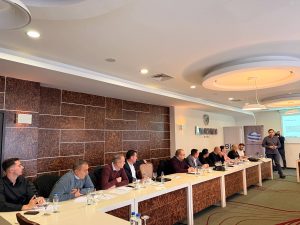
BIRN Kosovo organized a one-day training session on transitional justice, war crimes, and responsible media reporting on January 12, at the Reporting House Museum in Pristina.

The training was held under the Reconcile project, supported by the European Union, and brought together journalists, civil society representatives, researchers, and students.

The training consisted of four thematic lectures that provided participants with in-depth, practical insights into key challenges related to dealing with the past. Topics covered included documenting war crimes in international media; collecting evidence on war crimes from institutions and non-governmental organizations; the transition of war crimes investigations from international to domestic mechanisms, with a focus on building prosecutorial capacity; and the impact of hate speech and disinformation on establishing the truth about war crimes. The sessions were delivered by experienced practitioners, including Kreshnik Gashi, Editor-in-Chief of Kallxo.com; former war crimes prosecutor Drita Hajdari; Professor Halim Bajraktari; and Labinot Leposhtica, Head of the Legal Office at BIRN Kosovo. Drawing on their professional experience, the speakers shared practical insights into war crimes investigations, judicial proceedings, and the ethical challenges of reporting on sensitive and complex issues.

Participants emphasized the importance of creating spaces for discussion and learning on these topics. Journalists and civil society representatives noted that the training offered knowledge and perspectives they had not previously encountered, particularly on ethical reporting standards and the protection of victims’ identities. Several participants stressed that understanding when and how to withhold sensitive information is essential for responsible journalism, especially when reporting on victims of war crimes and other serious violations.

The training session brought together 38 journalists, activists, researchers, and members of victim groups, out of whom 29 were women. The aim of fostering meaningful discussion and exchange on the role of media and civil society in addressing war crimes and transitional justice in Kosovo was addressed during this session

The Reconcile project is funded by the European Union. The content and views expressed are the sole responsibility of BIRN Kosovo and do not necessarily reflect the views of the European Union.

Workshop Overview and Participant Breakdown

Date: 12 January 2026

Location: Pristina, Kosovo

Number of participants per country:

Kosovo 35

BiH: 1

Serbia: 2

Total Number of Participants: 38

The full findings and activities are available in the EDS Report, which can be accessed here.

BIRN Kosovo Holds Training Session on Transitional Justice for University of Prizren Students

BIRN Kosovo organized a one-day training session for students of the University of Prizren on January 9, 2026, at the Reporting House Museum in Pristina. The training focused on transitional justice, war crimes, and responsible media reporting and was held within the framework of the Reconcile project, supported by the European Union.

The session featured contributions from journalist and Editor-in-Chief of Kallxo.com, Kreshnik Gashi; former war crimes prosecutor Drita Hajdari; Professor Halim Bajraktari; and Labinot Leposhtica, Head of the Legal Office at BIRN Kosovo. Drawing on their professional experience, the speakers shared insights into war crimes investigations, judicial proceedings, and the ethical challenges involved in reporting on sensitive and complex topics.

Participants emphasized that the training helped clarify gaps in their understanding of how war crimes cases have been addressed in Kosovo, particularly regarding the reasons behind lengthy judicial processes. Students also highlighted the importance of learning to distinguish fact-based reporting from propaganda, noting that these skills are essential for anyone seeking to understand and critically engage with the past.

Moreover, the training provided a deeper and more realistic understanding of the consequences of the war, including the scale of victimization and the institutional challenges in delivering justice. Many participants noted that the perspectives offered during the session differed significantly from those encountered in their academic coursework, contributing to a more nuanced and practical understanding of transitional justice. The training brought together 27 participants, of whom 20 were women.

The “Reconcile” project is funded by the European Union. The content and views expressed are the sole responsibility of BIRN Kosovo and do not necessarily reflect the views of the European Union.

Workshop Overview and Participant Breakdown

Date: 9 January 2026

Location: Pristina, Kosovo

Number of participants per country: Kosovo 27

Total number of participants: 27

The full findings and activities are available in the EDS Report, which can be accessed here.

Meet the People Behind BIRN: Besar Likmeta

In 2025, Balkan Investigative Reporting Network (BIRN) marked its first 20 years – 20 years of investigative journalism and dedication to promoting freedom of speech, human rights and democratic values.

Besar Likmeta has been the editor of BIRN Albania almost from the beginning of BIRN, since 2007, and was also the country correspondent for Balkan Insight.

Having studied philosophy at the University of North Florida, he explains how that shaped his thinking and influenced his path in journalism and investigative work.

“The quest to make sense of the world, to understand its underlying truths, and to engage with the study of ideas, has instilled in me a deep appreciation of the role the media – now increasingly social media – plays in shaping our beliefs as individuals and as a community,” he says.

“I grew up in a country where freedom was constrained by propaganda and where no independent press existed, and I learned at an early age the importance of free speech and the right to be informed – not only as pillars of a democratic society, but also as prerequisites for personal freedom and intellectual inquiry,” he adds.

He has extensive experience in journalism, having worked in print, television and electronic media in both the US and Albania since 2003. Besar started his career reporting for the Florida Times Union in Jacksonville, Florida. He moved back to Albania in 2005 where he worked as a features editor for the Tirana Times, and as world news editor for the 24-hour news channel TV Ora News.

He has contributed stories to various publications, including The Christian Science Monitor, Global Post, Transitions Online, The Diplomatic Courier and World Politics Review.

In 2009, Besar received the CEI/SEEMO Award for Outstanding Merits in Investigative Journalism and in 2010 he was runner-up for the Global Shining Light Award, presented at the Global Investigative Journalism Conference in Geneva.

He recalls when and how he found out about BIRN.

“I first heard about BIRN in 2006, as one of the handful of media development organisations in the region supporting coverage of current affairs in English through its newsletter, Balkan Insight. At the time, there was little local reporting in English, and the region’s narrative abroad was largely shaped by major Western media outlets, often relying on parachute journalism and reproducing clichés and stereotypes,” he explains.

One thing was significant for him when it comes to our organisation.

“What drew my attention to BIRN was the consistently high quality of its in-depth reporting, along with the professional editing of news analysis, investigations, and features,” he says.

When he started working for BIRN, he expected it to sharpen his skills as a reporter.

“Over the years, BIRN has proven to be both a challenging and rewarding professional experience – not only for me, but also for many of my colleagues and for hundreds of other journalists across the region,” he says.

Having worked with BIRN for nearly 19 years, Besar saw firsthand how BIRN Hub and BIRN Albania complemented and built on each other within the network over the time.

“BIRN Albania was established in 2014 by a group of journalists who had participated in BIRN Hub’s regional projects, such as the Fellowship for Journalistic Excellence. The aim was to introduce to the Albanian-language media landscape a professional publication where local reporters could benefit from strong editorial support and mentorship, enabling them to produce in-depth, hard-hitting investigative journalism. Through the dedication and hard work of its staff and contributors, BIRN’s local outlet, Reporter.al, has become a media source of record in Albania,” he explains.

In the current Albanian media landscape, BIRN Albania has a specific role.

“BIRN is the leading media development and investigative journalism organisation in Albania. It plays a crucial role as a bridge between journalists, media outlets, and civil society, helping to strengthen their collective impact as agents of change in the fight against corruption and organised crime, and in the defence of human rights and fundamental freedoms. In the years ahead, we aim not only to uphold but also to expand this role, particularly in the face of the profound generational technological transformation brought about by artificial intelligence,” Besar says.

Looking back over BIRN’s first 20 years, he has seen big changes and challenges within the network and in Albania.

“Its size has certainly expanded, from a handful of ambitious and passionate journalists and editors into a powerhouse of hundreds of media and development professionals, programme managers, and researchers. The organisation’s impact and influence have grown accordingly. Today, BIRN is a household name in the Western Balkans and in Brussels. It has taken 20 years and a great deal of hard work to get here. Along the way, we have overcome many challenges – from funding crises to SLAPP lawsuits, while also benefiting from significant support,” he says.

Since BIRN Albania’s establishment, it has produced many award-winning investigations, he notes.

“The most influential investigations over the years have been those that succeeded in shaping the public narrative on specific issues, generating sustained public debate and prompting authorities to act, including by launching investigations and issuing indictments.

“In this regard, the series of investigations into the waste management scandal – linked to the construction of three waste-to-energy plants through public-private partnerships – has had the greatest impact.

“Other significant areas of investigation have included migration (Airport Ordeal Sheds Light on Plight of Migrant Workers in Albania, Italy to Albania, and Back: A Migrant’s Journey Through Italy’s Asylum Experiment) healthcare (Patients Pay Price for Albania’s Drug Reform), political financing (Missing Millions: Albanian Parties Underreport TV Election Ad Spending, ‘Untold Story’: Dark Money, Israeli Advisers and an Albanian Election, and arms (Speculation Swirls Around Sudden Death of Polish Arms Dealer in Albania).

However, investigations aren’t the only BIRN Albania work that deserve attention, he says.

“BIRN Albania is widely known for its investigative reporting, but this represents only the tip of the iceberg. The organisation has also come to play an important role in monitoring the use of traditional and social media during elections, producing research on propaganda and foreign information manipulation and interference (FIMI), monitoring the justice reform in Albania, advocating for freedom of expression and media freedom, and assessing the country’s overall progress toward European Union integration,” Besar outlines.

Speaking of BIRN’s next 20 years, he has his “dream scenario”.

“My ideal scenario is that, 20 years from now, we will have passed on our skills and ethical standards to a new generation of journalists and editors, and that the organisation will be more sustainable and resilient,” he explains.

Besar stresses what BIRN represents for him personally, and who is he outside BIRN.

“BIRN represents my life’s work – so far – with all its joys and tribulations, and outside of it, in the little time that remains, I enjoy spending it with friends and family,” he concludes.

BIRN Kosovo Trains University of Pristina Students on Transitional Justice

BIRN Kosovo has organised a one-day training session for students from the University of Prishtina, focusing on transitional justice, war crimes, and responsible media reporting, on 8 January 2026 at the Reporting House Museum.

The training was organised within the framework of the Reconcile project, which is being implemented simultaneously across several Western Balkan countries and aims to strengthen professional knowledge and public understanding of dealing with the past.

The session featured contributions from experienced practitioners, including journalist and managing editor at Kallxo.com, Kreshnik Gashi, former prosecutor Drita Hajdari, and dealing with the past expert and practitioner Ibrahim Makolli and head of Legal Office at BIRN Kosovo, Labinot Leposhtica. They shared insights from their professional engagement with war crimes documentation, judicial processes, international cooperation, fact-checking and media documentation of war crimes.

During the training, students explored key concepts related to transitional justice and post-conflict accountability in Kosovo and the wider Western Balkans. The programme combined theoretical frameworks with practical discussions, covering international legal standards on war crimes, mechanisms of transitional justice and accountability, ethical principles and challenges in reporting sensitive topics, and the role of media and civil society in shaping public discourse. Particular attention was given to fact-based, professional reporting, as well as the impact of hate speech and disinformation on distorting the truth. This training was attended by 45 participants.

Several participants shared their experiences and expectations from the training, highlighting the importance of such initiatives for younger generations who did not directly experience the war. Students emphasised that understanding past crimes and learning how they are documented and reported in the media is essential for building informed and responsible professionals in journalism, law, and public service.

The “Reconcile” project is funded by the European Union. The content and views expressed are the sole responsibility of BIRN Kosovo and do not necessarily reflect the views of the European Union.

Workshop Overview and Participant Breakdown

Date: 8 January 2026

Location: Pristina, Kosovo

Number of participants per country: Kosovo 45

Total Number of participants: 45

The full findings and activities are available in the EDS Report, which can be accessed here.

Meet the People Behind BIRN: Vuk Maras

Vuk Maras is the Director of BIRN Montenegro. Although the youngest member of our network, BIRN Montenegro has already been recognised for its investigations, which have led to significant changes in Montenegrin society.

This year marks BIRN’s 20th anniversary. From exposing corruption to promoting human rights, BIRN’s investigative journalists collaborate across borders to find out the facts and tell people’s stories.

It all started in 2005, when five women from countries recovering from brutal wars defied the odds to establish what would become a major independent media organisation, the Balkan Investigative Reporting Network, in the traditionally patriarchal region of the Western Balkans.

Maras recalls how he first heard about BIRN and what his initial impressions of the organisation were at the time.

“I heard about BIRN a long time ago. I was a civil activist and one of the leaders of the most influential anti-corruption NGOs in Montenegro. BIRN was a synonym for investigative journalism and quality reporting in the Balkans and beyond,” says Maras. “At that time, I also met my first BIRN person, Albulena Sadiku from BIRN Kosovo, with whom I partnered on a project.”

However, before becoming the Director of BIRN Montenegro, he worked within the regional office (Hub) . That experience shaped his understanding of BIRN’s mission and way of working.

“Sometimes it is easier to understand BIRN from the outside than when you join the team. At first, the complexity of the structure and procedures was a bit frightening, but it made me realise it is the only way to maintain such a complex yet effective network, which covers so many topics and areas. I could not be more grateful to Regional Director of BIRN Marija Ristic and Managing Editor of Balkan Insight Dusica Tomovic for all their help and assistance to blend in, despite their busy schedule and the amazing job they were doing,” says Maras.

In 2022 the decision was made to open the BIRN Montenegro office.

“When starting BIRN Montenegro, our idea was to create the most influential investigative outlet in the country, which would be able to tackle all the important topics others cannot, or are simply not willing to do, due to the fear of politicians, advertisers, or others. The idea was simple, and so far, nothing has changed that will drive us off that mission,” Maras recalls.

Looking back over the past three years, Maras shares his perception of whether the BIRN Network has changed.

“Like in every big family, there are always challenges that people with goodwill overcome easily. I tend to believe that most of us, if not all, really do our best to make this big family work as well as it can,” says Maras.

He sees BIRN Montenegro’s biggest strengths, but also where it still needs to grow and invest more effort.

“While BIRN Montenegro is the youngest member of the network, I am lucky to have colleagues who are experts in their respective fields and who have a lot of professional experience. Heading such a team makes it way easier to achieve goals we put in front of us. That is to make Montenegro a fairer, freer, and more democratic country, which will serve the needs of its citizens, be a proud member of the EU and NATO, and embrace western standards,” Maras explains.

“Of course, with developments happening in the digital world, IT, including AI, global disinformation campaigns, and other problems we are facing, it has been harder than ever to reach the truth. We have to make sure that more effort, work and expertise is put into each and every assignment we start doing,” says Maras.

And speaking of his team, there are some investigations from BIRN Montenegro that he wants to highlight.

“I am proud to say that despite being a new media outlet and a small team, we were able to cover a number of issues and create positive social change. BIRN journalists have already received several awards and fellowships, which point out how quickly we have become the most credible media outlet in Montenegro.

“We have stopped biometric surveillance in our country, we revealed a Russian hidden society in Montenegro, investigated arms trafficking. We reported on stories covering human rights, transitional justice, illicit financial flows, unregulated cryptocurrencies, and many more,” says Maras.

But, it is essential to emphasise that investigative journalism isn’t the sole activity of BIRN Montenegro.

“BIRN Montenegro has a strong monitoring and analytics component, which allows us to track expenditures in several sectors – energy, transport, and with independent agencies and regulators. Additionally, based on our initiatives, several high-profile events were organised, including parliamentary hearings, meetings with key ministries, the President of Montenegro and national anticorruption forums,” Maras explains.

One of the key aspects of BIRN Montenegro’s work is the Open Data Portal.

“BIRN Montenegro partnered with the Government of Montenegro and the UN’s Development Programme regarding the re-establishment of the Open Data Portal, which should serve as a focal point for citizens, businesses, and organisations in need of access to different data. The portal was launched a year ago, and so far has been updated with different datasets,” adds Maras.

When he thinks about the media landscape in Montenegro, he explains the unique role BIRN Montenegro plays and should continue to play in the years ahead.

“BIRN Montenegro is and will remain free from any political or other influence, and this will allow us to be the only ones responsible for our editorial policy. While I am sure the topics we cover will change over time, depending on needs and priorities, our journalists will be among the very few who are fully free to select and investigate any topic or issue, while caring only about the professional standards. It is what we already do and will be doing in the years ahead,” says Maras.

Speaking of his dream scenario for BIRN in the next 20 years, both as a network and in Montenegro, he knows what he would like it to look like.

“I hope that in 20 years Montenegro will not need the form of BIRN there is now, as the country will become significantly more developed, democratic, and advanced, and that those people working in BIRN Montenegro in 2045 will be happy to investigate and cover some lighter and more joyful topics, but with the same level of professionalism,” concludes Maras.

Call for Applications – Training: The Role of Investigative Journalism in Transitional Justice Process

Are you a journalist, researcher or media-practitioner interested in the intersection of investigative journalism and transitional justice? We invite you to apply for a dedicated three-day training that will explore how journalism can contribute to accountability, memory and societal reconciliation after conflict.

Date: 20–22 January

Location: Sarajevo, Bosnia and Herzegovina

Eligible countries: Bosnia and Herzegovina, Kosovo, Montenegro, Serbia

Number of participants: 25

What is this training about?

In post-conflict societies, journalism plays a crucial role in exposing past and ongoing injustices, documenting war crimes, giving voice to survivors, and supporting public debate about accountability and memory. Sessions will include lectures and discussions with media experts from BIRN Bosnia and Herzegovina.

This training aims to equip participants with skills and tools to:

  • Investigate and report on transitional justice issues, including war-crimes trials, missing persons, mass graves, reparations, and memorialisation.
  • Understand legal and ethical challenges in covering sensitive topics.
  • Engage with victims and survivors respectfully and responsibly.
  • Produce in-depth stories that contribute to public awareness.

Who can apply?

  • Journalists, editors, reporters, students, media researchers or independent media workers from BiH, Kosovo, Montenegro and Serbia.
  • Professionals with any level of journalism or media-research experience, including early-career journalists, freelancers or people coming from civil society/NGO backgrounds with relevant interests in transitional justice and human rights reporting.
  • Individuals who are strongly motivated to explore investigative journalism in the context of post-conflict transitional justice.

We particularly encourage applications from diverse backgrounds, including minority communities, underrepresented groups and people committed to human rights, memory and justice.

What we offer

  • Comprehensive three-day training in Sarajevo (20–22 January).
  • Expert-led sessions on investigative journalism, legal frameworks, ethics, victim-centred reporting, research and storytelling for transitional justice contexts.
  • A platform for networking with regional peers, human rights practitioners, researchers and legal experts.

Post-Training Assignment

Participants will be required to apply the knowledge gained during the training immediately upon returning to their institution or workplace. This includes producing a short investigative or analytical output related to transitional justice (such as an article, interview, research brief, lecture or multimedia piece) within a defined period after the training.

To support this process, a modest honorarium will be provided upon successful completion and submission of the assignment.

How to apply

If you are interested, please fill in this application form

Please send your application by 18 December 2025, 17:00 CET. Selected candidates will be notified by 26 December.

Selection

Applications will be evaluated on the basis of:

  • Motivation and commitment to engage in investigative journalism on transitional justice.
  • Relevance of applicant’s background and interest (journalistic, civil society, academic).
  • Potential contribution to the regional public debate on transitional justice and to community-engaged journalism.

Language and Conditions

  • Training language: English
  • Travel costs and accommodation will be covered by BIRN.
  • Info session for all those interested will be held on December 16. Please register here.

If you are passionate about justice, memory, human rights and the power of journalism to contribute to social transformation, this training is for you. We look forward to your applications – and to collaborating on meaningful investigative work.

BIRN Launches New Policy Paper Series on Digital Rights and Governance in the Western Balkans and Turkey

New series looks at latest developments in digital landscape – and at best ways to advance digital freedoms in the region.

Across the Western Balkans and Turkey, governments are reshaping the digital landscape, often in ways that test the balance between state power, platform accountability, and fundamental rights. A new series of policy papers by BIRN explores these developments, offering in-depth analysis and recommendations to advance democratic resilience and digital freedoms in the region.

“Digital legislation and policies emerging in the Western Balkans and Turkey are not isolated technical matters. They are deeply political choices that will shape human rights, public discourse, and accountability for years to come,” says Megi Reçi, BIRN’s Digital Rights Lead Researcher and editor of the series.

“We hope this work contributes to the much-needed, evidence-based debate on how the Western Balkans and Turkey can advance toward more open, transparent, and rights-based digital governance, firmly grounded in democratic principles and the rule of law” she adds.

About the policy papers

The first policy paper, “At the crossroads: Data retention policies in the Western Balkans amid shifting EU standards’’, by Ana Toskic, examines data retention in the region in light of evolving European Union standards. While the EU has moved away from indiscriminate data retention following landmark rulings by the Court of Justice of the European Union, CJEU, legal analysis of national legislation reveals that most Western Balkan countries continue to rely on outdated frameworks rooted in the annulled 2006 EU Data Retention Directive, maintaining broad and indiscriminate retention practices.

This divergence creates systemic risks for privacy and democratic accountability across the region, while also undermining progress toward EU legal harmonisation. The paper further highlights how access to retained data remains largely dominated by security and intelligence agencies, characterised by low transparency and limited institutional oversight.

It concludes with targeted recommendations for Western Balkan governments to align their data retention laws with EU standards and fundamental rights protections.

The second paper, “Digital Public Space in Turkey: Platforms and State Power Amid Rule-of-Law Challenges’’, by Gürkan Özturan, examines how Turkey’s digital legislation and policy have moved toward digital repression in step with the country’s broader democratic and rule-of-law erosion. It traces the tightening of state control over online spaces through successive legislative amendments that have expanded government authority over digital platforms, data governance, and online expression.

Beyond the legal framework, the paper analyses platform dynamics and the implementation of regulations, drawing on key case studies of content moderation, algorithmic visibility, and compliance with government takedown and data requests. It explores how these mechanisms shape the digital public sphere, affect the pluralism of online discourse, and constrain democratic dialogue, media freedom, and civic participation.

Recognising that Turkey’s ongoing digital rights crisis is deeply intertwined with its institutional erosion, politicised judiciary, and weak regulatory independence, the paper argues that advancing digital rights will require comprehensive political reform and a renewed commitment to restoring legal safeguards and institutional accountability – an outcome that, for now, remains uncertain.

The third policy paper “User Rights and Platform Governance in Serbia – A Comparative Analysis with the EU Digital Services Act’’ by Milica Tosic, examines the state of user rights and platform accountability mechanisms in Serbia in light of the Digital Services Act , DSA.

The paper compares the DSA’s user-rights and platform-duty provisions with Serbia’s current framework, identifies key legal gaps, and offers targeted recommendations. For example, it examines DSA mechanisms that guarantee users clear explanations for content removals, accessible avenues to challenge moderation decisions, and transparency obligations for platforms.

The paper highlights that Serbian citizens lack the legal protections and procedural safeguards available to users in the EU, leaving them without effective redress and platforms without adequate oversight.

As Serbia drafts a DSA-inspired law, the policy paper argues that this process will determine whether the country genuinely strengthens digital rights, or expands state control over online speech.

BIRN Montenegro Holds Forum on Corruption in Transport Companies

On November 27, BIRN Montenegro held an Anti-Corruption Forum, “Corruption in Transport”, which concluded that state-owned transport companies must increase their transparency in order to reduce the risk of corruption in their operations.

At the forum, BIRN Montenegro presented its report on the spending of state-owned transport companies, which showed that most of them operate non-transparently.

BIRN Montenegro’s executive director, Vuk Maras, said the majority of state-owned companies continued to withhold business information even after the change of government in 2020.

“All of this leads us to suspect that political corruption established by the previous regime is still present in practice. The former government used state-owned companies’ resources in various ways to buy votes, and the extent of abuses has only expanded with the arrival of the new authorities,” Maras said.

During its eight months of monitoring, BIRN Montenegro tracked the spending of eight state-owned transport companies: Airports of Montenegro, the national airline ToMontenegro, Monteput, Montecargo, Port of Bar, Port of Kotor, Crnogorska Plovidba in Kotor, and Barska Plovidba.

Montenegro’s Deputy Prime Minister for the Political System, Justice and Anti-Corruption, Momo Koprivica, said that corruption in the transport sector harms not only the state budget but also the safety of citizens.

Minister of Transport Maja Vukicevic said there must be institutional accountability for corruption, noting that documents indicating possible corruption have been forwarded to the Special State Prosecutor’s Office.

During the forum, the heads of state-owned transport companies said they will increase transparency in their operations and optimise company expenses. They stressed that it is becoming increasingly difficult to find qualified workers, while at the same time they have an excess of administrative staff who do not contribute to the functioning of the system.

Social Audit Process in Kosovo Empowered Citizens to Monitor Public Projects

Teams established across six Kosovo municipalities this year worked on audits to strengthen transparency, accountability and citizen participation in local government.

Over four months, citizens participated intensively in trainings, field visits, community consultations, meetings with municipal leaders and in the drafting of recommendations that will inform future public investments.

The Social Audit project engaged local NGOs, municipal mayors, officials and directorates, contract managers, and up to 120 community members, culminating in the preparation of six Social Audit reports, 30 journalistic articles (five per municipality), a TV documentary and six short videos – one for each municipality. These audiovisual products will document the entire Social Audit process. The selected municipalities were Istog, Drenas, Kaçanik, Dragash, Lipjan and Mamusha.

Following an extensive field-screening process, the project formed six Social Audit Teams, one per audited project, with a diverse membership, including teachers, activists, farmers, engineers, persons with disabilities, youth leaders, journalists, business owners and pensioners. More than 70 men and 40 women monitored 12 different infrastructure projects, with the aid of BIRN Kosovo, Democracy Plus (D+), and local partner NGOs in each of the six municipalities: HANDIKOS Istog, HANDIKOS Kaçanik, HANDIKOS Drenas, NGO Avoko, YAHR, and Mamuşa Emekçi Kadınlar Derneği.

These teams acted as independent community monitors, ensuring that public investments funded by the Municipal Performance Grant comply with standards, meet community needs, and follow proper procedures.

Before field monitoring began, the project delivered one training for the six local NGOs involved in facilitation and six full-day trainings for each of the Social Audit Teams. Topics included civic activism and citizen engagement, Municipal Performance Grants, access to public documents, identifying indicators and drafting findings, technical and environmental monitoring and reporting, communication, and community outreach. These trainings built the teams’ capacities to analyse project documentation, conduct field inspections, and formulate evidence-based recommendations.

The project began with the signing of Memorandums of Understanding with all six municipal mayors, formalizing cooperation for the 2025 Social Audit cycle. Mayors and municipal directors committed to close collaboration, transparency, and the provision of documents, facilitating citizen participation throughout the process.

Throughout September, October, and the first half of November, the Social Audit teams carried out field visits to construction sites, public spaces, roads, riverbeds, water systems, and sports facilities; met contract managers and municipal departments; consulted residents about local needs; and reviewed procurement documents, designs, contracts and plans.

Key findings included concerns related to accessibility, environmental impacts, construction quality, safety risks, delays, and non-standardized infrastructure. Teams drafted detailed recommendations, which were formally submitted to the municipalities. All the municipalities responded with written feedback, many confirming that several recommendations were already being addressed.

From November 5 to 13, all six Social Audit teams met with their respective mayors or deputy mayors to present preliminary findings. In each municipality, local leaders expressed appreciation for the citizen-driven approach and acknowledged its role in improving service delivery and strengthening decision-making. Some municipalities committed to increasing accessibility measures, adjusting road safety infrastructures, prioritizing citizen requests in future budgeting, and piloting participatory budgeting mechanisms.

To enhance visibility and public engagement, the project has also produced rich multimedia content. In total, 30 articles will be published on KALLXO.com and partner platforms – five per municipality– covering every stage of the Social Audit process, from the signing of MoUs to trainings, findings, and meetings. In addition, an upcoming feature documentary will showcase the entire four-month cycle of community monitoring. The project will also produce six short videos, one for each municipality, highlighting project-specific challenges, stories, and citizen voices. Filming included interviews with mayors, team members, residents, engineers, and NGO partners, along with extensive footage from all monitored project sites.

This project will culminate in the publication of six Social Audit reports, one for each municipality. These will present the key findings derived from the fieldwork conducted by the Social Audit teams, along with the recommendations developed based on their assessments. The reports will also highlight systemic issues identified during the process, good practices, lessons learned, and actionable steps for local institutions to improve transparency, service delivery and accountability. Each report will include community feedback, documented evidence and a set of priority measures designed to support long-term, citizen-driven oversight at the municipal level.

The Social Audit Project has proven to be one of Kosovo’s most comprehensive citizen-engagement models, combining capacity-building, institutional cooperation, field monitoring and civic participation in decision-making. With up to 120 trained citizens, partnerships with six municipalities, and a full body of public reports and audiovisual storytelling, the initiative sets a new standard for local governance oversight.

The 2025 Social Audit cycle began in August and will be completed in December. It is supported by the Ministry of Local Government Administration and the Decentralisation and Municipal Support Project (DEMOS), a project co-financed by the EU, the Swiss and Swedish government, and implemented by HELVETAS Swiss Intercooperation–Kosovo.

In 2024 BIRN Kosovo and D+ facilitated the Social Audit process in six municipalities of Gjakova, Peja, Lipjan, Obiliq, Klina and Malisheva.  In 2023, BIRN Kosovo facilitated the same process in Drenas, Kaçanik, Hani i Elezit, Suharekë, and Viti.

BIRN Kosovo Trains Journalism Students on Ethics, Safety and Gender Sensitivity

BIRN Kosovo held a workshop for 22 students on November 26 from the Massive Communication department at AAB College, focusing on responsible journalism, gender-sensitive reporting, ethical standards, and safety practices in the field.

The workshop opened with a presentation by Labinot Leposhtica, BIRN Kosovo’s Coordinator for Court Monitoring and the Legal Office. He introduced students to Kosovo’s media regulatory landscape, explaining media ownership structures, transparency requirements, and the legal obligations that govern news organisations. He also explored key ethical dilemmas faced by journalists, illustrating how professional integrity can be maintained amidst complex editorial pressures.

Kreshnik Gashi, editor-in-chief of KALLXO.com, then addressed issues of legal and professional safety in reporting, particularly in crisis zones or hostile environments. Drawing on real-world field experiences, he highlighted the risks that journalists may encounter and the practical safeguards necessary to protect themselves and their sources.

Gashi concluded the workshop with a discussion on gender-sensitive reporting, emphasizing accurate and responsible representation of women in the media. He underlined the importance of empathy, fairness and careful handling of gender-related topics in journalistic storytelling.

Throughout the training, students engaged actively with the trainers – asking questions, sharing reflections, and examining contemporary challenges in the media landscape. The workshop enhanced their understanding of the ethical and legal foundations of journalism while offering valuable insights into the realities of reporting on the ground.

At the close of the event, participants expressed their strong interest in additional training sessions, noting that such workshops equip young journalists with essential skills and confidence for responsible and impactful reporting.

This was the second workshop of its kind, following a similar session held with students from the Journalism Department at the University of Prishtina. In 2026, BIRN Kosovo plans to continue delivering workshops on these themes for both journalism students and working journalists.

This activity is supported by the European Union under the project “Strengthen the Role and Capacities of Investigative Journalism in Kosovo”, implemented by BIRN Kosovo, the Press Council of Kosovo, and TV Mreža.