Call for Applications: BIRN Training for Journalists on Reporting about the Missing Persons in Kosovo

In a landscape marked by monoethnic narratives, the issue of missing persons in Kosovo stands out as a crucial topic that requires immediate attention and response.

As of today, the fate of 1,617 individuals of all ethnic backgrounds remains unknown, a haunting fact that fuels a perpetual sense of loss, fear, and uncertainty among affected families and communities.

This also often includes bias or ethnic-centric reporting from the mainstream media. Therefore, the independent media must shed light on the profound impact this unresolved matter has, particularly on the families of the missing persons, and more broadly, on regional reconciliation.

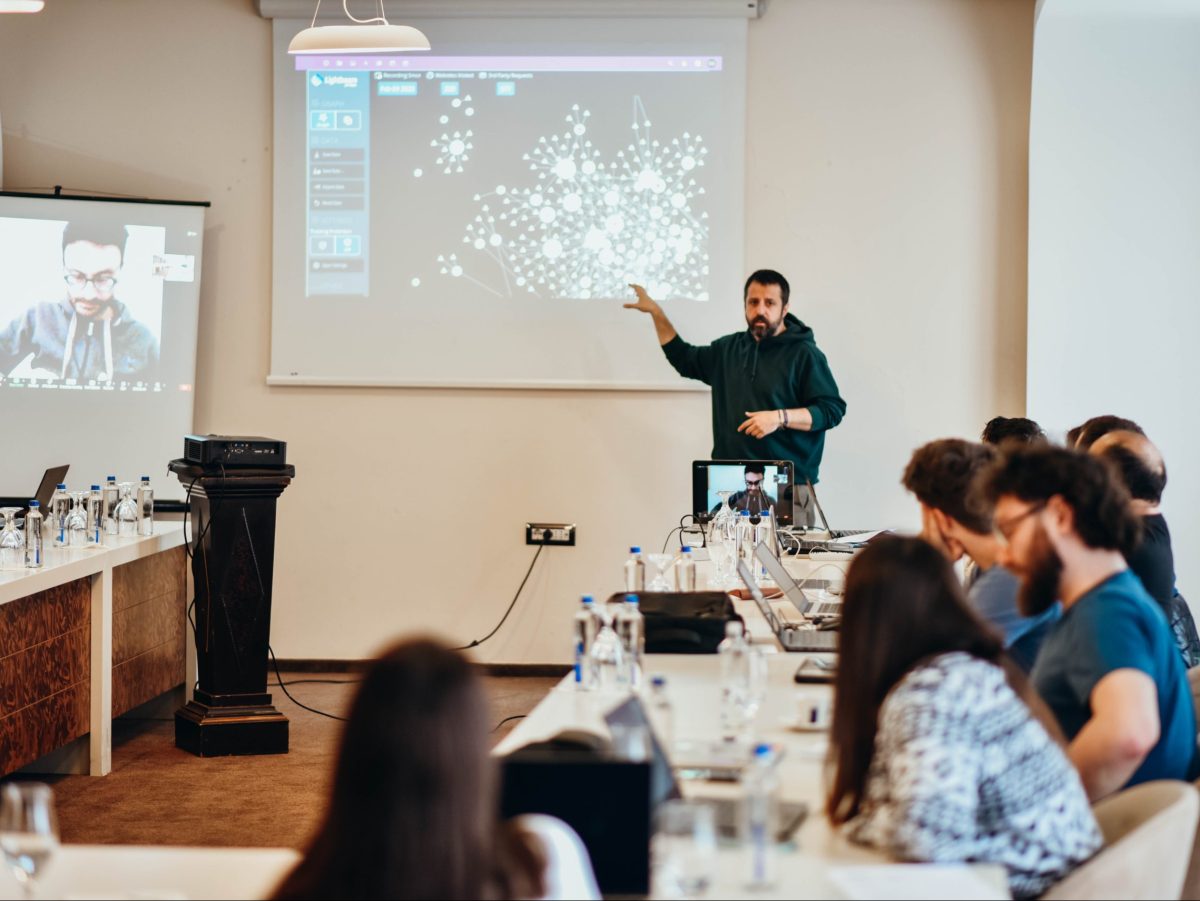
To address these challenges and contribute to  more credible and professional future generations of journalists in Kosovo, BIRN will organize a one-day training module with journalists on April 4, 2024 in Prishtina, Kosovo as part of the project “Uncovering the Truth: Combatting Monoethnic Journalism and Advocating for the Missing Persons in Kosovo” supported by the EU.

These trained professionals will develop a sensitivity to understanding the issues surrounding missing persons from multiple perspectives (such as humanitarian, forensic, right to truth, etc.,) and will spearhead the creation of compelling content based on factual reporting.

The one-day training module will bring together 20 young and mid-career journalists from different communities, who will have the opportunity to acquire knowledge and hands-on skills on the matter.

More specifically, the training focuses on the critical issue of reporting on missing persons, encompassing aspects from individual cases to court proceedings, social, political and legal contexts, forensics and medical expert analysis and the challenges faced by affected families. The technical expertise of journalists lies in their ability to research, document, and communicate stories effectively.

The training module will be delivered by BIRN’s regional and local team of award-winning journalists and editors, who have extensive experience in investigating, reporting on, and advocating for such issues.

Who can apply?

Young and mid-career journalists across different regions in Kosovo, who are interested in learning more about reporting on the topic of the missing persons, are eligible to apply for this call. Applicants from marginalized communities in Kosovo, including members of minority ethnic communities and women, that fulfill the above-mentioned criteria are encouraged to apply for this call.

To apply for the one-day training on fact-checking reporting click here.

Language: Simultaneous translation in Albanian, Serbian, and English will be provided.

Location: The training will take place in Prishtina, Kosovo. Details regarding the specific location and agenda will only be provided to selected participants.

Deadline for application: April 1, 2024

Date of the training course: April 4, 2024

BIRN Kosovo Holds Training for Municipal Assembly and Staff on Countering Extremism

On March 19, BIRN Kosovo held a one-day training to present the strategic vision of Kosovo’s National Strategy for Preventing and Countering Terrorism to the Municipality of Kaçanik.

The training addressed Preventing Violent Extremism, P/VE, Rehabilitation and Reintegration, R&R, forms of extremism, and the strategic vision of the strategy on the local level, with an emphasis on the role of the Municipal Assembly and Municipal Staff in countering violent extremism and terrorism.

A total of 13 participants, five of them women, gathered for the training which started with an introduction to the objectives of the National Strategy for Preventing and Countering Terrorism 2023-2028.

The session focusing on countering religious and far-right extremism was presented by Kreshnik Gashi, member of the working group on drafting the National Strategy. Gashi presented his experience in contributing to the finalization of these documents and explained the objectives of the strategy.

During his presentation, the guest speaker, Mensur Hoti, Director of the Department for Public Safety in the Ministry of Interior, emphasized the crucial role of local authorities in meeting the objectives of the strategy. He highlighted the significance of preventing radicalism and violent extremism that may lead to terrorism and led a discussion on the current situation.

During the training session, participants expressed their interest and engagement when it came to discussing the involvement of minor municipalities like Kaçanik in issues related to P/VE, R&R, and other forms of extremism from the central level.

The presentation and subsequent discussions served to enhance their knowledge and awareness on this topic, resulting in a more informed group of individuals by the end of the session.

This training was held as part of the ‘Resilient Community Programme’ founded by GCERF.

BIRN Kosovo Trains Members of the Referral Mechanism in Hani i Elezit on Using Social Media

On March 19, BIRN Kosovo held a one-day training as part of the activity for organizing days of support for members of the referral mechanism in the Municipality of Hani i Elezit.

The training session was specifically tailored to social media, and the participants of the referral mechanism were provided with comprehensive knowledge on the significance of social media. They were given a detailed rundown on how to create and manage profiles on different platforms, including Facebook, Instagram, YouTube, and other relevant social media channels.

To ensure the safety and security of all participants, it was crucial to clarify their details such as passwords, public profiles, content sharing and posting, Facebook groups and friends, and social media security. This information, the group heard, will help to prevent any potential risks and ensure their privacy is protected.

A total of 12 participants, three of them women, gathered for this training which started with an introduction to the basics of social media and their usage worldwide and in the Kosovo context. The training was held by Granit Mavriqi, Editor of SocialMedia and Graphic Designer – Internews Kosova. Mavriqi presented his experience as an editor of social media, including many good lessons drawn from his experience of working with different groups of interest.

During the training session, the participants showed significant interest in discussing their experiences with social media platforms, particularly Facebook. They were particularly interested in learning more about social media security, such as how to protect their passwords and how to manage their connections on these platforms.

The informative presentation and subsequent discussions proved a valuable learning experience, enhancing the knowledge and awareness of participants in the topic. As a result, the group emerged from the session better informed and more knowledgeable about the subject.

This training was held as part of the “Resilient Community Programme” founded by GCERF – Global Community Engagement and Resilience Fund.

BIRN Kosovo Trains Network’s Journalists in Investigative Skills

BIRN HUB and BIRN Kosovo held a two-day training for journalists from the local BIRN offices to boost their investigative reporting skills.

As part of the ongoing joint project ‘A Paper Trail to Better Governance,’ BIRN HUB and BIRN Kosovo gathered around 20 journalists from the Network offices in Albania, Kosovo, Montenegro, North Macedonia and Serbia, for a two-day regional training in investigative reporting.

The training took place in Pristina, Kosovo, on March 19-20.

On day 1, BIRN Albania editor-in-chief Besar Likmeta walked the journalists through the methods of investigative journalism – storytelling, sources and building a narrative around the evidence. Presenting some of the hard-hitting country-based and cross-border investigations produced by BIRN and published on Balkan Insight, Likmeta stressed the importance of team work on complex stories while staying true to the basic journalistic principles and ethics.

“Have people retell the story well and have people talk about details,” Likmeta advised, adding that journalists should spend some time with their sources and interviewees in order to warm them up and get better stories.

The participating journalists also got acquainted with the intersections of technology and journalism with Redon Skikuli and Boris Budini, advocates for digital rights, open access, open knowledge and online privacy, and also co-founders of Open Labs Hackerspace Albania and Cloud 68.

During the sessions, Skikuli and Budini shared tips and tools on how to effectively use the open source intelligence OSINT in journalistic investigations, and guided the journalists through the essentials of the dark and deep web. The trainers also instructed the participants on how to limit their digital footsteps and mitigate big tech in order to protect their work, their privacy and their sources, among other things.

On day 2, the journalists worked side by side with BIRN editors Apostolis Fotiadis, Dusica Tomovic, Jeta Xharra, Vesar Prebreza, Besar Likmeta and Kreshnik Gashi, discussing potential cross-border stories that will be published as part of the ‘Paper Trail to Better Governance’ project, implemented by BIRN HUB and BIRN Kosovo since 2013.

Open Call: Research Grants for the Students of the University of Prishtina “Hasan Prishtina”

“Dealing with conflict legacy in Kosovo” is a project funded by the British Embassy and UNDP and implemented by BIRN Kosovo. This project’s main objective is to address conflict legacy through concrete activities, such as: informing wider society by offering in-depth research related to the war in Kosovo.

Additionally,  this project’s purpose is to provide the youth with the opportunity to gain knowledge in matters such as transitional justice and dealing with the past, through its activities. Another important aspect of the project relates to analyzing the education curriculum and preparing an evaluation for the needs of the Ministry of Education, Science and Technology –  MEST on addressing the current situation of pre-university education and the includement of transitional justice topics in schools and curriculum in Kosovo.

Details about the small grants scheme for research for students:

All students of the public University of Prishtina, also citizens of the Republic of Kosovo, interested in this topic are invited to apply in the open call for a small grant of 700 EUR, to increase the research among students in topics such as transitional justice. As a part of this activity, 5 grants will be given to students.

Students beneficiaries of the grants will be participating in the workshop led by experts in the field, which will cover topics such as treating frameworks and methodologies of the research process on the topic of transitional justice. The overall objective of this activity is not only to provide students with knowledge in this matter but also to create future contributors in the field of transitional justice and dealing with the past. Moreover, the students will be mentored by experienced researchers of Kallxo.com throughout the whole process of the research until the finalization of it. Each of the beneficiaries must finalize their research project within the frame (that can be found on the last page of this call), and must not extend the budget of 700 EUR per individual.

Topics of research activities

Research topics, on Kosovo context,  that are encouraged but not limited to:

  • Pillars of transitional justice – In the Kosovo context
  • Justice in the post-conflictual states
  • Documentation
  • Collective memory
  • Missing persons
  • Initiatives for dealing with the past in Kosovo
  • Inter-ethnic relations
  • Peace and conflict
  • Cultural interventions
  • Institutional reforms and vetting

How to apply?

To apply in this call, along with the listed documents below, you need to submit a project proposal with 500-800 words, written according to the standards of academic writing, explaining the reason and the purpose for the chosen topic. The final research paper must contain between 7,500 – 1,000 words and must not differ in content from the initial submitted project proposal.

Documents required for the application:

  • Prove that you are a student of the University of Prishtina
  • Copy of ID and student card
  • Prove of possession of bank account
  • CV
  • Motivational letter that should explain why your research must be chosen
  • Declaration for the original work

Applicants should submit their applications with the subject “DWCL – Aplikim për SGH/ Emri dhe mbiemri i studentit/es” via [email protected]. The deadline for submission is on April 8, 2024.

Note: Only the applications that meet the criteria of this call, will be reviewed by the Evaluation Commission, the commission will be composed of members of BIRN Kosovo and members of the University of Prishtina “Hasan Prishtina”. Only the applications with a clear research framework will be chosen.

The Commission will evaluate the applications according to the following criteria:

  • Relevance of the project proposal 50%
  • Well-chosen topic 50%
SMALL GRANTS SCHEME FOR RESEARCH FOR STUDENTS, IN THE FIELD OF TRANSITIONAL JUSTICE
Process Important Tentative Dates
Launch of the Open call 13.03.2024
Presentation about the open call for the students of the Faculty of Law 15.03.2024
The deadline for submission of applications 08.04.2024
Announcement of the winners 19.04.2024
Submitting the small grants to beneficiaries 25.04.2024
The deadline for submitting the research papers 26.08.2024
Publication of the research papers on BIRN Kosovo website 09.09.2024 – 20.09.2024

This activity is implemented as a part of the project “Dealing with the conflict legacy in Kosovo”, funded by the British Embassy and UNDP, implemented by BIRN Kosovo.

Uncovering the Truth: Combating Monoethnic Journalism and Advocating for the Missing Persons in Kosovo

BIRN Kosovo

The overall objective of the proposed action is to contribute to transforming the discourse surrounding the missing persons issue, paving the way for reconciliation, resolution and mutual understanding, all while advocating for the rights of their families. This action aims to achieve the overall objective through a combination of methods that seek to educate, inform, and stimulate public discourse.

Summary:

The Kosovo war, a profoundly distressing period during the breakup of Yugoslavia, continues to cast a dark shadow over many families even decades later. An agonising remnant of this period is the issue of missing persons in Kosovo, a matter yet to be fully resolved. Initial approximations suggested between 4,400 to 4,500 individuals vanished during the conflict, which came to an end in June 1999 following a NATO military intervention. As of today, the fate of approximately 1,621 individuals of all ethnic backgrounds remains unknown, a haunting fact that fuels a perpetual sense of loss, fear, and uncertainty among affected families and communities.

However, drawing from the European Commission’s Kosovo 2022 Report, the unresolved fate of persons who are missing from the 1990s conflicts remains a pressing concern in the Western Balkans. Despite the efforts of Kosovo’s authorities, which led to 9 exhumations and the official identification of 21 persons in 2021, the reality is that 1,621 people are still missing as of April 2022. This continuous uncertainty casts a shadow over the region’s reconciliation efforts. Balkan Investigative Reporting Network (BIRN) posits that the absence of political will and dialogue between Kosovo and Serbia exacerbates this issue. This also often includes bias or ethnic centric reporting from the mainstream media. Therefore, it is imperative for the independent media to shed light on the profound impact this unresolved matter has, particularly on the families of the missing persons, and more broadly, on regional reconciliation.

Although the momentum to address the issue of missing persons exists, 24 years after the conflict, monoethnic narratives by both Albanians and Serbs overshadow the shared experiences of suffering and loss among families of missing persons.

The institutional frameworks in Kosovo, particularly entities like the Special Prosecutor’s Office of Kosovo and the Inter-Ministerial Working Group on with the Past and Reconciliation, are central in the efforts to resolve the fates of missing persons and address war crimes. However, these institutions often grapple with issues of transparency, accountability, and reach, becoming hamstrung by systematic constraints.

In this context, the BIRN and Advocacy Center for Democratic Culture (ACDC) project presents an opportunity for these institutions. By showcasing their endeavours, we aim to extend their visibility and promote a deeper public comprehension of their roles.

On the other hand, journalists lack the specialised knowledge to handle the topic of missing persons with the sensitivities and care they warrant. Our actions are designed to directly tackle this problem, by offering capacity-building training for journalists, emphasising accurate, impartial, and humane reporting. Furthermore, by targeting journalists from diverse ethnic backgrounds, our action will contribute to a media ecosystem where narratives of forced disappearances and missing persons are inclusive and representative of all affected ethnicities.

Through our initiative, we endeavour to highlight these efforts and the associated challenges, fostering an environment that encourages more proactive policy-making to better support affected families and ensuring a platform for these institutions to demonstrate their commitment and progress.

To ensure a comprehensive approach and a more nuanced understanding of the problem, BIRN is partnering with the Advocacy Center for Democratic Culture (ACDC), a Serb NGO based in North Mitrovica. This partnership serves to encompass both Albanian and Serbian perspectives, to offer an unbiased and fact-based narrative on the missing persons issue. Together, as project partners we will align all affected communities to create an environment of shared understanding and common pursuit for the truth.

Donor:

European Union Office in Kosovo

Main Objectives:

Objective 1: Equip journalists with the knowledge and tools necessary for effective, impartial, and sensitive reporting on the issue of missing persons.

Objective 2: To enhance accountability and understanding of the investigative and justice processes by fostering dialogue with institutional stakeholders is designed to bridge this information gap.

Objective 3: Youth across Kosovo communities enhanced media literacy and gained the necessary knowledge on fact-checking, ethical constitutes and professional reporting.

Main Activities:

  1. Specialized Training Program for Journalists
  2. Production of Eight (8) TV Documentaries
  3. Post-Premiere Public Debates:
  4. Producing four (4) TV Reports with War Crime Prosecutors
  5. Publication of Web-stories on BIRN’s Kallxo.com Platform

Outputs:

Output 1.1 – Media deliver balanced, effective, and empathetic narratives around the missing persons’ issues

Output 2.1 –  Public discourse is invigorated and comprehension regarding the missing persons deepened

Output 3.1 – Public dialogue initiated, understanding of the missing persons issue deepened and active public involvement stimulated

Output 4.1 – to contribute to an environment where transparency, accountability, and public trust in the justice system’s approach to missing persons cases are strengthened

Output 5.1 – Public’s focus on the issue maintained through offering a continuous stream of informative and compelling content on the experiences of missing persons and their families, and updates on investigations

Target Groups:

  • Families of missing persons
  • Journalists and media outlets
  • Representatives of the Special Prosecutor’s Office
  • Local and Central Level Government Officials
  • Academia and Researchers

Main implementer:

BIRN Kosovo

Project partner:

Advocacy Center for Democratic Culture (ACDC)

BIRN Kosovo Holds a Workshop for the Referral Mechanism Members of the Municipality of Hani i Elezit

On February 28, 2024, BIRN Kosovo held a workshop on strategic communication during the implementation of the activities of the National Strategy for Preventing and Countering Terrorism. The workshop was organised in Hani i Elezit for the members of the referral mechanism of the local municipality.

The workshop addressed the principles of strategic communication, including media functioning and other platforms of strategic communication thus ensuring that the members of the referral mechanism have a better understanding of the importance of different platforms on the P/VE, R&R, and other forms of extremism.

A total of 11 participants, 5 of them women, gathered at this workshop which started with a presentation of each member of the referral mechanism including an overview of the work of this mechanism.

The trainer for this workshop Kreshnik Gashi – Managing Editor of Kallxo.com, presented and thoroughly explained means of strategic communication regarding their work on P/VE, R&R, and other forms of extremism. With an emphasis on fake news and disinformation, Gashi mentioned that the members must pay attention to the usage of social media, considering the fact of the widespread usage of all social media platforms in Kosovo. Other elements such as direct and indirect forms of propaganda were illustrated with examples, while the members of the mechanism were instructed to be assured of the audience that they address and find correct ways of defining and addressing a specific group.

During the workshop, the attendees were very engaged and expressed an interest in sharing their firsthand experiences as members of the referral mechanism of the Municipality of Hani i Elezit. They were quite forthcoming in sharing their sources of information and providing tangible examples of times when they had fallen prey to fake news and disinformation.

This workshop was part of the ‘Resilient Community Programme’ founded by GCERF.

BIRN Kosovo Holds Training for the Members of the Municipal Assembly in Vitia

On February 27, 2024, BIRN Kosovo held a one-day training to present the strategic vision of the National Strategy for Preventing and Countering Terrorism for the Municipal Assembly of Vitia, in Viti.

The training addressed the matter of the P/VE, R&R, and other forms of extremism. Also, it addressed the strategic vision of the strategy on the local level with an emphasis on the Municipal Assembly’s role in countering violent extremism and terrorism.

A total of 10 participants, 5 of them women, gathered for this training, which started with introducing the objectives of the National Strategy for Preventing and Countering Terrorism 2023-2028. The focus was on countering religious extremism and far-right extremism on the strategic vision of this strategy presented by Kreshnik Gashi – A member of the Working Group on drafting the National Strategy for Preventing and Countering Terrorism. Gashi presented his experience in contributing to the finalization of these documents and explained the objectives of this strategy.

Mensur Hoti – Director of the Department for Public Safety in the Ministry of Internal Affairs, focused his attention on the role of the local authorities in fulfilling the objectives of the Strategy. An important part of this presentation was oriented on discussing the current situation on preventing radicalism and violent extremism that leads to terrorism.

The participants were very active in sharing their experiences and addressing the current situation in their municipality. Among other issues discussed, they also highlighted the fact that they did not receive the National Strategy for Preventing and Countering Terrorism 2023-2028. As a result of them being more informed during this training session, they mentioned that besides the Strategy they will ask the Mayor to receive the Action Plan and agreed to be more vocal in their municipal assembly regarding P/VE, R&R, and other forms of extremism.

This training was held as part of the ‘Resilient Community Programme’ founded by GCERF.

BIRN Crew Attacked While Covering Church-Building Initiative in Kosovo

A man was questioned by police after he verbally attacked and insulted a crew from BIRN Kosovo while they were reporting on a controversial initiative to build a Catholic church in the village of Kline e Eperme/Gornja Klina.

Journalist Adelina Ahmeti and camera operator Jetmir Hoxha from BIRN Kosovo’s Kallxo website were attacked on Monday by a resident of Kline e Eperme/Gornja Klina, a village in the Skenderaj/Srbica municipality, where a proposal to build a Catholic church has encountered resistance from some locals.

The police said on Thursday that the “suspect was interviewed and after a case was initiated by a decision from the prosecutor, he was released in the usual way”.

The BIRN crew visited the village to report on the proposal to build the church, initiated by a local man called Ndreke Kelmendi. Kelmendi insists that a church had previously existed at the same location, but his proposal has sparked negative reactions from several villagers who claim that the land is privately owned.

Moments after the BIRN crew went to Kelmendi’s house to interview him about the church issue, his brother Mustafe Hasani confronted them for several minutes, using insulting language and making threats.

“I swear to God that you will be in trouble,” Hasani repeatedly threatened.

The BIRN crew reported the incident to the police.

The Association of Journalists of Kosovo, AJK condemned the incident, saying that “any attack against journalists is an attack on free speech and democracy”.

“The AJK is concerned about the threats toward its Kallxo.com colleagues and calls on the police to address the case as a priority,” it said.

“We condemn any form of threats against journalists, camera operators and media workers and call on the relevant institutions to secure justice for all threats and attacks on media,” it added.

BIRN Kosovo Holds Fact-Checking Journalism Course

BIRN Kosovo held a one-day training course on fact-checking journalism for young and mid-career journalists in Pristina on February 26, 2024.

The course addressed the importance of fact-checking in daily reporting, reporting on inter-ethnic issues, propaganda, misinformation and the handling of disinformation and fake news on social media.

A total of 13 journalists, 11 of them women, gathered for the training course which started with a keynote speech from BIRN project manager Arita Suhodolli.

The first part of the training was delivered by Kreshnik Gashi, managing editor at KALLXO.com, who used illustrations to explain how information can be altered while spreading across different media.

Gashi also presented the findings from BIRN’s report ‘The Story of Our Lies’, about the influence of China and Russia on disinformation in Kosovo. He discussed with participants the difference between disinformation, fake news, deep fakes and other forms of fake news production.

Gashi closed his part of the course with some practical work on analysing articles by using fact-checking techniques to improve the participants’ critical thinking and taught them various techniques for verifying news.

Dorentina Kastrati, an editor at BIRN, spoke about local initiatives addressing disinformation and misinformation. She started her lecture by presenting BIRN Kosovo’s initiative to create the Coalition Against Disinformation. She also emphasised the importance of inter-ethnic groups of journalists engaging in fact-checking and ended her lecture with a summary of how to write fact-checking activity proposals.

The training concluded with a lecture on handling disinformation and fake news on social media networks by the another guest speaker, Faik Ispahiu, the executive director of Internews Kosova.

Ispahiu talked about how KALLXO.com’s Krypometer (Truth-o-meter) become the first fact-checking tool in Kosovo to be granted a licence by the International Fact-Checking Network. He also explained the mechanisms Facebook and other social media companies use for fact-checking news.

The training course was supported by the United Nations Interim Administration Mission in Kosovo, UNMIK.