BIRN and Mnemonic Invite Applications for Documenting Atrocities and Human Rights Violations Workshop

BIRN Hub in cooperation with Mnemonic invites students, journalists, researchers, civil society activists and human rights practitioners from the region to apply for a three-day regional workshop on documenting and archiving human rights violations and international crimes, to be held in Sarajevo from 11 to 13 March.

About the Workshop

The workshop will focus on practical and ethical approaches to the documentation, preservation and use of information related to international crimes and human rights violations, with particular attention to contemporary challenges in digital archiving. The training will be delivered by the Mnemonic team, an internationally recognised organisation specializing in digital archiving, open-source investigations and the preservation of evidence of human rights abuses.

Through a combination of expert-led sessions, participants will strengthen their capacity to responsibly collect, verify, archive and manage sensitive materials related to human rights violations.

Key Topics Include:

  • Principles and standards of open source investigations
  • Digital archiving methodologies and tools
  • Verification and contextualization of digital content
  • Ethical, legal, and security considerations when working with sensitive data
  • Practical case studies and hands-on exercises
  • The use of AI in open source investigations.

Who Can Apply

The call is open to participants aged 20 to 36 from Bosnia and Herzegovina, Kosovo, Montenegro and Serbia who are actively engaged in:

  • Law studies (including international law and international humanitarian law), political science, transitional justice studies, or related fields.
  • Human rights documentation and advocacy.
  • Investigative journalism.
  • Research and archival work.
  • Transitional justice, memorialization, or accountability initiatives.

A strong interest in transitional justice, archiving and documenting international crimes and human rights violations is essential.

Practical Information

  • Dates: 11–13 March
  • Location: Sarajevo
  • Working language: English
  • Costs: Travel, accommodation, and meals will be covered by BIRN for selected participants.

How to Apply

Interested candidates are invited to:

  • Fill out the application form with a short biography (up to 200 words) and a brief motivation statement explaining your interest in the workshop and how it relates to your current work.
  • Register for the Info session for all those interested, to be held on January 23 at 16:00 CET. Register here.

Applications should be sent no later than 29 January at 17:00 CET.  Only selected participants will be notified, in the first two weeks of February.

By submitting this application, you confirm your availability to participate in the workshop from 11 to 13 March, including travel days on 10 and 14 March. Please note that accommodation and travel arrangements will be organised in advance, and the associated costs will be covered accordingly.

Early applications are strongly encouraged, as they will facilitate timely selection and the organisation of travel and visa arrangements, where applicable.

For any questions about your application, contact [email protected]

Bosnian History Teachers Visit Former Camps in Brcko and Learn How to Teach About War

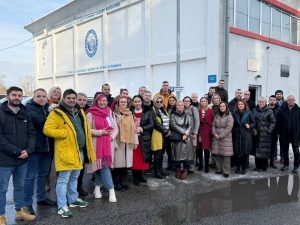
To help school teachers learn more about how to teach students about the war in Bosnia and Herzegovina, a group of teachers from several towns and cities visited detention camps in a former elementary school in Brcko.

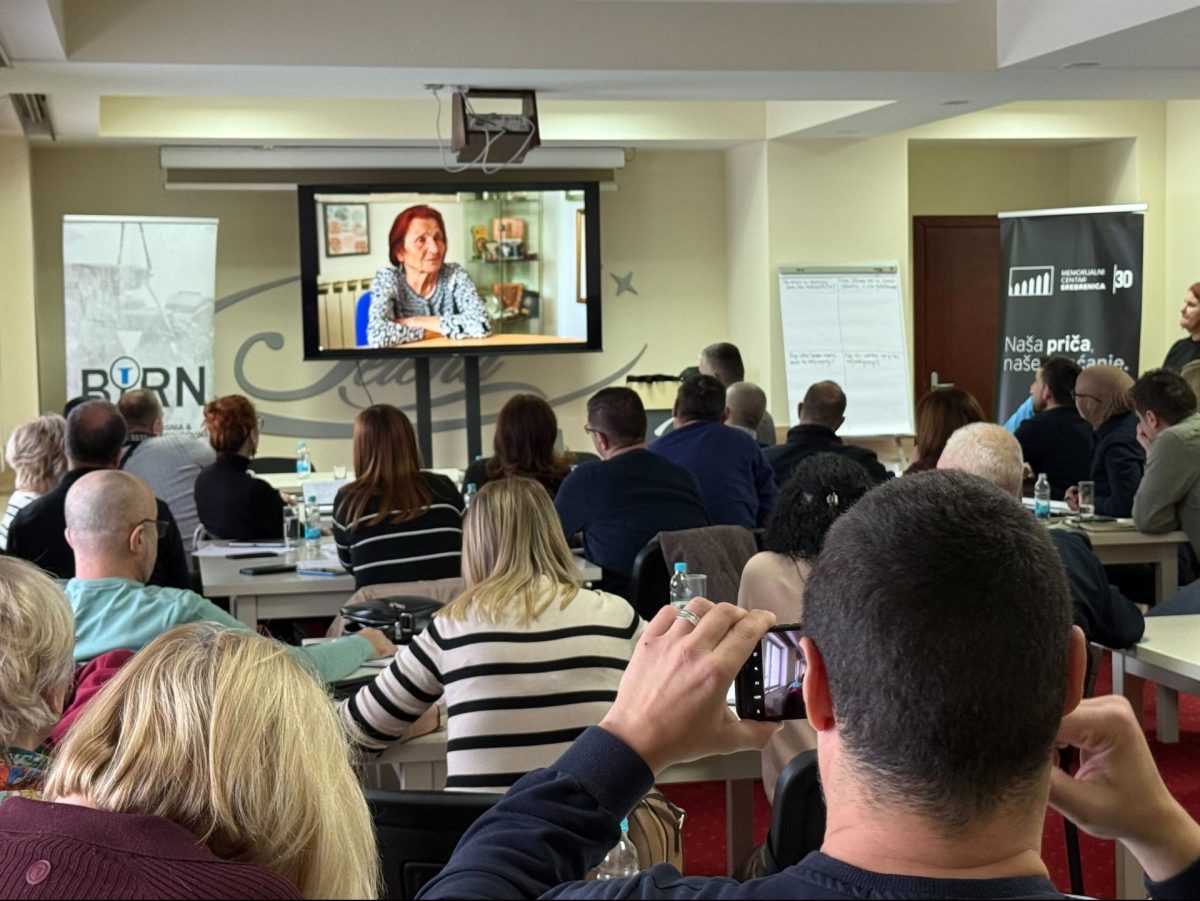
Almost 30 teachers attending the first in a series of trainings on “How to Learn and Teach About the War in Bosnia and Herzegovina” from January 12 until January 14, organised by the Balkan Investigative Reporting Network of Bosnia and Herzegovina, BIRN BiH, the Srebrenica Memorial Center, and the Association Forgotten Children of War, visited the former Partizan and Luka detention camps in Brcko. The visit was organised by Senad Osmanovic, Head of the Education Department of Brcko District, and former Luka camp detainee Amir Didic.

In front of the detention camp where the Fourth Elementary School in Brcko is located today and the Partizan facility, they recalled how their fellow citizens were beaten up and killed at these places during 1992, despite the facilities being in the town centre and not far from the police station.

“No one reacted,” Osmanovic told the teachers, adding that, unfortunately, many people who went missing from the Brcko District are still being searched for.

Walking towards the former Luka detention camp in Brcko, the teachers spoke to Didic, who had been detained and tortured there aged only 23.

“Every visit means a lot to me and all detainees, to spread the truth,” Didic said.

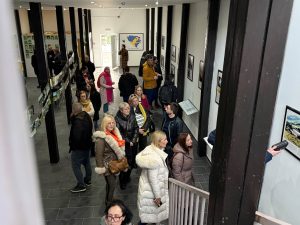
As they looked at pictures of the suffering and the missing in the former Luka detention camp premises, the teachers, from Tuzla, Bihac, Sarajevo, Cazin, Bijeljina, Travnik, and other cities, said it was unimaginable that someone could commit such crimes, and that just visiting the place left a huge impression on them.

“I have visited many different detention camps, but I must admit that this has affected me emotionally,” said teacher Amila Kunosic from the Centar Elementary School in Tuzla.

According to the Database of Judicially Established Facts, created with the help of the United Nations Secretary-General’s Peace Building Fund, PBF, through the project “Building Long-Term Peace in Bosnia and Herzegovina: Investing in the Future”, from May 3, 1992 onwards, in Brcko Municipality, Serbs detained primarily Bosniak and Croat civilians at 14 locations. They included the Brcko Public Security Station, the Laser bus company, the Partizan sports hall, the Vestfalija restaurant, the football stadium, the elementary school in Loncari, the Pelagicevo agricultural cooperative store, the mosque in Kolobare, the Posavina hotel, the hospital in Brcko, the fire station, the JNA garrison, and the Luka detention camp.

The Hague war crimes court established that from May 8 to June 6, 1992, a large number of people were shot and killed in the Luka detention camp, and that, in addition, detainees were interrogated and abused. Those killed were buried in graves, or their bodies were thrown into the Sava River.

The training participants discussed these and other facts with transitional justice experts and BIRN BiH journalists, who prepared video content for use in classes and drew the conclusions of the trial chambers concerning the wartime events from all verdicts. The materials are adapted to all ages and are available for free. The teachers talked about the methodology and conduct of such classes with history professor Melisa Foric Plasto, who has created a manual for teaching about the war. A special segment of the training was dedicated to genocide, which the teachers discussed with Muamer Dzananovic, co-author of Handbook on Srebrenica – From Siege to Genocide.

The biggest concern for all teachers is how to rise above personal experiences and remain professional during classes while discussing such sensitive topics, and how to properly talk about them with students, for which trauma expert Azra Frlj was at their disposal.

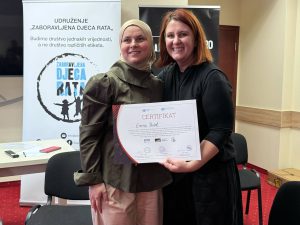
On the third day of the training, a special focus was on sexual violence, specifically on children born as a result of war, with members of the Association “Forgotten Children of War” assisting teachers at the workshop.

“The training is great. I will greatly use the workshops that you have shown us, and show the same to the students. It is much better than the traditional way of teaching,” said Amila Kunosic.

Nedzad Kapidzic, a high-school teacher from Travnik, said that teachers also needed to adapt to new generations and this kind of training is useful for class preparations and new knowledge, “so that no one is offended while speaking about the truth and what has been judicially established, which is not my opinion or that of my colleagues but the facts,” Kapidzic said. He pointed out that teachers are obliged to educate themselves and adapt to new generations who were not born during the time of the Bosnian war and mostly have gained knowledge only from their families.

The training, which will be held also in Zenica and Mostar after Brcko, is intended for history teachers and focuses on the practical use of the Database of Judicially Established Facts about the War in Bosnia and Herzegovina and on the handbook, How to Learn and Teach About the War in Bosnia and Herzegovina.

“The goal of the training is to empower teachers to use factual, verified, and multi-perspective approaches in studying contemporary history and to develop critical thinking and empathy for all victims among students,” said BIRN BiH project manager Mirza Halilcevic.

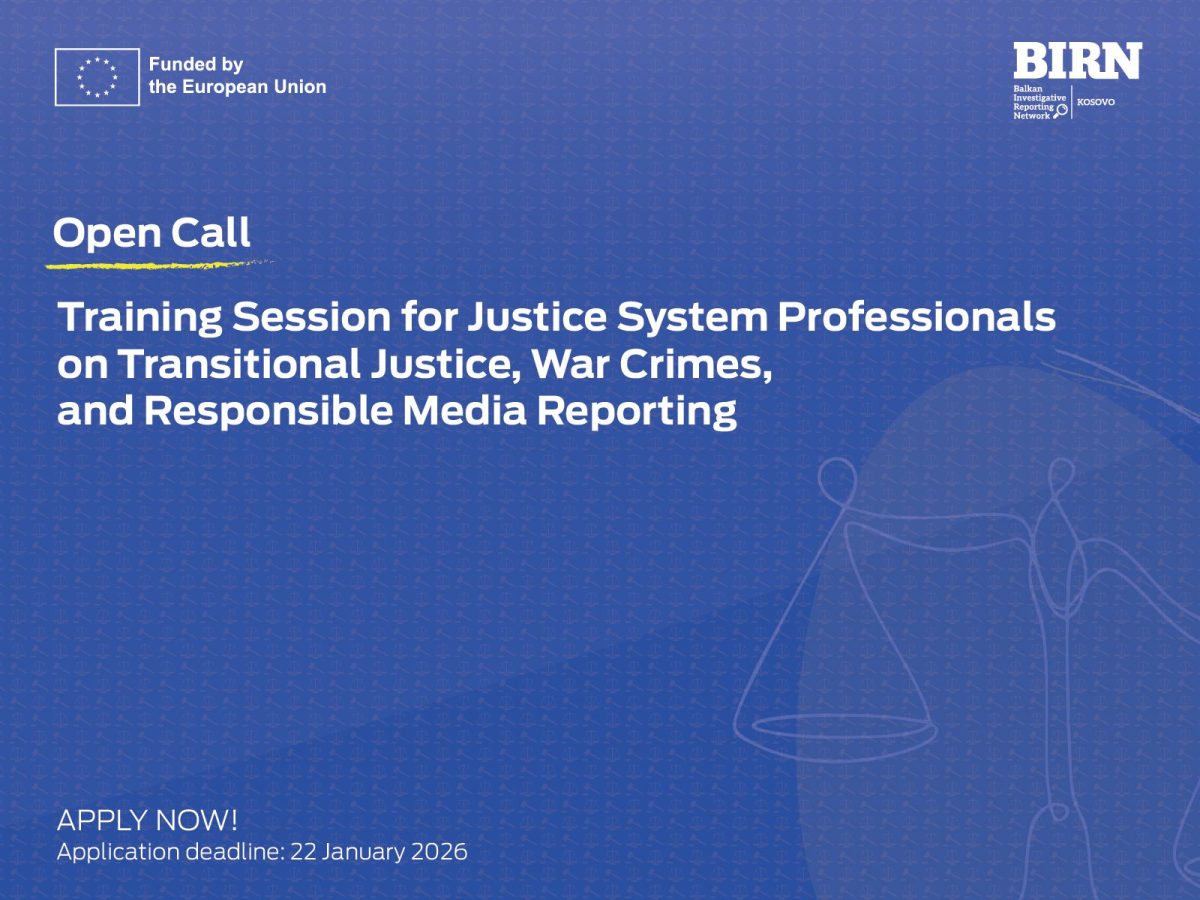
Open call: Training Session for Justice System Professionals on Transitional Justice, War Crimes, and Responsible Media Reporting

About the project:
The project “Reconcile”, supported by the European Union, is being implemented by BIRN Hub and BIRN Kosovo and is taking place in Kosovo as well as in several other Western Balkan countries.

This project represents an additional effort to increase discussion on transitional justice and dealing with the past in Kosovo and across the Western Balkans more broadly. The project aims to strengthen reconciliation and non-recurrence by empowering diverse communities in the Western Balkans, with a focus on training media professionals, public institutions, and students, by providing them with specialized knowledge on topics such as war crimes, judicial processes, reporting ethics, the role of the media in documenting the truth, as well as the impact of hate speech and disinformation in distorting the truth.

About the training

The training aims to provide participants with theoretical knowledge and practical skills on:

  • War crimes and international legal standards
  • Transitional justice mechanisms and accountability
  • Ethical principles and challenges in reporting on sensitive issues
  • The role of the media and civil society in shaping public opinion
  • Professional standards and fact-based reporting

Who can apply?

The call is open for:

  • Professionals of the justice system (judges, prosecutors, legal officers, police officers, forensic doctors, lawyers).

BIRN Kosovo encourages interested individuals from non-majority ethnic communities, without distinction, to apply and participate in the student training session, in line with the principles of equality and inclusiveness.

Applicants must demonstrate:

  • Interest or experience in the topics of war crimes, transitional justice, or media reporting
  • Motivation to apply the acquired knowledge in their professional or academic work

When and where will the respective training sessions be held?

The training session for professionals of the justice system (judges, prosecutors, legal officers, police officers, forensic doctors, lawyers) will be held on 26 January 2026 at the Reporting House Museum, Prishtina.

Applicants may apply through the Google application form.

Selection of participants:

Selection will be based on:

  • The relevance of the applicant’s professional or academic profile to the respective training
  • Motivation to participate
  • Experience or interest in the thematic areas

During the selection process, gender equality and inclusiveness will be taken into account, in line with EU principles.

How to apply?

Interested individuals are invited to complete the online application form at this link, depending on the group to which they belong.

Language of the training: The training sessions in the field of transitional justice will be conducted in Albanian; interpretation will be provided for participants.

Application deadline: 22.01.2026

Only selected participants will be contacted.

Open Call: Training Session for Professionals in Transitional Justice, War Crimes, and Responsible Media Reporting

About the project:
The project “Reconcile”, supported by the European Union, is being implemented by BIRN Hub and BIRN Kosovo and is taking place in Kosovo as well as in several other Western Balkan countries.

This project represents an additional effort to increase discussion on transitional justice and dealing with the past in Kosovo and across the Western Balkans more broadly. The project aims to strengthen reconciliation and non-recurrence by empowering diverse communities in the Western Balkans, with a focus on training media professionals, public institutions, and students, by providing them with specialized knowledge on topics such as war crimes, judicial processes, reporting ethics, the role of the media in documenting the truth, as well as the impact of hate speech and disinformation in distorting the truth.

About the training

The training aims to provide participants with theoretical knowledge and practical skills on:

  • War crimes and international legal standards
  • Transitional justice mechanisms and accountability
  • Ethical principles and challenges in reporting on sensitive issues
  • The role of the media and civil society in shaping public opinion
  • Professional standards and fact-based reporting

Who can apply?

The call is open for:

  • Professionals of the justice system (judges, prosecutors, legal officers, police officers, forensic doctors, lawyers).

BIRN Kosovo encourages interested individuals from non-majority ethnic communities, without distinction, to apply and participate in the student training session, in line with the principles of equality and inclusiveness.

Applicants must demonstrate:

  • Interest or experience in the topics of war crimes, transitional justice, or media reporting
  • Motivation to apply the acquired knowledge in their professional or academic work

When and where will the respective training sessions be held?

The training session for professionals of the justice system (judges, prosecutors, legal officers, police officers, forensic doctors, lawyers) will be held on 26 January 2026 at the Reporting House Museum, Prishtina.

Applicants may apply through the Google application form.

Selection of participants:

Selection will be based on:

  • The relevance of the applicant’s professional or academic profile to the respective training
  • Motivation to participate
  • Experience or interest in the thematic areas

During the selection process, gender equality and inclusiveness will be taken into account, in line with EU principles.

How to apply?

Interested individuals are invited to complete the online application form at this link, depending on the group to which they belong.

Language of the training: The training sessions in the field of transitional justice will be conducted in Albanian; interpretation will be provided for participants.

Application deadline: 22.01.2026

Only selected participants will be contacted.

Call for Applications: Grant to Attend Dataharvest 2026

Are you a journalist interested in attending Dataharvest – The European Investigative Journalism Conference in May 2026? Do you want to benefit from advanced training, networking opportunities, and connections with editorial teams from all around Europe? BIRN, in partnership with the conference organisers, Arena for Journalism in Europe, and with the support of ERSTE Foundation, invites interested journalists to apply for a grant that can help make this experience possible.

Conference Dates: 28 to 31 May 2026

Location: Mechelen, Belgium

Eligible countries: Albania, Bosnia and Herzegovina, Bulgaria, Croatia, Czech Republic, Greece, Hungary, Kosovo, North Macedonia, Montenegro, Poland, Romania, Serbia, and Slovakia.

Number of individual grants: 22

About the Grant

Journalists are invited to apply for a grant to attend Dataharvest 2026 – The European Investigative Journalism Conference, one of Europe’s major annual events dedicated to investigative, data, and collaborative journalism. Over the course of the event, participants will engage in practical training, workshops, expert sessions, and networking, with the aim of enhancing professional skills and fostering collaboration across countries and media organisations.

The grant is designed to support journalists whose participation in international professional events may be limited by financial or logistical constraints. By enabling their attendance at Dataharvest, we want to strengthen professional skills, facilitate international networking, and encourage cross-border collaboration within the European investigative journalism community.

Who Can Apply

The call is open to professional journalists, with particular encouragement for freelance journalists and those working in small or independent media outlets, based in the following countries:

Albania, Bosnia and Herzegovina, Bulgaria, Croatia, Czech Republic, Greece, Hungary, Kosovo, North Macedonia, Montenegro, Poland, Romania, Serbia, and Slovakia.

What the Grant Offers

Each selected journalist will receive a lump-sum grant of €700, which is intended to cover:

  • Travel costs to and from the conference;
  • Daily expenses (per diem) during the conference.

In addition, the following will be arranged and covered directly by the conference organisers:

  • Conference registration;
  • Accommodation (three nights, 28, 29, and 30 May);
  • All necessary practical information to participate in the event.

Kindly note that the grant covers the registration for and accommodation during the main programme of the conference (29 – 31 May 2026), and not the full-day masterclasses on 28 May 2026. The ticket for masterclasses needs to be purchased separately if one wishes to attend.

How to apply

All interested journalists are encouraged to apply by completing the online application form.

Applications must be submitted by 2 February 2026, 17:00 CET. Successful candidates will be notified mid-February 2026.

Online presentation

Join us for the presentation, and get a comprehensive overview of Dataharvest, including its professional development and networking opportunities, as well as detailed information on grant-supported participation. Participants will learn what to expect from the 2026 conference, how to strengthen their grant applications, and how to make the most of this opportunity.

The session will be hosted by Jelena Prtorić, Dataharvest Director and Project Coordinator.

Date: Tuesday, 27 January 2026
Time: 11:00 AM CET
Registration link (registration required; the access link will be shared ahead of the event): https://docs.google.com/forms/d/e/1FAIpQLScQJwtp6V7aZ3OHCdolPPr4Bvz2xxcLPNH6FYfVRaUZPxTsHQ/viewform

A dedicated Q&A session will allow participants to ask questions about the programme, participation, grants, and other practical aspects of the conference.

Selection Process and Criteria

Applications will be reviewed by a selection panel and assessed based on the following criteria:

  • Years of relevant professional experience and areas of journalistic work;
  • Motivation to participate, including the clarity and relevance of the applicant’s interest in the conference;
  • The applicant’s potential contribution to the conference programme, discussions, and peer exchange.

Final selections will be made collectively by the panel, taking into account the overall quality of applications and ensuring a balanced representation of countries of residence among selected participants.

We look forward to receiving your applications!

Should you have any questions about the grant or the application process, please contact us at: [email protected]

BIRN Kosovo Trains Journalists, Civil Society and Researchers on Transitional Justice

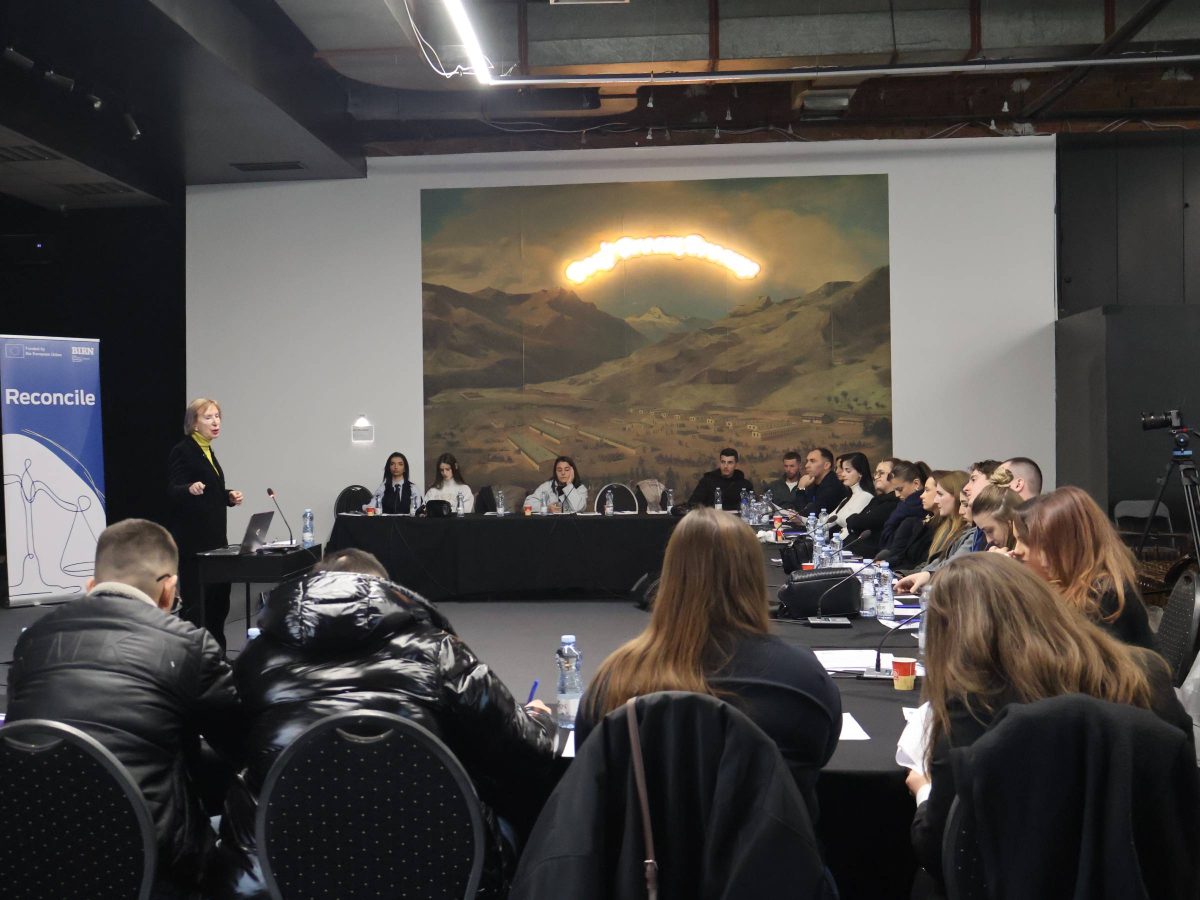
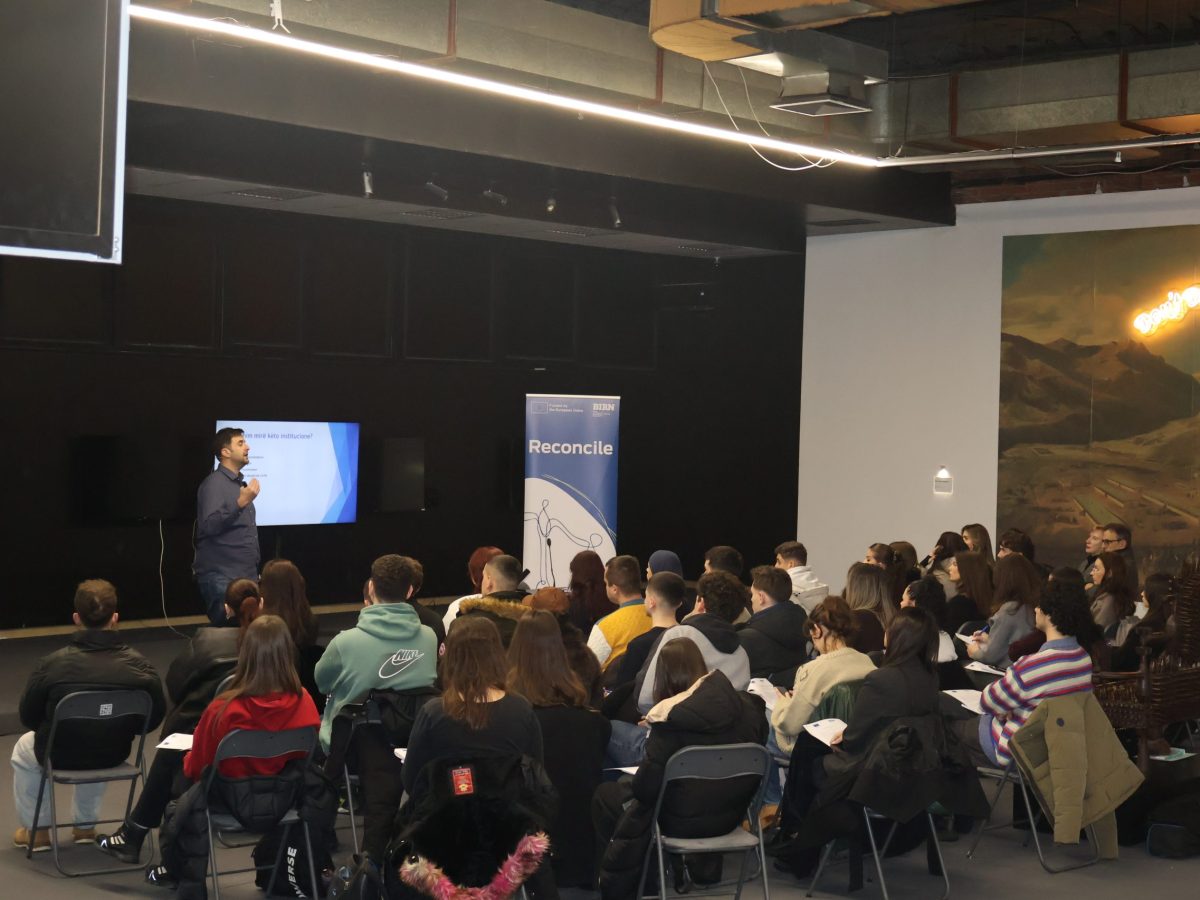
BIRN Kosovo organized a one-day training session on transitional justice, war crimes, and responsible media reporting on January 12, at the Reporting House Museum in Pristina.

The training was held under the Reconcile project, supported by the European Union, and brought together journalists, civil society representatives, researchers, and students.

The training consisted of four thematic lectures that provided participants with in-depth, practical insights into key challenges related to dealing with the past. Topics covered included documenting war crimes in international media; collecting evidence on war crimes from institutions and non-governmental organizations; the transition of war crimes investigations from international to domestic mechanisms, with a focus on building prosecutorial capacity; and the impact of hate speech and disinformation on establishing the truth about war crimes. The sessions were delivered by experienced practitioners, including Kreshnik Gashi, Editor-in-Chief of Kallxo.com; former war crimes prosecutor Drita Hajdari; Professor Halim Bajraktari; and Labinot Leposhtica, Head of the Legal Office at BIRN Kosovo. Drawing on their professional experience, the speakers shared practical insights into war crimes investigations, judicial proceedings, and the ethical challenges of reporting on sensitive and complex issues.

Participants emphasized the importance of creating spaces for discussion and learning on these topics. Journalists and civil society representatives noted that the training offered knowledge and perspectives they had not previously encountered, particularly on ethical reporting standards and the protection of victims’ identities. Several participants stressed that understanding when and how to withhold sensitive information is essential for responsible journalism, especially when reporting on victims of war crimes and other serious violations.

The training session brought together 38 journalists, activists, researchers, and members of victim groups, out of whom 29 were women. The aim of fostering meaningful discussion and exchange on the role of media and civil society in addressing war crimes and transitional justice in Kosovo was addressed during this session

The Reconcile project is funded by the European Union. The content and views expressed are the sole responsibility of BIRN Kosovo and do not necessarily reflect the views of the European Union.

Workshop Overview and Participant Breakdown

Date: 12 January 2026

Location: Pristina, Kosovo

Number of participants per country:

Kosovo 35

BiH: 1

Serbia: 2

Total Number of Participants: 38

The full findings and activities are available in the EDS Report, which can be accessed here.

BIRN Kosovo Holds Training Session on Transitional Justice for University of Prizren Students

BIRN Kosovo organized a one-day training session for students of the University of Prizren on January 9, 2026, at the Reporting House Museum in Pristina. The training focused on transitional justice, war crimes, and responsible media reporting and was held within the framework of the Reconcile project, supported by the European Union.

The session featured contributions from journalist and Editor-in-Chief of Kallxo.com, Kreshnik Gashi; former war crimes prosecutor Drita Hajdari; Professor Halim Bajraktari; and Labinot Leposhtica, Head of the Legal Office at BIRN Kosovo. Drawing on their professional experience, the speakers shared insights into war crimes investigations, judicial proceedings, and the ethical challenges involved in reporting on sensitive and complex topics.

Participants emphasized that the training helped clarify gaps in their understanding of how war crimes cases have been addressed in Kosovo, particularly regarding the reasons behind lengthy judicial processes. Students also highlighted the importance of learning to distinguish fact-based reporting from propaganda, noting that these skills are essential for anyone seeking to understand and critically engage with the past.

Moreover, the training provided a deeper and more realistic understanding of the consequences of the war, including the scale of victimization and the institutional challenges in delivering justice. Many participants noted that the perspectives offered during the session differed significantly from those encountered in their academic coursework, contributing to a more nuanced and practical understanding of transitional justice. The training brought together 27 participants, of whom 20 were women.

The “Reconcile” project is funded by the European Union. The content and views expressed are the sole responsibility of BIRN Kosovo and do not necessarily reflect the views of the European Union.

Workshop Overview and Participant Breakdown

Date: 9 January 2026

Location: Pristina, Kosovo

Number of participants per country: Kosovo 27

Total number of participants: 27

The full findings and activities are available in the EDS Report, which can be accessed here.

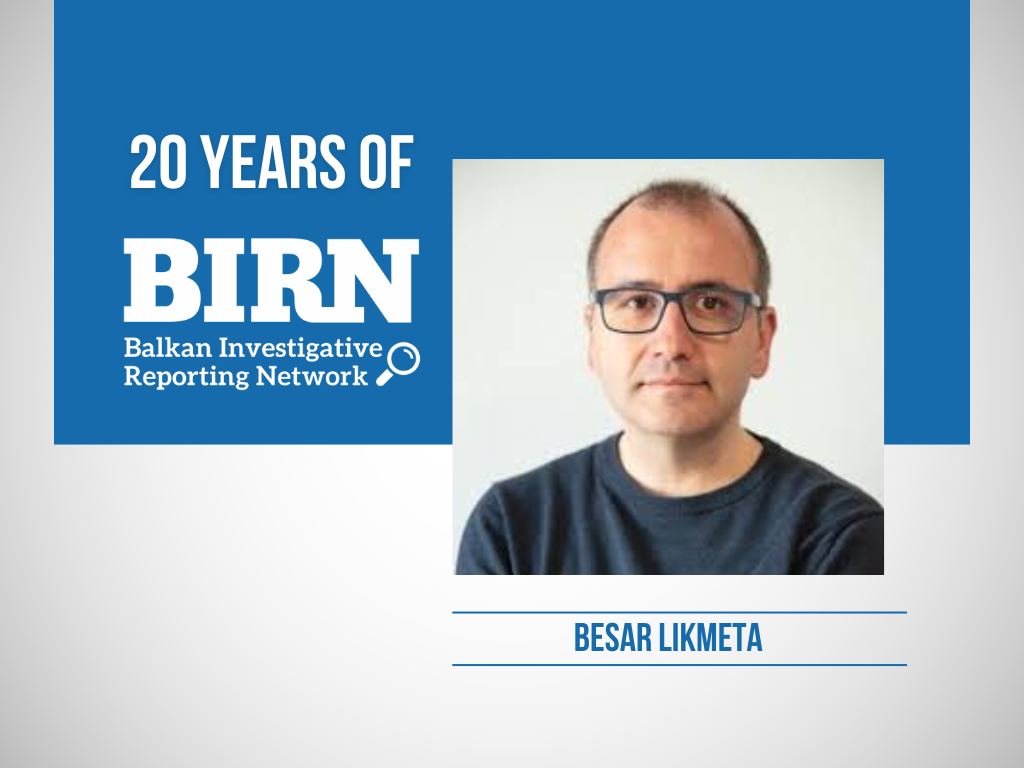
Meet the People Behind BIRN: Besar Likmeta

In 2025, Balkan Investigative Reporting Network (BIRN) marked its first 20 years – 20 years of investigative journalism and dedication to promoting freedom of speech, human rights and democratic values.

Besar Likmeta has been the editor of BIRN Albania almost from the beginning of BIRN, since 2007, and was also the country correspondent for Balkan Insight.

Having studied philosophy at the University of North Florida, he explains how that shaped his thinking and influenced his path in journalism and investigative work.

“The quest to make sense of the world, to understand its underlying truths, and to engage with the study of ideas, has instilled in me a deep appreciation of the role the media – now increasingly social media – plays in shaping our beliefs as individuals and as a community,” he says.

“I grew up in a country where freedom was constrained by propaganda and where no independent press existed, and I learned at an early age the importance of free speech and the right to be informed – not only as pillars of a democratic society, but also as prerequisites for personal freedom and intellectual inquiry,” he adds.

He has extensive experience in journalism, having worked in print, television and electronic media in both the US and Albania since 2003. Besar started his career reporting for the Florida Times Union in Jacksonville, Florida. He moved back to Albania in 2005 where he worked as a features editor for the Tirana Times, and as world news editor for the 24-hour news channel TV Ora News.

He has contributed stories to various publications, including The Christian Science Monitor, Global Post, Transitions Online, The Diplomatic Courier and World Politics Review.

In 2009, Besar received the CEI/SEEMO Award for Outstanding Merits in Investigative Journalism and in 2010 he was runner-up for the Global Shining Light Award, presented at the Global Investigative Journalism Conference in Geneva.

He recalls when and how he found out about BIRN.

“I first heard about BIRN in 2006, as one of the handful of media development organisations in the region supporting coverage of current affairs in English through its newsletter, Balkan Insight. At the time, there was little local reporting in English, and the region’s narrative abroad was largely shaped by major Western media outlets, often relying on parachute journalism and reproducing clichés and stereotypes,” he explains.

One thing was significant for him when it comes to our organisation.

“What drew my attention to BIRN was the consistently high quality of its in-depth reporting, along with the professional editing of news analysis, investigations, and features,” he says.

When he started working for BIRN, he expected it to sharpen his skills as a reporter.

“Over the years, BIRN has proven to be both a challenging and rewarding professional experience – not only for me, but also for many of my colleagues and for hundreds of other journalists across the region,” he says.

Having worked with BIRN for nearly 19 years, Besar saw firsthand how BIRN Hub and BIRN Albania complemented and built on each other within the network over the time.

“BIRN Albania was established in 2014 by a group of journalists who had participated in BIRN Hub’s regional projects, such as the Fellowship for Journalistic Excellence. The aim was to introduce to the Albanian-language media landscape a professional publication where local reporters could benefit from strong editorial support and mentorship, enabling them to produce in-depth, hard-hitting investigative journalism. Through the dedication and hard work of its staff and contributors, BIRN’s local outlet, Reporter.al, has become a media source of record in Albania,” he explains.

In the current Albanian media landscape, BIRN Albania has a specific role.

“BIRN is the leading media development and investigative journalism organisation in Albania. It plays a crucial role as a bridge between journalists, media outlets, and civil society, helping to strengthen their collective impact as agents of change in the fight against corruption and organised crime, and in the defence of human rights and fundamental freedoms. In the years ahead, we aim not only to uphold but also to expand this role, particularly in the face of the profound generational technological transformation brought about by artificial intelligence,” Besar says.

Looking back over BIRN’s first 20 years, he has seen big changes and challenges within the network and in Albania.

“Its size has certainly expanded, from a handful of ambitious and passionate journalists and editors into a powerhouse of hundreds of media and development professionals, programme managers, and researchers. The organisation’s impact and influence have grown accordingly. Today, BIRN is a household name in the Western Balkans and in Brussels. It has taken 20 years and a great deal of hard work to get here. Along the way, we have overcome many challenges – from funding crises to SLAPP lawsuits, while also benefiting from significant support,” he says.

Since BIRN Albania’s establishment, it has produced many award-winning investigations, he notes.

“The most influential investigations over the years have been those that succeeded in shaping the public narrative on specific issues, generating sustained public debate and prompting authorities to act, including by launching investigations and issuing indictments.

“In this regard, the series of investigations into the waste management scandal – linked to the construction of three waste-to-energy plants through public-private partnerships – has had the greatest impact.

“Other significant areas of investigation have included migration (Airport Ordeal Sheds Light on Plight of Migrant Workers in Albania, Italy to Albania, and Back: A Migrant’s Journey Through Italy’s Asylum Experiment) healthcare (Patients Pay Price for Albania’s Drug Reform), political financing (Missing Millions: Albanian Parties Underreport TV Election Ad Spending, ‘Untold Story’: Dark Money, Israeli Advisers and an Albanian Election, and arms (Speculation Swirls Around Sudden Death of Polish Arms Dealer in Albania).

However, investigations aren’t the only BIRN Albania work that deserve attention, he says.

“BIRN Albania is widely known for its investigative reporting, but this represents only the tip of the iceberg. The organisation has also come to play an important role in monitoring the use of traditional and social media during elections, producing research on propaganda and foreign information manipulation and interference (FIMI), monitoring the justice reform in Albania, advocating for freedom of expression and media freedom, and assessing the country’s overall progress toward European Union integration,” Besar outlines.

Speaking of BIRN’s next 20 years, he has his “dream scenario”.

“My ideal scenario is that, 20 years from now, we will have passed on our skills and ethical standards to a new generation of journalists and editors, and that the organisation will be more sustainable and resilient,” he explains.

Besar stresses what BIRN represents for him personally, and who is he outside BIRN.

“BIRN represents my life’s work – so far – with all its joys and tribulations, and outside of it, in the little time that remains, I enjoy spending it with friends and family,” he concludes.
BIRN Kosovo Trains University of Pristina Students on Transitional Justice

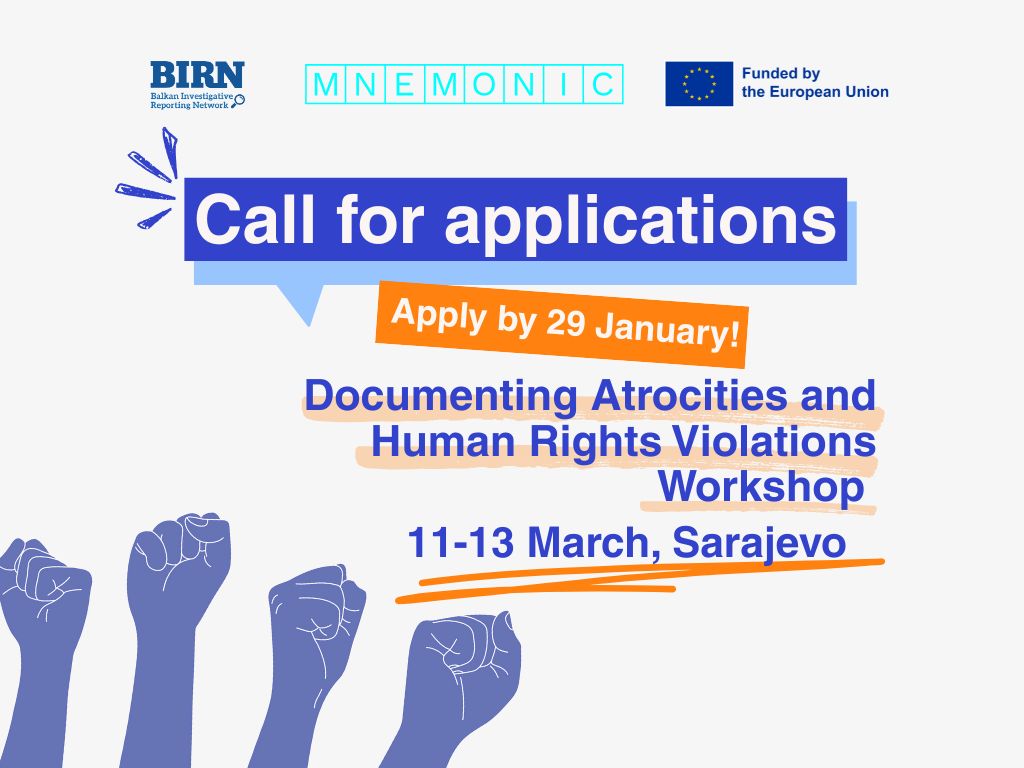
BIRN Kosovo has organised a one-day training session for students from the University of Prishtina, focusing on transitional justice, war crimes, and responsible media reporting, on 8 January 2026 at the Reporting House Museum.

The training was organised within the framework of the Reconcile project, which is being implemented simultaneously across several Western Balkan countries and aims to strengthen professional knowledge and public understanding of dealing with the past.

The session featured contributions from experienced practitioners, including journalist and managing editor at Kallxo.com, Kreshnik Gashi, former prosecutor Drita Hajdari, and dealing with the past expert and practitioner Ibrahim Makolli and head of Legal Office at BIRN Kosovo, Labinot Leposhtica. They shared insights from their professional engagement with war crimes documentation, judicial processes, international cooperation, fact-checking and media documentation of war crimes.

During the training, students explored key concepts related to transitional justice and post-conflict accountability in Kosovo and the wider Western Balkans. The programme combined theoretical frameworks with practical discussions, covering international legal standards on war crimes, mechanisms of transitional justice and accountability, ethical principles and challenges in reporting sensitive topics, and the role of media and civil society in shaping public discourse. Particular attention was given to fact-based, professional reporting, as well as the impact of hate speech and disinformation on distorting the truth. This training was attended by 45 participants.

Several participants shared their experiences and expectations from the training, highlighting the importance of such initiatives for younger generations who did not directly experience the war. Students emphasised that understanding past crimes and learning how they are documented and reported in the media is essential for building informed and responsible professionals in journalism, law, and public service.

The “Reconcile” project is funded by the European Union. The content and views expressed are the sole responsibility of BIRN Kosovo and do not necessarily reflect the views of the European Union.

Workshop Overview and Participant Breakdown

Date: 8 January 2026

Location: Pristina, Kosovo

Number of participants per country: Kosovo 45

Total Number of participants: 45

The full findings and activities are available in the EDS Report, which can be accessed here.

BIRN Albania Trains Local Journalists on Anti–Money Laundering Reporting

BIRN Albania organised a two-day training for 15 local journalists in Durrës on 19–20 December, focusing on the anti–money laundering (AML) framework in Albania and the role of institutions in preventing and detecting financial crime.

The training was delivered within the framework of a UK-funded project aimed at strengthening public awareness and media oversight of anti–money laundering policies and practices in Albania. 

It provided participants with a structured overview of the national legal and regulatory framework governing AML, as well as the roles, responsibilities, and coordination mechanisms of the key institutions involved in prevention, supervision, and enforcement. Particular attention was paid to how these frameworks operate in practice and to the systemic challenges that affect transparency, effective enforcement, and institutional accountability.

Participants also engaged in in-depth discussions on the practical difficulties journalists encounter when reporting on AML-related issues, including limited access to information, gaps and inconsistencies in available data, and the technical complexity of financial disclosures and institutional reporting. 

The second part of the training was designed as a practical exercise, encouraging journalists to identify and pitch concrete story ideas, investigative angles, and potential television debate formats that local media outlets can develop in the coming months. These discussions aimed to translate complex AML topics into accessible public-interest journalism capable of informing audiences and strengthening public scrutiny.

The training forms part of BIRN Albania’s broader efforts to support public-interest journalism and enhance local media capacity on complex rule-of-law and governance issues.