BIRN BiH and Faculty of Criminalistics Sign Cooperation Agreement

Agreement on scientific, educational and professional cooperation hailed as marking step forward for joint research and education.

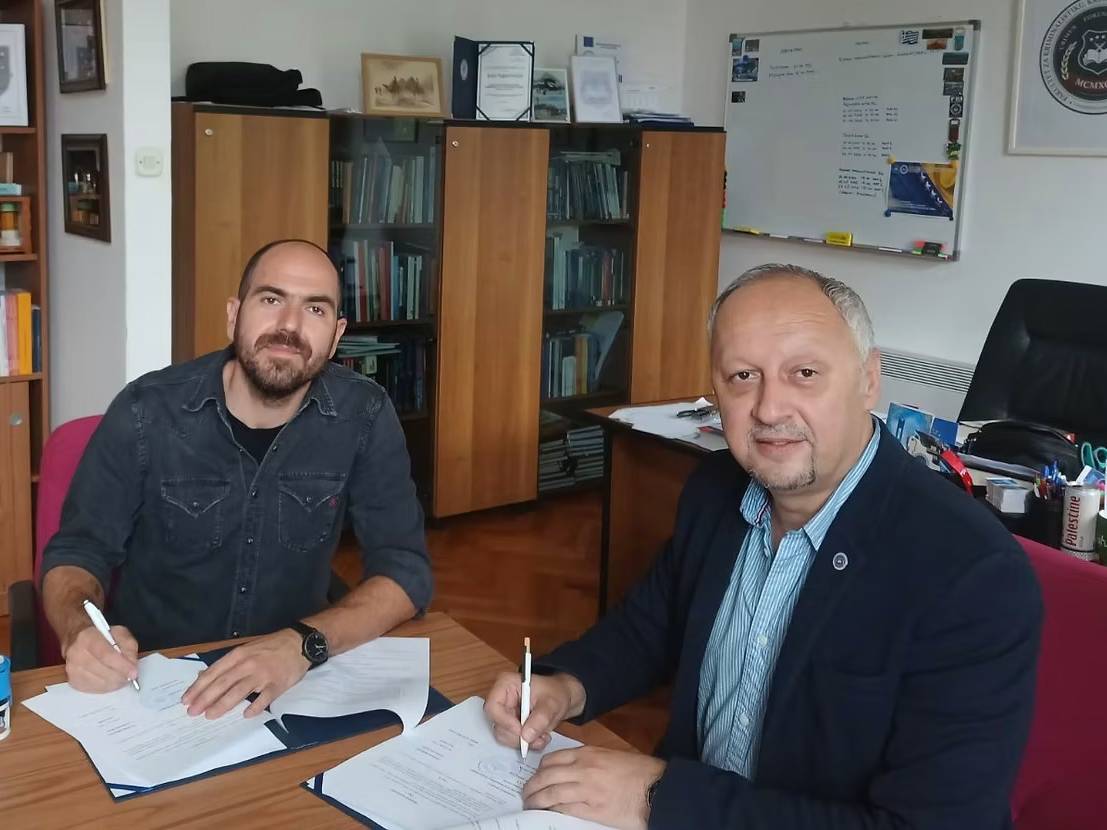
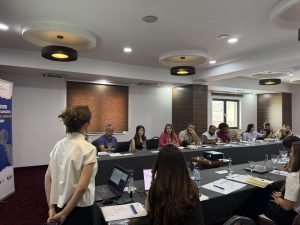
On June 4, the Balkan Investigative Reporting Network of Bosnia and Herzegovina, BIRN BiH, and the Faculty of Criminalistics, Criminology and Security Studies, FKKSS, at the University of Sarajevo signed an agreement on scientific, educational, and professional cooperation, marking a step forward for joint research and education.

The agreement will establish a partnership between FKKSS and BIRN BiH in professional, educational, and scientific research fields. Among other activities aimed at strengthening cooperation in education and research, the agreement foresees jointly organising scientific research activities, conferences, symposia, seminars, workshops, as well as summer and winter schools.

The Dean of FKKSS, Jasmin Ahic, said the agreement is very important for the development not only of academic programmes but also of the faculty’s professional and specialized programmes. A particularly important aspect, according to him, relates to cooperation, especially with research centres dealing with specific areas in which the faculty has direct engagement.

“The segment related to the activities of law enforcement agencies, whether those focused on preventing or suppressing crime or addressing new and emerging phenomena within security challenges, and especially research centres, such as BIRN BiH/Detektor, allows us to say that the studies we conduct and the skills we provide to our future police, intelligence, and military professionals would not be complete without this component,” Ahic said.

Denis Dzidic, Director of BIRN BiH/Detektor, said the agreement represents an important step in strengthening cooperation between institutions and non-governmental organisations, and that joint efforts can contribute to the development and education of students.

“Through joint activities, we can provide opportunities for students and researchers and contribute to their development and education. Students will gain access to practical experience and the work of Detektor, and I expect that this cooperation will contribute to advancing the fields that the faculty focuses on, as well as investigative journalism in our country,” added Dzidic.

The agreement also includes joint projects in the areas of transitional justice, rule of law, extremism and the protection of human rights.

BIRN Roundtable on Women’s Safety Online in Montenegro, Serbia

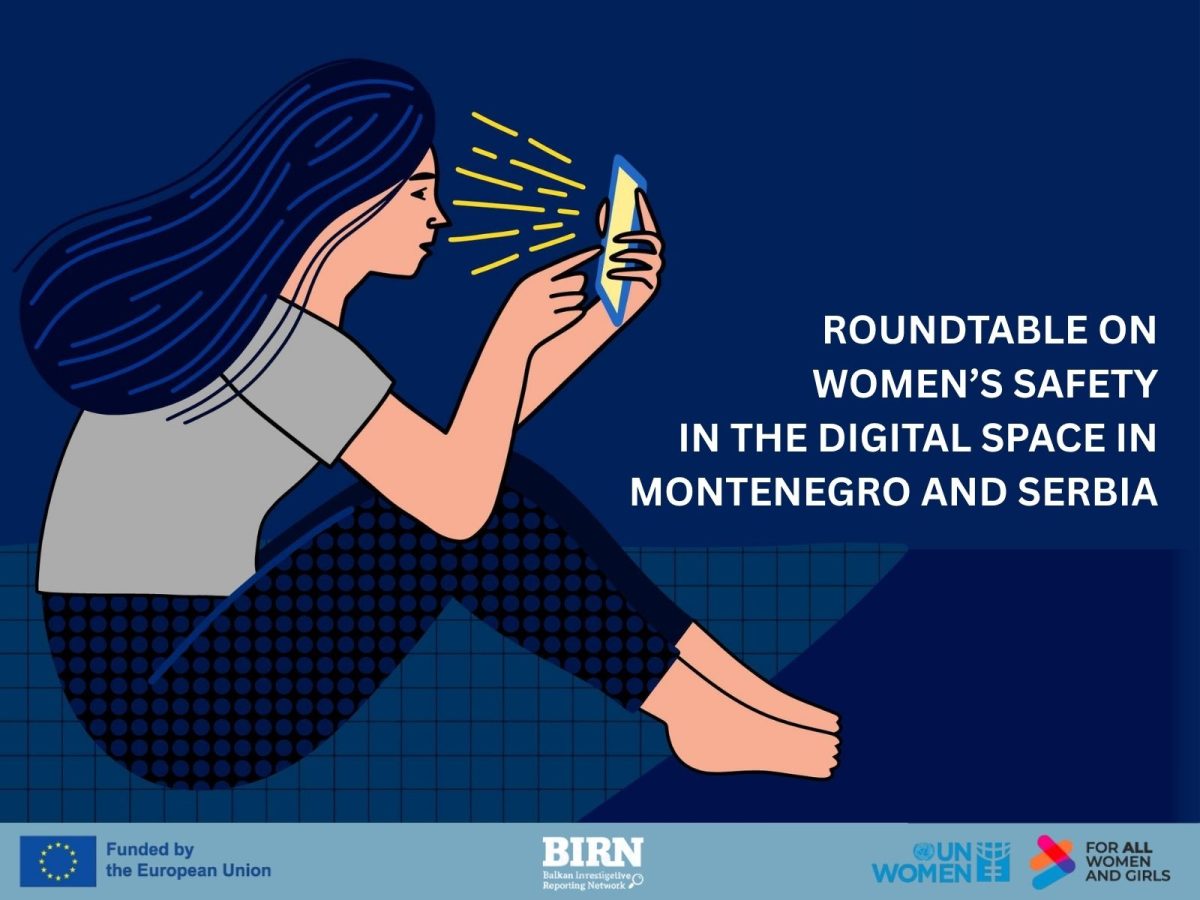
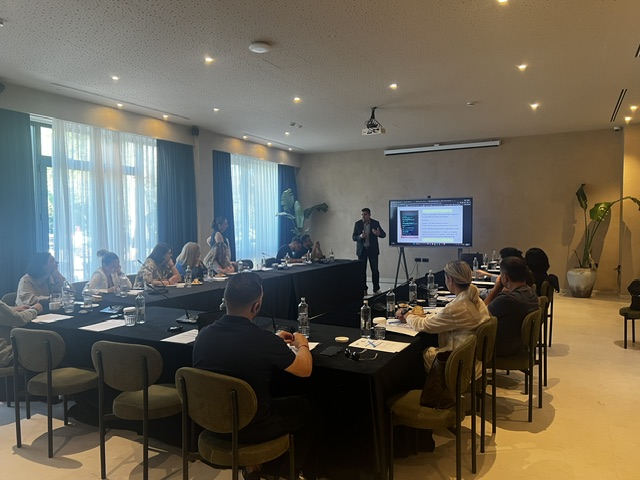
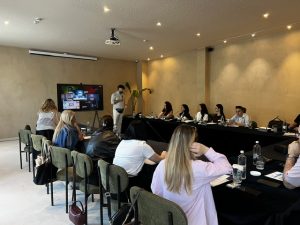
On June 2, BIRN organised a roundtable discussion on women’s safety in the digital space, bringing together representatives of civil society organisations, media, institutions and human rights advocates from Montenegro and Serbia.

Opening the event, Amina Mahovic, Digital Rights Programme Manager at BIRN, highlighted the importance of addressing digital violence against women in both countries and pointed to the rise in online threats, gender-based harassment, hate speech and the misuse of emerging technologies, including artificial intelligence, AI, to facilitate violence against women.

During the first session, monitors Tijana Uzelac from BIRN Serbia and Djurdja Radulovic from BIRN Hub presented key findings from the digital rights violations monitoring in Montenegro and Serbia.

The presentation highlighted trends and the disproportionate impact of digital violence on women participating in public life, including journalists, activists and politicians. The session included an overview of media reporting on these issues, examining how cases were covered and the dominant narratives used in reporting.

At an open discussion moderated by Jakov Ivanovic from BIRN Montenegro, speakers included Mirjana Mitic from ASTRA, Brankica Jankovic from EQUITAS – Centre for Policies and Human Rights, Jevrosima Pejovic, Member of Parliament of Montenegro, Neda Radovic, Director of the NGO Sistem, journalist Dragana Scepanovic and Nina Pavicevic from Kriticki platform.

Participants emphasized that online violence against women is often rooted in gender inequality and directed at women simply because they are women, regardless of their profession or social status. The discussion highlighted direct forms of online harassment, including threats and abusive messages, as well as gender-based attacks amplified through tabloids.

Participants addressed the growing misuse of AI tools to create manipulated or non-consensual content that targets, humiliates and intimidates women.

The discussion further examined institutional responses and the role of digital violence. Participants noted concerns with delays in investigations, inconsistent responses by authorities and the need for stronger legal and policy frameworks. Examples from across the region were presented to illustrate the challenges victims continue to face when seeking protection and accountability.

The roundtable concluded with a discussion on the need for stronger cooperation between institutions, civil society organisations, media and technology platforms to improve responses to online violence against women and enhance protection for victims.

This event is organised by BIRN in the framework of the “EU 4 Gender Equality: Women’s Economic Empowerment and Ending Violence against Women” regional programme, funded by the European Union and implemented jointly by UN Women and UNDP.

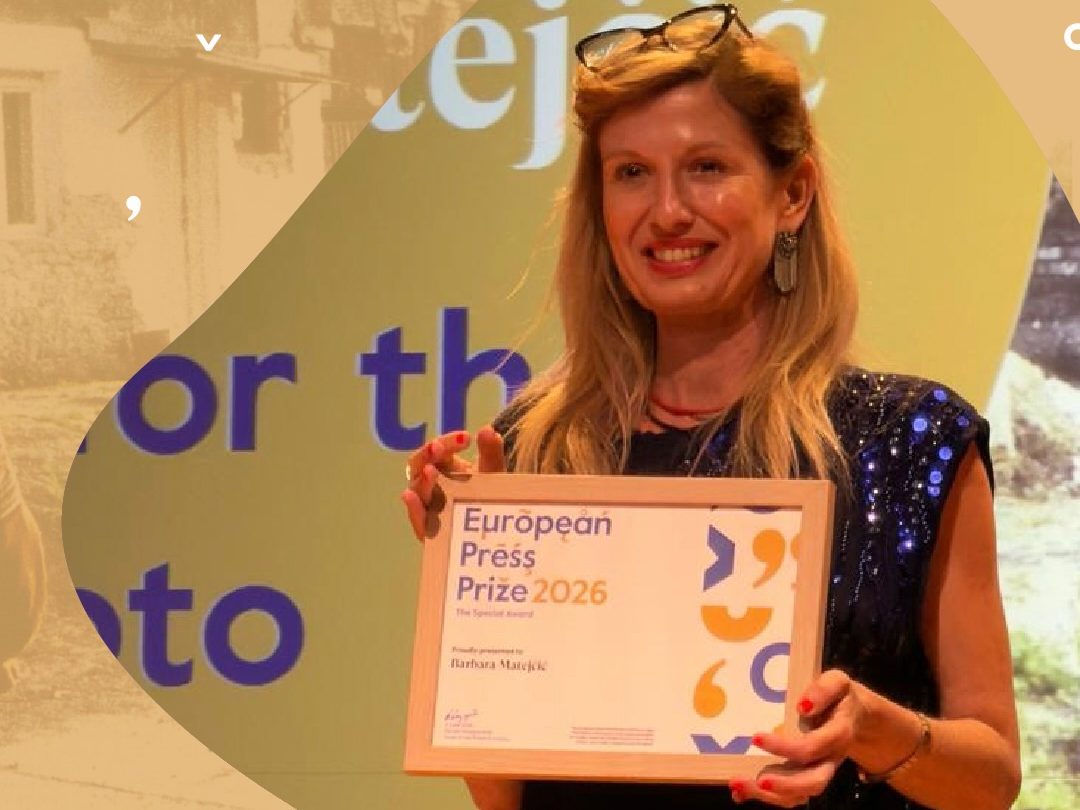
BIRN Contributor Barbara Matejcic Wins 2026 European Press ‘Special Prize’

Award presented in Lisbon for investigation ‘Killing for a Photograph’, described as ‘fascinating story that raises many previously unexplored questions’.

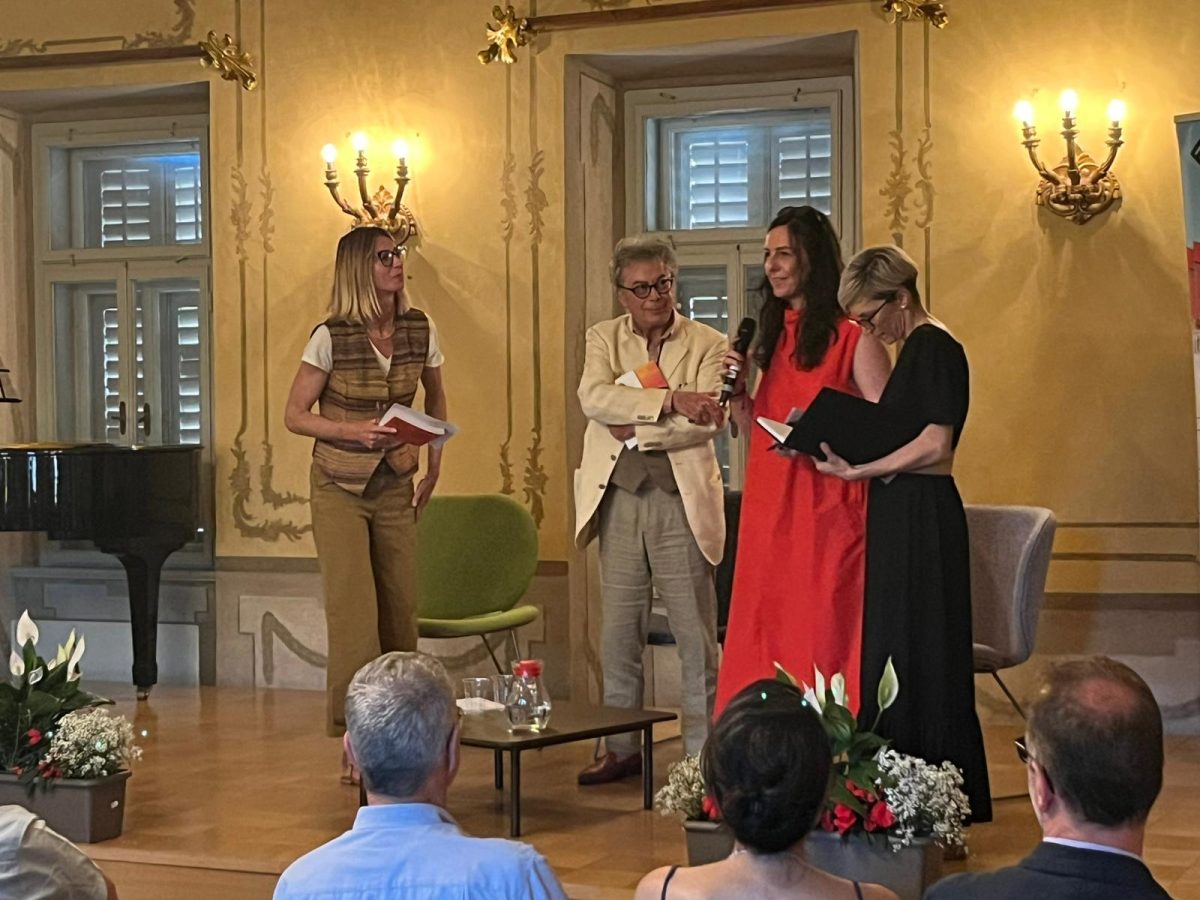
The award was presented in Lisbon as part of the European Press Prize, one of Europe’s most prestigious journalism awards. Each year, the jury grants the Special Prize to an outstanding project that transcends conventional categories and disciplines.

Matejcic’s investigation examines a photograph taken during 1993 in the war in Bosnia, in which a Belgrade photographer documented an execution from extremely close range.

Those images were distributed worldwide by Reuters and later won a World Press Photo award, becoming part of the visual record of the conflict. But for more than three decades, key questions surrounding the circumstances in which the photographs were taken remained largely unexplored.

How was the photographer able to capture the killing from such close proximity through a sequence of images? Did the presence of the camera influence what happened?

Drawing on nearly 30 firsthand sources, as well as court records and war crimes documentation, Matejcic reconstructs the events surrounding the photograph while confronting ethical questions that remained outside the frame. The article explores war, photography, accountability and the role of witnesses.

The jury described the investigation as “a fascinating story that raises many previously unexplored questions” and “a fantastic piece of journalism with perfect dramaturgy.”

“Killing for a Photograph” was also published in the Croatian weekly Novosti and generated significant regional attention. The investigation prompted extensive discussion among readers and within the professional communities of journalists, photographers, editors and researchers in Serbia, Bosnia and Herzegovina, and Croatia. It has been widely regarded as one of the most important and thoroughly researched investigative stories produced in the Balkans in recent years.

One of the most significant outcomes of the investigation was the correction of a decades-long injustice toward the victim and his family.

After Matejcic contacted the World Press Photo Foundation and presented evidence gathered during her reporting, the foundation amended the original caption accompanying the photograph, which had incorrectly identified Husein Krša as a sniper for more than 30 years.

Following publication of the investigation, the Independent Journalists’ Association of Serbia, acting with the consent and at the request of Krsa’s family, initiated proceedings before the World Press Photo Foundation seeking the withdrawal of the photographer’s award. The process remains ongoing.

In May 2026, the investigation also received the prestigious Dejan Anastasijevic Award for the best investigative story published in Serbia during the previous year.

Deportation Investigation Published by BIRN Wins International Border Stories Prize

Awarded report reveals how Netherlands routinely deports homeless East Europeans despite existence of ‘borderless’ EU.

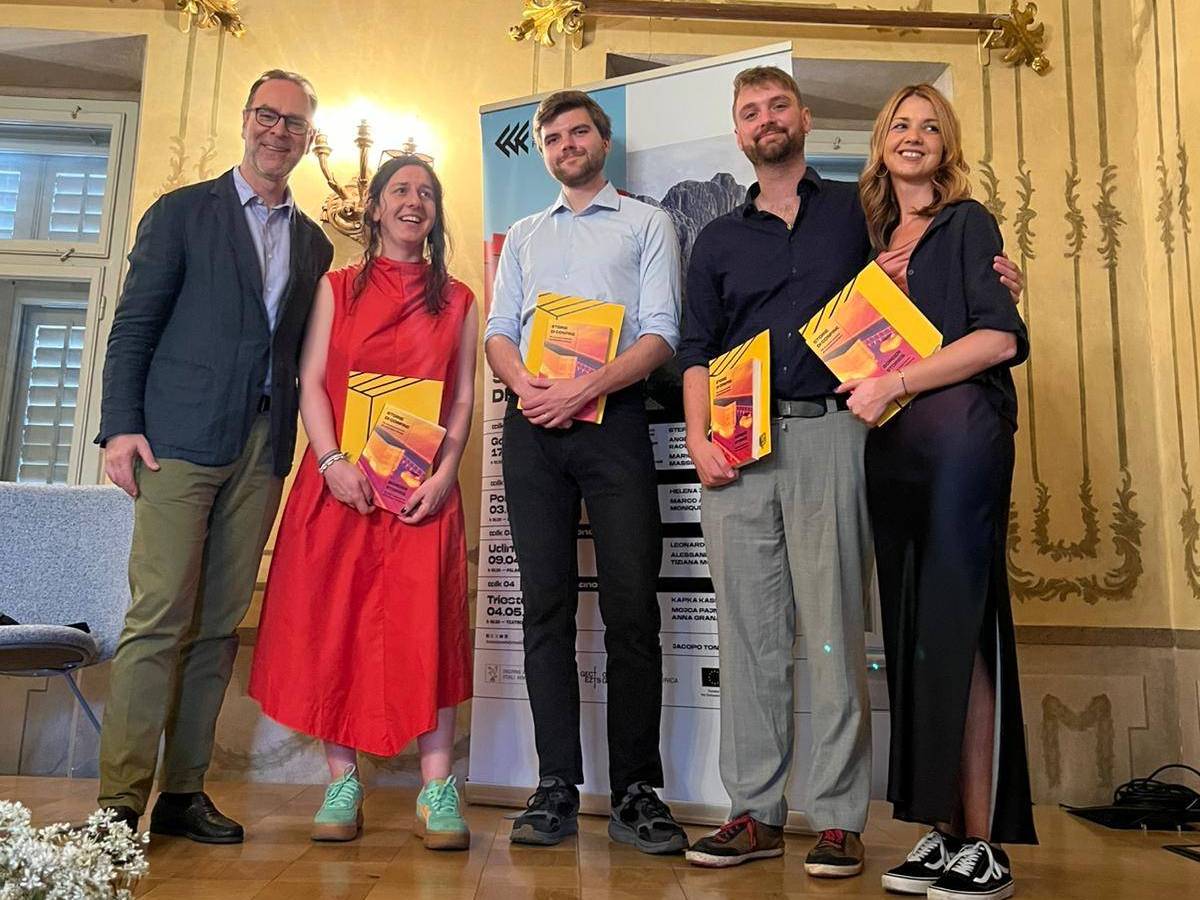
On May 29 in Gorizia, Italy, the investigation “The price of clean streets”, by Zuza Nazaruk, Willemijn Sneep and Andrada Lautaru, was awarded by Fondazione Giangiacomo Feltrinelli.

The awarded investigation, published by BIRN’s Reporting Democracy project, reveals how the Netherlands deports homeless Eastern Europeans.

Despite the idea of a borderless EU, enshrined in the free movement principles of the Schengen Area, EU citizens can still get deported from a host country, and this trend is on the rise, affecting mainly Poles and Romanians, the investigation revealed.

In 2024, 690 EU citizens were forced to leave the Netherlands, compared with only 290 in 2019, according to the Dutch Repatriation and Departure Service, DTenV.

The deportations – officially called “transfers” as they happen within EU borders – are decided on by the Dutch Immigration and Naturalisation Service, IND, and are based on a lack of lawful residence under EU law.

For the purpose of the investigation, the team spoke with migration lawyers; authorities in the Netherlands, Poland and Romania; labour and other experts; and foundations helping the unsheltered: Regenboog, Pauluskerk, Ontmoeting and Barka.

They accompanied the authorities on their monthly check-ups around Rotterdam, visited homeless shelters in the Netherlands and rehabilitation centres in Poland and Romania, interviewed over 30 former homeless people and five deportees, and reviewed three deportation notices.

The international jury awarding the International Border Stories Prize comprised the journalists and writers Marzio G. Mian, Fausto Biloslavo, Caterina Croce and Teresa O’Connell. They reviewed more than 60 journalistic investigations submitted from across Europe.

The awards were presented during the final event in the travelling series Stories of the Border / Border Stories.

The event, dedicated to presenting investigations awarded in the international journalism prize of the same name, is promoted by Fondazione Giangiacomo Feltrinelli in collaboration with the Department of Culture and Sport of Italy’s Autonomous Region of Friuli Venezia Giulia and GECT GO/EZTS GO, with the support of Are We Europe.

BIRN Contributors Ana Curic, Maradia Tsaava Win International Border Stories Prize

On May 29 in Gorizia, Italy, the investigation ‘Follow the Money: Why the EU, Not China, Matters Most to Serbia and Georgia’, by Ana Curic and Maradia Tsaava, was awarded by Fondazione Giangiacomo Feltrinelli.

The awarded investigation published by BIRN reveals the true nature of the economic relationships between Serbia and Georgia, two EU candidate countries, and China, Russia and the European Union.

“Follow the Money: Why the EU, Not China, Matters Most to Serbia and Georgia” examines trade and investment flows between these countries from 2013 to 2023 and is based on official data from banking reports and national statistical offices.

Curic and Tsaava’s economic perspective through data dismantles widespread narratives and demonstrate the central role of the European Union in the economic balance of countries like Serbia and Georgia.

This is despite persistent narratives promoted by governments and pro-government media emphasising Chinese investments and shaping public opinion in ways not supported by the data, stated Fondazione Giangiacomo Feltrinelli.

“Working on this story was a great experience for me personally because I love data and following financial flows, and in this case, there was an official open data, which is actually rarely happening in our countries,” Curic said.

“We were analysing export and import data and the amount of investments coming from our targets – the EU, China and Russia – and towards them, and we could access and analyse official data on these lines.

“The trickiest financial line that we also had in mind, in order to analyse all money flows through official channels, was public debt; because of its complexity and methodology, it wasn’t easy to break data based on analysed countries and analysed period, so it was left out due to the impossibility to be fully precise,” Curic added.

The international jury, composed of journalists and writers Marzio G. Mian, Fausto Biloslavo, Caterina Croce, and Teresa O’Connell, reviewed more than 60 journalistic investigations submitted from across Europe.

“We are very happy being awarded the Border Stories Prize because this investigation was super important for us and everything that we’ve done as part of Spheres of Influence project. We are really grateful to the jury for recognising the international importance of this story that dismantles the stereotypes about Chinese and Russian influence in Serbia and Georgia that were developed with public officials’ narratives,” Curic said.

“It also shows the absolute economic dominance of the EU. For me, personally, it was a great achievement because it shows the power of data journalism in such a wide and at the same time very concrete field, under the phrase ‘follow the money’ and confronts with facts the perception of our countries, especially on the international level,” she concluded.

The awards were presented during the final event in the travelling series Stories of the Border / Border Stories. The meeting, dedicated to presenting investigations awarded in the international journalism prize of the same name, is promoted by Fondazione Giangiacomo Feltrinelli in collaboration with the Department of Culture and Sport of Italy’s Autonomous Region of Friuli Venezia Giulia and GECT GO / EZTS GO, with the support of Are We Europe.

BIRN Albania Holds Training on Artificial Intelligence and Surveillance

On 29–30 May, BIRN Albania organised a two-day training in Durrës, bringing together 20 mid-career journalists from national media outlets to strengthen reporting skills on artificial intelligence, surveillance technologies and their growing impact on society.

The training was organised within the framework of the MATRA-supported project “Enhancing Cybersecurity, Data Protection and Resilience in Albania’s ICT Transformation” and forms part of BIRN Albania’s broader efforts to support journalists in navigating the rapidly evolving digital environment and reporting on emerging technological challenges affecting democratic societies.

As artificial intelligence becomes increasingly integrated into public administration, business, media and everyday life, journalists face growing demands to understand how these technologies function, who develops and regulates them, and what risks and opportunities they create for citizens. At the same time, the expansion of surveillance capabilities and digital monitoring tools has raised important questions related to privacy, data protection, accountability and fundamental rights.

The sessions were led by Aleksandar Manasiev of NarrativAI and Aleksa Tesic of BIRN Serbia.

Manasiev focused on the development of artificial intelligence and the key issues journalists should understand when reporting on AI. Participants explored practical approaches to covering AI-related stories, including how to identify relevant actors, assess ethical and societal implications, understand regulatory developments and examine the impact of AI systems on different communities. The training also included practical guidance on the responsible and transparent use of AI tools in journalistic work.

Tesic introduced participants to recent developments in surveillance technologies, digital threats and monitoring practices. Through practical examples and case studies, journalists examined how surveillance tools are increasingly intersecting with issues of cybersecurity, human rights, privacy and media freedom, as well as how these topics can be investigated and reported in the public interest.

The training also provided a space for participants to discuss story ideas and reporting opportunities related to artificial intelligence, surveillance technologies and digital rights in Albania. As part of the project, participants will be invited to apply for a forthcoming BIRN Albania call for investigative story proposals focusing on the societal impact of emerging technologies, digital governance and information integrity.

By strengthening journalists’ understanding of these rapidly evolving issues, BIRN Albania aims to contribute to more informed public debate, greater accountability and stronger resilience against the risks associated with technological transformation.

BIRN Kosovo Debate Discusses Missing Persons in Peje Region

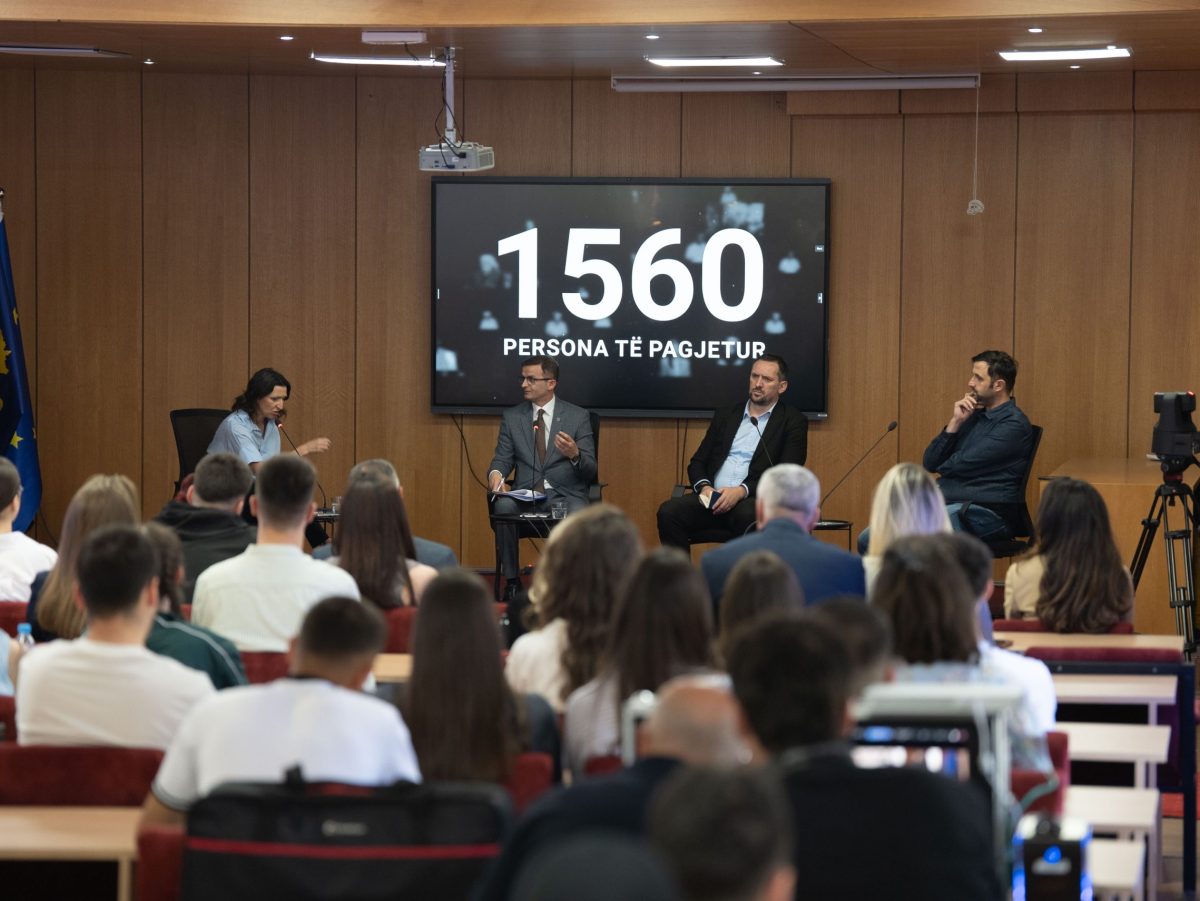
On May 29, BIRN Kosovo and ACDC organized its fifth documentary screening as part of a broader series of public discussions on transitional justice and missing persons in Kosovo.

This time, the documentary was screened in the Municipality of Peje/Pec, followed by a town hall debate on the challenges of missing persons from the Kosovo war from all communities.

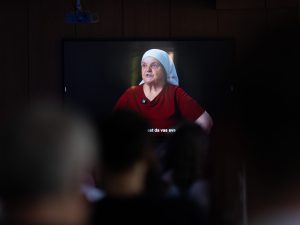
Produced as part of the EU-funded project “Unveiling the Truth: Combating Monoethnic Journalism and Advocating for Missing Persons in Kosovo,” the documentary highlighted the lasting impact of war crimes on families and communities across Kosovo.

It included stories and testimonies from the families of missing people from the municipalities of Peje, Kline, Istog and Decan, and from representatives of relevant institutions addressing the grievances of the past in Kosovo.

Around 400 persons from Peje region are still listed as missing. Families are still in pain, waiting to find the truth about loved ones, two decades on.

A discussion followed the documentary screening, making this event part of a broader series of public discussions on transitional justice and missing persons in Kosovo.

This was moderated by BIRN Kosovo Executive Director and journalist Jeta Xharra and included representatives from Kosovo institutions. Panelists included Ilir Morina, from the Special Prosecution, Kushtrim Gara, from the Government Commission on Missing Persons, and Kreshnik Gashi, from KALLXO.com.

The panelists highlighted the importance of accountability and overall cooperation for the broader transitional justice process in Kosovo. Morina emphasized that information sharing by everyone but especially by the families of missing persons throughout the process is crucial in order to document testimonies that can be used in prosecuting war crimes.

The event was attended by 80 people, 47 of whom were women. Among the participants were students of the University of Peja “Haxhi Zeka”, law professors, citizens and family members of missing persons. All participants had the chance to ask questions directly to the panelists and understand more about the process of uncovering the truth on the issue of missing persons from the war.

This event was organised in the framework of “Unveiling the Truth: Combating Monoethnic Journalism and Advocating for Missing Persons in Kosovo” project, funded by the European Union.

Apply Now for a BIRN Reporting Democracy Grant

From Poznań to Podgorica, and from Prague to Plovdiv, journalists across Central and Southeast Europe are invited to pitch ideas for in-depth reporting projects on issues shaping democracy across the region.

This grant opportunity, covering fees and field research expenses, will allow journalists to report on a range of topics, from politics and economy to human rights, corruption, the rule of law, and security, that they feel need to be explored in-depth and brought to the attention of the wider public.

Grants worth €1.500 are available for professional freelance or staff journalists and teams, with ideas for investigative, analytical, or feature stories. Reporting Democracy will provide editorial support and a platform for publishing and distributing stories.

Deadline for submitting applications is July 1, 2026

Apply by filling out an application form here. 

General rules for call for applications:

Grants are available for journalists from across the Visegrad and Balkan region (Poland, Czech Republic, Slovakia, Hungary, Romania, Bulgaria, Serbia, Croatia, Bosnia and Herzegovina, Montenegro, Kosovo, Albania, North Macedonia, Greece).

Formal applicants can be:

  • individual journalists, working as part of newsroom structures as well as freelancers;
  • teams with the designated team leader being the contract signatory.

A maximum of six grants will be awarded in this cycle. And each applicant may submit only one application under this grant scheme.

Amount per grant: EUR 1.500.

Eligible expenses include:

  • fee;
  • travel expenses;
  • various production costs (documents, videographer, photographer, etc).

How to apply:

Applicants should use the RD grants application form to submit the application (LINK).

The application form should be completed in English.

Additional documentation can be submitted in an online format.

Clarifications will only be requested when the information provided is not sufficient to conduct an objective assessment.

The application must be submitted by 23:59 CET on July 1, 2026. In case of additional enquiries, please contact us at: [email protected]

Evaluation and selection:

Step I: Technical evaluation done by BIRN staff to ensure applicants followed the application procedures and submitted all required documents.

Step II: Evaluation by the editorial board will be done to select applicants based on evaluation criteria, including:

  1. Quality of the proposed idea, its relevance, and originality
  2. Feasibility of the proposed plan;
  3. Ability to reach a broad public.

Step III: Notification of applicants.

Successful candidates will be informed within four weeks after the close of the call.

Reporting Democracy is a cross-border journalistic platform dedicated to exploring where democracy is headed across large parts of Europe. In addition to generating a steady stream of features, interviews and analytical pieces by our own correspondents, we support local journalists by commissioning stories and providing grants for in-depth features and investigations.

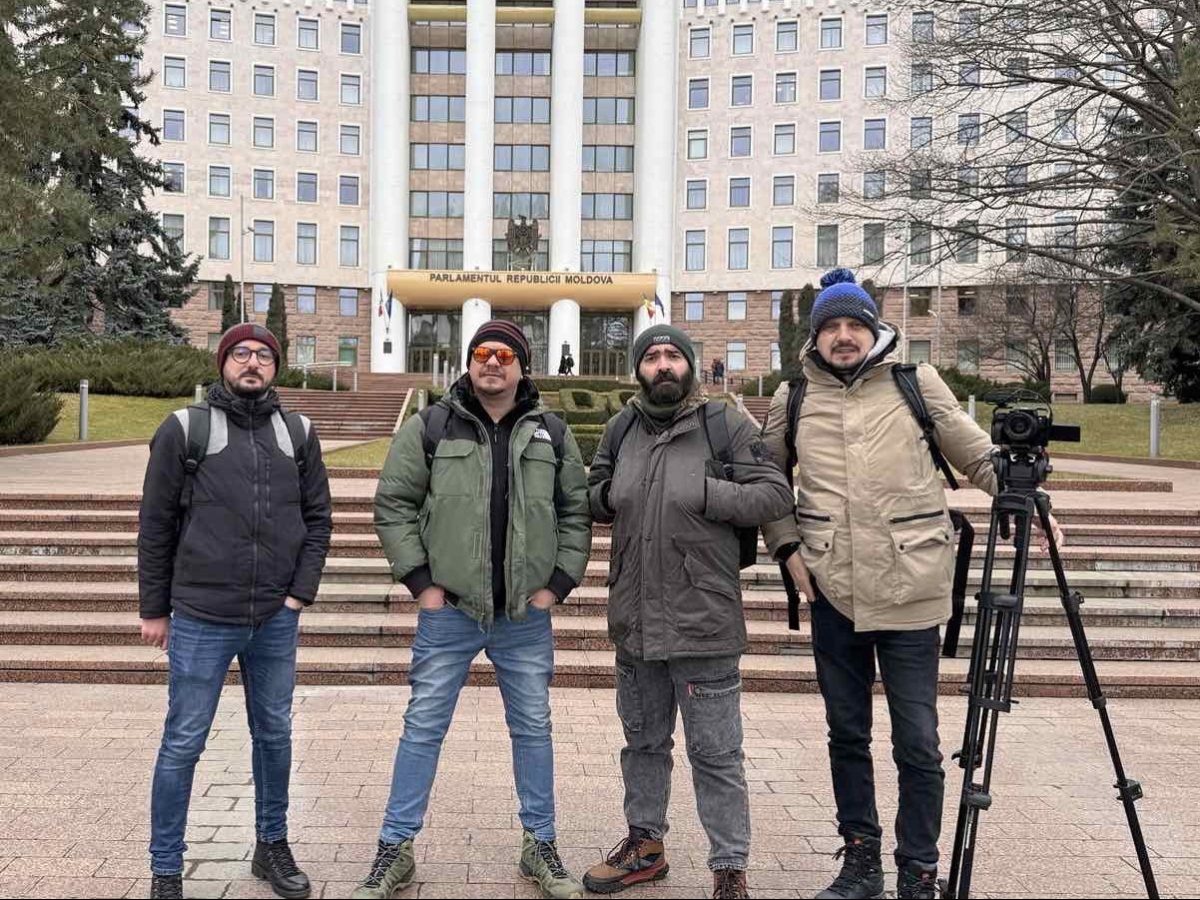
Detektor and Moldova Colleagues Awarded for Investigation into Russian Camps

Detektor journalists Irvin Pekmez, Enes Hodzic and Nino Bilajac, as co-authors with the media outlet CU SENS, won second place at the “Superscrieri” journalism awards in Romania in the “TV and Video Journalism” category.

The award from the “Friends for Friends” Foundation was presented on May 27 to CU SENS journalist Malvina Cojocari, who, in cooperation with Detektor and the organisation FactCheck from Bulgaria, showed how people from Moldova were trained in Russia, Serbia, and Bosnia and Herzegovina to use weapons and drones carrying explosive devices for use in mass unrest in Moldova.

“This award represents recognition for the work, responsibility, and passion I invest in journalism. It confirms that the stories I choose to tell reach people and have significance in society. At the same time, this recognition motivates me to continue practicing journalism with the same sincerity and dedication,” Cojocari told Detektor.

The programme “Investigation: Trained to Cause Chaos. Part II” ranks among the best media content published in Moldova during 2025. In addition to the “TV and Video Journalism” category, it was also nominated for the “Investigative Journalism” category.

The collaboration with the Moldovan media organisation CU SENS and Cojocari in 2025 resulted in the publication of two joint investigations, accompanied by TV programmes in summer that year.

One was published on Detektor.ba while another was simultaneously published on the CU SENS website.

The joint investigation revealed that at least eight Moldovan citizens between July and September 2024, were trained in Russian camps in Bosnia on how to use weapons and drones with explosive devices.

The plan was to provoke unrest in Moldova as part of mass disturbances organised by unidentified structures under Kremlin control.

Among the recruiters were people involved in vandalizing certain buildings in Paris in 2023. Some of the instructors and coordinators are linked to the Russian paramilitary group Wagner.

First place was awarded to colleagues from Ziarul de Gardă for the investigative series “The Kremlin’s Digital Army” and to the organisation Recorder for the investigation “The Largest Ghost Company, Confirmed by ANAF.”

Third place in the same category also went to Recorder for the piece “Alone. The Endless Nightmare of Abandoned Children.”

Out of a total of 300 submissions, a jury composed of 22 media experts selected 53 works published during 2025, which were nominated across nine competition categories: Journalism Debut, Local Media, TV and Video Journalism, Investigative Journalism, Feature Writing, Thematic Journalism, Innovation, Interview, and Civic Influencers.

The “Friends for Friends” Foundation is a Romanian nonprofit organisation focused on media work, social impact, education and creativity, which organised the awards in the investigative and TV journalism categories.

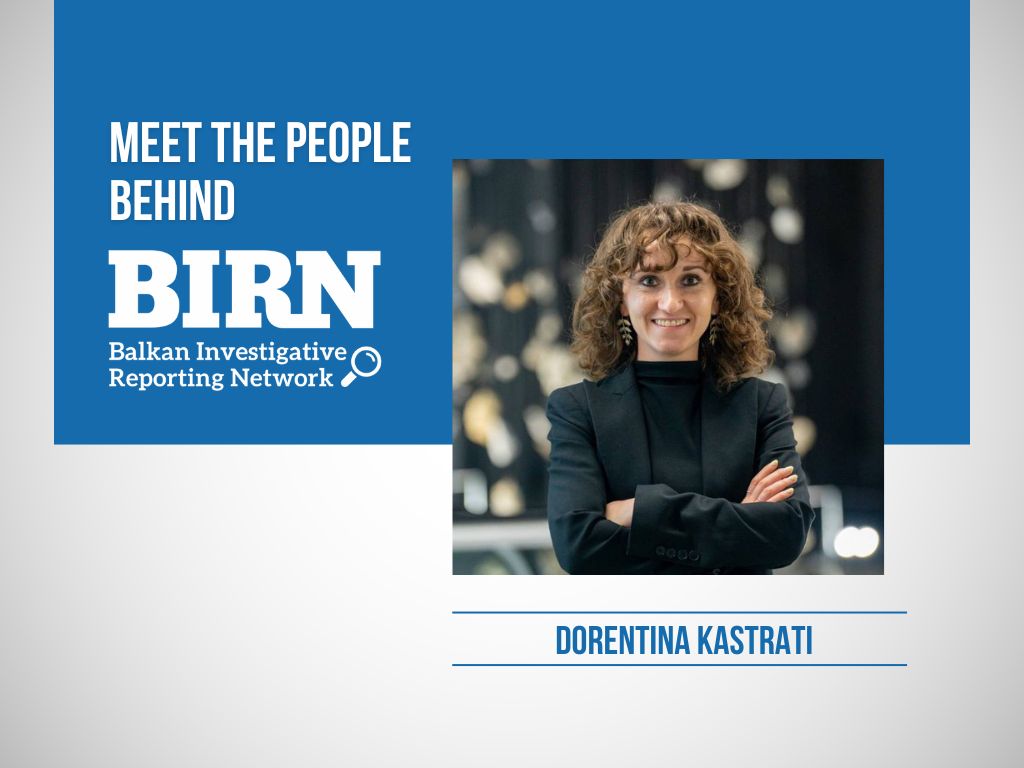
Meet the People Behind BIRN: Dorentina Kastrati

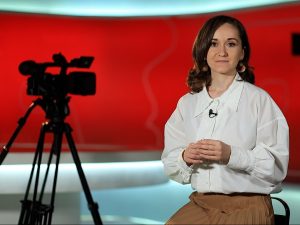
Dorentina Kastrati is BIRN Kosovo’s editor/journalist and project coordinator. Over the past 10 years, since she joined BIRN as an intern, she has witnessed all the changes and growth BIRN has been going through.

But, away from her job, Dorentina knows how to disconnect from the fast pace of daily work. Let’s meet her.

She first learned about BIRN during her journalism studies, while she analyzed reporting from various media outlets in Kosovo.

“What consistently stood out to me was the professionalism and courage of the BIRN Kosovo team.

As a result, I began following the work of the BIRN team closely, even outside of university, and whenever I thought about where I would like to work in the future, BIRN was always my goal,” Dorentina explains.

Another detail is that at the beginning of her studies, she lived in the student dormitories, which were located very close to BIRN’s offices.

“Every day, on my way to university lectures, I would pass by their offices. In a way, I feel I manifested it until I eventually became part of the team in 2016 as an intern,” she adds.

BIRN Kosovo has evolved significantly over the 10 years since she started working there, both editorially and organisationally.

“The organisation has expanded its investigative work, strengthened its multimedia and digital capacities, and is increasingly focused on combating disinformation and promoting media literacy. At the same time, BIRN has remained committed to its core mission of public-interest journalism and accountability, which I believe is one of its greatest strengths,” Dorentina notes.
What stands out to her most over this period is not only the growth in capacity but also the ability of BIRN Kosovo to adapt to a rapidly changing media environment.

“We have moved from more traditional reporting formats to more dynamic storytelling and audience engagement, while maintaining editorial independence and credibility. From my perspective, this evolution has also meant continuous learning and professional growth, as the organisation has encouraged innovation while staying grounded in its mission,” she says.

Working through these changes has allowed Dorentina to grow professionally.

“Seeing how BIRN Kosovo has adapted to new challenges while preserving its values has been one of the most rewarding aspects of being part of the organisation,” she stresses.

When she first joined BIRN in 2016, she expected to grow professionally and contribute to meaningful journalism. She did not necessarily imagine that she would still be here ten years later, let alone that she would also become involved in project-related work.

“Over time, however, BIRN became a place where I continuously learned, challenged myself, and felt motivated by the work we do.

The dynamic environment, the diversity of projects, and the variety of work – from news reporting and investigative articles to investigative TV stories, writing project proposals, implementing projects, organising trainings, conferences, and roundtables, publishing important reports, and producing documentaries – has kept the work engaging and meaningful. The impact of our work is what made me stay and grow with the organisation,” she explains.

What also kept her here was the opportunity to work with dedicated colleagues, adapt to new challenges, and contribute to projects that have real impact.

“Looking back, I can say that these ten years have brought not only professional growth but also a strong sense of purpose and belonging,” she says.

She says both aspects of her work – project-related and journalism – complement each other.

“Journalism provides the opportunity to tell important stories, investigate issues that affect citizens, and contribute to public accountability,” she says.
Project-related work, on the other hand, allows me to work strategically, develop initiatives with long-term impact, and collaborate with different stakeholders. I also value the fact that, through projects, journalistic work can often be planned and implemented, which in a way represents another form of contribution to journalism itself.

“Through projects, important media initiatives, investigative work, public awareness campaigns, and capacity-building activities can be supported and realized, creating a broader and more sustainable impact,” Dorentina explains.

She values the combination of both, as it gives her both creative and organisational fulfillment while also allowing her to contribute to journalism from different angles.

“Shortly after I began my internship, my editor recognised that I had the potential to become a journalist covering areas such as economics, public procurement, energy and auditing. Before I even realised it, I found myself enthusiastically working on investigations involving tenders with hundreds of pages of documentation to review and analyze.

Over time, I realised that I genuinely enjoyed this type of work. These were fields with relatively few specialized journalists, and I found great satisfaction in writing about complex and demanding topics that required more in-depth analysis, patience, and a strong commitment to investigative work,” Dorentina recalls.

There are several stories she worked on that she’s especially proud of.

“The investigation I am most proud of is “The Suspicious Tender for the Minister’s Family,” which earned me the award for Best Investigation in Public Procurement in 2021. The investigation uncovered issues involving conflicts of interest, family connections, and political ties intertwined within the procurement process.

I am also particularly proud of the investigations published during the COVID-19 pandemic, which exposed manipulation and misconduct related to the pricing of masks and other products purchased by various public institutions. These investigations highlighted abuses and irregularities in public spending during a time of crisis,” she explains.
However, she encounters some obstacles in her everyday work, such as the rapidly evolving nature of disinformation and the speed at which false narratives spread online.

“In today’s digital environment, misinformation can spread much faster than verified information, which makes it increasingly important to ensure accuracy, fact-checking, and responsible reporting. This requires continuous adaptation to new communication trends, digital platforms, and methods of verifying information in order to maintain credibility and provide the public with reliable content,” Dorentina says.

Another challenge is maintaining public trust in the media in an increasingly polarized information environment.

“Audiences are often exposed to conflicting narratives, political influence, and information overload, which can lead to skepticism toward media institutions. For this reason, transparency, ethical standards, and professional integrity become essential in strengthening credibility and building long-term trust with audiences.

However, these challenges also create opportunities for innovation, stronger partnerships, and more effective approaches to delivering meaningful, credible, and socially impactful work,” she adds.

When it comes to BIRN Kosovo, there are some things Dorentina would like to see.

“I would like to see continued investment in professional development, innovation, and staff well-being. As the media landscape changes rapidly, it is important to continuously adapt, strengthen digital capacities, and create more opportunities for creative and investigative work,” she notes.

At the end of her working day, outside work, she enjoys reading, spending time in nature, listening to music, and traveling whenever possible.

“I also enjoy Pilates and moments that help me disconnect from the fast pace of daily work. I value meaningful conversations, quiet moments by the sea, and spending time with friends and family,” Dorentina concludes.