Gordana Andric

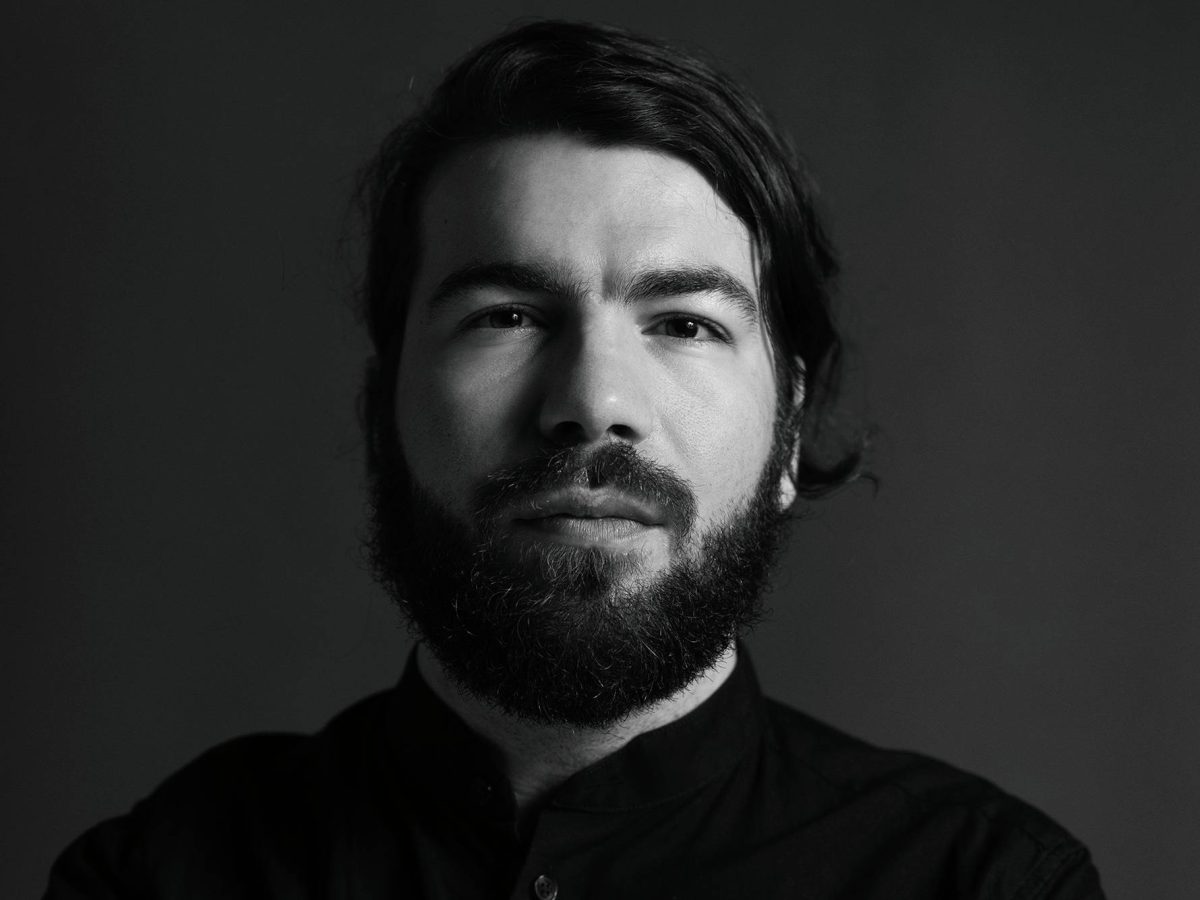
Gordana Andric is a Belgrade-based journalist and editor.

She first joined BIRN as a journalist in 2010 and later worked as a managing editor of BIRN’s English language website Balkan Insight.

After spending four years with BBC World Service, she now works with BIRN Serbia.

Andric has managed teams of journalists, investigative reporters and editors from more than ten countries across the Balkans and Black Sea region.

BIRN Kosovo Holds Training on Gender-based Misinformation and Issues Related to Sexism

On May 23 in Pristina, 2024 BIRN Kosovo held a training for journalists and journalism students on how to report about gender-based issues and sexism, and how to debunk misinformation regarding such sensitive reporting.

One of the main goals of BIRN is to educate new generations of journalists on how to report about gender-based issues and sexism, as a step toward building an unbiased society in the future. Moreover, the training focused on the crucial role of the media and journalists in creating a collective perception when reporting about women-related topics.

The training module was delivered by BIRN’s local team of award-winning journalists and editors, who have extensive experience in investigating, reporting on, and advocating for such issues.

The first session was held by Kreshnik Gashi – Editor in Chief of KALLXO.com who spoke about the identification of the challenges in treating disinformation on gender-based media reporting. In addition, he talked about the sources of disinformation on gender-based issues and disinformation narratives against the LGBTQI+ community and the handling of hate speech from community standards of social media.

Moreover, Jeta Xharra – Executive Director of BIRN held a session on how to create editorial politics that promote gender equality and avoid hate speech towards women during live reporting.

The third session was held by Alban Zeneli – Lecturer at the University of Prishtina, Department of Journalism who spoke about the importance of fact-checking while reporting on actual stories.

This training was attended by 27 participants of whom 21 were women.

The training was held as part of the project “Promoting Fact-Based Reporting and Media Literacy in Addressing Mis- and Disinformation” funded by UNMIK.

Fellowship for Journalistic Excellence – Winners Chosen

Polish journalist Tadeusz Michrowski was awarded the first prize in the Fellowship for Journalistic Excellence at a ceremony held in Vienna on May 22.

Michrowski won the 3,000-euro award for his story about the decline of coastal fisheries in the Baltic – focusing specifically on the Polish coast. There are several theories about why the fisheries are in decline, but no single compelling explanation. Tadeusz’s story captures all these conflicting truths and mysteries, holding the reader’s attention with colour and literary style.

Announcing the award, Fellowship jury member and deputy chairman of the European Stability Initiative, Kristof Bender, praised “the captivating portrait of coastal fishermen, their decline, and all the reasons behind it, bringing to life distinct characters with their interests and hopes.”

North Macedonian journalist David Ilieski was awarded the second prize for his story about how the gambling industry has taken over the country. The award was given by Elena Panagiotidis, the jury member and editor for the Swiss daily, Neue Zürcher Zeitung. Panagiotidis praised the story for not only presenting well-researched data on the growth of gambling, but also for “showing how ordinary citizens who have taken up the fight against the industry are being failed by the state”.

The award for the third place went to Andrei Popoviciu, a Romanian journalist who produced a story about how a tech boom in the city of Cluj-Napoca has led to a surge in real-estate prices that is squeezing out everyone who does not work in tech.

Florian Hassel, Central and Eastern Europe correspondent for the German daily Süddeutsche Zeitung, presented the third award. “It is an eye-opening story about a reality you haven’t heard about,” he said. “There is a stark conflict embedded within it, with no clear hero or a villain.”

The ceremony celebrated the successful completion of the 2022 edition of the programme.

Alongside Florian Hassel, Elena Panagiotidis and Kristof Bender, the jury was comprised of Milorad Ivanovic, representative of the FJE alumni network; BIRN editor Gyula Csak, Remzi Lani, the Director of the Albanian Media Institute, and Adelheid Wolfl, correspondent for Austrian daily, Der Standard.

With the conclusion of this year’s programme, the eight fellows join the FJE alumni network, which consists of more than 150 journalists from 14 CEE countries, who promote the highest professional standards.

The Balkan Fellowship for Journalistic Excellence was launched in 2007 to promote high-quality, cross-border reporting. The programme provides fellows with financial and editorial support, allowing them to travel, report and write their stories and develop their journalistic skills. In 2020, the Fellowship programme expanded to include journalists from the V4 group of countries: the Czech Republic, Hungary, Poland and Slovakia.

The Fellowship for Journalistic Excellence is implemented by the Balkan Investigative Reporting Network and supported by ERSTE Foundation.

BIRN Serbia’s Gordana Andric and Aleksandar Djordjevic Awarded

The Independent Journalists’ Association of Serbia (NUNS) gave BIRN the Dejan Anastasijevic Award for its reporting on phantom organisations that extracted millions of euros from the state budget, and specially commended an article on domestic violence against children.

Gordana Andric, BIRN Serbia executive editor and investigative reporter, and Aleksandar Djordjevic, BIRN Serbia investigative reporter, were awarded first prize at the Dejan Anastasijevic Investigative Awards.

They were awarded for their reporting on a network of fake NGOs that got millions of euros from the state budget, envisaged to help vulnerable groups in Serbia. The network was submitting fabricated financial reports and pretending it had organised mass lectures across the country, mainly on school and domestic violence.

BIRN also uncovered that Aleksandra Camagic, a senior Belgrade official and close associate of the Belgrade mayor, had been linked to the group for almost a decade.

“This investigation is actually a result of years of labour, as this is a story BIRN has covered for years, discovering more and more about this network almost every few months,” Andric said.

“Behind findings we published in this article is not just BIRN, but also a group of phenomenal women from our partner organisation Civic Initiative who, together with us, analysed hundreds of documents,” Andric added.

The jury awarded second prize to KRIK for its reporting on police official Nenad Vuckovic who, they reported, commanded the crime group that killed Aleksandar Stankovic.

Third prize went to the Centre for Investigative Reporting Serbia (CINS) for their reporting on Serbia’s ruling Progressive Party’s call centres on the eve of the December general elections, which also won the audience award.

BIRN and CINS received special commendations for their reporting on domestic violence and the mass killing at the Vladislav Ribnikar school, respectively.

BIRN received special commendations for the story “Domestic Violence Against Children: Invisible victims”, written by Dragana Prica Kovacevic, Teodora Curcic and Gordana Andric and in collaboration with media 021, Juzne vesti, Bujanovacke, Glas Sumadije and Ozon.

This year’s jury members in Serbia were BIRN founder and investigative editor Gordana Igric, investigative reporter and founder of CINS Branko Cecen, Radio Free Europe investigative editor Mirjana Jevtovic and reporter, editor and trainer Slavisa Lekovic.

The Independent Journalists’ Association of Serbia organised the 19th annual award for outstanding investigative journalism and reporting on issues of public interest with the support of the US embassy in Belgrade on May 16.

Among the 11 nominees were two more BIRN stories: Sasa Dragojlo and Xhorxhina Bami’s “In Kosovo Clash, New Bullets and Freshly-Repaired Mortars from Serbia”, and Dragojlo’s “Albanian-Supplied AKs Fuel Violence on Refugee Route through Serbia”.

Applications Open: BIRN Internet Freedom Meet 2024 in Skopje

Internet Freedom Meet 2024 (IFM 2024) will take place in Skopje, North Macedonia, from June 17 to 20. It will bring together experts in the field of digital rights and internet freedoms to exchange, learn and discuss ever-expending digital rights and freedoms issues.

The program offers plenary sessions, panel discussions and lectures aimed at empowering, educating and contributing to greater engagement in the field of digital rights in the Western Balkans.

What’s on the Agenda?

Speakers and experts in their field will lead discussions on pressing issues such as digital governance, privacy and data protection, online disinformation and violent extremism, responsible use of Artificial intelligence (AI), and gender rights online. All sessions will be open for interactive discussions with all participants.

Please note that the program will be held in English.

Reasons to Apply?

The IFM 2024 in Skopje is a unique regional opportunity to engage with experts from different internet governance stakeholder groups, gain insights, and personally contribute to a future digital environment which is more free, safe, and open for all.

This space is for you, whether you’re a digital rights activist, tech enthusiast, academic, journalist, internet policy pasionato or engaged netizen. Applications are open for individuals from Albania, Bosnia and Herzegovina, Kosovo, Montenegro, North Macedonia and Serbia. Governing digital space means that each voice counts in discussions that concern us all.

How to apply

Applications are now open but please note that the seats are limited. You can apply by completing this application form by May 30, 2024, at 23:59 CET. BIRN will cover accommodation and travel expenses for selected participants from the above-mentioned countries. Only selected applicants will be contacted.

We are looking forward to your applications.

If you have the IFM 2024-related questions, please contact [email protected].

BIRN Investigates Seizure of E-Mail Account Amid Cyber-Intimidation Campaign

BIRN is investigating the circumstances in which the security of an official e-mail account was compromised to send a malicious communication.

A malicious email sent from the compromised BIRN Applications account contained false claims and disinformation about the organisation.

BIRN became aware of the breach after the e-mail was shared with staff and partner organisations, and leaked to regional media on May 12.

BIRN swiftly regained full control of the account after learning of the breach.

The organisation has launched a review of its cyber-defences following a month-long campaign aimed at damaging its reputation and intimidating its employees.

The campaign has been spreading disinformation and defamatory falsehoods from anonymous e-mail accounts.

The identity of the attacker or attackers is not known. The attacks appear to be from disgruntled employees and the organisation is investigating signs that they may have been co-ordinated with external actors.

The attacks have so far targeted BIRN’s regional hub and its director. There are indications that the campaign is being broadened to target the network’s country offices.

BIRN urges any partner organisations, donors and media outlets that receive these e-mails to treat them for what they are: an attempt to undermine the organisation’s work through the anonymous dissemination of lies and disinformation.

BIRN’s leadership and staff remain committed to producing the journalism on which the organisation has built its reputation.

“BIRN as an organisation, and its journalists individually, have been targeted many times in the past,” Milka Domanovic, the regional director, said. “We remain committed to producing quality journalism and this campaign will not distract us from our mission.”

Background

The anonymous e-mails have claimed to speak on behalf of discontented employees and purported “whistleblowers”.

BIRN journalists adhere to strict editorial standards when dealing with genuine whistleblowers, by seeking to verify their claims and safeguarding anonymity where this is requested or required. The claims made in this instance are demonstrably false.

BIRN encourages communication through well-established internal channels to address staff grievances. The organisation’s independent oversight committee, or Assembly, has also reminded staff that they can share any complaints with it, anonymously or otherwise.

Last Friday, an anonymous e-mail claimed that employees at the organisation were taking part in a day-long “strike”. However, there has been no evidence of a strike having been organised, or of any employees taking part in it. BIRN operations on the day continued without disruption.

“For the last four weeks, a campaign conducted via anonymous e-mail accounts has been broadcasting malicious falsehoods about the organisation and its leadership to its partner organisations and the regional media,” Tim Judah, the president of BIRN’s Assembly, said.

“The campaign has attacked the organisation’s governance bodies while bypassing official channels for making complaints. It has claimed a strike was taking place within the organisation, when there was no evidence of any such action. The anonymous attacker or attackers claim to be speaking in the best interests of the organisation. This claim must be treated with the scepticism it deserves,” Judah added.

Meet the People Behind BIRN: Madalin Necsutu

Madalin has been Balkan Insight’s correspondent from Moldova and Romania since 2017. He is a political and investigative journalist who specialises in Eastern Europe and the politics of ex-Soviet states in the region.

After graduating from the Faculty of History in Bucharest, he joked that he would work as a journalist. But, for about 18 years since he started this job, he still loves what he does.

Let’s meet him!

  1. You graduated from the Faculty of History in Bucharest and completed an MA in International Relations. After that, you completed your postgraduate studies in diplomacy and are doing a PhD in History in Chisinau, Moldova. Still, you’ve been working as a journalist since 2006. What made you become a journalist?

Somehow, this job chose me. At first, it was a joke that a colleague and I would go to work for a newspaper after finishing the degree in History. And so we did. Only it wasn’t in a newspaper, but in the most significant news agency in România at the time – Mediafax. That’s when I started to like the press. We monitored all the print media in Romania every night before the newspapers reached the readers and I liked certain newspapers that were better on the foreign policy side. I joined one of them as a foreign policy journalist due to my History and international relations education. Therefore, my training in foreign policy, research skills, and the field of History helped me a lot, especially when I started practising investigative journalism. It’s driven me to practice this job for about 18 years, and I still like what I do.

  1. Why did you specialize in Eastern Europe and the politics of ex-Soviet states in the region?

That’s a good question. The first newspaper I worked for in Romania, ZIUA, The Day, had one of the best foreign policy editorial offices in Romania, and mainly dealt with Romania’s immediate neighbourhood and the former ex-Soviet space. So, I started to specialize in Moldova, Ukraine and the Russian Federation. In addition, this area, unfortunately, as we see today since the Russian invasion of Ukraine, is up-and-coming for foreign policy journalists. I have also always been interested in the “frozen” conflicts around the Black Sea created by Russia in the former Soviet states.

  1. What has changed in this region for journalism and media outlets in the past few years, especially since the beginning of the war in Ukraine?

Journalists in this area are, first of all, in high demand, and many of them are close to burnout. After the Coronavirus pandemic, journalists from this region almost immediately entered a new crisis – that of the war in Ukraine. So, the last four years have been and are still very difficult for journalists in the vicinity of Ukraine.

Unfortunately, there is news fatigue among journalists and the public regarding Ukraine. The fact that Ukraine is having a hard time maintaining the lines of defence against Russia, and the Western aid has been unacceptably delayed for a long time, is also reflected in the state of the journalists reporting on this area.

The Moldovan media, for example, is still very much subject to Russia’s hybrid war with all its elements of disinformation, fake news, manipulation, etc.

I have noticed another worrying trend in recent years, especially among young journalism graduates not found in newsrooms. On the other hand, I also see many colleagues who have re-profiled in other, less stressful fields. However, there are more opportunities for professional growth through training, development programs, scholarships, and other benefits that journalists enjoy. In other words, there are many less good parts and some opportunities.

  1. In 2016, the Romanian Professional Journalists Union awarded you for your political and investigative stories in Romania, the European Commission awarded you the ‘European Reporter in 2017’ prize, and the UN Development Project awarded you in Moldova in 2016. What do all of these awards mean to you?

Of course, I am happy for each of them. I won all of them with stories on which I worked a lot, some even in dangerous conditions in very unsafe areas or on the edge of wars.

The awards recognise my work but they don’t mean so much to me anymore; they are just nice memories. These prizes only validate the work from that moment. It is a good opportunity to mark some milestones and move towards new ones in my career.

The fact that such awards bring you professional satisfaction simultaneously raises your bar even higher. They also come with responsibilities not to reduce the engines and always try to be your best version. Always work professionally and for the benefit of those who read or follow you on TV screens.

For example, I don’t even participate in some competitions, to give younger colleagues more chances in such contests. I am happy to see their emotions and satisfaction when they receive such awards because I know this will push them to continue in this challenging job.

  1. What Balkan Insight stories are you especially proud of and why?

In seven-and-a-half years of working for Balkan Insight, I have written over 1,200 items, 350 of which were long stories.

One of my favourites was about the cryptocurrencies produced in the separatist Transnistrian region of Moldova with the help of cheap energy obtained from Russia’s supply of free gas. It was tricky and hazardous to get there. However, I created an exciting story about a cryptocurrency production scheme involving some dubious characters from Moldova and Russia.

Another story I liked that I have written in Albania was from a museum of the horrors of communism in Shkoder. I wrote it after a trip to the Balkan region organised by the European Commission. I liked it because, in addition to visiting this earth-shattering museum, I also made many documentaries to understand Albania’s history in the communist era and this whole phenomenon of the totalitarian state. I found shocking similarities with the history of the communist victims in Romania. My training as a historian led me to an in-depth analytical material for a foreigner who writes about Albania in the communist era.

But I have written dozens of stories for Balkan Insight, which in turn have various stories behind them.

  1. What obstacles do you encounter during your work, and what was the most challenging thing you experienced as a journalist?

There are many stories in this sense because I am also an investigative journalist. I’m not an adrenaline junky; I prefer to calculate the risk, not to take it.

However, I often went through dangerous situations during investigations in Moldova’s breakaway region of Transnistria and in Ukraine or in the Middle East on the border with Syria.

There are always obstacles, such as bureaucracy, lack of transparency, bad faith, etc. But as a journalist, you must enter through the window when you are thrown out the door. A good journalist should keep going until he gets what he wants to write in the public interest. The rest is easy and non-involved sort of journalism or PR.

  1. What is one message that you would like to send to young journalists interested in politics?

I would tell them that if they are unwilling to work and do a lot of poorly paid work at the beginning, they might look for another field of activity. If you don’t also have a romantic component of Don Quixote, who fights with windmills, and don’t put the public interest above your disposition to effort and resistance to stress, it’s good to look for something else. Real journalists are strong characters willing to sacrifice a lot of their free time, leave home for whole days, and be reimbursed below their level of training and involvement.

Those unwilling to make such sacrifices at the beginning of their careers are better off not even starting. To the others willing to go through these trials, I advise them to learn continuously, focus on specific aspects/areas/topics, and improve themselves. The most important thing is not to be complacent, to keep an open mind, and to always try new things.

BIRN Bosnia Journalist Shortlisted for Journalistic Award in Slovakia

Nino Bilajac, a journalist at BIRN Bosnia and Herzegovina, has been nominated alongside his colleague Tomas Madlenak for this year’s Slovak Journalistic Award in the ‘written investigative journalism’ category.

Bilajac and Madlenak were nominated for a series of pieces about Slovak policemen and the head of the country’s counterintelligence service who have taken refuge from  legal proceedings in Bosnia and Herzegovina.

Madlenak, a journalist with the Investigative Center Jan Kuciak, ICJK, was also nominated for another investigative piece in the same category.

In a joint investigation by BIRN Bosnia and ICJK that was published last year, Bilajac and Madlenak discovered that two officials involved in an internal struggle within the Slovak police are now living in exile in Bosnia and Herzegovina. They also established why the men have not been extradited back to Slovakia.

In an investigative piece published in February, Bilajac and Madlenak, along jointly with BIRN Bosnia journalist Enes Hodzic, found out that former Slovak counterintelligence head Peter Gasparovic, who was convicted of corruption and served two-thirds of his sentence, requested asylum in Bosnia and Herzegovina while on conditional release, which protected him from potential extradition.

Bilajac said the two investigative pieces involved a lot of effort, energy, time and stress.

“During our work, we were turned down by domestic institutions in Bosnia and Herzegovina, as if nobody was particularly interested in how high-ranking security officials from Slovakia had escaped from justice and were hiding in Bosnia and Herzegovina. Or it was just their defence mechanism due to an omission allowing three corruption convicts to come and stay in our country in a very short period of time,” he said.

Bilajac explained that, with the help of their fellow journalists from Slovakia, they talked to lawyers, politicians, sociologists and prosecutors.

Madlenak said the nomination was particularly important because it was a joint project.

“Before being killed [in 2018], [Slovak journalist] Jan Kuciak was someone who was advocating for cooperation between journalists, especially investigative ones. To me, this nomination confirms that cooperation between journalists is working, we can genuinely be colleagues, not just competitors, even if we come from different media outlets,” he said.

He also said that such cooperation was important “considering events in our country and internationally with non-democratic regimes and movements being on the rise”.

“I think it is time to suppress our desire for exclusive news and our own ego and start working together. Investigative journalism is under unprecedented pressure and if we want to persevere, we must work together,” he said.

BIRN Kosovo Holds Training on Terrorism and Violent Extremism for Judges and Prosecutors

Between 24-28 April 2024, BIRN Kosovo held a four-day training on terrorism and violent extremism for judges and prosecutors in Durrës, Albania.

The intensive training was structured into pre-arranged sessions as outlined in the training curriculum and methodology. On the first day of the training, Mr. Mensur Hoti, Director of the Department for Public Safety in the Ministry of Internal Affairs, gave an opening address on the objectives of the Strategy and Action Plan. Mr. Luan Keka, Director of the Kosovo Police Unit on Anti-terrorism, led a training session on the rise of far-right movements in Europe and terrorist organizations in Kosovo, which included a detailed explanation of the AKEA Case presented by Mr. Nexdet Haxhaj, Kosovo Police Investigator on Unit of Anti-terrorism.

During the second day of the training, two sessions were held discussing national and international investigations of terrorism cases and the role of the prosecutor’s office in addressing them. Mr. Keka and Mr. Haxhaj spoke about risk factors and terrorist threats in Kosovo. They also introduced case models such as the Case of Israel and the Plan of terrorist attacks in North Kosovo (Banjska). The participants were then divided into groups for practical work, and Ms. Fikrije Fejzullahu, Prosecutor in the Special Prosecutor’s Office presented the Prosecution’s role in addressing terrorism and violent extremism cases, including the usage of drones for investigative purposes and supporting the indictments in court.

Labinot Leposhtica, Legal Office and Monitoring Coordinator at BIRN Kosovo, and Arsim Tahiri, Director of Kosovo Probation Service gave presentations on the justice system during the training’s third day. They discussed the lack of communication between courts and the Kosovo Probation Service about final reporting. The speakers highlighted the importance of addressing the post-conditional release of individuals and how dossiers are prepared. Mr. Tahiri focused on the pre-punishment report, which is an official document containing information and evidence gathered from various bodies to help in finding a sentence or an adequate alternative punishment.

During the final day of the training session, the focus was on strategic communication, specifically exploring the communication tactics of terrorist groups. Kreshnik Gashi -Managing Editor at Kallxo.com highlighted that these groups employ concrete methodologies, plans, and strategies that vary depending on the situation and location. Through case studies, it was observed that these organizations have different approaches to communication: utilizing the internet to a greater extent and causing a stir among global media. Furthermore, various techniques of media usage were presented such as live streaming, sending materials to media, spreading narratives of disinformation, and community intimidation.

This training was attended by 26 participants of whom 14 were women. The participants have actively engaged in this training by sharing experiences and asking questions on how to effectively deal with terrorism and violent extremism.

The training was part of the ‘Resilient Community Programme’ funded by GCERF.

Balkan Journalists Deepen Knowledge on Engaged Citizens Reporting

Over 50 journalists from eight media outlets joined an online ‘learning circle’ on April 22-23 to gain more knowledge about engagement journalism and innovative methods to involve women, young people and under-represented communities in the creation of high-quality content.

The learning circle, entitled ‘Building Foundations for Engaging Citizens in Reporting’, was organised as part of the Western Balkans Media for Change project for media outlets from Albania, North Macedonia, Serbia, Montenegro and Kosovo.

Fifty-three journalists strengthened their understanding of community dynamics, engagement journalism principles and the development of investigative stories based on community involvement.

On the first day, journalists received an introduction to engagement journalism from Corrective, an award-winning, public interest-oriented media company from Germany that aims to strengthen democracy.

Corrective is involved in investigative journalism and seeks to trigger public debate, work with members of the public on their research and promote educational programmes.

In the first session, the journalists explored the emergence of independent local newsrooms that redefine the landscape of journalism production and funding.

They also learned how to actively engage people in their reporting processes, amplify marginalised voices and empower local communities to shape their democratic environments.

Community journalism as a topic was then discussed, showcasing best practices from industry pioneers and strategies for building sustainable business models with community at the core.

The second session focused on presenting a compelling case study titled ‘Suddenly, your body is not yours’ which highlighted barriers to obtaining an abortion in Germany through a crowd-sourced survey.

In the investigation by Correctiv, 1,505 women shared their experiences, shedding light on the systemic failures within the German medical system concerning abortion care.

The second day focused on the development of editorial startegies and best practices to engage communities. In the first session of the second day, the journalists explored editorial strategies for creating engaging content and learned best practices from BIRN.

This part of the learning circle was led by Katarina Zrinjski from BIRN Bosnia and Herzegovina, Besar Likmeta, editor-in-chief at BIRN Albania, and Ana Petruseva, country director of BIRN Macedonia.

The day continued with practical work and ended with a session on using the Engaged Citizens Reporting tool, which BIRN developed through the Media for All project.

The tool enables users to crowdsource data and facilitate engagement with communities. Karla Junicic, BIRN’s ECR Coordinator, presented the tool and its potential for engaging audiences in content creation.

The learning circle formed part of the editorial and mentoring support provided to journalists and media outlets as part of the project. The project provides financial support to media outlets and individual journalists to help them improve operational capacity, business sustainability and innovation potential, while aiming to better equip media professionals to produce more quality diverse, fact-checked and gender-sensitive content that will reach and engage with wider audiences.

The Western Balkans Media for Change project is funded by the UK Government and implemented by the British Council in partnership with the Balkan Investigative Reporting Network, Thomson Foundation and The International NGO Training and Research Centre, INTRAC. It supports the work of media outlets and individual journalists from the Western Balkan countries.