by Dzana Brkanic
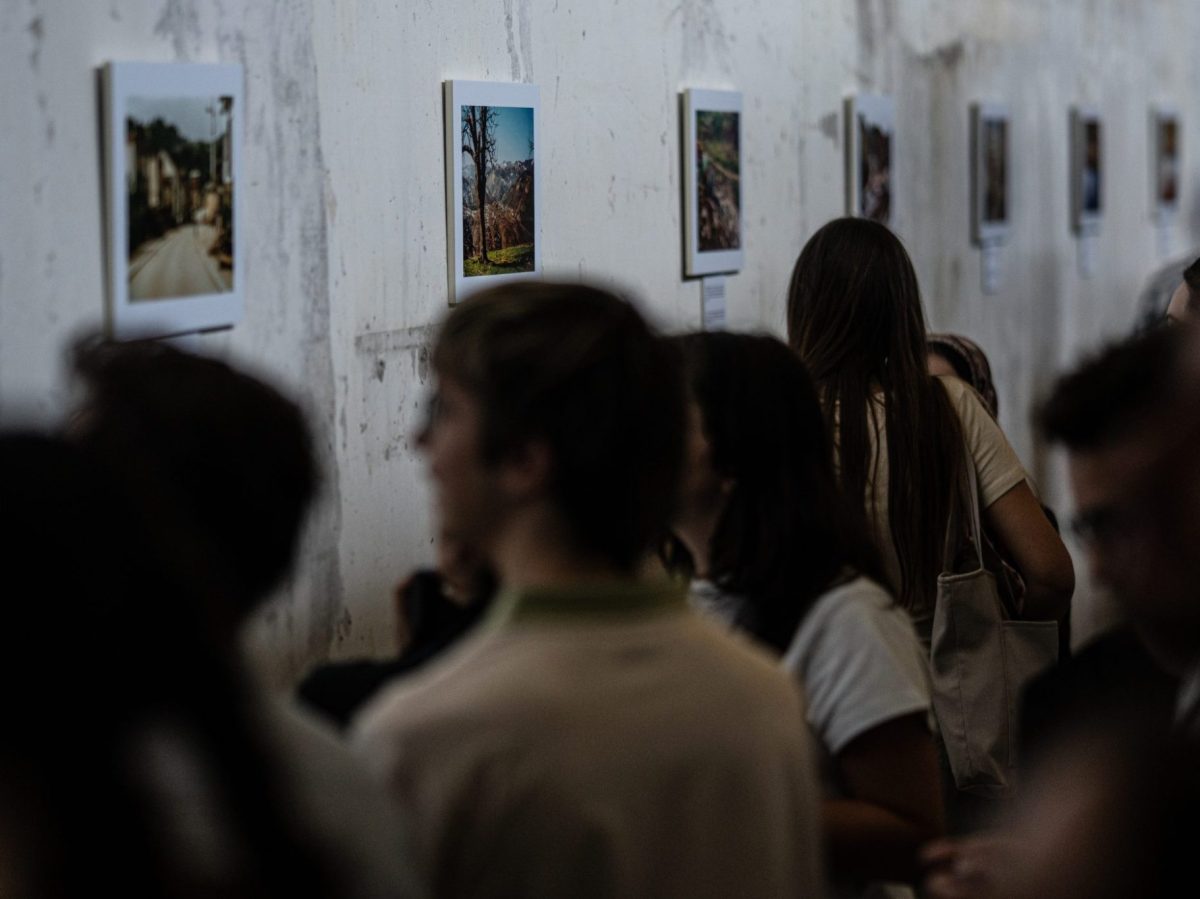
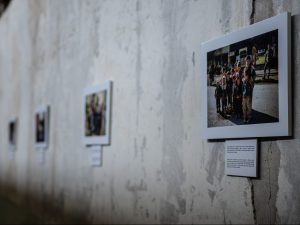
‘Facing Srebrenica: Views from the Besieged City’ opened at the Srebrenica Memorial Centre on Tuesday, presenting photographs from Dutch UN peacekeeping troops that depict everyday life in the wartime enclave – as well as numerous people whose lives violently ended during the July 1995 genocide of Bosniaks by Bosnian Serb forces.
The exhibition, which opened ahead of the annual genocide commemoration on July 11, is the first outcome of a joint project between the University of Amsterdam, the Netherlands Institute for Military History, BIRN Bosnia and Herzegovina and the Srebrenica Memorial Centre.
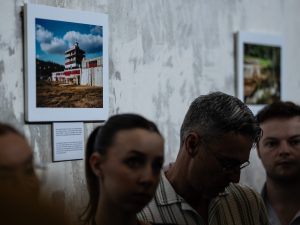
The project has so far collected 12,000 private photographs taken by members of the UN Dutch Battalion who were stationed in Srebrenica between February 1994 and July 1995, offering a rare visual insight into everyday life in the besieged town.
The photographs show a place where movement was restricted and everyday supplies scarce, but also where life didn’t just stop.
“They depict Srebrenica’s life and culture in the toughest days – sport, art, resistance, but unfortunately also hunger,” BIRN Bosnia and Herzegovina’s director Denis Dzidic said at the opening of the exhibition.

The director of the Srebrenica Memorial Centre, Emir Suljagic, said that the photographs complement the permanent collection at the centre, which aims to inform and educate the public about the genocide in which more than 7,000 men and boys were killed.
“We only have photographs of about half of the victims of the genocide, and it is our great hope that this way, through these photographs, we will find a greater number of others,” Suljagic said.