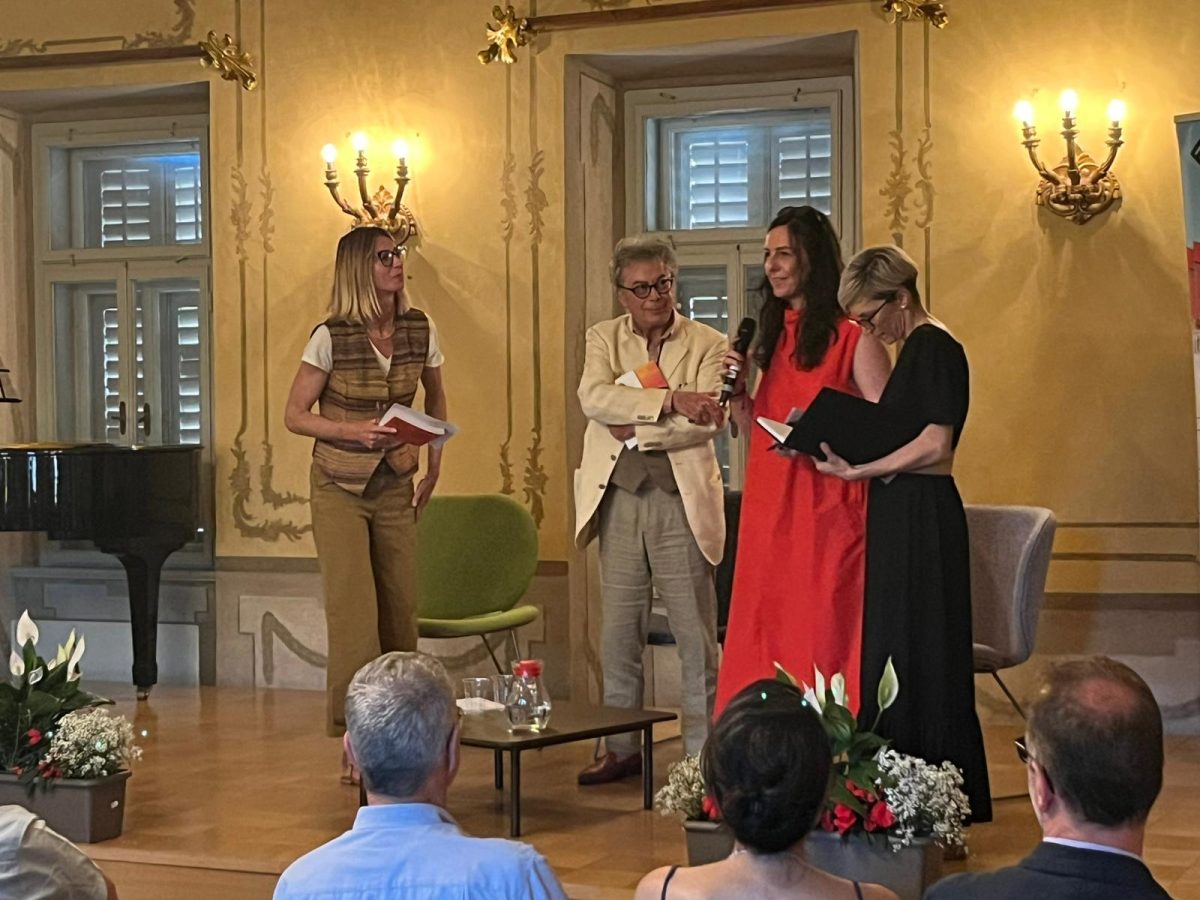
On May 29 in Gorizia, Italy, the investigation “The price of clean streets”, by Zuza Nazaruk, Willemijn Sneep and Andrada Lautaru, was awarded by Fondazione Giangiacomo Feltrinelli.
The awarded investigation, published by BIRN’s Reporting Democracy project, reveals how the Netherlands deports homeless Eastern Europeans.
Despite the idea of a borderless EU, enshrined in the free movement principles of the Schengen Area, EU citizens can still get deported from a host country, and this trend is on the rise, affecting mainly Poles and Romanians, the investigation revealed.
In 2024, 690 EU citizens were forced to leave the Netherlands, compared with only 290 in 2019, according to the Dutch Repatriation and Departure Service, DTenV.
The deportations – officially called “transfers” as they happen within EU borders – are decided on by the Dutch Immigration and Naturalisation Service, IND, and are based on a lack of lawful residence under EU law.
For the purpose of the investigation, the team spoke with migration lawyers; authorities in the Netherlands, Poland and Romania; labour and other experts; and foundations helping the unsheltered: Regenboog, Pauluskerk, Ontmoeting and Barka.
They accompanied the authorities on their monthly check-ups around Rotterdam, visited homeless shelters in the Netherlands and rehabilitation centres in Poland and Romania, interviewed over 30 former homeless people and five deportees, and reviewed three deportation notices.
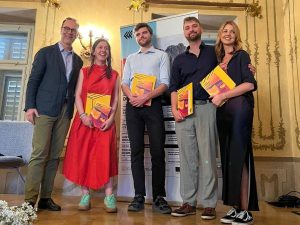
The international jury awarding the International Border Stories Prize comprised the journalists and writers Marzio G. Mian, Fausto Biloslavo, Caterina Croce and Teresa O’Connell. They reviewed more than 60 journalistic investigations submitted from across Europe.
The awards were presented during the final event in the travelling series Stories of the Border / Border Stories.
The event, dedicated to presenting investigations awarded in the international journalism prize of the same name, is promoted by Fondazione Giangiacomo Feltrinelli in collaboration with the Department of Culture and Sport of Italy’s Autonomous Region of Friuli Venezia Giulia and GECT GO/EZTS GO, with the support of Are We Europe.