BIRN Kosovo Debate Discusses Missing Persons Plight in Drenas Region

Panel discussion and preceding film highlight address challenges in search for missing persons from the Kosovo war from both communities.

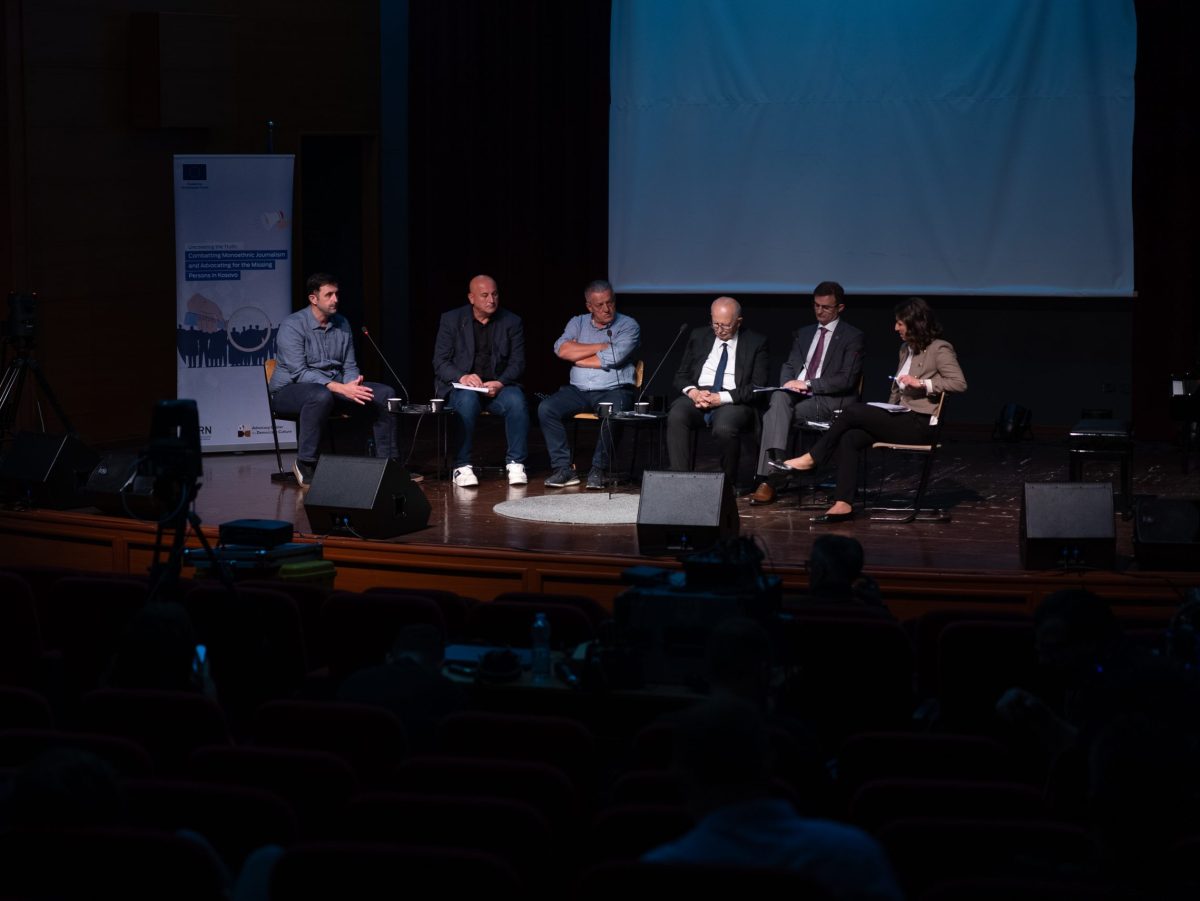
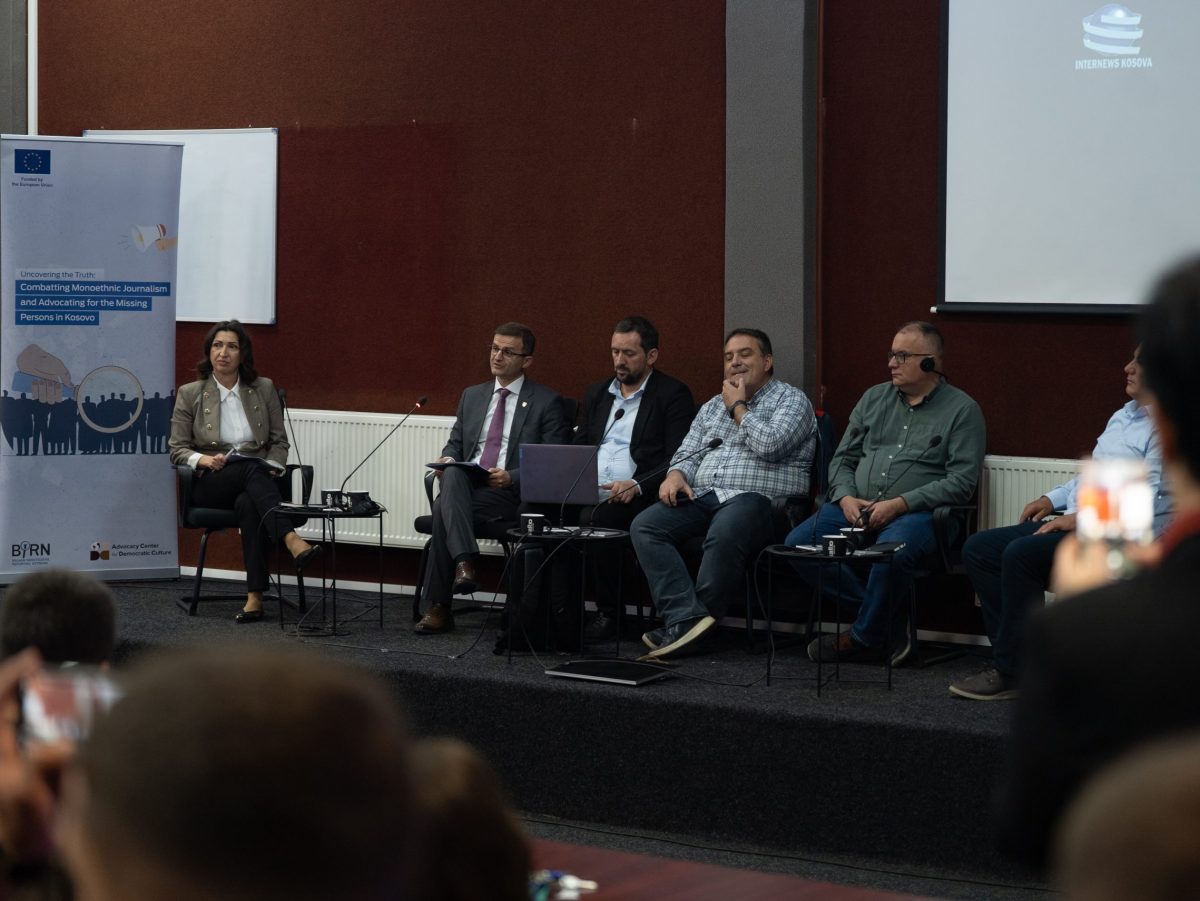
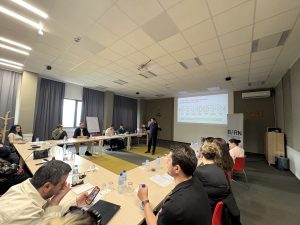
At a public debate on missing persons in Kosovo on May 12 held in the municipality of Drenas, institutional representatives, journalists, family members and citizens discussed the challenges in the search for missing persons and the role of transitional justice within the regions of Drenas, Skenderaj, and Vushtrri.

This event was organised as part of a broader series of public discussions on transitional justice and missing persons in Kosovo.

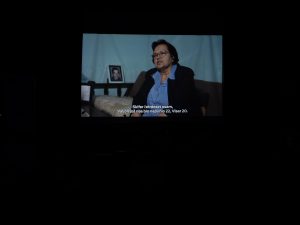
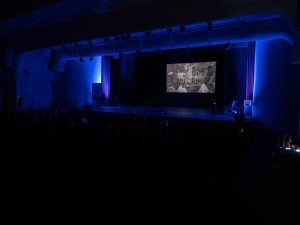
The debate was preceded by the screening of a documentary produced by BIRN Kosovo, which addresses the stories of persons who disappeared during the Kosovo war through testimonies from family members still searching for their loved ones from both Albanian and Serbian communities.

Produced as part of the EU-funded project “Unveiling the Truth: Combating Monoethnic Journalism and Advocating for Missing Persons in Kosovo,” the documentary highlighted the lasting impact of war crimes on families and communities across Kosovo.

According to the data presented, 1,560 persons remain missing in Kosovo, while 145 people from the Drenas, Skenderaj and Vushtrri region are still unaccounted for.

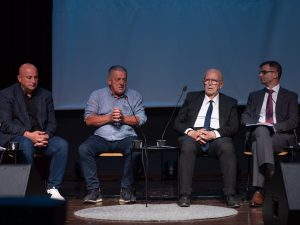
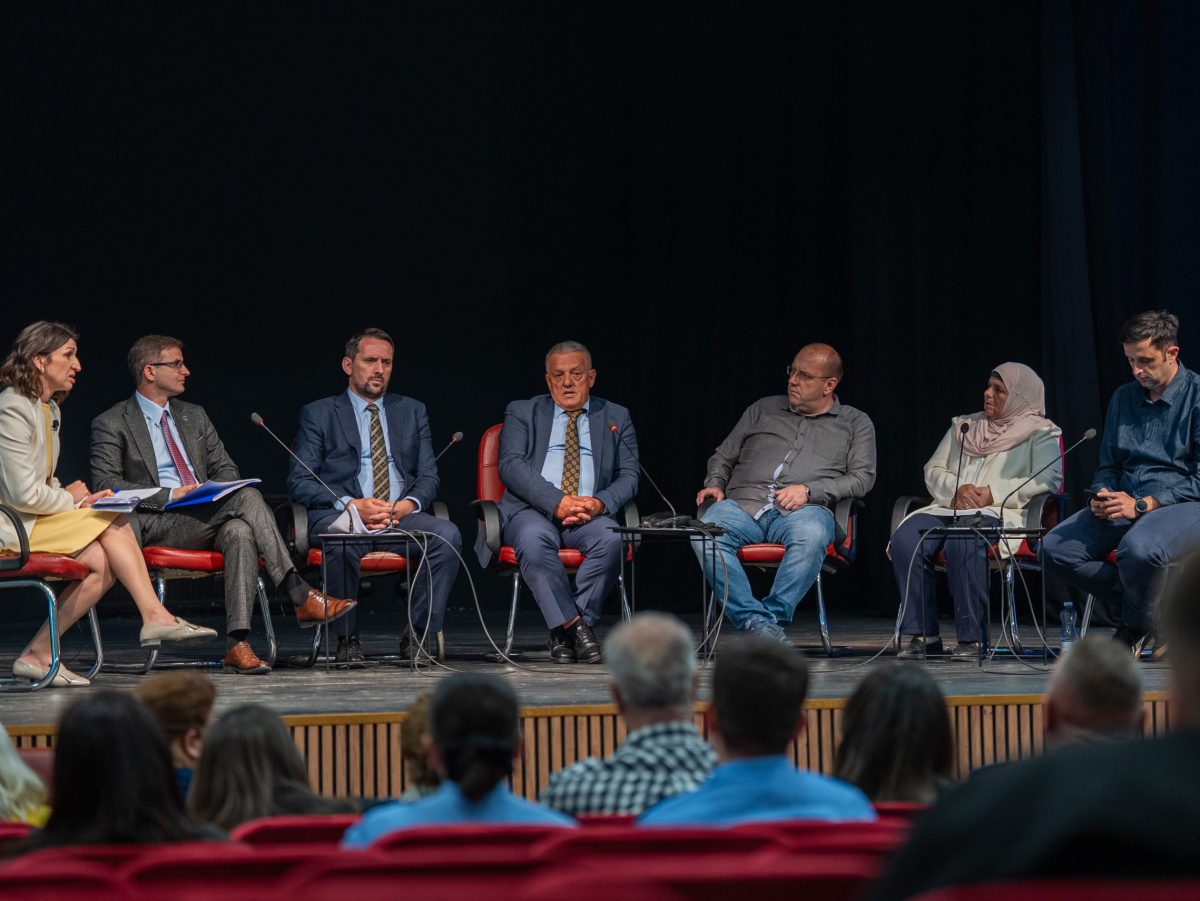
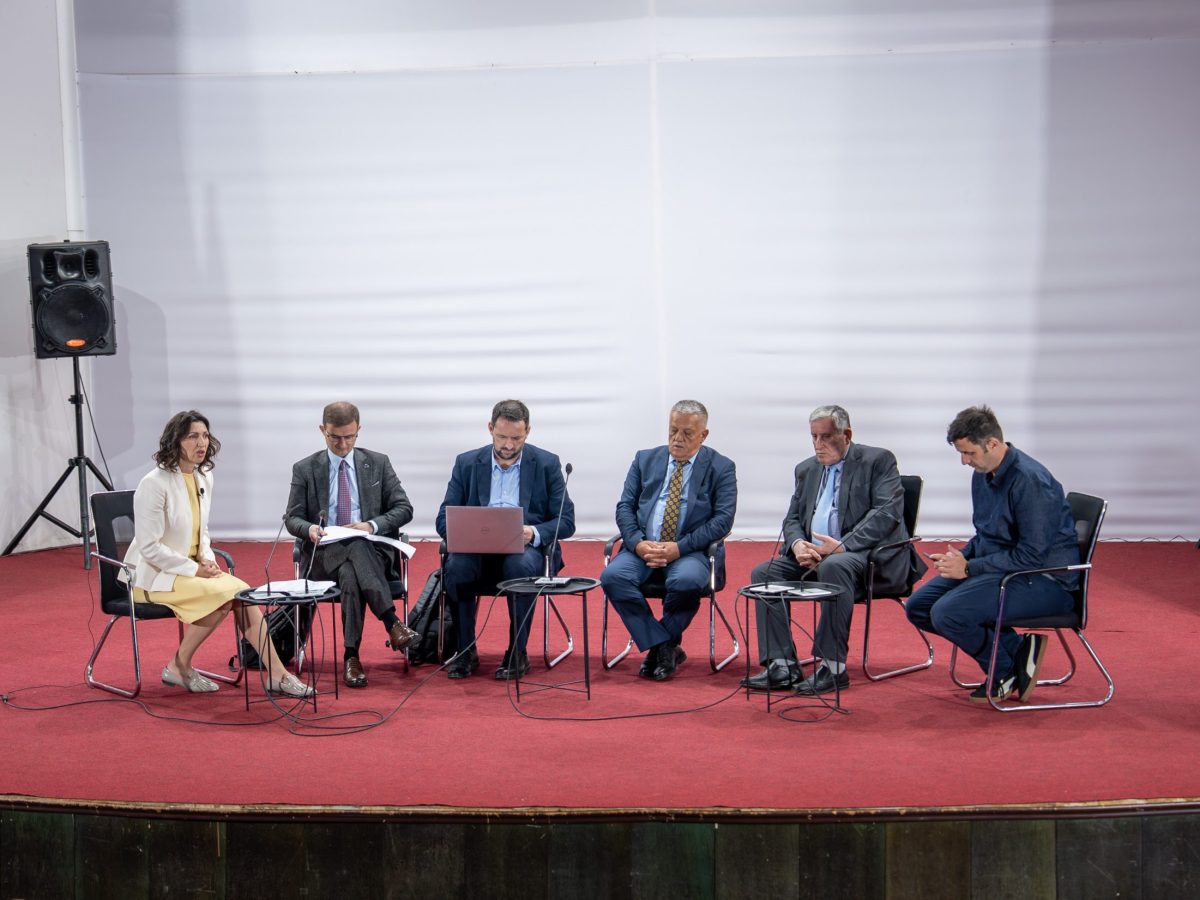
The discussion that followed the film was moderated by BIRN Kosovo Executive Director and journalist Jeta Xharra and included representatives from Kosovo institutions and civil society organisations involved in the process.

Panelists included Ilir Morina, from the Special Prosecution, Kushtrim Gara, from the Government Commission on Missing Persons, Ahmet Grajqevci, from the Association of Families of Missing Persons, Arsim Gerxhaliu, from the Institute of Forensic Medicine, and Kreshnik Gashi, from KALLXO.com.

They emphasized the importance of keeping public attention on the issue and strengthening accountability and cooperation as part of Kosovo’s broader transitional justice process.

Participants discussed institutional challenges in locating and identifying missing persons, the importance of interinstitutional cooperation and the need for continued support for families still seeking information about their relatives.

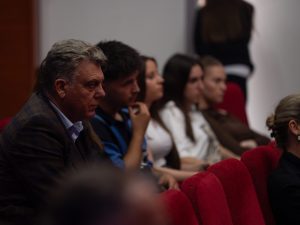
The event was attended by 53 participants, of whom 16 were women. Participants included representatives from local authorities in the Municipality of Drenas, civil society organisations, students, media representatives and family members of persons missing from the war.

This event was organised in the framework of “Unveiling the Truth: Combating Monoethnic Journalism and Advocating for Missing Persons in Kosovo” project, funded by the European Union.

BIRN Kosovo Marks Europe Day With Film on EU’s Impact on Kosovo

Documentary showcase tangible effects of European Union support for Kosovo’s democratic development, public institutions and society, telling a ‘story of resilience, determination and progress’.

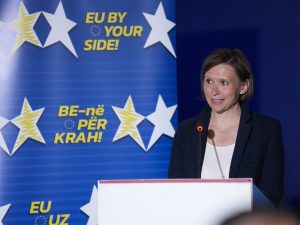
As part of activities marking May 9, Europe Day, BIRN Kosovo premiered a documentary “Kosovo’s Path Towards Integration – A Journey Supported by the European Union,” on May 8, highlighting the impact of European Union investments in and support for Kosovo over the years.

The documentary contains testimonies from institutional representatives, civil society actors, media professionals, students and business owners, reflecting on the EU’s contribution to Kosovo’s development. The film focuses on the bloc’s role in infrastructure development and capacity-building across various sectors. It showcases the tangible effects of European Union support for Kosovo’s democratic development, public institutions and broader society.

Around 60 participants attended the documentary launch, including representatives of various institutions, civil society organisations and the media and business community.

The Acting Head of the EU Office in Kosovo, Eva Palatova, described the documentary as a story of resilience and progress.

“This documentary tells a story of resilience, determination and progress. It shows how the European Union has supported Kosovo’s institutions and contributed to improving everyday life. The European Union has been and continues to be Kosovo’s strongest partner and largest provider of assistance,” Palatova said.

She noted that, since 1999, more than 3.7 billion euros have been invested in various sectors in Kosovo, while EU support continues through assistance to the country’s European integration process. According to Palatova, this support extends beyond financial assistance and includes backing for democratic development, independent media, environmental protection and equal opportunities.

Speaking on behalf of the government of Kosovo, Jeton Zulfaj, Kosovo’s Chief Negotiator with the EU, underlined the importance of European values for Kosovo’s future and development.

“Europe Day reminds us of the importance of peace as a precondition for socio-economic prosperity, as well as the importance of shared institutions, cooperation, and solidarity that bring well-being and development,” Zulfaj said during the launch of the documentary.

One of the sectors that has received significant EU investment in Kosovo is the judiciary. Arjeta Sadiku, Deputy Chair of the Kosovo Judicial Council, praised the EU’s contribution to strengthening Kosovo’s judicial system.

“The EU’s contribution has been concrete and multidimensional. One of the most important developments has been the support for the establishment of the Central Criminal Records system,” Sadiku said.

This activity is supported by the EU-funded project “Strengthen the Role and Capacities of Investigative Journalism in Kosovo”, implemented by BIRN Kosovo, the Press Council of Kosovo, and TV Mreza.

BIRN Kosovo Holds Training on Countering Extremism and Terrorism

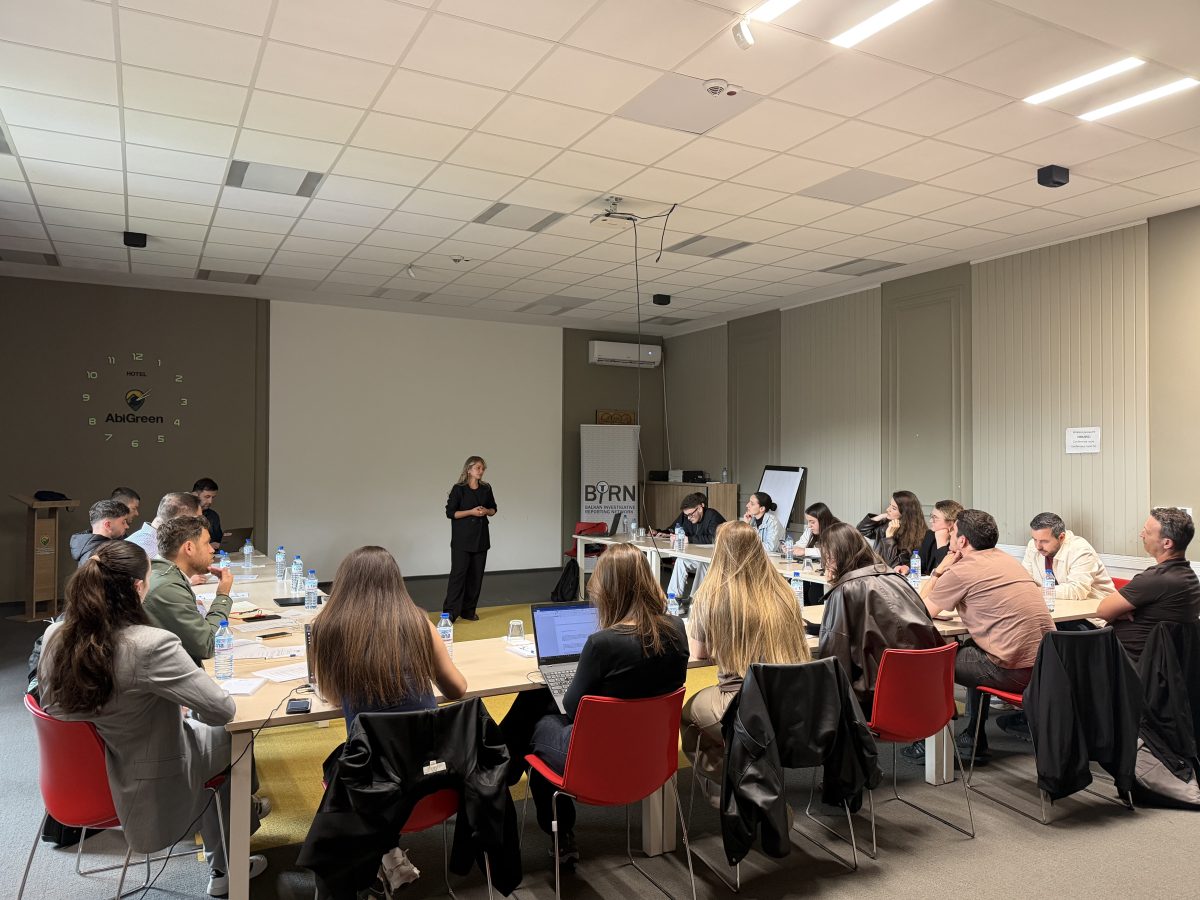
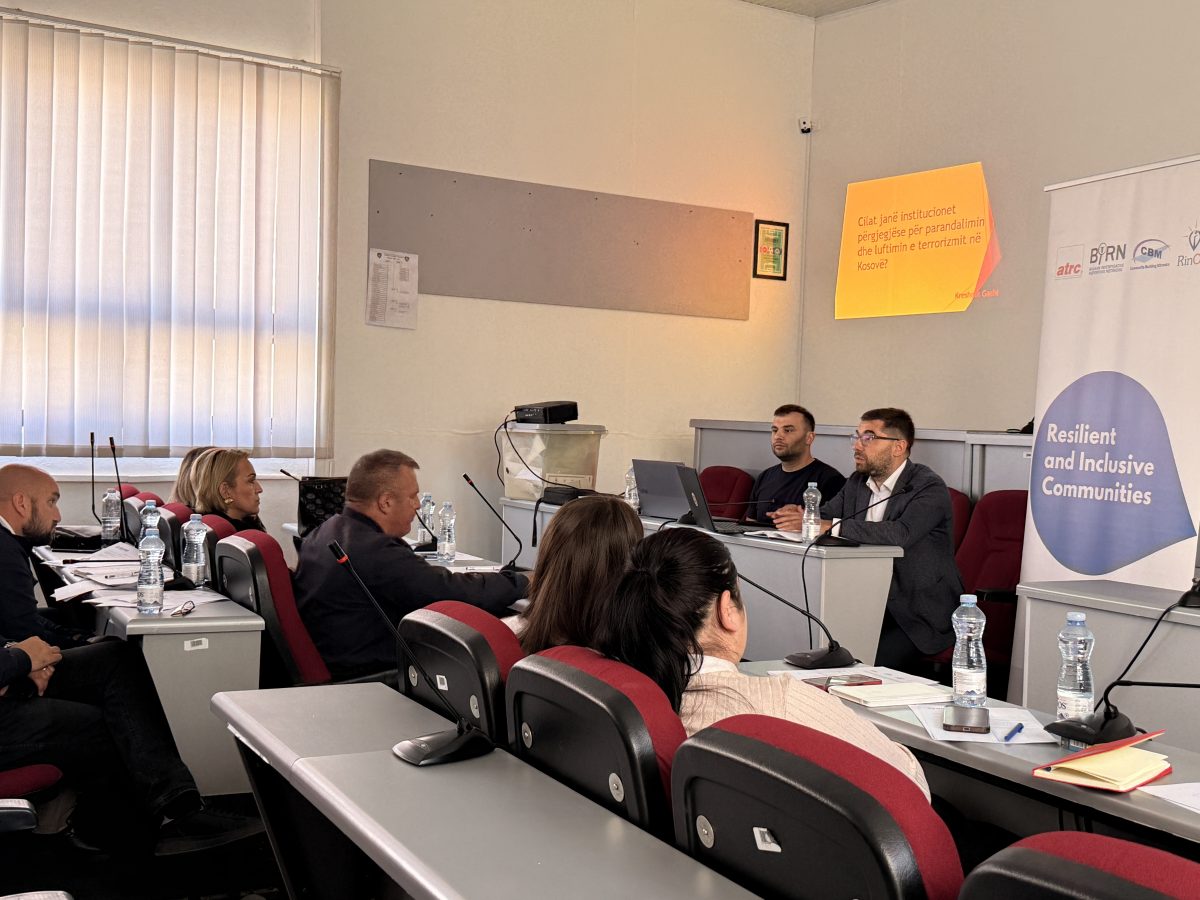
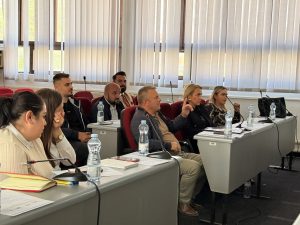
On April 29, BIRN Kosovo organized a one-day training session on strategic communication regarding the National Strategy for Preventing and Countering Terrorism, at the local level for the Municipality of Suhareka. The event brought together officials from various municipal departments.

This training was focused more on presenting and discussing the current situation with the implementation of the state strategy for preventing and countering terrorism, as well as on strengthening local capacities to address issues and concerns in this field. The session was delivered by Labinot Leposhtica, Legal Officer and Monitoring Coordinator at BIRN Kosovo, and a member of the Working Group for the National Strategy for Preventing and Countering Terrorism, together with Milot Sfishta, Senior Officer for Prevention and Reintegration of Radicalized Persons at the Ministry of Internal Affairs.

Leposhtica presented the main pillars of the Strategy and emphasized the crucial role of local communities in early risk identification and grassroots initiatives. Milot Sfishta informed participants about recent developments and central-level institutional efforts to address various forms of extremism.

Participants used the training to get equiped with appropriate information about the Strategy and highlighted the urgency for both levels to do more, especially regarding youth involvement and the influence of the online world, including online gaming and online radicalization. They shared personal experiences with well-known cases in Kosovo and demanded that, besides serving the prison time, repatriated terrorist fighters must be included in programs of rehabilitation and thus be under the scope of the state when it comes to their day-to-day activities, and see if state efforts are being effective and serving the reintegration phase, meaning disengagement from radical ideologies.

This training was attended by 10 municipal officials, of whom six were women.

The training was part of the Resilient and Inclusive Community Program funded by Global Community Engagement and Resilience Fund (GCERF), through Advocacy Training and Resource Center (ATRC), and implemented by BIRN Kosovo.

BIRN Kosovo’s Reporting House Joins the Network of European Museum Organisations, Strengthening Kosovo’s Cultural Presence

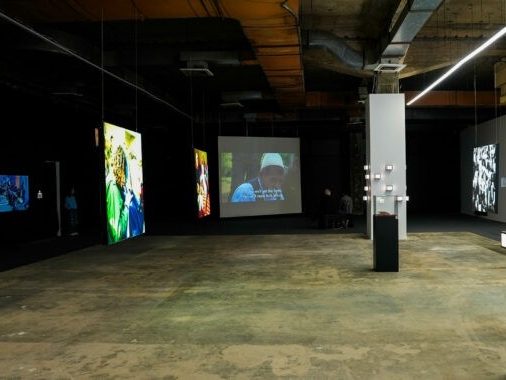
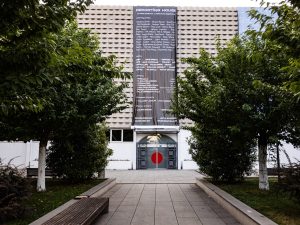
BIRN Kosovo’s Reporting House museum in Prishtina has officially become a member of the Network of European Museum Organisations (NEMO), a development marking increased international recognition for its approach to documenting Kosovo’s recent history through journalism and contemporary art.

This membership of Reporting House in NEMO places the museum within a wider European network, strengthening its role as both a site of remembrance and a contributor to ongoing discussions on history, memory and journalism. Established in 1992, NEMO brings together national museum organisations representing more than 30,000 museums in over 40 countries.

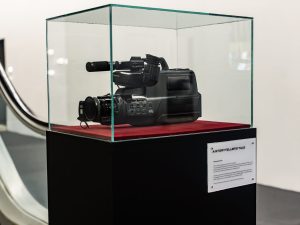
In its announcement, NEMO welcomed Reporting House as a new member, noting the museum’s focus on the 1998–99 war period and its continued relevance 25 years after the end of the conflict. The museum, developed by BIRN Kosovo and the Prishtina Biennale, combines journalism, photography and media artefacts from the 1990s with contemporary artworks addressing the war’s long-term impact.

Gazmend Ejupi, curator of Reporting House, said for Prishtina Insight, the development reflects both recognition of the museum’s work and a new level of responsibility. He added that joining NEMO places Kosovo’s recent history within a broader European context, enabling comparisons with other museum practices and approaches to memory and the past.

In addition to its exhibition programme, Reporting House is also developing as a platform for research and collaboration with students, scholars and doctoral researchers from Kosovo and abroad. Its archives, documentary materials and artistic programming provide a basis for work on topics related to memory, war, resistance and journalism.

Jeta Xharra, executive director of BIRN Kosovo, notes that the NEMO membership creates opportunities to exchange expertise on museum management and audience engagement. She also highlighted practical needs, calling on members of the NEMO network to support the museum with equipment donations, such as video projectors that may no longer be in use in other European institutions but remain functional and useful in Kosovo.

Since its opening in June 2024, the Reporting House has received more than 20,000 visitors, with a significant share made up of young people attending in school groups despite the museum not being part of the formal curriculum.

The development also underscores the importance of continued support from its donors in sustaining and expanding Reporting House’s work, particularly as it strengthens its international collaborations and long-term educational and cultural programming.

BIRN and Internews Kosova Launch Reports on Disinformation and Legal Gaps in Kosovo

BIRN Kosovo and Internews Kosova have launched two publications shedding light on disinformation trends and the legal gaps that enable their spread in Kosovo.

Presented on March 27 in Pristina under the Media Integrity and Disinformation Watch project, supported by the British Embassy in Kosovo, the conference brought together policymakers, media professionals and researchers to confront the scale and complexity of the issue.

At the centre of the event were two reports: Mapping Disinformation: Russian and Serbian Narratives in the Media and Social Networks in Kosovo and The Unstandardized Fight Against Disinformation: A Needs Analysis for Legal and Strategic Changes. Together, their key findings show that disinformation targeting Kosovo is not random, but structured, persistent, and strategically driven.

The Mapping Disinformation report finds that misleading narratives, largely originating from Russian and Serbian sources, are designed to exploit interethnic tensions, fuel insecurity and gradually undermine social cohesion. These narratives circulate across television, online media and platforms like Telegram, increasingly powered by artificial intelligence to scale their reach and adapt across languages. Global crises are routinely repurposed to reinforce false claims, while parts of the local media amplify the problem by republishing questionable sources. The influence landscape is also widening, with actors like China stepping in through Albanian-language content. All of this is compounded by structural weaknesses, limited transparency in media funding, weak editorial controls, and low institutional capacity, creating fertile ground for disinformation to spread.

The legal analysis shows that while Kosovo’s legislation was once aligned with EU standards, it has since fallen behind, particularly in regulating digital platforms and ensuring media accountability. The absence of a national strategy, combined with poor institutional coordination, has resulted in a reactive rather than preventive approach. Public officials and media professionals often lack the tools and clarity needed to respond effectively, while opaque media ownership and weak cooperation with global platforms further delay action against harmful content.

The reports were presented by Kreshnik Gashi, editor-in-chief at Kallxo.com and Visar Prebeza, editor at Krypomerti who emphasized the cyclical nature of disinformation. Gashi noted that much of the content reaching Kosovo audiences originates from Russian state-linked media, only to be republished or adapted locally. Prebeza added that the Kremlin maintains a steady interest in daily developments in Kosovo, consistently reframing them through a disinformation lens.

Labinot Leposhtica, Head of the Legal Office and Court Monitoring Coordinator at BIRN Kosovo, stressed that transparency in media ownership, financing, and advertising is critical to safeguarding the integrity of public information, warning that without it, accountability remains largely superficial.

Addressing the conference, British Ambassador Jonathan Hargreaves highlighted how disinformation is becoming increasingly difficult to detect, particularly with the rise of AI-generated content. He warned that such narratives deliberately target social cohesion, interethnic relations, trust in elections and the credibility of Kosovo’s still-consolidating institutions, slowly eroding stability through continuous and subtle pressure.

Albulena Haxhiu, Speaker of the Kosovo Parliament, said that in today’s fragmented and often unregulated media environment, disinformation is no longer accidental but carefully planned and strategically distributed across multiple channels, frequently without clear authorship or accountability. In such conditions, she noted, institutional responses remain scattered, uncoordinated, and ultimately insufficient.

This conference gathered representatives from Kosovo’s parliament, legal officers, representatives from security and justice institutions, media and civil society. In total, there were 54 participants, 27 women and 27 men.

BIRN Kosovo Publishes Report on Preventing Terrorism in Kosovo

The BIRN report examines how Kosovo implemented early intervention measures under its National Strategy for the Prevention and Combating of Terrorism (2023–2028) between November 2024 and November 2025, and finds a clear gap between national policy and local practice. While the strategy emphasizes prevention, its execution at the municipal level remains slow, fragmented, and largely formal rather than operational.

Based on interviews, surveys, and institutional data, the report identifies key structural weaknesses: poor communication between central and local authorities, lack of standardized reporting and unified guidelines, delays in establishing functional referral mechanisms, and a serious shortage of psycho-social professionals in schools. Critically, there is also an absence of empirical risk assessments, meaning institutions lack evidence on which communities or groups are most vulnerable to radicalization.

A central finding is that Kosovo’s approach is still largely reactive: focused on arrests, rather than preventive. Municipalities, which should serve as the first line of defense, are often not properly informed or equipped to implement the strategy. The referral mechanism, a key tool for identifying and supporting at-risk individuals, is barely operational, and the education system lacks the capacity to detect early warning signs due to understaffing.

The report also highlights a significant geographical and ethnic divide, noting that Serb-majority municipalities, especially in the north, are largely excluded from national prevention efforts.

Overall, the report concludes that without stronger coordination, better data, increased mental health capacities, and full integration of municipalities into implementation, Kosovo’s shift toward proactive prevention of violent extremism will remain incomplete

The report is accessible online in three languages:
The report in Albanian:https://kallxo.com/wp-content/uploads/2026/03/parandalimi-i-terrorizmit-ne-kosove.pdf

The report in Serbian:  https://kallxo.com/wp-content/uploads/2026/03/sprecavanje-terorizma-na-kosovu.pdf

The report in English: https://kallxo.com/wp-content/uploads/2026/03/preventing-terrorism-in-kosova.pdf

This report was published as part of the ‘’Resilient and Inclusive Program’’, funded by GCERF, through ATRC, implemented by BIRN Kosovo.

BIRN Kosovo Holds Training on Violent Extremism, Radicalism and Terrorism with Judges and Prosecutors

BIRN Kosovo completed a four-day training on extremism, radicalism, and terrorism with judges and prosecutors in Durrës, Albania on March 25.

The tailored, intensive training was structured to serve justice professionals in their daily work, including cases related to terrorism, extremism, and radicalism. On the first day of training, the participants were presented with the agenda, trainers, and details of the training.

During the second day, the training followed by a technical deep dive into Kosovo’s national counter-terrorism strategies and legal frameworks, achievements, challenges, and current affairs. The afternoon session shifted toward the rising threat of right-wing extremism, where participants analyzed the development of these ideologies and engaged in a hands-on simulation of a strategic investigation based on a staged terrorist incident. The sessions were led by Luan Keka, Director of the Kosovo Police Unit on Anti-terrorism, and Nexdet Haxhaj, a Kosovo Police Investigator with the Unit on Anti-terrorism.

On the third day, participants focused on research and the technical definitions of terror-related crimes. Burim Ademi, a Supreme Court Judge,  led a session defining terrorism as a criminal offense, specifically examining the roles of terrorist groups and individuals in executing these acts. On the second part of the day, the focus shifted toward the global and regional landscape of violent extremism with Luan Keka detailing the development of religious extremism, while Special Prosecutor Naim Abazi discussed the critical legal hurdles regarding the admissibility of evidence in urgent cases and the importance of sentencing hearings. The afternoon was dedicated to practical application which included group work on investigating international religious extremism cases moderated by Kreshnik Gashi and Nexhdet Haxhaj.

On the final day of the training, the lectures were focused on the logistical, financial, and communicative aspects of countering terrorism. The morning session began with a presentation on research results, specifically examining how pre-sentencing report mechanisms are utilized in terrorism-related convictions. Following this, the sessions delved into the technical and strategic side of enforcement:Financial and Criminal Intersections with Supreme Court Judge Burim Ademi who led a session detailing the various methods used to finance terrorism and the ways these activities intersect with organized criminal groups. Preventative Programs: Besim Hasani from the Intelligence Unit discussed the development of the “Chanel” program in Kosovo, highlighting the challenges and opportunities faced by multidisciplinary teams at the local level.

This training was attended by 31 participants, including  16 prosecutors and judges. The participants have actively engaged in this training by sharing experiences and posing questions on how to effectively deal with terrorism and violent extremism.The training was part of the ‘Resilient and Inclusive Communities Program”  funded by GCERF.

Judicially Established Facts about War Included in Sarajevo Canton Curriculum

Bosnian canton signs memorandum with groups including BIRN BiH to improve quality of school teaching about war in Bosnia and 1995 genocide.

On March 13, the Balkan Investigative Reporting Network in Bosnia and Herzegovina, BIRN BiH, the Srebrenica-Potocari Memorial Centre, the Institute for the Development of Pre-University Education, and the Ministry of Education of the Sarajevo Canton concluded a Memorandum of Cooperation on strengthening the quality of teaching about the wartime past and developing a responsible approach to teaching about sensitive historical topics.

The cooperation is focused on improving the methodological approach to history teaching about the war in Bosnia and Herzegovina from 1992 to 1995 through the use of judicially established facts and relevant sources.

“It is important that students learn about the genocide and war crimes based on judicially established facts and credible sources. Such cooperation further strengthens professional support for teachers and contributes to the development of a responsible approach to teaching about these topics as an important part of building a culture of remembrance in the upbringing and educational system,” said Sarajevo Canton’s education minister, Naida Hota-Muminovic.

Teachers and schools in the canton will have access to professional resources and educational material based on verdicts of international and domestic courts, including the Database of Judicially Established Facts about the War in Bosnia and Herzegovina developed by BIRN BiH, as well as manuals and educational content developed in collaboration with the Srebrenica Memorial Centre.

With the support of the UN Secretary-General’s Peacebuilding Fund, BIRN BiH, together with the Srebrenica Memorial Centre and the Association of Forgotten Children of War, is implementing the project “Building Long-Term Peace in Bosnia and Herzegovina: Investing in the Future”, which aims to transform the way young people learn about the war in Bosnia through facts, empathy, understanding and a multimedia approach.

As part of the project, the database was created, based on which the manual on “How to Learn and Teach about the War in Bosnia and Herzegovina” was developed.

“By signing the Memorandum of Cooperation, we have institutionalized support for history teachers at the level of the Sarajevo Canton, and put the materials developed by BIRN BiH at disposal. In this way, we support the improvement of education in the field of studying war history in a factual, objective, multimedia, and multi-perspective manner,” said BIRN BiH’s Executive Director, Denis Dzidic. “This form of cooperation is also an important step in the process of exchanging experiences and good practices and building long-term peace,” he added.

The Director of the Srebrenica Memorial Centre, Emir Suljagic, said the Memorandum represents an important institutional step in improving education about the genocide and the culture of remembrance in Bosnia and Herzegovina.

“Education about the genocide and war crimes must be a systematic part of the educational process through the development of educational programmes and teaching content that allow young generations to understand historical facts,” Suljagic said.

The Memorandum foresees the organisation of professional training for teachers and professional associates, the exchange of teaching materials and professional consultations, as well as support for teachers in the preparation and implementation of lessons about the war in Bosnia and the 1995 genocide in Srebrenica.

“The Institute for the Development of Pre-University Education of the Sarajevo Canton will provide professional and methodological support to teachers so that the teaching process is based on verified, judicially established facts, and contemporary didactic approaches,” said the Institute Director, Senada Salihovic.

To create the Database, several hundred final court judgements were analyzed, including decisions of the Hague war-crimes tribunal, ICTY, the Bosnian state court, and other courts from Bosnia as well as the region relating to war crimes committed in the 1992-1995 period.

Last year, the Sarajevo Canton education ministry presented a revised and extended edition of teaching materials on the history of the war in Bosnia, the siege of Sarajevo and the Srebrenica genocide, which have been integrated into primary and secondary school curricula in the canton.

Kosovo Regional Community Centre for Public Safety Opens in Mitrovica

BIRN Kosovo’s director, Jeta Xharra, hails ‘rare project in Balkans’ in which multi-ethnic teams will monitor and report on police activities in the northern Mitrovica region.

On Tuesday, the Regional Community Centre for Public Safety opened in Mitrovica, marking the launch of operations under the broader project “Strengthening Accountability and Dialogue: Police Monitoring, Fact-Checking, and Transitional Justice in Kosovo”.

The initiative is being implemented by BIRN Kosovo and Internews Kosova in collaboration with the North Mitrovica-based NGO the Advocacy Centre for Democratic Culture, ACDC.

The opening gathered representatives of civil society, institutions and diplomatic missions to reflect on the importance of police oversight and community dialogue in the region.

Representatives from international missions working in institutional support and police monitoring were also present, including the EU mission, EULEX, UNMIK, OSCE, Council of Europe and KFOR.

The Centre will serve as a hub for monitoring security institutions in seven municipalities in the Mitrovica region through the programme “Accountability in Action”.

Civil society organisations involved will observe police work, provide recommendations to police management and inform the public through regular reports. The monitoring teams will be multi-ethnic and connected with educational campaigns, including real-time fact-checking components.

Opening the event, Aleksandar Rapajic, project manager at ACDC, emphasized the initiative’s significance following the withdrawal of Serb representatives from the police and judiciary in 2020.

“The withdrawal of Serb representatives from the police and judiciary led to a period of deterioration followed by gradual improvement in the security situation. From the beginning, we decided it is not our role to choose who will be in institutions, but it is our obligation to cooperate. Even after these changes, we have had cooperation with the police, relatively speaking, in most cases good cooperation,” Rapajic said.

Jeta Xharra, Executive Director of BIRN Kosovo, highlighted the uniqueness of the initiative in the Balkan region, where police allow multi-ethnic civil society teams to monitor their operations through the new Centre.

“This is a rare project in the Balkans. Nowhere in the Balkans, no matter how bad the situation gets, has a multi-ethnic civil society team been allowed to go with police and monitor.

“Kosovo has this opportunity because the Kosovo Police apply Western-style community policing rather than the model inherited from the former Yugoslavia, where police were seen primarily as an arm of the state rather than a service for the community,” Xharra said.

She added that one component of the project is monitoring police actions through the Centre, while another is addressing interethnic barriers that still exist. Through the initiative, journalists from Albanian and Serbian media outlets will exchange experiences by spending time working in each other’s newsrooms in northern Kosovo and in Prishtina.

Jurg Sprecher, the Swiss Ambassador to Kosovo, said public trust is crucial for building lasting peace and strong institutions.

“Peacebuilding in a post-conflict environment depends not only on institutional stability but also on public trust,” Sprecher said.

“Trust between citizens and law enforcement institutions is fundamental for democratic governance and the rule of law. When communities feel heard, respected and represented, institutions become stronger and societies more resilient,” he added.

Ronald Goldberg, Deputy Head of Mission at the The Netherlands’ embassy in Kosovo, also emphasised the importance of transparency, noting that his embassy proudly supports the project.

“When institutions open their work to dialogue and public observation, they demonstrate confidence in their professionalism and commitment to democratic values,” Goldberg said.

Veton Elshani, Deputy Director of the North Mitrovica Directorate of the Kosovo Police, welcomed the involvement of civil society organisations and the establishment of the Centre.

“The media have been our window to citizens. We have faced many challenges, and the inclusion of NGOs and the media as partners is an added value for our work. You are our partners, and we are your partners. Through you, citizens will also understand that the work of the police is not easy,” Elshani said.

Kreshnik Gashi, editor-in-chief at Kallxo.com a co-publication of BIRN Kosovo and Internews Kosova, noted that monitors have been trained by Kosovo Police for the initiative.

“We would like our project to cover all of Kosovo. Due to a lack of funds, the project is currently focused on the Mitrovica region. The teams will be multi-ethnic and connected with educational campaigns. We will also have real-time fact-checking, and the doors of this Centre will be open to any complaints from citizens,” Gashi added.

The Centre is part of broader efforts by BIRN Kosovo, ACDC and Internews Kosova to promote democratic governance and institutional transparency through investigative reporting, fact-checking, and systematic documentation under the project “Strengthening Accountability and Dialogue: Police Monitoring, Fact-Checking, and Transitional Justice in Kosovo.”

In total, there were 43 participants at the opening event, 30 men and 13 women. The event was also followed by four media outlets.

BIRN Kosovo Marks Anniversary of Ukraine Invasion with Fifth Doc on Russian Disinformation

On 24 February, marking the fourth anniversary of Russia’s full-scale invasion of Ukraine, BIRN Kosovo and Internews Kosovo premiered the fifth and final documentary in their investigative series about disinformation and foreign malign influence.

The screening took place in Pristina at Reporting House, gathering journalists, civil society representatives, and members of the public to reflect on the evolving information landscape shaped by the war in Ukraine.

The film, Russian Disinformation after the Invasion of Ukraine, presents evidence of how manipulated narratives targeting Albanian-speaking audiences have been disseminated through translated and republished content originating from Serbian and Russian media outlets.

Focusing on coverage of the war in Ukraine, the documentary shows patterns of foreign information manipulation and influence in Kosovo’s media environment. It shows how foreign interference seeks to shape opinions within different communities in Kosovo, including efforts to influence the public discourse in the Serbian community. The findings highlight how disinformation campaigns adapt across languages and borders, reinforcing political narratives aligned with Kremlin interests.

Opening the event, Jeta Xharra, Executive Director of BIRN Kosovo, emphasized the symbolic importance of the anniversary and the war’s relationship to Kosovo’s own history of war.

“It is not just one or two years of solidarity. We continue to think about Ukraine and what is happening there. It reminds us of the hundreds of thousands of refugees and the people who were killed in Kosovo, who were forced to flee this country. We remember them, just as we remember the victims of the Kremlin,” Xharra said.

Speaking at the premiere, Ukrainian journalist Iryna Synelnyk, who has been based in Kosovo, reflected on her personal experience of disinformation.

“When I arrived in Pristina in July 2022, I did not know much about Kosovo. Now I understand that some of the information I had previously read was Russian and Serbian propaganda. That is why it is so important to talk about this, and to fight it,” she said.

The documentary is part of the Media Integrity and Disinformation Watch project, supported by the British embassy in Kosovo, an initiative aimed at countering disinformation through investigative reporting and systematic documentation.

Over the course of the project, five documentaries were produced, tracing the development and impact of disinformation related to economy, religion, ethnicity and elections as well as foreign malign influence coming from Russia.

Of the 49 participants, 18 were men and 31 were women.

The event served as both a moment of remembrance and a call to sustained vigilance in confronting disinformation in Kosovo and beyond.