BIRN Kosovo Publishes Report on Preventing Terrorism in Kosovo

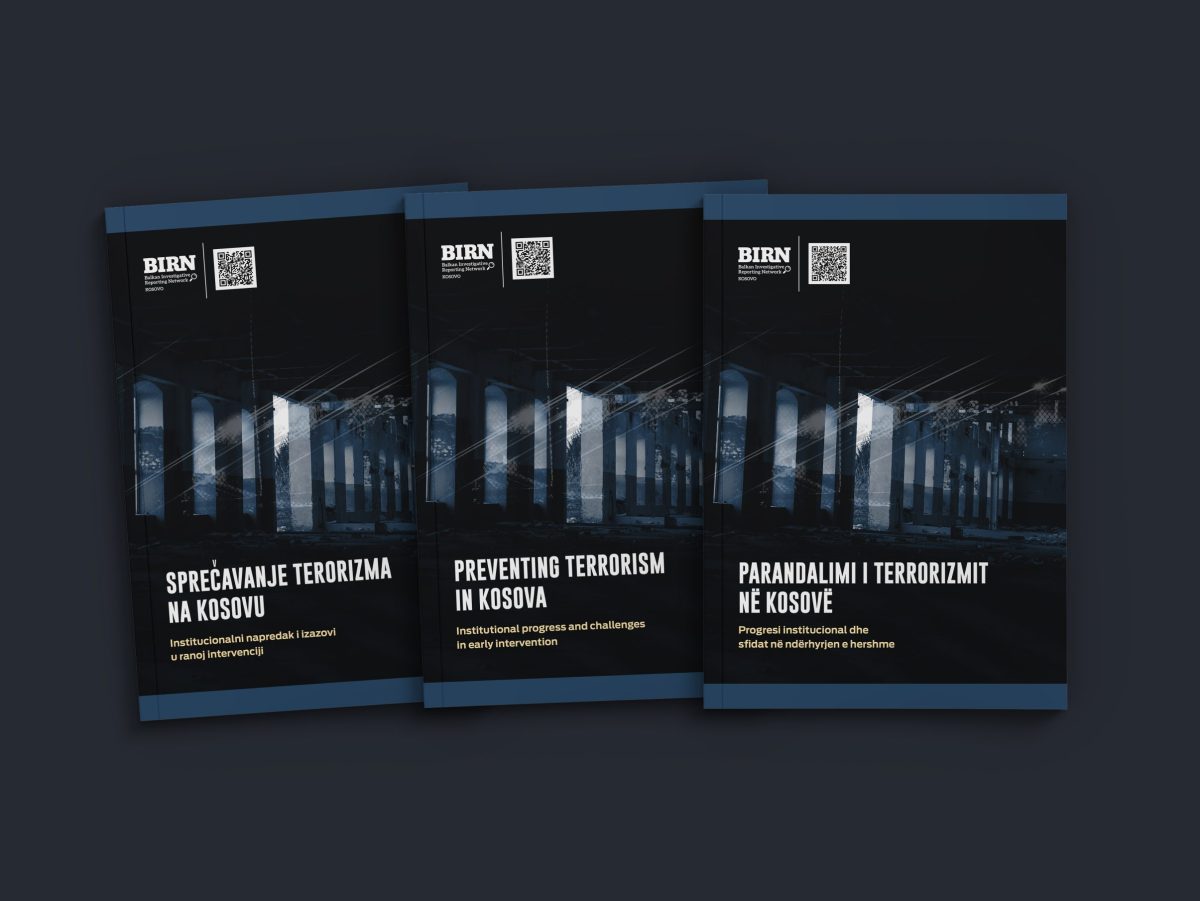
The BIRN report examines how Kosovo implemented early intervention measures under its National Strategy for the Prevention and Combating of Terrorism (2023–2028) between November 2024 and November 2025, and finds a clear gap between national policy and local practice. While the strategy emphasizes prevention, its execution at the municipal level remains slow, fragmented, and largely formal rather than operational.

Based on interviews, surveys, and institutional data, the report identifies key structural weaknesses: poor communication between central and local authorities, lack of standardized reporting and unified guidelines, delays in establishing functional referral mechanisms, and a serious shortage of psycho-social professionals in schools. Critically, there is also an absence of empirical risk assessments, meaning institutions lack evidence on which communities or groups are most vulnerable to radicalization.

A central finding is that Kosovo’s approach is still largely reactive: focused on arrests, rather than preventive. Municipalities, which should serve as the first line of defense, are often not properly informed or equipped to implement the strategy. The referral mechanism, a key tool for identifying and supporting at-risk individuals, is barely operational, and the education system lacks the capacity to detect early warning signs due to understaffing.

The report also highlights a significant geographical and ethnic divide, noting that Serb-majority municipalities, especially in the north, are largely excluded from national prevention efforts.

Overall, the report concludes that without stronger coordination, better data, increased mental health capacities, and full integration of municipalities into implementation, Kosovo’s shift toward proactive prevention of violent extremism will remain incomplete

The report is accessible online in three languages:
The report in Albanian:https://kallxo.com/wp-content/uploads/2026/03/parandalimi-i-terrorizmit-ne-kosove.pdf

The report in Serbian:  https://kallxo.com/wp-content/uploads/2026/03/sprecavanje-terorizma-na-kosovu.pdf

The report in English: https://kallxo.com/wp-content/uploads/2026/03/preventing-terrorism-in-kosova.pdf

This report was published as part of the ‘’Resilient and Inclusive Program’’, funded by GCERF, through ATRC, implemented by BIRN Kosovo.

BIRN Kosovo Holds Training on Violent Extremism, Radicalism and Terrorism with Judges and Prosecutors

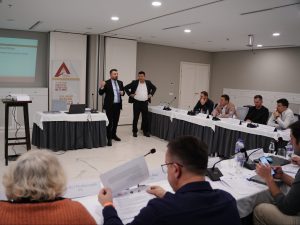
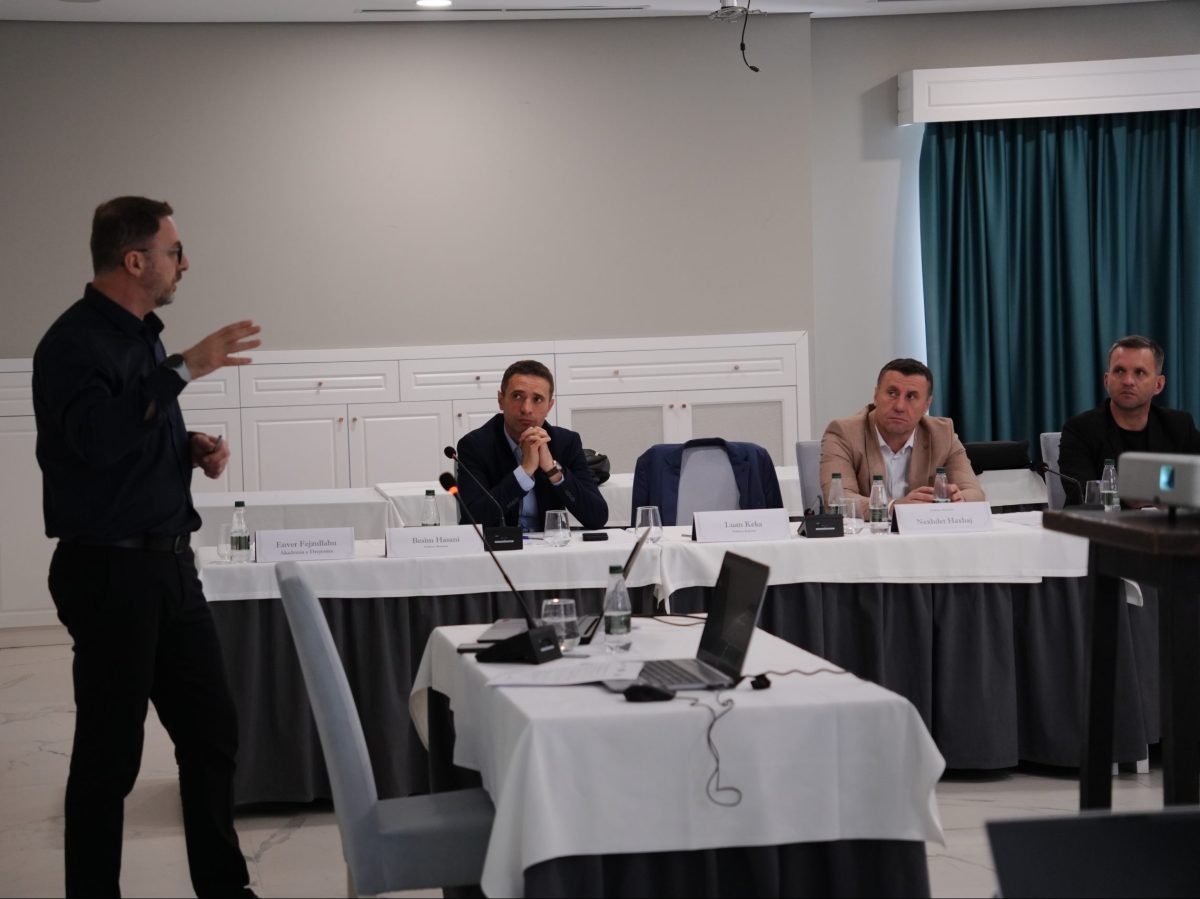
BIRN Kosovo completed a four-day training on extremism, radicalism, and terrorism with judges and prosecutors in Durrës, Albania on March 25.

The tailored, intensive training was structured to serve justice professionals in their daily work, including cases related to terrorism, extremism, and radicalism. On the first day of training, the participants were presented with the agenda, trainers, and details of the training.

During the second day, the training followed by a technical deep dive into Kosovo’s national counter-terrorism strategies and legal frameworks, achievements, challenges, and current affairs. The afternoon session shifted toward the rising threat of right-wing extremism, where participants analyzed the development of these ideologies and engaged in a hands-on simulation of a strategic investigation based on a staged terrorist incident. The sessions were led by Luan Keka, Director of the Kosovo Police Unit on Anti-terrorism, and Nexdet Haxhaj, a Kosovo Police Investigator with the Unit on Anti-terrorism.

On the third day, participants focused on research and the technical definitions of terror-related crimes. Burim Ademi, a Supreme Court Judge,  led a session defining terrorism as a criminal offense, specifically examining the roles of terrorist groups and individuals in executing these acts. On the second part of the day, the focus shifted toward the global and regional landscape of violent extremism with Luan Keka detailing the development of religious extremism, while Special Prosecutor Naim Abazi discussed the critical legal hurdles regarding the admissibility of evidence in urgent cases and the importance of sentencing hearings. The afternoon was dedicated to practical application which included group work on investigating international religious extremism cases moderated by Kreshnik Gashi and Nexhdet Haxhaj.

On the final day of the training, the lectures were focused on the logistical, financial, and communicative aspects of countering terrorism. The morning session began with a presentation on research results, specifically examining how pre-sentencing report mechanisms are utilized in terrorism-related convictions. Following this, the sessions delved into the technical and strategic side of enforcement:Financial and Criminal Intersections with Supreme Court Judge Burim Ademi who led a session detailing the various methods used to finance terrorism and the ways these activities intersect with organized criminal groups. Preventative Programs: Besim Hasani from the Intelligence Unit discussed the development of the “Chanel” program in Kosovo, highlighting the challenges and opportunities faced by multidisciplinary teams at the local level.

This training was attended by 31 participants, including  16 prosecutors and judges. The participants have actively engaged in this training by sharing experiences and posing questions on how to effectively deal with terrorism and violent extremism.The training was part of the ‘Resilient and Inclusive Communities Program”  funded by GCERF.

Judicially Established Facts about War Included in Sarajevo Canton Curriculum

Bosnian canton signs memorandum with groups including BIRN BiH to improve quality of school teaching about war in Bosnia and 1995 genocide.

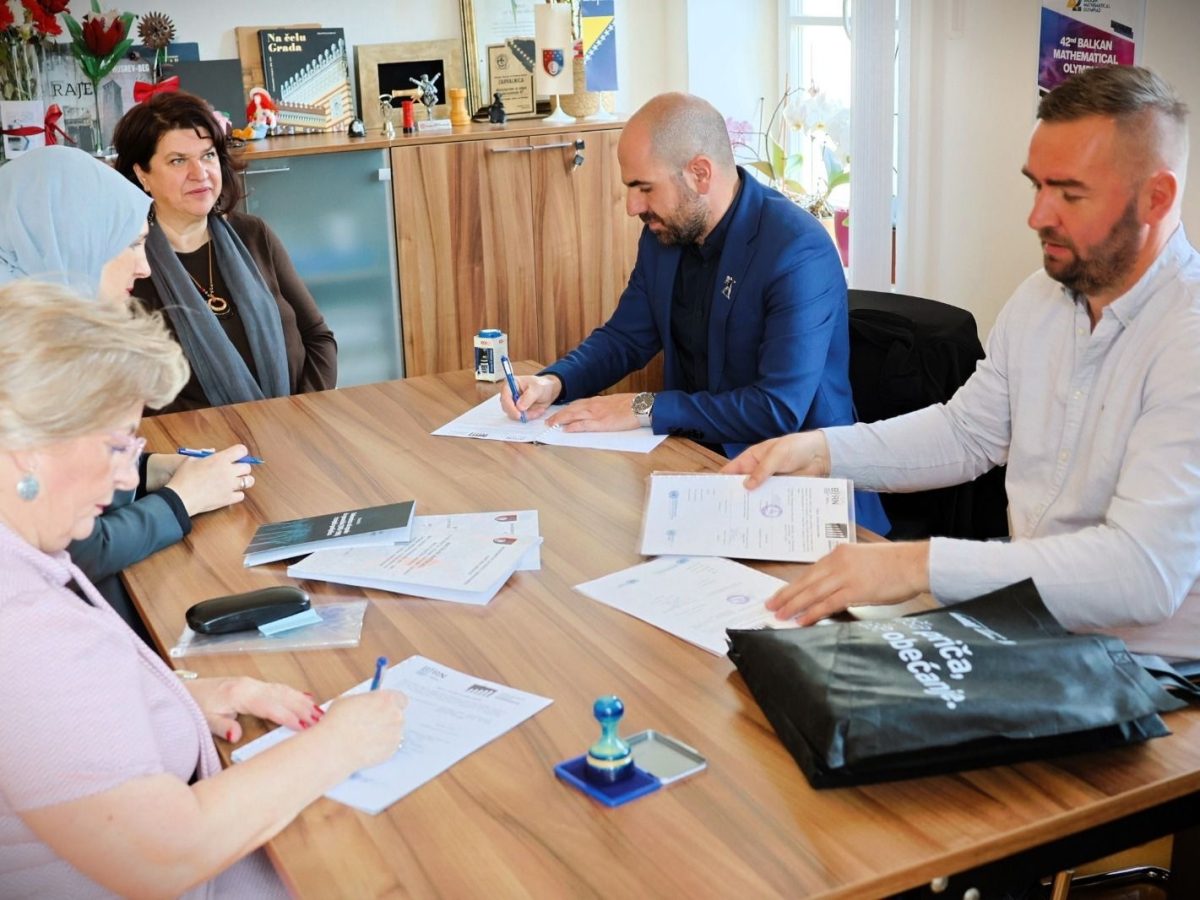
On March 13, the Balkan Investigative Reporting Network in Bosnia and Herzegovina, BIRN BiH, the Srebrenica-Potocari Memorial Centre, the Institute for the Development of Pre-University Education, and the Ministry of Education of the Sarajevo Canton concluded a Memorandum of Cooperation on strengthening the quality of teaching about the wartime past and developing a responsible approach to teaching about sensitive historical topics.

The cooperation is focused on improving the methodological approach to history teaching about the war in Bosnia and Herzegovina from 1992 to 1995 through the use of judicially established facts and relevant sources.

“It is important that students learn about the genocide and war crimes based on judicially established facts and credible sources. Such cooperation further strengthens professional support for teachers and contributes to the development of a responsible approach to teaching about these topics as an important part of building a culture of remembrance in the upbringing and educational system,” said Sarajevo Canton’s education minister, Naida Hota-Muminovic.

Teachers and schools in the canton will have access to professional resources and educational material based on verdicts of international and domestic courts, including the Database of Judicially Established Facts about the War in Bosnia and Herzegovina developed by BIRN BiH, as well as manuals and educational content developed in collaboration with the Srebrenica Memorial Centre.

With the support of the UN Secretary-General’s Peacebuilding Fund, BIRN BiH, together with the Srebrenica Memorial Centre and the Association of Forgotten Children of War, is implementing the project “Building Long-Term Peace in Bosnia and Herzegovina: Investing in the Future”, which aims to transform the way young people learn about the war in Bosnia through facts, empathy, understanding and a multimedia approach.

As part of the project, the database was created, based on which the manual on “How to Learn and Teach about the War in Bosnia and Herzegovina” was developed.

“By signing the Memorandum of Cooperation, we have institutionalized support for history teachers at the level of the Sarajevo Canton, and put the materials developed by BIRN BiH at disposal. In this way, we support the improvement of education in the field of studying war history in a factual, objective, multimedia, and multi-perspective manner,” said BIRN BiH’s Executive Director, Denis Dzidic. “This form of cooperation is also an important step in the process of exchanging experiences and good practices and building long-term peace,” he added.

The Director of the Srebrenica Memorial Centre, Emir Suljagic, said the Memorandum represents an important institutional step in improving education about the genocide and the culture of remembrance in Bosnia and Herzegovina.

“Education about the genocide and war crimes must be a systematic part of the educational process through the development of educational programmes and teaching content that allow young generations to understand historical facts,” Suljagic said.

The Memorandum foresees the organisation of professional training for teachers and professional associates, the exchange of teaching materials and professional consultations, as well as support for teachers in the preparation and implementation of lessons about the war in Bosnia and the 1995 genocide in Srebrenica.

“The Institute for the Development of Pre-University Education of the Sarajevo Canton will provide professional and methodological support to teachers so that the teaching process is based on verified, judicially established facts, and contemporary didactic approaches,” said the Institute Director, Senada Salihovic.

To create the Database, several hundred final court judgements were analyzed, including decisions of the Hague war-crimes tribunal, ICTY, the Bosnian state court, and other courts from Bosnia as well as the region relating to war crimes committed in the 1992-1995 period.

Last year, the Sarajevo Canton education ministry presented a revised and extended edition of teaching materials on the history of the war in Bosnia, the siege of Sarajevo and the Srebrenica genocide, which have been integrated into primary and secondary school curricula in the canton.

Kosovo Regional Community Centre for Public Safety Opens in Mitrovica

BIRN Kosovo’s director, Jeta Xharra, hails ‘rare project in Balkans’ in which multi-ethnic teams will monitor and report on police activities in the northern Mitrovica region.

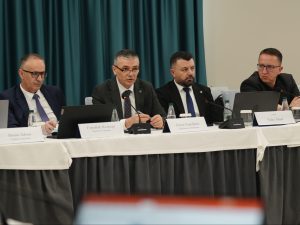
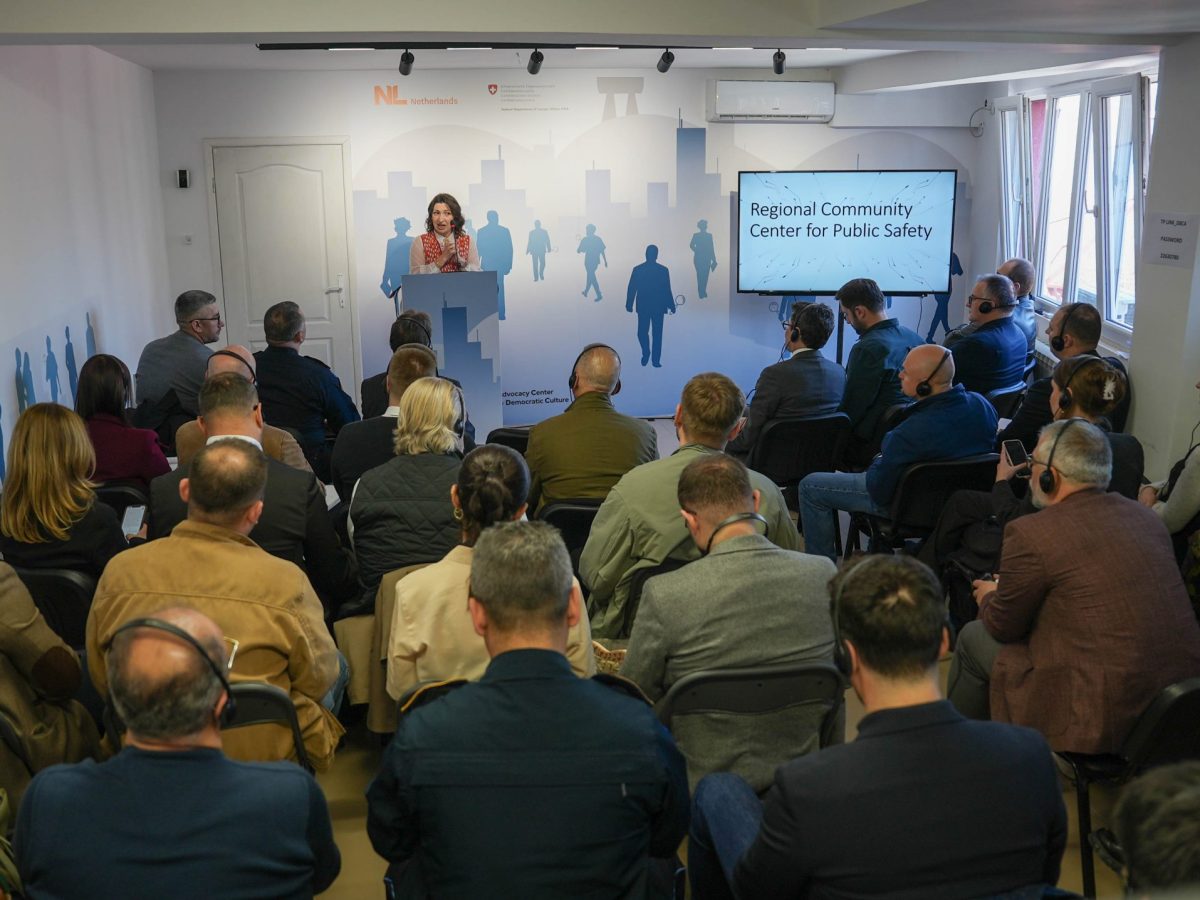
On Tuesday, the Regional Community Centre for Public Safety opened in Mitrovica, marking the launch of operations under the broader project “Strengthening Accountability and Dialogue: Police Monitoring, Fact-Checking, and Transitional Justice in Kosovo”.

The initiative is being implemented by BIRN Kosovo and Internews Kosova in collaboration with the North Mitrovica-based NGO the Advocacy Centre for Democratic Culture, ACDC.

The opening gathered representatives of civil society, institutions and diplomatic missions to reflect on the importance of police oversight and community dialogue in the region.

Representatives from international missions working in institutional support and police monitoring were also present, including the EU mission, EULEX, UNMIK, OSCE, Council of Europe and KFOR.

The Centre will serve as a hub for monitoring security institutions in seven municipalities in the Mitrovica region through the programme “Accountability in Action”.

Civil society organisations involved will observe police work, provide recommendations to police management and inform the public through regular reports. The monitoring teams will be multi-ethnic and connected with educational campaigns, including real-time fact-checking components.

Opening the event, Aleksandar Rapajic, project manager at ACDC, emphasized the initiative’s significance following the withdrawal of Serb representatives from the police and judiciary in 2020.

“The withdrawal of Serb representatives from the police and judiciary led to a period of deterioration followed by gradual improvement in the security situation. From the beginning, we decided it is not our role to choose who will be in institutions, but it is our obligation to cooperate. Even after these changes, we have had cooperation with the police, relatively speaking, in most cases good cooperation,” Rapajic said.

Jeta Xharra, Executive Director of BIRN Kosovo, highlighted the uniqueness of the initiative in the Balkan region, where police allow multi-ethnic civil society teams to monitor their operations through the new Centre.

“This is a rare project in the Balkans. Nowhere in the Balkans, no matter how bad the situation gets, has a multi-ethnic civil society team been allowed to go with police and monitor.

“Kosovo has this opportunity because the Kosovo Police apply Western-style community policing rather than the model inherited from the former Yugoslavia, where police were seen primarily as an arm of the state rather than a service for the community,” Xharra said.

She added that one component of the project is monitoring police actions through the Centre, while another is addressing interethnic barriers that still exist. Through the initiative, journalists from Albanian and Serbian media outlets will exchange experiences by spending time working in each other’s newsrooms in northern Kosovo and in Prishtina.

Jurg Sprecher, the Swiss Ambassador to Kosovo, said public trust is crucial for building lasting peace and strong institutions.

“Peacebuilding in a post-conflict environment depends not only on institutional stability but also on public trust,” Sprecher said.

“Trust between citizens and law enforcement institutions is fundamental for democratic governance and the rule of law. When communities feel heard, respected and represented, institutions become stronger and societies more resilient,” he added.

Ronald Goldberg, Deputy Head of Mission at the The Netherlands’ embassy in Kosovo, also emphasised the importance of transparency, noting that his embassy proudly supports the project.

“When institutions open their work to dialogue and public observation, they demonstrate confidence in their professionalism and commitment to democratic values,” Goldberg said.

Veton Elshani, Deputy Director of the North Mitrovica Directorate of the Kosovo Police, welcomed the involvement of civil society organisations and the establishment of the Centre.

“The media have been our window to citizens. We have faced many challenges, and the inclusion of NGOs and the media as partners is an added value for our work. You are our partners, and we are your partners. Through you, citizens will also understand that the work of the police is not easy,” Elshani said.

Kreshnik Gashi, editor-in-chief at Kallxo.com a co-publication of BIRN Kosovo and Internews Kosova, noted that monitors have been trained by Kosovo Police for the initiative.

“We would like our project to cover all of Kosovo. Due to a lack of funds, the project is currently focused on the Mitrovica region. The teams will be multi-ethnic and connected with educational campaigns. We will also have real-time fact-checking, and the doors of this Centre will be open to any complaints from citizens,” Gashi added.

The Centre is part of broader efforts by BIRN Kosovo, ACDC and Internews Kosova to promote democratic governance and institutional transparency through investigative reporting, fact-checking, and systematic documentation under the project “Strengthening Accountability and Dialogue: Police Monitoring, Fact-Checking, and Transitional Justice in Kosovo.”

In total, there were 43 participants at the opening event, 30 men and 13 women. The event was also followed by four media outlets.
BIRN Kosovo Marks Anniversary of Ukraine Invasion with Fifth Doc on Russian Disinformation

On 24 February, marking the fourth anniversary of Russia’s full-scale invasion of Ukraine, BIRN Kosovo and Internews Kosovo premiered the fifth and final documentary in their investigative series about disinformation and foreign malign influence.

The screening took place in Pristina at Reporting House, gathering journalists, civil society representatives, and members of the public to reflect on the evolving information landscape shaped by the war in Ukraine.

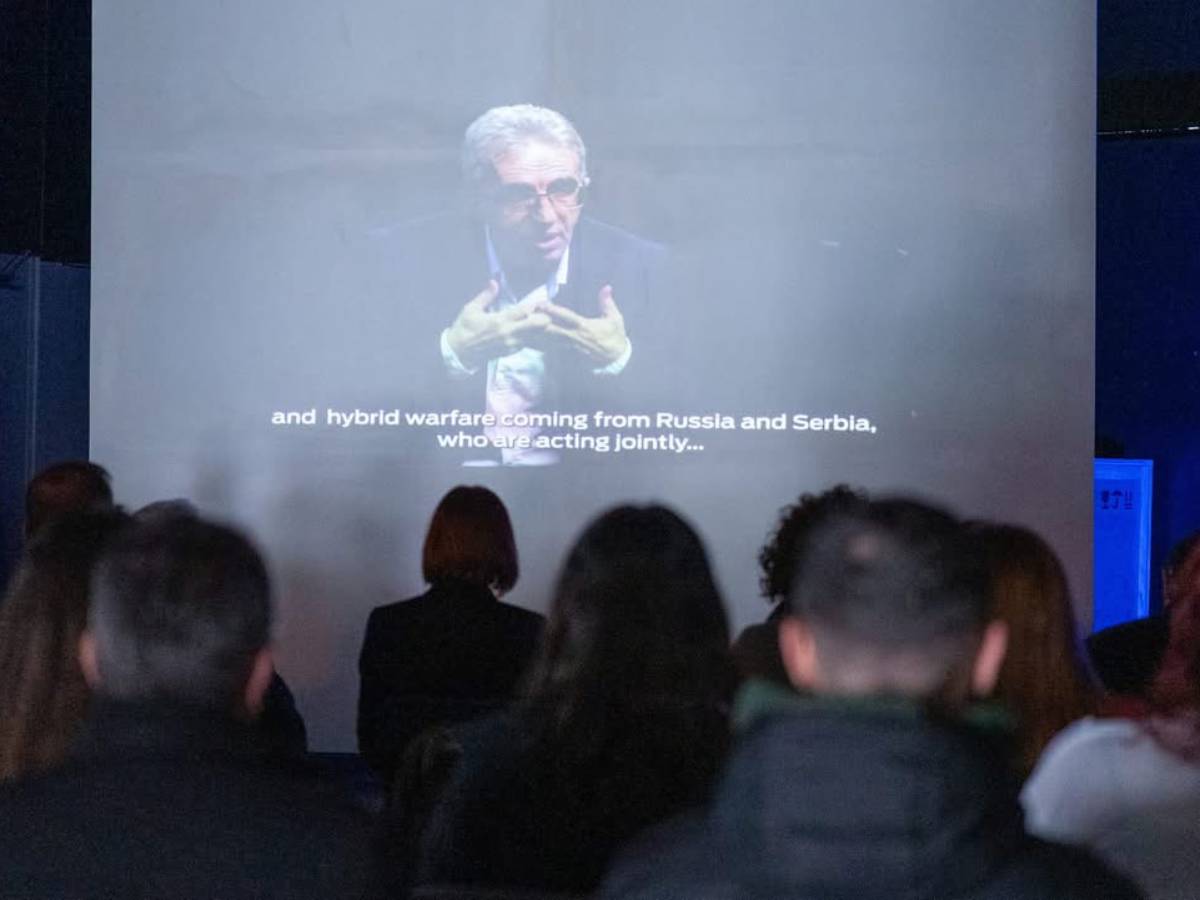
The film, Russian Disinformation after the Invasion of Ukraine, presents evidence of how manipulated narratives targeting Albanian-speaking audiences have been disseminated through translated and republished content originating from Serbian and Russian media outlets.

Focusing on coverage of the war in Ukraine, the documentary shows patterns of foreign information manipulation and influence in Kosovo’s media environment. It shows how foreign interference seeks to shape opinions within different communities in Kosovo, including efforts to influence the public discourse in the Serbian community. The findings highlight how disinformation campaigns adapt across languages and borders, reinforcing political narratives aligned with Kremlin interests.

Opening the event, Jeta Xharra, Executive Director of BIRN Kosovo, emphasized the symbolic importance of the anniversary and the war’s relationship to Kosovo’s own history of war.

“It is not just one or two years of solidarity. We continue to think about Ukraine and what is happening there. It reminds us of the hundreds of thousands of refugees and the people who were killed in Kosovo, who were forced to flee this country. We remember them, just as we remember the victims of the Kremlin,” Xharra said.

Speaking at the premiere, Ukrainian journalist Iryna Synelnyk, who has been based in Kosovo, reflected on her personal experience of disinformation.

“When I arrived in Pristina in July 2022, I did not know much about Kosovo. Now I understand that some of the information I had previously read was Russian and Serbian propaganda. That is why it is so important to talk about this, and to fight it,” she said.

The documentary is part of the Media Integrity and Disinformation Watch project, supported by the British embassy in Kosovo, an initiative aimed at countering disinformation through investigative reporting and systematic documentation.

Over the course of the project, five documentaries were produced, tracing the development and impact of disinformation related to economy, religion, ethnicity and elections as well as foreign malign influence coming from Russia.

Of the 49 participants, 18 were men and 31 were women.

The event served as both a moment of remembrance and a call to sustained vigilance in confronting disinformation in Kosovo and beyond.

BIRN Kosovo and Internews Kosova Launch the Documentary “Smuggling Without Borders”

On February 20 in Pristina, BIRN Kosovo and Internews Kosova have launched the documentary “Smuggling without borders” which examines illegal networks involved in migrant smuggling through irregular routes in Kosovo, including the misuse of work visa applications.

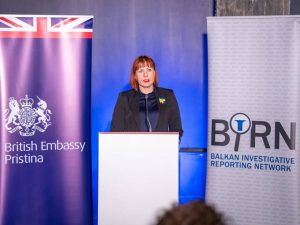
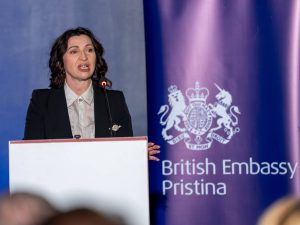
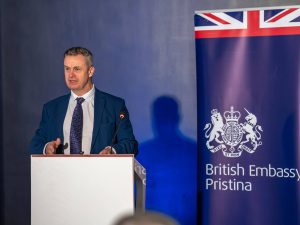
The event was attended by many institutional, international, and civil society representatives, including law enforcement agencies, with keynote speeches from the UK Ambassador to Kosovo, Jonathan Hargreaves, the Chief Prosecutor of the Special Prosecution Office, Blerim Isufaj, and Lieutenant Blerim Rama from the Kosovo Police.

In her opening speech, BIRN Kosovo Director Jeta Xharra highlighted the historical experience of migration in Kosovo and explained how the documentary exposes the functioning and influence of smuggling networks that use Kosovo as a transit or destination country. While Chief Prosecutor Isufaj stressed that irregular migration requires coordinated institutional and international action, noting intensified investigations and cooperation with the United Kingdom, including the 2025 case of Laboratori,  in which suspects were sanctioned by UK authorities.

UK Ambassador in Kosovo, Jonathan Hargreaves, emphasized the UK’s focus on tackling illegal migration and criminal groups exploiting migrants, underlining strong cooperation with Kosovo institutions to combat organized crime.  In addition, according to Kosovo Police representative, Blerim Rama, main irregular entry points include Han i Elezit and Vërmica, while exits toward Serbia often occur through Jarinje. He noted effective cooperation with Albania and North Macedonia, but a lack of cooperation from Serbia.

After the speeches were concluded, the documentary was premiered for the participants. The BIRN event was livestreamed on YouTube . Through this documentary, the project partners aim to raise awareness of migrant smuggling networks and to promote coordinated action by relevant institutions to address irregular migration. 44 participants gathered at the launch event, of whom 10 were women.

This activity was funded by the British Embassy in Kosovo, implemented by BIRN Kosovo and Internews Kosova (I/KS).

Ada Petriczko

Ada Petriczko joined BIRN Hub as Poland Correspondent in December 2025. She is based in Warsaw and reports on politics, human rights, social justice and regional affairs, with a focus on investigative and long-form journalism.

Previously, Ada worked as a freelance journalist and foreign correspondent, with reporting published in The New York Times, The Guardian, The Boston Globe, Context and Gazeta Wyborcza. Her work spans investigative features, analyses, profiles, interviews and multimedia storytelling. Over the past decade, she has reported from Europe, South Asia and South America.

She began her career as an online editor and contributing writer at Gazeta Wyborcza, a leading Polish daily newspaper, and its magazine titles, where she covered gender, culture and social justice – themes that continue to shape her reporting today.

She later served as Poland Correspondent for the NewsMavens platform, focusing on democratic backsliding and human-rights developments. Between 2018 and 2020, she worked as a freelance foreign correspondent based in New Delhi, India, reporting on gender and social issues. In 2022, she joined The New York Times Live desk during the outbreak of Russia’s full-scale invasion of Ukraine, later contributing feature reporting, including a five-month investigation into conflict-related sexual violence in Ukraine.

In 2018, Ada was nominated for Best Feature Writing at Poland’s “Wrażliwy” journalism competition, which highlights socially engaged and ethically responsible reporting. The nomination recognised her reported feature about the Indian model and acid attack survivor Reshma Qureshi.

In 2021, Ada was selected as the IWMF’s Elizabeth Neuffer Fellow from a pool of more than 100 applicants worldwide. During the fellowship, she reported for The New York Times and worked at the Opinion desk of The Boston Globe. She also conducted independent research on media freedom at the Massachusetts Institute of Technology’s Center for International Studies.

Ada studied English and Drama at Goldsmiths, University of London, Liberal Arts at the University of Warsaw, and narrative journalism at the Polish School of Reportage. Along with her native Polish, she speaks English fluently and has a working knowledge of French, Spanish and German.

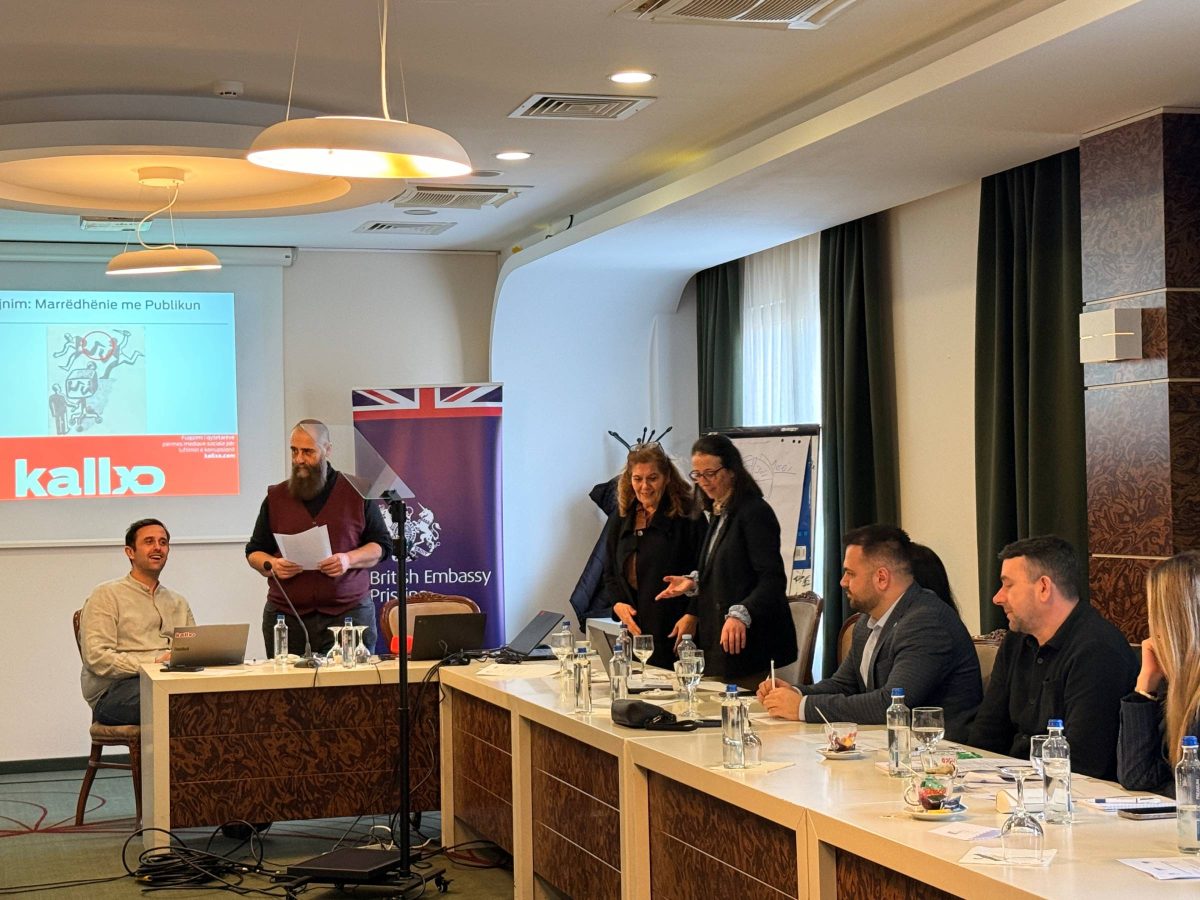
BIRN Kosovo Concludes Training for Law Enforcement Officials on Communication

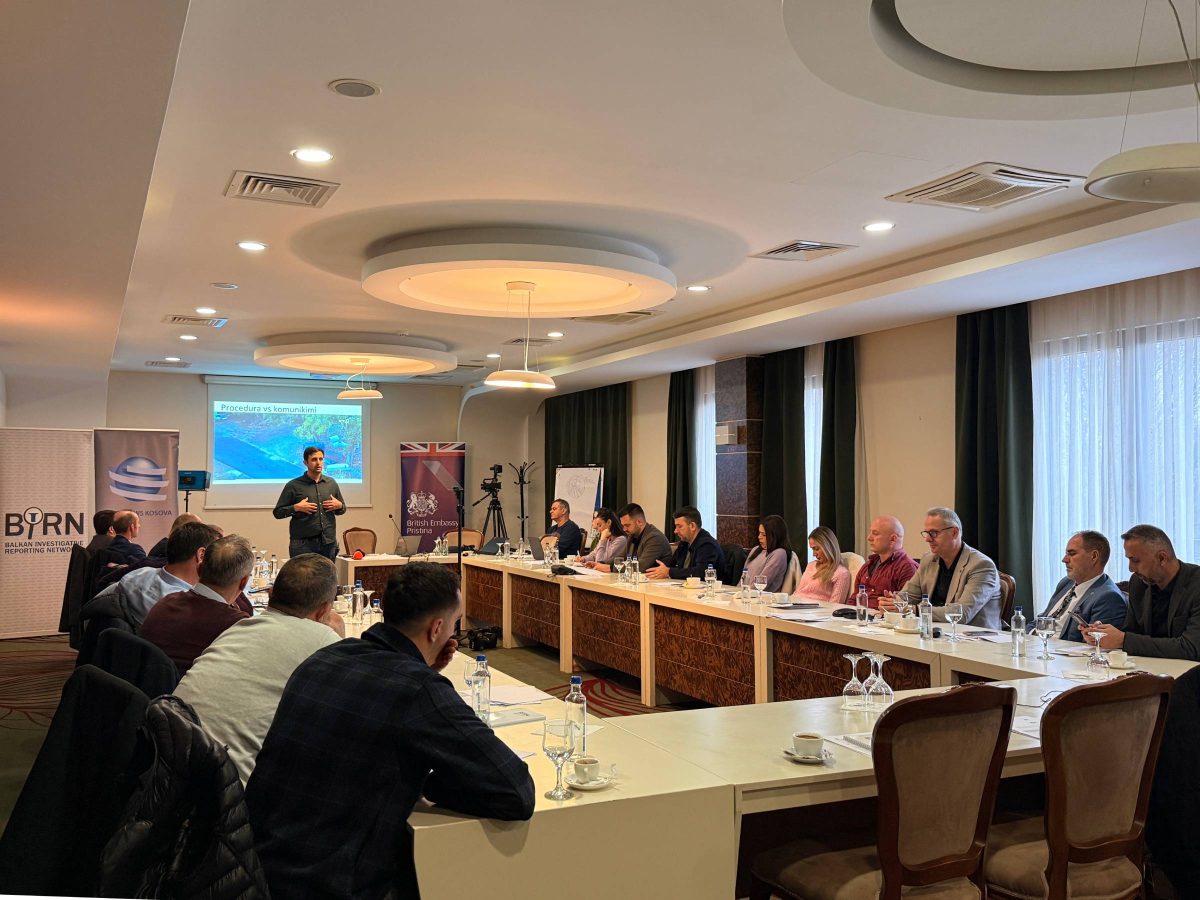
BIRN Kosovo and Internews Kosova concluded a four-day training for the Joint Investigation Teams of the Special Prosecution of Kosovo, bringing together participants from various investigative teams.

On the fourth and final day, on February 6, the training programme was attended by 20 participants from the Special Prosecution Office, the Investigation Department of the Tax Administration of Kosovo, the Investigation Department of the Kosovo Police, the Police Inspectorate, and investigators from Kosovo Customs.

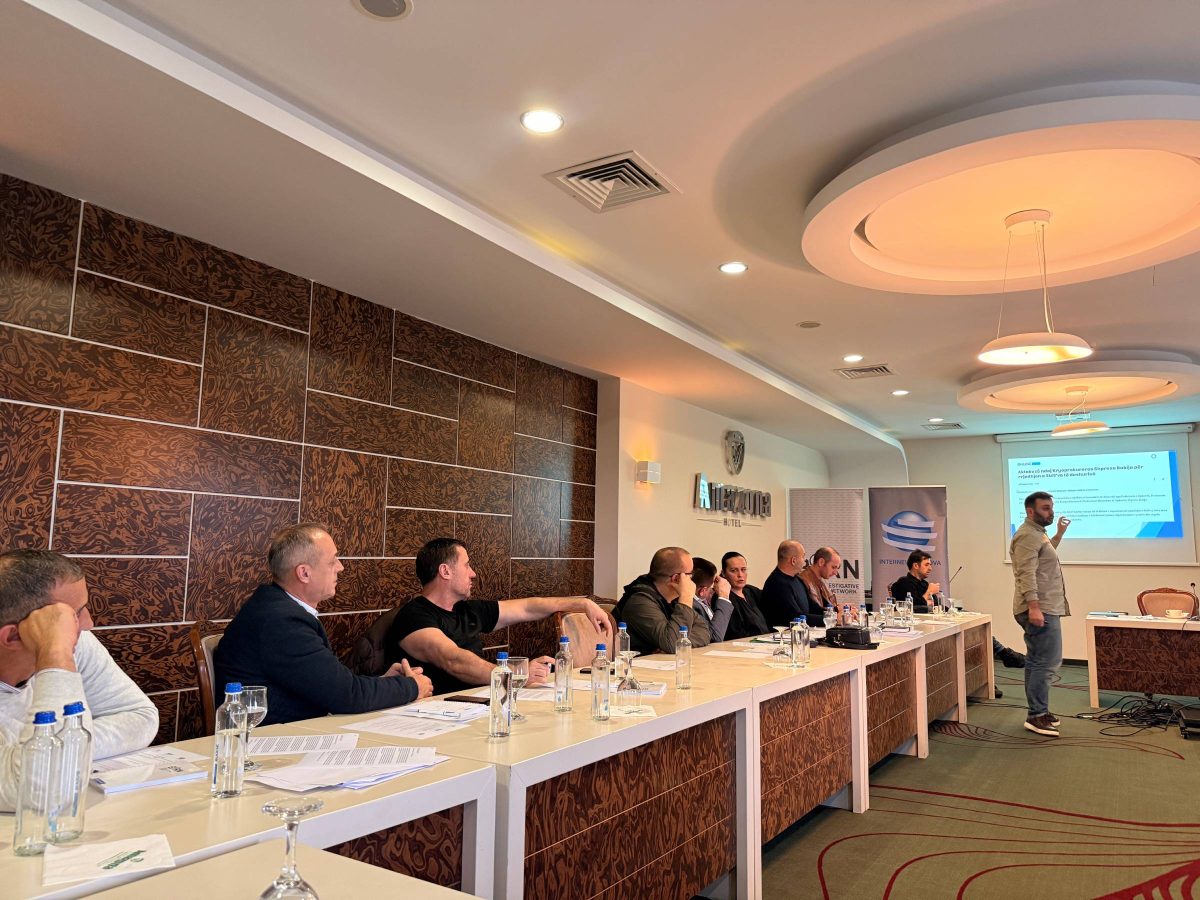
During the training, Kreshnik Gashi, Managing Editor of Kallxo.com, Alan Edwards, a JTI mentor from the British Embassy, and Labinot Leposhtica shared their professional perspectives and firsthand experiences on public appearances and public speaking. More specifically, the morning session focused on sharing the extensive experience of expert Edwards in local and international cases. He presented in detail the steps to be followed by joint investigation teams, from UK cases to his work in Kosovo with EULEX.

In the afternoon session, Kreshnik Gashi discussed institutional coordination in communication and its planning in the field of communication, to then continue with a very important part of the training that dealt with public appearances according to the standards of preserving the privacy of the parties, in relation to the European Union’s online communications regulation.

The training aimed at sharing experiences from the experts of the Joint Investigation Teams and the steps to be followed, but also to specify the EU rules on online communication. A total of 17 participants took part in the training, five of whom were women.

This activity is funded by the British Embassy in Kosovo, implemented by BIRN Kosovo and Intenews Kosova.

BIRN Kosovo Holds Training Session for Joint Investigation Teams of the Special Prosecution of Kosovo

BIRN Kosovo and Internews Kosova are organizing a four-day training session for the Joint Investigation Teams of the Special Prosecution of Kosovo, bringing together participants from various investigative teams across Kosovo. The training programme is implemented with the support of the British Embassy in Kosovo.

On February 6, 2026, BIRN Kosovo organised the third day of the training programme, attended by 20 participants from the Special Prosecution Office, the Investigation Department of the Tax Administration of Kosovo, the Investigation Department of the Kosovo Police, the Police Inspectorate, and investigators from Kosovo Customs. This event is being carried out in the Prishtina region.

During the training, Kreshnik Gashi, Managing Editor of Kallxo.com, Faik Ispahiu, Executive Director of Internews Kosova, and Valdet Salihu, Producer, shared their professional perspectives and firsthand experiences on public appearances and public speaking.

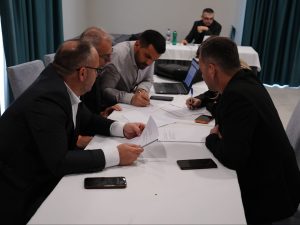
More specifically, Kreshnik Gashi discussed safe public appearances and court proceedings, and in detail, how to organize them. After Kreshnik’s presentation, facilitated by Faik Ispahiu and Valdet Spahiu, participants had the opportunity to discuss and practice public appearances in press conferences and judicial proceedings. For this purpose, the participants were divided into five groups, each with a specific case. For some time, the team had to come up with concrete steps on how to address the case to the public, which included coordination among multiple agencies involved, including the prosecution. All group conferences were recorded, and the video was shown minutes later to evaluate what worked and what did not during the group press conference.


The aim of the third day of training was to make public appearances easier to understand for the participants and also gain more insights on what a press conference looks like and what it should transmit.

The third day of the training was not only informative but also highly interactive among participants. A total of 20 participants attended the session, of whom five were women.

This activity is funded by the British Embassy in Kosovo, implemented by BIRN Kosovo and Intenews Kosova.

BIRN Kosovo Trains Law Enforcement Officials on Conveying Public Messages

BIRN Kosovo and Internews Kosova are organizing a four-day training session for the joint Investigation Teams of the Special Prosecution of Kosovo, with participants from various investigative teams in Kosovo.

On February 5, 2024, BIRN Kosovo and Internews Kosova organized the second day of the specialized training, attended by 22 participants from the Special Prosecution Office, the Investigation Department of the Kosovo Tax Administration, the Investigation Department of the Kosovo Police, and investigators from Kosovo Customs.

This training aims to strengthen the capacity for public and strategic communication among law enforcement officials. During the training, participants were introduced to techniques for presenting public messages prior to specific operations being carried out. The session was delivered by Faik Ispahiu, Executive Director of Internews Kosova, and was followed by a practical exercise in which participants conducted statement-reading simulations using cameras and teleprompters. These exercises were conducted in various formats and conditions, including static presentations, in-action (on-the-go) presentations, and scenarios simulating both high and low-pressure audience environments.

The afternoon session continued with practical exercises focused on pre-arranged interviews and television appearances, particularly simulated televised interviews. This part of the training was facilitated by Kreshnik Gashi, Managing Editor of Kallxo.com, and Valdet Salihu, Producer. Divided into working groups, participants actively engaged throughout the training sessions, sharing their perspectives and experiences depending on their institutional roles and the types of public statements required in response to specific events and developments.

A total of 22 participants attended the training, six of whom were women.

This activity is funded by the British Embassy in Kosovo and implemented by BIRN Kosovo and Internews Kosova (I/KS).