BIRN Summer School of Investigative Reporting 2026: Don’t Just Report the News – Investigate It!

Fast stories fade. The important ones need digging.
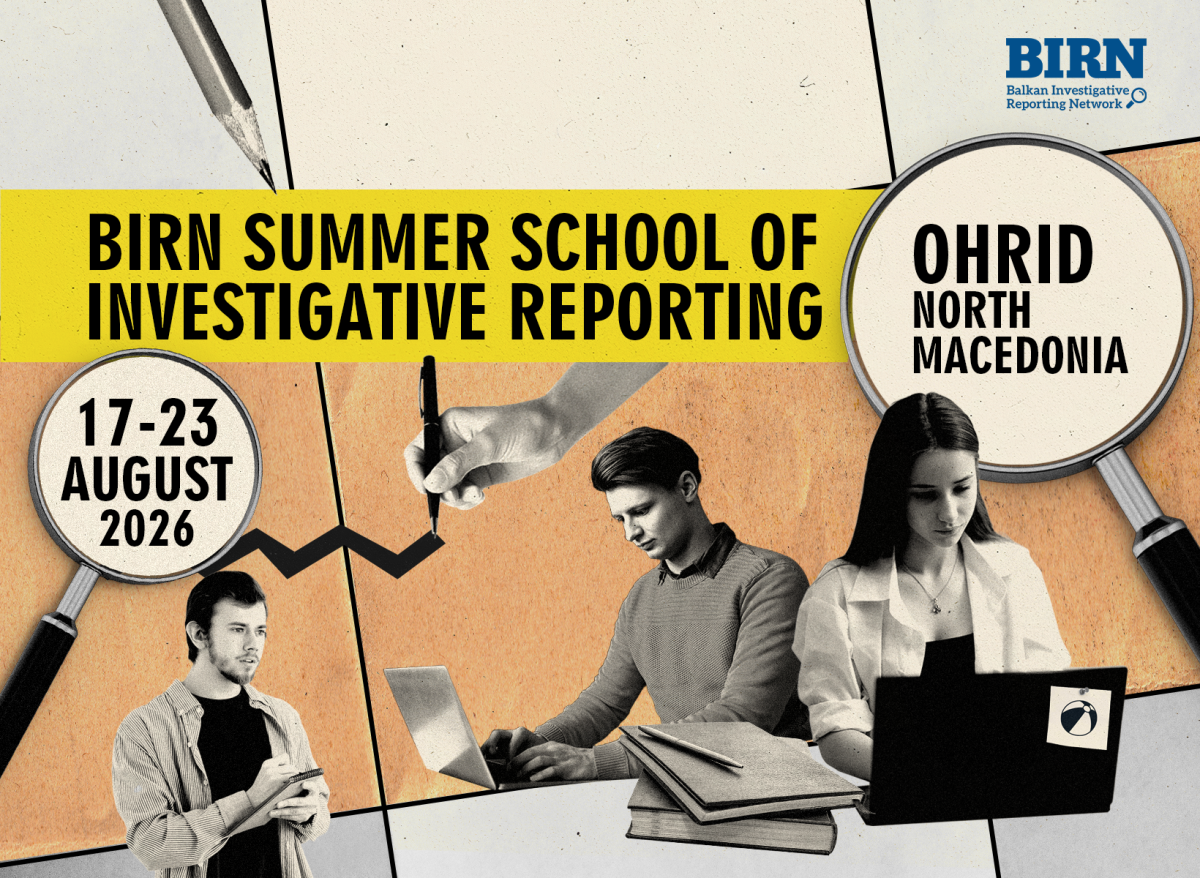
Applications are now open for the BIRN Summer School of Investigative Reporting 2026. This is a space for journalists who want to move beyond daily reporting and focus on real investigative work.

This is not about producing more content. It is about learning how to ask sharper questions, follow stronger leads and turn ideas into investigations that matter.

The Programme

From August 17 to 23, 2026 in Ohrid, North Macedonia, participants will join an intensive, hands-on investigative programme focused on cross-border reporting, open-source investigations and data-driven storytelling.

This year’s focus is on how investigative journalism is evolving in a complex information environment, combining traditional reporting with digital verification, OSINT tools and structured data work.

Alongside the main investigative sessions, participants will take part in practical workshops on verification, digital security and visual investigations. These are designed to strengthen both technical skills and editorial judgment.

Who This Is For

We are looking for journalists from the Western Balkans and across southeast Europe who want to move from reporting events to uncovering systems, patterns and accountability.

We especially encourage applications from early and mid-career journalists, particularly those working in difficult or under-resourced media environments where investigative reporting is both challenging and essential.

BIRN is providing up to 30 full scholarships for selected participants from the Western Balkans and across southeast Europe.

Self-funded participation is also welcome.

Mentorship and Editorial Support

This is a working environment, not a lecture series.

Participants will develop their own investigative ideas from the very beginning and receive continuous editorial feedback from experienced international journalists and trainers. The focus is practical and hands-on throughout the week.

Mentorship includes guidance on sourcing, verification, story development, structure and investigative methods, with close support as each project develops.

Trainers

This year’s programme includes Blake Morrison from Reuters, who leads complex cross-border investigations, Jonathan Soma from Columbia University, who specialises in making data clear and usable in storytelling, Sharbil Nammour, a media safety expert focused on secure reporting in challenging environments, and Reade Levinson from Reuters Visual Investigations, known for uncovering stories through open-source and visual evidence.

More trainers will be announced as the programme develops.

Why It Matters

Investigative journalism takes time, patience and space to think. That space is becoming harder to find. This programme is built to give it back.

Join Us

If you have a story idea that has stayed with you, one that deserves more than a headline, this is the place to take it further.

Prepare your pitch, apply and join us in Ohrid.

Applications are now open. 

Apply here: Application Form for BIRN Summer School of Investigative Reporting 2026 | ECR Platform. 

The deadline to submit your application is July 10, 2026. Take the next step towards developing your investigative story with leading journalists and trainers from the region and beyond.

BIRN at POINT Conference: Addressing Technology-Facilitated Gender-Based Violence and Strengthening Digital Rights Monitoring

Representatives of BIRN Hub participated in several discussions at the POINT Conference in Sarajevo, focusing on digital rights monitoring, online gender-based violence and the growing challenges facing civic space in the digital sphere.

On the second day of the conference, Megi Reçi, Digital Rights Research Lead at BIRN Hub, held a session titled Maximizing Impact of Monitoring Digital Rights Violations: From Cases to Real-World Change. The session was organised in collaboration with the Coalition for Content Moderation and Freedom of Expression in Bosnia and Herzegovina, and it explored how digital rights monitoring can move beyond data collection to drive meaningful social and institutional change. 

Drawing on the European Declaration on Digital Rights, Reçi explained that digital rights encompass rights exercised online and traditional human rights that are increasingly affected by digital technologies. A central part of the session focused on how collected data can be translated into investigations, advocacy initiatives and policy recommendations. Among the key outputs highlighted was BIRN’s Digital Rights Violations Annual Report, which documents trends in online freedoms, surveillance, privacy and digital safety.

Among the examples discussed was BIRN’s investigation into organised gender-based digital violence, which exposed a large online network used to share women’s personal information and intimate content without consent. The investigation highlighted shortcomings in accountability mechanisms and contributed to discussions on strengthening legal protections against online abuse.

Photo: BIRN

The session’s participants highlighted concerns about online disinformation, surveillance and coordinated attacks targeting journalists, activists and civic actors across the Western Balkans.

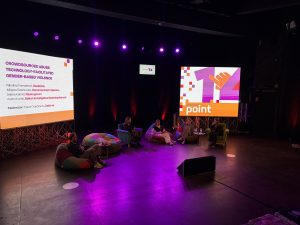
The panel dicussion Crowdsourced abuse: Technology-Facilitated Gender-Based Violence, moderated by Tijana Cvjetićanin from Zašto ne, brought together Nikolina Tomašević from Osnažene, Miljana Čabrilovski from the Roma Feminist Collective, Jelena Kalinić from Nauka govori and Azem Kurtić from BIRN Hub. 

The speakers discussed how digital platforms have enabled new forms of harassment including coordinated online attacks, non-consensual sharing of intimate content, hate speech, doxing and targeted disinformation campaigns. They highlighted that such abuses often extend beyond the online sphere, resulting in psychological harm, self-censorship and reduced participation of women in public spaces. 

Photo: BIRN

”Many of the cases monitored by BIRN reveal common patterns across the Western Balkans,” Kurtić said. “Gender-based online violence, for example, manifests in similar ways throughout the region, but each country also has its own specific context. Nationalist rhetoric often intersects with these attacks, giving them a distinct local dimension while reflecting broader regional trends.”

The annual POINT Conference (Political Accountability and New Technologies) brings together civil society organisations, journalists, activists, researchers and technology experts to discuss democracy, human rights, digital governance and the impact of emerging technologies.

Violence Intervention through Safe and Informed media actiON – Western Balkans (VISION-WB)

BIRN Hub

Summary:

The project aims to strengthen regional responses to technology-facilitated violence against women (TF VAW) through research, multi-stakeholder roundtables, training and mentorship for media professionals and awareness campaigns across IPA-beneficiary countries. It will foster cross-sector

collaboration, build ethical and survivor-centered journalism capacities, and raise public awareness through monitoring, advocacy, and large-scale outreach.

Donor
UN Women through EU 4 Gender Equality: Women’s Economic Empowerment and Ending Violence against Women project, funded by European Commission

Overall Objective:

The overall objective is to strengthen regional response to technology-facilitated violence against women through ethical journalism and cross-sector collaboration.

Specific Objectives:

  • Strengthened cross-sectoral collaboration between media, civil society and institutions in addressing TF VAW;
  • Enhanced capacities of media professionals to identify, report on and counter TF VAW through ethical and survivor-centered journalism;
  • Increased public awareness and advocacy around TF VAW in Western Balkans

Target Groups

The project targets women journalists, survivors of gender-based violence and digital rights advocates, while engaging and increasing capacities of editors, journalists and media outlets.

Main Implementer
Balkan Investigative Reporting Network (BIRN Hub)

Partners
Kosovo Women’s Network

BIRN Albania

BIRN Bosnia and Herzegovina

BIRN Kosovo

BIRN North Macedonia

BIRN Montenegro

BIRN Serbia


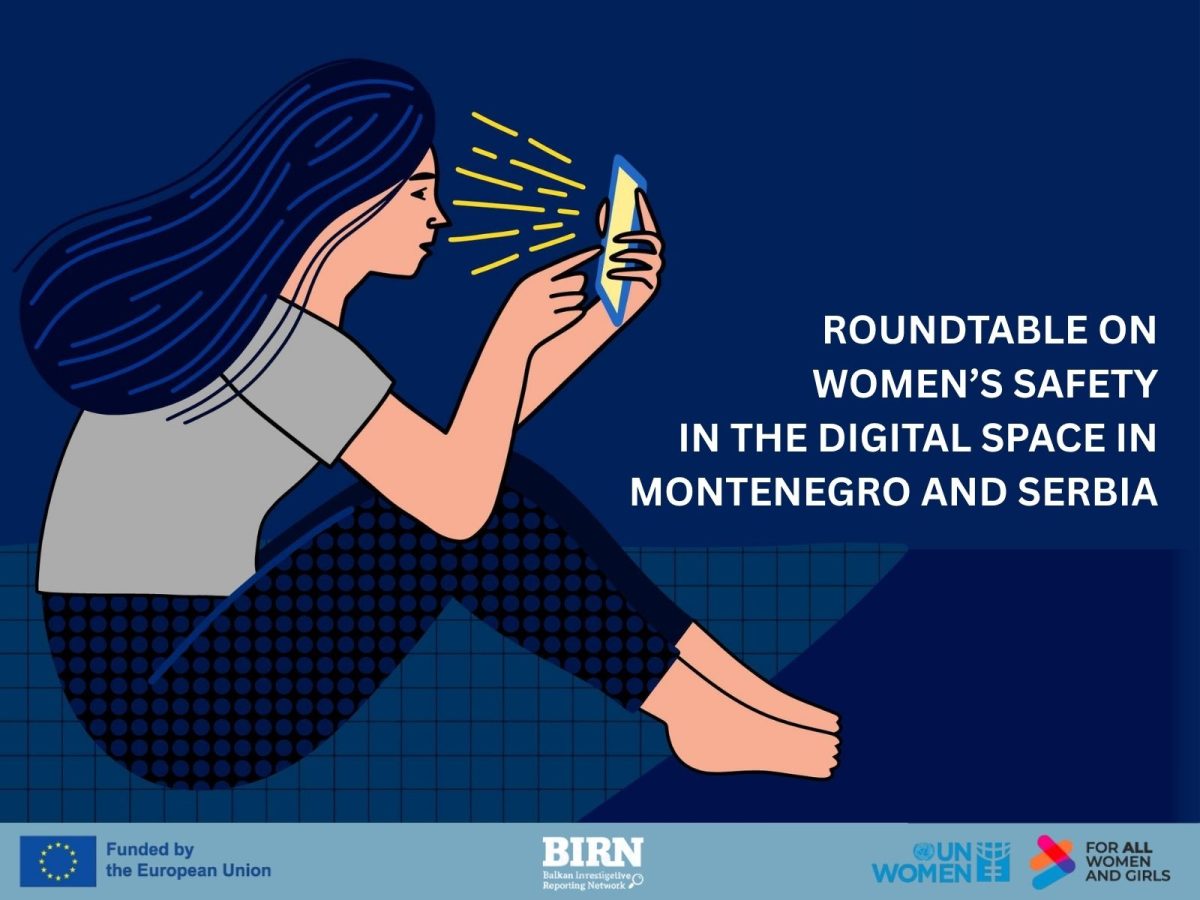
BIRN Roundtable on Women’s Safety Online in Montenegro, Serbia

On June 2, BIRN organised a roundtable discussion on women’s safety in the digital space, bringing together representatives of civil society organisations, media, institutions and human rights advocates from Montenegro and Serbia.

Opening the event, Amina Mahovic, Digital Rights Programme Manager at BIRN, highlighted the importance of addressing digital violence against women in both countries and pointed to the rise in online threats, gender-based harassment, hate speech and the misuse of emerging technologies, including artificial intelligence, AI, to facilitate violence against women.

During the first session, monitors Tijana Uzelac from BIRN Serbia and Djurdja Radulovic from BIRN Hub presented key findings from the digital rights violations monitoring in Montenegro and Serbia.

The presentation highlighted trends and the disproportionate impact of digital violence on women participating in public life, including journalists, activists and politicians. The session included an overview of media reporting on these issues, examining how cases were covered and the dominant narratives used in reporting.

At an open discussion moderated by Jakov Ivanovic from BIRN Montenegro, speakers included Mirjana Mitic from ASTRA, Brankica Jankovic from EQUITAS – Centre for Policies and Human Rights, Jevrosima Pejovic, Member of Parliament of Montenegro, Neda Radovic, Director of the NGO Sistem, journalist Dragana Scepanovic and Nina Pavicevic from Kriticki platform.

Participants emphasized that online violence against women is often rooted in gender inequality and directed at women simply because they are women, regardless of their profession or social status. The discussion highlighted direct forms of online harassment, including threats and abusive messages, as well as gender-based attacks amplified through tabloids.

Participants addressed the growing misuse of AI tools to create manipulated or non-consensual content that targets, humiliates and intimidates women.

The discussion further examined institutional responses and the role of digital violence. Participants noted concerns with delays in investigations, inconsistent responses by authorities and the need for stronger legal and policy frameworks. Examples from across the region were presented to illustrate the challenges victims continue to face when seeking protection and accountability.

The roundtable concluded with a discussion on the need for stronger cooperation between institutions, civil society organisations, media and technology platforms to improve responses to online violence against women and enhance protection for victims.

This event is organised by BIRN in the framework of the “EU 4 Gender Equality: Women’s Economic Empowerment and Ending Violence against Women” regional programme, funded by the European Union and implemented jointly by UN Women and UNDP.

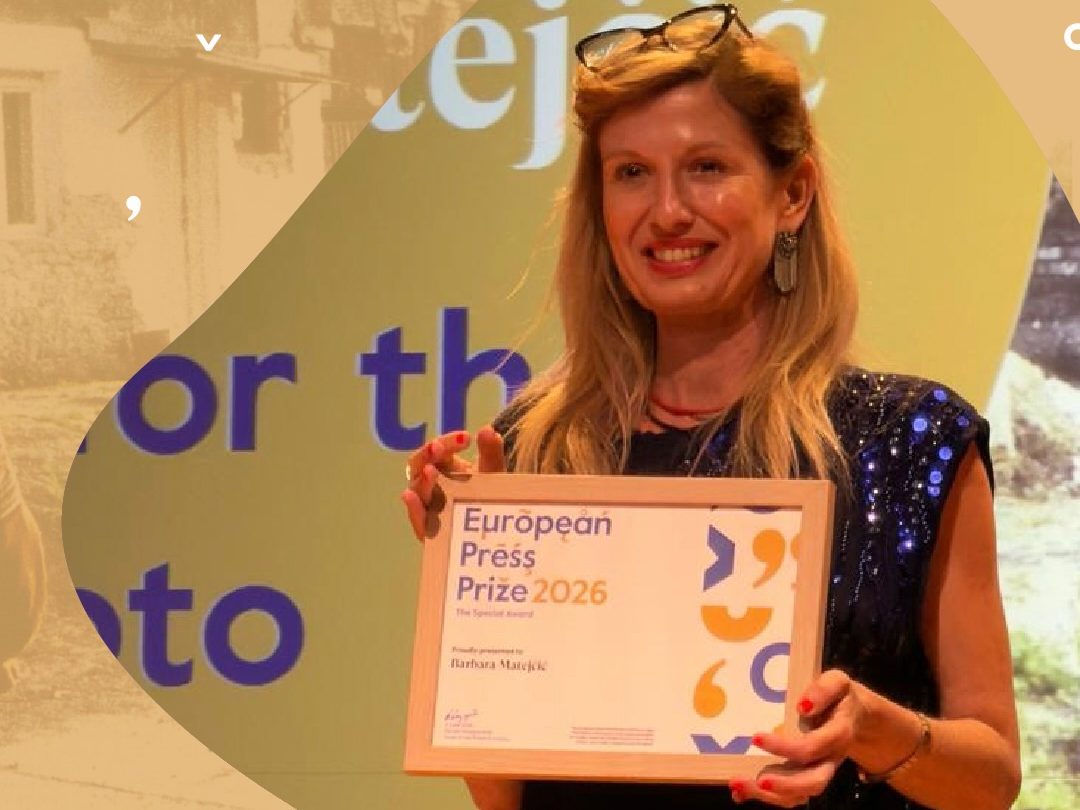
BIRN Contributor Barbara Matejcic Wins 2026 European Press ‘Special Prize’

Award presented in Lisbon for investigation ‘Killing for a Photograph’, described as ‘fascinating story that raises many previously unexplored questions’.

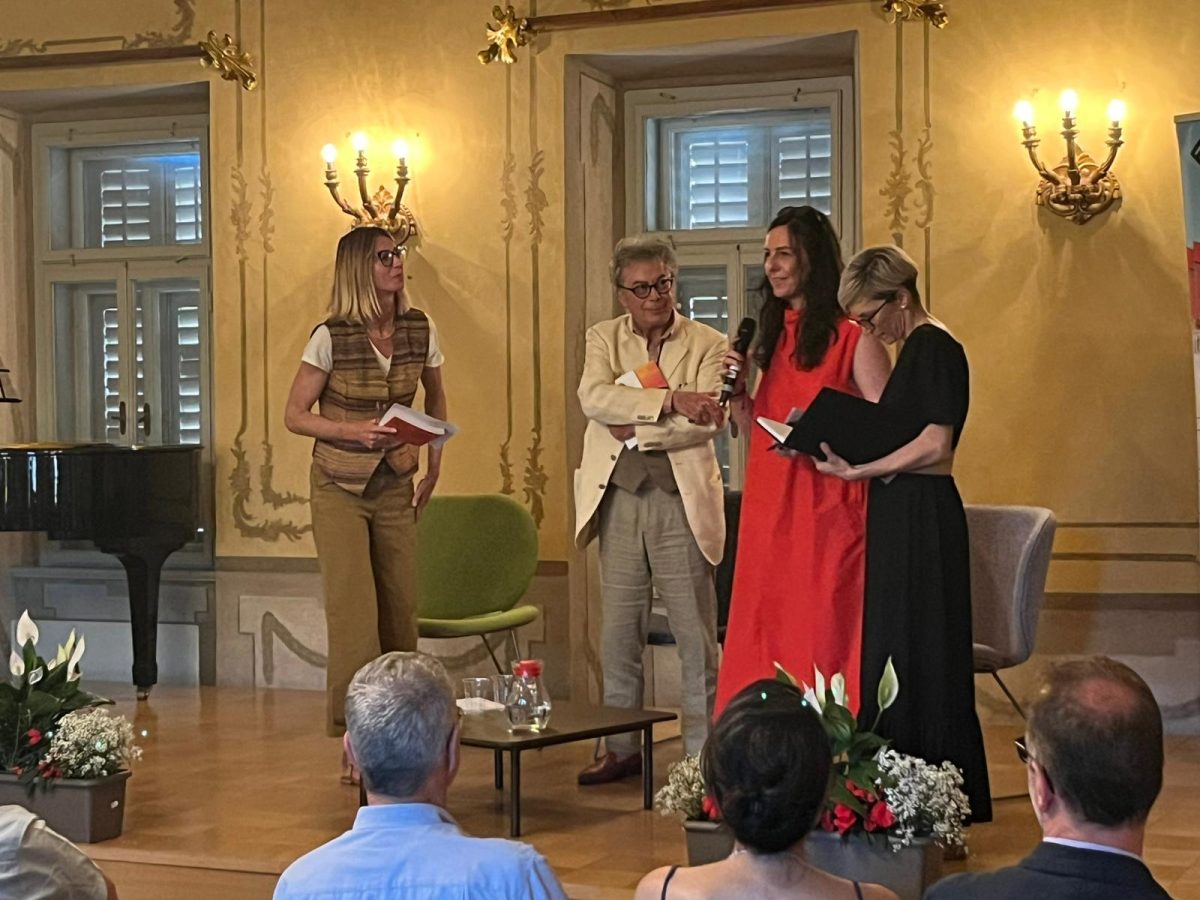
The award was presented in Lisbon as part of the European Press Prize, one of Europe’s most prestigious journalism awards. Each year, the jury grants the Special Prize to an outstanding project that transcends conventional categories and disciplines.

Matejcic’s investigation examines a photograph taken during 1993 in the war in Bosnia, in which a Belgrade photographer documented an execution from extremely close range.

Those images were distributed worldwide by Reuters and later won a World Press Photo award, becoming part of the visual record of the conflict. But for more than three decades, key questions surrounding the circumstances in which the photographs were taken remained largely unexplored.

How was the photographer able to capture the killing from such close proximity through a sequence of images? Did the presence of the camera influence what happened?

Drawing on nearly 30 firsthand sources, as well as court records and war crimes documentation, Matejcic reconstructs the events surrounding the photograph while confronting ethical questions that remained outside the frame. The article explores war, photography, accountability and the role of witnesses.

The jury described the investigation as “a fascinating story that raises many previously unexplored questions” and “a fantastic piece of journalism with perfect dramaturgy.”

“Killing for a Photograph” was also published in the Croatian weekly Novosti and generated significant regional attention. The investigation prompted extensive discussion among readers and within the professional communities of journalists, photographers, editors and researchers in Serbia, Bosnia and Herzegovina, and Croatia. It has been widely regarded as one of the most important and thoroughly researched investigative stories produced in the Balkans in recent years.

One of the most significant outcomes of the investigation was the correction of a decades-long injustice toward the victim and his family.

After Matejcic contacted the World Press Photo Foundation and presented evidence gathered during her reporting, the foundation amended the original caption accompanying the photograph, which had incorrectly identified Husein Krša as a sniper for more than 30 years.

Following publication of the investigation, the Independent Journalists’ Association of Serbia, acting with the consent and at the request of Krsa’s family, initiated proceedings before the World Press Photo Foundation seeking the withdrawal of the photographer’s award. The process remains ongoing.

In May 2026, the investigation also received the prestigious Dejan Anastasijevic Award for the best investigative story published in Serbia during the previous year.

Deportation Investigation Published by BIRN Wins International Border Stories Prize

Awarded report reveals how Netherlands routinely deports homeless East Europeans despite existence of ‘borderless’ EU.

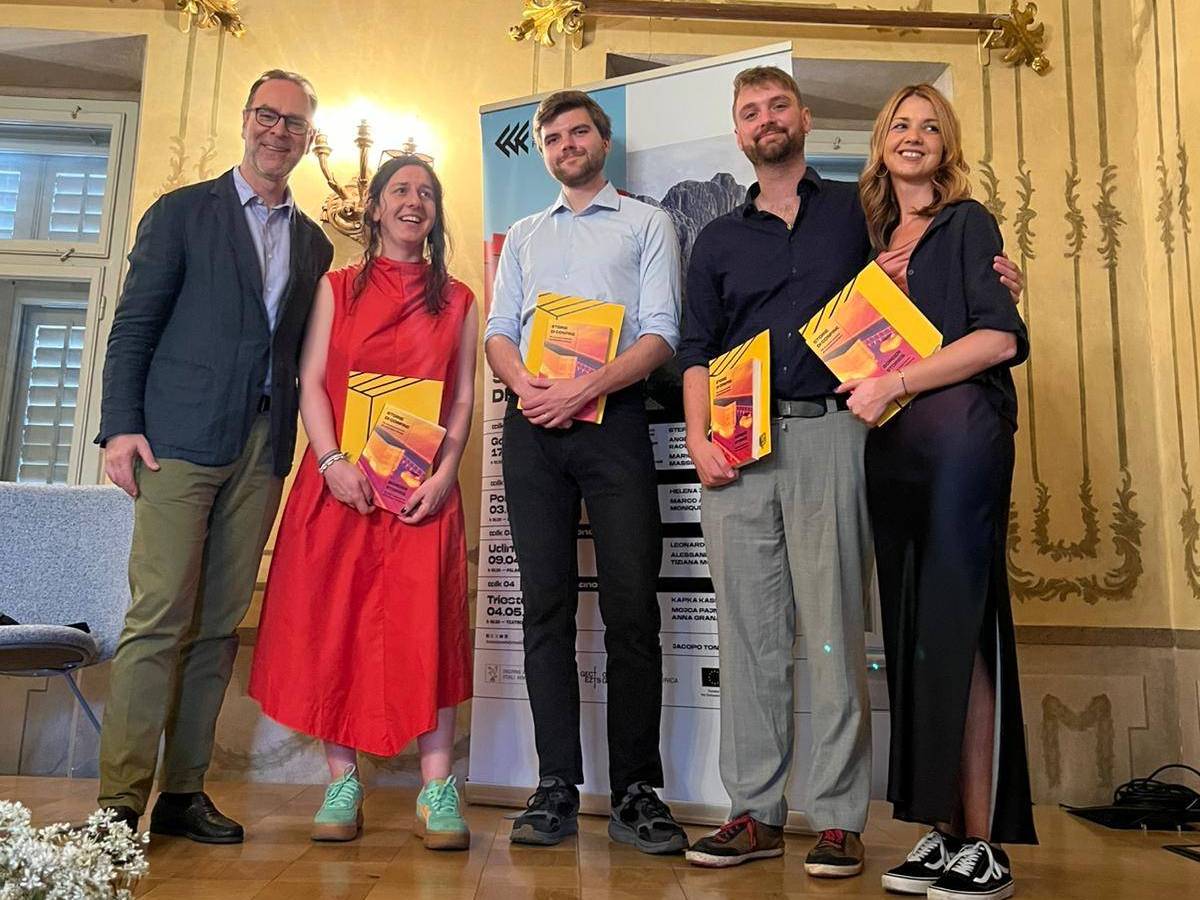
On May 29 in Gorizia, Italy, the investigation “The price of clean streets”, by Zuza Nazaruk, Willemijn Sneep and Andrada Lautaru, was awarded by Fondazione Giangiacomo Feltrinelli.

The awarded investigation, published by BIRN’s Reporting Democracy project, reveals how the Netherlands deports homeless Eastern Europeans.

Despite the idea of a borderless EU, enshrined in the free movement principles of the Schengen Area, EU citizens can still get deported from a host country, and this trend is on the rise, affecting mainly Poles and Romanians, the investigation revealed.

In 2024, 690 EU citizens were forced to leave the Netherlands, compared with only 290 in 2019, according to the Dutch Repatriation and Departure Service, DTenV.

The deportations – officially called “transfers” as they happen within EU borders – are decided on by the Dutch Immigration and Naturalisation Service, IND, and are based on a lack of lawful residence under EU law.

For the purpose of the investigation, the team spoke with migration lawyers; authorities in the Netherlands, Poland and Romania; labour and other experts; and foundations helping the unsheltered: Regenboog, Pauluskerk, Ontmoeting and Barka.

They accompanied the authorities on their monthly check-ups around Rotterdam, visited homeless shelters in the Netherlands and rehabilitation centres in Poland and Romania, interviewed over 30 former homeless people and five deportees, and reviewed three deportation notices.

The international jury awarding the International Border Stories Prize comprised the journalists and writers Marzio G. Mian, Fausto Biloslavo, Caterina Croce and Teresa O’Connell. They reviewed more than 60 journalistic investigations submitted from across Europe.

The awards were presented during the final event in the travelling series Stories of the Border / Border Stories.

The event, dedicated to presenting investigations awarded in the international journalism prize of the same name, is promoted by Fondazione Giangiacomo Feltrinelli in collaboration with the Department of Culture and Sport of Italy’s Autonomous Region of Friuli Venezia Giulia and GECT GO/EZTS GO, with the support of Are We Europe.

BIRN Contributors Ana Curic, Maradia Tsaava Win International Border Stories Prize

On May 29 in Gorizia, Italy, the investigation ‘Follow the Money: Why the EU, Not China, Matters Most to Serbia and Georgia’, by Ana Curic and Maradia Tsaava, was awarded by Fondazione Giangiacomo Feltrinelli.

The awarded investigation published by BIRN reveals the true nature of the economic relationships between Serbia and Georgia, two EU candidate countries, and China, Russia and the European Union.

“Follow the Money: Why the EU, Not China, Matters Most to Serbia and Georgia” examines trade and investment flows between these countries from 2013 to 2023 and is based on official data from banking reports and national statistical offices.

Curic and Tsaava’s economic perspective through data dismantles widespread narratives and demonstrate the central role of the European Union in the economic balance of countries like Serbia and Georgia.

This is despite persistent narratives promoted by governments and pro-government media emphasising Chinese investments and shaping public opinion in ways not supported by the data, stated Fondazione Giangiacomo Feltrinelli.

“Working on this story was a great experience for me personally because I love data and following financial flows, and in this case, there was an official open data, which is actually rarely happening in our countries,” Curic said.

“We were analysing export and import data and the amount of investments coming from our targets – the EU, China and Russia – and towards them, and we could access and analyse official data on these lines.

“The trickiest financial line that we also had in mind, in order to analyse all money flows through official channels, was public debt; because of its complexity and methodology, it wasn’t easy to break data based on analysed countries and analysed period, so it was left out due to the impossibility to be fully precise,” Curic added.

The international jury, composed of journalists and writers Marzio G. Mian, Fausto Biloslavo, Caterina Croce, and Teresa O’Connell, reviewed more than 60 journalistic investigations submitted from across Europe.

“We are very happy being awarded the Border Stories Prize because this investigation was super important for us and everything that we’ve done as part of Spheres of Influence project. We are really grateful to the jury for recognising the international importance of this story that dismantles the stereotypes about Chinese and Russian influence in Serbia and Georgia that were developed with public officials’ narratives,” Curic said.

“It also shows the absolute economic dominance of the EU. For me, personally, it was a great achievement because it shows the power of data journalism in such a wide and at the same time very concrete field, under the phrase ‘follow the money’ and confronts with facts the perception of our countries, especially on the international level,” she concluded.

The awards were presented during the final event in the travelling series Stories of the Border / Border Stories. The meeting, dedicated to presenting investigations awarded in the international journalism prize of the same name, is promoted by Fondazione Giangiacomo Feltrinelli in collaboration with the Department of Culture and Sport of Italy’s Autonomous Region of Friuli Venezia Giulia and GECT GO / EZTS GO, with the support of Are We Europe.

Apply Now for a BIRN Reporting Democracy Grant

From Poznań to Podgorica, and from Prague to Plovdiv, journalists across Central and Southeast Europe are invited to pitch ideas for in-depth reporting projects on issues shaping democracy across the region.

This grant opportunity, covering fees and field research expenses, will allow journalists to report on a range of topics, from politics and economy to human rights, corruption, the rule of law, and security, that they feel need to be explored in-depth and brought to the attention of the wider public.

Grants worth €1.500 are available for professional freelance or staff journalists and teams, with ideas for investigative, analytical, or feature stories. Reporting Democracy will provide editorial support and a platform for publishing and distributing stories.

Deadline for submitting applications is July 1, 2026

Apply by filling out an application form here. 

General rules for call for applications:

Grants are available for journalists from across the Visegrad and Balkan region (Poland, Czech Republic, Slovakia, Hungary, Romania, Bulgaria, Serbia, Croatia, Bosnia and Herzegovina, Montenegro, Kosovo, Albania, North Macedonia, Greece).

Formal applicants can be:

  • individual journalists, working as part of newsroom structures as well as freelancers;
  • teams with the designated team leader being the contract signatory.

A maximum of six grants will be awarded in this cycle. And each applicant may submit only one application under this grant scheme.

Amount per grant: EUR 1.500.

Eligible expenses include:

  • fee;
  • travel expenses;
  • various production costs (documents, videographer, photographer, etc).

How to apply:

Applicants should use the RD grants application form to submit the application (LINK).

The application form should be completed in English.

Additional documentation can be submitted in an online format.

Clarifications will only be requested when the information provided is not sufficient to conduct an objective assessment.

The application must be submitted by 23:59 CET on July 1, 2026. In case of additional enquiries, please contact us at: [email protected]

Evaluation and selection:

Step I: Technical evaluation done by BIRN staff to ensure applicants followed the application procedures and submitted all required documents.

Step II: Evaluation by the editorial board will be done to select applicants based on evaluation criteria, including:

  1. Quality of the proposed idea, its relevance, and originality
  2. Feasibility of the proposed plan;
  3. Ability to reach a broad public.

Step III: Notification of applicants.

Successful candidates will be informed within four weeks after the close of the call.

Reporting Democracy is a cross-border journalistic platform dedicated to exploring where democracy is headed across large parts of Europe. In addition to generating a steady stream of features, interviews and analytical pieces by our own correspondents, we support local journalists by commissioning stories and providing grants for in-depth features and investigations.

Apply Now: Call For Proposals For Journalists From Montenegro and Kosovo

Balkan Investigative Reporting Network, BIRN, has launched an open call for independent journalists in Kosovo and Montenegro to apply for anti-corruption reporting grants under the project Society Against Corruption in Montenegro and Kosovo.

The initiative supports in-depth investigations and multimedia stories focused on corruption, accountability and governance in sectors such as healthcare, education and the environment.

Selected journalists will receive grants of up to $1,500, alongside mentoring and technical support from BIRN editors and experts. Projects should highlight systemic corruption issues affecting local communities and contribute to greater public awareness, transparency and institutional accountability.

The call is open to independent journalists with 3–5 years of professional experience who are citizens or residents of Kosovo or Montenegro. Applicants must submit one story proposal in English, a CV, and a letter of support from the media outlet where the story will be published.

📅 Application deadline: 14 June 2026
📍 Project duration: Up to 3 months (starting June 2026)
📧 Applications: [email protected]

Read the full call and application details HERE.

BIRN Awards Grants to 20 Journalists Through MOST Project

Through the Media Organisations for Stronger Transnational Journalism (MOST) project, BIRN has awarded grants to 20 journalists to produce investigative stories addressing key issues across Europe.

The Media Organisations for Stronger Transnational Journalism (MOST) project aims to strengthen investigative reporting and cross-border collaboration by supporting journalists working on critical social, political and economic topics.

Through the project, BIRN awarded grants to 20 journalists, selected through three rounds of an open call.

Each selected journalist received financial support of €1,140 along with editorial mentoring provided by experienced editors from BIRN. The supported projects are implemented over a period of three to six months, allowing journalists to develop in-depth investigative stories.

First Round of Grants

The following journalists were selected in the first round:

  • Kristina Bohmer (Slovakia)
  • Seda Karatabanoglu (France)
  • Laura Carrer (Italy)
  • Stefania D’Ignoti (Italy)
  • Clémentine Méténier (France)
  • Harun Dinarević (Bosnia and Herzegovina)
  • Ana Ćurić (Serbia)

Second Round of Grants

The following journalists were selected in the second round:

  • Zhaoyin Feng (Netherlands)
  • Alina Yanchur (Poland)
  • Stavros Malichudis (Greece)
  • Siarhei Kuzniatsou (Lithuania)
  • Marta Abbà (Italy)
  • Tomislav Kukec (Croatia)
  • Dejan Rakita (Bosnia and Herzegovina)

Third Round of Grants

The following journalists were selected in the third and final round:

  • Sergei Panov (Spain)
  • Wouter Massink (Turkey)
  • Nemanja Marinović (Serbia)
  • Maja Boričić (Montenegro)
  • Đurđa Radulović (Montenegro)
  • Ersan Pajaziti (North Macedonia)

Supporting Investigative Journalism Across Europe

The selected journalists produce investigative stories that contribute to a better understanding of key developments across EU and EU-aspiring countries, with a focus on underreported issues and cross-border relevance. They also receive continuous editorial support and mentoring throughout the production process, strengthening both the quality of reporting and professional capacities.

The MOST project brings together a network of media organisations working to foster innovation, collaboration and the exchange of best practices in investigative journalism. The project is implemented by a consortium comprising: 1) Balkan Investigative Reporting Network (BIRN), 2) Centro per la Cooperazione Internazionale (CCI/OBCT); 3) El Orden Mundial – EOM, Spain; 4) European Pravda, Ukraine; 5) New Eastern Europe; 6) Le Courrier des Balkans – Courriers D’Europe et D’Orient – DcB, France; and 7) Stichting the Tactical Technology Collective – TTC, Netherlands. The project is funded by the European Commission through the European Education and Culture Executive Agency (EACEA).