BIRN Kosovo Debate Discusses Missing Persons Plight in Drenas Region

Panel discussion and preceding film highlight address challenges in search for missing persons from the Kosovo war from both communities.

At a public debate on missing persons in Kosovo on May 12 held in the municipality of Drenas, institutional representatives, journalists, family members and citizens discussed the challenges in the search for missing persons and the role of transitional justice within the regions of Drenas, Skenderaj, and Vushtrri.

This event was organised as part of a broader series of public discussions on transitional justice and missing persons in Kosovo.

The debate was preceded by the screening of a documentary produced by BIRN Kosovo, which addresses the stories of persons who disappeared during the Kosovo war through testimonies from family members still searching for their loved ones from both Albanian and Serbian communities.

Produced as part of the EU-funded project “Unveiling the Truth: Combating Monoethnic Journalism and Advocating for Missing Persons in Kosovo,” the documentary highlighted the lasting impact of war crimes on families and communities across Kosovo.

According to the data presented, 1,560 persons remain missing in Kosovo, while 145 people from the Drenas, Skenderaj and Vushtrri region are still unaccounted for.
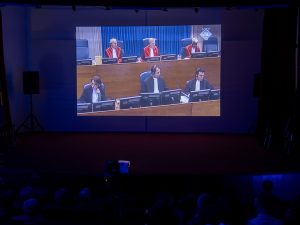
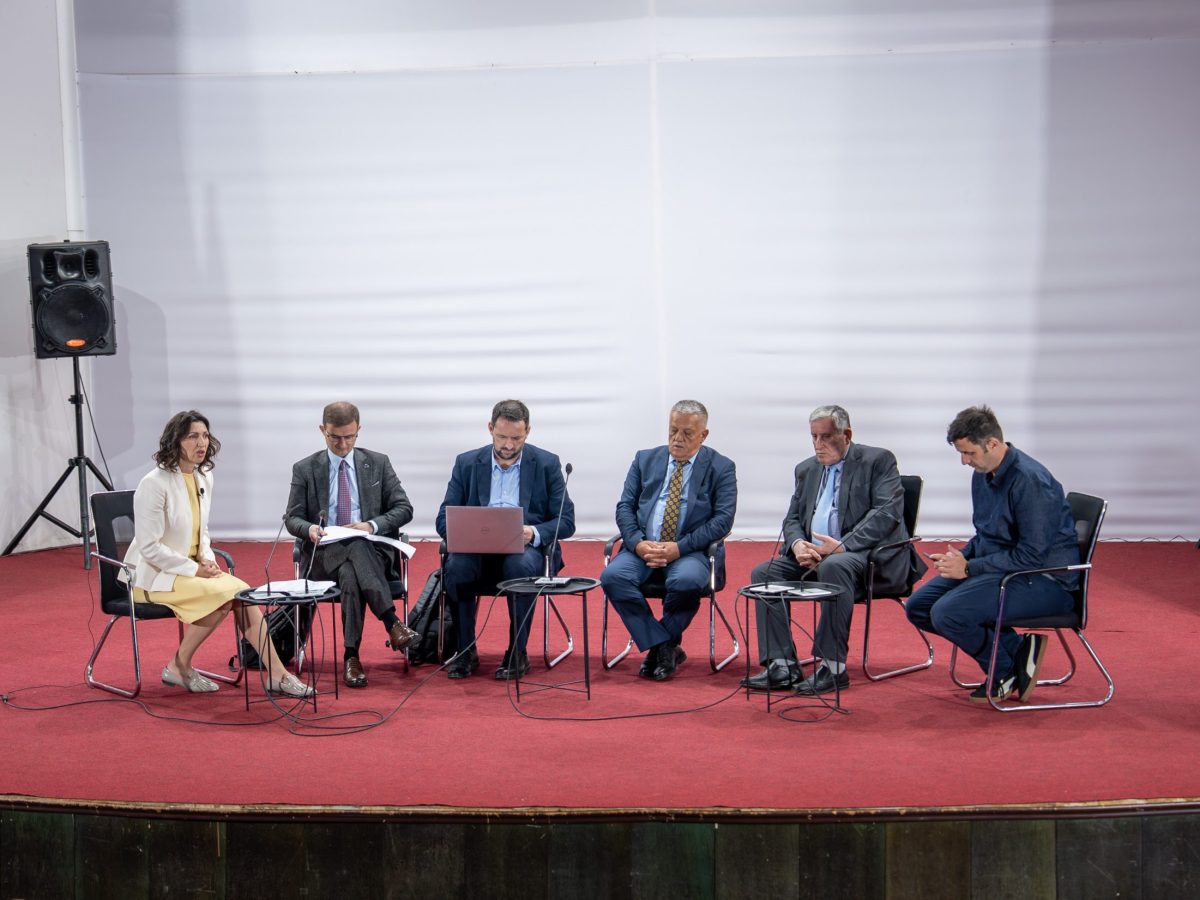
The discussion that followed the film was moderated by BIRN Kosovo Executive Director and journalist Jeta Xharra and included representatives from Kosovo institutions and civil society organisations involved in the process.

Panelists included Ilir Morina, from the Special Prosecution, Kushtrim Gara, from the Government Commission on Missing Persons, Ahmet Grajqevci, from the Association of Families of Missing Persons, Arsim Gerxhaliu, from the Institute of Forensic Medicine, and Kreshnik Gashi, from KALLXO.com.

They emphasized the importance of keeping public attention on the issue and strengthening accountability and cooperation as part of Kosovo’s broader transitional justice process.

Participants discussed institutional challenges in locating and identifying missing persons, the importance of interinstitutional cooperation and the need for continued support for families still seeking information about their relatives.

The event was attended by 53 participants, of whom 16 were women. Participants included representatives from local authorities in the Municipality of Drenas, civil society organisations, students, media representatives and family members of persons missing from the war.

This event was organised in the framework of “Unveiling the Truth: Combating Monoethnic Journalism and Advocating for Missing Persons in Kosovo” project, funded by the European Union.
BIRN Montenegro Urges Authorities to Tackle Corruption in Education

Forum organised by BIRN Montenegro and Civic Alliances says illegal purchase of diplomas and political influence in schools are undermining trust in society.

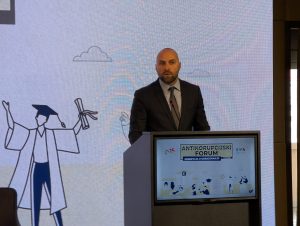
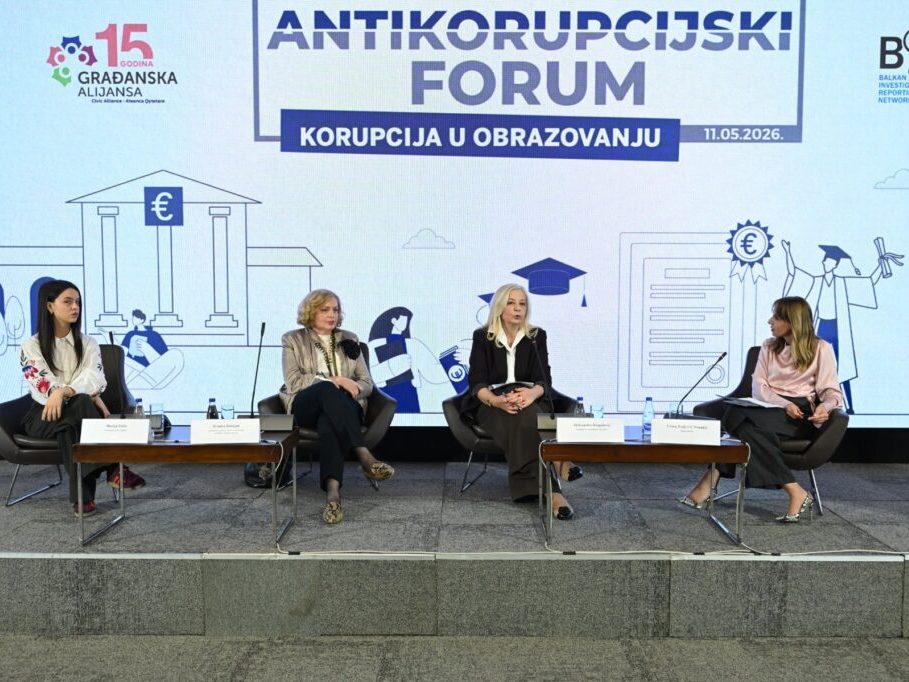
On May 11, the Anti-Corruption Forum “Corruption in Education” organised by BIRN Montenegro and the Civic Alliance, called on authorities to focus on issues such as the purchase of illegal diplomas and political influence within the school system.

Deputy Prime Minister Momo Koprivica said corruption in education is not only a matter of legality but also of trust in a society of equal opportunities.

“The purchase of diplomas and exams is the most common form of corruption and the one most discussed, but the forms of corruption in education are significantly broader and more versatile,” Koprivica said.

“Young people must see that institutions operate according to the law, that knowledge is valued, and that dishonest actions are sanctioned,” he added.

BIRN Montenegro Executive Director Vuk Maras said corruption in education had undermined trust in institutions. He called on state institutions to demonstrate transparency regarding verification of their own diplomas.

“Purchased diplomas are being equated with those earned through hard work and study. This leads to a brain drain and the departure of the best and brightest from the country,” Maras said.

“I call on institutions, decision makers and the academic community to work on creating a system where knowledge and work will be more important than connections and money,” he added.

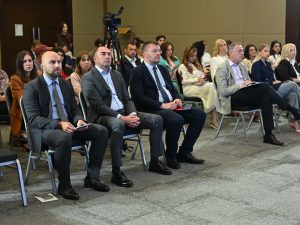
During the Forum discussions, civic activists, MPs and university representatives warned of insufficient transparency and political influence in the process of selecting school directors. They also urged authorities to fight against corruption in the school and university system.

BIRN Awards Grants to Media Outlets Through Media Innovation Europe Project

Through the second edition of the Media Innovation Europe (MIE) project, BIRN has supported 15 media outlets in producing audience-engaged journalism stories across Europe, tackling underreported issues and strengthening cross-border collaboration.

BIRN awarded grants to 15 media outlets from the Western Balkans and Visegrad region as part of its Audience-Engaged Journalism Grants, supporting the production of innovative, audience-engaged journalism across the region.

Over the course of the project, grantees produced stories using BIRN’s audience-engaged tool, which enables journalists to gather anonymous input from citizens and incorporate audience perspectives into reporting. The supported projects addressed a range of topics, from gender-based violence and social protection to healthcare, migration and environmental degradation.

Across two grant cycles, BIRN supported both individual, country-based reporting and cross-border collaborations, encouraging partnerships between media outlets covering shared regional issues.

Each selected media outlet received financial support to produce audience-engaged stories, with grants of up to €4,000 for individual projects and up to €8,000 for cross-border collaborations.

Beyond financial support, BIRN provided continuous mentoring and editorial guidance, helping grantees to develop their stories and strengthen audience engagement practices. Some of the selected stories were adapted and republished on Balkan Insight, expanding their reach to wider regional and international audiences.

Throughout the Audience-Engaged Journalism Grants, participating media outlets engaged hundreds of citizens through surveys, testimonies and direct contributions, enabling more inclusive and evidence-based reporting. The approach proved particularly effective in covering sensitive and underreported topics, while ensuring the anonymity and safety of contributors.

First Cycle of Grants

Individual media outlet grants:

Cross-border collaborations:

Second Cycle of Grants

Individual media outlet grants:

Cross-border collaboration:

Strengthening Innovation and Collaboration

Media Innovation Europe is an initiative designed to support independent media across the continent through funding, mentoring, and capacity-building, with a strong emphasis on innovation, sustainability, and audience-centred journalism. Across its two editions, the programme helps media organisations adapt to a rapidly changing digital environment while encouraging collaboration and experimentation in storytelling. MIE is managed by a consortium led by the International Press Institute (IPI) with The Fix Foundation, Thomson Media and BIRN. Since launching in 2022, MIE has supported over 100 European newsrooms and media practitioners.

As the second edition of the Media Innovation Europe project comes to a close, the supported stories demonstrate the value of audience engagement and cross-border collaboration in producing impactful journalism.

BIRN Kosovo Marks Europe Day With Film on EU’s Impact on Kosovo

Documentary showcase tangible effects of European Union support for Kosovo’s democratic development, public institutions and society, telling a ‘story of resilience, determination and progress’.

As part of activities marking May 9, Europe Day, BIRN Kosovo premiered a documentary “Kosovo’s Path Towards Integration – A Journey Supported by the European Union,” on May 8, highlighting the impact of European Union investments in and support for Kosovo over the years.

The documentary contains testimonies from institutional representatives, civil society actors, media professionals, students and business owners, reflecting on the EU’s contribution to Kosovo’s development. The film focuses on the bloc’s role in infrastructure development and capacity-building across various sectors. It showcases the tangible effects of European Union support for Kosovo’s democratic development, public institutions and broader society.

Around 60 participants attended the documentary launch, including representatives of various institutions, civil society organisations and the media and business community.

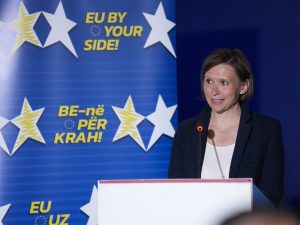
The Acting Head of the EU Office in Kosovo, Eva Palatova, described the documentary as a story of resilience and progress.

“This documentary tells a story of resilience, determination and progress. It shows how the European Union has supported Kosovo’s institutions and contributed to improving everyday life. The European Union has been and continues to be Kosovo’s strongest partner and largest provider of assistance,” Palatova said.

She noted that, since 1999, more than 3.7 billion euros have been invested in various sectors in Kosovo, while EU support continues through assistance to the country’s European integration process. According to Palatova, this support extends beyond financial assistance and includes backing for democratic development, independent media, environmental protection and equal opportunities.

Speaking on behalf of the government of Kosovo, Jeton Zulfaj, Kosovo’s Chief Negotiator with the EU, underlined the importance of European values for Kosovo’s future and development.

“Europe Day reminds us of the importance of peace as a precondition for socio-economic prosperity, as well as the importance of shared institutions, cooperation, and solidarity that bring well-being and development,” Zulfaj said during the launch of the documentary.

One of the sectors that has received significant EU investment in Kosovo is the judiciary. Arjeta Sadiku, Deputy Chair of the Kosovo Judicial Council, praised the EU’s contribution to strengthening Kosovo’s judicial system.

“The EU’s contribution has been concrete and multidimensional. One of the most important developments has been the support for the establishment of the Central Criminal Records system,” Sadiku said.

This activity is supported by the EU-funded project “Strengthen the Role and Capacities of Investigative Journalism in Kosovo”, implemented by BIRN Kosovo, the Press Council of Kosovo, and TV Mreza.

BIRN Macedonia Signs Memorandum of Cooperation with Faculty of Law

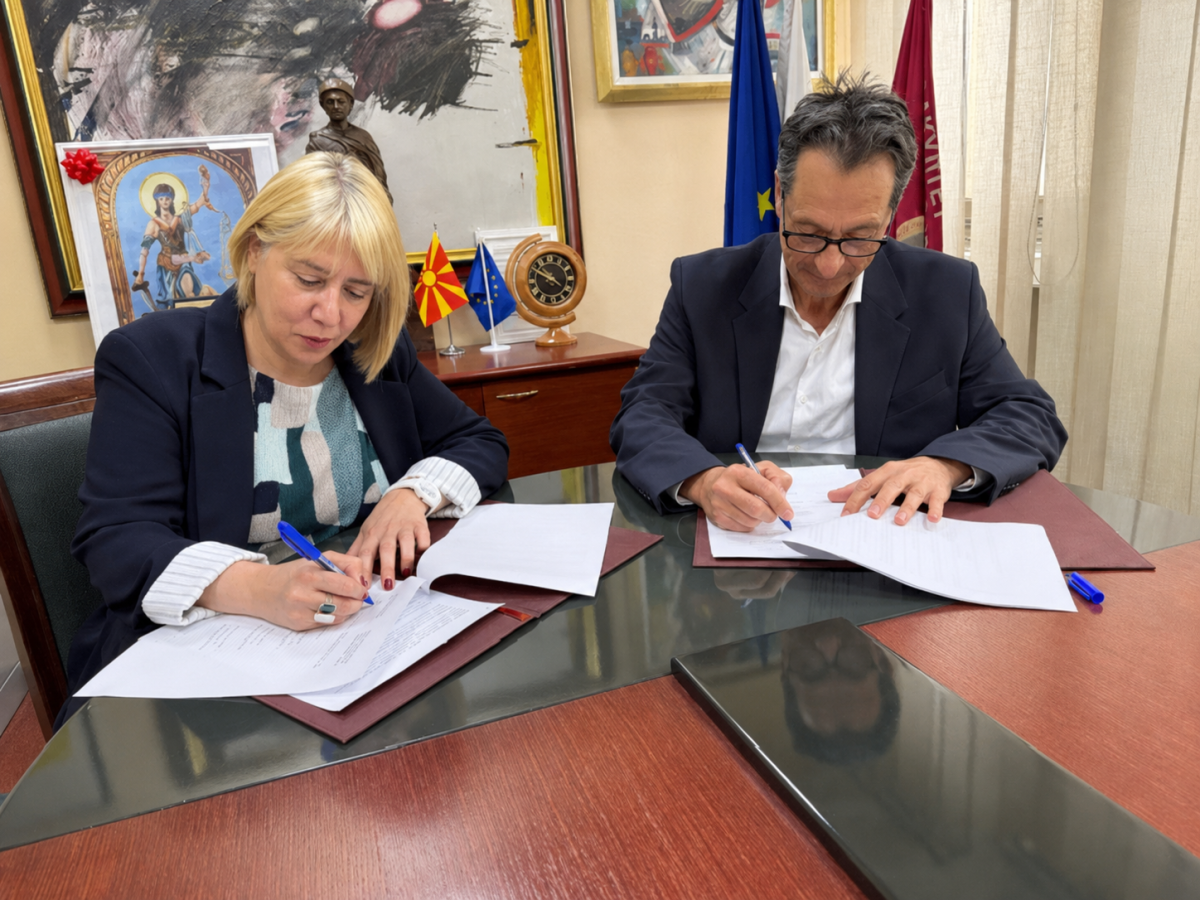
BIRN Macedonia director Ana Petrusheva and Dean of the “Iustinianus Primus” Law Faculty at Ss Cyril and Methodius University Professor Sasho Georgievski signed a Memorandum of Cooperation on May 7 in Skopje.

The Memorandum establishes cooperation between BIRN Macedonia and the Faculty of Law, within which the Journalism Studies programme operates, with the aim of connecting theoretical knowledge with practical experience in the field of media and investigative journalism.

The two institutions will collaborate on activities focused on extracurricular education in journalism studies with a particular focus on investigative journalism.

Capacity building, knowledge and resource sharing, and the promotion of investigative journalism remain among BIRN Macedonia’s strategic objectives, particularly in supporting young journalists and strengthening professional journalism standards in North Macedonia.

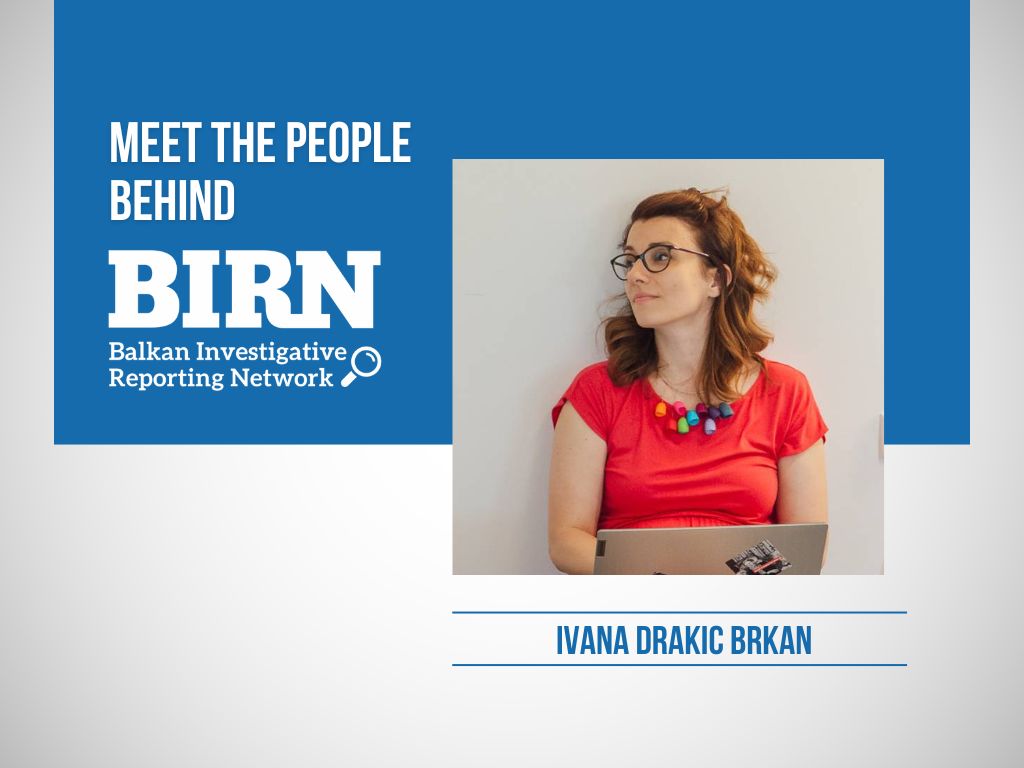
Meet the People Behind BIRN: Ivana Drakic Brkan

BIRN Hub’s Senior Project Manager has been working with BIRN for five years and has witnessed the changes in our organisation during this period.

Before Ivana started work, she graduated from the University of Montenegro in Podgorica and became a political scientist. She also spent one year studying in the US on a USAID/World Learning exchange programme. As she says, it’s hard to recall from this distance how she imagined her career back then.

“But, as a true millennial, I believe I spent more time thinking about summer music festivals I could attend than about my future career.

“Joking aside, I was always passionate about injustice and wrongdoings happening in my home country, Montenegro, and always eager to join any initiatives confronting such things or trying to bring positive change to society, which is why I could easily imagine myself having a career that is interconnected with politics, society and change,” Ivana explains.

She worked for more than 10 years in the NGO sector in Bosnia and Herzegovina and Montenegro before joining BIRN.

“Before joining BIRN, I worked in several NGOs in both countries on similar positions, but on different topics, not media-related. However, I knew about BIRN as one of the most impactful media organisations when it comes to investigative journalism and I often admired the bravery of those journalists who tackle high-risk topics like corruption, business wrongdoing in the region or assets of people in power,” she recalls.

She was excited to contribute to BIRN’s mission in the region, which, over the years, has expanded from investigative journalism to include a significant role in capacity development for other media outlets.

“The most challenging part was understanding BIRN itself, how it functions, bearing in mind the regional office BIRN Hub and the local offices in the region,” Ivana says.

Many things have changed since she started working in BIRN Hub, she explains.

“But I would say most of the changes were positive. One of the most important changes for my work is better communication and understanding between editorial and programme people in the organization,” Ivana says.

Now senior project manager, usually she manages projects that support media development in the region, through tailored training, mentoring, and grants.

“Through the projects I currently manage, we offer support to individual journalists for investigative stories and to media outlets,” she says.

“I was lucky enough to start working at BIRN five years ago, when we developed the Engaged Citizens Reporting tool (ECR tool), which allowed BIRN and other media outlets in the region to become familiar with audience-engaged reporting for the first time.

“This approach brings mutual benefits to both newsrooms and citizens who are involved in or affected by the impact of the stories. After five years, we have almost 90 media outlets across the Western Balkans and the Visegrad region that have access to the tool and involve citizens regularly in their reporting,” Ivana notes.

As for the favourite part of her job, there are several things.

“I find it really enjoyable to have colleagues from all over the region, and so if I need to organise something in Kosovo, I immediately have someone who can help with contacts and local information. I also especially appreciate the possibility to meet, support and work with local media outlets in the region that are struggling to work independently and endure due to the current financial restraints in the sector.

“Finally, I like it when I have the opportunity to organise an event offline; although the preparation can be stressful, it’s also rewarding to see people that you work with or support sharing ideas and connecting in real life, not only on Slack/Zoom/Google Meet,” Ivana explains.

Outside BIRN, Ivana loves music and dancing.

“Before I became a mother of two, theatre was my second home. I finished elementary ballet school as a kid and continued dancing actively for many years in the contemporary dance company in Montenegro called ‘Ballo’.

“Dance is still one of my biggest passions, but I pursue it a bit differently; I play music and dance with kids around the house. I am also very keen to get back in shape when it comes to reading books, and attending summer music festivals whenever it’s possible,” Ivana concludes.

BIRN Contributor Barbara Matejcic awarded Croatia’s ‘Jasna Babic’ Investigative Award

Prestigious award for best journalistic works of 2025 goes to Matejcic for her forensic investigation of photographs of execution taken in Bosnia in May 1992.

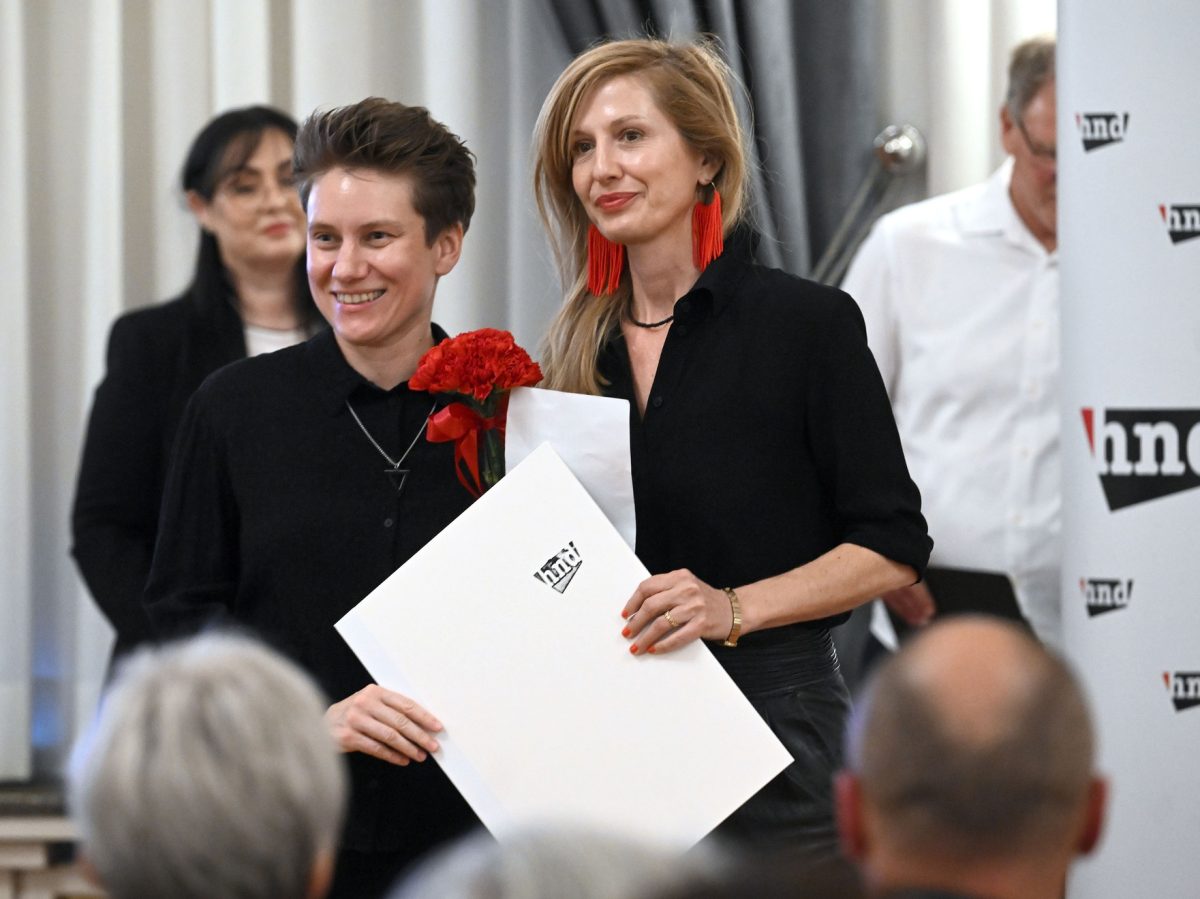
The Croatian Journalists’ Association on May 3 awarded the “Jasna Babic” Award for investigative journalism to freelancer and BIRN contributor Barbara Matejcic for articles published in the weekly Novosti in Croatia and in BIRN Serbia.

Her awarded work examined the circumstances under which photographs from the war in the former Yugoslavia were taken in Brcko in Bosnia in May 1992, documenting acts of execution at close range.

Matejcic’s investigation raises critical questions regarding the circumstances that enabled the creation of these photographs, the roles of their authors, and the factors that made such documentation possible.

“It takes an exceptionally precise eye and a strong journalistic instinct to recognise a deeper, even more horrific story in the photographs that so many people have seen before her,” the jury noted.

“This was achieved by Barbara Matejcic, who first suspected the circumstances of their creation and then investigated how the only professional photographs from the war in the former Yugoslavia that show the act of execution up close were taken in Brcko in May 1992,” they added.

“She also consulted court and media archives, including transcripts from the trial of war criminal Goran Jelisic in The Hague, in which the photographs were used as evidence. As an independent reporter, she conducted work of a scope and depth that would typically require an entire journalistic team at major media outlets.

“In doing so, she addressed the shortcomings of international agencies that published and awarded the photographs without sufficient verification of the circumstances surrounding their creation,” the jury continued.

“Since I am not part of a newsroom, but a freelancer for a long time – and through joint work in the media, you get a reflection of your work – the award comes to me as a substitute for that, as if I get feedback from my colleagues for a while, and I miss that,” Matejcic said.

“In addition, I see the HND Award for Investigative Journalism as a reminder of the importance of defending the right to long-term, complex journalistic work. Because investigative journalism, at its core, is a slow, complex, and uncertain process, it is becoming increasingly difficult to handle,” she said.

“Today, journalism is overworked and underpaid. Journalists in newsrooms don’t have time, I didn’t have it either, and I invested a lot of so-called free and unpaid time on this topic, and investigative journalism requires time, and it is not a luxury, but a necessity, just as investigative journalism is not a luxury, but the foundation of any society that wants to be called democratic,” she continued.

Jasna Babic was an award-winning Croatian journalist who, along with colleagues, established the media outlet Globus in 1990, where she worked as a war reporter.

She devoted much of her career to uncovering scandals, exposing criminals, and reporting on the mafia, murders, war crimes, and political maneuvering within leading political parties.

BIRN Albania Publishes Monitoring Reports on the Implementation of the National Strategy Against Foreign Interference and Disinformation

BIRN Albania has published two monitoring reports assessing the initial implementation of the National Strategy against Foreign Interference and Disinformation 2025–2030, offering a structured overview of how Albanian institutions are responding to risks related to disinformation, foreign interference and hybrid threats.

Covering the period from July 2025 to early January 2026, the reports examine developments across key areas of the Strategy, including electoral integrity and political finance transparency, media resilience and public awareness, national security and cybersecurity, as well as the protection of the economy and strategic sectors from external influence.

The monitoring was undertaken to provide an evidence-based baseline on the first six months of implementation of the Strategy, at a time when Albania is developing its institutional and regulatory response to increasingly complex forms of foreign interference. By assessing both institutional preparedness and initial actions, the reports aim to identify gaps, clarify priorities and support a more coordinated and effective implementation process in the coming years.

The findings show that implementation remains at an early stage, with most measures still in initial phases of planning or not yet initiated. Progress to date has been mainly linked to preparatory steps, institutional coordination efforts and activities building on existing frameworks, rather than the full operationalisation of the measures foreseen in the Strategy.

A key issue identified in the monitoring is the absence of core implementation mechanisms. The Action Plan for the Strategy has not yet been adopted, and the dedicated coordinating structure foreseen to lead institutional responses has not been established. These gaps have contributed to delays, fragmented approaches across institutions and differing interpretations regarding institutional roles and responsibilities.

The reports also highlight that a significant number of measures require the development of new legal and regulatory frameworks, as well as stronger interinstitutional coordination. This is particularly relevant in areas such as transparency of political financing, regulation of online political advertising, protection of critical infrastructure, and oversight of foreign investments in strategic sectors.

At the same time, initial steps have been observed in areas such as cybersecurity, international cooperation and public awareness initiatives, including media literacy. However, these efforts remain fragmented and require further consolidation within a coherent institutional framework.

The reports are intended to support public institutions, policymakers, civil society organisations, media actors and international partners engaged in governance, security and democratic resilience, by providing a clear and structured assessment of current progress and outstanding challenges. They also aim to contribute to ongoing policy discussions on strengthening Albania’s capacity to prevent and respond to foreign interference and disinformation.

The reports have been prepared with the support of the FCDO through the British Embassy in Tirana, as part of the project “Strengthening Albania’s Information Environment: Countering Disinformation and Enhancing Institutional Resilience”.

Both reports are available in Albanian and English:

Monitoring Report on Electoral Integrity, Media Resilience and Public Awareness: English and Albanian

Monitoring Report on National Security, Economy and Strategic Sectors: English and Albanian

BIRN Kosovo Holds Training on Countering Extremism and Terrorism

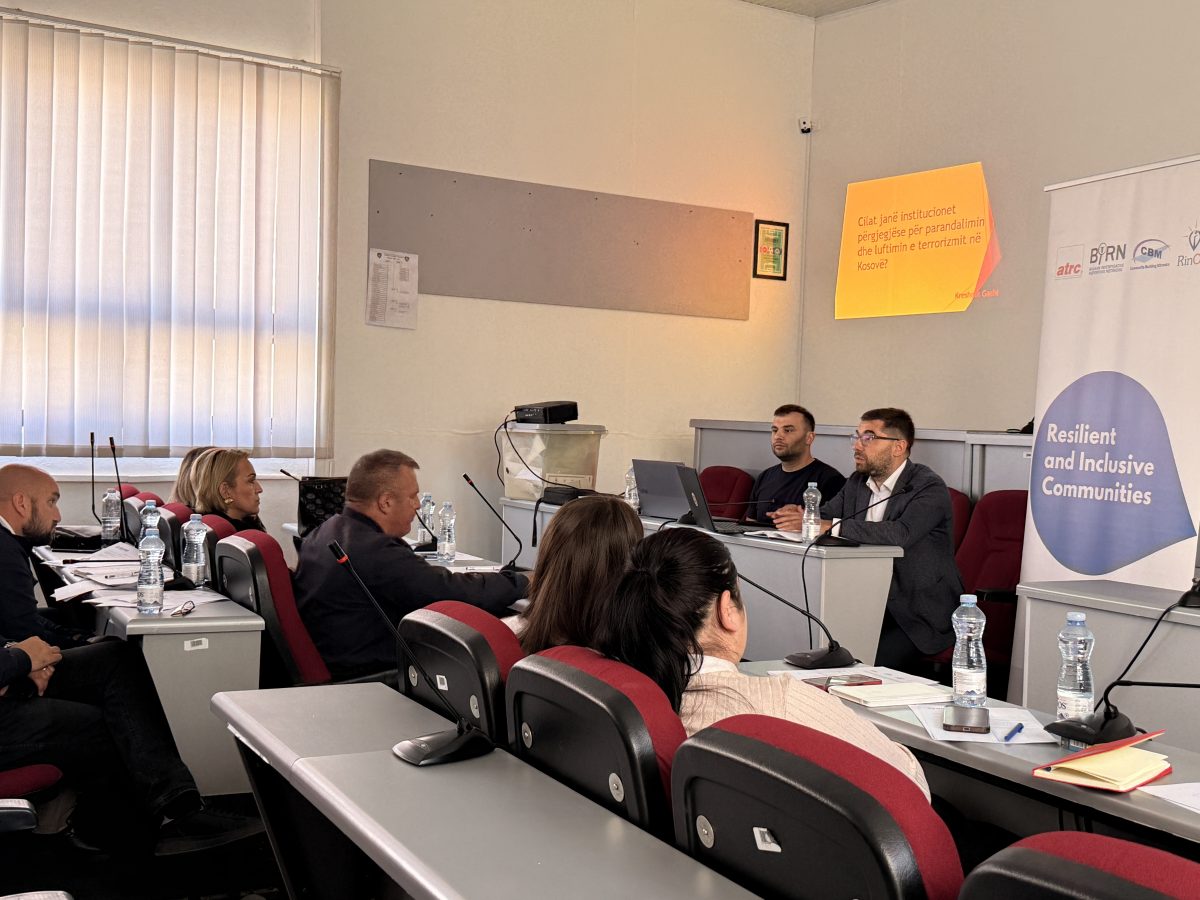
On April 29, BIRN Kosovo organized a one-day training session on strategic communication regarding the National Strategy for Preventing and Countering Terrorism, at the local level for the Municipality of Suhareka. The event brought together officials from various municipal departments.

This training was focused more on presenting and discussing the current situation with the implementation of the state strategy for preventing and countering terrorism, as well as on strengthening local capacities to address issues and concerns in this field. The session was delivered by Labinot Leposhtica, Legal Officer and Monitoring Coordinator at BIRN Kosovo, and a member of the Working Group for the National Strategy for Preventing and Countering Terrorism, together with Milot Sfishta, Senior Officer for Prevention and Reintegration of Radicalized Persons at the Ministry of Internal Affairs.

Leposhtica presented the main pillars of the Strategy and emphasized the crucial role of local communities in early risk identification and grassroots initiatives. Milot Sfishta informed participants about recent developments and central-level institutional efforts to address various forms of extremism.

Participants used the training to get equiped with appropriate information about the Strategy and highlighted the urgency for both levels to do more, especially regarding youth involvement and the influence of the online world, including online gaming and online radicalization. They shared personal experiences with well-known cases in Kosovo and demanded that, besides serving the prison time, repatriated terrorist fighters must be included in programs of rehabilitation and thus be under the scope of the state when it comes to their day-to-day activities, and see if state efforts are being effective and serving the reintegration phase, meaning disengagement from radical ideologies.

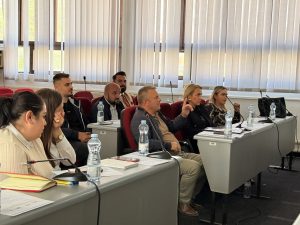
This training was attended by 10 municipal officials, of whom six were women.

The training was part of the Resilient and Inclusive Community Program funded by Global Community Engagement and Resilience Fund (GCERF), through Advocacy Training and Resource Center (ATRC), and implemented by BIRN Kosovo.

BIRN Kosovo’s Reporting House Joins the Network of European Museum Organisations, Strengthening Kosovo’s Cultural Presence

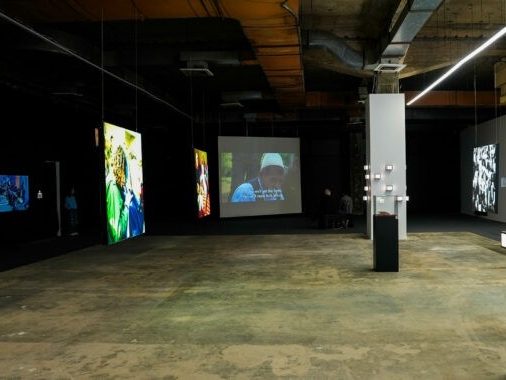
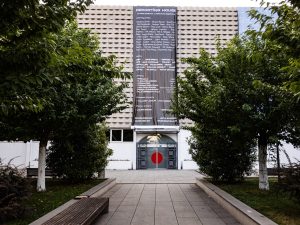
BIRN Kosovo’s Reporting House museum in Prishtina has officially become a member of the Network of European Museum Organisations (NEMO), a development marking increased international recognition for its approach to documenting Kosovo’s recent history through journalism and contemporary art.

This membership of Reporting House in NEMO places the museum within a wider European network, strengthening its role as both a site of remembrance and a contributor to ongoing discussions on history, memory and journalism. Established in 1992, NEMO brings together national museum organisations representing more than 30,000 museums in over 40 countries.

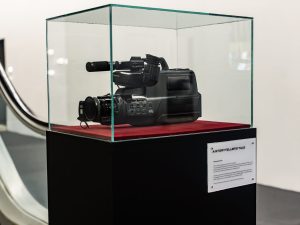
In its announcement, NEMO welcomed Reporting House as a new member, noting the museum’s focus on the 1998–99 war period and its continued relevance 25 years after the end of the conflict. The museum, developed by BIRN Kosovo and the Prishtina Biennale, combines journalism, photography and media artefacts from the 1990s with contemporary artworks addressing the war’s long-term impact.

Gazmend Ejupi, curator of Reporting House, said for Prishtina Insight, the development reflects both recognition of the museum’s work and a new level of responsibility. He added that joining NEMO places Kosovo’s recent history within a broader European context, enabling comparisons with other museum practices and approaches to memory and the past.

In addition to its exhibition programme, Reporting House is also developing as a platform for research and collaboration with students, scholars and doctoral researchers from Kosovo and abroad. Its archives, documentary materials and artistic programming provide a basis for work on topics related to memory, war, resistance and journalism.

Jeta Xharra, executive director of BIRN Kosovo, notes that the NEMO membership creates opportunities to exchange expertise on museum management and audience engagement. She also highlighted practical needs, calling on members of the NEMO network to support the museum with equipment donations, such as video projectors that may no longer be in use in other European institutions but remain functional and useful in Kosovo.

Since its opening in June 2024, the Reporting House has received more than 20,000 visitors, with a significant share made up of young people attending in school groups despite the museum not being part of the formal curriculum.

The development also underscores the importance of continued support from its donors in sustaining and expanding Reporting House’s work, particularly as it strengthens its international collaborations and long-term educational and cultural programming.