BIRN Kosovo Holds Workshop on Reintegrating Returnees from War Zones

BIRN Kosovo held a regional workshop on March 27 in Prishtina on reinforcing the role of Centres for Social Welfare and Municipal Directorates of Education, Emergency and Security, Health and Mental Health, along with other relevant institutions, in strengthening the process of the reintegration and resocialisation of returnees from Middle Eastern conflict zones.

The workshop was delivered by Labinot Leposhtica, Coordinator for Monitoring of Courts and Law Office at BIRN Kosovo, and focused on the state’s vision for preventing radicalism and violent extremism that leads to terrorism.

“The meeting with regional officials from Pristina – which was composed of participants, such as correctional service officials, probation service officials, social workers, psychologists, municipal officials – was a very good opportunity for the participants to understand the obligations that the new strategy will bring for the prevention of extremism, which foresees the formation of multidisciplinary teams. At the same time, it is an opportunity for these officials to hear about the role, responsibilities and duties of other municipal officials in terms of creating a suitable environment for reintegration and re-socialization,” said Leposhtica.

“Frontline officials are very important in the early identification of the appearance of the first signs of radicalism and at the same time they are also the last address that should offer treatment to radicalized individuals who have moved to other institutional links in the programs of rehabilitation and reintegration,” he added.

Ten representatives from the various institutions participated in the workshop, six of whom were women.

The workshop was the seventh held by BIRN Kosovo as part of the Resilient Community Programme, which is funded by the Global Community Engagement and Resilience Fund, GCERF.


Belgrade Mayor Files Defamation Lawsuits Against BIRN Serbia

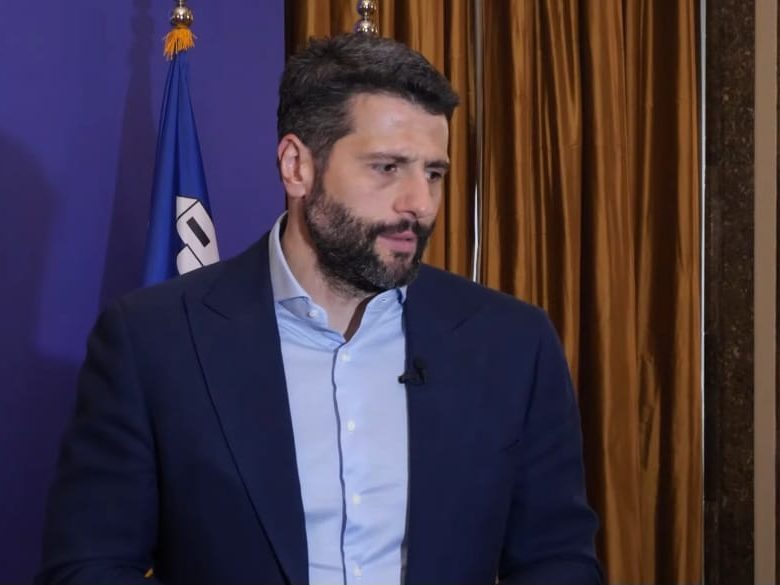
Belgrade mayor Aleksandar Sapic is suing BIRN Serbia over two articles about properties he owns, seeking 100,000 euros in damages – a move that the media organisation says is an attempt to discourage public interest reporting.

Aleksandar Sapic, the mayor of the Serbian capital of Belgrade, has filed two separate defamation lawsuits against BIRN Serbia, its editor and journalists, claiming that their reporting damaged his reputation and caused him mental anguish.

Sapic is suing BIRN Serbia, editor-in-chief Milorad Ivanovic and investigative reporters Jelena Veljkovic and Aleksandar Djordjevic for their reporting on his villa in the Italian coastal city of Trieste

He is also suing BIRN Serbia, Ivanovic and investigative reporter Radmilo Markovic over an article about the legalisation of extensions to Sapic’s mansion in Belgrade’s Bezanijska Kosa neighbourhood.

He is seeking six million Serbian dinars (around 50,000 euros) in damages in each case – a total of around 100,000 euros.

“By publishing falsehoods, the accused have caused irreparable damage to the plaintiff in terms of mental anguish due to the violation of [his] honour, reputation and human dignity, which called into question the plaintiff’s overall moral values, which he enjoys within a certain social environment,” both lawsuits allege.

BIRN Serbia editor-in-chief Ivanovic said the lawsuits were another example of Strategic Lawsuits Against Public Participation, SLAPPs, which are aimed at intimidating journalists and discouraging them from reporting about individuals and topics of public interest.

He added that court practice in Serbia shows that judges do not award damages in such large amounts as Sapic is seeking from BIRN, and that the aim of the mayor’s lawsuits is to expose the media organisation, its editors and journalists to financial costs in order to exhaust its resources.

“BIRN will continue to investigate topics of public interest, keep institutions, politicians and public officials in check, and publish stories that the public has the right to know about so that they can make informed decisions,” said Ivanovic.

The aim of SLAPPs is to drain the target’s financial and psychological resources and chill critical voices to the detriment of public participation, according to a report on SLAPP lawsuits in Serbia published in 2022 by Article 19, the American Bar Association Centre for Human Rights and the Independent Journalists’ Association of Serbia, NUNS.


CALL FOR CONTRIBUTIONS: Stories on the Personal and Collective Significance of Memorialisation

The Balkan Investigative Reporting Network (BIRN) is launching a call for contributions for articles and multimedia stories related to the theme of memorialisation.

As we continue to grapple with the legacy of past conflicts and atrocities, the importance of memorialisation and acknowledging the victims of war crimes cannot be overstated. Through this call, we hope to shed light on the various ways that communities, governments, and civil society are grappling with this difficult history.

This call is inspired by BIRN’s Bitter Land Mass Graves Project, a unique multimedia resource about mass graves from the Yugoslav wars. We encourage contributors to read the project’s reporting for inspiration, and to submit stories that build upon and expand on these findings.

We invite journalists/photo-journalists, photographers, videographers, and multimedia storytellers to submit stories that explore topics such as:

  • The significance of memorialisation in different cultural and political contexts
  • The challenges and controversies surrounding memorialisation efforts
  • The ways in which communities and individuals are reclaiming and preserving their histories and memories
  • The role of technology in finding and investigating mass graves
  • The impact of mass graves on families and communities, and the efforts to seek justice and accountability
  • The role of civil society and non-governmental organisations in advocating for the recognition and commemoration of mass graves.

Contributions can be in the form of written articles, photo essays or any other multimedia format. Please note that all contributions will be subject to editorial review and selection.

To submit a contribution, please email us at [email protected] with the subject line Call for Contributions on Memorialisation with a brief pitch or synopsis of your story, along with any relevant background or supporting material.

Please note that the deadline for this project is short and contributions will need to be submitted by April 12, 2023.


Balkan Media Supported by BIRN Up Skills to Fight Fake News

Balkan media outlets with the support of BIRN mentors are taking proactive measures to combat fake news and disinformation while promoting accountability in journalism.

Media outlets in the Balkan region are making progress in combating the scourge of fake news, taking a multi-faceted approach to the issue.

Grantees of the second phase of media project Media for All, 28 media outlets from Montenegro, Bosnia and Herzegovina, Kosovo, Serbia, Albania and North Macedonia, have gone a step ahead in the fight against disinformation, by combining engaged citizens reporting with other journalistic strategies.

Besides, fact-checking, correcting misinformation, and increasing transparency, the use of the BIRN’s engaged citizens reporting ECR tool is a particularly promising strategy, as it fosters community participation and encourages the development of trust between media outlets and their audience.

“The use of ECR has helped Historia Ime to produce quality journalism, dedicated to the fight against disinformation and fake news towards the community it represents,” journalists from Historia Ime from Albania said.

Historia Ime employed the innovative digital tool to involve the LGBTQ+ community in public debates, especially to engage them in the fight against fake news and disinformation that often circulates in the media and public space around this community.

Media outlets participating in the project have gone beyond traditional journalistic strategies by leveraging the ECR tool developed by Balkan Investigative Reporting network.

The tool’s aim is to facilitate engaged citizens reporting by enabling media outlets and citizens to communicate with each other.

The ECR tool allows media outlets to solicit and receive submissions from citizens, such as testimonies, documents, files, or responses to specific queries, fostering a more collaborative and transparent news ecosystem. In turn, citizens can participate in reporting and engage with media outlets directly, building trust and improving the quality of news coverage.

Throughout the duration of the project, media outlets in the Balkans have engaged citizens in various pressing issues, including inflation, gender-based violations and discrimination against Roma and other minority groups.

For instance, Voice from Vojvodina, Serbia, debunked fake news about Ukrainian war refugees in Serbia, while Amfora Media from Tirana reported on the tendentious use of historical facts, attacks on national historical figures and incorrect information in school textbooks.

“Citizens have reacted well with answers, which can be seen from the number of respondents, which has steadily increased during the course of the project,” said a journalist of Romtegra, a media outlet that engages the Egyptian, Ashkali and Roma communities in Kosovo.

The Media for All project, supported by the UK government and led by the British Council, is part of media development programme  supporting greater media independence in the Western Balkans.

After the successful first phase of the project, which supported  51 media outlets directly and engaged 39,000 citizens in six Balkan countries, the second phase aimed to boost media outlets’ capacities to fight false information and equip their newsrooms with new strategies.

In the project, 66 journalists participated in online training, led by Balkan Insight Editor and Fact-checker Ivana Jeremic, aimed at improving their fact-checking capacities and resilience to fake news.

Media outlets were supported by 11 mentors who provided advice on various editorial work, including drafting questionnaires, identifying potential sources or fact-checking before publishing.

“Working with a mentor was above all constructive. We addressed all the challenges, if there were any, in an adequate manner and solved them efficiently in the shortest possible time,” said Mladen Bubonjic from Gerila, a Bosnian portal that investigated the challenges facing communities living near environmentally endangered habitats..

“Mentoring on the project had a positive effect both on the outcome itself and on upgrading our existing knowledge related to working with the ECR tool,” he added.

The project has resulted in qualitative progress in the media as outlets improved their fact-checking methods and sensitivity towards research, media outlets reported.

The continued use of the ECR tool in investigative reporting by media outlets will constitute a tangible demonstration of the enduring impact of the project. With the support of the BIRN, the transfer of knowledge will continue to ensure the project’s impact is sustained over time.


Serbia Spends More on Often Untransparent Public Competitions, BIRN Serbia Reports

The Serbian state distributed 6.8 billions dinars, almost 58 million euros, on public competitions last year, a big rise on the year before and much of it spent in an untransparent way, according to a new BIRN Serbia report.

A new report by BIRN Serbia and Civic Initiatives, Publicly about Public Competitions: Overview of Project Financing in the fields of Media, Civil Society, Culture and Youth in 2022, shows that Serbia allocated 6.8 billion dinars, equal to 58 million euros, on public competitions last year.

Through such public competitions, the state should support the work of sectors dealing with the protection of the public interest. For many organizations and media, this type of financial assistance is an important potential source of money.

This is why it is crucial that this money is spent in a transparent and responsible manner.

However, the research and data collected by BIRN Serbia showed that the opposite is happening; this year, as in previous years, procedural and administrative errors, abuses and non-earmarked spending of money, were all recorded.

“Essentially, there is no real support for activism. The most significant amounts of money are being misspent in the areas that should be priorities,” said Tanja Maksić, one of the authors of the report.

Stagnation and the accumulation of inherited issue problems are a key feature of the competition in 2022.

The main findings from the report are:

  • Access to information in an open format improved compared to the previous research year. The researchers received more than half of the documents that the administration provided in Word or Excel format based on the request for data reuse.
  • Although the government’s strategic goal is accelerated digitization of the public administration, only a small number of data sets on public competitions can be found on the open data portal (data.gov.rs).
  • Administrative silence remains a big problem; one fourth of the institutions did not respond to BIRN’s request for data.
  • The distribution of money through public competitions did not follow set priorities in public policies. For example, despite the proclaimed fight for the birth rate and women’s rights, research shows that it is in this area that some of the biggest abuses of money took place.
  • Compared to previous years covered by the research, in 2022 there was an increase in total spending through public competitions. In 2021, about 5.1 billion dinars were spent; in 2022 this rose to 6.8 billion.
  • The civil society sector got the most money (over 3 billion in 2022, i.e. 44 per cent of the total allocated money), and almost all institutions have developed models of cooperation with associations.
  • Individual projects in the media sector were the most generously financed; the average value of these projects was twice as high as in other sectors.
  • A large number of organizations and media regularly receive money; 2,814 are repeating from year to year.
  • Regular activities are also covered by project financing – there were at least 308 projects in which the titles of the projects indicated the subject of financing of regular, annual activities of the organizations.
  • The most expensive project in 2022 was awarded to Japi com company from Novi Sad, almost 48 million dinars for digitization of archival materials. Among the top winners in terms of the total amount of money in 2022 were also organizations that have been on this list for years – OPENS, Exit festival, and four regional TV stations whose editorial policy is close to the government (TV Novi Pazar, TV Belle Amie from Niš, VTV Subotica and TV Zona Niš).
  • In the procedural sense, the biggest issue remains the lack of evaluation of what has been achieved, the publication of non-standardized and non-harmonized decisions on the allocation of funds, an inadequate appeals mechanism that cannot prevent abuses, and the non-transparency of the work of competition commissions, because documents on their appointment and work are almost non-existent.

BIRN’s previously published investigation showed that almost half of the money allocated by the Ministry of Family Welfare and Demography in the 2022 competitions – 1.3 out of 3 million euros – was allocated to a network of related organizations, and there are no results of their work.

“Some received per 30 million dinars (during 2021 and 2022), without knowing what they received the money for. We handed all the information to the Prosecutor’s Office and the police,” said Aleksandar Đorđević, one of the reporters that worked on the investigation, saying that the institutions must react and investigate possible fraud.

For the fourth year in a row, BIRN and Civic Initiatives have been monitoring the spending of state money through project financing, that is, competitions for the implementation of projects in the public interest.

The report was created on the basis of information from the database, which currently provides insight into over 22 billion dinars of public money spent at all levels of government in the period 2019-2022. It is the largest open database of this type.

Apart from BIRN and Civic Initiatives, 16 researchers from local civil society organizations participated in the research.


Belgrade Court Acquits Koluvija Lawyer of Threatening Jelena Zorić

Court rules that lawyer’s words grossly violated the ethical code, but did not constitute a direct threat to the journalist’s life – an outcome Zoric said she had expected.

A court in Belgrade has ruled that when Predrag Koluvija’s attorney Svetislav Bojić told the journalist Jelena Zorić that “nobody did well who made a mistake about Koluvija”, this was not a direct threat to her life but a gross violation of the ethical code of attorneys – but one that this court would not deal with.

Koluvia, on trial for illicit narcotics production, has accused BIRN of incorrectly reporting a past case in which he was mentioned.

Dragoljub Đorđević, representing Zorić, said he believed extra-institutional pressure was exerted during the trial.

Bojić was acquitted on March 20 before the Second Basic Court in Belgrade of threatening the journalist, i.e. the crime of endangering the safety of journalists.

At the pronouncement, the lawyer for the accused also said that three days earlier, the Belgrade Bar Association had ruled that Bojić was not responsible for what he had said and would not be subject to disciplinary action either.

According to the indictment, Bojić threatened Zorić at the end of December 2020. The prosecution sought eight months of imprisonment or three years of probation.

It submitted a written statement to the court, which stated that the entire context in which the event took place should be taken into account.

Explaining the acquittal, Judge Dragana Branković said that what Bojić said did not represent a direct threat to the journalist’s life and body. She said Bojić had clearly violated the Attorney’s Code of Professional Ethics, but the court could not deal with that.

Đorđević, representing Zorić, told BIRN that he believed extra-institutional pressure had been exerted during that trial.

He said the court had “put full faith” in Zorić’s words but still found no elements of a criminal offence in what was said. He had gained a “painful impression” after the presentation of Bojić’s defence as well as during the presentation of the closing arguments.

“That man shows no remorse at all and still tells a bunch of lies. I think that he and his defence tried in every way to belittle journalist Zorić; they tried to humiliate her in some way, which left a very bad impression on me,” Đorđević said.

Zorić received other threats

Koluvija was charged by the Prosecutor’s Office for Organized Crime after about 66,000 cannabis stems were found on the property of his company Jovanjica which weighed 1.6 tons after drying.

On December 28, 2020, Bojić approached Zorić while she was engaged in journalistic work with a cameraman and said: “Please be precise in your reporting, as my client Predrag Koluvija is an honest man and a great believer, this is what he told me when I went to visit him: ‘Zorić is destroying me and tearing me apart with her reporting, but I pray to God for her health, just as I pray for the health of the prosecutor Saša Drecun and the one who arrested him, Slobodan Milenković.’”

During the trial, it was also learned that the video recording of the conversation between Bojić and Zorić no longer exists, and so could not be part of the evidence.

Zorić reported the threats on December 29, 2020. Some 23 days later, on January 21, 2021, the prosecution requested the video footage from the Special Court building.

However, on January 25, the court responded that the footage had been stored for exactly 23 days, so they were unable to deliver it.

Đorđević said his client had received other threats as well. A photo of a pink piece of paper with a threatening message left in front of her apartment in January 2021 was shown to the court. It read: “This will go on until it’s over. You can’t escape from that”.

Đorđević noted that Zorić also received threats via social networks from Koluvija’s godfather and from his associate Sergej Mrđa while he was on the run, and for whom an Interpol warrant was issued for the Jovanjica case.

During the summer of 2022, during an appearance on television, while talking about the Jovanjica case, Zorić and her family, in this case her her brother, were also attacked by former Ministry of Interior State Secretary Dijana Hrkalović  who said she had heard from Zoric’s brother that she had had “problems in the newsroom” for allegedly covering up criminal correspondence.

Zorić: ‘Even in court, I knew the outcome’ 

Zorić said that she had expected the outcome. “Nevertheless, I reported the threats because as journalists we are obliged to fight for justice through institutions, even when we personally no longer believe in their work. From the moment I testified about the threats in the courtroom, and the judge asked me: ‘And why is that Jovanjica so important and you keep on writing about it?’ I felt what the outcome would be.”

Zorić added that “the most shameful of all is the move of the Belgrade Bar Association, which obviously knew exactly when the ruling would be handed down, so they decided exactly three days before not to impose a disciplinary penalty against their colleague”.

“All of this seems to me to be an institutional approval to attack independent journalism and stifle media freedom,” Zorić said.

After the parties receive the written decision of the court, the Prosecutor’s Office has the right to appeal; the injured party does not, because it is a proceeding conducted ex officio.

BIRN will monitor whether it appeals the court decision.


Strengthening Quality News and Independent Journalism in Western Balkans and Türkiye II

BIRN Hub

The project aims to provide systemic support to improve the quality and professionalism of journalism in the Western Balkans and Türkiye. It is based on a successful model established by BIRN and its partners over the past four years, which enables journalists to produce relevant, high-quality content independently, broadening citizens’ perspectives on issues of public importance and increasing trust in the media. The project includes capacity building for mid-career and young journalists, ensuring quality in journalism study programs, supporting the production of quality news, TV and cross-border investigation stories, providing investigative resource desk support, and promoting these stories through awards. Additionally, the project aims to ensure that the quality of journalism study programs is maintained for future generations.

Summary:

The main challenges facing the media in the Western Balkans include poor professional skills of journalists, limited training opportunities, lack of resources, reluctance to publish investigative stories and limited penetration of these stories. The fight against corruption and organised crime, rule of law, the environment and media freedoms are repeatedly highlighted in European Commission progress reports for most Western Balkan countries. According to other international reports, governments in these countries have resorted to excessive surveillance and have curtailed freedom of expression. Investigative journalists face threats and attacks. The COVID-19 pandemic further curbed media freedoms in the region, leading to a decline in media pluralism and freedom of expression. According to the World Press Freedom Index by Reporters Without Borders (RSF) published in May 2022, all Western Balkan countries are in the category of countries with “problematic” press freedom. The scores the countries achieved are lower than the previous year, yet paradoxically their rankings are higher.

These challenges highlight the need for comprehensive and systemic support for the media in the Western Balkans and Türkiye, to raise their capacities, safeguard media freedom and promote freedom of expression. The project will work with journalists and future journalists to increase their skills in the European Year of Skills, supporting them to practise their skills in the production of quality news, TV and cross-border stories, including support received from an investigative resource desk. High-quality and professional journalism will be awarded through the EU awards scheme. At the same time, the project will work with mainstream and public service media, aiming to enhance the production and publishing of quality news and investigative stories. With the aim of supporting the sustainability of the journalism as profession, but also to promote professionalism and quality production, the project will also work with universities.

This project is built on experiences and best practices gathered from its first phase, implemented in the past four years, during the world pandemic caused by COVID-19 and marked as the most challenging period in the world.

Donor:

European Union.

Main Objectives:

The overall objective of the project is to provide systemic support to improve the quality and professionalism of journalism in the Western Balkans and Türkiye.

The specific objective of the action is to strengthen trust-based engagement of citizens and media, provide resources and establish the conditions for media and journalists to produce high-quality content through education, training, mentoring and editorial support, technical and financial support, publishing and promoting outstanding achievements in quality and investigative journalism.

The main outcome of the project is boosted skills of young and mid-career journalists in quality news and investigative reporting, through increased opportunities for journalism training, funds for content production and awards for merits in investigative reporting.

Main Activities:

  1. Administrate and Coordinate the Action


  1. Organise National and Regional Training Scheme:

2.1. National Workshops (e-courses, offline and online training and workshops);

2.2. Training Camps for young journalists;


  1. Organize Regional Training Scheme:

3.1. Regional training on investigative journalism/ fact-checking;

3.2. Mentorship for journalists to produce at least 20 fact-checking stories;

3.3. Two Summer School of Investigative Reporting;

3.4. Three regional training camps on different topics, including legally safe reporting and    crisis reporting.


  1. Conduct Regional Exchange Programme:

4.1. Development of one exchange curriculum;

4.2. Two regional exchange programmes;

4.3. Development and publishing of 24 in-depth stories;


  1. Organize Digital Security Scheme:

5.1.  Up to 500 journalists participate in the Digital Security Scheme;

5.2. Technical assistance to 100 journalists;


  1. Produce and publish quality news and investigative stories:

6.1. Development and publishing of 600 articles;

6.2. Development and publication of 12 TV stories;

6.3. Production and publishing of cross-border documentary;


  1. Production of cross-border investigations:

7.1. On-the-job mentoring and editorial support;

7.2. 15 cross-regional multimedia content published in English and local languages;


  1. Development of pilot programme for investigative journalism academic training:

8.1. Systemic consultations with universities and journalism schools in the region established;

8.2. Development of curriculum for the pilot training programme for investigative     journalism;

8.3. Piloting of the Investigative journalism academic training programme;

8.4. Development of a roadmap for formal accreditation at MA level;


  1. EU Award Scheme

9.1 63 national + 9 regional EU Prizes Awarded.

Target Groups

Journalists (young and mid-career) from Albania, Bosnia and Herzegovina, Kosovo, Montenegro, North Macedonia, Türkiye and Serbia; mainstream media outlets; public service media and universities.

Main Implementer:

Balkan Investigative Reporting Regional Network – BIRN Hub

Partners:

Central European University (CEU), Budapest, Hungary

Association of Journalists (AJ), Ankara, Turkey

Thomson Media (TM), Berlin, Germany

University Goce Delcev Stip (UGD), North Macedonia

The Independent Union of Journalists and Media Workers (SSNM), Skopje, North Macedonia

Media Association of South-East Europe (MASE), Podgorica, Montenegro

Balkan Investigative Reporting Network – BIRN Kosovo, Prishtina, Kosovo


Reporting Digital Rights and Freedoms

BIRN Kosovo

The aim of this project is to enhance the knowledge and skills of media and civil society to monitor digital rights violations and disinformation, assert the right to information and respond to abuses in the digital sphere. The project will work on improving the capacities of journalists and organizations by providing them with mentorship, editorial guidance, legal and grant support to increase policy and advocacy efforts, and equip target groups with the skills to track and respond to digital rights violations.

Summary:

Human rights violations in fragile, illiberal democracies differ in type, nature, scope and target, while with the fast-changing world of technology, the limitations of human rights became omnipresent in the digital environment. Journalists, officials and the public face vicious attacks – including verbal abuse, trolling, smear campaigns and undue pressure to retract content – in response to publishing information online. Ongoing tensions and cultural controversies from the “physical sphere” are simply migrating to an “online reality”, while prevention or protection mechanisms are far from successful, and the accountability of online actors, including states and big tech companies, is limited.

The only systematic mapping and reporting of (mis)use of technology for human rights violations in the Western Balkans was carried out by BIRN, which started it during the COVID-19 pandemic. From August 2021 to August 2022, BIRN recorded over 700 cases of digital rights violations in eight Southeast European countries. Similarly, political and religious tensions, which continue to mark our societies’ cultural and political life, also surged, causing further polarization. Unsurprisingly, the two most common violations in the past year were “pressure because of expression and activities on the internet” and “manipulation and propaganda in the digital environment”. Journalists were most frequently the targets of online threats in many countries, with numerous smear campaigns against independent journalists.

For the reasons above, through a comprehensive approach, involving sub-granting, capacity-building, publication and promotion of media content and monitoring reports, relevant institutions on local, regional and EU levels will be strengthened to better address policy recommendations and act on them. Finally, action will work on improving the capacities of journalists and organizations by providing mentorship, editorial guidance, legal and grant support to increase policy and advocacy efforts, and equip target groups with the skills to track and respond to digital rights violations.

Donor:

European Union

Main Objectives:

Overall Objective: Contribute to enhancing the knowledge and skills of media and civil society to methodically decipher the intersections between digital rights violations and disinformation, assert the right to information and respond to abuses in the digital sphere.

Specific Objectives:

  • Determine the patterns in digital freedoms violations in the targeted region that will serve as a basis for developing protection and prevention mechanisms, policy recommendations and legal framework improvements;
  • Better informed societies on current digital freedom violations and raised awareness of critical threats in digital ecosystems;
  • Enhanced digital safety, and increased media and civil society capacities to respond to digital threats through training, workshops and grants;
  • Increased engagement in internet governance by men, women and young people through specialised software, an engaged citizens reporting tool, meet-ups and conferences.

Main activities:

  • Conduct monitoring of digital rights breaches, recording about 1,500 cases and constant updating of the databases
  • Develop a digital media policy hub
  • Produce three research papers and three annual reports, mapping the main actors in digital disruption
  • Present the cross-regional report and overall project impact through one regional conference and three online events for the research papers
  • Develop five recommendation sets, one per monitored country, and distributing them to the respective decision-makers
  • Hold (at least 15) meetings at national, regional, EU and international level to advance digital rights policies based on monitoring findings
  • Develop and Deploy a Digital Service Tracker
  • Produce at least 500 stories in English and local language for online, print and TV
  • Ensure at least 500 are published by other media nationally, regionally and internationally
  • Design and run an awareness raising and promotional campaign, reaching 20 million people
  • Deliver six (6) national training sessions for reporting on digital rights violations for about 60 journalists from media in Albania, Bosnia and Herzegovina, Montenegro, North Macedonia, Serbia, and Kosovo
  • Organize three (3) regional Internet Freedom camps, which will bring together about 30 journalists, researchers, media/freedom of speech lawyers, fact checkers, academia, youth, activists and tech enthusiasts
  • Provide technical assistance to 100 journalists and CSOs as hands-on support on some of the key challenges identified so far
  • On-the-job mentoring and financial support to 30 local journalists and 10 local media outlets in the form of fellowship for stories
  • Award 15 sub-grants to media and CSOs
  • Raise the awareness of about 3,000 citizens on how to use specialized software to report on digital environment challenges
  • Organize 12 meet-ups with local communities in the respective countries

Target Groups:

Journalists, media outlets, policy makers, general digital policy forums and citizens.

Main Implementer:

BIRN Kosovo

Partners:

BIRN HUB, BIRN offices in Albania, BiH, Serbia, and North Macedonia


Bosnia Court Confirms Indictment of Nefail Cehic for Threats to Detektor Journalists

Cehic accused of sending death threats to BIRN journalists over report on whether returned ISIL fighters can be tried for war crimes.

The Municipal Court in Sarajevo confirmed an indictment filed by the Cantonal Prosecution, charging Nefail Cehic with the crime of “jeopardizing security” by sending serious threats to the life of staff members of Detektor newsroom of Balkan Investigative Reporting Network of Bosnia and Herzegovina, BIRN BiH, from his Facebook profile. The threats were sent to Detektor’s Facebook page.

The indictment alleges that, on August 7, 2020 Cehic threatened the lives of persons employed at the BIRN BiH newsroom, aware that it would jeopardize their security and cause disturbance, which was his intention, by sending a message containing threats from his Facebook profile “Beauty of Nature” to the Facebook profile of Detektor in Sarajevo.

The defendant cursed and insulted BIRN BiH journalists, mentioning the terrorist organization of ISIL and pointing out, among other things: “All of you should be summarily [executed]”, which, as stated in the indictment, caused the feelings of risk to life as well as distress among the newsroom staff.

Cehic sent the message after BIRN BiH published an analysis and the 116th episode of TV Justice titled “Can former ISIL fighters also be tried in BiH for war crimes?” 

The episode speaks about the possibility of trying returnees from the Syrian battlefronts for war crimes in addition to terrorism, which is the practice in several European countries, increasing the sentences for joining the terrorist organization of the so-called Islamic State.


BIRN Stories on Multiethnic Coexistence in Kosovo Awarded

Four BIRN articles won awards on Thursday in a ceremony held simultaneously in Pristina and Belgrade by the Peaceful Change Initiative in a competition showcasing stories about multiethnic coexistence in Kosovo and Serbia.

Journalists Serbeze Haxhiaj and Milica Stojanovic won First Prize with their article as part of Solidarity Stories, “Serb Monastery Shelters Kosovo Albanians”, which tells how a Serbian Orthodox Monastery provided shelter for Albanian civilians during the 1998-99 war in Kosovo.

Part of the First Prize was also the story by Serbeze Haxhiaj, “Serb Saves Albanian Neighbours in Kosovo”, published on November 9, 2002, which tells about a Kosovo Serb who protected his Albanian neighbours from Serbian police during the tough times of spring 1999. The article was also part of the series of Solidarity Stories which Balkan Insight published last year.

“These two articles address a taboo, a topic which is very rarely seen in our media …These two articles show that there were positive examples [of behaviour] that need to be highlighted,” Ismet Hajdari, a member of the jury and Kosovo journalist, said explaining the jury’s decision.

Another article published by BIRN Kosovo’s KALLXO.com, “Coexistence between Serb and Albanian Youth”, authored by Bubulina Peni and Ardona Popova, was awarded Second Prize. The article is about young Albanians from South Serbia and Serbs from Kosovo and discrimination they face in their lives.

Shkelqim Xhaqkaj’s story, “At a Village Market, Kosovo’s Ethnic Tensions Fade Away”, published on February 14, 2022, won Third Prize. The story concerns a popular food market near Gjilan/Gnjilane, where Serbs and Albanians trade together without caring who comes from which community.

The goal of the Peaceful Change Initiative’s Media Award was to promote and reward media content from Kosovo and Serbia that explore themes of co-existence between communities. It rewards outstanding media content that explores multi-ethnic co-existence.