Strengthening reconciliation and non-recurrence through the empowerment of diverse communities in the Western Balkans (RECONCILE)

BIRN Hub

Summary

The project aims to strengthen transitional justice in the Western Balkans, with a focus on Bosnia and Herzegovina (BiH) and Kosovo, through targeted media interventions and the archiving, digitalisation, and documentation of relevant materials.

It seeks to promote reconciliation by making archives accessible to the public, supporting civil society actors through research grants, fostering fact-based journalism via specialised training, encouraging youth engagement in reconciliation processes, and producing inclusive journalistic content that advances empathy and social cohesion. 

Donor

European Commission – European Education and Culture Executive Agency (EACEA)

Main Objectives

The main objective of the project is to enhance the effectiveness of transitional justice mechanisms in the Western Balkans, particularly in Bosnia and Herzegovina (BiH) and Kosovo. This will be achieved through targeted media production using archives and capacity-building interventions. The aim is to encourage reconciliation, support justice processes, and engage various stakeholders in the post-conflict healing efforts.

Specific Objectives

  • Equip journalists with the skills and knowledge for accurate, impartial, and sensitive reporting on war crimes.
  • Improve access to and use of archives and information relevant to transitional justice and human rights.
  • Engage and educate young people on issues of justice, human rights, and accountability.
  • Promote equality, diversity, and non-discrimination in media coverage and reporting practices.

Target groups

The project foresees the inclusion of young people, journalists, civil society actors, researchers, artists and historians in the promotion of equal rights, local and regional community engagement, supporting youth and marginalised groups, and to combat all forms of intolerance.

Main Implementer

Balkan Investigative Reporting Network (BIRN Hub)

Partners

BIRN Kosovo

BIRN Invites Journalists: Apply for Grants for Investigative Stories

Journalists covering EU member countries and EU aspiring countries are invited to apply for grants to produce investigations shedding light on critical social, political and economic issues.

The Balkan Investigative Reporting Network, BIRN, is calling on journalists who are interested in producing in-depth investigations to apply for grants that will cover the cost of producing investigations but also include mentoring support to develop impactful stories that foster accountability and public awareness.

Who is eligible?

Journalists currently working in or publishing stories covering EU member countries and EU aspiring countries – Albania, Bosnia and Herzegovina, Georgia, Moldova, Montenegro, North Macedonia, Serbia, Turkey, Ukraine and Kosovo – can apply.

Please note: this is not a collaborative grant.  Only individual journalists may apply, and each journalist can propose one investigative story.

What are we offering?

Selected journalists will receive grants of €1,140 for the production of their investigative stories (The grant lasts a minimum of three and a maximum of six months). The selected journalists will receive mentoring support from BIRN editors/mentors to help them produce their stories.

This call is ongoing – what does that mean?

Twenty grants in total are available and the ongoing call for applications will be closed once they are all distributed. The second deadline after which applications received so far will be evaluated is October 31st, 2025.

How to apply?

Before applying, click HERE to read the full call for applications. After reviewing the information, follow the link to access the application form. Applicants need to attach two documents in English to the application form: a CV and a signed letter of support from the media outlet where they will publish the story.

About the project

This call for applications is part of the Media Organisations for Stronger Transnational Journalism (MOST) initiative, which aims to enhance the resilience of non-profit media in reporting on European issues and drive innovation in foreign reporting. The initiative supports media organisations in developing new approaches and strengthening capacity, fostering collaboration and sharing best practices across borders.

MOST brings together seven prominent media organisations to establish a community of practice focused on business transformation and editorial cooperation.

The project is implemented by a consortium comprising: 1) Balkan Investigative Reporting Network (BIRN), 2) Centro per la Cooperazione Internazionale (CCI/OBCT); 3) El Orden Mundial – EOM, Spain; 4) European Pravda, Ukraine; 5) Kolegium Europy Wschodniej im Jana Nowaka-Jezioranskiego we Wroclawiu – KeW, Poland (New Eastern Europe); 6) Le Courrier des Balkans – Courriers D’Europe et D’Orient – DcB, France; and 7) Stichting the Tactical Technology Collective – TTC, Netherlands.

For clarifications, contact: [email protected].

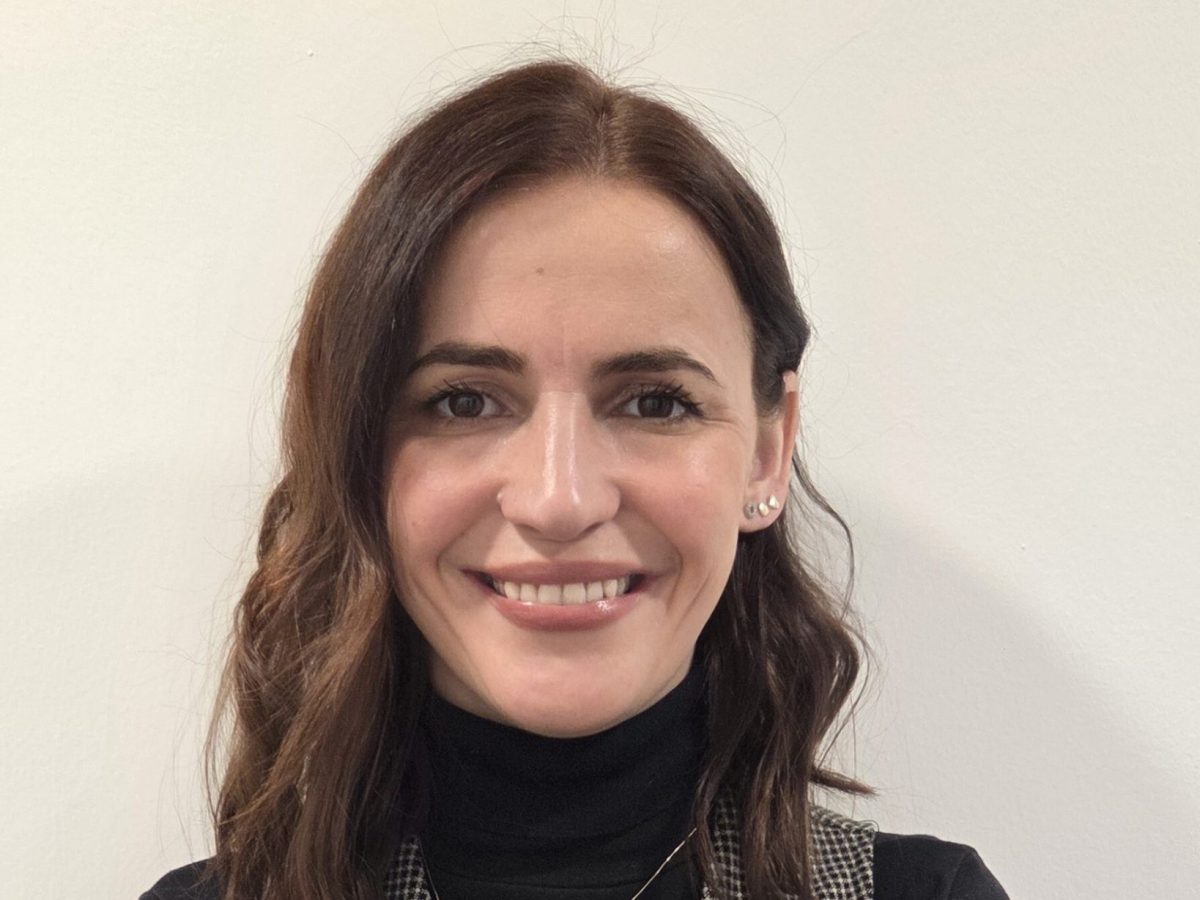
Donjeta Berisha

Donjeta joined BIRN Hub in December 2024 as Programme Manager for the Investigative Reporting Initiative (IRI).

Based in Pristina and working with the Hub’s Sarajevo office, she plays a central role in driving BIRN’s flagship programme for high-impact investigative journalism.

Donjeta leads the strategic planning and execution of the IRI programme, ensuring its smooth and efficient operation across all levels. Her work focuses on developing bold investigative project ideas, overseeing their full implementation, and aligning them with BIRN’s broader editorial and organisational goals. With a strong focus on quality assurance and impact, she manages the coordination of projects within the programme, making sure they stay on track, meet deadlines, and achieve their objectives.

She also manages BIRN’s flagship Summer School of Investigative Reporting, one of the region’s most respected training events for emerging journalists. The programme brings together award-winning trainers, cutting-edge tools, and cross-border collaboration opportunities, strengthening the next generation of investigative reporters across the Balkans and beyond.

Prior to joining BIRN, Donjeta managed the Kosovo Women’s Fund (KWF) at the Kosovo Women’s Network (KWN), where she oversaw the entire grant cycle management, capacity-building initiatives, and team leadership. She supervised all aspects of the fund’s operations, ensuring the effective distribution of over 1 million euros, through hundreds of grants to women’s rights civil society organisations across the Western Balkans. Under her management, these initiatives benefited tens of thousands of individuals and supported significant policy changes, including the adoption of gender-responsive budgeting in municipalities and the development of gender equality action plans.

In addition to her managerial role, Donjeta brings several years of experience in public relations, having played a key role in organising numerous PR events and leading impactful online campaigns. Her communications expertise has been instrumental in raising awareness and strengthening stakeholder engagement.

Donjeta has been involved with the Kosovo Oral History Initiative since its early days, contributing significantly by filming the majority of interviews and actively participating in the organisation of exhibitions and related events. Her work has been vital in preserving and sharing the oral histories of Kosovo.

Alongside these roles, Donjeta has contributed as a mentor and engaged with various organisations throughout the Balkans, supporting women’s rights, community development, and youth empowerment initiatives.

Donjeta studied Media and Communication at UBT College in Pristina.

In addition to her native Albanian, she is fluent in English.

Azra Milic

Azra joined BIRN Hub in September 2024 as Programme Coordinator. She is based in BIRN HUB’s Sarajevo office.

Her main responsibilities include planning, organising and coordinating the implementation of digital rights projects, ensuring the programmes achieve their aims. She works closely with team members, monitors progress, identifies challenges, and ensures the smooth and timely delivery of activities.

Before joining BIRN, she was engaged in both the non-governmental and private sectors, working at the intersection of digital transformation, social engagement and community development. She has collaborated with international, regional and local organisations, with a focus on strengthening the digital capacities of individuals and organisations. Azra believes that digital literacy and equal access to technology are essential for inclusive and sustainable development.

Azra has also been involved in designing and implementing international youth exchange programmes aimed at countering hate speech, challenging prejudice and fostering mutual understanding among young people from diverse backgrounds.

Through her work, she has gained deep insight into the vulnerabilities that communities across the region face in the digital space. Her current role at BIRN reflects her continued dedication to promoting safer, more inclusive and rights-based digital environments.

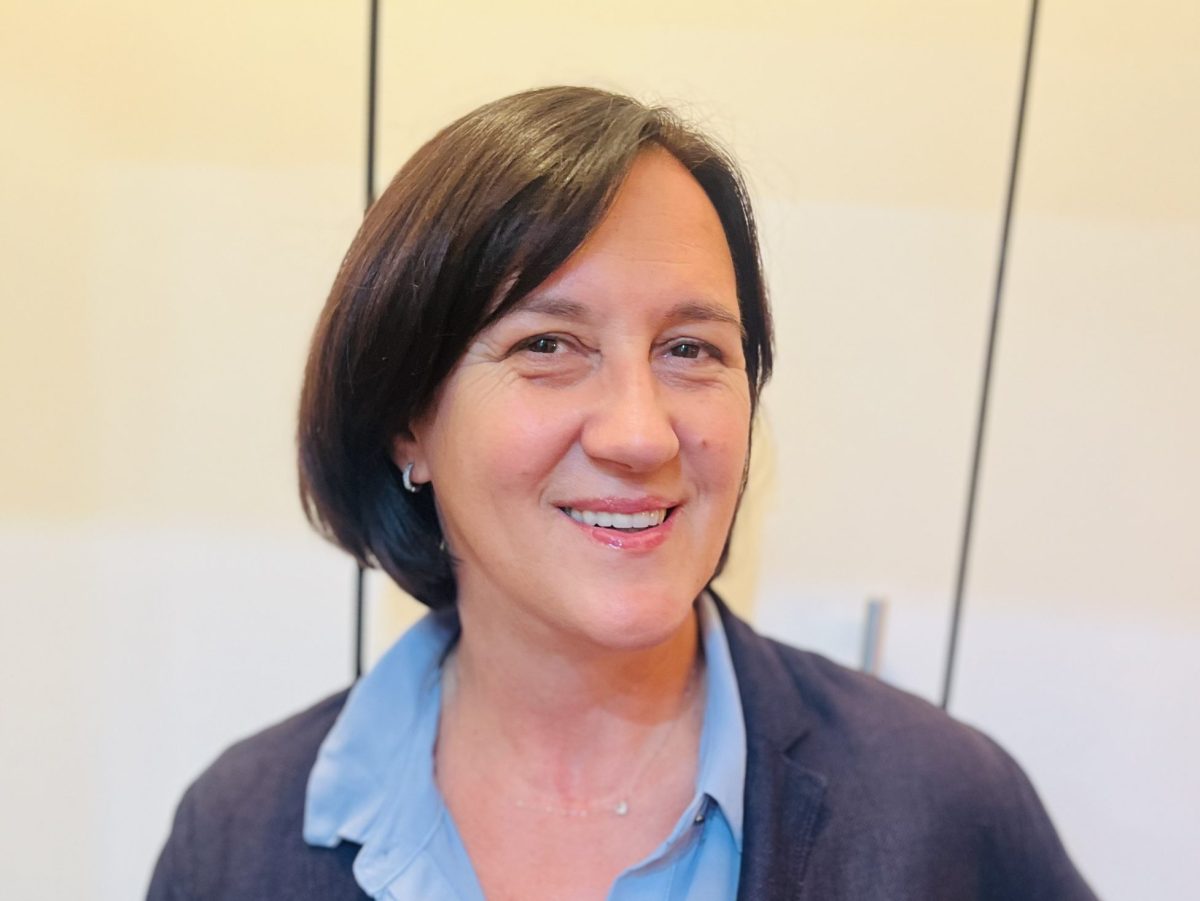
Merima Softic

Merima joined BIRN Hub in July 2025 as Head of Operations, based in BIRN Hub’s Sarajevo office, where she is responsible for leading the Operations Department, including Finance, HR, Administration, and Procurement.

Her key responsibilities include strategic leadership, developing operational systems and compliance frameworks, managing budgets, and supporting organisational development initiatives.  

Before joining BIRN, Merima held several senior roles in international NGOs, primarily with the Danish Refugee Council. She served as its Regional Finance Manager for the East Africa and Great Lakes region, Finance Coordinator for Emergency Response in Türkiye, and Support Services Manager in Bosnia and Herzegovina.

In these roles, she gained extensive experience in financial management, compliance, HR processes and operational leadership across multiple countries. Earlier in her career, she worked in banking and financial services, which strengthened her expertise in financial analysis.

Merima studied Accounting and Audit Management at the University of Zenica. She has also completed various professional training courses, including People Management, Accounting and Business Analysis at eCornell University. In addition to her native Bosnian, she speaks English fluently and basic German.

Jasna Junuz Soto

Jasna joined the BIRN Hub in December 2024 as Finance and Operations Manager, based in the Sarajevo office.

She plays a key role in supporting the organisation’s regional operations, with a strong focus on financial planning, monitoring and reporting. Her responsibilities include conducting regular financial analyses, ensuring compliance with internal and donor regulations, and managing a wide array of operational tasks – all helping to ensure the efficient and transparent functioning of BIRN Hub’s activities across the region.

Before joining BIRN Hub, Jasna built a professional background in the international NGO sector, with significant experience in financial management, operations, human resources and administrative processes. She previously worked at the Danish Refugee Council, where she was responsible for overseeing Support Services in Bosnia and Herzegovina. During her time there, she deepened her expertise in office and project operations, as well as HR systems and procedures, contributing to the smooth implementation of field programmes and internal support structures.

Jasna studied Economics at the University of Sarajevo, with a specialization in macro-financial management. In addition to her academic background, she has completed multiple professional development courses focused on finance and business operations. She is fluent in Bosnian and English.

Predrag Milic

Predrag joined BIRN Hub in May 2025 as a correspondent.

Based in Podgorica, he reports on daily developments for Balkan Insight.

He worked as a correspondent at Voice of America, VoA, where he was responsible for writing daily news, interviews, and feature stories. During this period, he also gained valuable experience in office management and project operations.

Predrag studied Foreign Languages at the University Mediteran and specialized at the University of Montenegro in Podgorica. His major was English. In addition to his formal education, he has attended various project-related and media-related courses/seminars.

Alongside his native Montenegrin, he speaks English and Italian.

Verica Recevic

Verica joined BIRN Hub in August 2025 as a Fundraising and MEL Manager.

She is engaged with the BIRN Hub Office in Sarajevo, supporting regional operations. Her main responsibilities include strategic fundraising and donor engagement while overseeing the network’s monitoring and evaluation systems.

Verica is a senior programme and fundraising specialist with over 25 years of experience in humanitarian and development work across the Western Balkans and Eastern Europe. She has led initiatives on protection, gender equality, socio-economic inclusion, public advocacy and governance, working with UN agencies, INGOs and donor consortia.

In her recent role in Moldova and Ukraine, Verica guided a strategic shift from emergency response to sustainable protection and economic empowerment, securing institutional funding and advancing localization. She has managed diverse donor portfolios, implemented multi-agency projects with partners, such as UNDP, WHO, UNOPS and IOM and has provided technical assistance to government institutions and civil society.

Her work combines evidence-based programme design with strong fundraising skills, informed by extensive research on migration, housing, livelihoods, disaster risk reduction and resilience. Verica’s strategic vision and regional expertise aim to strengthening BIRN’s ability to deliver impactful and regionally grounded interventions.

She studied at the University of Novi Sad, majoring in English Language and Literature. In addition to her formal education, Verica has taken advanced training in risk and crisis management, humanitarian negotiation and project management, while gaining certifications in gender-based violence response, migration governance, programme design and funding frameworks for multi-sector interventions.

Alongside her native Serbian, she speaks English and French.

BIRN Holds Training on Audience-Engaged Journalism Tool for Corruption Reporting

Three Montenegrin media outlets and three civil society organizations were trained on how to use the CER (Crowdsourcing Evidence, Engaging Citizens, Reporting Facts) tool in corruption-related investigations.

The online training held on August 7 aimed to equip the participants with practical skills and tools to create impactful, community-driven investigations related to corruption.

Karla Junicic, BIRN’s Hub Coordinator for Engaged Citizen Reporting, led the sessions and guided participants through the core concepts of engagement journalism.

Junicic introduced attendees to crowdsourcing techniques, storytelling approaches, and methods to identify and involve communities in journalistic work.

“Make sure to know the reasons behind your crowdsourcing and explain to your citizens what you’re looking for – their precise input and experiences are what fuels your stories,” she emphasised during the session.

Participants learned how to design and execute audience-engagement strategies, including pre-research, crafting callouts, design questionnaires, data analysis of responses, and produce stories based on community input.

Practical examples were shared from Balkan Insight and other regional outlets, covering topics such as the education system’s shortcomings, digital rights and social abuse cases– all demonstrating how marginalised voices can be amplified through engaged journalism.

The second segment of the training focused on the practical use of the Audience-engaged journalism tool for citizens reporting corruption (CER Tool), which BIRN developed to support secure, anonymous submissions of corruption and abuse reports. The tool is designed to bridge the gap between journalists and the public, enabling safer and more efficient communication and evidence-gathering processes.

In the final part of the training, participants drafted engagement-focused story ideas centred around corruption-related topics.

This training formed part of the project Society against Corruption in Montenegro and the Western Balkans region, which addresses the pervasive issue of corruption in the Western Balkans region, particularly focusing on Montenegro and Kosovo.

By enhancing citizens’ engagement, strengthening media and civil society reporting, and promoting accountability, the initiative aims to empower communities to combat corruption more effectively.

Through targeted subgrants, capacity building, investigative journalism and policy advocacy, the project seeks to raise awareness, foster constructive engagement, and drive tangible reforms in governance and anti-corruption practices across the region.

Meet the People Behind BIRN: Denis Dzidic

This year marks BIRN’s 20th anniversary. From exposing corruption to promoting human rights, BIRN’s investigative journalists collaborate across borders to find out the facts and tell people’s stories.

Denis Dzidic joined BIRN in 2008. After working as a journalist, deputy editor and chief editor for BIRN Bosnia and Herzegovina’s flagship website Detektor.ba, he was named Executive Director on October 1, 2019.

Before BIRN, Dzidic worked as a journalist for Oslobodjenje daily newspaper and for the Institute for War and Peace Reporting, IWPR, both in Sarajevo and The Hague. There, he reported on transitional justice issues and war crimes. It was then, while he was starting an internship in IWPR, that he first heard about BIRN.

“It was about the time when BIRN was first being created by a group of amazing women reporters. I knew of Nerma Jelacic, and her courageous reporting on war crimes in Bosnia and Herzegovina and the legacies of the conflict. I was just starting my career after finishing university in Sarajevo. I worked at a daily newspaper for a year and wanted to try something different, so I decided to apply for an IWPR internship – and the work that Jelacic and BIRN were doing was quite inspiring,” he recalls.

Speaking of his expectations when he joined BIRN in August 2008, and whether he has met them, he says: “It’s been a way for me to ensure that transitional justice reporting, focusing on victims’ rights and marginalized groups, are at the heart of my professional life.

“Yes, it has met my expectations and has easily overpassed them. As you start in journalism in Sarajevo, it’s not easy to foresee that one day you will train journalists in warzones on war crimes reporting – that you will get to lead a group of young professionals who are dedicated to the rule of law, human rights, digital and cyber threats, and finally that you will build an archive which will be the only coherent narrative about the 1990s in Bosnia and Herzegovina.”

This year, the Balkan Investigative Reporting Network of Bosnia and Herzegovina, BIRN BiH, was a strategic partner to the Srebrenica Memorial Centre in marking the 30th anniversary of the genocide.

It has been a hectic period that’s included working on documentaries, multimedia pages and a memorial room. There was also an exhibition of survivors’ testimonies, “From Words to Violence: Lives Behind the Fields of Death”, at UN headquarters in New York.

Dzidic explains what this means to him personally, to BIRN BiH and the whole network.

“One of the key issues Bosnia and Herzegovina as a country, and the region, face is historical revisionism, denial of war crimes and glorification of war criminals. We have seen rampant, systematic and often internationalized campaigns in the past few years to deny the Srebrenica genocide, which was confirmed by rulings of the World Court, the ICTY and domestic courts,” he recalls.

“The opportunity for BIRN BiH to contribute to this year’s commemoration with the Srebrenica Memorial Center has been the proudest moment of my professional career. It was an opportunity to utilize experience gathered over more than 20 years of work, of telling personal stories of victims, to make sure that the voices of those who survived and were killed in the genocide are precisely those whose voices are heard in Srebrenica, Sarajevo, but also at the UN in New York,” he adds.

“This year, we also opened a permanent Memorial room in Potocari, called Lives Behind Fields of Death. I can tell you how much it means to BIRN BiH only by telling you what it means to my colleagues, to the people I am honoured to work side by side with every day. Everyone who could spare a moment came to Srebrenica that day. I hope that for the network, this was a full circle – going back to what the network primarily reported about, and still does,” Dzidic says.

Many war victims tell their tragic stories to BIRN BiH’s journalists. Reporting on war crimes in Bosnia is difficult for journalists who must approach victims with caution and sensitivity. Yet, BIRN BiH’s journalists don’t hesitate to work on some of the worst stories about war crimes.

Dzidic unpacks what motivates them to continue their work, and how they cope with all these stories and the victims’ tragic fates.

“From the outset, BIRN BiH was the only news agency monitoring every hearing in every war crime case. It is part of our mission to be an agency that gives voice to those whose voice is so often unheard and degraded, who are victims of the Bosnian War,” he says.

“In terms of coping, it is not always easy. We have set up systems of support, both internally and externally, and this is not something we shy away from; it is an open discussion in our office and one we take seriously. One cannot simply listen to all the worst wartime sufferings and be immune to them. It takes its toll, but the reward of being a media of the people and for the people of this country is what gives us belief,” Dzidic adds.

Besides this, there are other obstacles that BIRN BiH must cope with in its work.

“In the past few years, we have had threats; the Sarajevo court sentenced an individual to three months in prison for threatening our newsroom; we have had SLAPP suits – one, bizarrely, was for following a trial, and we have had institutional pushback, including silence to our FOIA requests. In terms of personal work, we deal with the most complex topics, which sometimes leads to fatigue, burnout, and other related issues,” he says.

“Bosnia and Herzegovina has become a far less free place to work – one part of the country has criminalized defamation and introduced a law on foreign agents, while the other part has sought to give the right to the police to decide what is fake news, and our institutions are more and more corrupt and under political pressure.

“I wouldn’t say we have beaten any of these issues but we address them daily and keep working. We see our role to be the light of the people, to be a free voice, where they can see the truth and where their voices can be heard. That keeps us going,” Dzidic explains.

And as part of their recent focus on education, BIRN BiH recently signed a collaboration deal with the International University of Sarajevo to enhance mutual activities and information exchange.

“Namely, as a result of our 20 years’ work on transitional justice, we are trying to do more in advocacy, especially in relation to education in the country,” he says.

“The [educational] curricula on the Bosnian war are divisive and hateful, and some even contain glorifications of convicted war criminals. We are developing a database of court-determined facts and trying to prepare a handbook on how to use it to teach children about the war in a factual manner. The project is still in the early phases, but nothing is more important than factually teaching children,” Dzidic says.

Speaking of BIRN BiH’s flagship website, Detektor.ba, Denis explains why they recently decided to redesign it.

“We redesigned the website at the start of this year due to our strategic focus on having more multimedia outputs. Basically, we are the only media NGO producing two monthly TV shows. We also have other video materials just for the website and social media, such as explainers and short videos. These significantly increase our reach, especially among younger audiences,” Dzidic says.

He sees BIRN continuing its growth and cementing its role as a leading media watchdog fighting for the everyday rights of the region’s people.

“Without media support for factual reporting and without a voice for the people, the region will remain stuck on its EU and reform path. I think the people in BIRN individually have proven they are passionate, reliable and informed enough to be that voice,” he says.

“BIRN means the promise of a better future. With the amount of corruption and nepotism, abuse of human rights and ignoring suffering we see every day, it would be so easy to join the hundreds of thousands who leave my country with no hope of a better future. This is my place to fight for a better hometown, a better country, a better region. I want that for my son,” he declares.

At the end of each day, Denis likes spending his spare time with his son the most. “My favourite way to spend any moment outside work is time with my four-year-old son, Noa,” he concludes.