Open Call for Applications

Training Session for Civil Society, Journalists, and Researchers on Transitional Justice, war crimes, and responsible media reporting

About the project: 

The project “Reconcile”, supported by the European Union, is being implemented by BIRN Hub and BIRN Kosovo and is taking place in Kosovo as well as in several other Western Balkan countries. This project represents an additional effort to increase discussion on transitional justice and dealing with the past in Kosovo and across the Western Balkans more broadly. The project aims to strengthen reconciliation and non-recurrence by empowering diverse communities in the Western Balkans, with a focus on training media professionals, public institutions, and students, by providing them with specialized knowledge on topics such as war crimes, judicial processes, reporting ethics, the role of the media in documenting the truth, as well as the impact of hate speech and disinformation in distorting the truth.

About the training

The training aims to provide participants with theoretical knowledge and practical skills on:

    • War crimes and international legal standards 
    • Transitional justice mechanisms and accountability 
    • Ethical principles and challenges in reporting on sensitive issues 
    • The role of the media and civil society in shaping public opinion
  • Professional standards and fact-based reporting

Who can apply?

The call is open for:

  • Journalists and media professionals
  • Representatives of civil society organizations
  • Researchers and professionals working in the field of human rights or transitional justice

BIRN Kosovo encourages interested individuals from non-majority ethnic communities, without distinction, to apply and participate in the student training session, in line with the principles of equality and inclusiveness.

Applicants must demonstrate:

    • Interest or experience in the topics of war crimes, transitional justice, or media reporting
  • Motivation to apply the acquired knowledge in their professional or academic work

When and where will the respective training sessions be held?

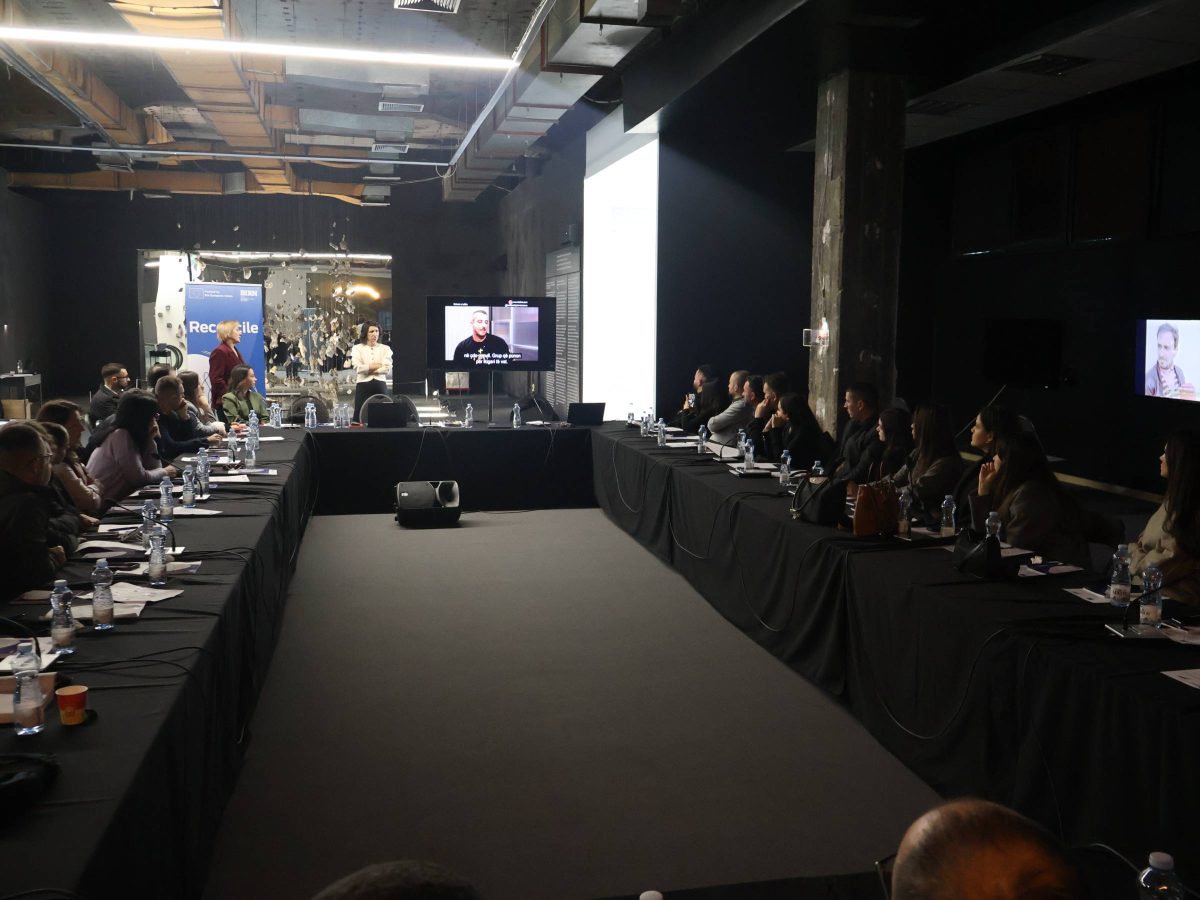
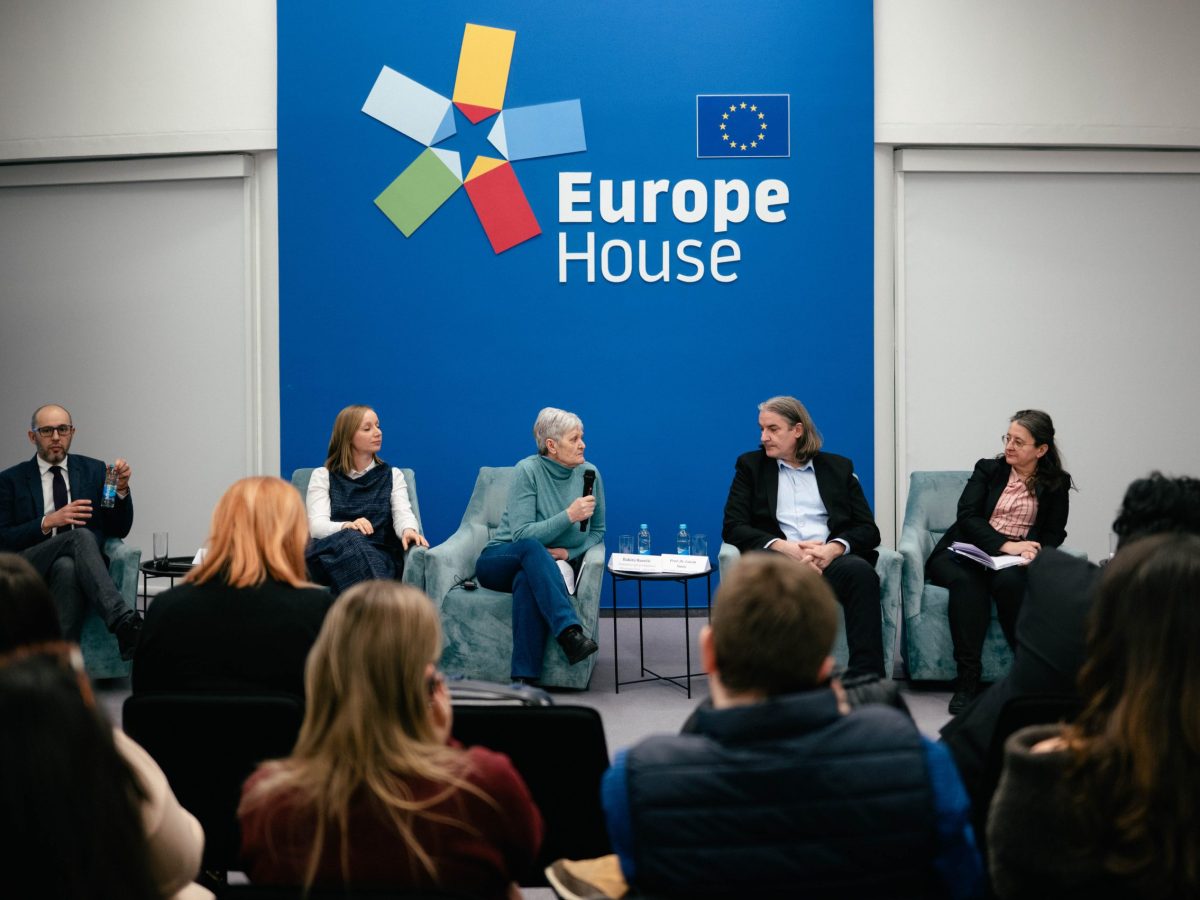
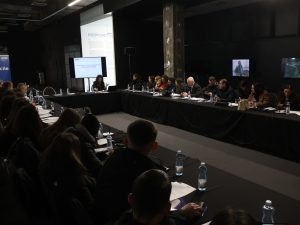
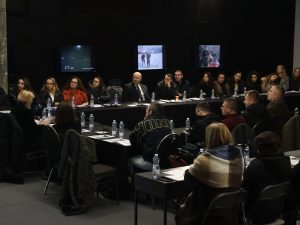
The training session for representatives of civil society, journalists, and researchers will be held on 12 January 2026 at the Reporting House Museum, Prishtina.

Applicants may apply only for the region they come from, through the Google application form.

Selection of participants:

Selection will be based on:

  • The relevance of the applicant’s professional or academic profile to the respective training
  • Motivation to participate
  • Experience or interest in the thematic areas

During the selection process, gender equality and inclusiveness will be taken into account, in line with EU principles.

How to apply?

Interested individuals are invited to complete the online application form at this link, depending on the group they belong to.

  • Application form for the student session – University of Prishtina and other non-public universities in Prishtina
  • Application form for the student session – University of Prizren

Language of the training: The training sessions in the field of transitional justice will be conducted in Albanian; interpretation will be provided for participants. 

Application deadline: 08.01.2026

Only selected participants will be contacted.

BIRN Kosovo Trains Media Professionals on Ethics, Fact-Checking, and Responsible Reporting

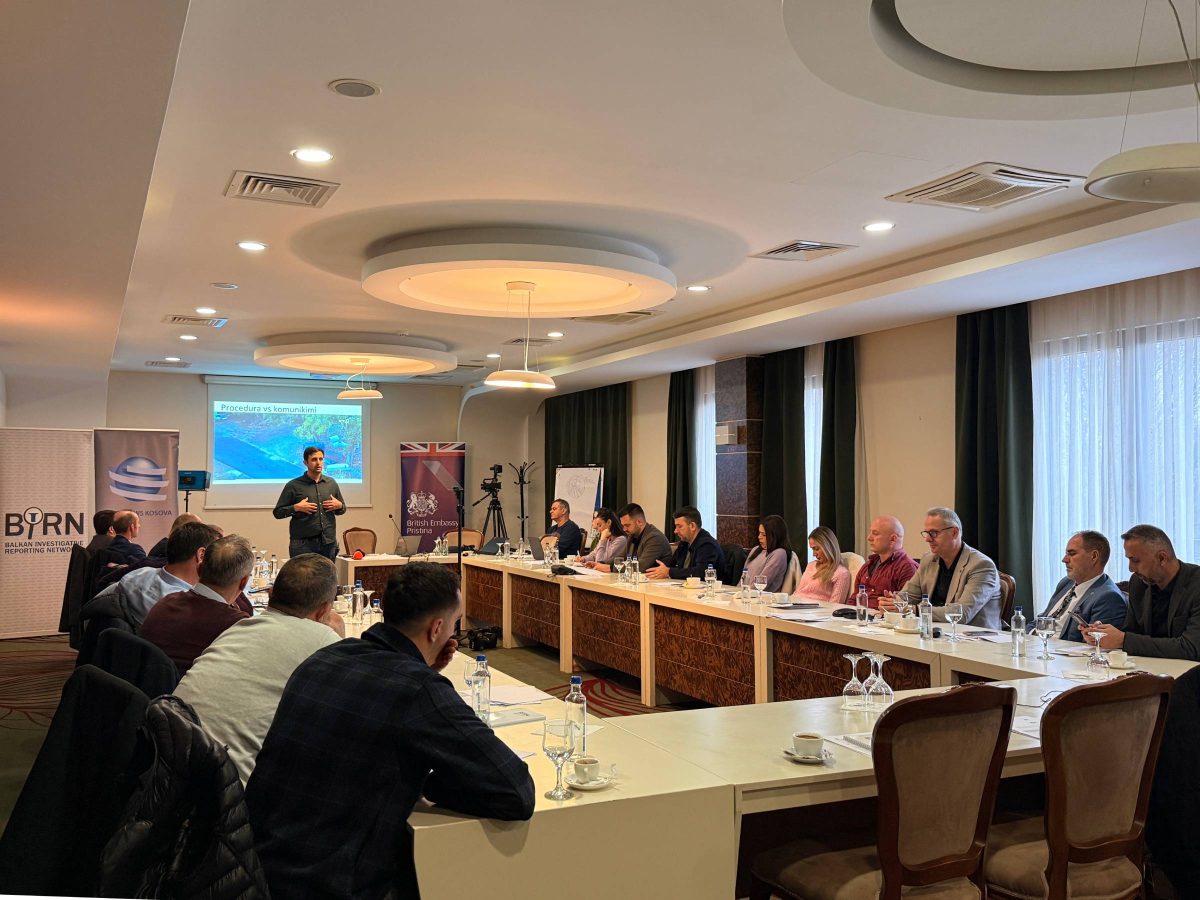
BIRN Kosovo organized a one-day training in Prishtina bringing together journalism students, journalists and media professionals to strengthen responsible journalism, gender-sensitive reporting, professional ethics, and fact-based reporting. The training aimed to enhance journalistic standards and address key challenges facing the media sector in Kosovo.

The training held on December 22, 2025, focused on improving journalists’ understanding of ethical decision-making, legal safeguards, and verification practices in an increasingly complex media environment.

The first session addressed gender-sensitive journalism and safety in reporting. Participants discussed the representation of women in the media, approaches to reporting on gender-related issues, and legal and professional safety when reporting from crisis or hostile environments. The session was delivered by were shared by Kreshnik Gashi, Editor-in-Chief of KALLXO.com, giving practical examples from the field.

The second session focused on media regulation and professional ethics. Participants were introduced to the legal and regulatory framework governing media in Kosovo, media ownership and financial transparency, and access to public documents. The session was delivered by Labinot Leposhtica, Monitoring Coordinator and Head of the Legal Office at BIRN Kosovo. 

The discussion further delved into professional journalism ethics, examining real-life dilemmas and the decision-making processes journalists encounter in their daily work.

The final part of the training focused on fact-based reporting and verification standards. Participants were introduced to international fact-checking methodologies and tools used to verify photos and videos, followed by practical exercises. The sessions were led by Visar Prebreza, Editor at Krypometër.

Through a combination of expert-led sessions and hands-on exercises, the training reinforced the importance of ethical, accurate, and responsible journalism, highlighting BIRN’s ongoing commitment to strengthening media professionalism and public trust in journalism in Kosovo.

This activity is supported by the EU-funded project “Strengthen the Role and Capacities of Investigative Journalism in Kosovo”, implemented by BIRN Kosovo, the Press Council of Kosovo, and TV Mreža.

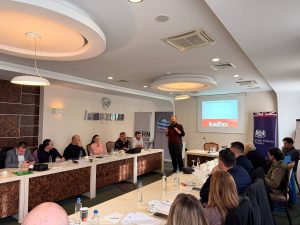
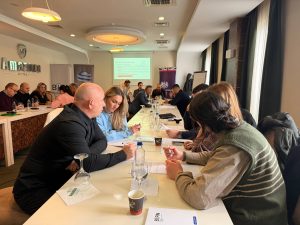
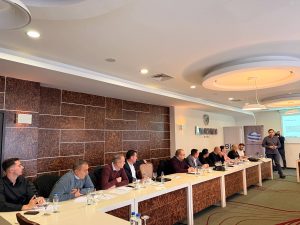
BIRN Kosovo held a training on the Role of the Local Level in Countering Extremism and Terrorism

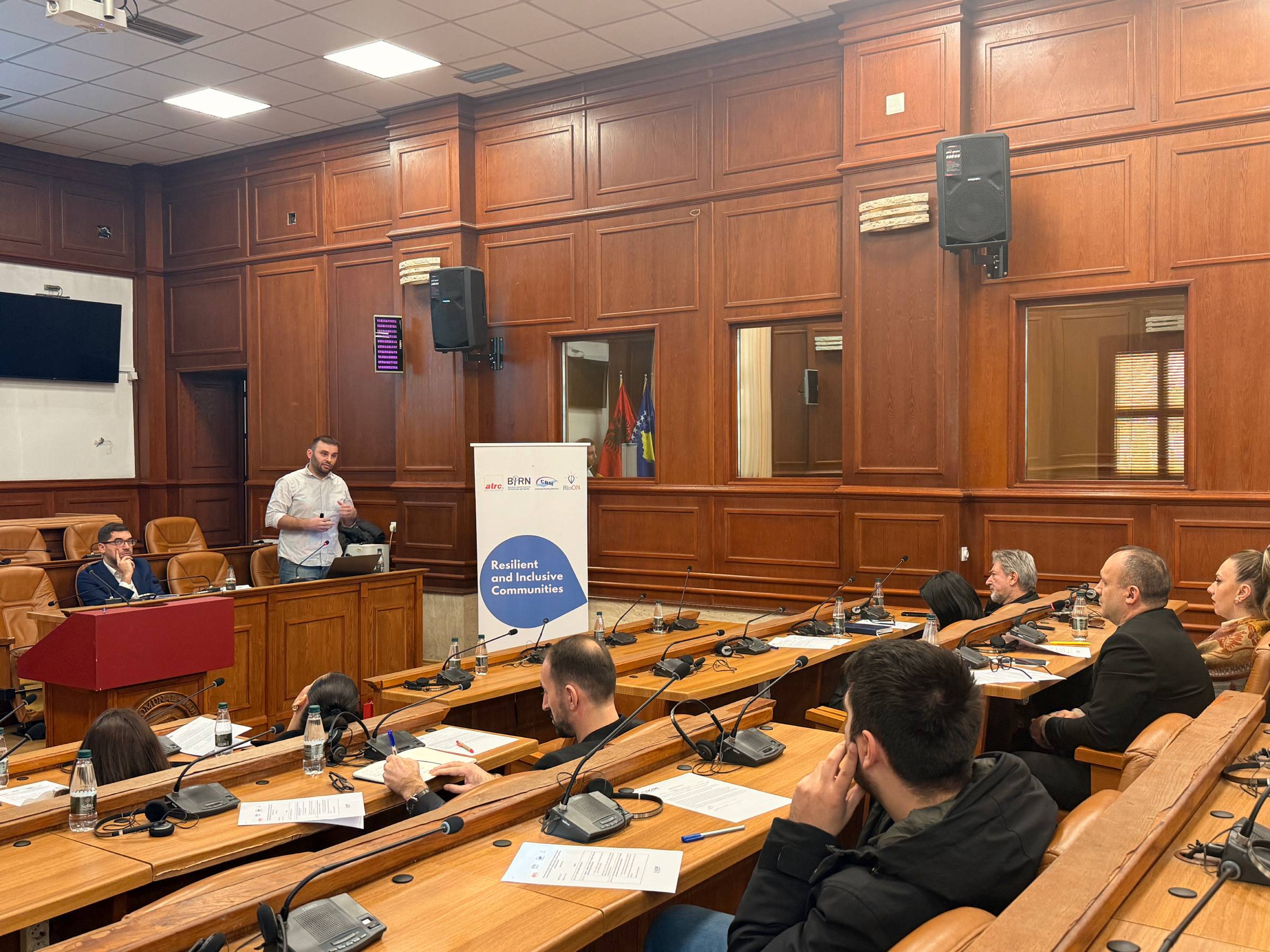
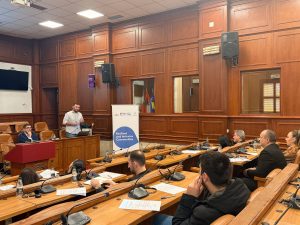
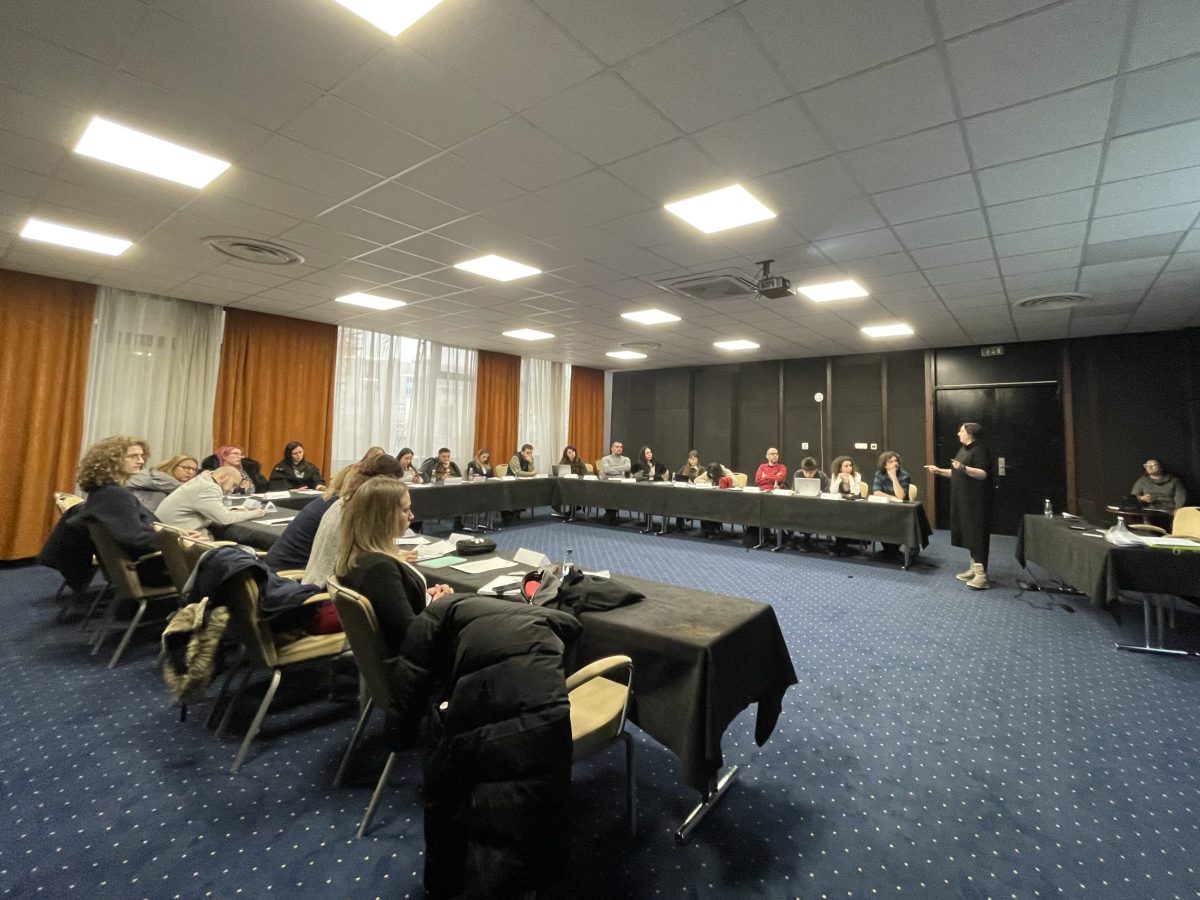
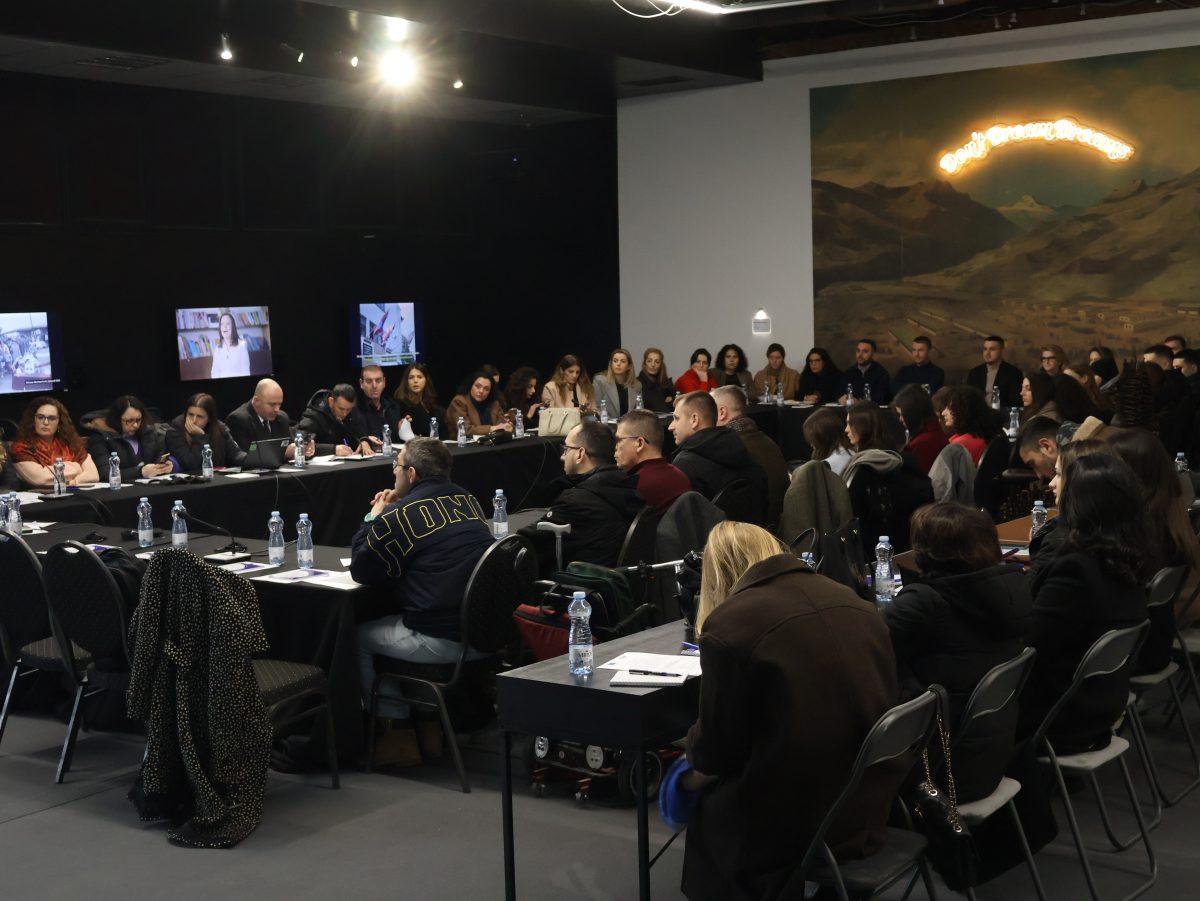
On December 23, 2025, BIRN Kosovo conducted a one-day training session for officials from the Municipality of Peja/Pec to deepen their understanding of the State Strategy for Preventing and Countering Terrorism and to strengthen their capacity to tackle extremism in Kosovo.

The training was provided to officials of the Municipality of Peja/Pec, including assembly members and other officials, to address various forms of extremism and terrorism, with a focus on the strategic goals set out in the Strategy.

Present were Labinot Leposhtica, the Legal Office and Monitoring Coordinator at BIRN Kosovo and a member of the Working Group for the National Strategy for Preventing and Countering Terrorism, and Milot Sfishta, an official from the Department for Reintegration of Repatriated Persons and Integration of Foreigners at the Ministry of Internal Affairs.

Labinot Leposhtica emphasized the crucial role of local communities in combating extremism and terrorism and stressed the immediate need for the Strategy to be implemented at the regional level. Milot Sfishta provided an overview of the current situation regarding returnees and the work undertaken by the institutions. Speakers emphasized that local authorities play a vital role in achieving the Strategy’s goals and that their involvement is crucial to preventing violent extremism. 

During the training, the participants were very active in discussing various cases, such as political terrorism, many attacks that occurred in the past years in Kosovo towards critical infrastructure, such as the Iber-Lepenc case, the Badovci Lake, and other cases, such as  Banjska and the fragility of the overall security situation, which requires attention of all, regardless of political parties.  

Photo: BIRN Kosovo

The participants were very familiar with violent extremism cases and people involved in the past, when they joined foreign fights. Underlying ideologies and economic factors were two of the main reasons why they joined the war in Syria. Moreover, participants reached a shared agreement on the urgent need for further action, particularly focused on youth. There was a growing concern that young people may be influenced by incidents that have occurred in the region in recent years, highlighting the importance of using their roles and elected representatives within the Peja/Pec community to more actively address and prevent such developments.

27 participants attended the event, out of whom 12 were women.

The training was part of the Resilient and Inclusive Community Programme, funded by the Global Community Engagement and Resilience Fund (GCERF), through the Advocacy Training and Resource Center (ATRC), and implemented by BIRN Kosovo.

Photo: BIRN Kosovo

Training for students on Transitional Justice, war crimes, and responsible media reporting

Open Call for Applications

About the project: 

The project “Reconcile”, supported by the European Union, is being implemented by BIRN Hub and BIRN Kosovo and is taking place in Kosovo as well as in several other Western Balkan countries. This project represents an additional effort to increase discussion on transitional justice and dealing with the past in Kosovo and across the Western Balkans more broadly. The project aims to strengthen reconciliation and non-recurrence by empowering diverse communities in the Western Balkans, with a focus on training media professionals, public institutions, and students, by providing them with specialized knowledge on topics such as war crimes, judicial processes, reporting ethics, the role of the media in documenting the truth, as well as the impact of hate speech and disinformation in distorting the truth.

About the training

The training aims to provide participants with theoretical knowledge and practical skills on:

    • War crimes and international legal standards 
    • Transitional justice mechanisms and accountability 
    • Ethical principles and challenges in reporting on sensitive issues 
    • The role of the media and civil society in shaping public opinion
  • Professional standards and fact-based reporting

Who can apply?

The call is open for:

  • Bachelor’s level students in Law, Political Science, and related fields in the social sciences 
  • Master’s level students in Law, Political Science, and related fields in the social sciences

BIRN Kosovo encourages interested individuals from non-majority ethnic communities, without distinction, to apply and participate in the student training session, in line with the principles of equality and inclusiveness.

Applicants must demonstrate:

    • Interest or experience in the topics of war crimes, transitional justice, or media reporting
  • Motivation to apply the acquired knowledge in their professional or academic work

When and where will the respective training sessions be held?

For the target group: Students, two one-day trainings will be held, focusing on students from the University of Prishtina and the University of Prizren, while the call remains open to other private universities in these two municipalities as well.

  • 8 January 2026 – Students from Prishtina (University of Prishtina and others)
  • 9 January 2026 – Students, University of Prizren and other public universities

The training sessions will be held at: Reporting House Museum, Prishtina.

Applicants may apply only for the region they come from, through the Google application form.

Selection of participants:

Selection will be based on:

  • The relevance of the applicant’s professional and academic profile to the respective training
  • Motivation to participate
  • Experience or interest in the thematic areas
  • Willingness to learn and share experiences in this field

During the selection process, gender equality and inclusiveness will be taken into account, in line with EU principles.

How to apply?

Interested individuals are invited to complete the online application form at this link, depending on the group they belong to.

  • Application form for the student session – University of Prishtina and other non-public universities in Prishtina
  • Application form for the student session – University of Prizren

Language of the training: The training sessions in the field of transitional justice will be conducted in Albanian; interpretation will be provided for participants. 

Application deadline: 05.01.2026

Only selected participants will be contacted.
_______________________________________________________________


Montenegrin Parliament’s Anti-Corruption Committee Discusses BIRN Reports on Company Misspending

On December 17, the parliamentary Anti-Corruption Committee discussed BIRN Montenegro’s reports on the spending practices of state-owned transport companies and several regulatory and other institutions of special importance.

The Committee called for greater transparency in the operations of state-owned transport companies and regulatory agencies to reduce corruption risks.

BIRN Montenegro programme manager Jelena Mitrovic said the reports showed that most state-owned companies and agencies lack transparency when it comes to the use of public funds.

“Some institutions found it more convenient not to reply to our FOI requests than to provide documentation about their operations. Some formally accepted our requests but never delivered the information, instead referring us to public registries,” Mitrovic said. 

Mitrovic noted that the reports revealed abuses in the payment of severance packages and housing loans to managements, adding that such practices should be regulated through amendments to the law. She called for clear rules on the amounts state-owned companies and agencies may allocate for sponsorships and donations.

Minister of Transport Maja Vukicevic said state-owned transport companies are changing their approach to donations.

“Leaders of state-owned companies must act responsibly, and it is not logical for companies operating in the red to distribute donations. Yet we have seen such practices in the past,” Vukicevic said.

During a four-month monitoring period, BIRN Montenegro tracked the spending of seven regulatory agencies: the Agency for Electronic Communications and Postal Services (EKIP), the Energy and Regulated Utilities Agency (REGAGEN), the Insurance Supervision Agency, the Civil Aviation Agency, the Capital Market Commission, the Institute for Medicines and Medical Devices (CINMED), and the Development Bank of Montenegro.

Over eight months,  BIRN Montenegro reviewed the spending practices of eight state-owned transport companies: Airports of Montenegro, national airline ToMontenegro, Monteput, Montecargo, the Port of Bar, the Port of Kotor, Crnogorska Plovidba, and Barska Plovidba.

Kosovo Journalists Awarded for Outstanding Fact-Checking Work

The Association of Journalists of Kosovo (AJK) and BIRN Kosovo, through a joint initiative launched the “Award for Fact-Checking Journalism in Kosovo”, recognising outstanding reporting that exposes disinformation, raises public awareness about information disorders and debunks harmful and manipulative narratives.

On December 15 in Prishtina, AJK, BIRN Kosovo and Internews Kosova awarded three Kosovo journalists for their exceptional contributions to fact-checking journalism, as part of the “Media Integrity and Disinformation Watch project,” with the support of the British Embassy in Kosovo. 

British Ambassador Jonathan Hargreaves, BIRN’s executive director Jeta Xharra and University Professor Dren Gërguri delivered the awards. 

First prize was awarded to Fitim Gashi of Sbunker for an investigation into coordinated disinformation campaigns conducted through Serbian and Russian-language Telegram channels, targeting the Serbian community in Kosovo. The investigation documented the cyclical spread of hate speech and disinformation, including intimidation, threats, and stigmatization of anyone cooperating with Kosovo’s institutions. It highlighted the instrumentalization of historical narratives to foster fear and deepen societal divisions.

Second prize was awarded to Sandra Cvetković of Radio Free Europe for two interconnected investigations into the role of Russian state media in shaping political narratives in Kosovo. The research revealed preferential treatment of the Belgrade-backed Serbian List, marginalization of other Serbian political actors and unsubstantiated portrayals of Kosovo institutions and Western partners as persecutors of Serbs. The analysis situates these narratives within the broader context of Russian hybrid influence in the Western Balkans.

The third prize was awarded to Xhezair Dashi and Arbër Ramadani of Nacionale for their investigation into the use of fake Facebook profiles, presenting themselves as women, to disseminate political propaganda during the February 9, 2025, election campaign. Through a combination of written reporting and video content, the journalists identified the operational patterns, interaction strategies and reach of these deceptive accounts. 

The Fact-Checking Journalism Award marks a significant step in strengthening professional journalism in Kosovo, honouring journalists who uphold accuracy, accountability and the public interest in an increasingly complex information environment.

Bosnian Detektor Journalists Awarded for Reporting on Srebrenica Elderly

Journalists Azra Husaric Omerovic and Lejla Memcic Heric are this year’s recipients of an award for professional reporting given by the Nas Most Association, for a photographic report on Srebrenica mothers who restored their village by their own will and means.

Husaric Omerovic and Memcic Heric received the award for their photographic report, “How Mothers Have Rebuilt Village Burned to the Ground”.

At the award ceremony in Zenica, the jury stated that this was a powerful and emotional report that documented the resistance, dignity, and perseverance of elderly women in the process of returning to and rebuilding a ruined village. 

Memcic Heric said this recognition was significant for them both professionally and personally, explaining that she and Husaric Omerovic made the story as part of Detektor’s reporting on the 30th anniversary of the Srebrenica genocide and that, while doing that, they came to a village where they met two women who were among the few still living there. 

“We wanted to write this story so as not to present the two elderly women as victims, but as women who had rebuilt that village by their will, strength and financial investments, portraying them as they deserved,” Memcic Heric said.

Husaric Omerovic added that Detektor reports on elderly people on a daily basis, because they are part of society and drivers of certain changes through transitional justice and culture of remembrance. 

“These are mostly returnee villages, where elderly people have returned, trying to sustain life, just like the two women in our story who wanted to bring life back to the burned village in which all the men were killed in the genocide, and the women and children were expelled. They returned with a desire to bring back life and memory of what it looked like while their loved ones were still alive,” she said. 

Husaric Omerovic added that they had tried to bring back and preserve this memory for the sake of future generations, and also to leave a permanent monument in some way. 

“We wanted to show the true strength of an elderly person to preserve what they know was valuable while alive,” Husaric Omerovic pointed out.

Zdena Saric, president of the Nas Most Association, which seeks to socially engage the elderly through culture and art, presented plaques to the winners on behalf of the Association. They were also given paintings created by members of the Association. 

In addition to this award, recognition was given to Mirjana Pavlovic, a journalist from Nova TV, for continuous reporting on the elderly through a series of television coverages. 

BIRN Albania Holds University Lectures on Digital Rights

The Balkan Investigative Reporting Network (BIRN) Albania held two lectures at Albanian universities in December, focusing on digital rights and freedoms and drawing on findings from its monitoring and reporting work.

The first lecture took place on December 2 at Aleksander Xhuvani University in Elbasan, where BIRN Albania’s Programme Manager, Bylyre Serjanaj, presented key findings from BIRN’s monitoring of digital rights violations in 2025. The lecture was attended by 38 students from the Departments of Journalism and Information Technology.

The second lecture was held on December 12 at the European University of Tirana, where experts Megi Reci and Daniel Prroni introduced law students to BIRN’s work on monitoring and reporting digital rights violations. The event was attended by 33 students.

The lectures were part of BIRN’s three-year project, ‘Reporting Digital Rights and Freedoms’, funded by the European Union and implemented by BIRN Kosovo together with its regional partners: BIRN Hub, BIRN Albania, BIRN Bosnia and Herzegovina, BIRN Macedonia, BIRN Montenegro, and BIRN Serbia, across the Western Balkans region and Turkey.

The project aims to strengthen the capacity of media and civil society to document and report violations of digital rights and freedoms.

Photo: BIRN Albania


BIRN Launches SPEAK: New Platform for Reporting Surveillance and Censorship Abuses

On December 12, the Balkan Investigative Reporting Network launched SPEAK, a new platform designed to report abuses of surveillance and censorship in the Western Balkans.

The region faces a surge in surveillance and censorship practices that have profound implications for freedom of speech, human rights and democracy. BIRN’s report from April 2025,  “Surveillance and Censorship in the Western Balkans”, highlighted the urgent need for a safe and accessible reporting mechanism. SPEAK was created to meet this need – a secure space where individuals can report abuses of surveillance and censorship.

What is SPEAK?

SPEAK allows users to safely and anonymously report abuses of surveillance and censorship across the Western Balkans, in Albania, Bosnia and Herzegovina, Kosovo, Montenegro, North Macedonia and Serbia. As BIRN also monitors digital rights violations in Romania, Hungary, Turkey, and Croatia, submissions from these countries are welcome as well.

The platform empowers users to speak out against illegal surveillance and censorship. All submissions are reviewed by BIRN, which may further investigate relevant information and include them in in-depth stories or ongoing research projects. This approach ensures that critical issues are brought to light and further examined.

How to report?

Reporting through SPEAK is simple and fully anonymous, using BIRN’s Engaged Citizen Tool (ECR) a dedicated questionnaire consisting of basic questions in required fields, where the user is asked to provide information describing the incident they are reporting. The ECR tool does not collect or store IP addresses or any personally identifiable information, ensuring full anonymity and data protection. Users are not required to provide any personal details, guaranteeing complete identity protection.

By using SPEAK, journalists, human rights defenders, civil society organisations and the general public can report violations without fear of retaliation. Highlighting and reporting these abuses helps to increase transparency, raise awareness, and strengthen human rights in the region.

Visit our new platform and learn how to report, what can be reported, and how the whole process works here.

This website was produced with the support of the Open Society Foundations – Western Balkans, as a part of Surveillance and Censorship in the Western Balkans project. The thoughts and opinions expressed herein belong to the authors and do not necessarily reflect the views of the Foundation.

BIRN Kosovo Screens Documentary on Election Disinformation

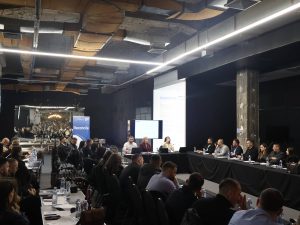
On December 8, 2025, BIRN Kosovo screened the documentary Disinformation Against Elections at Reporting House in Prishtina, Kosovo.

The documentary showcases how foreign information manipulation, interference and hate speech target Kosovo’s electoral processes. It illustrates the ways in which such campaigns undermine public trust in institutions, intensify polarization, and create additional obstacles for women participating in political life. 

The film aims to increase awareness among citizens and within institutions about the scale and consequences of disinformation and to contribute to strengthening society’s resilience to manipulation. It also serves as a source of evidence that can support public dialogue and shape practical solutions.

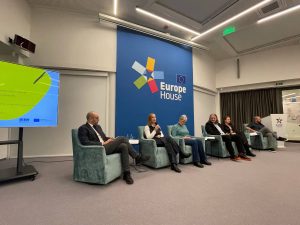
The screening was followed by a discussion with the British Ambassador to Kosovo, Jonathan Hargreaves, the Director of NDI Kosovo, Ambassador Nancy Soderberg and Jeta Xharra, Executive Director of BIRN Kosovo.

Referring to the documentary’s findings, Ambassador Hargreaves stated that the situation represents a serious warning, emphasizing the importance of exposing this issue. He noted that this challenge is neither unique to Kosovo nor unfamiliar to the United Kingdom.

Ambassador Soderberg said what stood out most to her was the extent to which Russian authorities operate openly in their disinformation campaigns, while stating the importance of media literacy in mitigating the challenges of today’s information space.

This event was organised in partnership with the National Democratic Institute in Kosovo, under the framework of the Information Integrity Conference DISICON. 

Photo: BIRN Kosovo

The documentary was produced and published under the “Media Integrity and Disinformation Watch” project, with the support of the British Embassy in Kosovo.