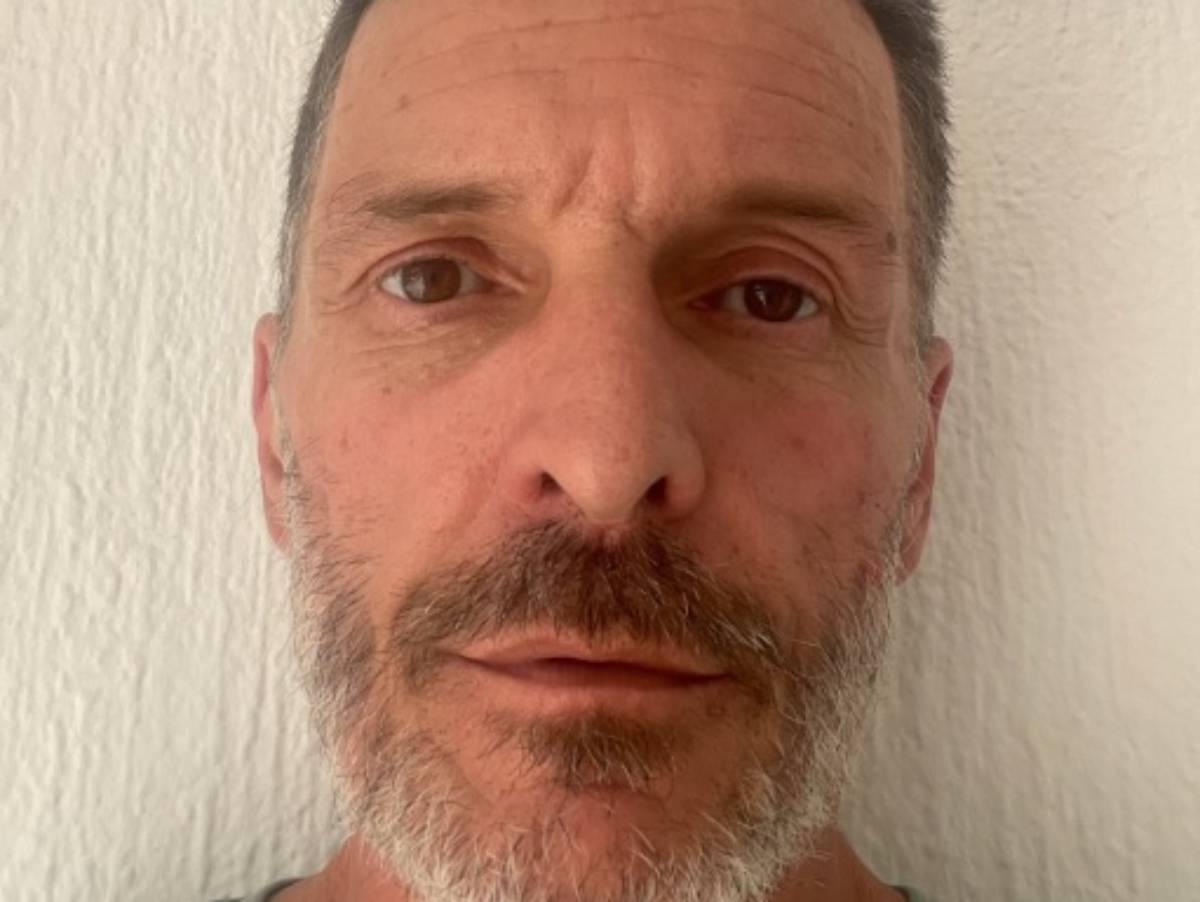
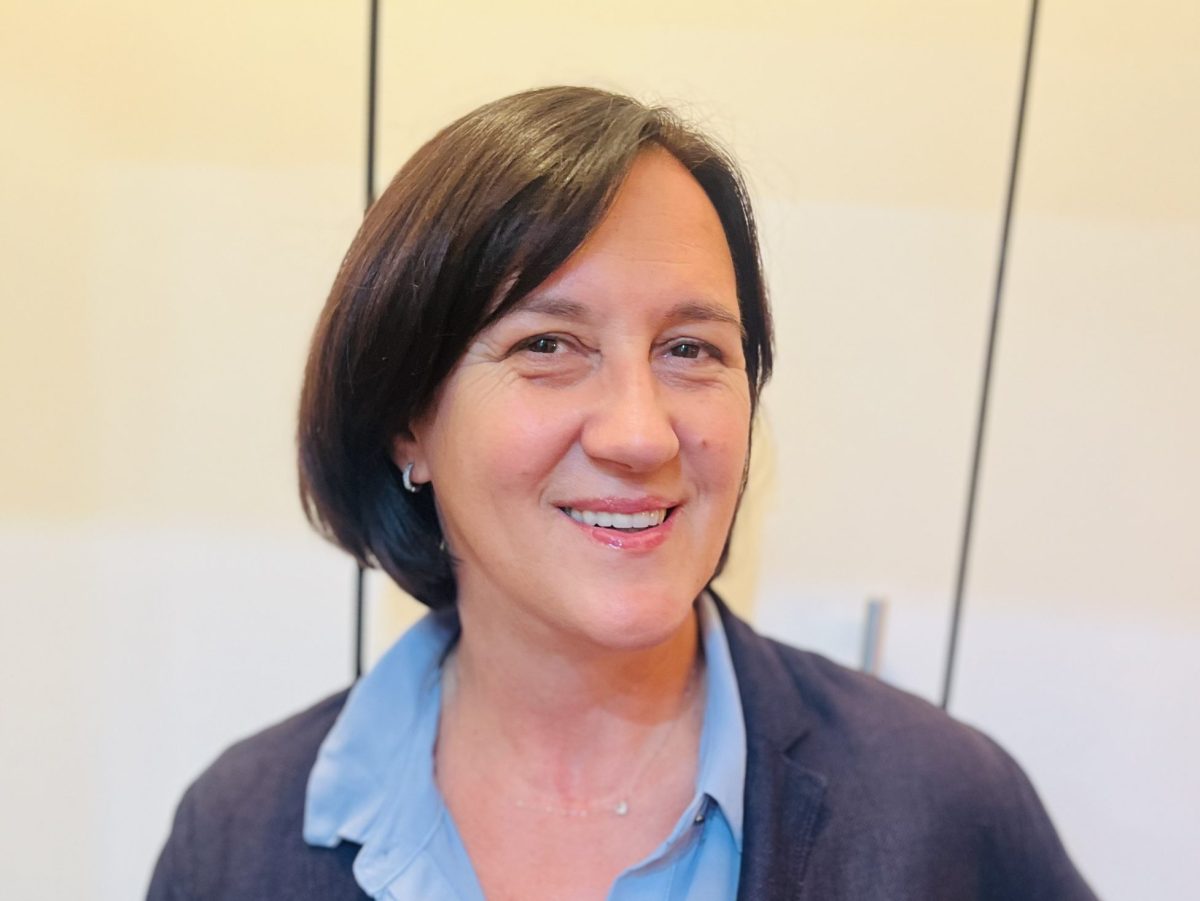
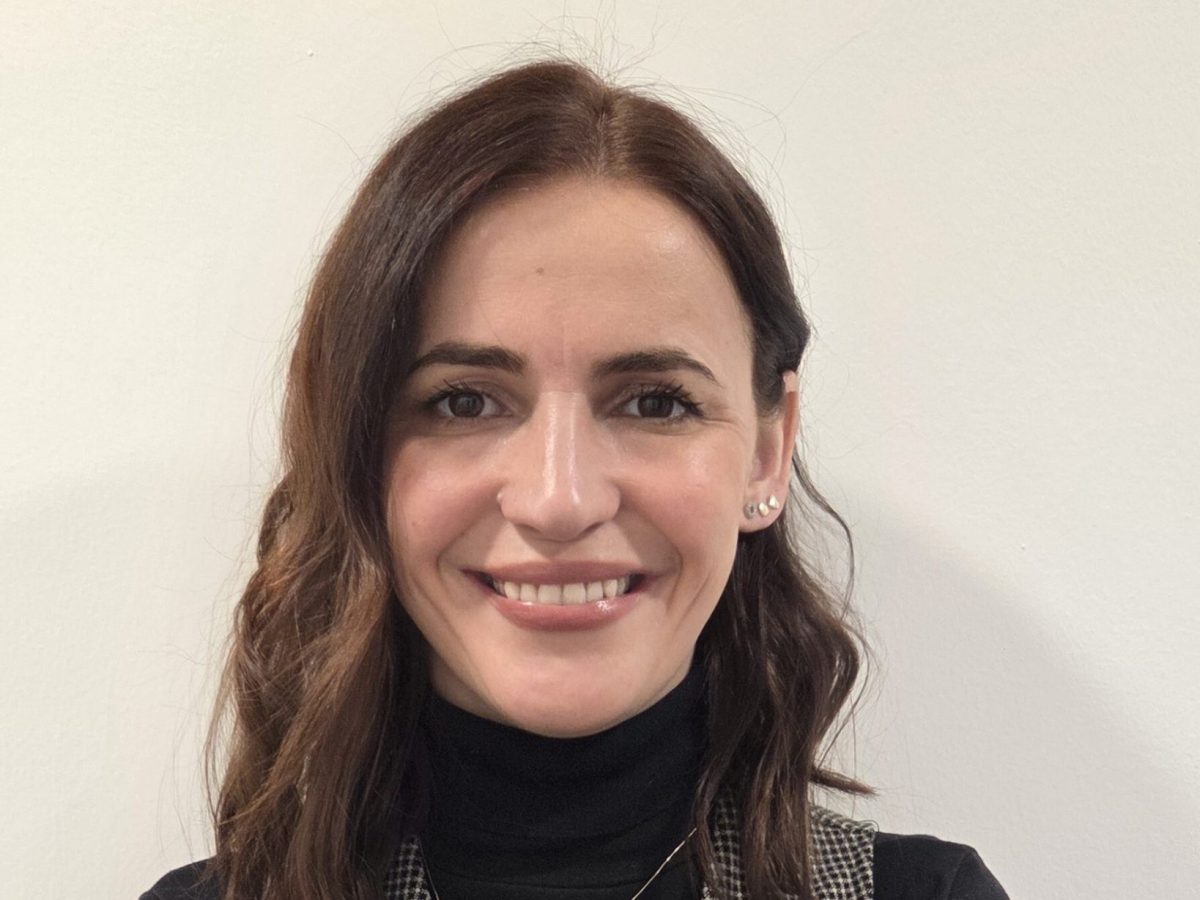
Merima Softic

Merima joined BIRN Hub in July 2025 as Head of Operations, based in BIRN Hub’s Sarajevo office, where she is responsible for leading the Operations Department, including Finance, HR, Administration, and Procurement.

Her key responsibilities include strategic leadership, developing operational systems and compliance frameworks, managing budgets, and supporting organisational development initiatives.  

Before joining BIRN, Merima held several senior roles in international NGOs, primarily with the Danish Refugee Council. She served as its Regional Finance Manager for the East Africa and Great Lakes region, Finance Coordinator for Emergency Response in Türkiye, and Support Services Manager in Bosnia and Herzegovina.

In these roles, she gained extensive experience in financial management, compliance, HR processes and operational leadership across multiple countries. Earlier in her career, she worked in banking and financial services, which strengthened her expertise in financial analysis.

Merima studied Accounting and Audit Management at the University of Zenica. She has also completed various professional training courses, including People Management, Accounting and Business Analysis at eCornell University. In addition to her native Bosnian, she speaks English fluently and basic German.

Jasna Junuz Soto

Jasna joined the BIRN Hub in December 2024 as Finance and Operations Manager, based in the Sarajevo office.

She plays a key role in supporting the organisation’s regional operations, with a strong focus on financial planning, monitoring and reporting. Her responsibilities include conducting regular financial analyses, ensuring compliance with internal and donor regulations, and managing a wide array of operational tasks – all helping to ensure the efficient and transparent functioning of BIRN Hub’s activities across the region.

Before joining BIRN Hub, Jasna built a professional background in the international NGO sector, with significant experience in financial management, operations, human resources and administrative processes. She previously worked at the Danish Refugee Council, where she was responsible for overseeing Support Services in Bosnia and Herzegovina. During her time there, she deepened her expertise in office and project operations, as well as HR systems and procedures, contributing to the smooth implementation of field programmes and internal support structures.

Jasna studied Economics at the University of Sarajevo, with a specialization in macro-financial management. In addition to her academic background, she has completed multiple professional development courses focused on finance and business operations. She is fluent in Bosnian and English.

Predrag Milic

Predrag joined BIRN Hub in May 2025 as a correspondent.

Based in Podgorica, he reports on daily developments for Balkan Insight.

He worked as a correspondent at Voice of America, VoA, where he was responsible for writing daily news, interviews, and feature stories. During this period, he also gained valuable experience in office management and project operations.

Predrag studied Foreign Languages at the University Mediteran and specialized at the University of Montenegro in Podgorica. His major was English. In addition to his formal education, he has attended various project-related and media-related courses/seminars.

Alongside his native Montenegrin, he speaks English and Italian.

Verica Recevic

Verica joined BIRN Hub in August 2025 as a Fundraising and MEL Manager.

She is engaged with the BIRN Hub Office in Sarajevo, supporting regional operations. Her main responsibilities include strategic fundraising and donor engagement while overseeing the network’s monitoring and evaluation systems.

Verica is a senior programme and fundraising specialist with over 25 years of experience in humanitarian and development work across the Western Balkans and Eastern Europe. She has led initiatives on protection, gender equality, socio-economic inclusion, public advocacy and governance, working with UN agencies, INGOs and donor consortia.

In her recent role in Moldova and Ukraine, Verica guided a strategic shift from emergency response to sustainable protection and economic empowerment, securing institutional funding and advancing localization. She has managed diverse donor portfolios, implemented multi-agency projects with partners, such as UNDP, WHO, UNOPS and IOM and has provided technical assistance to government institutions and civil society.

Her work combines evidence-based programme design with strong fundraising skills, informed by extensive research on migration, housing, livelihoods, disaster risk reduction and resilience. Verica’s strategic vision and regional expertise aim to strengthening BIRN’s ability to deliver impactful and regionally grounded interventions.

She studied at the University of Novi Sad, majoring in English Language and Literature. In addition to her formal education, Verica has taken advanced training in risk and crisis management, humanitarian negotiation and project management, while gaining certifications in gender-based violence response, migration governance, programme design and funding frameworks for multi-sector interventions.

Alongside her native Serbian, she speaks English and French.

BIRN Holds Training on Audience-Engaged Journalism Tool for Corruption Reporting

Three Montenegrin media outlets and three civil society organizations were trained on how to use the CER (Crowdsourcing Evidence, Engaging Citizens, Reporting Facts) tool in corruption-related investigations.

The online training held on August 7 aimed to equip the participants with practical skills and tools to create impactful, community-driven investigations related to corruption.

Karla Junicic, BIRN’s Hub Coordinator for Engaged Citizen Reporting, led the sessions and guided participants through the core concepts of engagement journalism.

Junicic introduced attendees to crowdsourcing techniques, storytelling approaches, and methods to identify and involve communities in journalistic work.

“Make sure to know the reasons behind your crowdsourcing and explain to your citizens what you’re looking for – their precise input and experiences are what fuels your stories,” she emphasised during the session.

Participants learned how to design and execute audience-engagement strategies, including pre-research, crafting callouts, design questionnaires, data analysis of responses, and produce stories based on community input.

Practical examples were shared from Balkan Insight and other regional outlets, covering topics such as the education system’s shortcomings, digital rights and social abuse cases– all demonstrating how marginalised voices can be amplified through engaged journalism.

The second segment of the training focused on the practical use of the Audience-engaged journalism tool for citizens reporting corruption (CER Tool), which BIRN developed to support secure, anonymous submissions of corruption and abuse reports. The tool is designed to bridge the gap between journalists and the public, enabling safer and more efficient communication and evidence-gathering processes.

In the final part of the training, participants drafted engagement-focused story ideas centred around corruption-related topics.

This training formed part of the project Society against Corruption in Montenegro and the Western Balkans region, which addresses the pervasive issue of corruption in the Western Balkans region, particularly focusing on Montenegro and Kosovo.

By enhancing citizens’ engagement, strengthening media and civil society reporting, and promoting accountability, the initiative aims to empower communities to combat corruption more effectively.

Through targeted subgrants, capacity building, investigative journalism and policy advocacy, the project seeks to raise awareness, foster constructive engagement, and drive tangible reforms in governance and anti-corruption practices across the region.

Meet the People Behind BIRN: Denis Dzidic

This year marks BIRN’s 20th anniversary. From exposing corruption to promoting human rights, BIRN’s investigative journalists collaborate across borders to find out the facts and tell people’s stories.

Denis Dzidic joined BIRN in 2008. After working as a journalist, deputy editor and chief editor for BIRN Bosnia and Herzegovina’s flagship website Detektor.ba, he was named Executive Director on October 1, 2019.

Before BIRN, Dzidic worked as a journalist for Oslobodjenje daily newspaper and for the Institute for War and Peace Reporting, IWPR, both in Sarajevo and The Hague. There, he reported on transitional justice issues and war crimes. It was then, while he was starting an internship in IWPR, that he first heard about BIRN.

“It was about the time when BIRN was first being created by a group of amazing women reporters. I knew of Nerma Jelacic, and her courageous reporting on war crimes in Bosnia and Herzegovina and the legacies of the conflict. I was just starting my career after finishing university in Sarajevo. I worked at a daily newspaper for a year and wanted to try something different, so I decided to apply for an IWPR internship – and the work that Jelacic and BIRN were doing was quite inspiring,” he recalls.

Speaking of his expectations when he joined BIRN in August 2008, and whether he has met them, he says: “It’s been a way for me to ensure that transitional justice reporting, focusing on victims’ rights and marginalized groups, are at the heart of my professional life.

“Yes, it has met my expectations and has easily overpassed them. As you start in journalism in Sarajevo, it’s not easy to foresee that one day you will train journalists in warzones on war crimes reporting – that you will get to lead a group of young professionals who are dedicated to the rule of law, human rights, digital and cyber threats, and finally that you will build an archive which will be the only coherent narrative about the 1990s in Bosnia and Herzegovina.”

This year, the Balkan Investigative Reporting Network of Bosnia and Herzegovina, BIRN BiH, was a strategic partner to the Srebrenica Memorial Centre in marking the 30th anniversary of the genocide.

It has been a hectic period that’s included working on documentaries, multimedia pages and a memorial room. There was also an exhibition of survivors’ testimonies, “From Words to Violence: Lives Behind the Fields of Death”, at UN headquarters in New York.

Dzidic explains what this means to him personally, to BIRN BiH and the whole network.

“One of the key issues Bosnia and Herzegovina as a country, and the region, face is historical revisionism, denial of war crimes and glorification of war criminals. We have seen rampant, systematic and often internationalized campaigns in the past few years to deny the Srebrenica genocide, which was confirmed by rulings of the World Court, the ICTY and domestic courts,” he recalls.

“The opportunity for BIRN BiH to contribute to this year’s commemoration with the Srebrenica Memorial Center has been the proudest moment of my professional career. It was an opportunity to utilize experience gathered over more than 20 years of work, of telling personal stories of victims, to make sure that the voices of those who survived and were killed in the genocide are precisely those whose voices are heard in Srebrenica, Sarajevo, but also at the UN in New York,” he adds.

“This year, we also opened a permanent Memorial room in Potocari, called Lives Behind Fields of Death. I can tell you how much it means to BIRN BiH only by telling you what it means to my colleagues, to the people I am honoured to work side by side with every day. Everyone who could spare a moment came to Srebrenica that day. I hope that for the network, this was a full circle – going back to what the network primarily reported about, and still does,” Dzidic says.

Many war victims tell their tragic stories to BIRN BiH’s journalists. Reporting on war crimes in Bosnia is difficult for journalists who must approach victims with caution and sensitivity. Yet, BIRN BiH’s journalists don’t hesitate to work on some of the worst stories about war crimes.

Dzidic unpacks what motivates them to continue their work, and how they cope with all these stories and the victims’ tragic fates.

“From the outset, BIRN BiH was the only news agency monitoring every hearing in every war crime case. It is part of our mission to be an agency that gives voice to those whose voice is so often unheard and degraded, who are victims of the Bosnian War,” he says.

“In terms of coping, it is not always easy. We have set up systems of support, both internally and externally, and this is not something we shy away from; it is an open discussion in our office and one we take seriously. One cannot simply listen to all the worst wartime sufferings and be immune to them. It takes its toll, but the reward of being a media of the people and for the people of this country is what gives us belief,” Dzidic adds.

Besides this, there are other obstacles that BIRN BiH must cope with in its work.

“In the past few years, we have had threats; the Sarajevo court sentenced an individual to three months in prison for threatening our newsroom; we have had SLAPP suits – one, bizarrely, was for following a trial, and we have had institutional pushback, including silence to our FOIA requests. In terms of personal work, we deal with the most complex topics, which sometimes leads to fatigue, burnout, and other related issues,” he says.

“Bosnia and Herzegovina has become a far less free place to work – one part of the country has criminalized defamation and introduced a law on foreign agents, while the other part has sought to give the right to the police to decide what is fake news, and our institutions are more and more corrupt and under political pressure.

“I wouldn’t say we have beaten any of these issues but we address them daily and keep working. We see our role to be the light of the people, to be a free voice, where they can see the truth and where their voices can be heard. That keeps us going,” Dzidic explains.

And as part of their recent focus on education, BIRN BiH recently signed a collaboration deal with the International University of Sarajevo to enhance mutual activities and information exchange.

“Namely, as a result of our 20 years’ work on transitional justice, we are trying to do more in advocacy, especially in relation to education in the country,” he says.

“The [educational] curricula on the Bosnian war are divisive and hateful, and some even contain glorifications of convicted war criminals. We are developing a database of court-determined facts and trying to prepare a handbook on how to use it to teach children about the war in a factual manner. The project is still in the early phases, but nothing is more important than factually teaching children,” Dzidic says.

Speaking of BIRN BiH’s flagship website, Detektor.ba, Denis explains why they recently decided to redesign it.

“We redesigned the website at the start of this year due to our strategic focus on having more multimedia outputs. Basically, we are the only media NGO producing two monthly TV shows. We also have other video materials just for the website and social media, such as explainers and short videos. These significantly increase our reach, especially among younger audiences,” Dzidic says.

He sees BIRN continuing its growth and cementing its role as a leading media watchdog fighting for the everyday rights of the region’s people.

“Without media support for factual reporting and without a voice for the people, the region will remain stuck on its EU and reform path. I think the people in BIRN individually have proven they are passionate, reliable and informed enough to be that voice,” he says.

“BIRN means the promise of a better future. With the amount of corruption and nepotism, abuse of human rights and ignoring suffering we see every day, it would be so easy to join the hundreds of thousands who leave my country with no hope of a better future. This is my place to fight for a better hometown, a better country, a better region. I want that for my son,” he declares.

At the end of each day, Denis likes spending his spare time with his son the most. “My favourite way to spend any moment outside work is time with my four-year-old son, Noa,” he concludes.

Over 50 Journalists Trained in Audience-Engaged Journalism

Four-day online training drew journalists from across the Western Balkans and the Visegrad countries to sessions led by expert regional trainers.

More than 50 journalists and editors from across the Western Balkans and Visegrad countries participated in a four-day online training from July 21-24 focused on audience-engaged journalism.

The training was organised as part of the projects Media Innovation Europe and Paper Trail for Better Governance, supporting grantees from calls for Audience-Engaged Journalism Grants.

The interactive sessions were led by a combination of international and regional trainers and provided grantees with tools to deepen audience engagement through crowdsourced journalism, storytelling and community-focused investigations.

The training kicked off with an introduction to engagement journalism by Asia Fields, an engagement reporter at ProPublica. She walked participants through core concepts of crowdsourcing, identifying community needs, and building trust with underrepresented groups. Fields shared her experience in reporting on neglected school infrastructure and homelessness in the US, sparking a discussion among the participants about how to apply similar methods in their own contexts.

“ProPublica engagement reporters crowdsource evidence, anecdotes and input at scale to fuel important accountability-focused journalism,” Fields explained.

Recognising the linguistic diversity of the participants, the training featured multiple parallel sessions conducted in different languages.

Regional trainers Besar Likmeta (BIRN Albania), Katarina Zrinjski (BIRN BiH), Gyula Csak (BIRN) and Milica Stojanović (Balkan Insight) led targeted workshops on callout design, crowdsourcing techniques and community engagement strategies, culminating in a session on use of the specialised audience-engaged journalism tool facilitated by Karla Juničić, ECR tool coordinator.

Participants practiced developing engagement callouts tailored to their audiences, conducted case study analysis and learned how to incorporate community feedback into editorial planning.

The final days of the training focused on practical application – guiding participants on turning audience input into impactful investigative stories. Journalists worked in language-specific groups to develop plans for future stories using real data and community responses.

They also explored how to analyse callout responses, assess editorial potential, and structure community-driven narratives.

The four-day programme was part of the broader Audience-Engaged Journalism Grants scheme of the Media Innovation Europe and Paper Trail for Better Governance projects, which are designed to foster more inclusive, community-oriented journalism across Europe. The grantees will continue to receive mentorship as they implement their projects in the months ahead.

Media Innovation Europe: Independence Through Sustainability, co-financed by the EU Commission, is led by a consortium of media support organisations working to bolster the resilience, innovation and audience reach of independent media in Central and Southeastern Europe. Among them are the International Press Institute, The Fix Foundation and Thompson Foundation.

The Paper Trail for Better Governance initiative, led by BIRN and funded by the Austrian Development Agency, supports media freedom, transparency and accountability across the Western Balkans. Through investigative journalism and audience-engagement practices, the project empowers local media and communities to spotlight corruption and advocate for stronger democratic institutions.

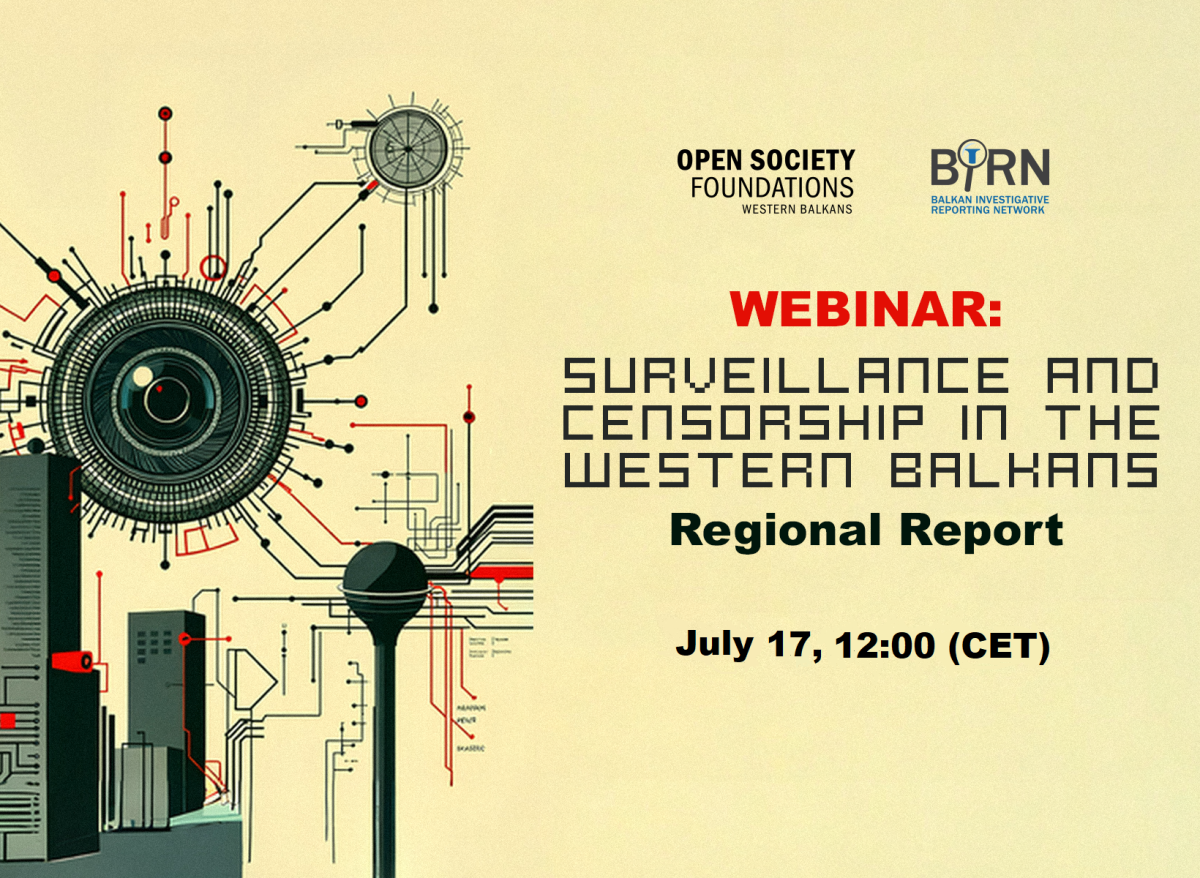
Webinar: Surveillance and Censorship in Western Balkans – Regional Report

Join us for an insightful webinar on July 17, 2025, to explore the key findings of BIRN’s comprehensive regional report on surveillance and censorship in the Western Balkans.

In an era of rapidly advancing technology and increasing exposure to digital risks, this webinar will delve into the main trends, challenges and implications of surveillance and online censorship highlighted in the report. The event brings together leading researchers, digital rights experts and representatives from BIRN’s local offices, offering diverse country perspectives and discussing future directions and priorities for protecting digital rights across the region.

Sign up here to attend the webinar.

Date: July 17, 2025 (Thursday)
Time: 12:00 PM (CEST)

The webinar will be conducted in English, with simultaneous interpretation available in Albanian, BCS and Macedonian.

Don’t miss the opportunity to review the full report, Surveillance and Censorship in the Western Balkans, here.

AGENDA

12:00 – 12:05  Welcome and Opening Remarks

Azra Milić, Digital Rights Programme Coordinator, BIRN

12:05 – 12:25 Presentation of BIRN Regional Report Findings

Megi Reçi, Digital Rights Research Lead, BIRN

12:30 – 13:20 Panel session: Behind the Curtain: Surveillance & Censorship in the Western Balkans

Moderator: Ivana Jeremić, Digital Rights Content Lead
Speakers:
Blerta Thaçi, Executive Director, Open Data Kosovo
Azem Kurtić, BIRN Journalist, Bosnia and Herzegovina
Milica Tosić, Attorney-at-Law, Partners Serbia
Sara Kelmendi, Researcher on Cyber-Civic Space, Institute for Democracy
and Mediation Albania
Ivan Ivanovic, BIRN Journalist, Montenegro

13:20 – 13:50 Panel session: Digital Rights Tomorrow: Lessons, Challenges, and New Directions

Moderator: Azra Milić, BIRN Hub
Speakers:
Aida Mahmutović, Project Manager, Reporting Digital Rights and Freedoms
Besar Likmeta, BIRN Albania
Tanja Maksić, BIRN Serbia
Mirza Halilcevic, BIRN BiH

13:50 – 14:00 Q&A and Closing Remarks

This public event is part of the “Surveillance and Censorship in the Western Balkans” grant supported by the Open Society Foundation Western Balkan and implemented by BIRN.

BIRN’s Fellowship for Journalistic Excellence Launches Podcast

Introducing Long Exposure, a podcast about politics, society and long-form journalism between the Balkans and the Baltic Coast

What is the place of long-form journalism in an age of shrinking newsroom budgets and democratic decline? On the Long Exposure podcast, journalists from central, eastern and south-eastern Europe reveal how they are breathing new life into an old format.

The podcast examines the craft of long-form journalism, and its ability to uncover hidden truths about society and politics in the region. “The Fellowship has been producing revelatory features, analysis and investigations for nearly 20 years,” said the programme manager, Dragana Zarkovic-Obradovic. “The new podcast showcases some of the journalistic talent that has been nurtured by the programme over the years, and offers their insights into the events and processes behind the headlines.”

The first seven episodes are now available online. Follow the links below to hear:

The Fellowship of Journalistic Excellence is an annual bursary for long-form journalism supported by the Erste Foundation and implemented by BIRN. The Fellowship emphasizes strong storytelling and rigorous, on-the-ground reporting – qualities traditionally associated with the best magazine journalism.

But unlike the legacy outlets that dominate the global market in long-form journalism, the Fellowship works exclusively with reporters who belong to the societies they are examining. The programme is open to journalists from a region spanning 14 countries, from Poland and the Czech Republic to Greece and Romania.

BIRN and Tactical Tech Organise Training on AI in Non-Profit Journalism

Training in Berlin focuses on the potential and shortcomings of AI for the non-profit media sector.

On July 7 and 8, a training on AI and journalism was held at Global Village in Berlin led by two professionals from Maldita.es and a digital transformation expert.

It combined expertise in the development and application of AI technologies, as well as the governance, ethics and communication of AI systems within the media sector.

The training for 30 journalists from various European countries was organised with the goal of exploring the possibilities, potential and shortcomings of AI for non-profit media.

On the first day, the trainers from the Maldita.es team, Pablo Pérez Benavente and Patricia Ruiz Guevara, guided participants on the responsible use of AI in newsrooms.

Benavente showcased an overview of predictive models, embedding and large language models (LLMs), showing participants how to extract narratives and trends using AI-generated synthetic data and build and test a document-grounded chatbot.

Guevara discussed the challenges of working with AI-generated content in journalism and how to talk about AI in reporting.

They also addressed the legal implications of AI use in journalism, including the EU AI Act, data protection (GDPR), liability and transparency.

On day two, training continued with Camila Reed, a communications and digital transformation expert.

She guided participants on developing customised AI ethics guidelines for their newsrooms and how to integrate such guidelines into the newsroom workflow and culture.

The training was organised as part of the MOST project.

This is implemented by a consortium comprising: Balkan Investigative Reporting Network (BIRN); Centro per la Cooperazione Internazionale (CCI/OBCT); El Orden Mundial – EOM, Spain; European Pravda, Ukraine; New Eastern Europe; Le Courrier des Balkans – Courriers D’Europe et D’Orient – DcB, France; and Stichting the Tactical Technology Collective – TTC, Netherlands.