The Balkan Investigative Reporting Network Albania (BIRN Albania), in partnership with the Science for Innovation Development Centre (SCiDEV) and Qendra Faktoje, announces a new round of grants for journalists and researchers to produce evidence-based investigations, analytical reports, and in-depth research addressing media freedom and journalists’ safety in Albania.
This call supports three journalistic or research projects that examine structural, legal, technological, or social factors shaping the environment for independent journalism. Selected applicants will receive financial support to cover research and reporting costs, as well as editorial mentoring by experienced BIRN editors.
The call is implemented within the framework of the EU-funded project “Strengthening Media Freedom, Professionalism and Journalists’ Safety in Albania”, implemented by BIRN Albania together with SCiDEV and Qendra Faktoje.
The project seeks to strengthen monitoring and public accountability around freedom of expression and journalists’ safety by equipping local journalists and researchers with the skills, resources, and editorial support needed to document violations, risks, and systemic challenges.
The grants to local journalists and researchers to produce research papers or media analyses should prioritize one of the following topics:
Impact of media concentration and political interference in the editorial independence;
Impact of social media and technology on professional journalism;
Threats and online harassment of journalists;
Protection mechanisms / impunity for attacks on journalists;
Challenges in reporting from local and rural areas;
Barriers to female journalists’ safety and advancement;
Ethical reporting on gender, minorities or marginalized communities;
Working conditions and labour rights of journalists and media workers in Albania;
Role of disinformation, propaganda or foreign information manipulations and interference (FIMI) in the information ecosystem.
The awarded journalists and researchers will receive a scholarship of 1,500 euros gross (minus personal income tax). They will have three months to dig deeper and research their ideas. They will also have the opportunity to work with experienced editors as mentors to guide them through the process of writing in accordance with ethical standards.
We encourage the submission of proposals for the production of relevant content by individuals or teams. We support various forms, including investigations, data-rich stories and research papers. The call only applies to journalists and researchers from Albania with previous experience on this topic.
All applicants must be independent and free from conflicts of interest in the responsibilities they undertake. Applicants may submit more than one application, but only one proposal per candidate may be awarded.
Interested candidates should send their proposals in Albanian language by email to: [email protected], including: completed application form (Click here to download the form); a CV and two examples of their previous work.
BIRN Albania has published a report analysing how Members of Parliament in Albania use Facebook as a tool of political communication outside election campaigns.
Covering the period from June 2023 to May 2024, the study examines more than 38,000 Facebook posts published by 110 MPs, combining quantitative monitoring, qualitative content analysis, and in-depth interviews with MPs and communication experts. The report looks at what MPs communicate online, how they frame political narratives, which actors dominate visibility, and how audiences respond in a non-electoral parliamentary context.
The findings show that Facebook has become the primary arena for political visibility in Albania, strongly favouring executive actors and party leaders, while parliamentary oversight, legislative work, and policy deliberation receive limited attention. MPs largely use the platform as a one-way broadcast tool, with emotional, symbolic, and personalised content generating far higher engagement than institutional or policy-focused communication. The report also identifies persistent gender gaps in online visibility, widespread exposure to online hostility—particularly for women MPs—and the absence of institutional guidelines governing ethical and responsible digital communication.
Beyond mapping communication patterns, the report provides evidence-based insights for civil society organisations, journalists, and researchers working on media freedom, political accountability, gender equality, and disinformation. It offers concrete data on how political power is amplified online, how narratives are constructed and circulated, and how platform dynamics shape public debate between elections. These findings can inform media monitoring, investigative reporting, advocacy on digital governance, and efforts to strengthen democratic accountability in the digital sphere.
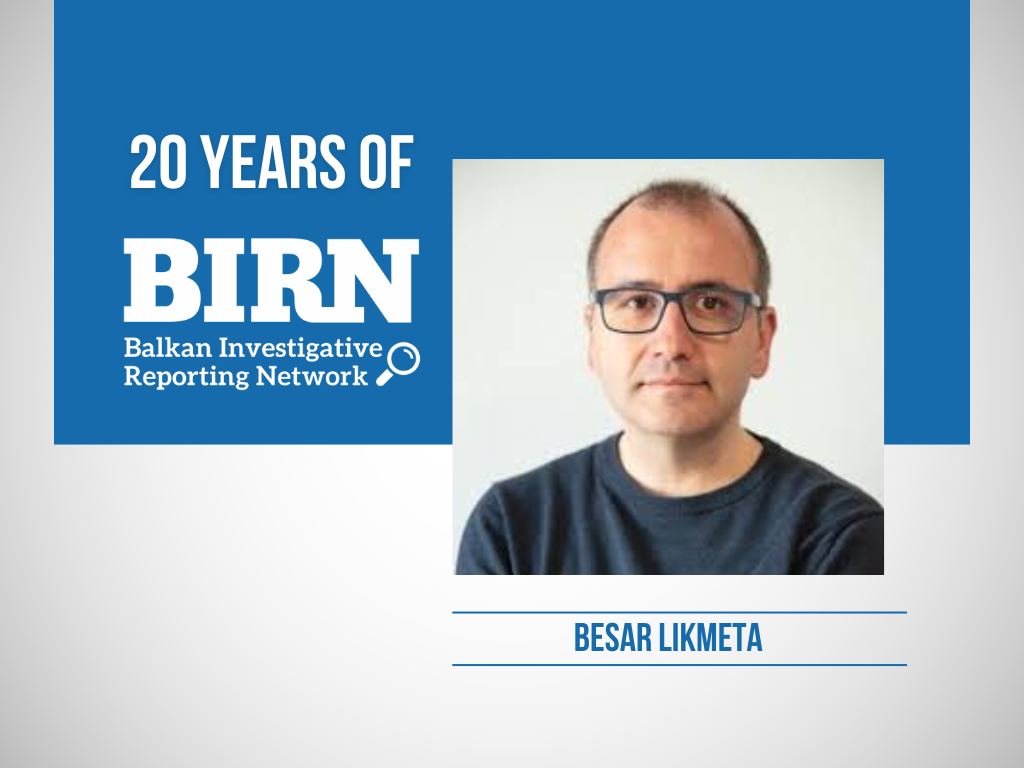
In 2025, Balkan Investigative Reporting Network (BIRN) marked its first 20 years – 20 years of investigative journalism and dedication to promoting freedom of speech, human rights and democratic values.
Besar Likmeta has been the editor of BIRN Albania almost from the beginning of BIRN, since 2007, and was also the country correspondent for Balkan Insight.
Having studied philosophy at the University of North Florida, he explains how that shaped his thinking and influenced his path in journalism and investigative work.
“The quest to make sense of the world, to understand its underlying truths, and to engage with the study of ideas, has instilled in me a deep appreciation of the role the media – now increasingly social media – plays in shaping our beliefs as individuals and as a community,” he says.
“I grew up in a country where freedom was constrained by propaganda and where no independent press existed, and I learned at an early age the importance of free speech and the right to be informed – not only as pillars of a democratic society, but also as prerequisites for personal freedom and intellectual inquiry,” he adds.
He has extensive experience in journalism, having worked in print, television and electronic media in both the US and Albania since 2003. Besar started his career reporting for the Florida Times Union in Jacksonville, Florida. He moved back to Albania in 2005 where he worked as a features editor for the Tirana Times, and as world news editor for the 24-hour news channel TV Ora News.
He has contributed stories to various publications, including The Christian Science Monitor, Global Post, Transitions Online, The Diplomatic Courier and World Politics Review.
In 2009, Besar received the CEI/SEEMO Award for Outstanding Merits in Investigative Journalism and in 2010 he was runner-up for the Global Shining Light Award, presented at the Global Investigative Journalism Conference in Geneva.
He recalls when and how he found out about BIRN.
“I first heard about BIRN in 2006, as one of the handful of media development organisations in the region supporting coverage of current affairs in English through its newsletter, Balkan Insight. At the time, there was little local reporting in English, and the region’s narrative abroad was largely shaped by major Western media outlets, often relying on parachute journalism and reproducing clichés and stereotypes,” he explains.
One thing was significant for him when it comes to our organisation.
“What drew my attention to BIRN was the consistently high quality of its in-depth reporting, along with the professional editing of news analysis, investigations, and features,” he says.
When he started working for BIRN, he expected it to sharpen his skills as a reporter.
“Over the years, BIRN has proven to be both a challenging and rewarding professional experience – not only for me, but also for many of my colleagues and for hundreds of other journalists across the region,” he says.
Having worked with BIRN for nearly 19 years, Besar saw firsthand how BIRN Hub and BIRN Albania complemented and built on each other within the network over the time.
“BIRN Albania was established in 2014 by a group of journalists who had participated in BIRN Hub’s regional projects, such as the Fellowship for Journalistic Excellence. The aim was to introduce to the Albanian-language media landscape a professional publication where local reporters could benefit from strong editorial support and mentorship, enabling them to produce in-depth, hard-hitting investigative journalism. Through the dedication and hard work of its staff and contributors, BIRN’s local outlet, Reporter.al, has become a media source of record in Albania,” he explains.
In the current Albanian media landscape, BIRN Albania has a specific role.
“BIRN is the leading media development and investigative journalism organisation in Albania. It plays a crucial role as a bridge between journalists, media outlets, and civil society, helping to strengthen their collective impact as agents of change in the fight against corruption and organised crime, and in the defence of human rights and fundamental freedoms. In the years ahead, we aim not only to uphold but also to expand this role, particularly in the face of the profound generational technological transformation brought about by artificial intelligence,” Besar says.
Looking back over BIRN’s first 20 years, he has seen big changes and challenges within the network and in Albania.
“Its size has certainly expanded, from a handful of ambitious and passionate journalists and editors into a powerhouse of hundreds of media and development professionals, programme managers, and researchers. The organisation’s impact and influence have grown accordingly. Today, BIRN is a household name in the Western Balkans and in Brussels. It has taken 20 years and a great deal of hard work to get here. Along the way, we have overcome many challenges – from funding crises to SLAPP lawsuits, while also benefiting from significant support,” he says.
Since BIRN Albania’s establishment, it has produced many award-winning investigations, he notes.
“The most influential investigations over the years have been those that succeeded in shaping the public narrative on specific issues, generating sustained public debate and prompting authorities to act, including by launching investigations and issuing indictments.
“In this regard, the series of investigations into the waste management scandal – linked to the construction of three waste-to-energy plants through public-private partnerships – has had the greatest impact.
However, investigations aren’t the only BIRN Albania work that deserve attention, he says.
“BIRN Albania is widely known for its investigative reporting, but this represents only the tip of the iceberg. The organisation has also come to play an important role in monitoring the use of traditional and social media during elections, producing research on propaganda and foreign information manipulation and interference (FIMI), monitoring the justice reform in Albania, advocating for freedom of expression and media freedom, and assessing the country’s overall progress toward European Union integration,” Besar outlines.
Speaking of BIRN’s next 20 years, he has his “dream scenario”.
“My ideal scenario is that, 20 years from now, we will have passed on our skills and ethical standards to a new generation of journalists and editors, and that the organisation will be more sustainable and resilient,” he explains.
Besar stresses what BIRN represents for him personally, and who is he outside BIRN.
“BIRN represents my life’s work – so far – with all its joys and tribulations, and outside of it, in the little time that remains, I enjoy spending it with friends and family,” he concludes.
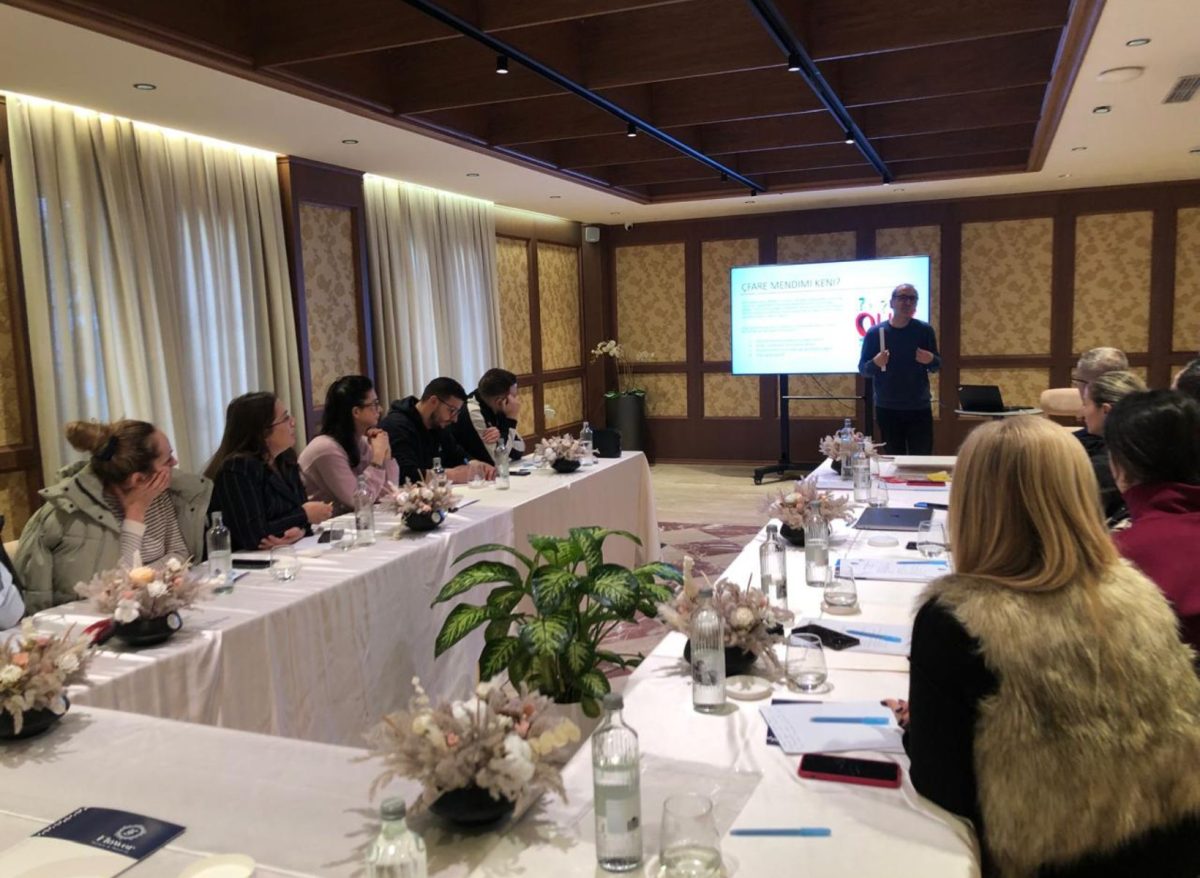
BIRN Albania organised a two-day training for 15 local journalists in Durrës on 19–20 December, focusing on the anti–money laundering (AML) framework in Albania and the role of institutions in preventing and detecting financial crime.
The training was delivered within the framework of a UK-funded project aimed at strengthening public awareness and media oversight of anti–money laundering policies and practices in Albania.
It provided participants with a structured overview of the national legal and regulatory framework governing AML, as well as the roles, responsibilities, and coordination mechanisms of the key institutions involved in prevention, supervision, and enforcement. Particular attention was paid to how these frameworks operate in practice and to the systemic challenges that affect transparency, effective enforcement, and institutional accountability.
Participants also engaged in in-depth discussions on the practical difficulties journalists encounter when reporting on AML-related issues, including limited access to information, gaps and inconsistencies in available data, and the technical complexity of financial disclosures and institutional reporting.
The second part of the training was designed as a practical exercise, encouraging journalists to identify and pitch concrete story ideas, investigative angles, and potential television debate formats that local media outlets can develop in the coming months. These discussions aimed to translate complex AML topics into accessible public-interest journalism capable of informing audiences and strengthening public scrutiny.
The training forms part of BIRN Albania’s broader efforts to support public-interest journalism and enhance local media capacity on complex rule-of-law and governance issues.
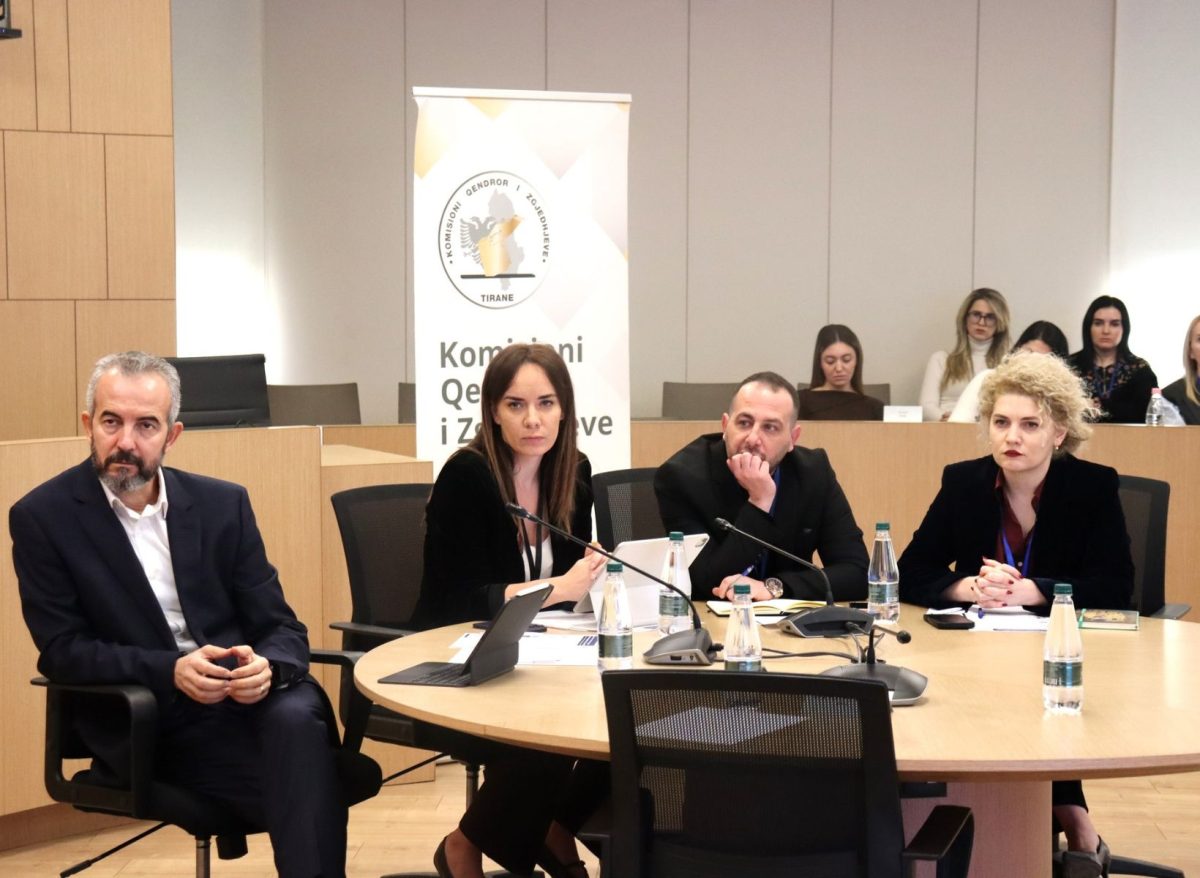
BIRN Albania organised a roundtable discussion with representatives of the Central Electoral Commission and civil society organisations to discuss the findings of a new research report examining vulnerabilities in Albania’s electoral processes.
The event, organized on 22 December, brought together around 30 participants, including members of the CEC administration and civil society actors, and was attended by Ilirjan Celibashi, Central Electoral Commissioner.
The roundtable focused on the report “Mapping Electoral Vulnerabilities in Albania: Institutions, Media, and Digital Platforms,” which analyses structural conditions that enable and incentivise manipulation and foreign information interference (FIMI) in electoral processes in Albania.
During the meeting, BIRN Albania presented a summary of the report’s key findings, followed by an in-depth discussion with institutional stakeholders and civil society representatives. Participants exchanged views on vulnerabilities identified across the electoral system, the media environment and digital platforms, and shared practical insights drawn from their respective areas of work.
The discussion also served to further enrich the findings of the report through feedback from the CEC administration and civil society actors, while exploring recommendations and practical implications for future policies and actions aimed at strengthening electoral integrity and institutional resilience.
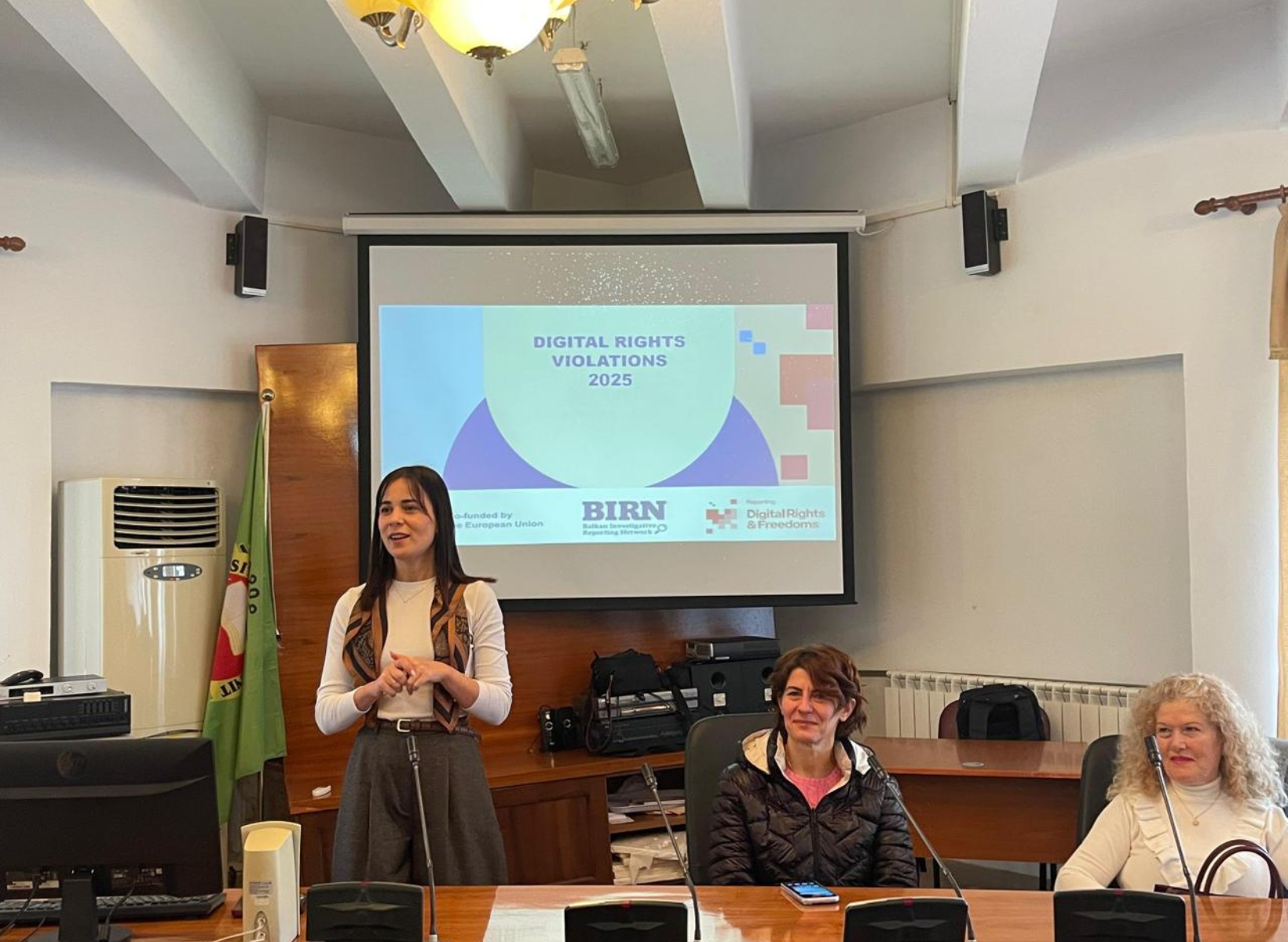
The Balkan Investigative Reporting Network (BIRN) Albania held two lectures at Albanian universities in December, focusing on digital rights and freedoms and drawing on findings from its monitoring and reporting work.
The first lecture took place on December 2 at Aleksander Xhuvani University in Elbasan, where BIRN Albania’s Programme Manager, Bylyre Serjanaj, presented key findings from BIRN’s monitoring of digital rights violations in 2025. The lecture was attended by 38 students from the Departments of Journalism and Information Technology.
The second lecture was held on December 12 at the European University of Tirana, where experts Megi Reci and Daniel Prroni introduced law students to BIRN’s work on monitoring and reporting digital rights violations. The event was attended by 33 students.
The lectures were part of BIRN’s three-year project, ‘Reporting Digital Rights and Freedoms’, funded by the European Union and implemented by BIRN Kosovo together with its regional partners: BIRN Hub, BIRN Albania, BIRN Bosnia and Herzegovina, BIRN Macedonia, BIRN Montenegro, and BIRN Serbia, across the Western Balkans region and Turkey.
The project aims to strengthen the capacity of media and civil society to document and report violations of digital rights and freedoms.
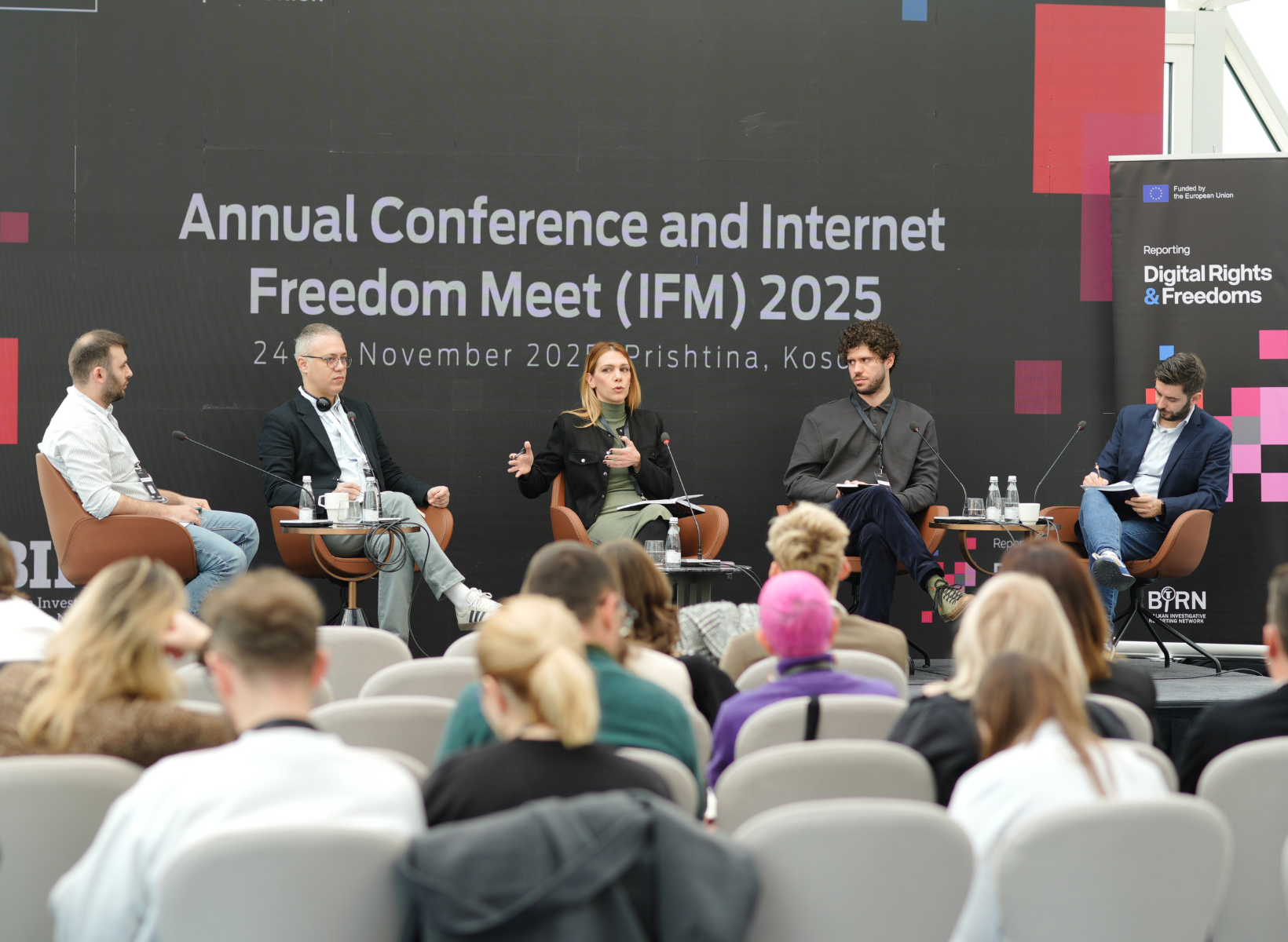
From November 24 to 26, 2025, BIRN welcomed some 120 participants – journalists, civil society activists, tech experts, academia, relevant institutions’ representatives and citizens at large – in Prishtina (Kosovo) for a regional annual conference and the Internet Freedom Meet event on digital rights and freedoms.
What unfolded was more than a presentation of cold statistical data. We witnessed a collective reckoning with how rapidly emerging technologies are advancing, and with how weak oversight and shrinking civic spaces are reshaping – and often endangering – people’s everyday lives across the Western Balkans and beyond.
From Project Roots to Regional Reality
The third and final annual conference is built on BIRN’s three-years project, Reporting Digital Rights and Freedoms, funded by the European Union and implemented by BIRN Kosovo and its regional partners BIRN Hub, BIRN Albania, BIRN Bosnia and Herzegovina, BIRN Macedonia, BIRN Montenegro and BIRN Serbia in the Western Balkans region and Turkey. The project aimed at strengthening media and civil society capacity to document and report digital rights and freedoms violations. Through training, capacity building online and offline events, fellowships, subgranting as well as editorial and other technical support, the project equipped newsrooms and individuals, journalists and activists with tools to first and foremost understand and then monitor and report about issues such as online abuse, to challenge disinformation, and bring somewhat hidden digital violations into public debate and for institutional reaction.
BIRN Kosovo director Jeta Xharra opened the conference and noted that there was very little knowledge about digital rights and that the project has contributed to educating both journalists to report on and the public to understand digital rights.
In a high-level speech, Kosovo’s President, Vjosa Osmani, sent a strong message of support towards the internet as a free space, and on the importance of exposing tech-facilitated abuse, be it online manipulation, promotion of hatred, violence against women or harassment of children.
The Deputy Head of the EU Office in Kosovo, Eva Palatova, emphasised the EU’s commitment to a human-centric digital environment, noting recent key policy instruments, the Digital Services Act, the AI Act and the European Democracy Shield, aimed at protecting users.
The work done throughout the project pointed to the importance of addressing internet governance-related topics systematically. The latest BIRN regional report, launched at the opening of the conference, documented 1,440 violations from September 2024 to August 2025. Over the three years of the project, based on BIRN’s monitoring methodology, we captured over 4,000 cases of digital rights and violations mapped.
From September 2024 to August 2025, the most frequent types of trending violations include misuse of artificial intelligence (AI) to facilitate sexual, gender-based violence and fraud, threats to the freedom and pluralism of information, attacks on digital assets and economic rights and harmful and threatening online behaviour.
The conference was attended by around 120 participants including 30 Internet Freedom Meet fellows from the Western Balkans region selected following a public call for participation.
Throughout the three-day event, the fellows played a dual role. They followed conference panels on the main stage, bringing sharp questions and contextual knowledge; and in parallel, they immersed themselves in dedicated workshops with international trainers, diving deeper into some of the most urgent challenges shaping the digital landscape.
In these workshops, fellows confronted real-world dilemmas: how to investigate online harassment while keeping victims safe; how to trace disinformation networks across borders; how AI-generated deepfakes and algorithmic bias threaten vulnerable groups; and how online/street surveillance erodes civic freedom. Fellows additionally enriched the discussion with local knowledge and lived experiences.
Photo: BIRN Kosovo
Humans Behind the Numbers
The conference focused heavily on the human impact behind the numbers – giving a platform to stories of and about real people – journalists, activists, citizens’ – whose lives were impacted and shaken by digital abuse, such as threats, surveillance or disinformation.
Participants heard worrying testimonies: journalists recounting smear online campaigns after exposing corruption, activists exposed to harassment and doxxing following their online advocacy, and citizens becoming victims of AI-driven scams, identity theft or deepface-based abuse.
Speakers emphasized a critical truth: digital rights violations are rarely isolated incidents. They are more often than not entwined with inequalities – especially in terms of gender, LGBTIQ+ persons, minorities, people with disabilities and other vulnerable groups. As Albanian technology policy expert Alba Brojka noted on the panel about gender-based violence, “It is a mirror of what is happening in the society and is amplified online.”
Photo: BIRN Kosovo
New Technologies, Same and Worse Dangers
Emerging technologies, such as generative Artificial Intelligence, are accelerating threats, while legislation and institutional oversight – and to a valuable extent also the media and civil society pace of understanding technological changes – lag dangerously behind.
Experts on the panels warned of AI-facilitated fraud, voice-cloning scams, deepfakes and more – noting that they are all increasingly used to exploit individuals’ vulnerabilities, especially women, young people and children. We heard how deepfakes have become so realistic that more and more people, especially with the information overload, cannot differentiate between real news, manipulated content or disinformation – which directly leads to undermining public trust and discourse influencing democratic and public informed participation.
Panelists looked into [weak] legal frameworks and selective enforcement, which make digital space a fertile ground for censorship, repression, threats and surveillance. We heard from several speakers sharing stories from Serbia or Turkey of unlawful surveillance, spyware deployment and non-transparent use of digital technologies and tools to intimidate critical voices of activists, journalists or even whistleblowers. While on one side, we see an “implementation gap” of those appropriate laws that exist, on the other side, in many places, we encounter outdated institutional settings, limited resources or political pressure, which stays unbothered while critical voices under attack stay unprotected and often with severe online or offline consequences.
Photo: BIRN Kosovo
Digital Rights are Human Rights – Not Optional Extras
One underlying message seconded by all participants – and participation was truly multistakeholder – is that digital rights are human rights, and are not marginal issues for tech-savvy urbanities but fundamental rights, deeply tied to dignity, security and democratic participation. Beyond the number of captured digital rights violations, those numbers represent people. At least one person per case. At least one more friend or family member was affected by it. And often entire communities.
Numbers cannot tell the whole story. Data reveals patterns to which the BIRN team, together with our partners, fellows, subgrantees, gave context. Living in the online space is not abstract – it shapes people’s safety, identity and freedom. Every violation is a life interrupted, a voice shaken, a right diminished. By documenting abuses, amplifying testimonies and exposing the systems that allow them to keep happening, the project brought human stories back to the centre.
Photo: BIRN Kosovo
From Talk to Action: What Needs to Happen Now
By the end of the conference, participants agreed on several urgent and concrete steps for the region:
Update and enforce legislation regionally, looking into good practice, to keep pace with technological change: laws should address AI-driven abuse, data protection, online harassment and digital surveillance
Support for victims/survivors, ensuring accessible reporting mechanisms, provide legal, psychological and social support, including protecting anonymity whenever needed
Empower independent media and civil society, including sustained grants, training and mentorship, so that civil society and journalists (media) can continue documenting abuses safely and effectively
Promote digital literacy and public awareness, as a necessary continued effort to educate citizens at large about ever-evolving online risks and understanding their rights
Fostering regional cooperation, as digital threats do not respect borders – cooperation among media, civil society, institutions, technical community and academia across countries is essential.
Why This Matters and Appreciation Words
For many years we have lived in a world where technology evolves fast – outpacing our social, legal and institutional capacity to adapt. As the closing conference in Prishtina underscored, these are not abstract policy questions. They are about people’s lives, freedom, trust, safety and dignity. They are about our future.
By bringing together journalists, experts from different fields and policymakers, over the three-year project we jointly took responsibility for protecting digital rights not as a niche project but as a core human-rights obligation that shapes people’s realities in the digital age. The Reporting Digital Rights and Freedoms initiative proved that when knowledge, evidence and human stories are brought together, digital rights can no longer be dismissed as technical issues “in the cloud”. They become what they truly are – essential rights that protect the very fabric of democratic society.
BIRN Kosovo wishes to extend its gratitude to project partners, coordinators, editors, monitors, journalists, researchers and authors, subgrantees, fellows, participants of physical and online training and community meetings, and the colleagues and individuals who contributed to the project’s delivery and success.
The Annual conference and Internet Freedom Meet were organised within the framework of the Reporting Digital Rights and Freedoms project, implemented by BIRN Kosovo and supported by the European Union.
The Balkan Investigative Reporting Network (BIRN) in Albania held a roundtable on Friday in Tirana to present three monitoring reports on the May 11 parliamentary elections.
During the event, BIRN Albania unveiled its monitoring reports on audiovisual and online media coverage during the electoral period, as well as a report analysing how political parties and candidates used social media platforms throughout the campaign.
The two monitoring reports on audiovisual and online media were produced as part of the project “Evidence-Based Monitoring of Local Public Spending during Electoral Processes,” funded by the European Union and implemented by Qëndresa Qytetare (Civic Resistance) in partnership with BIRN Albania. The initiative aims to strengthen electoral integrity, transparency, and fair competition in Albania’s democratic processes.
The social media monitoring report for the 2025 campaign was published in cooperation with International IDEA and the Rule of Law Centre at the University of Helsinki. The findings emphasise systemic challenges related to transparency, the ethical use of technology, and the growing influence of third-party actors across social media platforms.
The roundtable gathered 44 stakeholders from a wide range of institutions and backgrounds, including journalists, civil society representatives, and officials from the Central Election Commission (CEC), the Albanian Media Authority (AMA), as well as representatives of international organisations.
Following the presentation of the key findings, a panel discussion was held with contributions from representatives of the CEC, AMA, International IDEA, media organisations, and civil society.
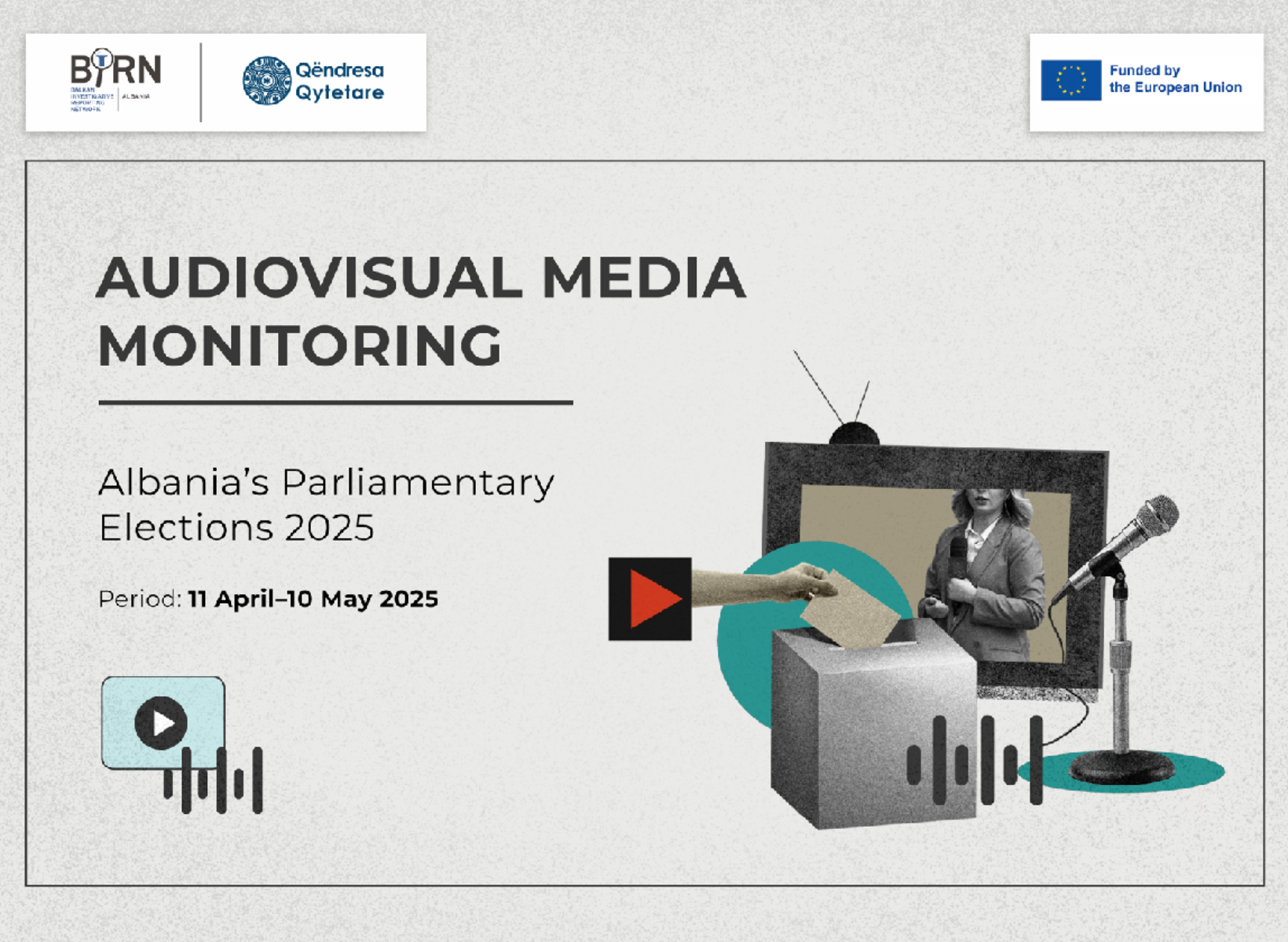
BIRN Albania has released a comprehensive monitoring report examining how Albania’s main television broadcasters covered the 2025 parliamentary election campaign, uncovering persistent media imbalances, limited pluralism, and the dominance of major political actors.
Published in both Albanian and English, the report offers an independent, data-driven analysis of audiovisual content aired between 11 April and 9 May 2025 on the 18 central TV stations with the highest national reach. Drawing from the daily monitoring data produced by the Audiovisual Media Authority (AMA), the assessment focuses on political representation in news bulletins, live coverage of campaign events, and prime-time political talk shows, as well as the use of paid political advertising and documented breaches of the Electoral Code.
Key findings point to the overwhelming visibility of Albania’s two main political forces, the marginalisation of smaller parties, the personalised framing of election coverage, and the absence of direct confrontations between candidates. The report also features qualitative insights from 61 political talk shows and provides targeted recommendations to media regulators, broadcasters, and political actors ahead of future electoral cycles.
This monitoring was conducted as part of the project “Evidence-Based Monitoring of Local Public Spending during Electoral Processes”, funded by the European Union and implemented by Qëndresa Qytetare in partnership with BIRN Albania, aiming to strengthen electoral integrity, transparency, and fair competition in Albania’s democratic processes.
BIRN Albania has published a new in-depth report analysing how Albania’s online media covered the 2025 parliamentary election campaign, revealing persistent imbalances, strong personalisation of political discourse, and limited space for voter-focused or explanatory reporting.
Conducted during the official campaign period (11 April – 10 May 2025), the monitoring assessed 40 of the country’s most influential online outlets — including the websites of national TV stations, daily newspapers, and digital-native portals. The report combines automated analysis with human coding of nearly 6,000 articles to map visibility, tone, and thematic trends in online coverage.
Findings show that political statements and opinion pieces dominated the online sphere, accounting for more than three-quarters of total content. Coverage remained concentrated on the two main electoral subjects and was driven largely by their leaders. Substantive debate on policies was rare, with most reporting focused on confrontation and accusations rather than programmatic issues such as economy, justice, or social welfare.
The analysis also documents how institutional communication, particularly from the Central Election Commission (CEC), shaped public information about diaspora voting and electoral procedures, while paid digital advertising mirrored the same imbalance seen in editorial content — with the two major players accounting for more than 80% of recorded ads.
Published in both Albanian and English, the report provides evidence-based insights and practical recommendations for journalists, media regulators, and political actors to strengthen transparency, editorial independence, and pluralism in Albania’s online information environment.
This monitoring was conducted as part of the project “Evidence-Based Monitoring of Local Public Spending during Electoral Processes”, funded by the European Union and implemented by Qëndresa Qytetare in partnership with BIRN Albania, aiming to enhance electoral integrity, transparency, and fair competition in Albania’s democratic processes.