Call for Applications: BIRN Training for Journalists on Reporting about the Missing Persons in Kosovo

In a landscape marked by monoethnic narratives, the issue of missing persons in Kosovo stands out as a crucial topic that requires immediate attention and response.

As of today, the fate of 1,617 individuals of all ethnic backgrounds remains unknown, a haunting fact that fuels a perpetual sense of loss, fear, and uncertainty among affected families and communities.

This also often includes bias or ethnic-centric reporting from the mainstream media. Therefore, the independent media must shed light on the profound impact this unresolved matter has, particularly on the families of the missing persons, and more broadly, on regional reconciliation.

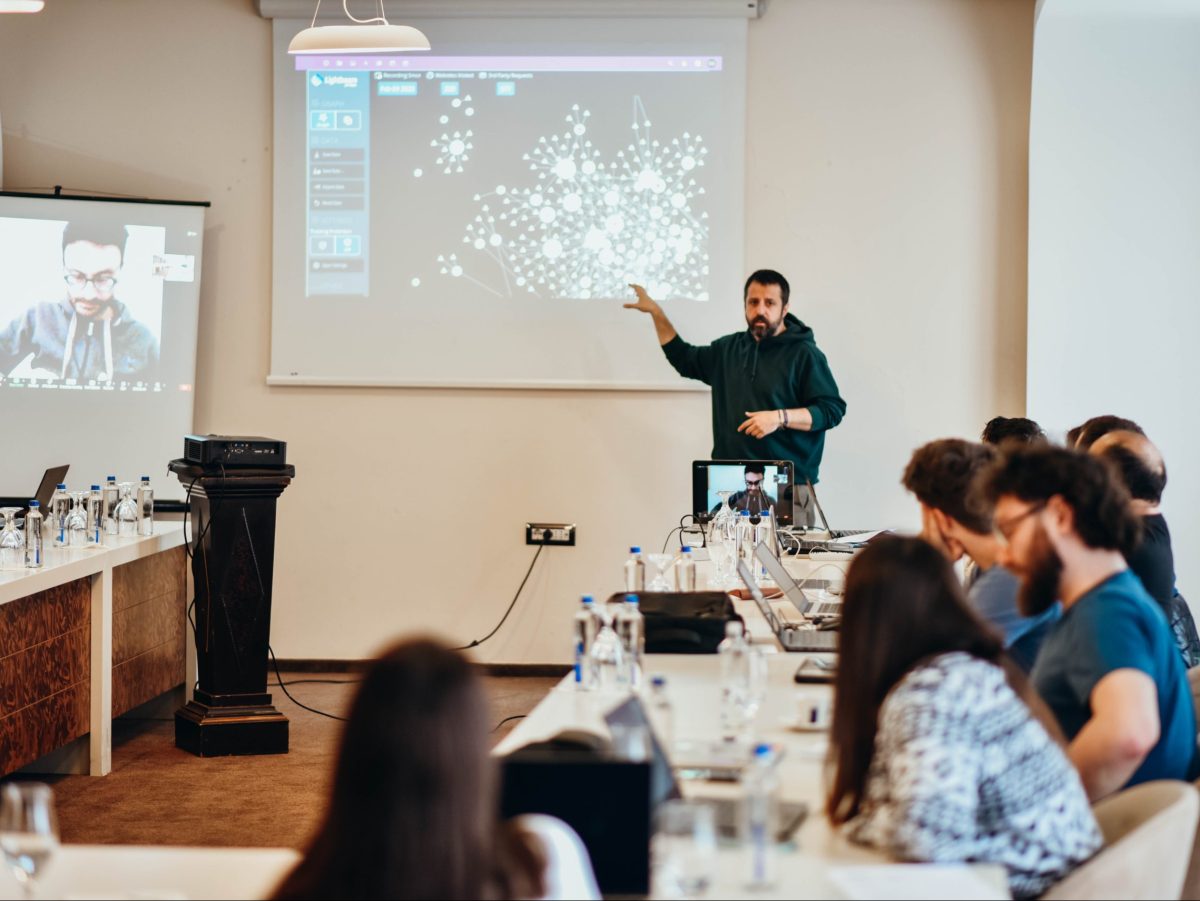
To address these challenges and contribute to  more credible and professional future generations of journalists in Kosovo, BIRN will organize a one-day training module with journalists on April 4, 2024 in Prishtina, Kosovo as part of the project “Uncovering the Truth: Combatting Monoethnic Journalism and Advocating for the Missing Persons in Kosovo” supported by the EU.

These trained professionals will develop a sensitivity to understanding the issues surrounding missing persons from multiple perspectives (such as humanitarian, forensic, right to truth, etc.,) and will spearhead the creation of compelling content based on factual reporting.

The one-day training module will bring together 20 young and mid-career journalists from different communities, who will have the opportunity to acquire knowledge and hands-on skills on the matter.

More specifically, the training focuses on the critical issue of reporting on missing persons, encompassing aspects from individual cases to court proceedings, social, political and legal contexts, forensics and medical expert analysis and the challenges faced by affected families. The technical expertise of journalists lies in their ability to research, document, and communicate stories effectively.

The training module will be delivered by BIRN’s regional and local team of award-winning journalists and editors, who have extensive experience in investigating, reporting on, and advocating for such issues.

Who can apply?

Young and mid-career journalists across different regions in Kosovo, who are interested in learning more about reporting on the topic of the missing persons, are eligible to apply for this call. Applicants from marginalized communities in Kosovo, including members of minority ethnic communities and women, that fulfill the above-mentioned criteria are encouraged to apply for this call.

To apply for the one-day training on fact-checking reporting click here.

Language: Simultaneous translation in Albanian, Serbian, and English will be provided.

Location: The training will take place in Prishtina, Kosovo. Details regarding the specific location and agenda will only be provided to selected participants.

Deadline for application: April 1, 2024

Date of the training course: April 4, 2024

BIRN Kosovo Holds Training for Municipal Assembly and Staff on Countering Extremism

On March 19, BIRN Kosovo held a one-day training to present the strategic vision of Kosovo’s National Strategy for Preventing and Countering Terrorism to the Municipality of Kaçanik.

The training addressed Preventing Violent Extremism, P/VE, Rehabilitation and Reintegration, R&R, forms of extremism, and the strategic vision of the strategy on the local level, with an emphasis on the role of the Municipal Assembly and Municipal Staff in countering violent extremism and terrorism.

A total of 13 participants, five of them women, gathered for the training which started with an introduction to the objectives of the National Strategy for Preventing and Countering Terrorism 2023-2028.

The session focusing on countering religious and far-right extremism was presented by Kreshnik Gashi, member of the working group on drafting the National Strategy. Gashi presented his experience in contributing to the finalization of these documents and explained the objectives of the strategy.

During his presentation, the guest speaker, Mensur Hoti, Director of the Department for Public Safety in the Ministry of Interior, emphasized the crucial role of local authorities in meeting the objectives of the strategy. He highlighted the significance of preventing radicalism and violent extremism that may lead to terrorism and led a discussion on the current situation.

During the training session, participants expressed their interest and engagement when it came to discussing the involvement of minor municipalities like Kaçanik in issues related to P/VE, R&R, and other forms of extremism from the central level.

The presentation and subsequent discussions served to enhance their knowledge and awareness on this topic, resulting in a more informed group of individuals by the end of the session.

This training was held as part of the ‘Resilient Community Programme’ founded by GCERF.

BIRN Kosovo Trains Members of the Referral Mechanism in Hani i Elezit on Using Social Media

On March 19, BIRN Kosovo held a one-day training as part of the activity for organizing days of support for members of the referral mechanism in the Municipality of Hani i Elezit.

The training session was specifically tailored to social media, and the participants of the referral mechanism were provided with comprehensive knowledge on the significance of social media. They were given a detailed rundown on how to create and manage profiles on different platforms, including Facebook, Instagram, YouTube, and other relevant social media channels.

To ensure the safety and security of all participants, it was crucial to clarify their details such as passwords, public profiles, content sharing and posting, Facebook groups and friends, and social media security. This information, the group heard, will help to prevent any potential risks and ensure their privacy is protected.

A total of 12 participants, three of them women, gathered for this training which started with an introduction to the basics of social media and their usage worldwide and in the Kosovo context. The training was held by Granit Mavriqi, Editor of SocialMedia and Graphic Designer – Internews Kosova. Mavriqi presented his experience as an editor of social media, including many good lessons drawn from his experience of working with different groups of interest.

During the training session, the participants showed significant interest in discussing their experiences with social media platforms, particularly Facebook. They were particularly interested in learning more about social media security, such as how to protect their passwords and how to manage their connections on these platforms.

The informative presentation and subsequent discussions proved a valuable learning experience, enhancing the knowledge and awareness of participants in the topic. As a result, the group emerged from the session better informed and more knowledgeable about the subject.

This training was held as part of the “Resilient Community Programme” founded by GCERF – Global Community Engagement and Resilience Fund.

BIRN Kosovo Trains Network’s Journalists in Investigative Skills

BIRN HUB and BIRN Kosovo held a two-day training for journalists from the local BIRN offices to boost their investigative reporting skills.

As part of the ongoing joint project ‘A Paper Trail to Better Governance,’ BIRN HUB and BIRN Kosovo gathered around 20 journalists from the Network offices in Albania, Kosovo, Montenegro, North Macedonia and Serbia, for a two-day regional training in investigative reporting.

The training took place in Pristina, Kosovo, on March 19-20.

On day 1, BIRN Albania editor-in-chief Besar Likmeta walked the journalists through the methods of investigative journalism – storytelling, sources and building a narrative around the evidence. Presenting some of the hard-hitting country-based and cross-border investigations produced by BIRN and published on Balkan Insight, Likmeta stressed the importance of team work on complex stories while staying true to the basic journalistic principles and ethics.

“Have people retell the story well and have people talk about details,” Likmeta advised, adding that journalists should spend some time with their sources and interviewees in order to warm them up and get better stories.

The participating journalists also got acquainted with the intersections of technology and journalism with Redon Skikuli and Boris Budini, advocates for digital rights, open access, open knowledge and online privacy, and also co-founders of Open Labs Hackerspace Albania and Cloud 68.

During the sessions, Skikuli and Budini shared tips and tools on how to effectively use the open source intelligence OSINT in journalistic investigations, and guided the journalists through the essentials of the dark and deep web. The trainers also instructed the participants on how to limit their digital footsteps and mitigate big tech in order to protect their work, their privacy and their sources, among other things.

On day 2, the journalists worked side by side with BIRN editors Apostolis Fotiadis, Dusica Tomovic, Jeta Xharra, Vesar Prebreza, Besar Likmeta and Kreshnik Gashi, discussing potential cross-border stories that will be published as part of the ‘Paper Trail to Better Governance’ project, implemented by BIRN HUB and BIRN Kosovo since 2013.

Open Call: Research Grants for the Students of the University of Prishtina “Hasan Prishtina”

“Dealing with conflict legacy in Kosovo” is a project funded by the British Embassy and UNDP and implemented by BIRN Kosovo. This project’s main objective is to address conflict legacy through concrete activities, such as: informing wider society by offering in-depth research related to the war in Kosovo.

Additionally,  this project’s purpose is to provide the youth with the opportunity to gain knowledge in matters such as transitional justice and dealing with the past, through its activities. Another important aspect of the project relates to analyzing the education curriculum and preparing an evaluation for the needs of the Ministry of Education, Science and Technology –  MEST on addressing the current situation of pre-university education and the includement of transitional justice topics in schools and curriculum in Kosovo.

Details about the small grants scheme for research for students:

All students of the public University of Prishtina, also citizens of the Republic of Kosovo, interested in this topic are invited to apply in the open call for a small grant of 700 EUR, to increase the research among students in topics such as transitional justice. As a part of this activity, 5 grants will be given to students.

Students beneficiaries of the grants will be participating in the workshop led by experts in the field, which will cover topics such as treating frameworks and methodologies of the research process on the topic of transitional justice. The overall objective of this activity is not only to provide students with knowledge in this matter but also to create future contributors in the field of transitional justice and dealing with the past. Moreover, the students will be mentored by experienced researchers of Kallxo.com throughout the whole process of the research until the finalization of it. Each of the beneficiaries must finalize their research project within the frame (that can be found on the last page of this call), and must not extend the budget of 700 EUR per individual.

Topics of research activities

Research topics, on Kosovo context,  that are encouraged but not limited to:

  • Pillars of transitional justice – In the Kosovo context
  • Justice in the post-conflictual states
  • Documentation
  • Collective memory
  • Missing persons
  • Initiatives for dealing with the past in Kosovo
  • Inter-ethnic relations
  • Peace and conflict
  • Cultural interventions
  • Institutional reforms and vetting

How to apply?

To apply in this call, along with the listed documents below, you need to submit a project proposal with 500-800 words, written according to the standards of academic writing, explaining the reason and the purpose for the chosen topic. The final research paper must contain between 7,500 – 1,000 words and must not differ in content from the initial submitted project proposal.

Documents required for the application:

  • Prove that you are a student of the University of Prishtina
  • Copy of ID and student card
  • Prove of possession of bank account
  • CV
  • Motivational letter that should explain why your research must be chosen
  • Declaration for the original work

Applicants should submit their applications with the subject “DWCL – Aplikim për SGH/ Emri dhe mbiemri i studentit/es” via [email protected]. The deadline for submission is on April 8, 2024.

Note: Only the applications that meet the criteria of this call, will be reviewed by the Evaluation Commission, the commission will be composed of members of BIRN Kosovo and members of the University of Prishtina “Hasan Prishtina”. Only the applications with a clear research framework will be chosen.

The Commission will evaluate the applications according to the following criteria:

  • Relevance of the project proposal 50%
  • Well-chosen topic 50%
SMALL GRANTS SCHEME FOR RESEARCH FOR STUDENTS, IN THE FIELD OF TRANSITIONAL JUSTICE
Process Important Tentative Dates
Launch of the Open call 13.03.2024
Presentation about the open call for the students of the Faculty of Law 15.03.2024
The deadline for submission of applications 08.04.2024
Announcement of the winners 19.04.2024
Submitting the small grants to beneficiaries 25.04.2024
The deadline for submitting the research papers 26.08.2024
Publication of the research papers on BIRN Kosovo website 09.09.2024 – 20.09.2024

This activity is implemented as a part of the project “Dealing with the conflict legacy in Kosovo”, funded by the British Embassy and UNDP, implemented by BIRN Kosovo.

BIRN Journalist Receives Bring the Noize Award for Feminist Reporting

Andjela Milivojevic, a BIRN journalist contributor, won the annual award for 2023 awarded by the feminist BeFem Organisation for her investigation into revenge porn.

Andjela Milivojevic received the Bring the Noize Award on March 7, in Belgrade, for her investigation, “I Was Powerless’: Serbian Women Detail Devastating Impact of Revenge Porn”.

During this investigation, in interviews with BIRN, more than two dozen Serbian women told of the shock, fear and shame that struck them as victims of revenge porn. In Serbia, their legal avenues are limited.

The announcement of the award said: “Through months of dedicated work, journalist Andjela Milivojevic managed in her article to give the victims of revenge pornography back their power and provide a platform to speak loudly and anonymously about their experience. That’s why we’re giving her an award for feminist media reporting.”

“Thank you for the recognition for this research work because, unfortunately, right now, there are five groups on Telegram with over 50,000 members who share private photos of women and girls without their consent and see it as something to which they absolutely have the right. This is not a criminal offence in Serbia. What they do and can do to each of us is not a criminal act; each person can go unpunished,” Milivojevic said.

“Second, this recognition is a kind of incentive for all of us in the media to give a voice to all those girls and women who have gone through trauma. I want to thank, first of all, those women and girls who were so brave. Twenty-eight of them spoke to me for this research. They told me something that changed their lives,” she added.

“This recognition goes to them because they managed to bring this article to what it actually is by being so brave. At the same time, many thanks to BIRN for giving me the opportunity to write it. Thank you to my wonderful friends and family, and finally, thank you to my wonderful husband who was there to keep me sane during the six months I watched these disgusting things,” Milivojevic continued.

Since 2017, on March 8, International Women’s Day, BeFem’s recognition has been awarded to women and initiatives whose acts have marked the past year. While women’s and feminist achievements remain largely invisible in Serbia, the organisation recognises those who make strides for a fairer society.

BeFem’s award is widely recognised as an important feminist recognition.

BIRN Montenegro and Civic Alliance Organize First Anti-Corruption Forum on Environment

Speakers say authorities must cooperate with citizens who report corruption – and courts should impose tougher penalties for violations of environmental laws.

Environmental corruption is one of the biggest challenges in Montenegro, it was said at the Anti-Corruption Forum Dedicated to Environmental Protection, organised by BIRN Montenegro and the Civic Alliance, held on March 6 in Podgorica.

Representatives of the executive and legislative authorities, environmentalists and journalists said all levels of authority should responsibly manage ecological resources in Montenegro, while inspection services must respond more promptly to reports of corruption in the field of the environment and process them indiscriminately.

The first anti-corruption forum in the country dedicated to the environment was held with the support of the US State Department as part of a multi-year initiative dedicated to the fight against corruption at local level.

Participants emphasized that local governments must cooperate with citizens who report corruption, and that the judiciary must be more up-to-date and set higher standards for sanctioning violations of environmental laws.

Deputy Prime Minister for the Political System, Justice and Anti-Corruption and President of the Anti-Corruption Council, Momo Koprivica, said environmental corruption is one of the biggest challenges that Montenegro is facing and that, in partnership with the civil sector, he will strengthen the fight against it.

“All proven forms of corruption will be prosecuted. We will provide full, not only declarative, support to the Special State Prosecutor’s Office. The most important way to fight environmental corruption is to fight against existing set-up regulations,” said Koprivica.

The executive director of BIRN Montenegro, Vuk Maras, said this was the last chance for the state to take the problem of environmental corruption seriously.

“For a year, together with our national partner Civic Alliance and six local partners – Boka News, Ul-Info, PV Portal, Expeditio, Ozon and Dr. Martin Snejder Jakob – we worked on issues of corruption in the field of environmental protection that directly affect citizens and communities in the specific areas,” he said.

“All the problems that were pointed out to us by citizens and communities have one thing in common – institutions that have failed and are not doing their job adequately,” Maras added.

He said that, during the project, 80 initiatives were submitted to inspections and competent authorities and requests for free access to information, as well as initiatives to the Assembly and ministries.

The program director of the Civic Alliance, Milan Radovic, said Montenegro has made some progress in the fight against corruption in the field of ecology, praising the Special State Prosecutor’s Office, which opened several significant proceedings.

“However, the situation is still worrying. All reports indicate that progress in this area is limited and that … received recommendations, especially from our partners from the EU, are mostly not implemented, or not fully implemented,” Radović said.

He said investigations and criminal prosecutions should be improved and final judgments should be reached.

At the panel, “The Role of the Media in the Fight Against Corruption in the Field of Environmental Protection,” interlocutors highlighted the importance of the new spatial plan, whose draft is up for public debate.

A representative of the Ministry of Spatial Planning, Urbanism, and State Property, Milica Abramovic, said that in the planning process, all plans were made available to the public for inspection. He denied that previous plans reflected the interests of investors and officials.

But the president of the Parliamentary Committee for Tourism, Agriculture, Ecology, and Spatial Planning, Dejan Djurovic, said the 2017 amendments to the Law on the Construction of Buildings and Spatial Planning were the worst law parliament ever voted for. Under it, direct assistance to investors is provided, he said.

UL-info journalist Admir Djoni said journalistic research has pointed to the destruction of the environment. “How can we explain that we made underwater containers from the seabed in Ulcinj and so risked the lives of fish and marine organisms, and therefore our lives as well?” Djoni asked.

“How to describe the dumping of waste in the hinterland of Velika Plaža, which is later set on fire, in order not to pay to the local utility company?” he added.

Member of the Parliamentary Anti-corruption Committee and former Prime Minister Dritan Abazovic said some non-governmental organisations were more engaged in environmental protection than state bodies. He emphasized that the government he led had hundreds of complaints against environmental crime, and that the prosecutor’s office did not process a single one.

“When some investor wants to invest money, he has to obtain construction permits from various state institutions, which opens up space for corruption. The moment we have on paper what is an industrial zone, what is a protected zone, and what is a tourist zone, then there will be less room for corruption,” Abazovic maintained.

The Director of the Environmental Protection Agency, Milan Gazdic, said the greatest space for corruption exists in major environmental problems like waste management.

“We cannot base development on a hotel in a national park. That is the wrong way. We have no infrastructure, yet we are building a hotel in a national park that is accessed by a narrow road, which is unacceptable. We have parts of the state and urban areas where development can be based, but not in protected areas,” he added.

At the conference, it was also said that the government and parliament must start determining the responsibility of state bodies and institutions for ignoring environmental problems.

Call for Applications: Financial Support for the Production of Quality, Engaging and Innovative Content for Western Balkans Media Outlets and Journalists

The project Western Balkan Media for Change opens a call for the financial support of individuals, media outlets, associations and other organisations from the Western Balkans through its grants.

The grants are intended to support well-defined innovative projects, actions and initiatives that go beyond regular operations – but not to finance regular operations.

The call aims to support projects focused on quality, engaging and innovative content production, local and regional collaboration, professional development, internships, networking, mobility, and validation of business ideas. Specifically, six priority areas fall into this call:

  1. Validation of a business idea
  2. Content production through learning, mobility or collaboration
  3. Strengthening public broadcasting service content and audience reach
  4. Audience development and engagement
  5. Networking support
  6. Promoting quality professional and ethical journalism

Project activities should be implemented in the Western Balkans: Albania, Bosnia and Herzegovina, Kosovo, Montenegro, North Macedonia and Serbia. Their duration could range from one (1) month up to a maximum of six (6) months.

This call is open until December 31, 2024, at 24.00. Applicants may submit application(s) throughout this period.

The Western Balkans Media for Change project is funded by the UK Government and implemented by the British Council in partnership with the Balkan Investigative Reporting Network (BIRN), Thomson Foundation (TF), and The International NGO Training and Research Centre (INTRAC). It supports the work of media outlets and individual journalists from the Western Balkan countries.

The project aims to help them improve operational capacity, business sustainability and innovation potential, while aiming to equip media professionals to produce more quality diverse, factchecked and gender sensitive content that will reach and engage with wider audiences.

More information about the call and how to apply can be found here.

BIRN Albania Screens Documentary on Sexual Harassment

Premiere of Body of Shame, which challenges the societal norms that blame victims of sexual abuse, kicks off week of Women’s Rights Activism.

On March 4 in Tirana, Balkan Investigative Reporting Network Albania held a screening of its documentary Body of Shame, to launch Women’s Rights Activism Week.

The screening was attended by the British, EU and German ambassadors to Albania as well as women’s rights activists and civil society representatives.

The documentary was produced in collaboration with Barraka Productions and director Elton Baxhaku. In the first two weeks of March it will be screened across Albania, including in Saranda, Shkodra, Peshkopia, Kukes, Vlore, Berat, Durres and Elbasan.

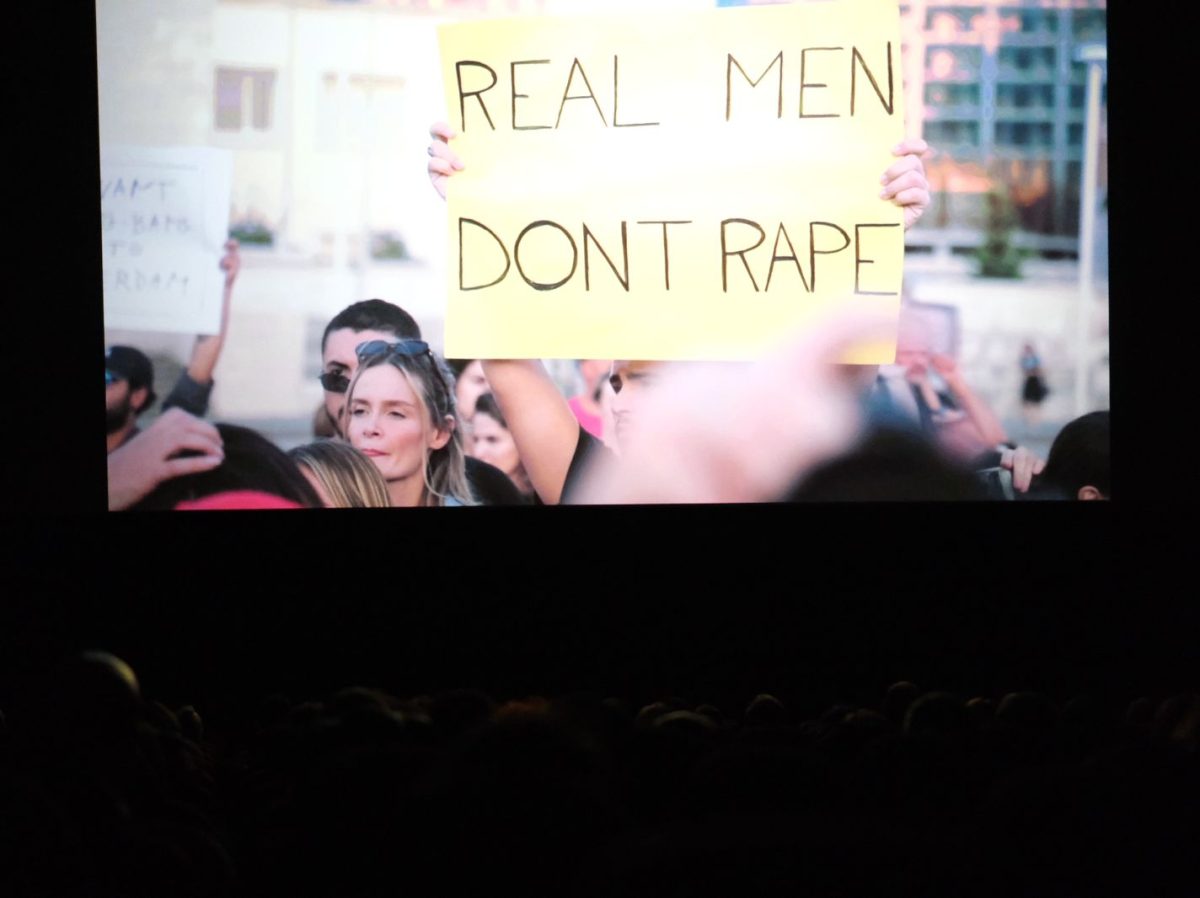
Body of Shame explores sexual abuse and harassment of women in Albania in light of the #metoo movement, exposing the fact that few woman remain unscathed by this phenomenon.

The documentary showcases the stories of brave women who challenge stigmas and share their stories with a determination to shatter society’s wall of silence.

Body of Shame challenges the societal norms that blame victims and turn a blind eye on them, seeking collective change.

Through the powerful narratives of sexual violence survivors, the documentary seeks to promote culture change, sharing the ugly truth of sexual harassment and violence against women.

BIRN Serbia Presents Fresh Media Ownership Database

New data on ownership of 43 media with the largest audience share in Serbia, published by BIRN Serbia and Global Media Registry (GMR) reveals a high risk of ownership and audience concentration and political control.

BIRN Serbia and Global Media Registry (GMR) have presented data on media ownership in Serbia. The database, Media Ownership Monitor Serbia, MOM, offers information on media, their publishers and individual owners in English and Serbian.

Serbia is one of 26 countries included in media ownership monitoring; this was the second time the monitoring was done in the country. This year, MOM databases have been published by BIRN in Albania, Bosnia and Herzegovina, Kosovo, Montenegro, North Macedonia and Serbia.

Nafisa Hasanova, head of research at Global Media Registry, said that the MOM is an excellent diagnostic tool.

“This is an X-ray of a media system. We are not demonising any particular publication but are trying to understand the risks of different media players and their closeness with the state and regulators. This is a good starting point for local actors to introduce or launch changes and see if media have enough resources for media pluralism in a democratic society,” Hasanova said, presenting the database in Belgrade.

The research is based on open-source information and official sources. It shows that, in Serbia, the public broadcaster RTS and the media companies Pink, Kopernikus, United Media and Maksim Media are the source of information for 90 per cent of people, and that many of them have significant roles in different fields – television, radio, print and online.

Presenting the media pluralism indicators, Tanja Maksic, BIRN Serbia’s project manager, said the fact most of them are in red clearly shows that political control over media in Serbia is high.

“The only indicator in green is net neutrality, as we luckily live in a part of the world where there are no internet shut-downs or control,” said Makic.

She added that a new indicator, included into monitoring this year, reveals that less that 30 per cent of managing roles in Serbian media are held by women.

The Media Ownership Monitor, or MOM, has been developed as a mapping tool to create a publicly available, continuously updated database that lists owners of all relevant mass media outlets – press, radio, television sectors and online media.

The MOM sheds light on the risks to media pluralism caused by media ownership concentration.

The MOM was initiated by the German branch of Reporters without Borders with the aim of defending freedom of the media, as well as the right to inform and to be informed everywhere in the world.

In 2019, the project grew into the Global Media Registry, GMR, an independent non-profit organisation registered under German law. In Western Balkan countries, GMR cooperates with BIRN. The project was co-funded by the EU in 2023.