The case challenged a March 2025 decision of the Council of Ministers ordering temporary measures to prevent the “negative effects” of the online platform.
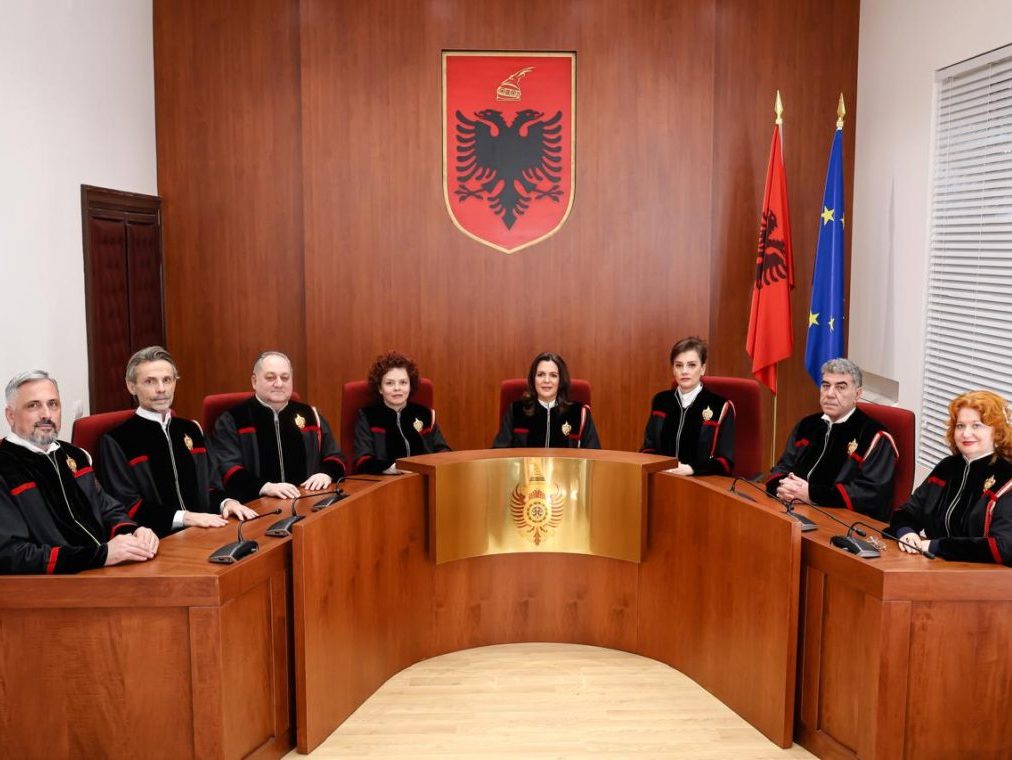
Albania’s Constitutional Court ruled on Tuesday that a government decision to block the social media platform TikTok violated freedom of expression and press freedom, partially upholding a complaint filed by journalist organisations.
The case was brought by the Association of Journalists of Albania and the Balkan Investigative Reporting Network, BIRN Albania, which challenged a March 2025 decision of the Council of Ministers ordering temporary measures to prevent the “negative effects” of the online platform.
In its decision dated March 11, the court concluded that the government’s move to interrupt access to TikTok constituted a restriction on freedom of expression and media freedom protected by the Albanian constitution.
The judges found that although the government’s stated aim of protecting children and young people from harmful online content constituted a legitimate public interest, the measure failed to meet key constitutional criteria.
Specifically, the court determined that the government lacked a clear legal basis to impose a nationwide suspension of access to an online platform and that the measure was disproportionate.
“The interruption of access to the TikTok platform constitutes a restriction on freedom of expression and freedom of the press,” the court stated, adding that the restriction did not satisfy constitutional requirements that limitations on rights must be prescribed by law and proportionate.
Although the contested decision was later repealed by the government and is no longer part of the legal framework, the court said it continued examining the case because it raised issues of public interest and required clarification for future actions by public authorities.
The court therefore partially accepted the complaint and formally recognised that the implementation of the government decision had violated freedom of expression and press freedom.